DRIFT AUDIO
Listen to this story
Choose a voice, then press play.
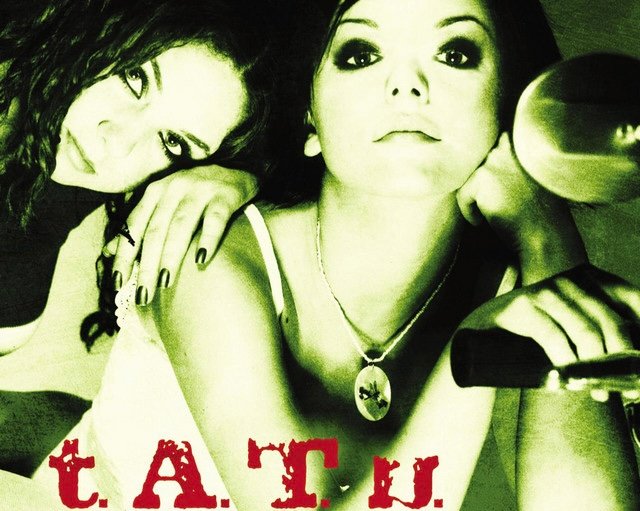
“All the Things She Said” by Russian pop duo t.A.T.u. was not just a catchy, synth-driven track that captured global attention in the early 2000s—it was a lightning rod for controversy, social commentary, and cultural shifts. Originally released as “Ya Soshla s Uma” (translated to “I’ve Lost My Mind”) in Russia, the English version took the world by storm, bringing conversations about sexuality and representation to the forefront of mainstream music.
At a time when LGBTQ+ representation was still relatively scarce in pop music, “All the Things She Said” stood out for its explicit portrayal of same-sex attraction and desire. The accompanying music video, featuring Julia Volkova and Lena Katina dressed in school uniforms and kissing in the rain, was both provocative and polarizing. Some saw it as a genuine expression of teenage angst and longing, while others criticized it as a marketing gimmick designed to shock and sensationalize.
The duo faced backlash from conservative groups and censorship in several countries, yet the controversy only seemed to fuel the song’s popularity. By challenging norms and pushing boundaries, t.A.T.u. found themselves at the center of a global debate about the commodification of queer identity and the thin line between representation and exploitation.
Despite the uproar, “All the Things She Said” achieved remarkable commercial success. The song topped the charts in countries like the United Kingdom, Australia, and New Zealand, and it reached number 20 on the Billboard Hot 100 in the United States. Its infectious chorus and raw emotional delivery resonated with listeners worldwide, earning t.A.T.u. a spot in pop history as one of the few Russian acts to break into the Western market at such a level.
t.A.T.u.’s fame, however, was fleeting. The duo’s subsequent releases failed to replicate the success of “All the Things She Said,” and their image and narrative—built heavily around the suggestion of a romantic relationship between the two members—became a limitation rather than a strength. Over time, the authenticity of their portrayal came into question, and what once seemed like a bold statement began to feel like a calculated ploy.
By the time they disbanded in 2011, t.A.T.u. had already faded from the limelight. Yet, their impact on the early 2000s music scene and the conversations they sparked about gender and sexuality left a lasting impression. For many, “All the Things She Said” remains a nostalgic anthem of rebellion, confusion, and a longing for connection—feelings that transcend its controversial origins.
Today, “All the Things She Said” is often viewed through a more critical lens. Some praise it as a pioneering piece of pop music that brought same-sex attraction into mainstream consciousness, while others see it as a problematic relic of an era that commodified queerness for shock value. Nonetheless, the song continues to be a reference point in discussions about the evolution of LGBTQ+ representation in media and the ways in which pop culture navigates themes of identity and desire.
Related Articles
Two Chicago Lifers, One Wave: Kaicrewsade and Luke Titus on ‘#SWAG SURF’
Kaicrewsade's new album RAINBOW_ arrived on October 14, and its second track pulls in Chicago drummer and singer Luke Titus.