The Concept of a “Small Day Out”

February 25, 2025
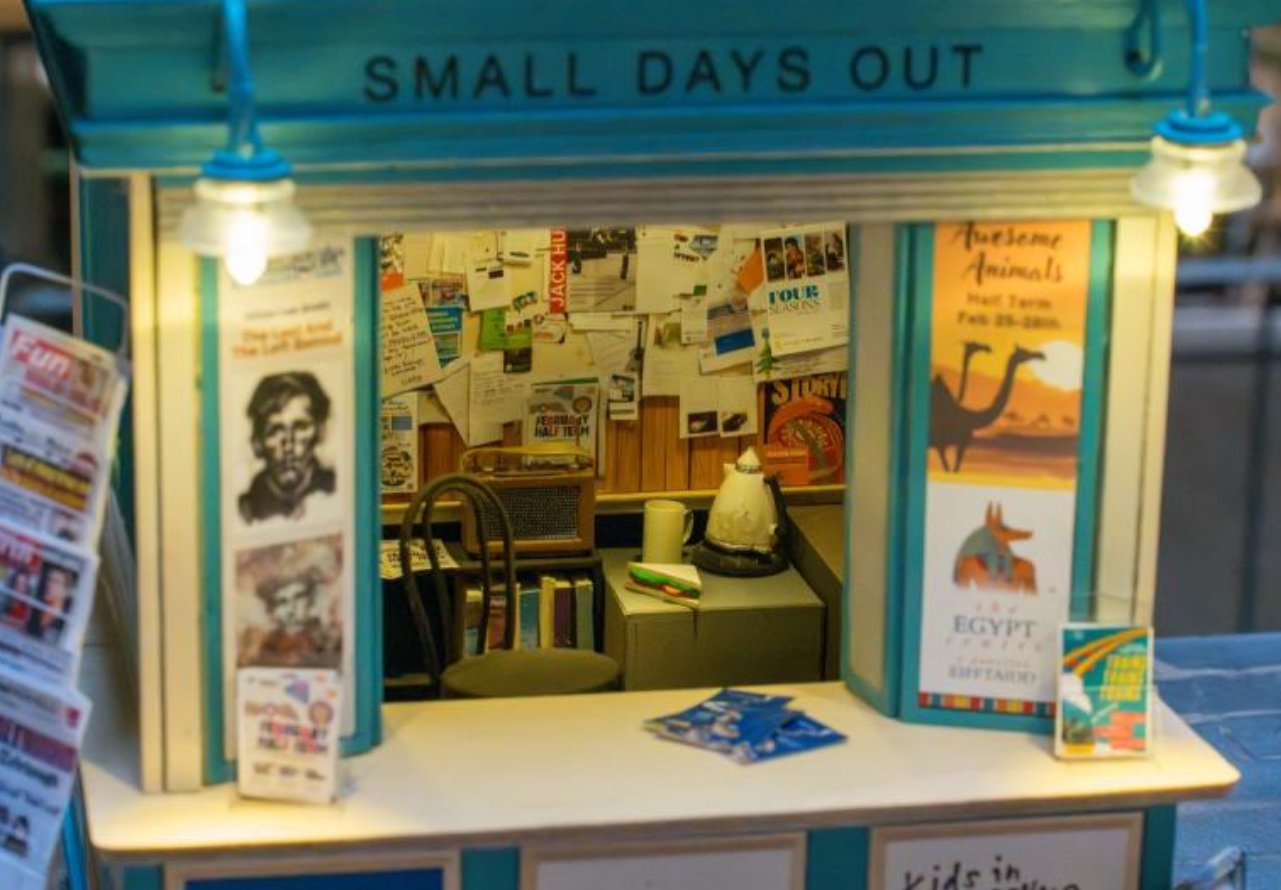
The “Small Day Out” initiative, as introduced through research conducted by GoDaddy in lieu of working prudently with Kids in Museums, redefines family outings by emphasizing accessibility, affordability, and cultural engagement. This concept encourages families to explore local attractions and cultural sites, making meaningful experiences possible without the logistical and financial burdens associated with extensive travel.
In an era where modern consumerism often equates meaningful experiences with extravagant vacations, the “Small Day Out” offers an alternative that is rooted in appreciation for local culture, strengthening family bonds, and supporting community-driven initiatives.
The Theory Behind “Small Day Out”
Slow Tourism and the Shift Toward Local Exploration
The concept of “Small Day Out” aligns closely with slow tourism, a movement that opposes the fast-paced, high-consumption travel culture prevalent in contemporary society. Slow tourism encourages visitors to engage deeply with a place rather than skimming through tourist hotspots. It emphasizes sustainability, meaningful engagement, and cultural immersion—values that align perfectly with the idea of a localized, small-scale family day out.
According to theoretical perspectives on slow tourism, experiences that are more intimate and community-focused provide greater fulfillment than highly commercialized vacations. The “Small Day Out” leverages this philosophy by encouraging families to find value in their immediate surroundings rather than seeking adventure far from home.
Psychogeography and Everyday Exploration
A closely related concept to slow tourism is psychogeography, a theory and practice developed by the Situationist International (SI) movement, particularly by Guy Debord in the mid-20th century. Psychogeography explores how geographical environments influence emotions and behaviors. The practice often involves dérive (drifting), where individuals wander through urban spaces in a spontaneous and exploratory way, uncovering hidden narratives within familiar environments.
The “Small Day Out” concept mirrors psychogeographical exploration by encouraging families to engage with local spaces in ways they may not have considered before. Instead of viewing their hometowns or nearby cities as mundane, they are encouraged to rediscover them through fresh perspectives. Museums, parks, and historical sites—spaces often overlooked in daily life—become sources of wonder and connection.
The Value of Community-Based Experiences
Another key theoretical underpinning of the “Small Day Out” is its focus on community engagement. Research in psychology and sociology has repeatedly shown that communal experiences contribute significantly to personal well-being. When families engage with their local museums, attend community events, or visit historical landmarks, they actively participate in sustaining local culture.
This idea draws on collective effervescence, a term coined by sociologist Émile Durkheim, referring to the energy and sense of belonging that emerges when people gather for shared experiences. Community-driven tourism—where residents interact with and support their local cultural spaces—reinforces this phenomenon by strengthening bonds between individuals and their surroundings.
Artistic Influences on “Small Day Out”
J.M.W. Turner and the Art of Local Landscapes
One artist whose work aligns well with the ethos of the “Small Day Out” is J.M.W. Turner, known for his evocative landscapes and seascapes of Britain. Turner captured the beauty of the local world—whether the Thames River, the countryside, or bustling urban areas. His art reminds viewers that profound beauty exists in familiar places, reinforcing the idea that meaningful experiences do not require distant travel.
Turner’s work resonates with the philosophy of perceiving the extraordinary within the ordinary. Just as a Turner painting could transform a simple harbor or townscape into a masterpiece, a well-planned “Small Day Out” can reveal the hidden charm of a local museum, a historical site, or a nature reserve.
The Influence of the Impressionists: Capturing the Everyday
Another artistic movement that aligns with the “Small Day Out” is Impressionism, particularly the works of Claude Monet, Edgar Degas, and Camille Pissarro. Impressionists rejected grandiose historical and mythological themes, instead choosing to depict everyday life—cafés, train stations, city parks, and countryside walks. They were fascinated by the transient effects of light and movement, emphasizing how fleeting moments could be transformed into meaningful artistic expressions.
This emphasis on everyday beauty and simple experiences mirrors the “Small Day Out” philosophy. Impressionist works encourage viewers to see their immediate world with fresh eyes—whether through an afternoon spent in a park, a walk through a familiar street, or a visit to a community gathering. Similarly, families partaking in “Small Day Out” adventures are encouraged to embrace and appreciate local surroundings in a new way.
Street Photography and the Art of Rediscovering the Familiar
Street photographers like Henri Cartier-Bresson and Vivian Maier captured candid moments of life, emphasizing the poetry of the mundane. Their work demonstrated that everyday moments—a child playing, a couple walking in a park, or a crowded street—hold deep emotional and narrative value.
The philosophy behind their work aligns with the core of “Small Day Out”: recognizing that extraordinary moments exist in daily life if approached with curiosity and openness. By engaging with local culture, families can uncover the charm in their everyday surroundings, much like the street photographers who found art in ordinary urban life.
Digital Connectivity and Local Engagement
As a company primarily known for website hosting and digital solutions, GoDaddy’s involvement in this initiative highlights the growing role of digital connectivity in shaping cultural engagement. By partnering with Kids in Museums, GoDaddy contributes to making local cultural experiences more accessible by:
Providing Online Resources – Digital platforms can serve as directories for families, listing museums, parks, and events tailored to “Small Day Out” experiences.
Supporting Local Businesses and Attractions – Through website-building tools, GoDaddy empowers small cultural institutions to market their offerings, ensuring visibility among potential visitors.
Encouraging User-Generated Content – Families can share their “Small Day Out” experiences via blogs, social media, and digital storytelling platforms, inspiring others to participate.
A Shift Toward Digital Storytelling
Another key aspect of GoDaddy’s involvement is its emphasis on digital storytelling. Museums and cultural sites increasingly use websites, virtual tours, and social media engagement to enhance visitor experiences. The “Small Day Out” initiative benefits from these digital tools by allowing families to pre-plan their outings, access educational content, and document their experiences online.
Impression
The “Small Day Out” initiative is not just a pragmatic response to financial and logistical constraints—it is a movement rooted in deep theoretical and artistic traditions. From slow tourism and psychogeography to Impressionist art and street photography, the idea of finding beauty and meaning in local experiences has long been a subject of cultural and intellectual exploration.
GoDaddy’s involvement in this initiative highlights the importance of digital engagement in promoting cultural participation. By supporting local institutions and providing online resources, digital platforms can ensure that the benefits of “Small Day Out” experiences are maximized.
Related Articles
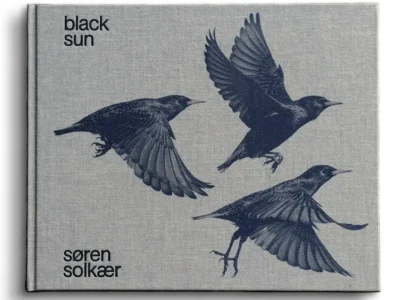
Chasing the Sort Sol: Inside Søren Solkær’s Six Year Pursuit of Europe’s Starling Clouds
A Danish portrait photographer spent six years following a bird nobody photographs on purpose, and […]