DRIFT

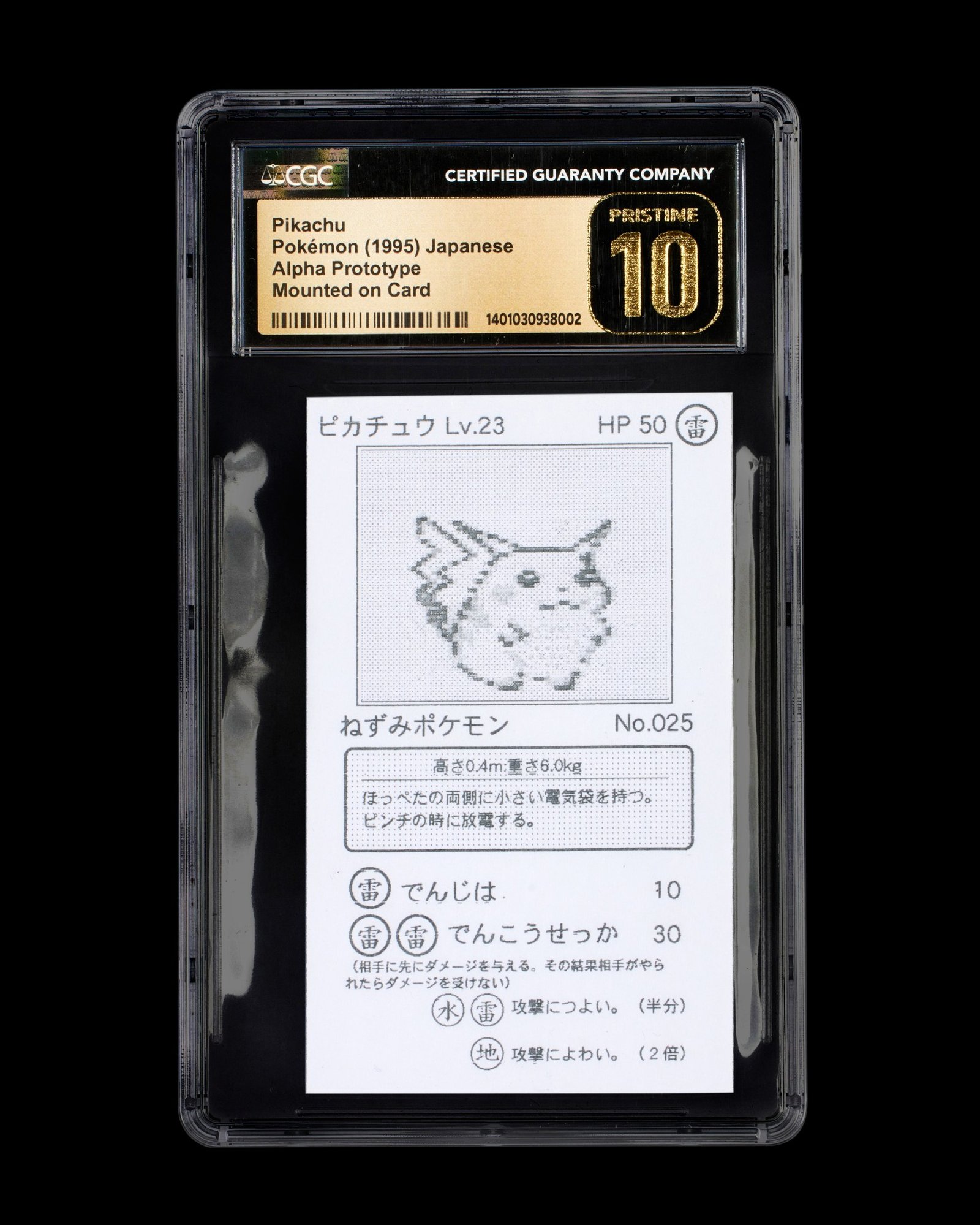
For fans of Pokémon, trading card collectors, and enthusiasts of pop culture memorabilia, few events in recent memory rival the significance of the upcoming auction featuring the earliest known Pikachu card in existence. This remarkable artifact, dating back to 1995, is not only a rare gem of the Pokémon franchise but also an important piece of gaming and cultural history. The card in question is a Japanese Alpha Prototype, one of only four graded examples known to exist. It played a pivotal role in the early development of the Pokémon trading card game (TCG), used to showcase the concept to executives before the franchise exploded into global popularity.

This auction represents a once-in-a-lifetime opportunity for collectors and Pokémon fans to own a piece of history—one that directly contributed to the creation of one of the most beloved and successful trading card games in the world. The card’s pristine condition, coupled with its historical importance, ensures that this auction will attract considerable attention and potentially astronomical bids.

The Importance of the Pikachu Alpha Prototype Card

The Pokémon TCG has been a cornerstone of the franchise’s success since its introduction in 1996. However, the roots of this phenomenon trace back to prototypes like the one being auctioned. Before Pikachu became the face of the Pokémon brand, it existed in these early concepts, helping to shape what would become a global phenomenon. The Pikachu Alpha Prototype card represents not just the birth of the Pokémon TCG but the initial spark of creativity that would transform the gaming industry.

The 1995 Alpha Prototype was a part of the very early stages of Pokémon’s development, and this particular card was used to illustrate the Pokémon concept to potential partners and executives within Japan. As such, it occupies a unique position in the history of the franchise—an intersection of business strategy, creative exploration, and collectible culture. Without these early prototypes, Pokémon might never have achieved the global cultural significance it enjoys today. The rarity of these prototype cards—only four known examples graded by CGC—only heightens their importance. These cards are not merely rare; they are singular in their historical impression, representing a unique bridge between concept and execution.

Condition and Grading: CGC 10 Pristine

The condition of the Pikachu Alpha Prototype is another critical factor that elevates the value of this card to unprecedented heights. With a CGC 10 Pristine rating, the card is in immaculate condition—an extraordinary achievement for a card that dates back nearly three decades. CGC, short for Certified Guaranty Company, is one of the most trusted grading services in the collectibles world, known for its rigorous standards in determining a card’s condition. Achieving a Pristine rating is exceedingly rare, making this already significant card even more desirable to collectors.

A CGC 10 Pristine card has flawless centering, perfect edges, and no visible signs of wear, blemishes, or imperfections. It represents the highest level of collectible condition, which is particularly rare for early Pokémon cards, many of which have been handled, traded, and played with over the years. The fact that this particular Alpha Prototype has been preserved so perfectly speaks to its importance and careful stewardship over the years. For collectors, the condition of a card can make a significant difference in its value, and a CGC 10 rating places this Pikachu card in the upper echelon of Pokémon collectibles.

The Cultural Impression of Pikachu and the Pokémon TCG

Pikachu is more than just another Pokémon—it is the face of the franchise, a character that transcends its role in the games and has become a symbol of pop culture worldwide. From video games and animated series to movies and merchandise, Pikachu is universally recognized, and its origins as part of the Pokémon TCG are fundamental to its iconic status. The Pokémon TCG itself has become one of the most successful trading card games in history, with over 43 billion cards sold worldwide as of 2021. What began as a niche hobby quickly grew into a cultural phenomenon, captivating both children and adults alike.

The influence of the Pokémon TCG on the broader world of trading cards cannot be overstated. It revolutionized the market by blending gameplay with collectibility, creating a dynamic in which players could not only engage in competitive battles but also hunt for rare and valuable cards. The enduring popularity of the game—spanning multiple generations of fans—attests to its impact on both the gaming and collectible industries. In this context, the Pikachu Alpha Prototype stands as a symbol of this transformation, representing the genesis of an empire that continues to thrive.

The Auction: Anticipation and Speculation

Given the historical significance, impeccable condition, and cultural relevance of the Pikachu Alpha Prototype card, it’s difficult to estimate just how high the bidding might go. However, recent trends in the Pokémon card market offer some clues. In recent years, rare Pokémon cards have commanded staggering sums at auction. In 2021, a Pikachu Illustrator card—a similarly rare and historically significant piece—sold for $5.275 million, setting a new record for the most expensive Pokémon card ever sold.

The demand for rare Pokémon cards has surged in recent years, driven by a combination of nostalgia, the expansion of the Pokémon brand, and an increasing interest in collectibles as alternative investments. As the market for collectibles continues to grow, especially in the wake of the COVID-19 pandemic, high-end collectibles like Pokémon cards have seen unprecedented demand. Wealthy collectors and investors are not only drawn to the cultural significance of these items but also view them as valuable assets that can appreciate over time.

Given these factors, it’s safe to assume that the Pikachu Alpha Prototype card will attract intense bidding. With only four known examples, and given its pristine condition, it would not be surprising if the card fetches a price in the millions, potentially challenging the record set by the Pikachu Illustrator card. The card’s unique historical position—as a prototype used in the conceptualization of Pokémon—makes it a one-of-a-kind collectible that transcends typical card value. For many collectors, owning this card is not just about investment potential but about possessing a tangible piece of Pokémon history.

The Broader Market for Rare Pokémon Cards

The auction of the Pikachu Alpha Prototype is not an isolated event; it reflects a broader trend in the collectibles market, particularly in relation to Pokémon cards. What began as a niche hobby has evolved into a global market where rare cards are treated like fine art or rare coins—coveted by both collectors and investors alike. Pokémon cards, especially those from the early years of the game’s release, have become some of the most sought-after collectibles in the world, with certain cards commanding six-figure or even seven-figure prices.

This growing market has been driven by several factors, including nostalgia from millennials who grew up with the franchise, increasing media attention on high-profile auctions, and the rise of Pokémon card influencers who showcase their collections online. Additionally, the Pokémon Company’s continued release of new cards and sets ensures that the market remains vibrant, with older cards becoming even more valuable as new generations of fans discover the game.

For serious collectors, acquiring rare cards like the Pikachu Alpha Prototype is about more than just nostalgia—it’s about investment. As the market for Pokémon cards continues to grow, particularly in countries like Japan and the United States, the value of these rare cards is expected to rise. High-profile auctions like this one also bring increased attention to the market, driving up demand and prices for other rare cards as well.

A Moment in Pokémon History

The auction of the Pikachu Alpha Prototype represents a landmark moment in the history of Pokémon collectibles. This card, with its historical significance, pristine condition, and cultural impression, is a rare artifact that appeals to both collectors and investors. As Pokémon continues to captivate audiences around the world, cards like this one will only grow in value, both as investment pieces and as symbols of the franchise’s enduring legacy.

While it’s impossible to predict the final hammer price, one thing is certain: this auction will be one of the most significant events in the Pokémon TCG’s history. For the lucky bidder who wins this piece of history, they won’t just be acquiring a rare card—they’ll be holding a piece of the Pokémon legacy in their hands, a tangible reminder of the cultural phenomenon that has captured the hearts of millions across the globe.

Related Articles
Modern data center facility with a solar-panel-clad exterior, bright green administrative offices, and secure perimeter fencing, showcasing sustainable digital infrastructure and renewable energy integration

Lombardy’s Data Center Boom: Balancing Digital Ambition with Environmental Responsible

Lombardy has emerged as Italy’s primary hub for new digital infrastructures, particularly data centers—vast complexes […]

In a highly anticipated reunion after 24 years, Adidas Originals and Coca-Cola have joined forces once again to celebrate the FIFA World Cup 2026™. The collaboration revives their iconic 2002 partnership from the Japan-South Korea tournament, now reimagined for the biggest global sporting event of 2026, co-hosted by the United States, Canada, and Mexico. Set to launch on June 6, 2026, this collection masterfully blends Adidas' streetwear heritage with Coca-Cola's timeless branding, creating a vibrant fusion of football culture, nostalgia, and modern style. The drop arrives at a perfect moment. With the World Cup kicking off on June 11, 2026, fans worldwide are gearing up for a summer of football excitement. This collaboration isn't just merch—it's a cultural statement that merges two legendary brands under the banner of "Originals are the Real Thing," a clever twist on Coca-Cola's famous slogan. Historical Context: A Reunion 24 Years in the Making Adidas and Coca-Cola first collaborated during the 2002 FIFA World Cup, producing limited-edition pieces that captured the era's energy. That partnership helped define early 2000s football-streetwear crossover culture. Fast-forward to 2026, and the brands are back with fresh energy, leveraging Adidas' deep FIFA ties (as an official partner) and Coca-Cola's long-standing sponsorship of the tournament. The 2026 edition promises to be historic as the first 48-team World Cup, spanning three countries and generating unprecedented global hype. This collab taps into that momentum, offering fans wearable pieces that celebrate both brands' legacies while looking forward to the future of football fashion. Collection Overview and Design Philosophy The Adidas Originals x Coca-Cola collection fuses 2000s street style with classic sporting aesthetics. Expect bold reds, creams, whites, and silver accents inspired by Coca-Cola's iconic packaging—think classic script logos, droplet detailing, and can-inspired motifs. The lineup spans footwear, apparel, and accessories, divided into two visual directions: one logo-heavy and graphic-forward, the other drawing from vintage advertising aesthetics. Designs pay homage to Coca-Cola's visual language while staying true to Adidas Originals' archival roots. High-quality materials, attention to detail, and versatile silhouettes make these pieces suitable for both match-day wear and everyday street style. The campaign, featuring young football star Lamine Yamal and a diverse cast in everyday scenes building anticipation for the tournament, reinforces themes of originality and shared cultural moments. Footwear Highlights Footwear takes center stage in this collaboration, with reimagined takes on iconic 2000s Adidas silhouettes: Samba and Superstar Models: These classics get Coca-Cola treatment with white/cream/red colorways and prominent script branding. The Samba blends street heritage with football roots, while the Superstar II features weathered bases and bold side panels. Expected pricing around $110–$130. Adistar Control 5: A standout with droplet detailing mimicking condensation on a cold Coke can. This model brings performance-inspired design into lifestyle territory. Predator Sala: Indoor/hybrid style with silver-and-red accents, nodding to predatory precision on the pitch and Coca-Cola's bold energy. Climacool 1: Revived with breathable tech and Coke-inspired graphics, perfect for warm summer days. Megaride F50: A highlight paying tribute to the iconic Coca-Cola glass bottle, with unique contours and refreshing design cues. Each pair incorporates thoughtful details like embroidered logos, custom insoles, and packaging that mimics vintage Coke crates or cans. These shoes are built for durability and comfort, appealing to sneakerheads, football fans, and casual wearers alike. Apparel and Accessories Beyond kicks, the collection offers a full lifestyle range: Track Tops and Jerseys: Standout jerseys fuse retro Coca-Cola advertising from different eras into cohesive football designs. Track jackets feature signature three stripes alongside Coke branding, in vibrant reds and classic whites. Shorts and T-Shirts: Relaxed fits with graphic prints, ideal for casual wear or layering. Expect motivational football motifs blended with refreshing beverage references. Accessories: A bright red airliner bag stands out as a functional statement piece. Additional items may include caps, socks, and tote bags carrying the collaborative spirit. The apparel emphasizes comfort with premium cotton blends, mesh panels for breathability, and oversized silhouettes popular in contemporary streetwear. Unisex sizing and inclusive fits make the collection accessible to a broad audience. Cultural Impact and Fan Appeal This collaboration resonates on multiple levels. For football fans, it represents national pride and global unity ahead of the 2026 tournament. Sneaker enthusiasts will appreciate the nostalgic 2000s revival mixed with modern execution. Streetwear collectors see it as a prime example of how heritage brands can innovate through partnerships. In an era where sports and fashion increasingly intersect, Adidas and Coca-Cola deliver pieces that transcend the pitch. Wear them to watch matches at home, attend watch parties, or hit the streets in any host city—New York, Los Angeles, Toronto, or beyond. The designs are versatile enough for gym sessions, festivals, or daily commutes. The timing aligns perfectly with rising interest in football in North America, boosted by the co-hosting nations. Young talents like Lamine Yamal in the campaign help bridge generational gaps, attracting newer fans while satisfying longtime supporters. Where to Buy and Release Details The collection launches globally on June 6, 2026, via: Adidas CONFIRMED app (for early access and raffles) Adidas.com Select retailers and flagship stores worldwide Some regions may see staggered drops, with Japan and other markets getting early access. Prices are expected to range from $50–$150 depending on the item, making it relatively accessible compared to ultra-limited drops. Pro Tips for Copping: Enable notifications on the CONFIRMED app. Check local stock at Adidas stores in major cities. Monitor resale platforms post-drop for exclusive colorways, but be wary of markups. Size up slightly for oversized apparel fits. Given the World Cup hype, popular items like the Sambas and jerseys are likely to sell out quickly. International shipping is available, but factor in potential customs delays. Styling Suggestions Match Day Look: Pair a collaborative jersey with classic black shorts and Samba sneakers for effortless fan style. Streetwear Rotation: Layer a track top over a graphic tee with wide-leg pants and the Megaride F50 for a bold urban ensemble. Casual Summer: White Superstar with denim shorts and the airliner bag for a refreshing, vacation-ready vibe. These pieces mix seamlessly with existing Adidas or neutral wardrobes, maximizing versatility. Broader Context in 2026 Fashion and Sports The Adidas x Coca-Cola drop is part of a larger wave of high-profile collaborations tied to the World Cup. Adidas continues its dominance in football kit design, while Coca-Cola leverages its sponsorship with collectibles, bottles, and experiential activations like the Trophy Tour. In the sneaker industry, this collab exemplifies the ongoing trend of lifestyle reinterpretations of performance silhouettes. It also highlights how global brands use major events to drive cultural conversations around unity, originality, and joy—core values for both companies. Sustainability notes (based on Adidas' broader initiatives) suggest some pieces may incorporate recycled materials, aligning with modern consumer expectations. Looking Forward: Legacy and Excitement As the countdown to kickoff continues, this collection serves as the perfect prelude to an unforgettable summer of football. Whether you're a die-hard supporter, a fashion-forward collector, or someone seeking motivation through style, the Adidas Originals x Coca-Cola FIFA World Cup 2026 lineup delivers. Expect potential restocks, special event exclusives in host cities, and continued campaign content featuring more athletes. This isn't just clothing—it's a ticket to participate in the global celebration of the beautiful game. Mark your calendars for June 6, 2026. Refresh your wardrobe, lace up those Sambas, and get ready to cheer on your team in style. The "Real Thing" meets the Originals in what promises to be one of the most talked-about releases of the year. This collaboration captures the essence of football's universal appeal: bringing people together through shared passion, iconic brands, and unforgettable moments. As the world prepares for 2026's expanded tournament, Adidas and Coca-Cola remind us that some partnerships are truly timeless.

Adidas Originals x Coca-Cola Collection: FIFA World Cup 2026

In a highly anticipated reunion after 24 years, Adidas Originals and Coca-Cola have joined forces […]

Loewe shoulder bag crafted in brown and black leather with minimalist lion face detailing and a matching fur tail charm

180 Years Unfolded: The Full Story Behind Loewe’s New Campaign

The year was 1846. Queen Victoria was on the British throne and the telephone, the […]