DRIFT AUDIO
Listen to this story
Choose a voice, then press play.
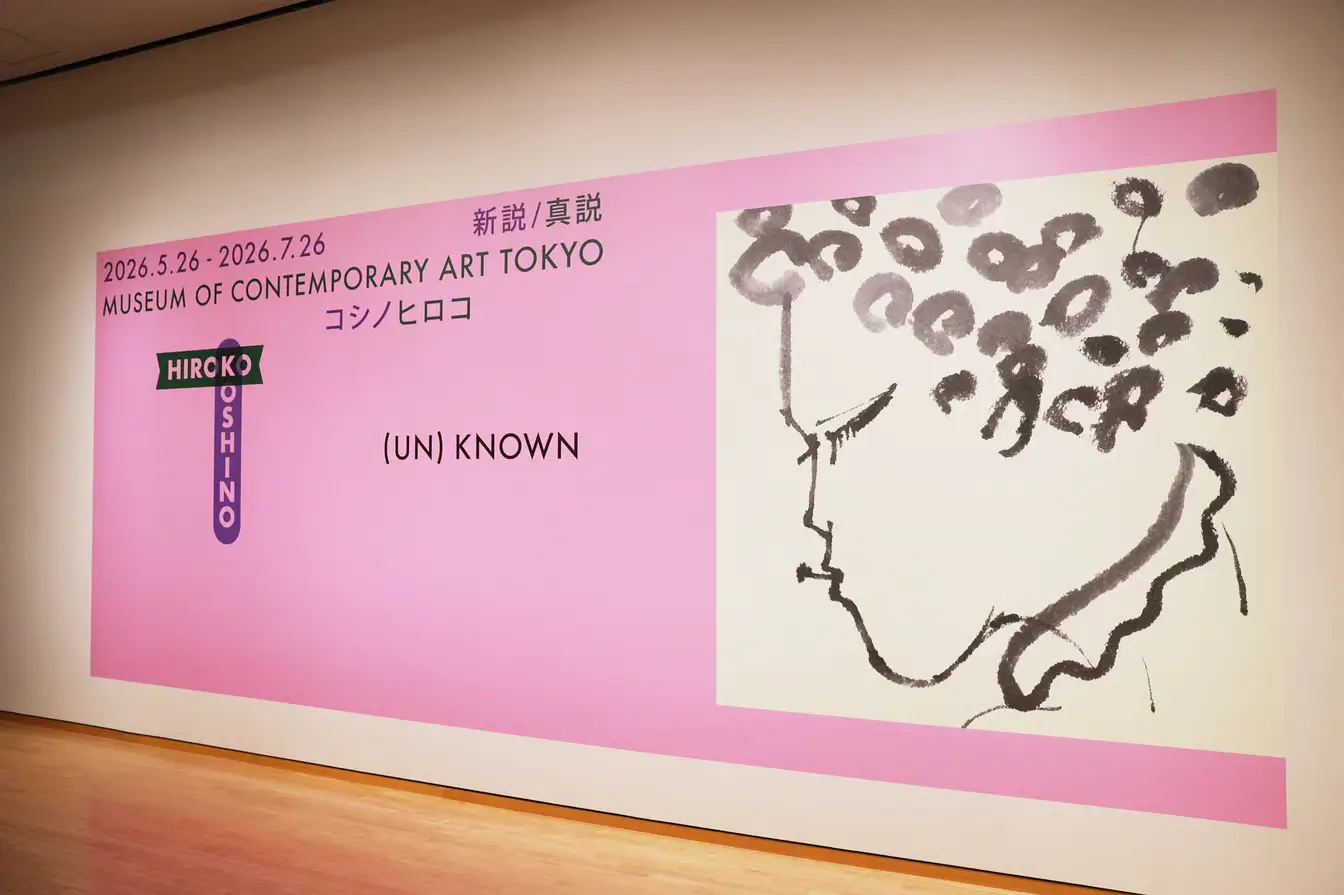
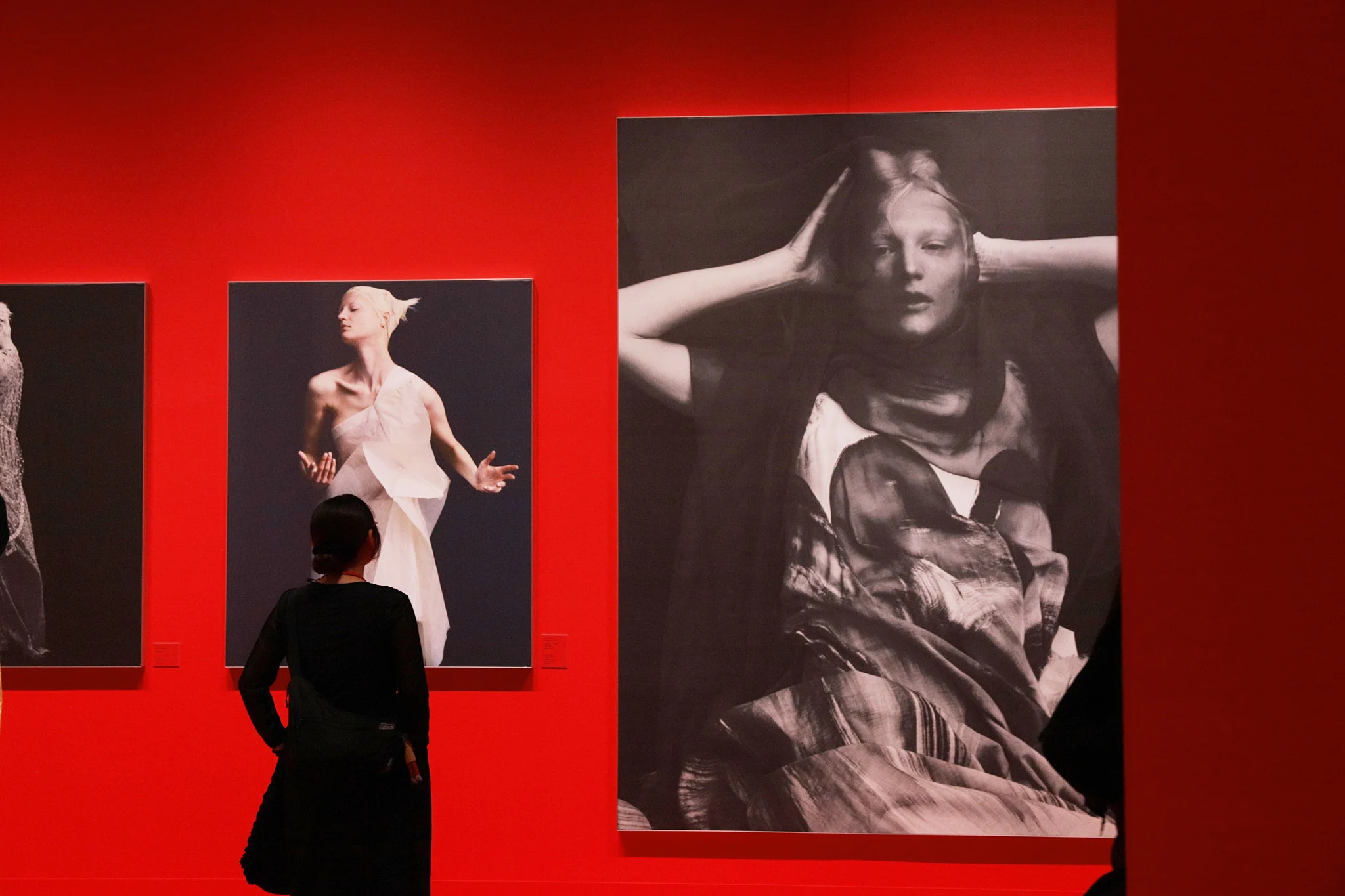
On May 25, 2026, the day before the highly anticipated public opening, a prestigious press preview was held at the Museum of Contemporary Art Tokyo (MOT). The event marked a significant milestone in Japanese cultural history: the largest-ever retrospective dedicated to the legendary fashion designer Hiroko Koshino. Titled “(UN)KNOWN HIROKO KOSHINO – New Theory / True Theory Koshino Hiroko”, the exhibition runs from May 26 to July 26, 2026, in the museum’s Exhibition Gallery B2F. At the opening ceremony, Koshino herself took the stage alongside Yuriko Koike, the Governor of Tokyo, underscoring the exhibition’s importance not only to the fashion world but to Tokyo’s broader cultural landscape.
This expansive show, spanning more than half a century of Koshino’s creative output, promises to redefine how audiences perceive one of Japan’s most enduring and innovative designers. Far from a conventional fashion retrospective, it positions Koshino as a multidisciplinary artist whose work transcends clothing to encompass painting, calligraphy, ceramics, and spatial design. With approximately 200 fashion pieces and 130 artworks on display, the exhibition invites viewers to discover the “unknown” dimensions of a figure long celebrated yet perhaps not fully understood in her totality.
stir
Born on January 15, 1937, in Kishiwada City, Osaka Prefecture, Hiroko Koshino grew up immersed in the world of textiles and clothing. Her grandfather was a traditional kimono maker, while her parents operated a western-style clothing business—her mother, Ayako Koshino, was a pioneering dressmaker who raised three daughters who all became prominent designers: Hiroko, Junko, and Michiko. This family legacy, later dramatized in the popular NHK morning drama Carnation, shaped Hiroko’s early path.
As a teenager, Koshino was drawn to art, particularly drawing anime, but her parents steered her toward fashion. She attended Bunka Fashion College in Tokyo, graduating in 1961. While studying, she won the Nippon Designers Club’s best designer award in 1957. Her professional career began at Ginza Komatsu department store, where she designed youthful women’s wear. In 1964, she opened her first haute couture atelier in Shinsaibashi, Osaka, quickly establishing herself as a force in Japanese fashion.
Koshino’s breakthrough came in the 1970s and 1980s. In 1977, she joined the influential Top Designers 6 (TD6) group, debuting collections biannually in Tokyo. By 1982, she launched her independent brand, contributing to the “Designer’s Character Brand” boom that elevated Japanese fashion globally. She showed in Paris, participated in Alta Moda in Rome, and created everything from prêt-à-porter to uniforms for the Kintetsu Buffalos baseball team. Her lines expanded to include Hiroko Koshino Resort, Hiroko Bis, Hiroko Homme, and more.
What distinguishes Koshino is her parallel pursuit of fine art. She has created over 1,900 paintings, often using sumi-ink, acrylic, and experimental techniques. Her artworks frequently inform her fashion designs, embodying a Gesamtkunstwerk—a total work of art—know reminiscent of Bauhaus ideals. This synthesis of art and fashion forms the intellectual core of the MOT exhibition.

flow
The title “(UN)KNOWN HIROKO KOSHINO” cleverly plays on the tension between public perception and deeper realities. “New Theory” suggests fresh interpretations of her legacy, while “True Theory” points to an authentic, unfiltered examination of her creative process. Curated to layer social, cultural, and historical contexts with her artistic practices, the show challenges viewers to move beyond brand imagery and see Koshino as a critical, experimental creator who has continually reinvented herself.
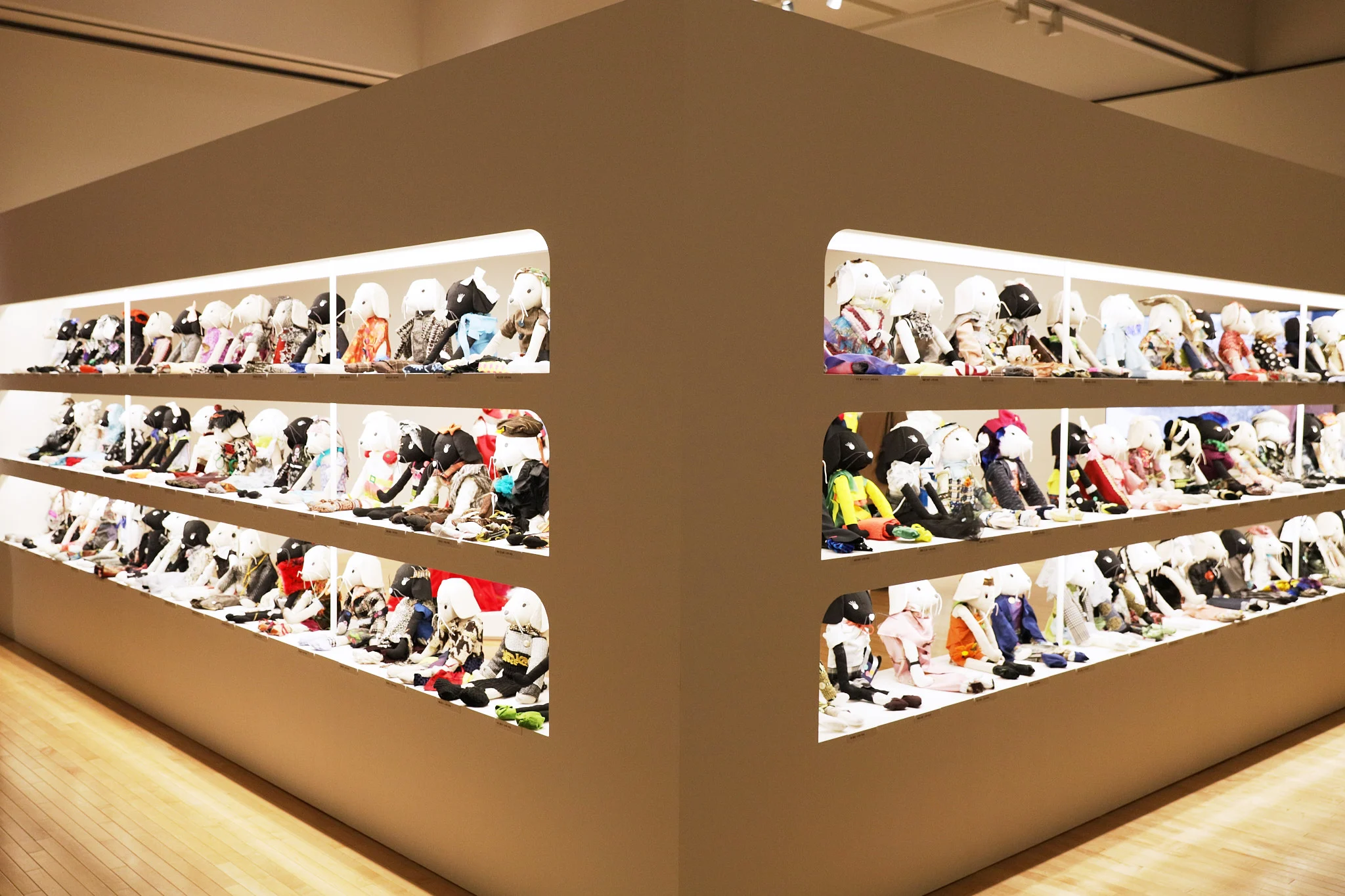
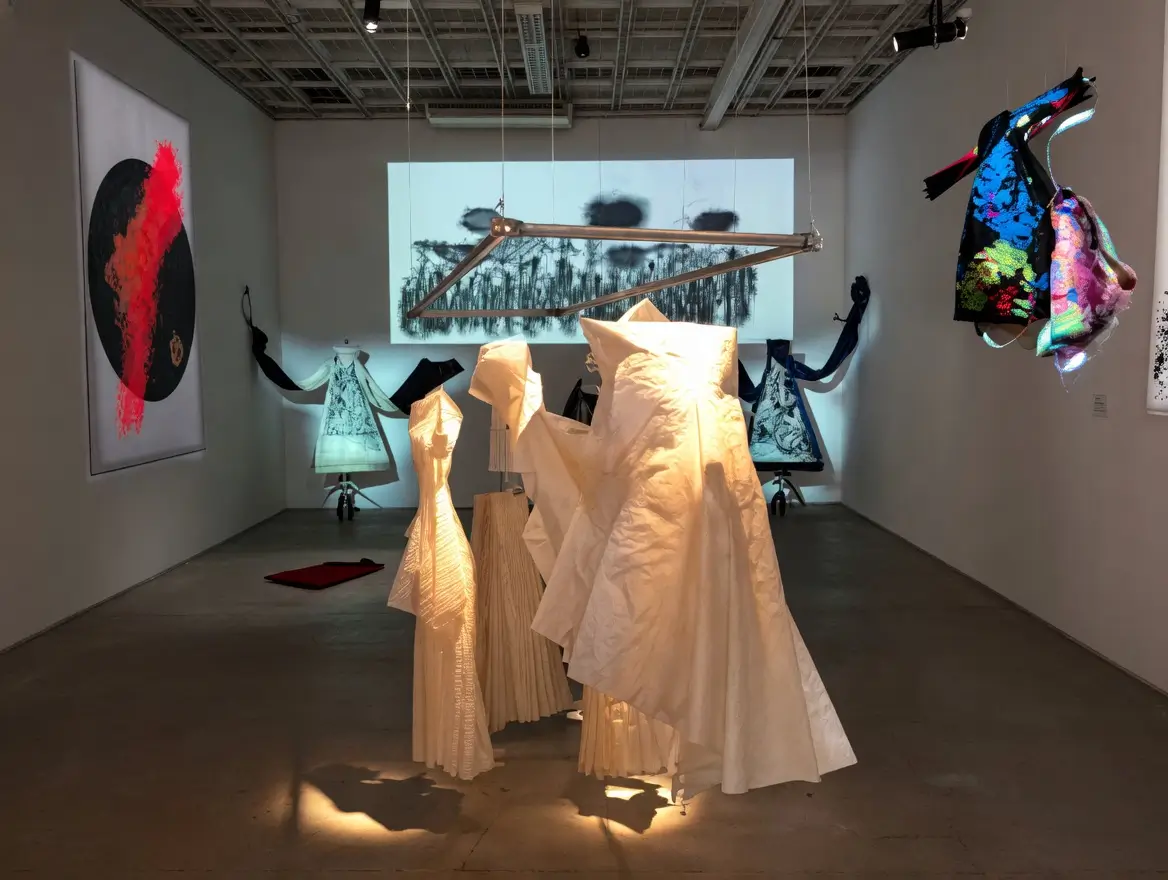
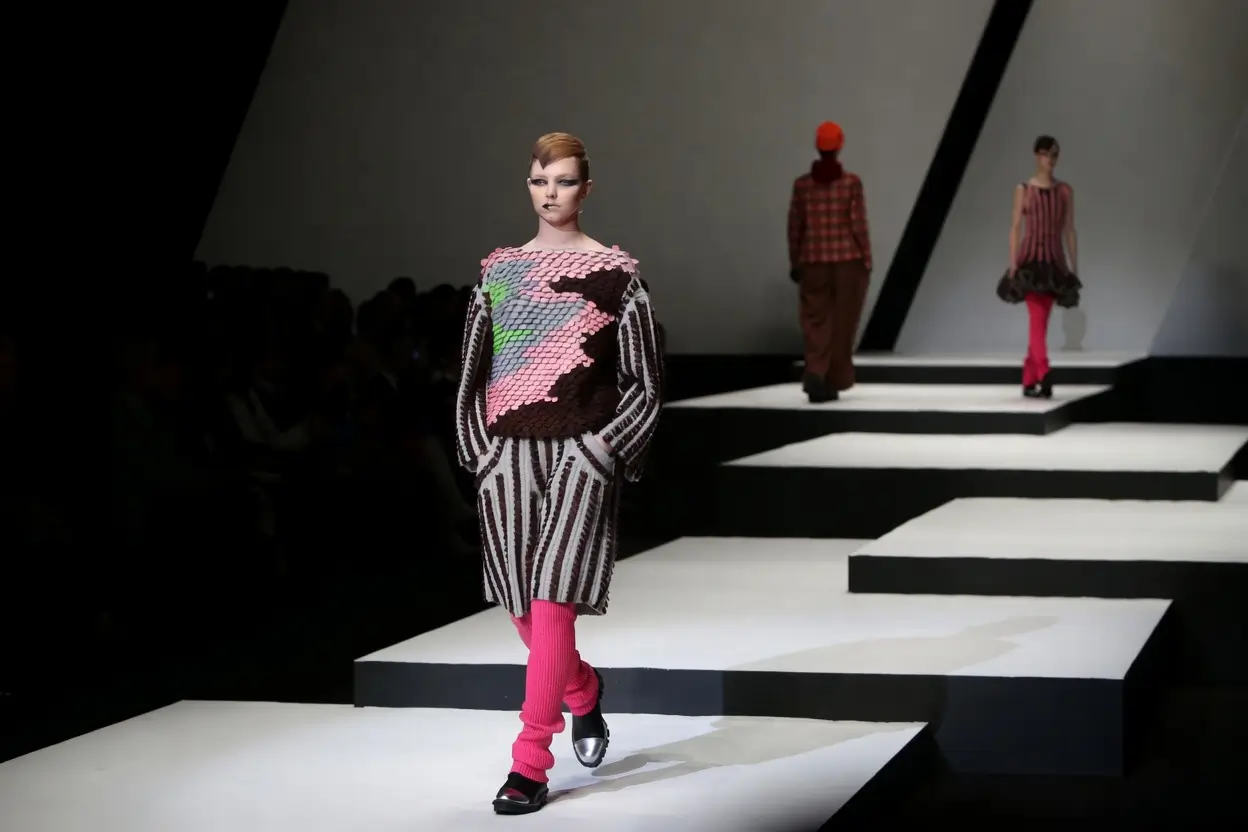
The exhibition features carefully selected garments from across six decades, alongside paintings, calligraphy works, ceramics, and archival materials. Highlights include dramatic runway pieces that showcase Koshino’s signature sculptural silhouettes, bold use of color, and innovative textile manipulations. Visitors will encounter works that respond to shifting eras—from post-war Japan’s modernization to contemporary global dialogues on identity, nature, and technology.
One section likely emphasizes her paintings as generative sources for fashion. Koshino’s abstract compositions, often inspired by nature, graffiti, or Japanese traditions, translate into garments with fluid draping, voluminous forms, and vibrant palettes. The show also includes children’s creations from the “Next Creation Program Kids’ Fashion Project,” linking Koshino’s legacy to future generations.
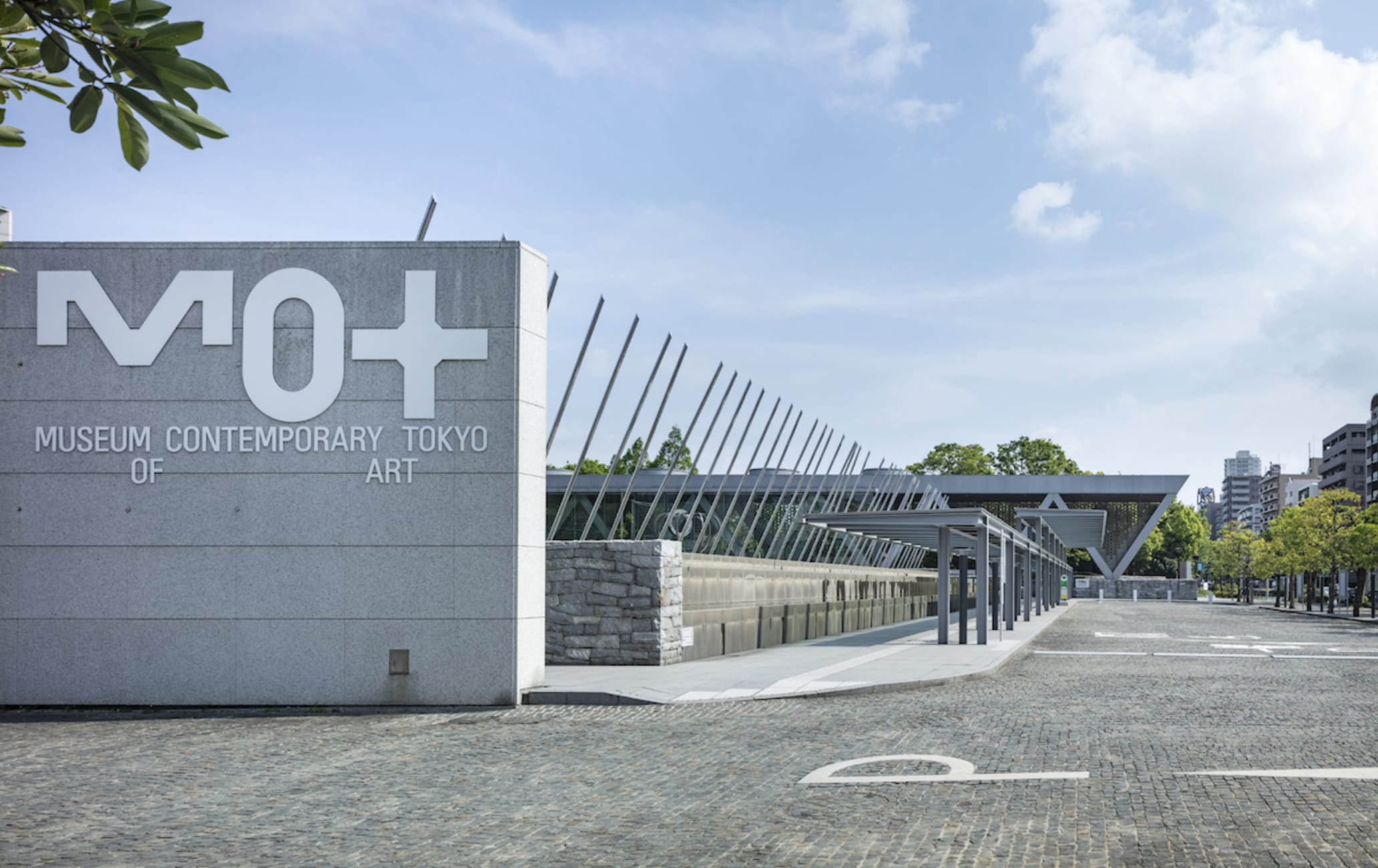
The venue itself, the Museum of Contemporary Art Tokyo in Koto Ward’s Kiyosumi-Shirakawa area, provides an ideal industrial-chic backdrop. Designed with expansive galleries, the space allows for immersive installations where fashion and art coexist dynamically.
show
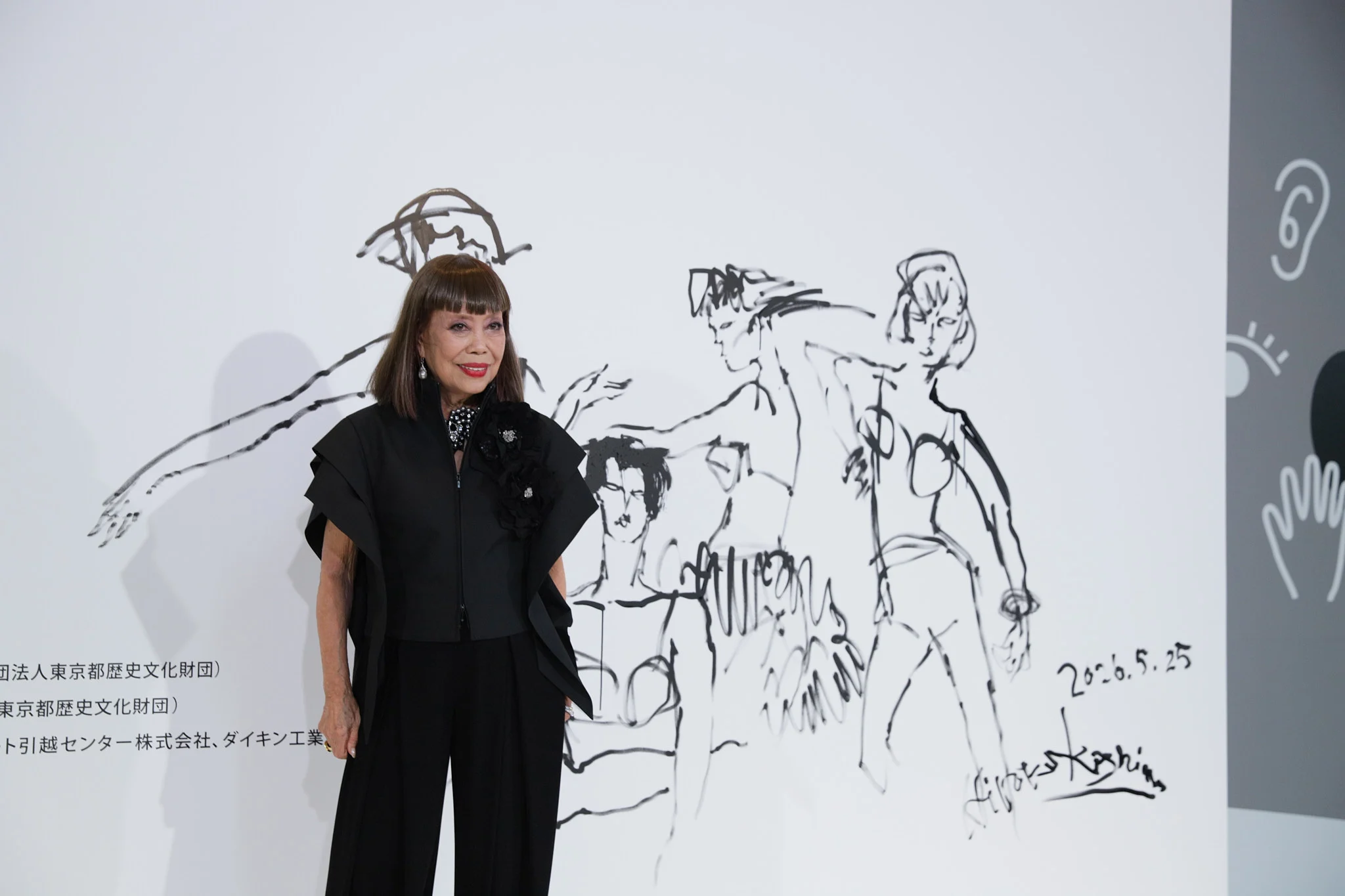
On May 25, 2026, media representatives gathered for an exclusive preview, offering first glimpses of the installations. The atmosphere was electric, with fashion journalists, art critics, and culture figures mingling among the displays. The highlight was the opening ceremony featuring Hiroko Koshino and Tokyo Governor Yuriko Koike.
Koike’s presence signals strong governmental support for culture initiatives that celebrate Japanese creativity on the world stage. In her remarks, she likely praised Koshino’s contributions to Tokyo’s identity as a fashion capital and her role in bridging traditional craftsmanship with forward-thinking innovation. Koshino, elegant and reflective at 89 years old, shared insights into her lifelong philosophy: “People in the fashion world always look ahead, and I would like to be an unpretentious fashion designer, expressing what I feel from the heart.”
Attendees noted the emotional weight of seeing Koshino walk through her life’s work. The preview allowed for intimate interactions with pieces that have defined runways, photo shoots, and exhibitions worldwide. Early reactions describe the show as both nostalgic and revelatory—revealing layers of Koshino’s practice previously obscured by her commercial success.
sig
Fashion as Cultural Commentary: Koshino’s designs have long responded to societal shifts. From the bold volumes of the 1980s economic boom to more contemplative works addressing sustainability and heritage, her garments act as wearable narratives. The exhibition contextualizes these within Japan’s post-war recovery, bubble economy, and modern minimalism movements.
Art-Fashion Symbiosis: Koshino treats the body as architecture. Voluminous silhouettes echo her large-scale paintings, while textile experiments mirror her mixed-media techniques. Visitors can trace how a sumi-ink brushstroke becomes a pleat or how a color study informs a collection palette.
Multidisciplinary Legacy: Beyond clothing, the show highlights her work in perfume, accessories, spatial design, and public projects. It positions her as a total creator whose influence extends to music, film, and education.
Sustainability and Future Thinking: In an era of fast fashion, Koshino’s emphasis on craftsmanship and longevity feels prescient. The inclusion of the Kids’ Fashion Project reinforces themes of mentorship and continuity.

The exhibition is open from 10 AM to 6 PM (last entry 5:30 PM), closed on Mondays except July 20, 2026. Ticket prices are ¥2,200 for adults, ¥1,500 for university students/seniors (65+), ¥800 for high school/junior high students, and free for elementary school children and under.
MOT’s location near Kiyosumi-Shirakawa Station makes it accessible. Expect a thoughtfully paced visit of 90–120 minutes to fully absorb the scale. Audio guides and possibly English materials will enhance accessibility for international visitors. The accompanying catalog and website (hirokokoshino.com/unknown) promise rich documentation.
exhibition
In a time when fashion increasingly intersects with art, technology, and social issues, Koshino’s retrospective feels specifically timed. At 89, she remains active, presenting collections and creating art. This show cements her status as a living legend while inviting new audiences—especially younger generations—to discover her work.
It also celebrates Tokyo’s role as a cultural hub. Governor Koike’s involvement highlights how fashion and art contribute to the city’s soft power. For Japan, it reaffirms the Koshino sisters’ collective impact on national identity.
Comparisons to past exhibitions, such as her 2018 “A Touch of Bauhaus” in New York, suggest this MOT show is more comprehensive, benefiting from institutional resources and a Japanese context that deeply understands her roots.
imply
Hiroko Koshino’s story is one of resilience, creativity, and quiet rebellion. From Osaka roots to global stages, she has navigated gender expectations, economic upheavals, and artistic boundaries with grace. Her sisters’ parallel successes created a rare dynasty in fashion, yet Hiroko’s voice remains distinctly poetic and introspective.
The exhibition encourages dialogue: How do we reconcile the “known” glamorous designer with the “unknown” introspective artist? What lessons does her six-decade career offer today’s creators facing AI, climate challenges, and cultural homogenization?
As visitors leave the galleries, they may carry not just admiration for beautiful objects but inspiration to approach their own lives with Koshino’s blend of heart, experimentation, and enduring curiosity.
clue
The largest-ever exhibition of Hiroko Koshino’s work is more than a fashion showcase—it is a profound meditation on creativity itself. Through garments that move like paintings and artworks that wear like dreams, Koshino invites us to reconsider what we think we know about her, Japanese design, and the boundaries between disciplines.
With the press preview successfully concluded and the public opening on May 26, Tokyo becomes the epicenter of a celebration of one woman’s extraordinary view.
From the DRIFT archive: Larry Cohen: Brentwood, 1982 A Study in Suburban Tension and the Cinematic Stillness of California
Related Articles
Joël Andrianomearisoa Finds More Than One Black in a Square of Buttons
In La Guerre des Boutons I, a field of ordinary fasteners turns a modest textile […]