
DRIFT AUDIO
Listen to this story
Choose a voice, then press play.
In the flickering underbelly of cities where concrete meets neon and basslines bleed into alleyway echoes, a new underground stirs. Not the silhouette Warholian factory of the 1960s, but a fluid, borderless circuit pulsing through streets, screens, and subcultures alike. The modern Velvet Underground isn’t confined to a band or a manifesto—it’s a living ethos. Raw authenticity collides with digital alchemy, street swagger flows into high-fashion disruption, and collective euphoria rewires what rebellion means today. This is the welcoming circuit: an invitation to step off the polished runway and into the unscripted rhythm of now.
With a futuristic and cool vibe, VEKTRO has become a rising star in the European underground scene. Their sound blends distorted bass, dark melodies, and emotive vocals with a production inspired by modern cyberpunk. Snippets and previews of future projects have been circulating… pic.twitter.com/sYgirpuTE8
— Next Step © (@nextstepst) June 3, 2026
stir
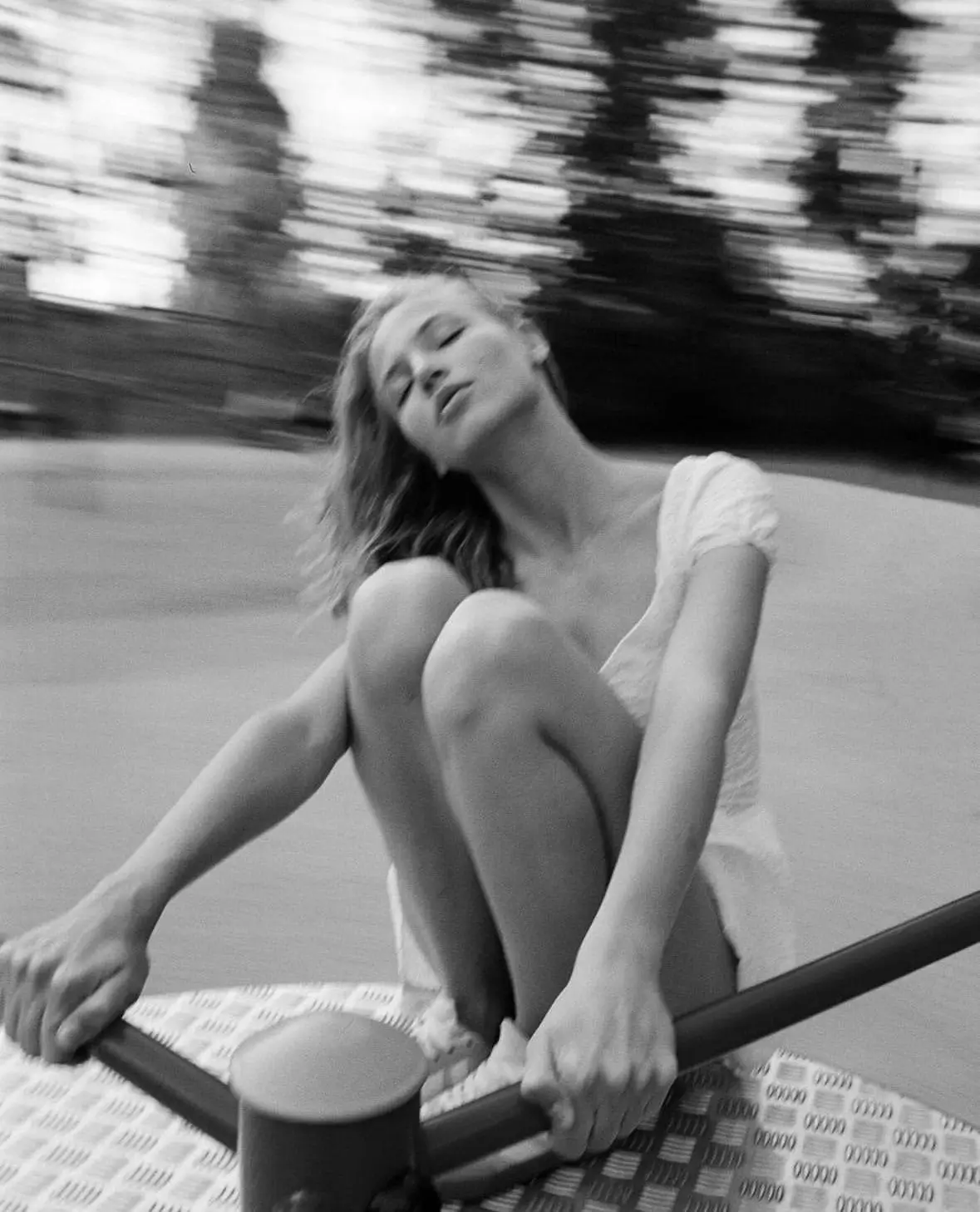
The scene opens with a shh intensity. A figure poised on water’s edge, body arched in repose yet taut with unspoken momentum. Hair catches the wind like static electricity before a storm. Eyes closed not in retreat, but in surrender to sensation—the blur of passing world streaking past while she remains anchored, hands gripping rails that ground her amid chaos.
This is the threshold. Street culture has always thrived in such liminal spaces: the pier after hours, the rooftop at dawn, the afterparty that refuses to end. Here, the modern Underground begins its unveiling—not through shock for shock’s sake, but through a cultivated flow that merges introspection with unstoppable forward motion.
flow
Flow, in this context, is more than movement. It is the current that binds disparate energies: the skater carving asphalt lines at dusk, the DJ threading samples from forgotten soul 45s into futuristic breaks, the designer pulling from graffiti archives to reimagine denim as armor. The Velvet Underground once soundtracked the demimonde with songs that felt like whispered confessions over feedback. Today, that spirit reincarnates in artists who treat the street as both stage and studio. Think of how contemporary creators channel Lou Reed’s deadpan flow into trap-infused spoken word, or how streetwear collectives echo the band’s unpolished edge by dropping limited runs that vanish faster than bootleg tapes.
sanct
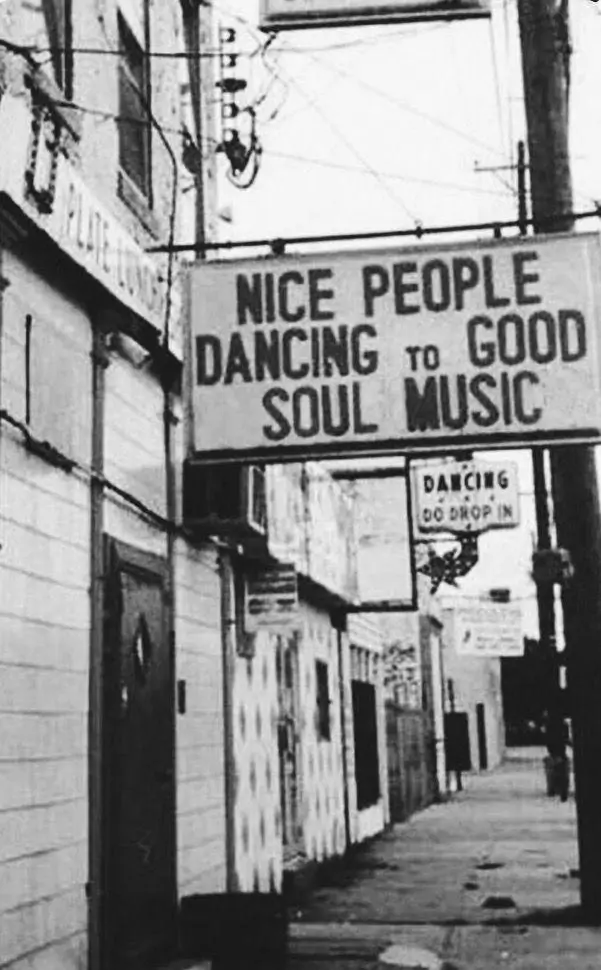
Consider the soul of the streets themselves. An empty alley whispers history through faded signage: “NICE PEOPLE DANCING TO GOOD SOUL MUSIC.” Faded brick, tangled wires overhead, a promise of sanctuary in the ordinary. This isn’t nostalgia porn; it’s blueprint. Modern underground scenes reclaim overlooked urban corridors as temples of connection. From Bushwick warehouse raves to Tokyo back-alley techno dens to Lagos market cyphers, the circuit welcomes all who arrive with open ears and restless feet. Soul music—broadly defined as anything that moves the spirit—has evolved. It now encompasses chopped-and-screwed heritage samples layered under hyperpop, or Afrobeat rhythms fused with house that spill from car speakers onto sidewalks. The “nice people” aren’t gatekept; they’re self-selected through vibe alone. No dress code required beyond authenticity.
scope
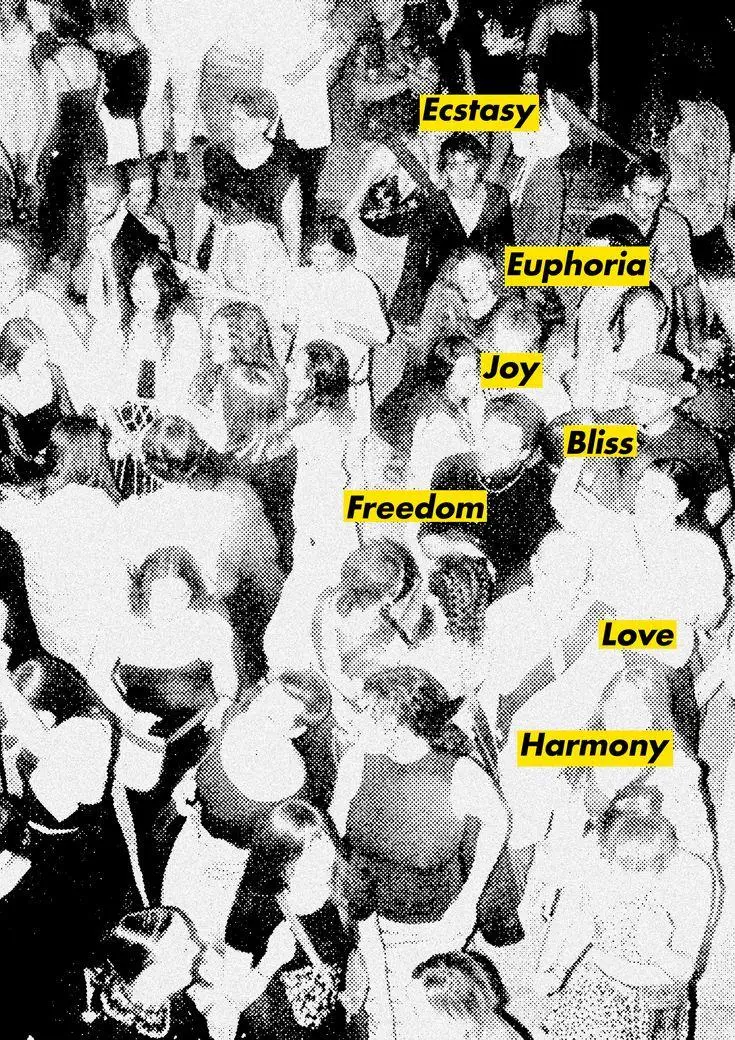
This welcoming extends to the collective high. Overhead views of crowds dissolve into a tapestry of shared transcendence. Words float across bodies in motion: Ecstasy. Euphoria. Joy. Bliss. Freedom. Love. Harmony. Not slogans, but frequencies. The modern Velvet Underground thrives in these moments of mass release—where individual identities blur into a singular, heaving organism. Street culture has always been participatory. Block parties in the Bronx birthed hip-hop. UK warehouse scenes forged acid house. Today’s iterations span global metropolises yet feel intimately local: pop-up sound systems in public parks, flash-mob vogue battles under overpasses, or virtual-physical hybrids where avatars in digital clubs sync with real-world dancers via AR filters.
sedition
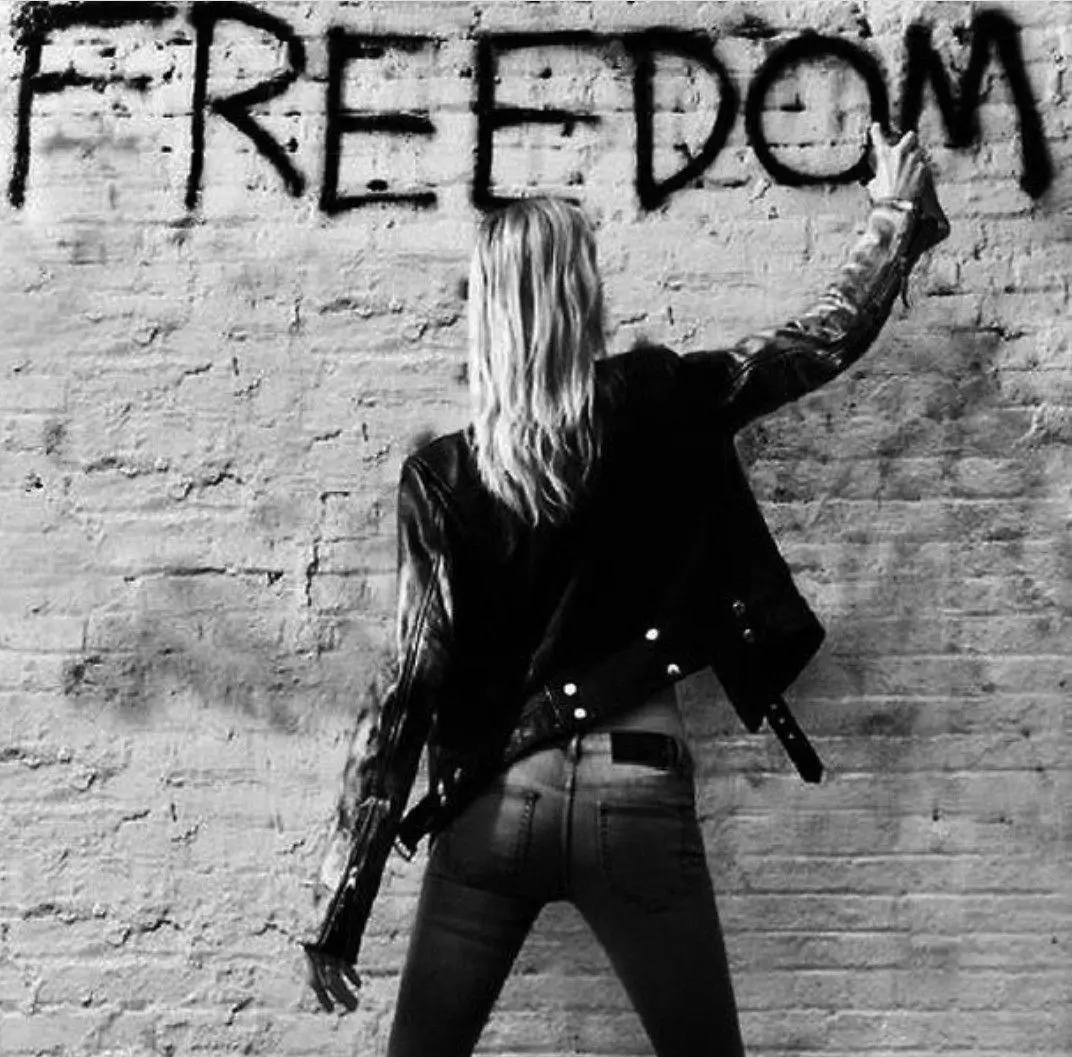
Fashion, naturally, serves as both uniform and disruption. The circuit’s wardrobe rejects uniformity for deliberate contrast. A crisp white sundress against industrial blur speaks volumes about vulnerability as strength. Elsewhere, leather and denim become canvases for defiance—backs turned to authority while hands claim space with bold declarations. FREEDOM scrawled across brick isn’t mere vandalism; it’s reclamation. Streetwear today operates on the same wavelength: oversized silhouettes that swallow the body then release it in motion, distressed fabrics that tell stories of wear, hardware that doubles as subtle armor. Brands rooted in skate, rap, and club cultures—think patches echoing band logos, chains that rattle like tambourines—channel that Velvet DNA. The modern underground doesn’t just wear rebellion; it tailors it for endurance.
adapt
The synthesis feels inevitable. The original Velvet Underground documented decadence and despair with clinical beauty. Today’s iteration documents resilience and reinvention amid information overload. Flow here means navigating constant input without losing the signal—the heartbeat beneath the noise. Musicians like those channeling Reed’s spirit in experimental electronic projects blend field recordings from city nights with gen synths. Viewartists project street murals onto building facades that then live forever online. Dancers move between physical cyphers and motion-capture sessions that birth new choreographies.
This welcoming circuit demands participation. It rejects passive spectatorship. You don’t observe the modern Underground; you enter it. Step into the alley where soul music promises connection. Join the crowd where joy becomes architecture. Grip the rail as the world blurs and find your center. Spray your truth across the wall. Let code illuminate hidden facets. Street culture’s power lies in its accessibility paired with its depth—anyone can start, but mastery requires years of listening, moving, creating.
Cultural historians often trace subcultures through rupture points. The Velvet Underground ruptured pop by embracing the unseemly. Contemporary scenes rupture through mix: genreless music that samples everything, fashion that mixes archival haute with thrift-store finds, art that lives equally on gallery walls and disposable Snapchat stories.
fin
In New York, remnants of the original Factory scene mingle with new waves in Lower East Side basements. In London, grime evolves into drill-infused club nights. In Seoul, K-indie scenes blend hanbok silhouettes with cyberpunk aesthetics. The circuit is global yet hyper-local, connected by shared frequencies.
n
From the DRIFT archive: Melbourne’s Monumental Bagpipe Moment: AC/DC Echoes Across the Plaza · Netflix House Opens Its Doors: Streaming Meets Reality
Related Articles

American Horror Story Opens the Vault for a Thirteen-Episode Reunion of Its Own Ghosts
Three half-hour episodes land September 24 on FX and Hulu, with Jessica Lange, Sarah Paulson […]