DRIFT AUDIO
Listen to this story
Choose a voice, then press play.
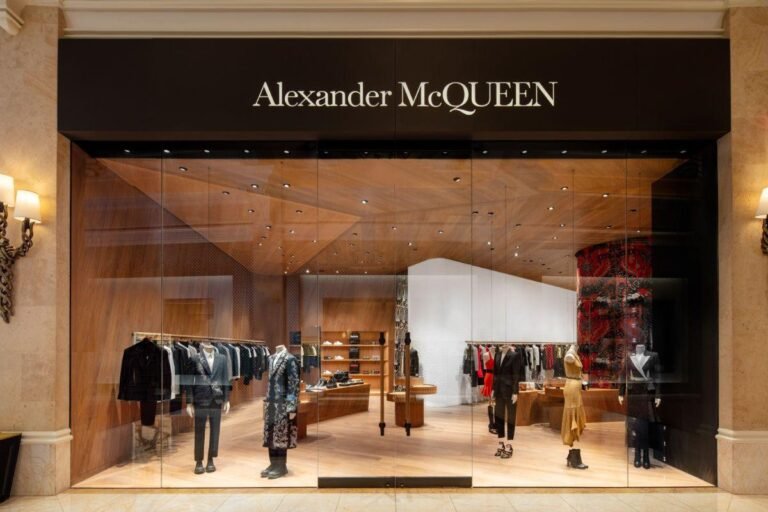
Titled Wild Bird, the upcoming short film starring Russell Tovey and Olivia Colman sets out to revisit one of fashion’s most emotionally charged creative relationships: the extraordinary bond between Alexander McQueen and Isabella Blow. Directed by acclaimed filmmaker Andrew Haigh, the project approaches their connection not as straightforward biography, but as poetic interpretation—an imagined emotional journey between two figures whose lives reshaped modern fashion forever.
Rather than constructing a traditional cradle-to-grave retelling, Wild Bird reportedly unfolds through a symbolic road-trip narrative. Written by Tovey himself, the film imagines McQueen and Blow seeking redemption, reconciliation, and perhaps understanding somewhere between memory and fantasy. Production begins this June in the UK, with costumes designed by legendary three-time Oscar winner Sandy Powell.
myth
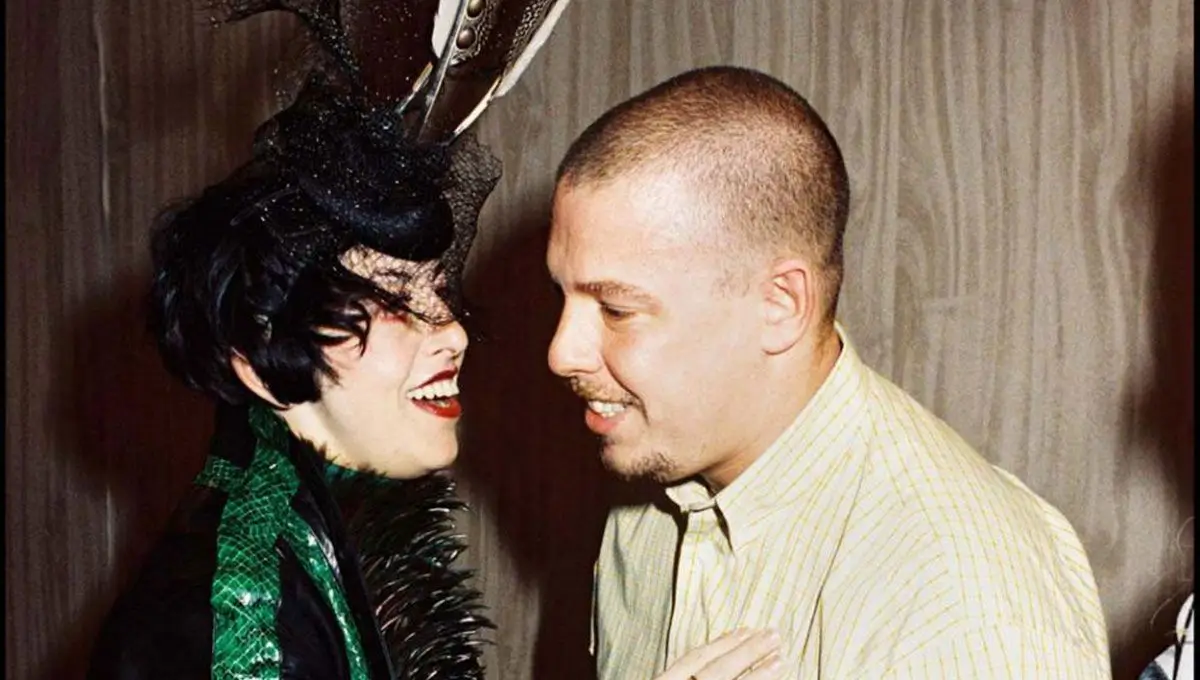
McQueen and Blow were never simply designer and muse. Their connection became one of fashion’s defining creative partnerships—equal parts mentorship, dependency, friendship, artistic combustion, and tragedy.
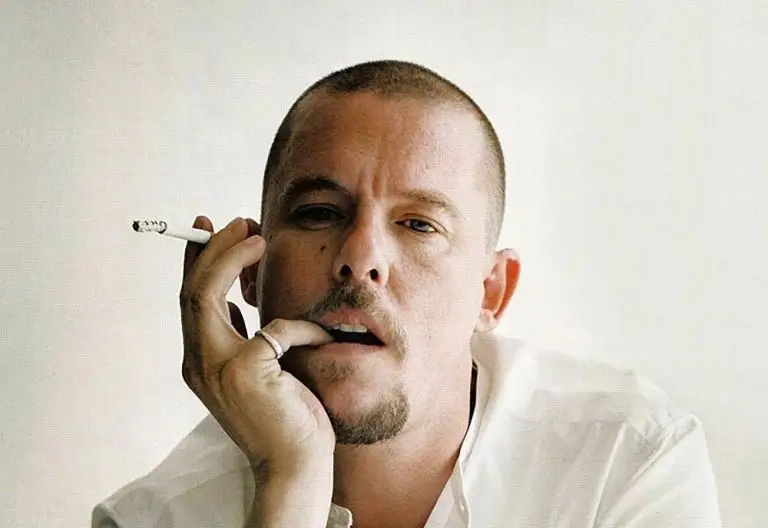
Born Lee Alexander McQueen in 1969 in London’s Lewisham district, McQueen emerged from a working-class background to become one of the most revolutionary designers in fashion history. After leaving school at sixteen and training on Savile Row, he enrolled at Central Saint Martins, where his 1992 graduate collection Jack the Ripper Stalks His Victims immediately signaled the arrival of a singular creative force.
Isabella Blow, meanwhile, occupied an entirely different social universe. Born into British aristocracy in 1958, Blow became one of fashion’s most influential editors and tastemakers, known for her theatrical personal style, dramatic Philip Treacy hats, and instinctive ability to discover talent before the rest of the industry caught up.
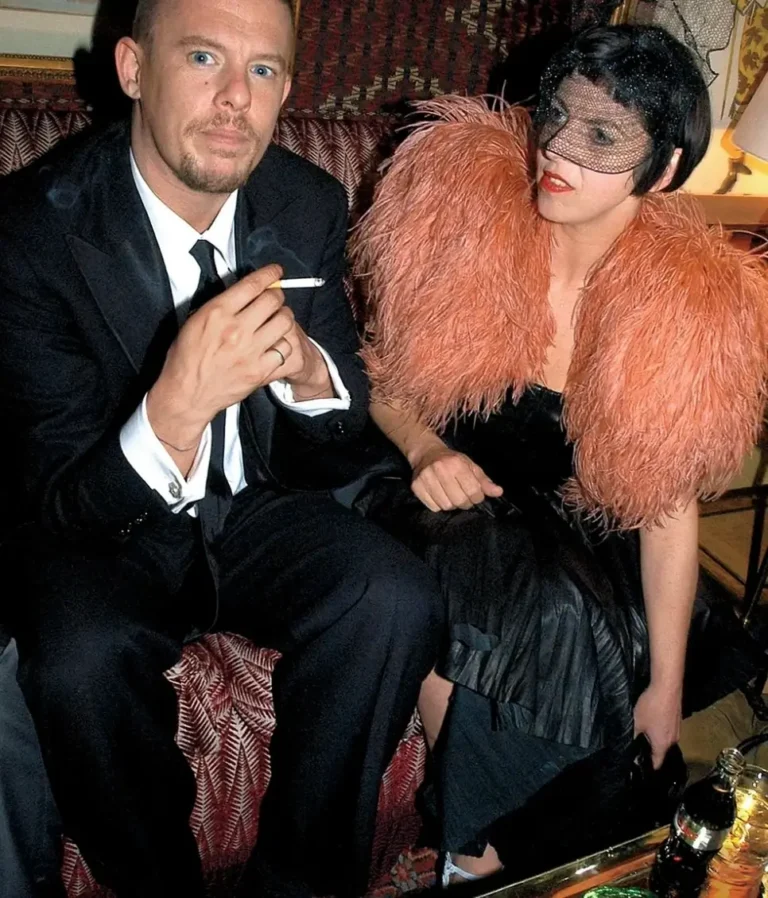
Their meeting has since become part of fashion legend. After seeing McQueen’s graduate collection, Blow purchased the entire line—reportedly for around £5,000, paid in installments. More importantly, she devoted herself to championing him relentlessly. She wore his work publicly, introduced him to influential figures, and helped position him within the upper tiers of the fashion world. McQueen famously referred to her as his “fairy godmother.”
View this post on Instagram
flow
Throughout the 1990s, the pair became inseparable. Their collabs produced some of the era’s most provocative runway moments, including Highland Rape and Dante, collections that fused historical violence, tailoring precision, and emotional intensity into something almost confrontationally beautiful.
Blow’s influence extended beyond styling. She offered emotional support, creative validation, and social access at a time when McQueen remained deeply insecure despite his rising acclaim. Both existed as outsiders in different ways—McQueen as the working-class queer genius entering elite fashion circles, Blow as an aristocrat whose eccentricity and emotional instability often alienated those around her.
Yet success gradually destabilized the relationship. McQueen’s growing global fame, his appointment at Givenchy in 1996, and later business dealings involving the Gucci Group reportedly introduced tensions surrounding loyalty, power, and recognition.
Their friendship fractured over time, though the emotional bond never fully disappeared. When Blow died by suicide in 2007 after years battling depression, McQueen was devastated. He dedicated his Autumn/Winter 2007 collection La Dame Bleue to her memory—a haunting tribute filled with feathers, armor, and ghostly silhouettes. McQueen himself died in 2010, just days after losing his mother.
It is precisely this combination of brilliance and emotional devastation that makes their story so enduring. Wild Bird appears intent on exploring that complexity without reducing either figure into simplistic tragedy.
interest
The casting itself feels unusually thoughtful. Tovey has long expressed admiration for McQueen’s artistry and East London identity, and his involvement extends far beyond performance. By writing the screenplay and serving as executive producer, he positions the project as something deeply personal rather than opportunistic.
There is also a natural physical and emotional logic to the casting. Tovey carries a similar intensity—sharp-featured, grounded, and emotionally exposed beneath confidence. His background in theater and queer storytelling may help capture McQueen’s contradictions: aggressive yet vulnerable, intimidating yet painfully sensitive.
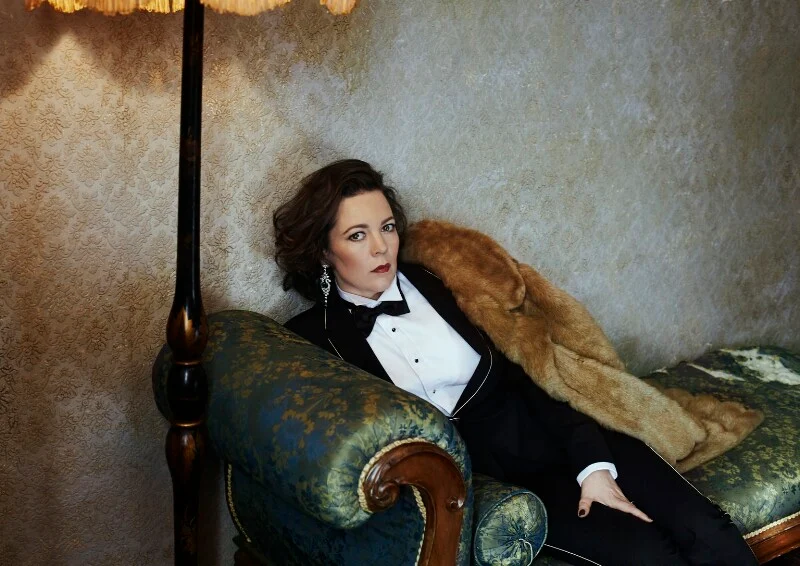
Colman’s casting as Blow feels equally compelling. Few actors balance eccentricity and heartbreak as effectively as she does. Blow’s outward flamboyance often concealed profound emotional pain, and Colman’s ability to reveal fragility beneath theatricality makes her particularly suited to the role.
emotive
Andrew Haigh’s involvement perhaps reveals the film’s true ambitions. Haigh has built a career around emotionally intimate storytelling through works like Weekend, 45 Years, and All of Us Strangers. His films often explore longing, memory, grief, and emotional disconnection with extraordinary restraint.
That sensibility aligns naturally with McQueen and Blow’s relationship. Rather than focusing on spectacle alone, Haigh is likely to approach their story through silence, atmosphere, and emotional tension. The road-trip concept suggests movement through psychological landscapes as much as physical ones.
This interpretive structure also sidesteps many problems associated with conventional fashion biopics. Instead of compressing decades into formulaic chronology, Wild Bird can concentrate on emotional truth and symbolic resonance.
1:1
Fashion films often struggle to move beyond costume fetishization, but Sandy Powell’s involvement signals a more sophisticated approach. One of cinema’s most celebrated costume designers, Powell understands clothing as psychological architecture rather than decorative styling.
Expect wardrobe choices that function narratively: silhouettes reflecting emotional shifts, archival references woven into character development, and subtle recreations of McQueen’s tailoring language without devolving into imitation.
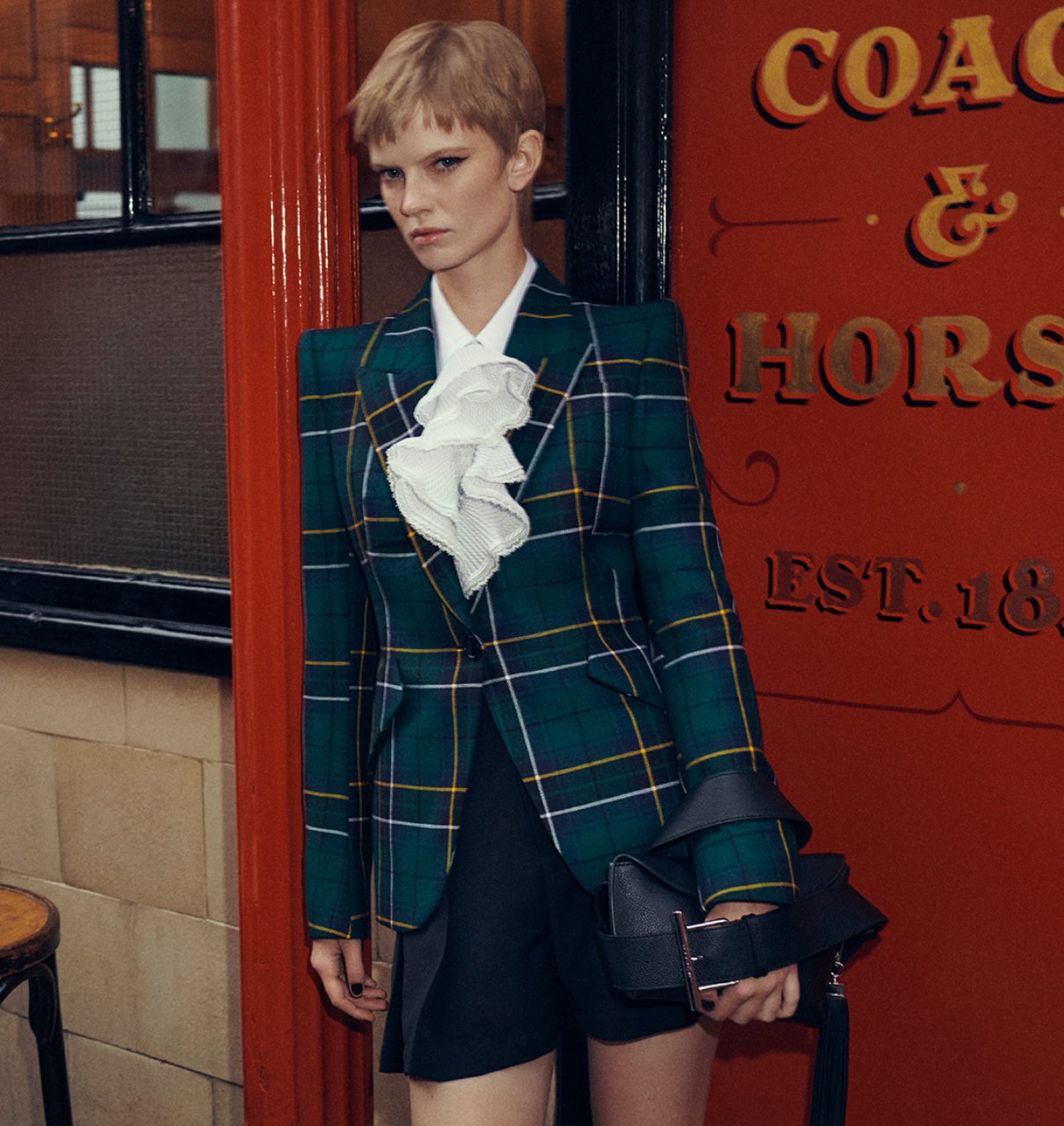
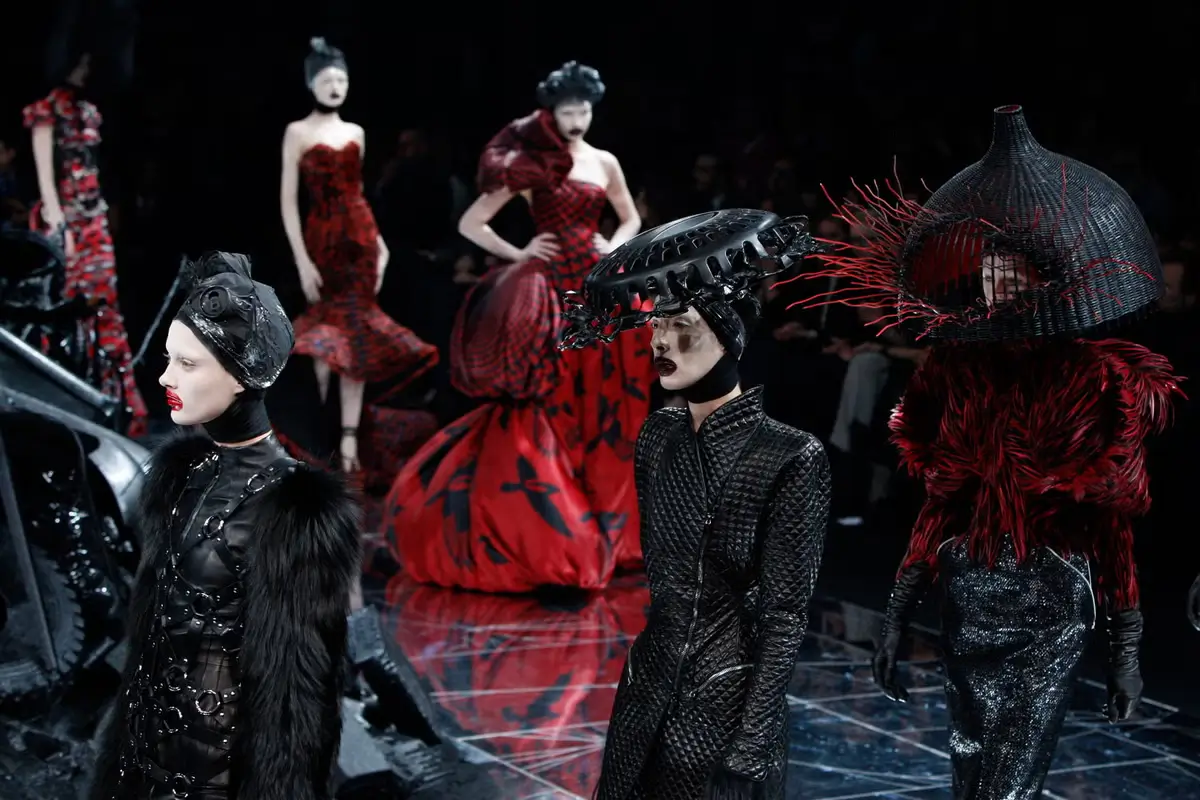
Blow’s famous Philip Treacy hats, McQueen’s razor-sharp tailoring, tartan references, feathers, gothic romanticism, and structured silhouettes will likely appear not simply as historical recreation but as emotional symbols.
why
The timing of Wild Bird feels especially significant. Fashion culture today increasingly reexamines the emotional cost of creative genius, particularly regarding mental health within high-pressure industries. McQueen and Blow’s story now reads less as glamorous tragedy and more as a cautionary reflection on isolation, expectation, and emotional survival.
Their legacies also continue influencing contemporary fashion aesthetics. McQueen’s theatrical runway storytelling remains foundational to modern fashion presentation, while Blow’s instinct for talent discovery anticipated today’s creator-driven cultural landscape.
The film further reinforces renewed fascination with 1990s London fashion culture—a period when shows felt dangerous, subversive, and emotionally volatile rather than algorithmically optimized.
view
What makes Wild Bird especially intriguing is its refusal to become another conventional prestige biopic. The short-film format allows for abstraction, emotional compression, and atmosphere in ways feature-length narratives often cannot sustain.
Rather than attempting definitive explanation, the project appears interested in emotional echoes: memory fragments, unresolved affection, resentment, admiration, and grief existing simultaneously.
That approach feels appropriate for McQueen and Blow, whose relationship always seemed to operate beyond ordinary definitions. They were collaborators, emotional mirrors, protectors, antagonists, and fellow outsiders navigating an industry obsessed with image while often indifferent to emotional fragility.
endure
Wild Bird is not simply about fashion history. It is about the rare relationships that shape artistic identity itself—the people who recognize brilliance before the world does, and the emotional consequences of that recognition.
McQueen and Blow represented opposing worlds somehow held together through mutual understanding: working-class London and aristocratic eccentricity, discipline and chaos, ambition and vulnerability.
Their lives ended tragically, but their influence continues reverberating across fashion, cinema, and contemporary culture. Every theatrical runway, emotionally charged silhouette, or unapologetically dark romantic collection still carries traces of their impression.
If Wild Bird succeeds, it may accomplish something rarer than factual biography. It may capture the emotional electricity between two people who transformed each other forever—and whose absence still lingers within fashion’s imagination.
From the DRIFT archive: A Review: Jon Batiste’s Evolution, From New Orleans Tradition to Modern Innovation
Related Articles
The Woman Who Bought Genius by the Bin Bag: Isabella Blow and the Making of Alexander McQueen
In 1992, a broke aristocrat spent her savings on a graduate collection nobody else wanted. […]