DRIFT AUDIO
Listen to this story
Choose a voice, then press play.
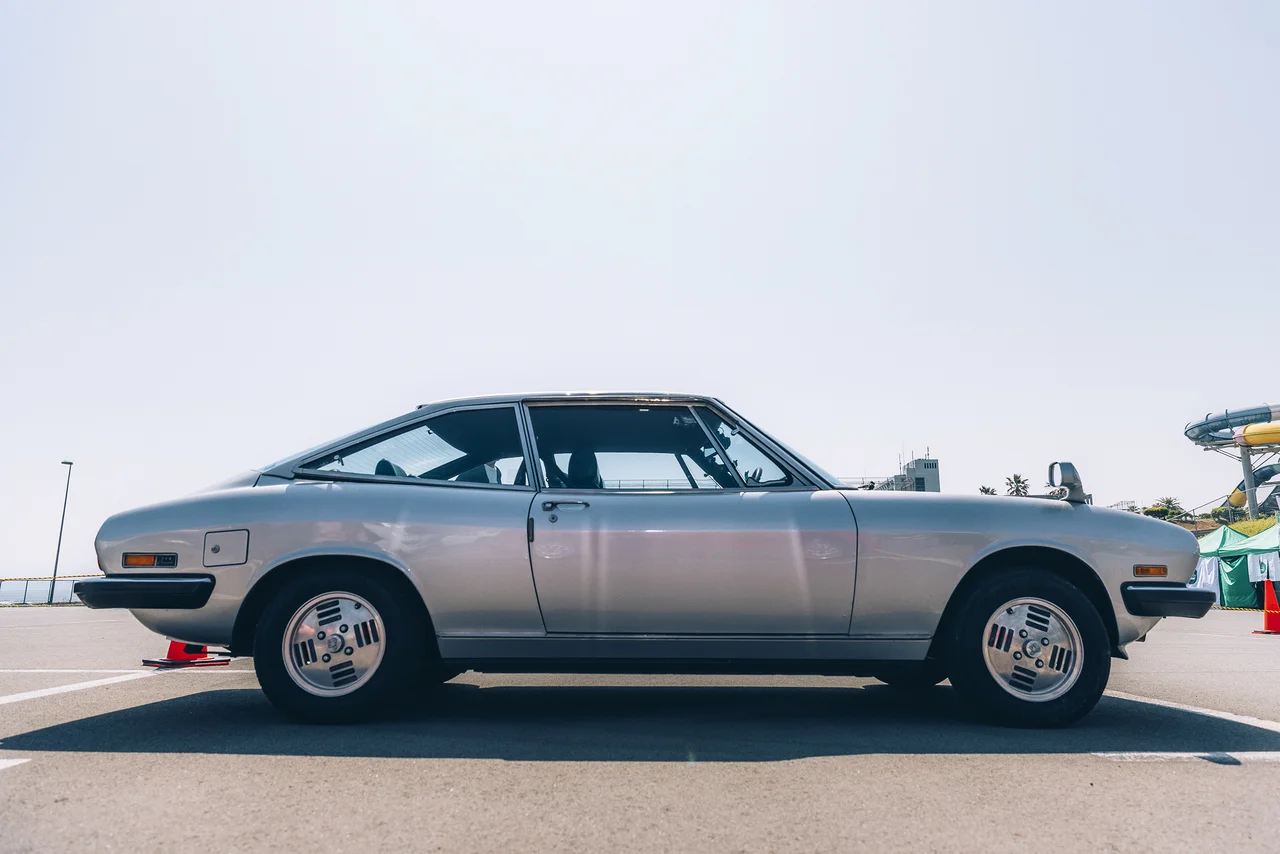
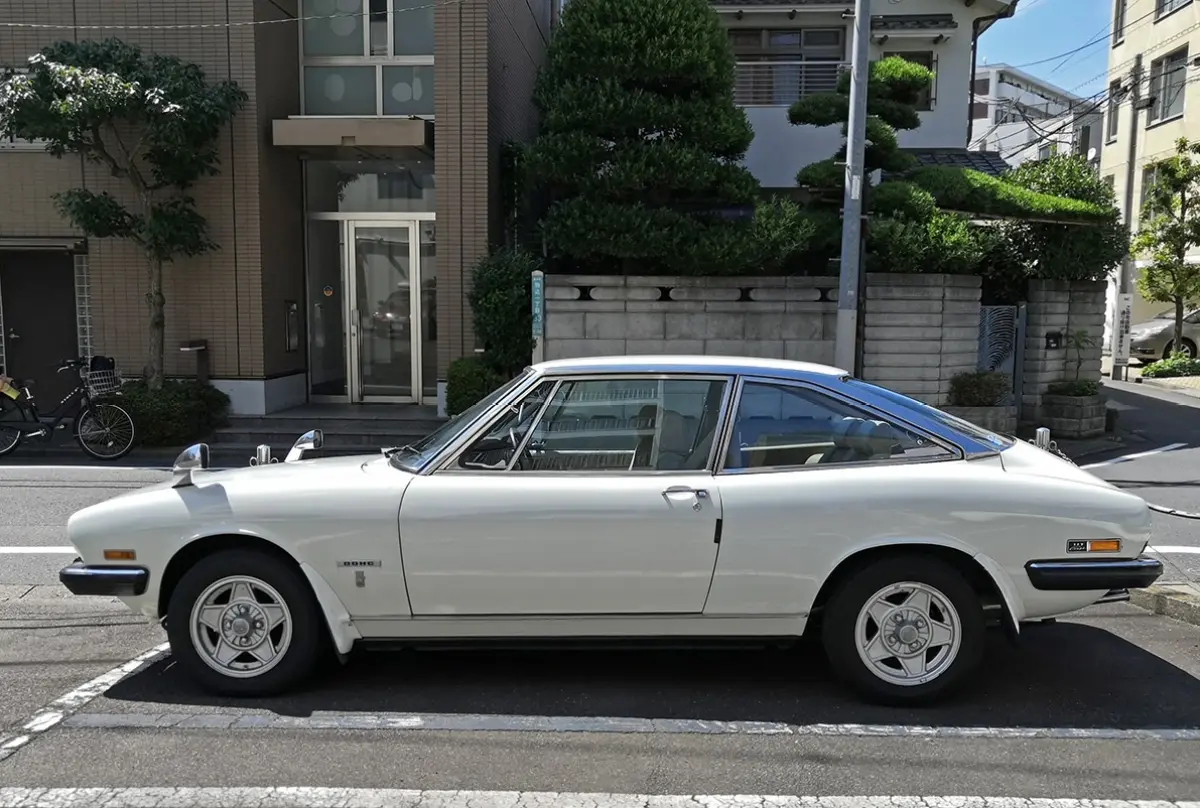
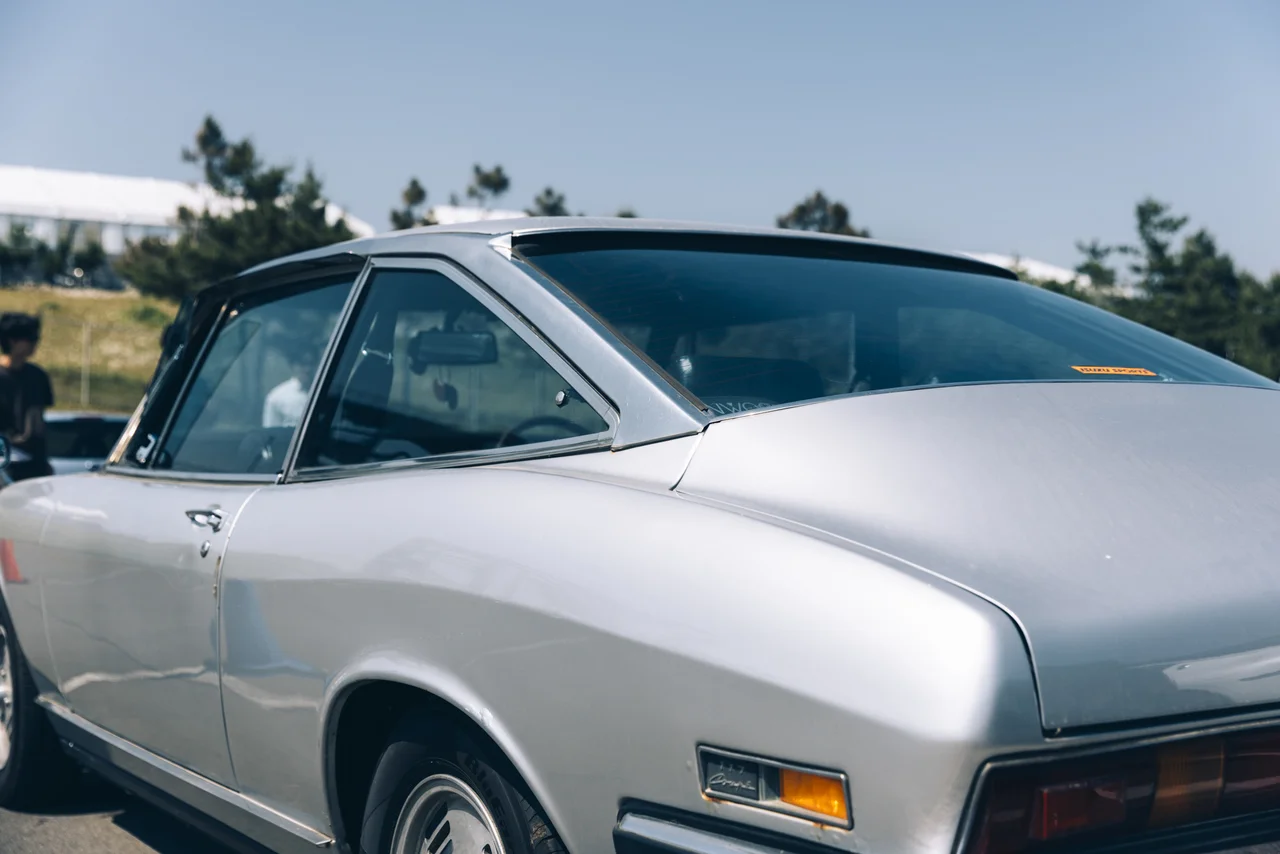
The Isuzu 117 Coupé, particularly the 1980 models, represents one of the most elegant and underappreciated chapters in Japanese automotive history. Produced from 1968 to 1981, this compact grand tourer (GT) was a stylish, rear-wheel-drive coupe that combined Italian design pedigree with Japanese engineering precision. By 1980, the 117 had reached its final evolution (PA96 series), offering a refined blend of show, haute, and exclusivity in a market increasingly dominated by mass-produced sports coupes like the Toyota Celica and Nissan Silvia.
Unlike many of its contemporaries that chased raw speed, the 117 Coupé emphasized sophisticated grand touring—comfortable long-distance cruising with a touch of sportiness. It was one of the first Japanese cars styled by a renowned Italian designer, Giorgetto Giugiaro, and holds the distinction of being among the earliest production sports cars available with a diesel engine option. With approximately 86,000 to 89,000 units built over its 13-year run, it was never a high-volume seller but earned a staunch following in Japan for its rarity and handcrafted early qualities.
View this post on Instagram
stir
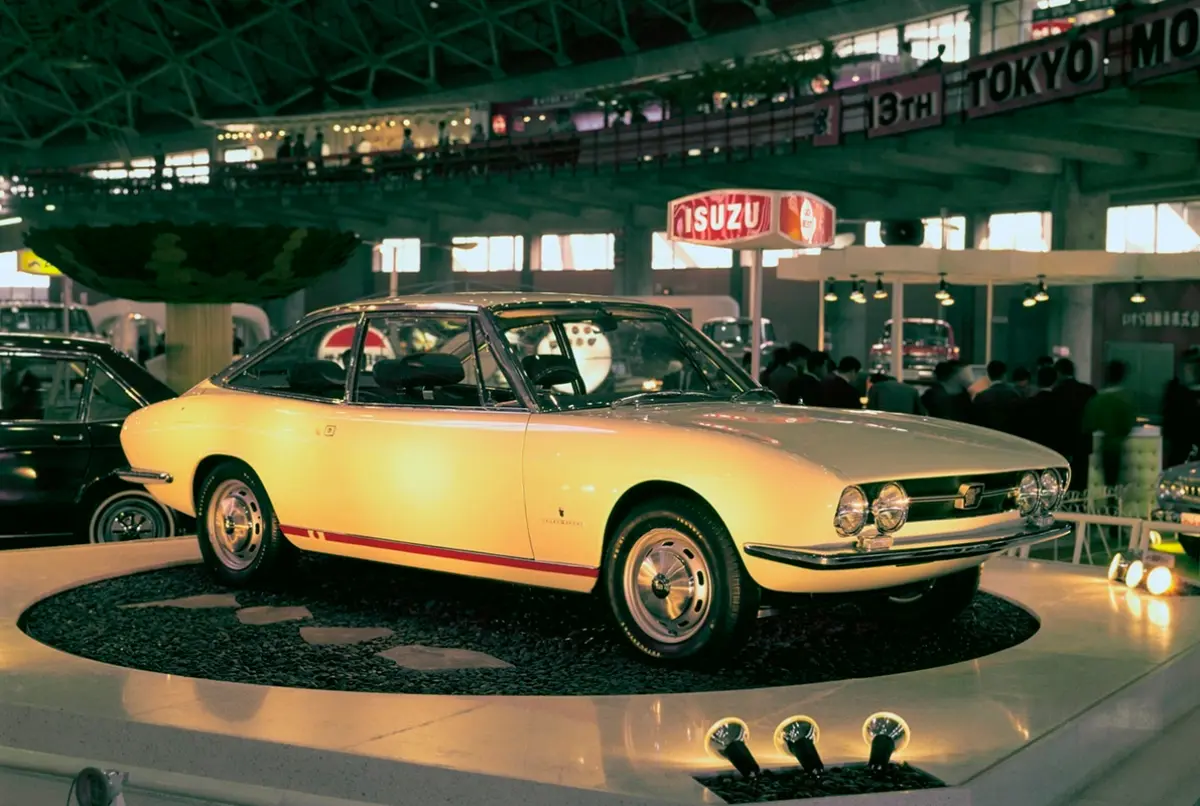
The story of the Isuzu 117 Coupé begins in the mid-1960s. Isuzu, a smaller Japanese manufacturer with roots in diesel trucks and a partnership with General Motors, sought to elevate its passenger car image. The company developed the Florian platform (saloon and estate), with the coupe variant internally codenamed Project 117. A prototype debuted at the 1966 Geneva Motor Show, catching attention for its sleek lines.
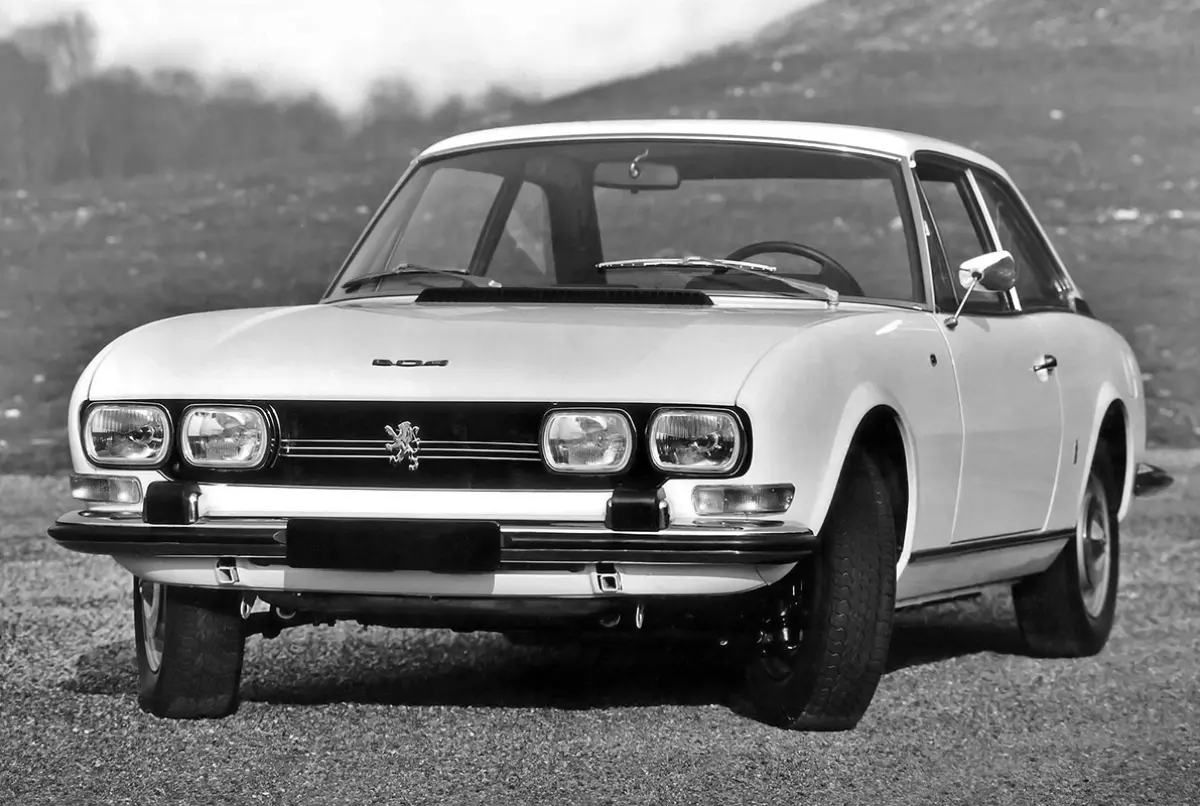
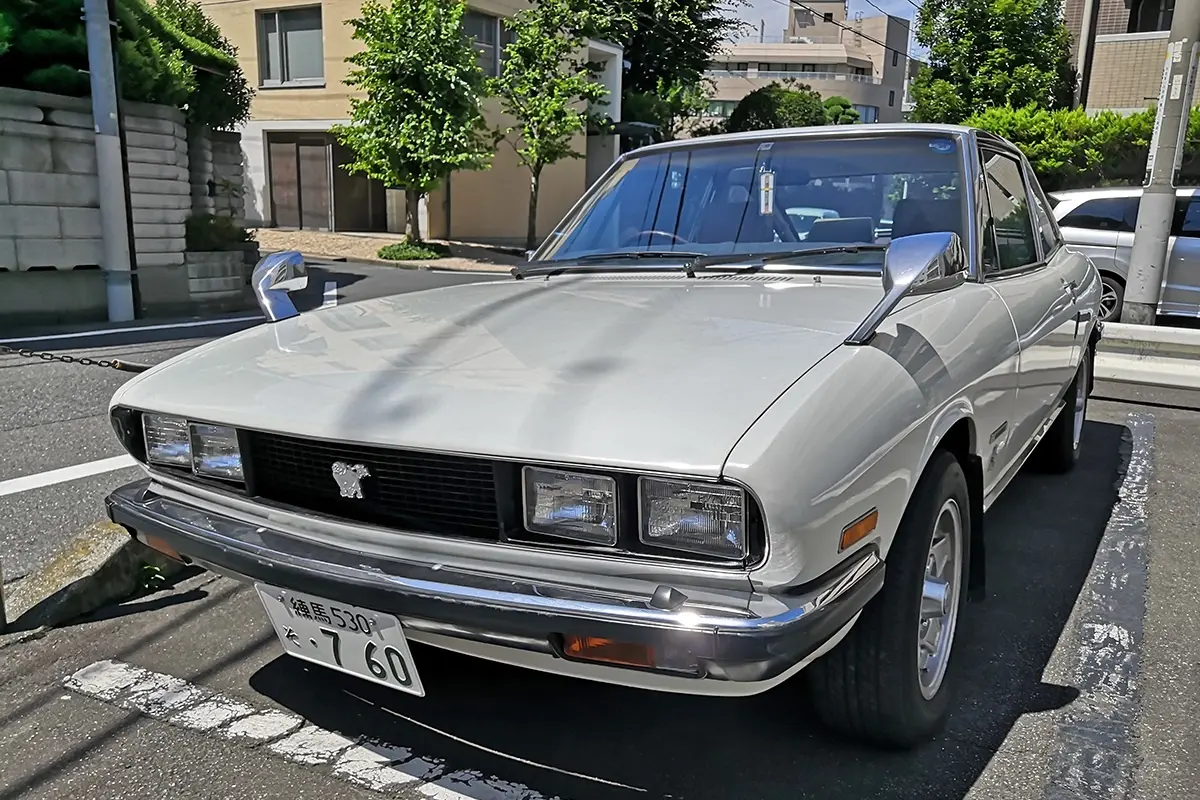
Giorgetto Giugiaro, then working at Ghia, penned the design. Fresh from influences like the Fiat Dino Coupe (which he also shaped), Giugiaro gave the 117 a timeless fastback profile with clean, uncluttered surfaces, a low roofline, and a distinctive front end featuring quad headlights in early models. The design was elegant rather than aggressive—long hood, short rear deck, and subtle chrome accents that evoked European GTs like the Alfa Romeo or Peugeot 504 Coupe.
Production began in December 1968 at Isuzu’s Kawasaki plant. Early cars (PA90 series, 1968–1973) were somewhat “handmade,” with limited production (around 2,458 units) due to intricate assembly. These are now highly prized by collectors. The 117 shared its mechanical underpinnings with the Florian but stood apart as a dedicated coupe.
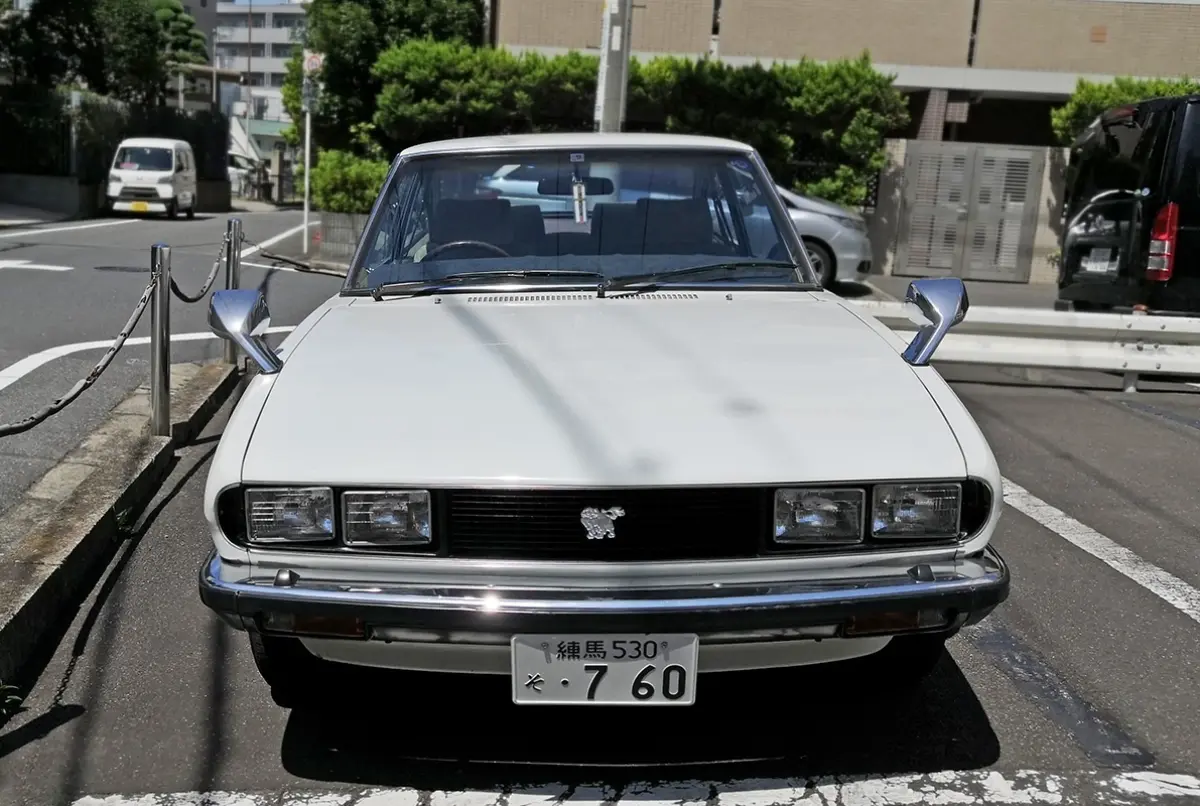
By the 1970s, the 117 underwent several updates. A 1973 refresh lengthened the body slightly, and a major 1977 facelift (third gen, PA96) modernized the front with rectangular headlights, revised grille, wider taillights, and updated interior. This is the version most associated with 1980 models. The changes kept it competitive against evolving rivals while maintaining its sophisticated character.
flow
For 1980, the Isuzu 117 Coupé was available in various trims, with the higher-end XE (or similar luxury variants) being particularly desirable. Dimensions were compact yet accommodating for a 2+2 GT: wheelbase of 2,500 mm (98.4 inches), overall length around 4,320 mm (170.1 inches), width 1,600 mm (63.0 inches), and height approximately 1,325 mm (52.2 inches). Curb weight hovered around 1,050–1,150 kg depending on equipment.
Powertrain Options:
- Primary Petrol Engine: The flagship was the 1,949 cc (1.95L) G200 series inline-4. In fuel-injected DOHC form (G200W), it produced around 130 hp (some sources cite 118–135 hp depending on market and tuning) at higher RPMs, with torque figures in the 135 lb-ft range. Single-cam versions (G200Z) offered slightly less power but better low-end response.
- Earlier 1.8L (1,817 cc) engines carried over in lower trims, with OHC or DOHC configurations producing 110–140 hp.
- Notable Oddity: A 2.2L (2,238 cc) C223 diesel inline-4 (OHV) was introduced around 1979–1980, making the 117 one of the first sports cars with a diesel option. It delivered a modest 72 hp and 103 lb-ft of torque, prioritizing economy over performance (top speed ~81 mph). This was more of a novelty for fuel-conscious Japanese buyers.
Transmission choices included a 5-speed manual (standard on sportier models) or 3-speed automatic. Power went to the rear wheels via a solid axle or independent setup in later models. Suspension was conventional for the era: independent front (MacPherson struts or double wishbone) and live rear axle with leaf springs or coils, tuned for comfortable highway cruising with decent handling.
Brakes evolved to all-around discs by 1979, improving stopping power significantly. Steering was recirculating ball or rack-and-pinion, offering good feedback for its class.
Performance (Approximate for 2.0L Petrol):
- 0-60 mph: Around 9.5 seconds
- Top speed: 112–120 mph (electronically or mechanically limited in some markets)
- Fuel economy: 25–30 mpg combined, impressive for a performance-oriented coupe of the time.
show
Contemporary road tests praised the 1980 117 for its smooth, rev-happy engine and balanced chassis. The fuel-injected 2.0L DOHC provided eager mid-range pull, making it suitable for spirited mountain roads or relaxed highway tours. The 5-speed manual shifted crisply, and the car felt planted thanks to its low center of gravity.
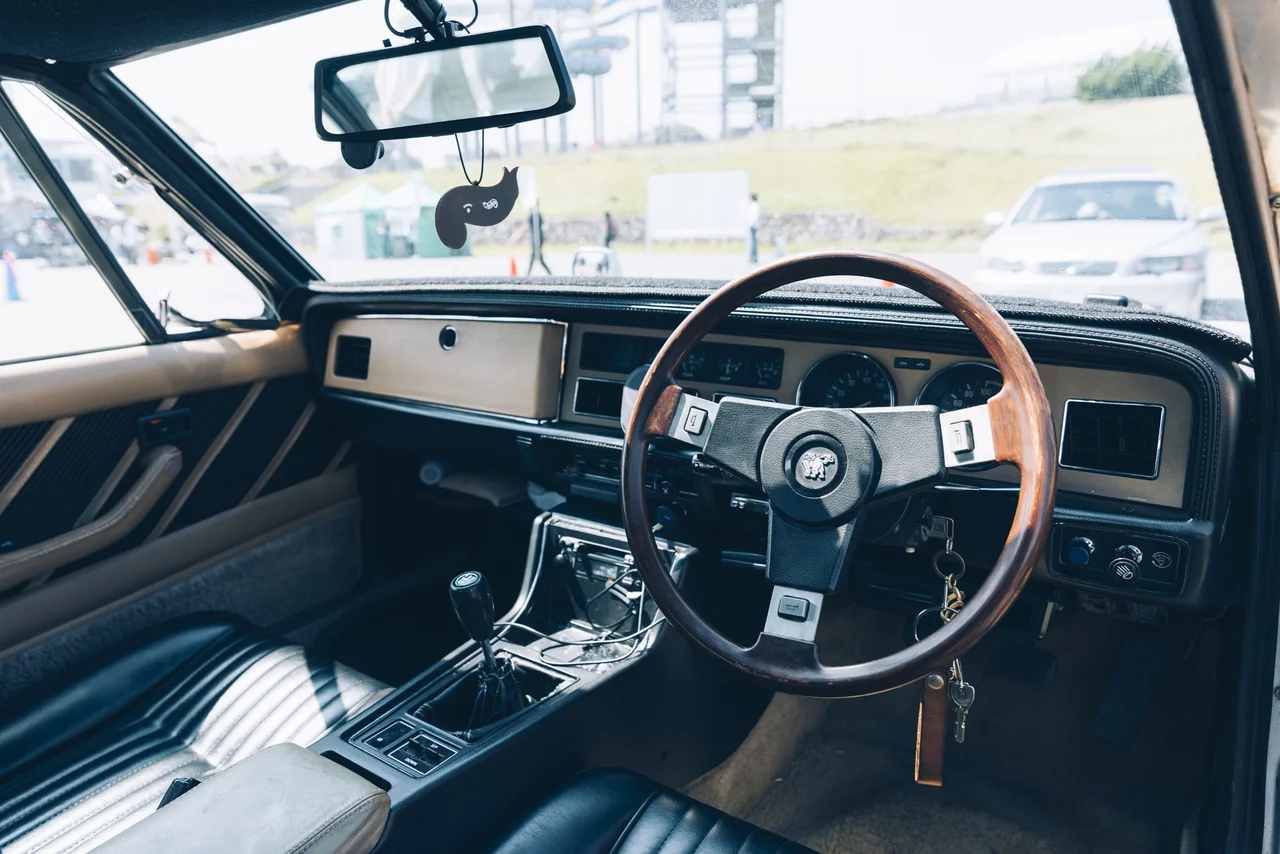
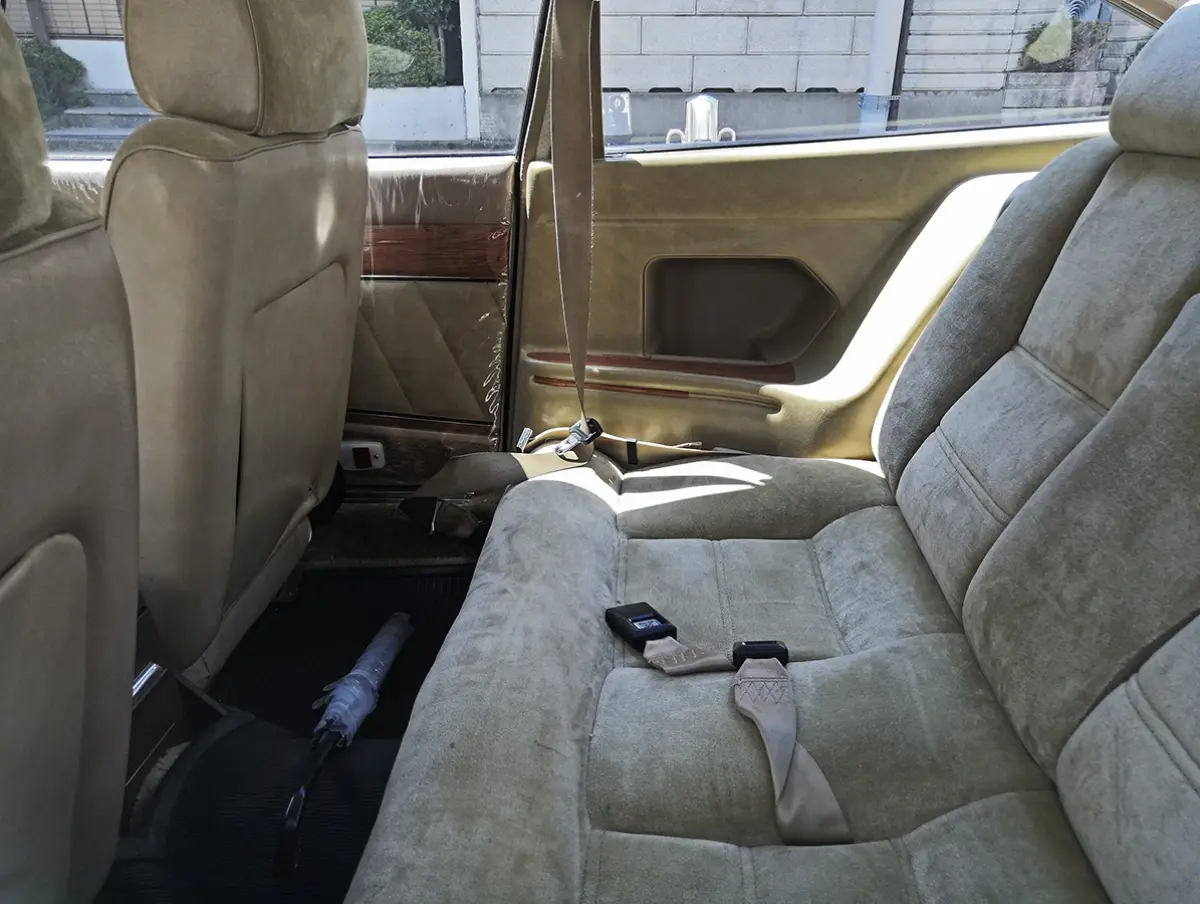
Interiors were upscale for a Japanese car, featuring supportive bucket seats (often in cloth or vinyl), wood or faux-wood trim, comprehensive instrumentation, and available air conditioning, power windows, and premium audio. Rear seats were tight but usable for short trips or children. Visibility was good thanks to the slim pillars and large glass area, though the fastback design created some blind spots. Build quality was solid, reflecting Isuzu’s truck heritage in durability.
Noise, vibration, and harshness (NVH) levels were well-controlled, especially in higher trims, making it a refined daily driver or weekend cruiser.
scope
In 1980 Japan, the 117 competed in a niche. Toyota’s Celica was more accessible and sporty, while Datsun/Nissan’s offerings emphasized show. The 117 positioned itself as a premium, stylish alternative—exclusive and somewhat expensive (around 2 million yen in the late 1970s). It appealed to professionals and enthusiasts who wanted something different from the mainstream.
Its rarity outside Japan stems from Isuzu’s focus on the domestic market. Few were exported officially, and those that were often went to niche enthusiasts. Today, surviving examples are collector’s items, with well-preserved 1980 models commanding strong prices among JDM aficionados.
The 117 also reflected broader automotive trends: Japan’s push into sophisticated engineering post-oil crises, the influence of Italian design on global cars, and experimentation with alternative powertrains (diesel).
leg
Production ended in 1981 after 13 years—a remarkably long run for a coupe. It was replaced by the Isuzu Piazza (Impulse in some markets), another Giugiaro design that took the wedge-shaped aesthetic to the 1980s with turbocharging and more modern tech.
The 117 Coupé influenced perceptions of Japanese cars as capable of elegance and refinement, not just reliability. It paved the way for later Isuzu performance efforts and remains a symbol of Giugiaro’s versatility—he would later design icons like the DeLorean DMC-12 and BMW M1.
rare
Finding a 1980 Isuzu 117 Coupé in good condition requires patience. Rust can be an issue in humid climates, and parts availability is limited outside specialist circles (many shared with Florian). However, the mechanical simplicity aids maintenance. Enthusiasts value the early “handmade” cars most, but late models like the 1980 XE offer the best blend of power, features, and modernity.
Clubs and online forums dedicated to Isuzu classics provide support, and events in Japan occasionally showcase these rarities. Values vary widely: solid drivers might start in the low thousands of dollars, while pristine examples can exceed $20,000+ depending on condition and provenance.
fin
The 1980 Isuzu 117 Coupé stands as a testament to ambitious engineering from a smaller player. With its Giugiaro styling, versatile engines (including that pioneering diesel), and grand touring ethos, it offered a refined alternative in an era of homogenization. It wasn’t the fastest or most famous, but its understated charm, longevity, and rarity ensure it remains a cherished “what if” in automotive lore—a beautiful square peg in a round-hole world of mass-market sports cars.
In an age of electric vehicles and digital dashboards, the analog appeal of the 117—its throaty inline-four, precise manual shift, and elegant silhouette—reminds us why enthusiasts fall in love with classics. For those lucky enough to own one, it’s more than transportation; it’s a rolling piece of Japanese-Italian automotive art.
Related Articles
Garage Italia’s Electric Spiaggina Puts the Fiat 500’s Riviera Years on Battery Power
Ten kilowatts, rattan seats and a €85,000 starting price: Garage Italia's 500 Spiaggina rebuilds Ghia's 1958 beach car for the yacht crowd.