DRIFT AUDIO
Listen to this story
Choose a voice, then press play.
The exact claim provided by Xiaomi is clear and detailed. Light use of the Watch S5 allows the 815mAh battery to last up to 21 days. Xiaomi defines light use as receiving up to 100 messages per day with up to six daily incoming call alerts, three alarms per day, 30 minutes of Bluetooth calls per week, 30 minutes of music playback per week, and 90 minutes of exercise recording. Normal use drops this to around 14 days, while enabling the always-on display (AOD) reduces it further to about 9 days.
This level of efficiency sets the S5 apart from many competitors, particularly those running full Wear OS, which often struggle to reach even a week. Xiaomi achieves this through a combination of hardware optimization, efficient silicon-carbon battery technology, and a lightweight HyperOS 3 (likely RTOS-based for this model) that prioritizes power management.
Crafted to stand apart.
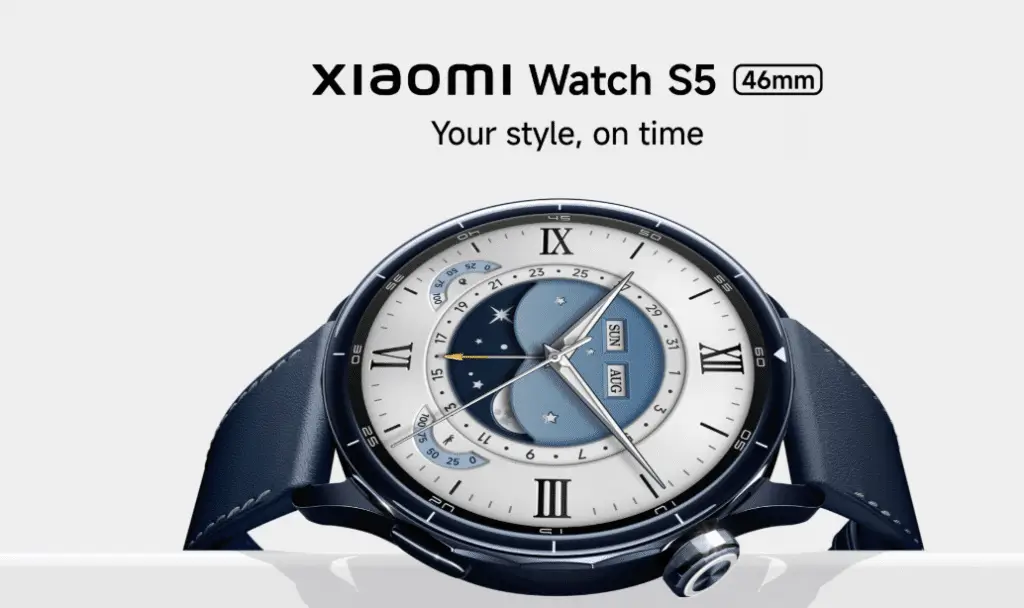
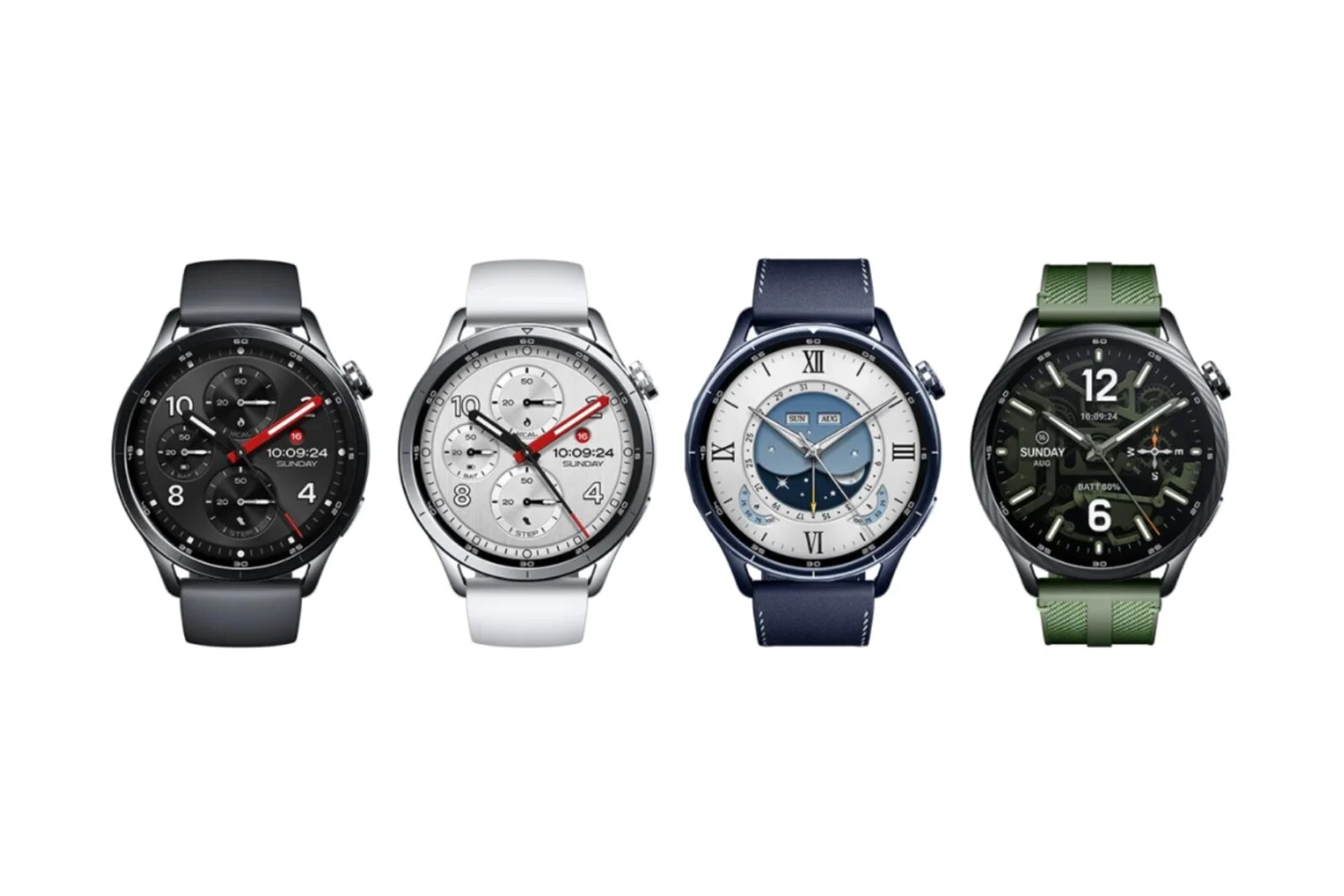
The Ceramic Blue edition of Xiaomi Watch S5 46mm pairs premium zirconia ceramic with a refined leather strap in an ultra-slim design.
Forged carbon and stainless steel bezel editions are also available. pic.twitter.com/wNGoqMrUPU
— Xiaomi (@Xiaomi) May 30, 2026
stir
Smartwatches have evolved from simple fitness trackers to comprehensive health companions, communication hubs, and even navigation devices. Yet the Achilles’ heel remains power. Users want continuous heart rate monitoring, sleep tracking, GPS for runs, notifications, and a vibrant display without the ritual of daily charging. The Xiaomi Watch S5 directly addresses this pain point.
Traditional smartwatches with similar features—think 1.4-inch AMOLED screens at high brightness—typically last 2-5 days. The S5’s 815mAh capacity is notably larger than many rivals (for comparison, many Apple Watch models hover around 300-400mAh, and even some Android competitors top out lower). The efficiency gains come from Xiaomi’s Surge Battery technology with high silicon content, paired with an optimized chipset (rumored to include efficient Bluetooth and sensor management chips like Hengxuan solutions).
In practical terms, this means different things for different users. For someone with a desk job who checks notifications sporadically and exercises a few times a week, 21 days feels realistic. For more active users incorporating daily GPS-tracked workouts, music streaming via Bluetooth, or frequent calls, the 14-day normal use estimate provides welcome breathing room compared to devices that die mid-week.
flow
Let’s dissect the official definitions for clarity:
- Light Use (Up to 21 Days): This scenario assumes minimal interaction. You receive about 100 messages daily (typical for moderate social and work use), up to 6 call alerts, set 3 alarms, and engage in very limited media/exercise: just 30 minutes of Bluetooth calls and music weekly, plus 90 minutes of exercise recording per week (roughly 13 minutes daily). The display stays mostly off except when raised or tapped, and features like continuous high-frequency heart rate or always-on are disabled.
- Normal Use (Up to 14 Days): This likely includes more frequent interactions—regular notifications, some always-active tracking, occasional longer Bluetooth sessions, and more consistent exercise (perhaps 30-60 minutes most days). AOD might be off, but other power-hungry features like brighter screen use or GPS for occasional runs are active.
- AOD Mode (Up to 9 Days): Enabling always-on display significantly increases consumption because the screen never fully sleeps. Even here, 9 days outperforms many competitors’ standard battery life. Users report that with AOD, real-world results hover comfortably around 7-10 days depending on other settings.
These aren’t vague claims. Xiaomi provides granular breakdowns, allowing users to estimate their own usage patterns accurately.
build
The Watch S5 features a 46mm stainless steel case, measuring a slim 10.99mm thick and weighing just 46g without the strap. This lightweight construction helps with all-day comfort, reducing the temptation to remove it (and thus preserving battery by maintaining consistent wear for tracking).
The centerpiece is the 1.48-inch circular AMOLED display with 480×480 resolution (around 459 PPI), offering sharp visuals. Peak brightness reaches 2500 nits, making it highly visible outdoors, while HBM (high brightness mode) sits at 1500 nits. Ultra-narrow 2.6mm bezels give a modern, premium look with over 150 customizable watch faces.
Durability includes 5ATM water resistance, suitable for swimming and showers. The build uses 316L stainless steel for the frame, with options for ceramic or forged carbon bezels in special editions. A functional crown and quick-access button enhance usability without excessive screen wakes, which conserves power.
efficacy
Long battery life would mean little without capable tracking. The S5 includes an upgraded heart rate sensor (four-light, four-PD system claiming up to 98.4% accuracy), SpO2, advanced sleep tracking with improved algorithms, stress monitoring, and temperature sensing.
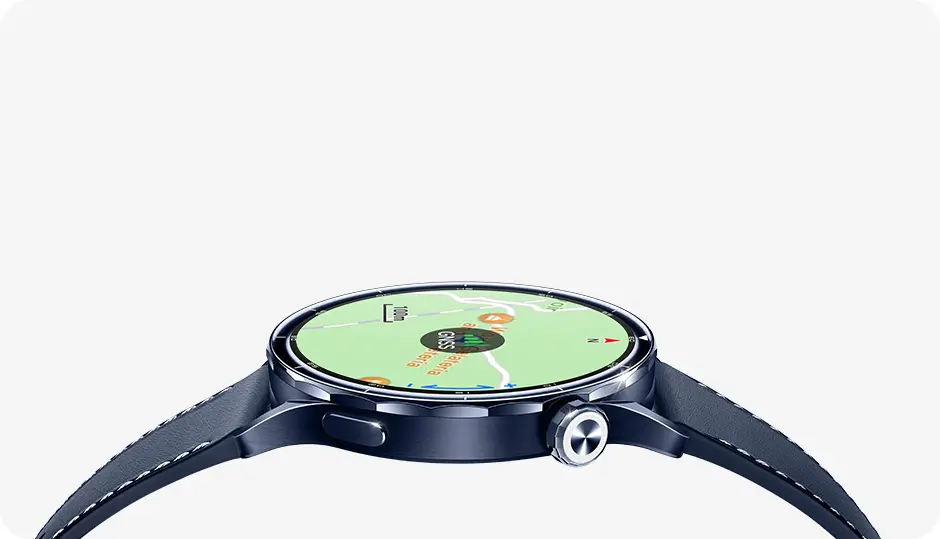
Over 150 sports modes cover everything from running and cycling to niche activities. New additions include enhanced cycling support (power meter compatibility, cycling computer features) and “Passion Mode” for focused training. Dual-band, five-system GNSS (GPS, Galileo, GLONASS, BeiDou, QZSS) delivers precise positioning faster and more reliably, even in challenging environments, while offline maps add convenience for outdoor adventures.
Importantly, these features are optimized for efficiency. Users can toggle sampling rates—continuous high-accuracy HR uses more power than interval-based—allowing customization based on needs. Sleep tracking runs passively in the background with minimal drain.
consider
Early reviews and hands-on tests corroborate Xiaomi’s claims. In light-to-moderate use, testers achieve 18-21+ days. With AOD and regular workouts, 8-12 days is common. Factors affecting longevity include:
- Screen Brightness and AOD: The bright panel is a power hog when maxed out.
- Connectivity: Bluetooth calls, music, and constant phone pairing increase drain.
- GPS Usage: Outdoor activities with full GNSS are the biggest consumers.
- Notifications and Haptics: Frequent vibrations add up.
- Software Optimizations: HyperOS 3 includes intelligent power management, auto-switching modes, and background restrictions.
Charging is straightforward via a magnetic dock. The large battery means longer charge times (likely 2-3 hours for full), but infrequent charging offsets this inconvenience.
compare
Against Apple Watch Ultra (around 36 hours typical), Galaxy Watch 7 (3-4 days), or even some Amazfit models, the S5 excels in endurance. Wear OS watches with similar specs rarely exceed a week due to richer ecosystems but higher power draw. Xiaomi’s more streamlined HyperOS approach pays dividends here.
Rivals like the Amazfit Balance or GTR series offer multi-week claims too, but often sacrifice display quality or sensor sophistication. The S5 strikes a strong balance: premium materials, bright circular AMOLED, accurate tracking, and class-leading battery.
challenge
No device is perfect. The S5 may lack full third-party app support compared to Wear OS flagships. eSIM support (mentioned in some regional variants) could add connectivity but impact battery if used heavily. Global availability and pricing (expected around $180-250 depending on region) will determine accessibility.
Software updates are crucial—Xiaomi must maintain optimization over time. Some users might miss advanced smart features like full voice assistant integration or extensive app ecosystems, though core notifications, calls, and music control are solid.
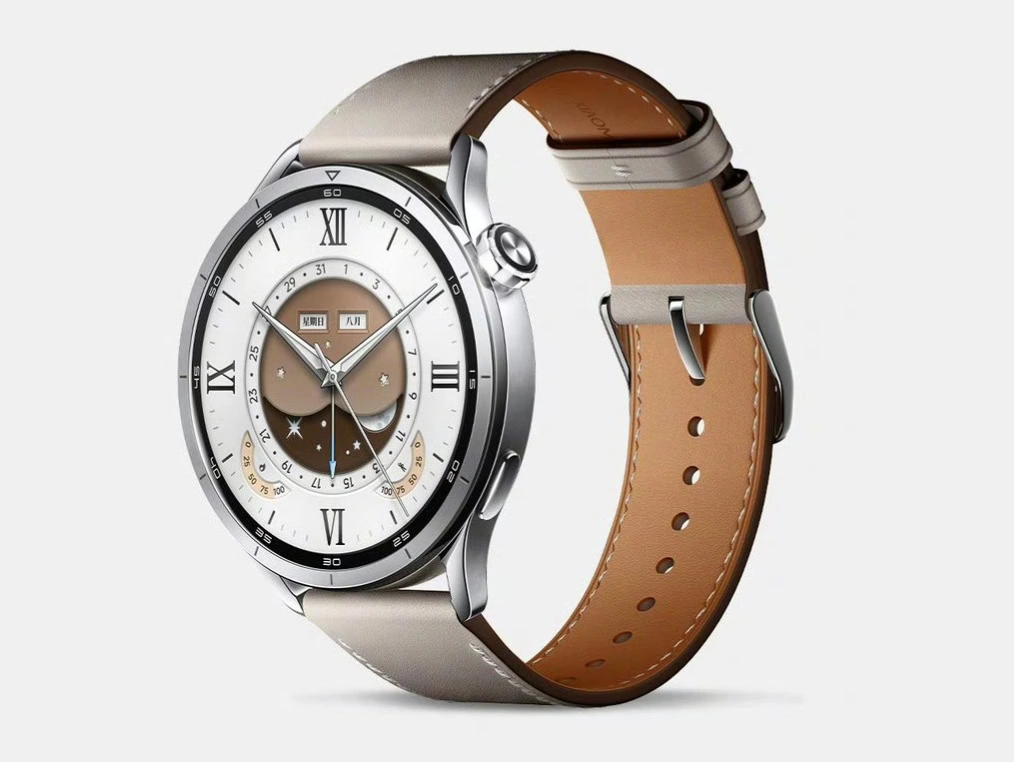
Edge to edge brilliance.
A 1.48″” AMOLED display, ultra-narrow bezels, framed in premium stainless steel. Also available in a forged carbon bezel edition.
This is Xiaomi Watch S5 46mm. pic.twitter.com/CAsT8r3dKB
— Xiaomi (@Xiaomi) May 30, 2026
for
- Battery Anxious Users: Those tired of daily charging.
- Fitness Enthusiasts: Needing reliable multi-day tracking without mid-adventure power worries.
- Style-Conscious Buyers: Wanting a premium stainless steel look at a mid-range price.
- Everyday Professionals: Who value notifications and health insights without constant maintenance.
If you prioritize longevity over the absolute richest app ecosystem, the Watch S5 is compelling.
sum
The S5 signals a shift. As silicon-carbon and dual-chip architectures improve, we may see more devices breaking the two-week barrier without compromising features. Xiaomi’s focus on efficiency—large cells, optimized software, and selective high-power components—offers a blueprint.
In conclusion, the Xiaomi Watch S5’s 815mAh battery and defined usage scenarios deliver on the promise of reduced charging frequency. Whether you achieve the full 21 days depends on your habits, but even conservative estimates position it as a leader in endurance. For many, this could mean finally enjoying a smartwatch that fades into the background—reliable, comfortable, and always ready.
From the DRIFT archive: Dyson x PORTER: Engineering Meets Urban Craft in the OnTrac Limited Edition · PANTONE’s 2026 Color of the Year Takes Shape With Play-Doh and Post-It Editions
Related Articles

Garage Italia’s Electric Spiaggina Puts the Fiat 500’s Riviera Years on Battery Power
Ten kilowatts, rattan seats and a €85,000 starting price: Garage Italia's 500 Spiaggina rebuilds Ghia's 1958 beach car for the yacht crowd.