DRIFT AUDIO
Listen to this story
Choose a voice, then press play.
BMW has finally transformed years of speculation into something tangible. Revealed on the shores of Lake Como during the 2026 edition of the Concorso d’Eleganza Villa d’Este, the Vision BMW ALPINA arrives not merely as another concept vehicle, but as the formal declaration of an entirely new luxury direction within the BMW Group.
The significance extends beyond styling experimentation or collector intrigue. This is the first dedicated ALPINA concept created after BMW’s full acquisition and integration of the storied Buchloe-based manufacturer, repositioning the marque as a standalone ultra-luxury performance division situated between flagship BMW models and the rarefied atmosphere occupied by Rolls-Royce.
That distinction matters because ALPINA has never operated like a conventional performance brand. Unlike the aggression often associated with modern horsepower wars, ALPINA historically built its identity around composure. Speed existed, certainly, but it arrived wrapped in restraint, long-distance comfort, and a uniquely European interpretation of grand touring. The Vision BMW ALPINA preserves that know while translating it into a contemporary luxury landscape increasingly dominated by electrification, oversized digital experiences, and hyper-stylized excess.
stir
Founded in 1965 by Burkard Bovensiepen in Buchloe, Germany, ALPINA evolved from a respected BMW tuner into something closer to an alternate interpretation of BMW itself. The company’s vehicles became known for balancing immense show with civility, producing sedans and coupes capable of continent-crossing speeds without sacrificing comfort or sophistication.
That ethos separated ALPINA from both motorsport-derived competitors and more flamboyant luxury brands. While others leaned toward track aggression, ALPINA cultivated refinement. Bovensiepen famously believed that a comfortable driver could ultimately travel faster and farther, a philosophy that informed everything from suspension tuning to cabin materials.
BMW’s acquisition of the brand in 2022 initially raised questions about dilution and corporate homogenization. Yet the Vision BMW ALPINA suggests the opposite strategy. Rather than absorbing ALPINA into existing BMW performance hierarchies, the company appears intent on elevating it into an independent luxury category with its own view identity, customer base, and emotional positioning.
The result is a concept car that feels intentionally detached from the view aggression dominating contemporary premium automotive design. Instead of oversized aero elements or exaggerated surfaces, the Vision BMW ALPINA communicates confidence through proportion, restraint, and subtle detailing.
flow
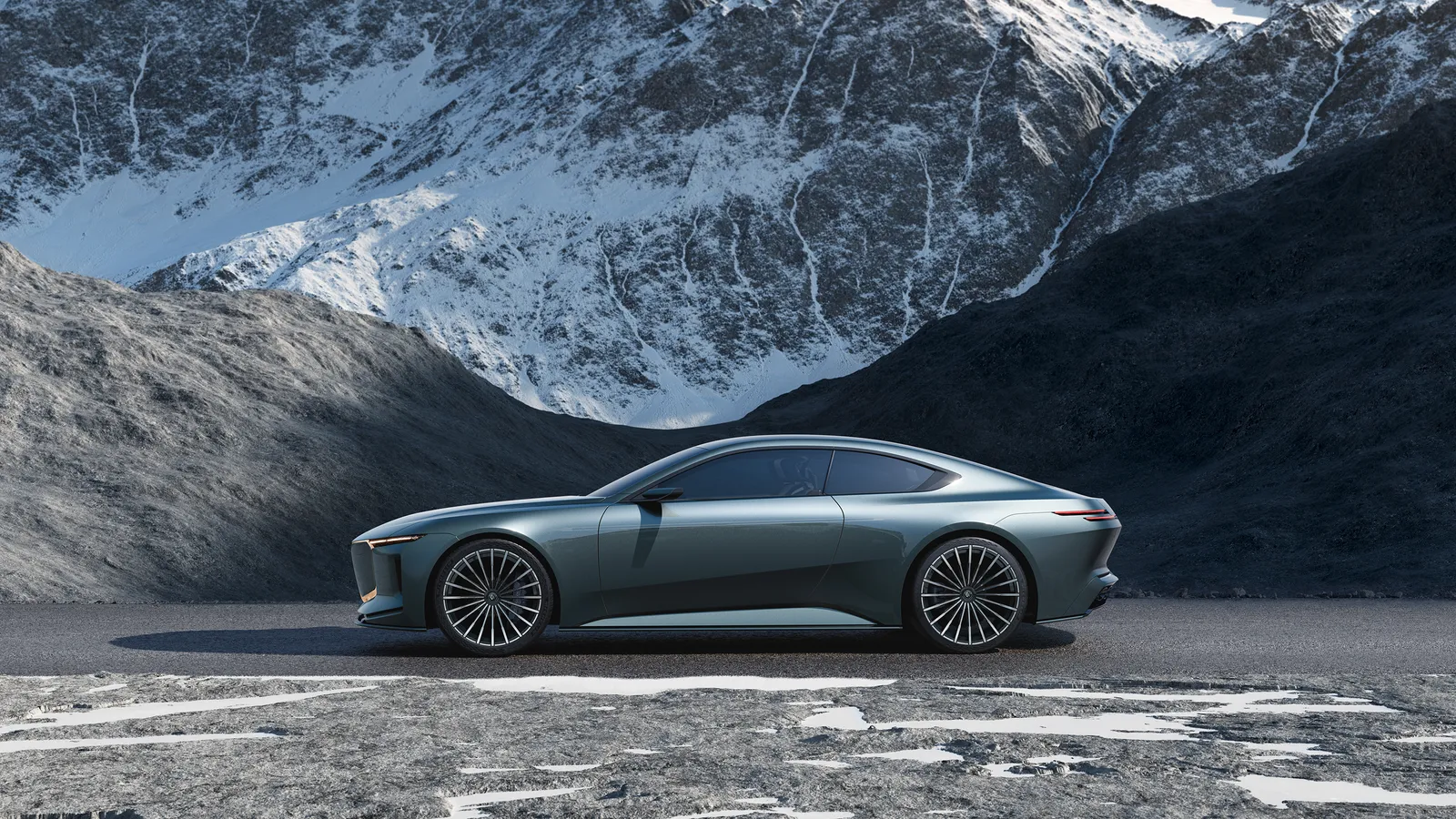
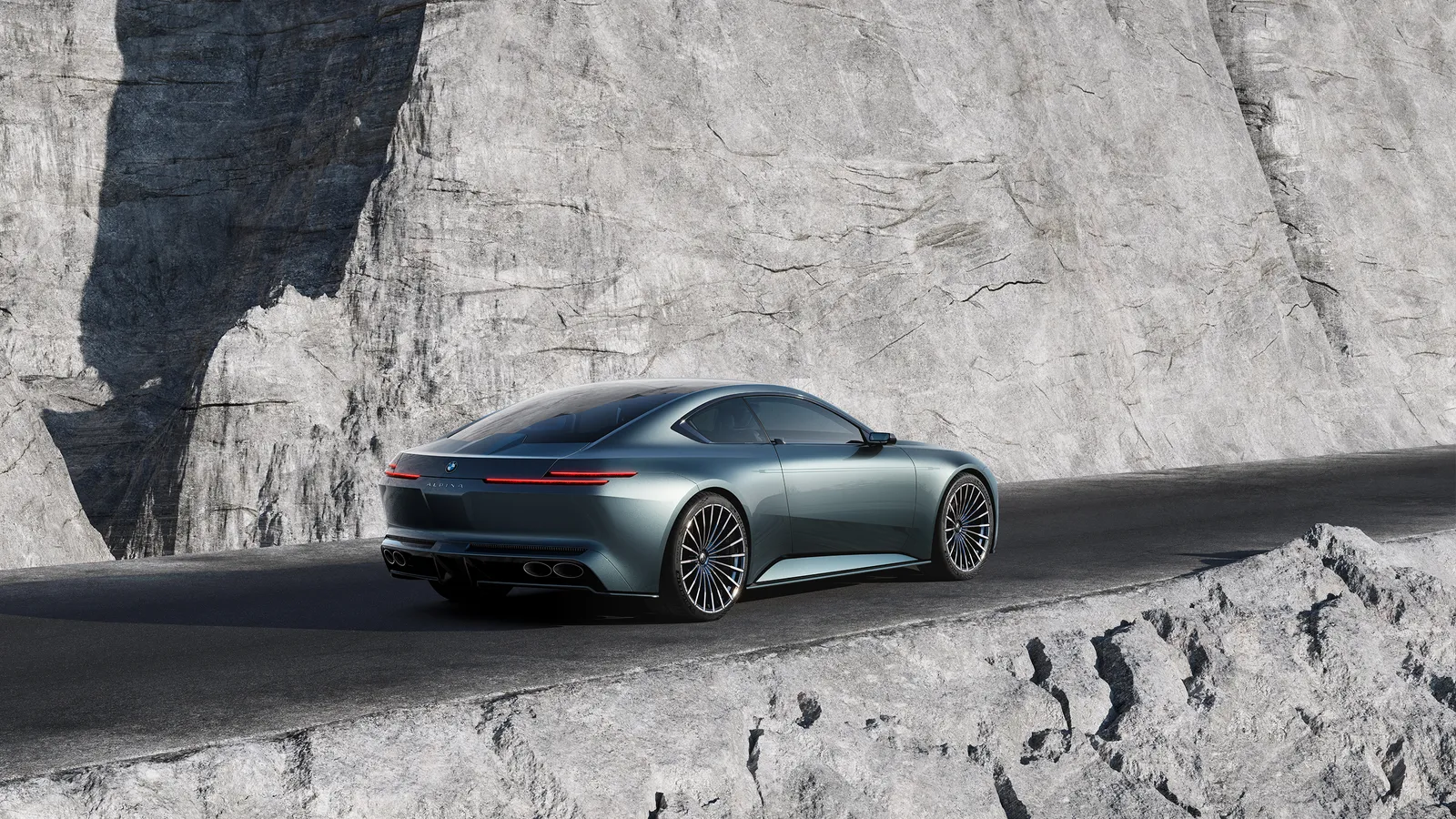
At over 5,200 millimeters in length, the concept possesses unmistakable grand tourer proportions. The hood stretches dramatically forward, the roofline sweeps low and uninterrupted toward the rear, and the stance prioritizes elegance over overt muscularity.
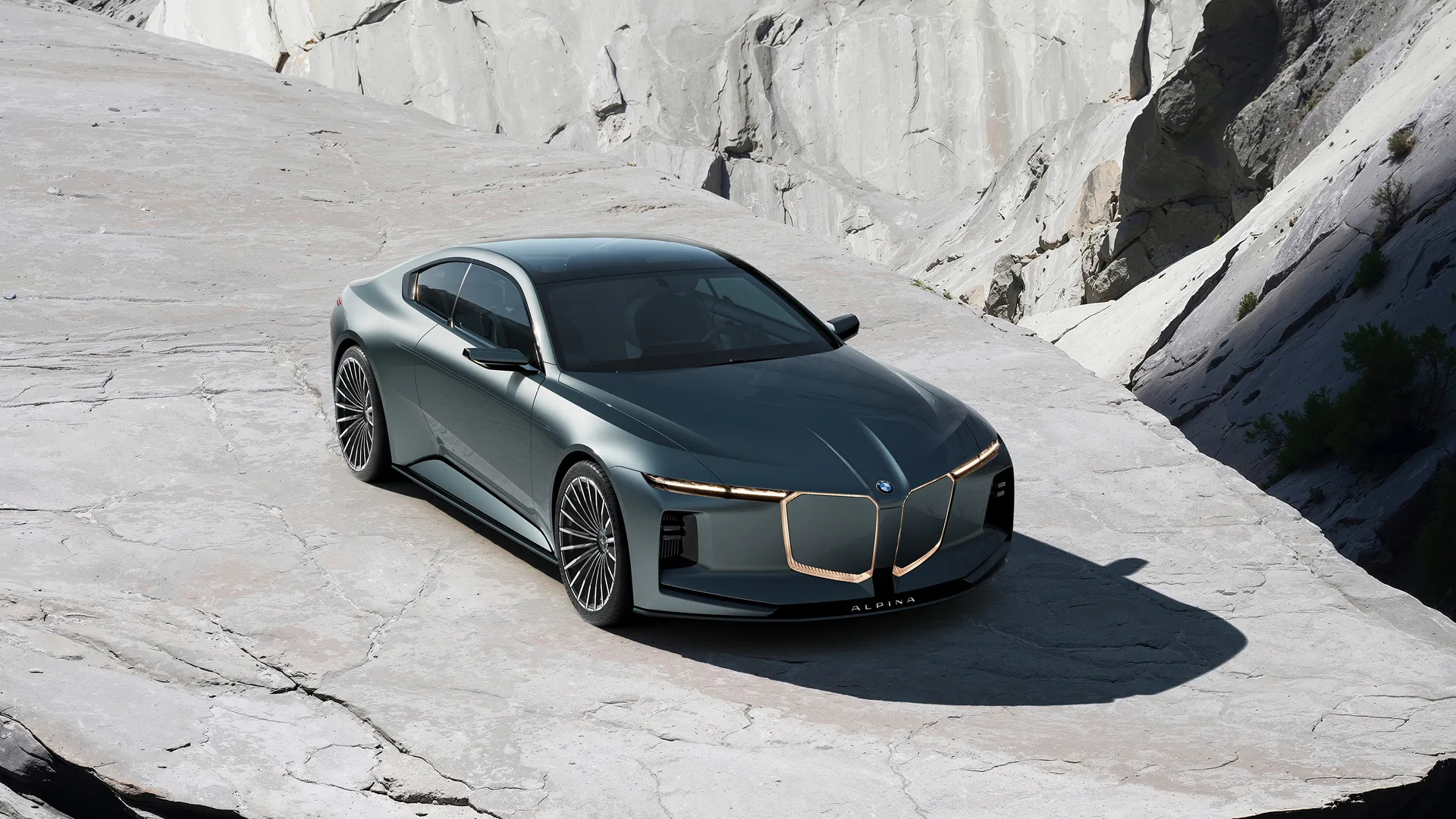
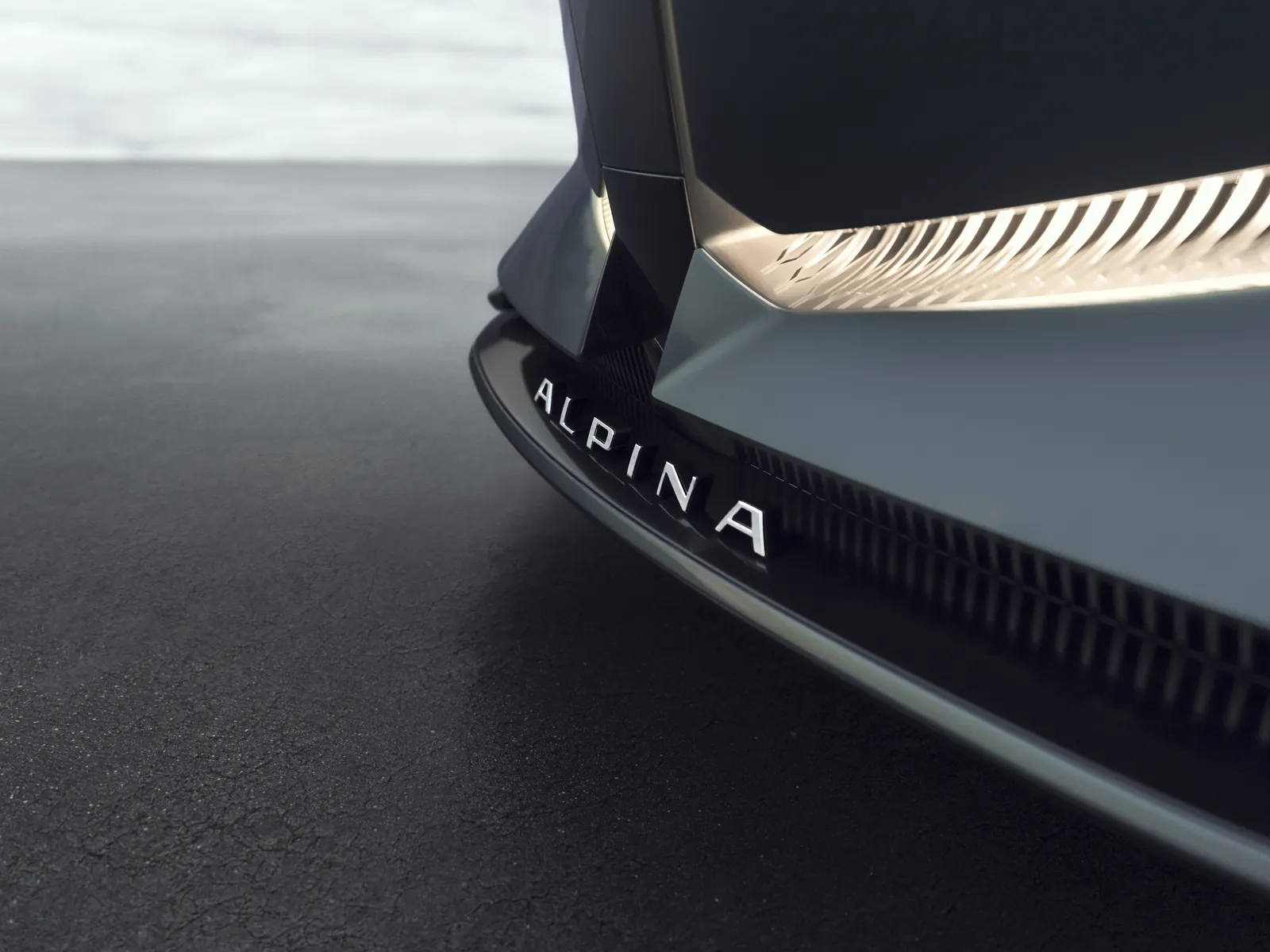
Most striking is the reinterpretation of ALPINA’s historic “shark nose” front fascia. The kidney grille leans forward with sculptural precision, creating a face that appears assertive without becoming theatrical. It is recognizably BMW, yet distinct enough to communicate a different philosophy altogether.
The detailing reinforces this idea of quiet complexity. Traditional ALPINA deco lines, historically rendered as visible pinstriping, now sit beneath the clear coat in a far more restrained execution. Hidden metallic surfaces reveal themselves only under changing light conditions, while subtle illumination elements inside the grille create what designers describe as a “Second Read” effect—details that emerge gradually rather than demanding immediate attention.
Even the lighting signature avoids the cold futurism dominating many contemporary concepts. Warm white daytime running lights inspired by dawn over the Bavarian Alps lend the vehicle an unexpectedly human atmosphere. Combined with crystal-like internal headlamp structures, the effect feels more architectural than technological.
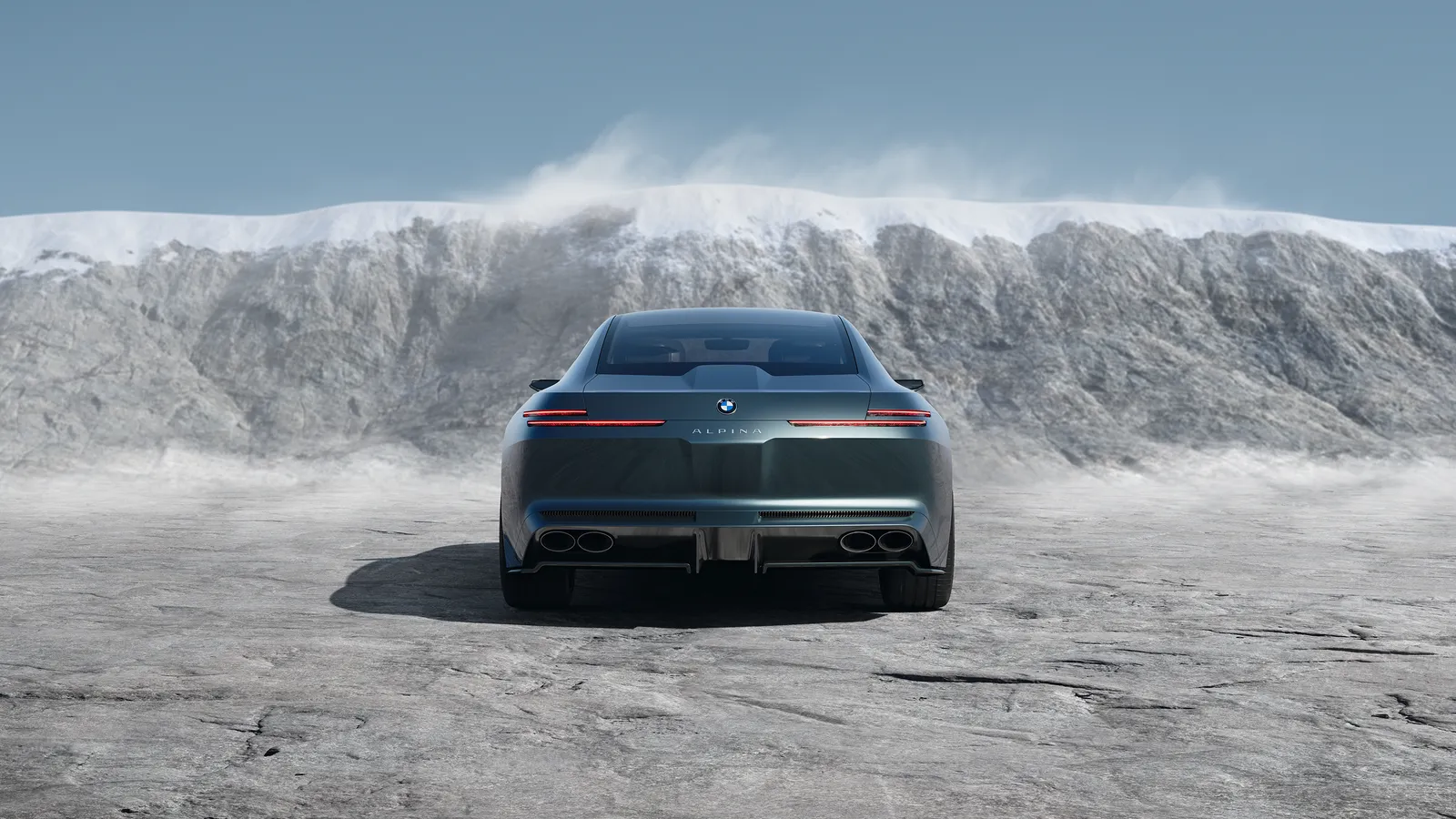
The classic 20-spoke ALPINA wheels return as well, now enlarged to 22 inches in front and 23 inches in the rear. Alongside the signature quad elliptical exhaust outlets, they function almost like visual signatures preserved across generations.
interior
Inside, the Vision BMW ALPINA distances itself from minimalist trends currently dominating luxury interiors. Rather than stripping the cabin into a tech lounge, ALPINA embraces tactile richness and layered craftsmanship.
The cabin architecture follows a six-degree horizontal “speed line” that visually separates darker upper surfaces from lighter lower sections, subtly emphasizing motion and openness simultaneously. Full-grain leather sourced from Alpine-region suppliers covers seating and trim areas, while intricate stitching patterns reinterpret classic deco-line graphics in a more contemporary manner.
Metal detailing draws inspiration from high-end watchmaking, utilizing satin and polished finishes alongside carefully beveled edges. Crystal controls appear only in essential interaction points, ensuring that ornamentation remains purposeful rather than excessive.
The rear seating area perhaps best encapsulates ALPINA’s identity. Instead of emphasizing entertainment screens or lounge theatrics, the concept incorporates a self-rising refreshment system containing a glass water bottle and crystal drinking glasses etched with subtle deco-line patterns. Magnets secure the pieces while ambient lighting softly illuminates the compartment during deployment.
It is an unusually poetic detail for a modern concept car because it reinforces the notion that this vehicle is designed not for quick urban impressions, but for meaningful journeys measured in hours and landscapes rather than social media moments.
ev
Perhaps the most controversial aspect of the Vision BMW ALPINA is what sits beneath its elongated hood. Rather than debuting as an all-electric halo model, the concept retains a V8 powertrain complete with an ALPINA-specific exhaust tuning philosophy focused on low-frequency richness and refined acoustic character.
In today’s climate, that decision feels almost rebellious.
Across the automotive industry, luxury manufacturers continue accelerating toward electrification, often presenting internal combustion as an increasingly temporary bridge technology. ALPINA’s concept instead positions the V8 as an emotional centerpiece, arguing implicitly that sound, mechanical character, and long-distance touring remain central to the luxury driving experience.
This does not necessarily suggest BMW ALPINA will reject electrification entirely. Hybridization and future EV development remain likely, especially given regulatory realities. Yet the Vision concept makes a clear statement that the brand’s initial identity under BMW stewardship will prioritize analog emotion over sterile technological futurism.
That positioning may prove commercially strategic as well. An increasing number of affluent buyers appear drawn toward products offering emotional authenticity and heritage continuity amid rapidly digitized industries. The Vision BMW ALPINA taps directly into that sentiment.
fwd
BMW openly positions ALPINA as the bridge between its flagship models and Rolls-Royce, effectively creating a new ultra-premium tier within the broader group portfolio.
This places future ALPINA production vehicles into competition with high-end Mercedes-Maybach models, Bentley grand tourers, and the upper reaches of Porsche’s luxury offerings. Estimated pricing above $200,000 further reinforces that ambition.
Yet ALPINA’s differentiation strategy appears less concerned with outright opulence than with cultivated discretion. Where some rivals pursue visual extravagance, the Vision BMW ALPINA leans toward understatement. It communicates exclusivity through nuance rather than spectacle.
That approach aligns with broader shifts occurring across luxury culture itself. Increasingly, affluent consumers seek products that project taste and discernment rather than overt wealth signaling. The Vision BMW ALPINA feels calibrated precisely for that audience: individuals who appreciate heritage, engineering subtlety, and restrained sophistication.
why
The concept also reveals something broader about the future of legacy automotive brands.
Rather than abandoning heritage during the industry’s technological transition, BMW appears intent on leveraging it as a differentiator. ALPINA becomes both preservation and evolution simultaneously—a brand capable of honoring analog luxury traditions while selectively integrating modern technologies where appropriate.
That balance may ultimately become one of the automotive industry’s defining challenges over the next decade. Consumers increasingly expect digital integration and sustainable technologies, yet many still crave emotional engagement, craftsmanship, and tactile identity.
The Vision BMW ALPINA suggests those desires are not mutually exclusive.
Instead of treating comfort and performance as opposing forces, the concept revives ALPINA’s long-standing belief that true luxury emerges when speed becomes effortless rather than dramatic. In that sense, the vehicle functions less like a conventional concept car and more like a philosophical statement about what grand touring could become in the modern era.
fin
The Vision BMW ALPINA ultimately succeeds because it knows restraint as a form of luxury. In a landscape crowded with hypercars chasing shock value and electric concepts competing for digital futurism, ALPINA’s measured elegance feels remarkably refreshing.
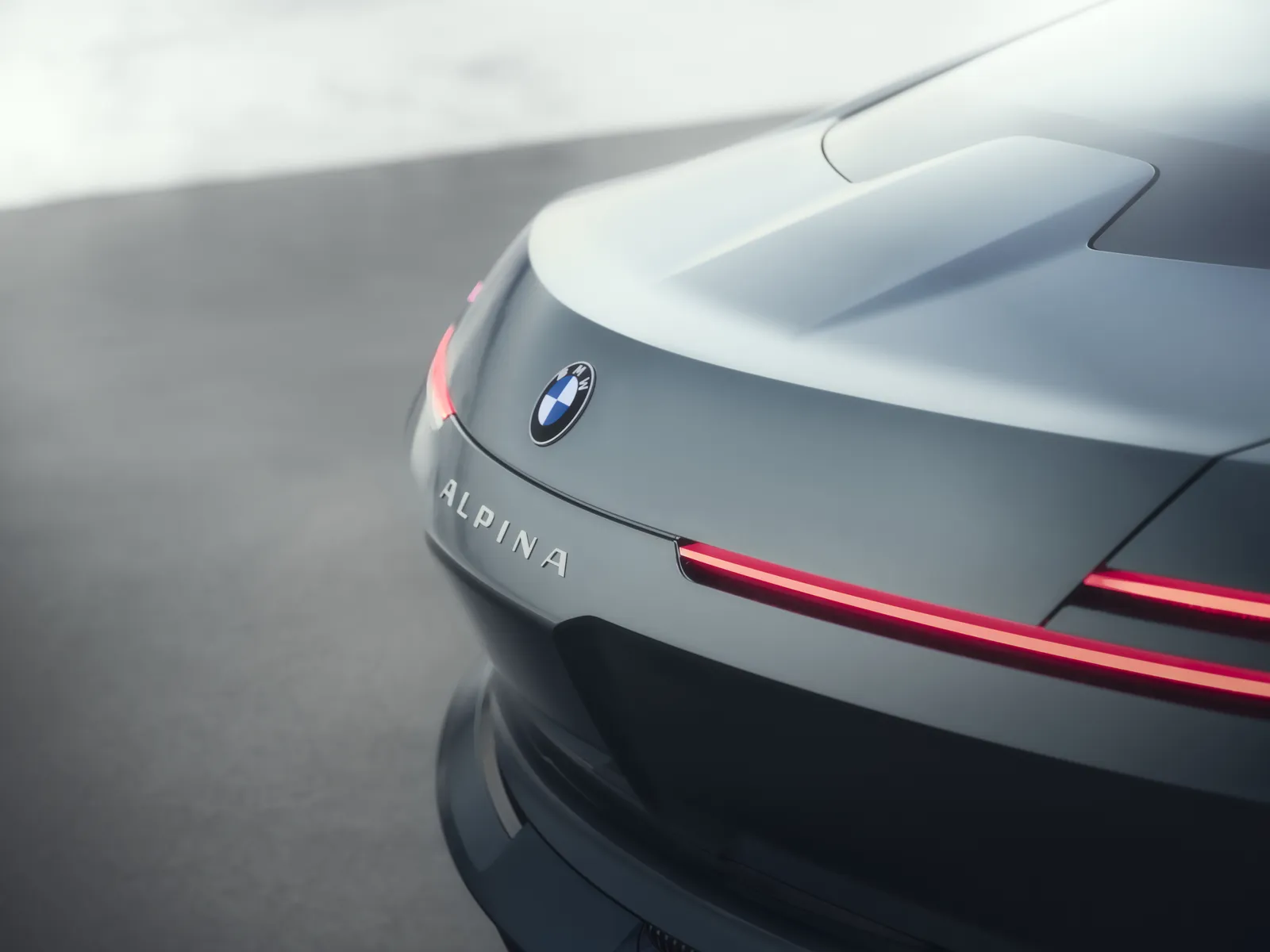
Its shark nose, subtle deco lines, warm lighting signatures, and V8 soundtrack all contribute to a cohesive identity rooted in sophisticated movement rather than theatrical performance.
When production models begin arriving in 2027, they will carry immense expectations. They must satisfy traditional ALPINA loyalists while simultaneously establishing credibility within a dramatically evolving luxury market. Yet if the Vision BMW ALPINA is any indication, BMW understands precisely what made the brand special in the first place.
Not excess. Not aggression. Not even outright speed.
But the ability to travel extraordinarily well.
From the DRIFT archive: Lara Croft’s Dual Guinness Records Cement an Icon: How a Digital Explorer Became a Cultural Artifact Herself · Cornell Team Develops Ultrablack: The “Darkest Fabric Ever” That Reflects Close to No Light
Related Articles
Under Rue de Castiglione, Liaigre Gives Hôtel Costes a Spa With No Hard Corners
A 20-meter lap pool, eight treatment rooms and not one sharp angle: Studio Liaigre’s spa […]