DRIFT AUDIO
Listen to this story
Choose a voice, then press play.
RIPNDIP built its name on a cat giving everyone the finger. Now that cat is on toddler socks at Zara, arriving days after its own mascot’s name got dragged into a copyright fight with an indie artist.
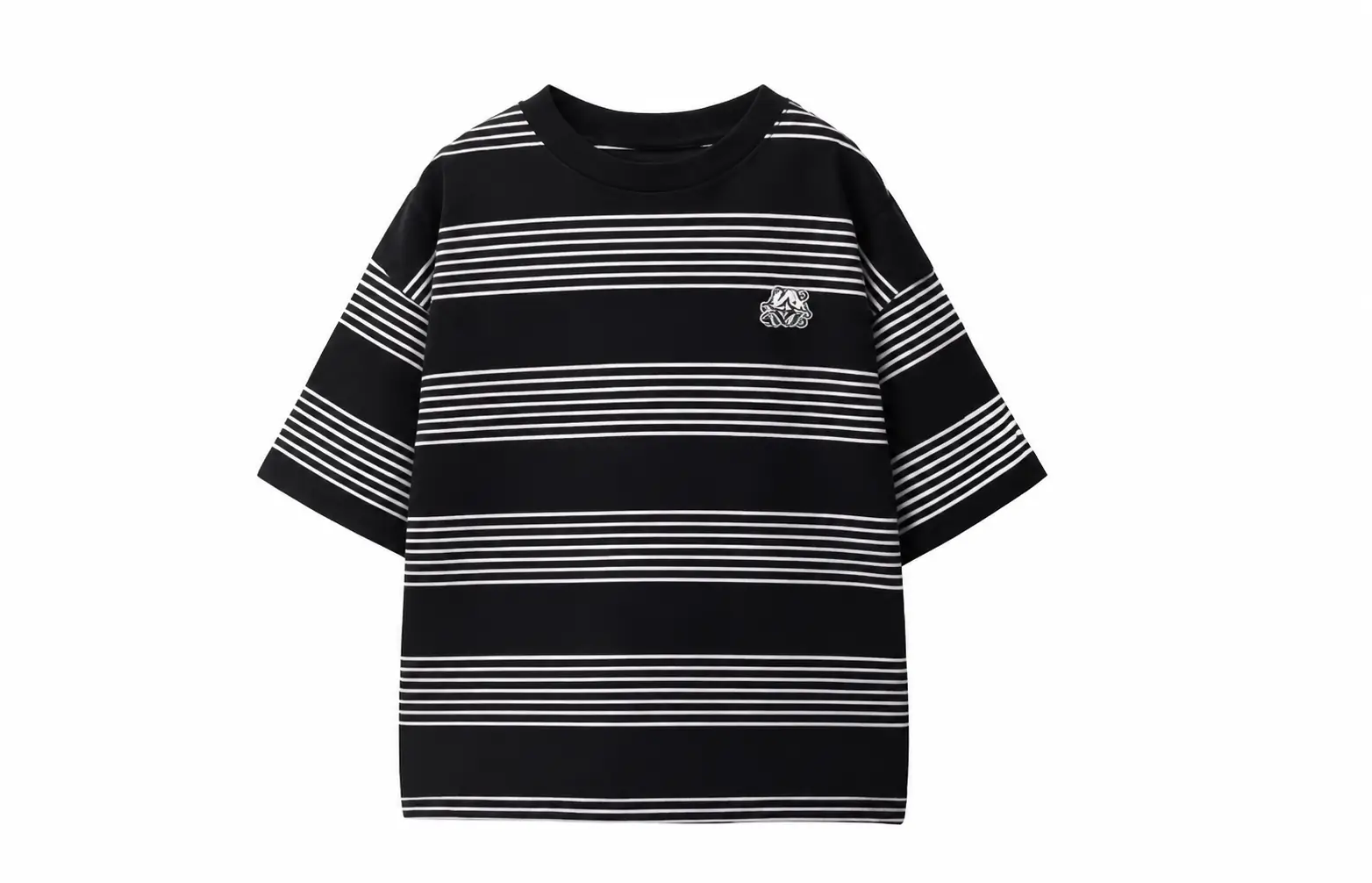
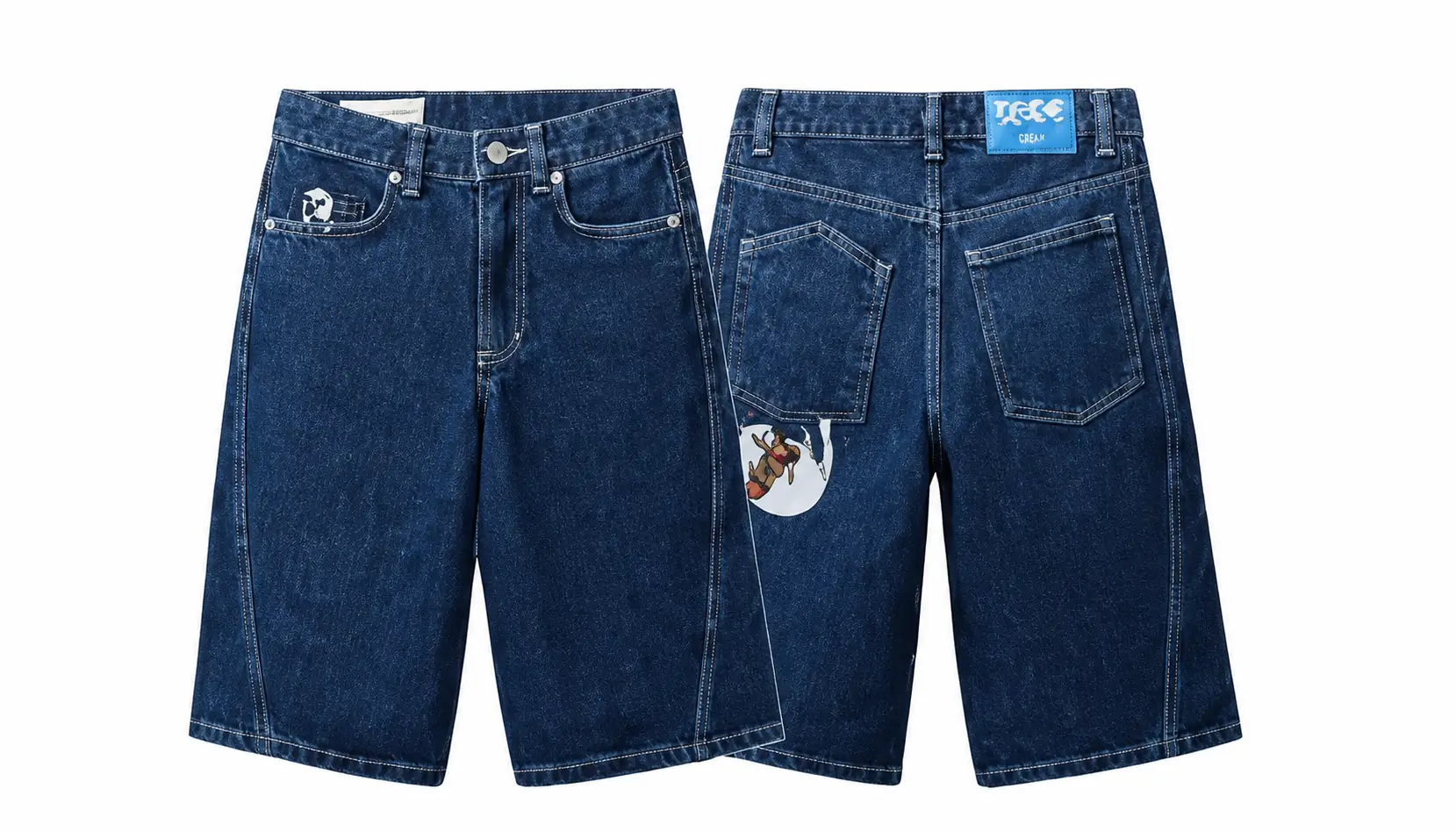
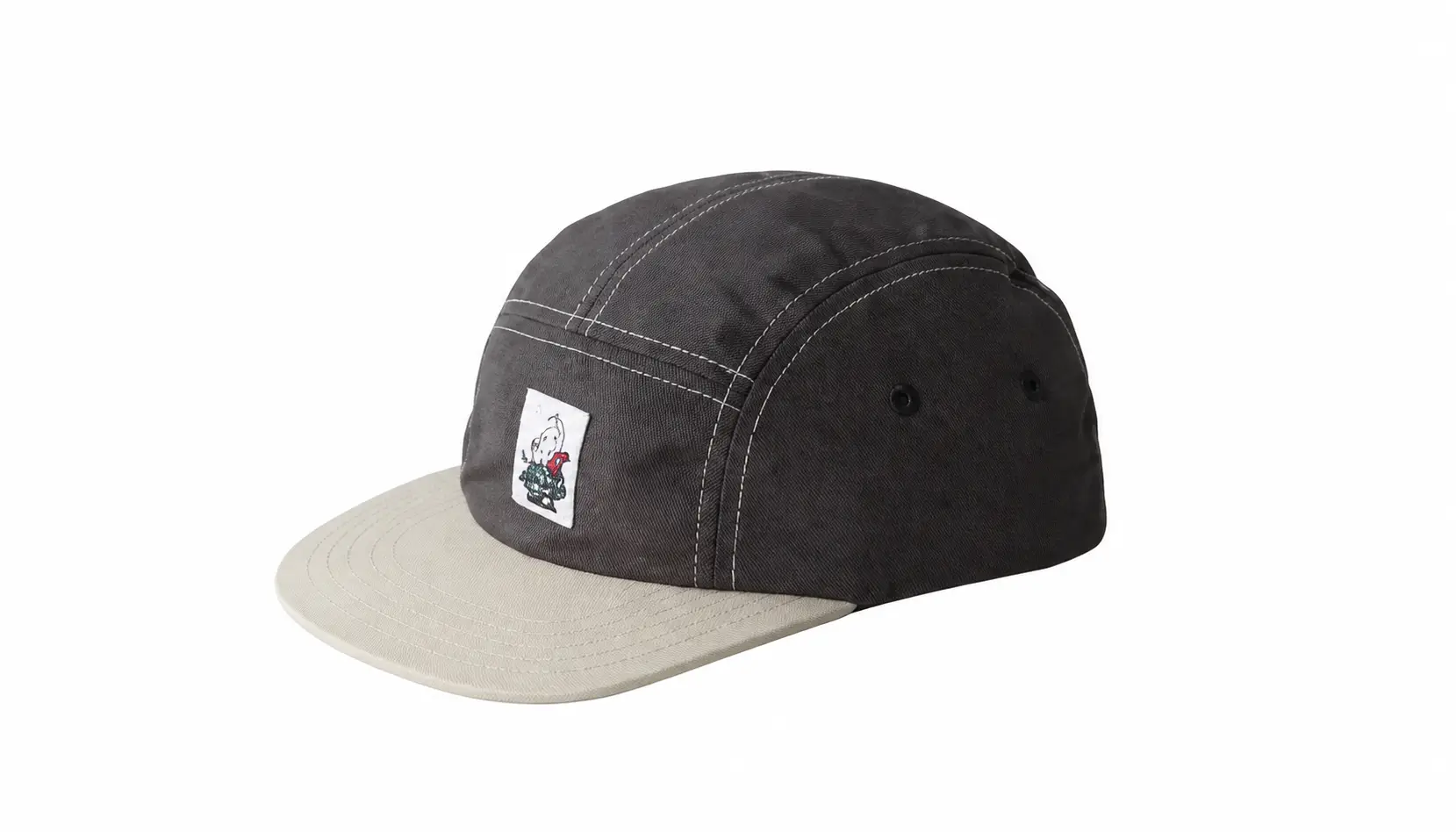
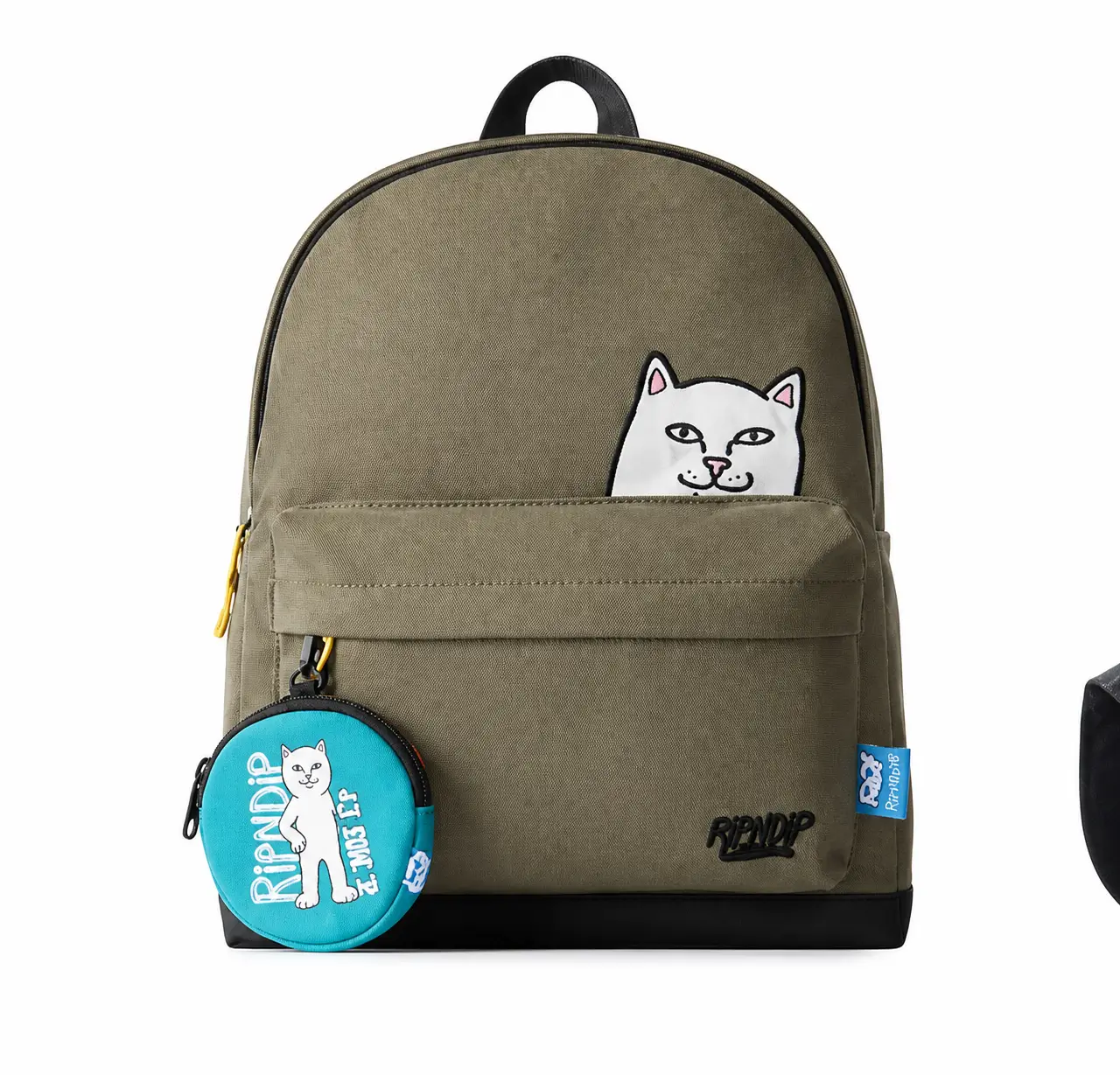
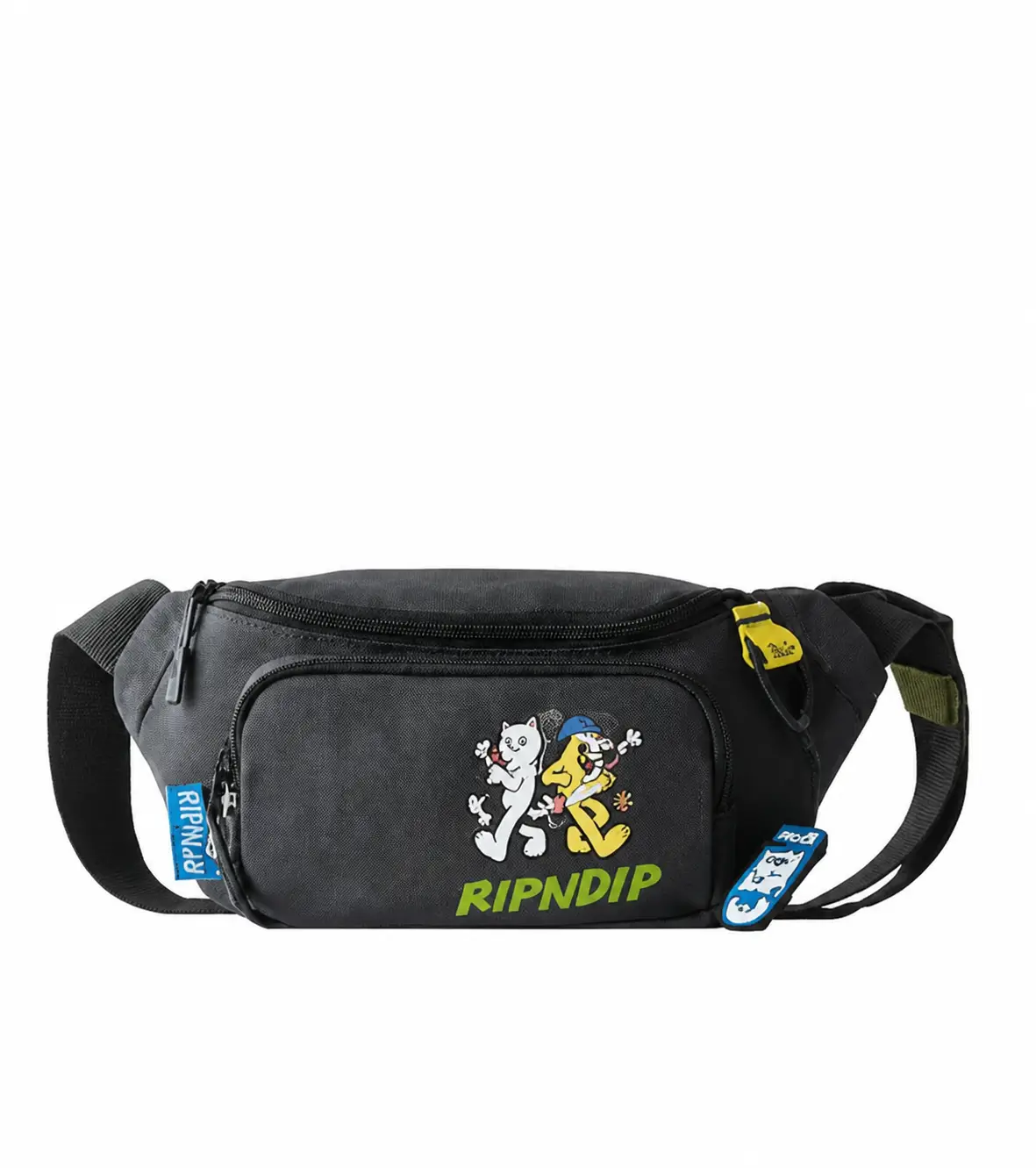
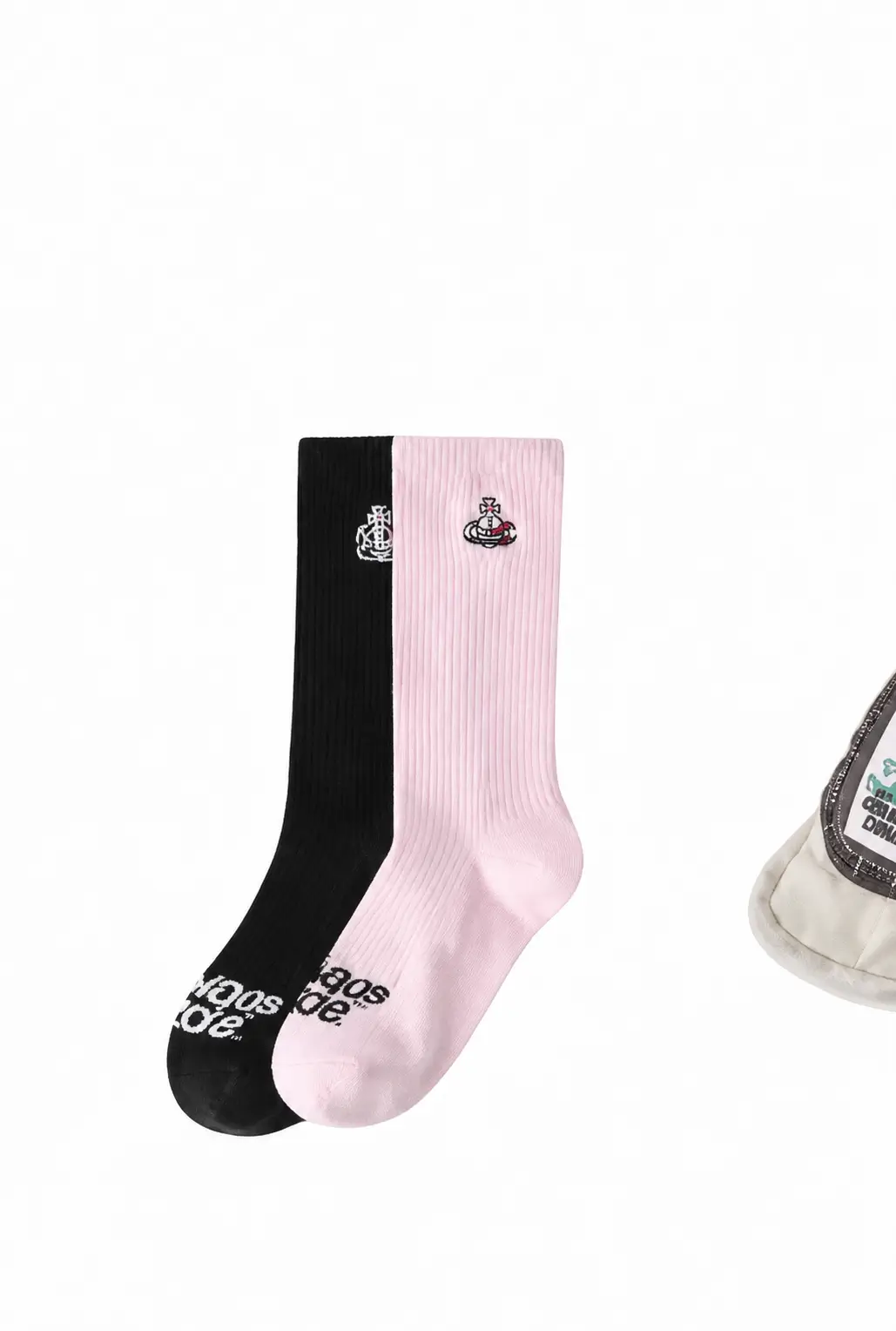
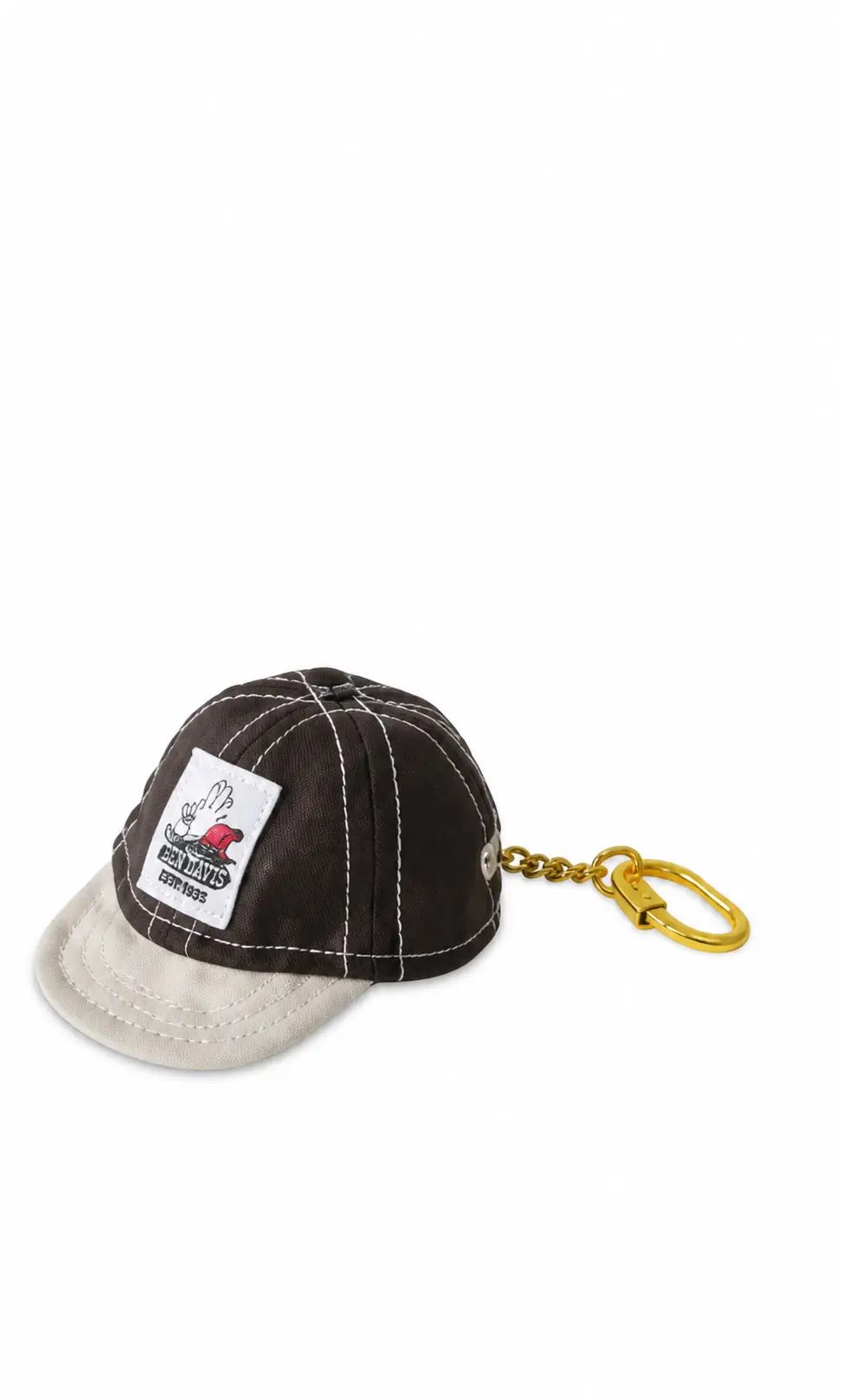
The RIPNDIP x Zara Kids collection land in Zara stores worldwide on August 12, and it is, on paper, a fairly conventio licensed capsule. There are two colorways of a striped embroider Tee at $25.90 each, a raised logo Tee at $22.90, a logo print T-shirt at $22.90, and a logo sweatshirt at $35.90. Below the waist, there is a pair of embroider skater denim shorts at $39.90. Accessory round it out: a logo label cap at $17.90, a cap keychain at $17.90, a two-pack of embroider mid-calf socks at $15.90, a belt bag at $32.90, and a backpack at $59.90.
View this post on Instagram
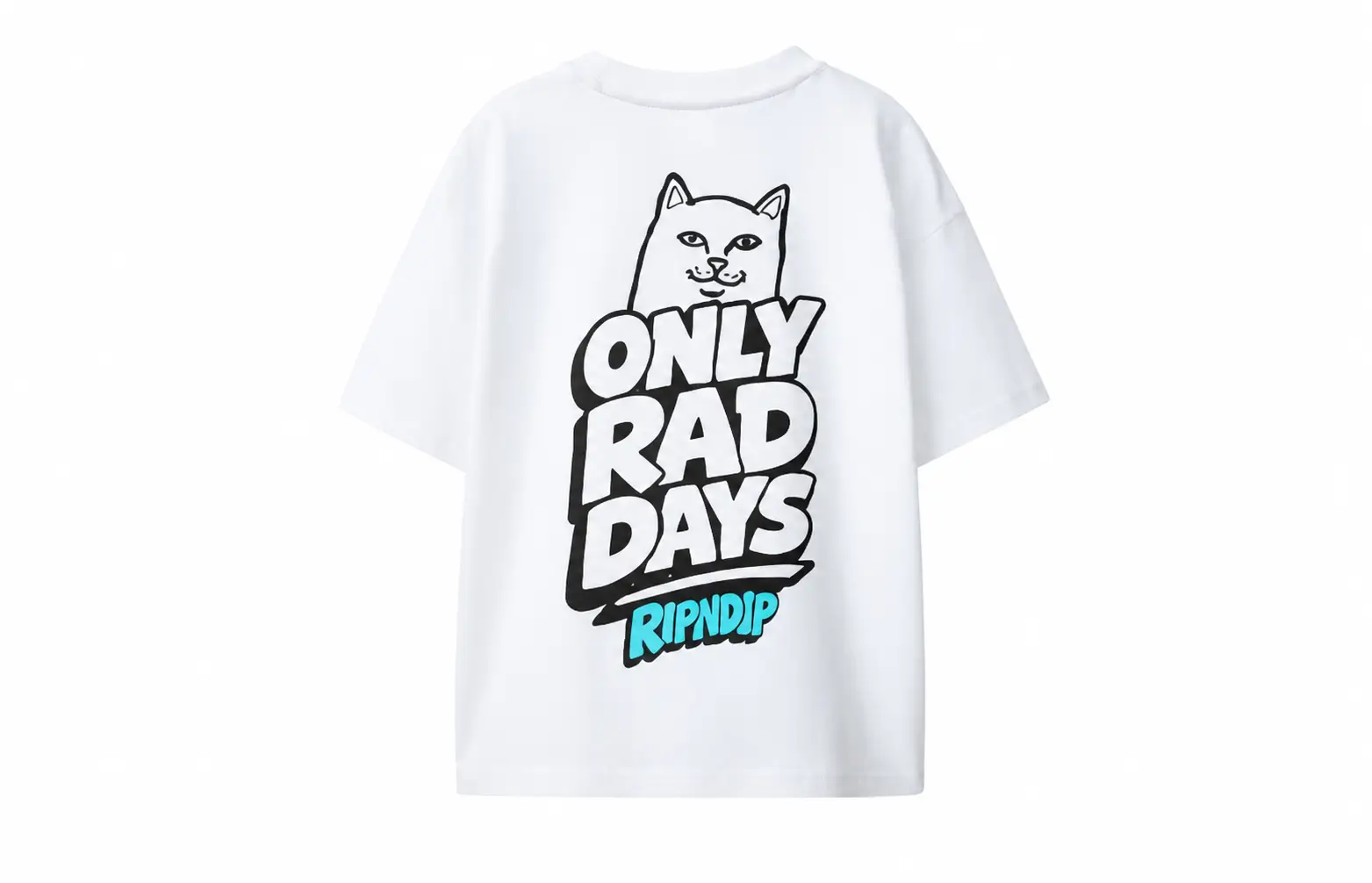
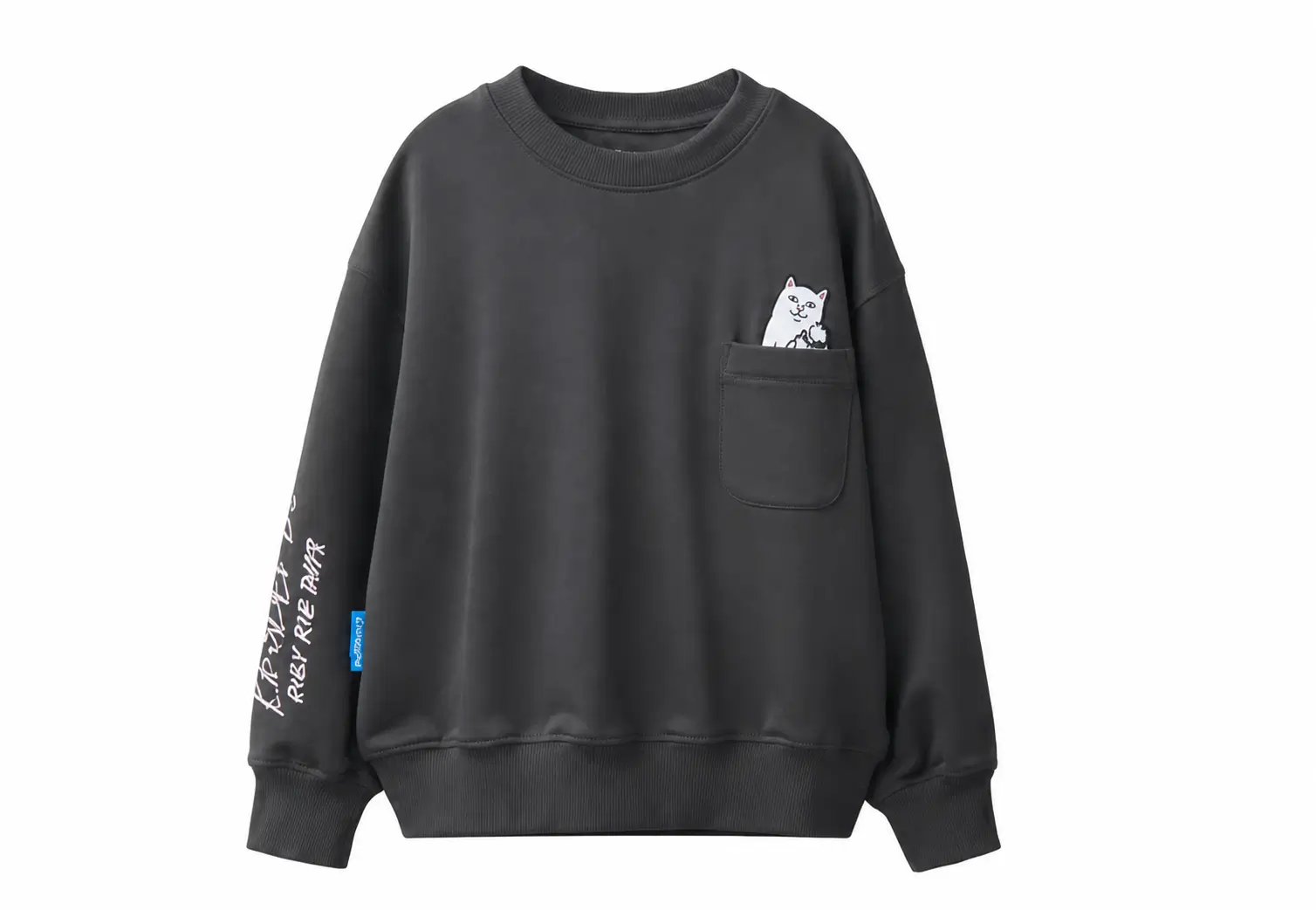
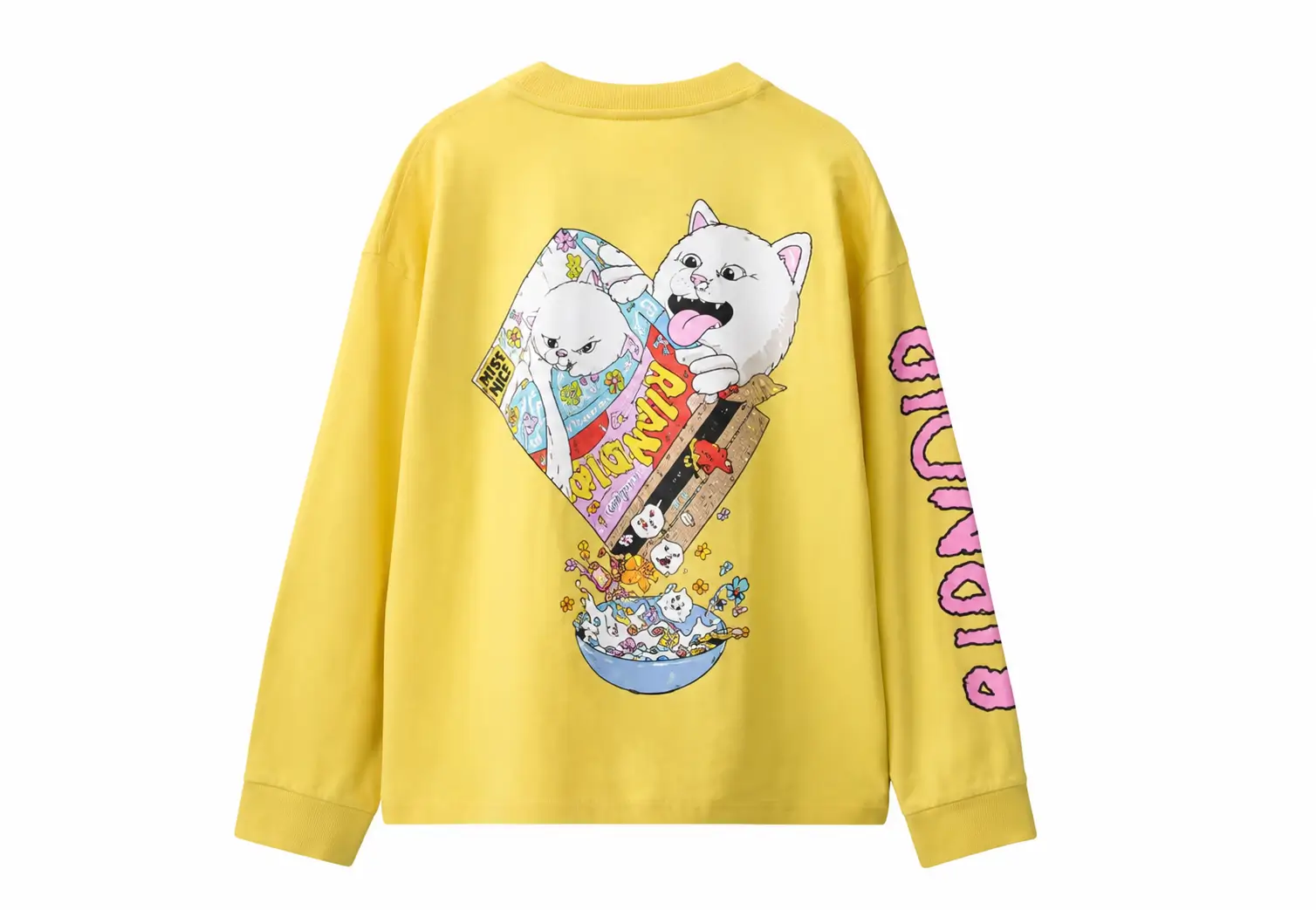
The designs lean into RIPNDIP’s house aesthetic without softening it much for the age group. The white cat mascot appears mid-scowl on a pocket patch, mid-cereal-spill on a yellow long sleeve, and mid-slogan on a shirt that reads “Only Rad Days” in a hand-drawn skate font. None of the pieces carry the brand’s signature raised middle finger, the gesture that anchors most of RIPNDIP’s adult catalogue and gives the mascot, Lord Nermal, his defining pose. That detail is notably absent here, and it is doing a lot of quiet work.
The two striped embroidered Tee split the difference between boy and girl marketing without leaning hard into either, one running in a muted black and cream stripe with a small embroidered cat patch at the chest, the other in a brighter combination aimed at the girls’ side of the site. The raised logo Tee and the logo print Tee both keep things simple, built around a single large chest graphic rather than the layered, multi-panel artwork RIPNDIP tends to run on its adult drops. The sweatshirt is the closest thing in the capsule to a genuine centerpiece, an oversized crewneck in a washed grey with a small pocket cat and a sleeve print reading a version of the brand’s stock skate-shop copy. Even at kids’ proportions, it is recognizably cut from the same silhouette playbook RIPNDIP uses on its adult hoodies, just scaled down and priced accordingly.
The accessories carry more of the collection’s personality than the garments do. The belt bag and backpack both use the brand’s stock canvas construction, complete with a small zippered coin pouch clipped to the backpack’s main strap, a detail lifted almost exactly from RIPNDIP’s adult bag line. The two caps, one a straightforward logo label cap and the other a smaller cap rendered as a keychain, are clearly built for the resale-adjacent instinct that drives a lot of collaboration shopping regardless of the customer’s age. Two colorways of socks round things out, one in the brand’s signature pink and black pairing and one built around a simpler grey base, both featuring a small embroidered cat at the ankle rather than the full pocket graphic used elsewhere in the line.
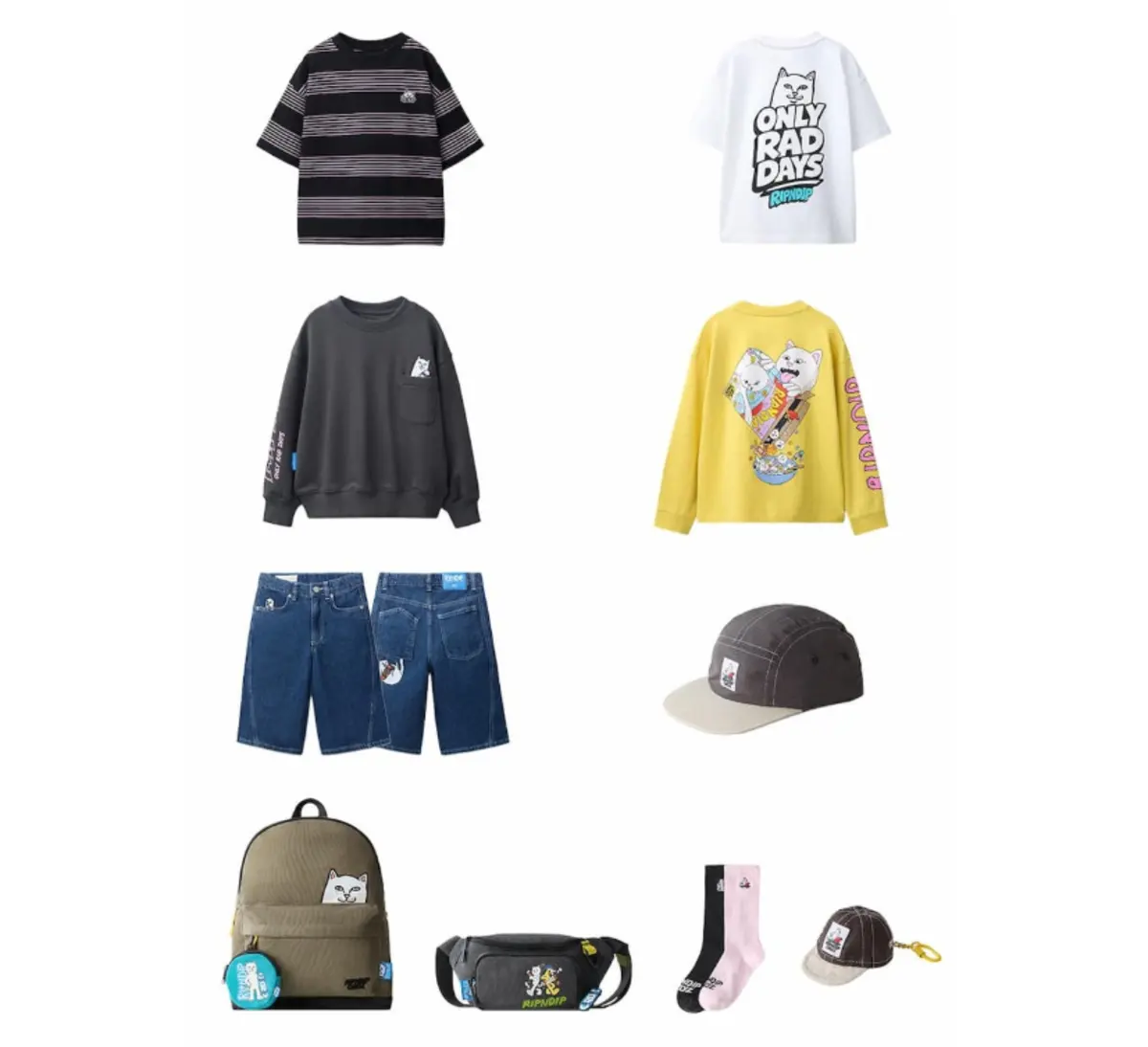
Ripndip Apparel And Accessories Collection
who
RIPNDIP was founded in 2009 by Ryan O’Connor, who built the label out of a skate crew’s in-jokes rather than a design studio. Its mascot, a squat white cat named Lord Nermal, is instantly recognizable across skate parks and mall food courts alike, usually depicted flipping off the viewer from inside a shirt pocket. The character has carried the brand from niche skate label to a genuine streetwear fixture, expanding into slides, sunglasses, glassware collaborations, and now, evidently, children’s clothing sold through one of the largest fast fashion retailers on the planet.
What gets left out of most RIPNDIP marketing copy is that Lord Nermal, as a design, did not originate inside the company. The character was created by artist Jayme Lemperle, who is no longer associated with the brand, under circumstances that people close to RIPNDIP’s early days have long described as disputed. That detail sat mostly dormant in the brand’s public story for years. It resurfaced hard this summer.
The brand’s own site currently frames its founder’s story in loose, almost mythic terms, describing how Ryan O’Connor turned his skate crew and its in-jokes into what its retail partners now call a phenomenon. RIPNDIP has grown well beyond apparel in the years since, extending into slides, sunglasses, a hacky sack line, and a glassware collaboration with the smoke accessory brand HEMPER, alongside a running promotional habit of bundling in extras like free sleep tape with seasonal orders. The Zara tie-up is, by a wide margin, the largest and most mainstream distribution deal the brand has struck to date, putting a label built on skate shop humor into a retailer with more than two thousand stores worldwide.
stir
On June 26, 2026, an independent illustrator who goes by Pigeonchild, real name Tim, discovered that a stylized cat design of his had been pulled from Redbubble after RIPNDIP filed a copyright complaint against it. Tim posted about the takedown on X, and the post went viral within hours, pulling in more than two million views and roughly twenty thousand likes as other artists and fans piled on in support.
animated illustration example for vgen (^▽^) pic.twitter.com/EFcU2R4ESj
— Tim 🔪Pigeonchild (Commissions for August open) (@Pigeon_child_) July 22, 2026
RIPNDIP’s official account did not help its own case. Its first public response to the backlash was two words: “Respect your elders.” The account was suspended shortly afterward and reinstated the next day, June 27. When it came back online, RIPNDIP changed its profile picture to Tim’s disputed artwork and, in the same window, teased a new limited merchandise drop, a sequence that read to a lot of onlookers as the brand trying to wring attention out of the very controversy it had caused.
The backlash kept building, and multiple independent designers used the moment to resurface older accusations that RIPNDIP had used their work for mass production without credit. Two days after the initial complaint, on June 28, RIPNDIP posted an apology to X in the form of a letter, signed by Lord Nermal in his official capacity as the company’s CEO. The letter blamed the takedown on an automated intellectual property enforcement system rather than a human decision, stating that the volume of counterfeit and infringing material RIPNDIP deals with online means most enforcement runs on autopilot, and that “neither I nor anyone on my team manually targeted your artwork.” The company said it had already instructed its enforcement vendor to reverse the claim once the team was back online, and it apologized for the inconvenience. Tim, for his part, left Redbubble entirely following the episode and now takes commissions directly through his own social channels rather than through a marketplace RIPNDIP could flag again.
The optics of the apology letter drew almost as much attention as the original complaint. Framing a corporate takedown reversal as a personal note signed by a cartoon cat rather than by a named executive struck a lot of observers as consistent with the same instinct that produced “Respect your elders” in the first place, an attempt to keep the brand’s voice jure even while walking back a decision that had cost a working illustrator real income and real anxiety. Whether that tone reads as charming or tone-deaf appears to depend almost entirely on which side of the original post someone saw first.
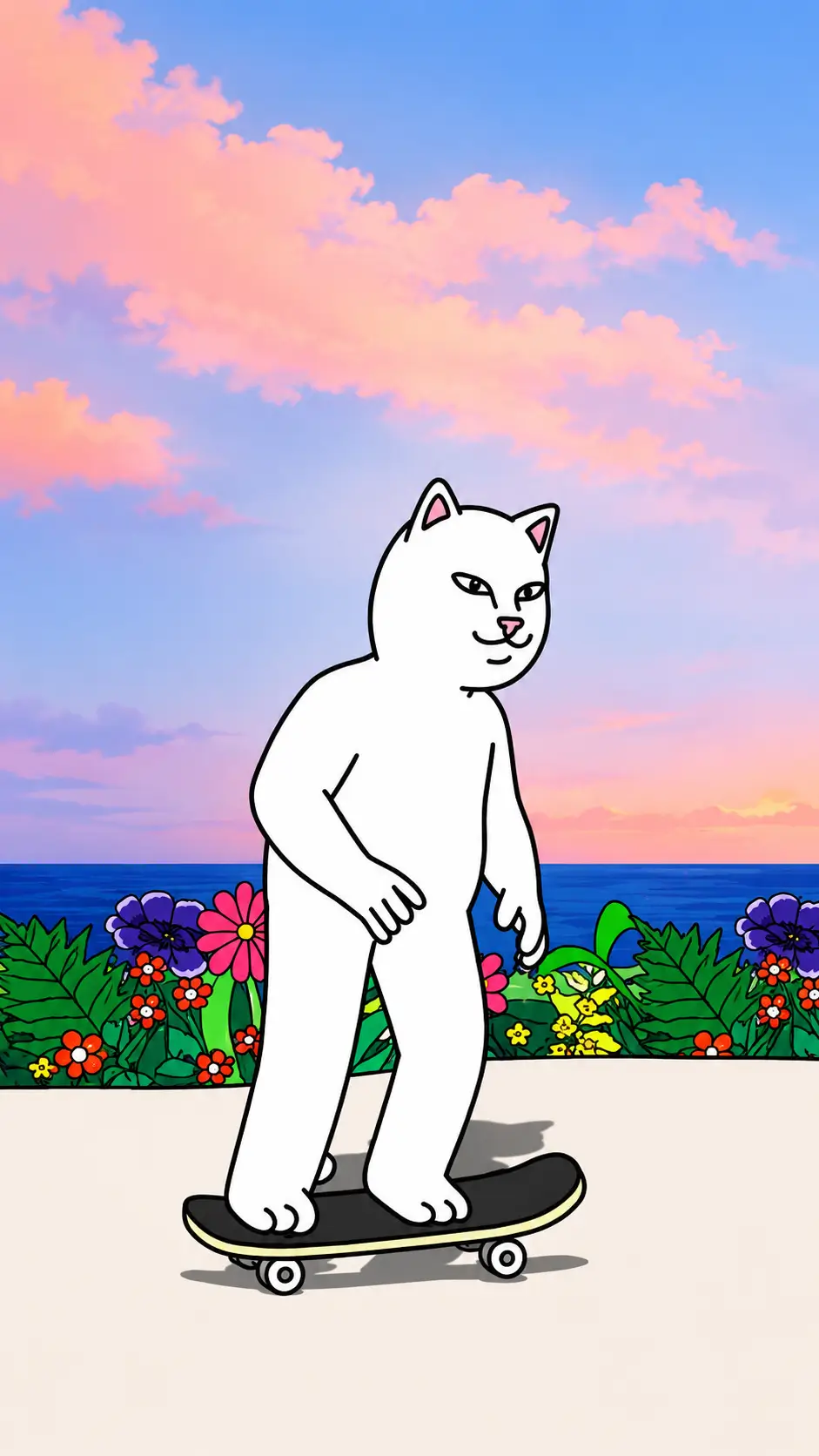
RIPNDIP Lord Nermal Cat Skateboarding Along a Colorful Seaside Garden
flow
None of this appears to have slowed the Zara rollout by even a week. The kids’ collection was already in production well before the Pigeonchild incident became public, and licensed capsules of this scale, spanning multiple garment categories and full accessory lines across a global retailer’s supply chain, are not the kind of project a brand can pause on short notice even if it wanted to. But the timing does put two versions of the same character side by side in an unusually direct way. In one version, Lord Nermal is the face of a brand accused, again, of pursuing a smaller artist’s cat drawing while its own foundational cat design remains a subject of dispute. In the other, released roughly six weeks later, that same cat is stitched onto a toddler’s sock two-pack, minus the raised finger, sold under a name most six-year-olds and their parents will only ever encounter as a slightly edgy-looking cartoon on a Zara shelf.
It is worth being precise about what did and did not change for the kids’ line. The gesture is gone, but the character’s smugness, the exaggerated scowl, the gen sense of a mascot who knows he is being a little bit rude, all survive the transition intact. That is presumably the point. A brand that built its entire identity on a cat giving people the middle finger cannot fully sand that identity down for a six-year-old’s Tee without losing the thing that makes it recognizable as RIPNDIP in the first place. So the collection keeps the attitude and drops the gesture, threading a needle that lets Zara sell something that reads as edgy without actually printing profanity onto children’s clothing.
That same needle threading shows up in how the collection is marketed on Zara’s own site, where the RIPNDIP pieces sit inside a broader boys’ and girls’ licensed category alongside far tamer names, filed under the same navigation tab as character tie-ins built for a much younger, much less ironic audience. Nothing on the product pages themselves references skate culture, the brand’s adult catalogue, or Lord Nermal’s history in any detail beyond a small copyright line. The collection is, in other words, presented to Zara’s kids’ shoppers as a clean, self-contained aesthetic rather than as an extension of a fifteen-year-old streetwear label with its own baggage, which is standard practice for licensing deals of this kind but reads a little differently given the timing here.
View this post on Instagram
idea
There is also a wider pattern worth naming here, one that predates this particular collection and this particular controversy. Streetwear brands built on a single, highly ownable mascot tend to run into exactly this kind of friction eventually, because a character valuable enough to license out to a company the size of Zara is also valuable enough to be worth defending aggressively online, sometimes past the point of good judgment. RIPNDIP’s automated enforcement system, the one blamed for the Pigeonchild claim, exists precisely because Lord Nermal has become recognizable and profitable enough to attract imitation at scale. The same commercial success that made a Zara deal possible in the first place is the underlying reason the brand now polices stylized cat drawings across the internet closely enough to occasionally get it wrong.
fin
The full RIPNDIP x Zara Kids collection releases August 12 on in Zara stores worldwide and brand site, spanning boys’ and girls’ sizing across ten pieces: two striped embroidered Tee colorways, a raised logo Tee, a logo print Tee, and a logo sweatshirt on top, embroidered skater denim shorts below, and a logo label cap, cap keychain, two-pack of embroider mid-calf socks, belt bag, and backpack rounding out the accessory, priced indie between $15.90 and $59.90.
Availability appears broad rather than limited, in keeping with how Zara typically runs its licensed capsules, with pieces stocked across the retailer’s global store network alongside the standard online rollout rather than gated behind a raffle or a timed rel. That distribution model puts RIPNDIP’s mascot in front of more first-time customers in a single week than most of the brand’s own limited releases reach in a year, which is presumably a large part of why a licensing deal like this one gets pursued in the first place, whatever else is happening with the character’s name at the same time.
Related Articles
Supreme Week 8 Puts Rita Ackermann’s Artwork on Work Jackets and Soccer Kits for Japan on October 10
Supreme’s Week 8 arrives in Japan on Saturday, October 10, led by Rita Ackermann artwork […]