DRIFT AUDIO
Listen to this story
Choose a voice, then press play.
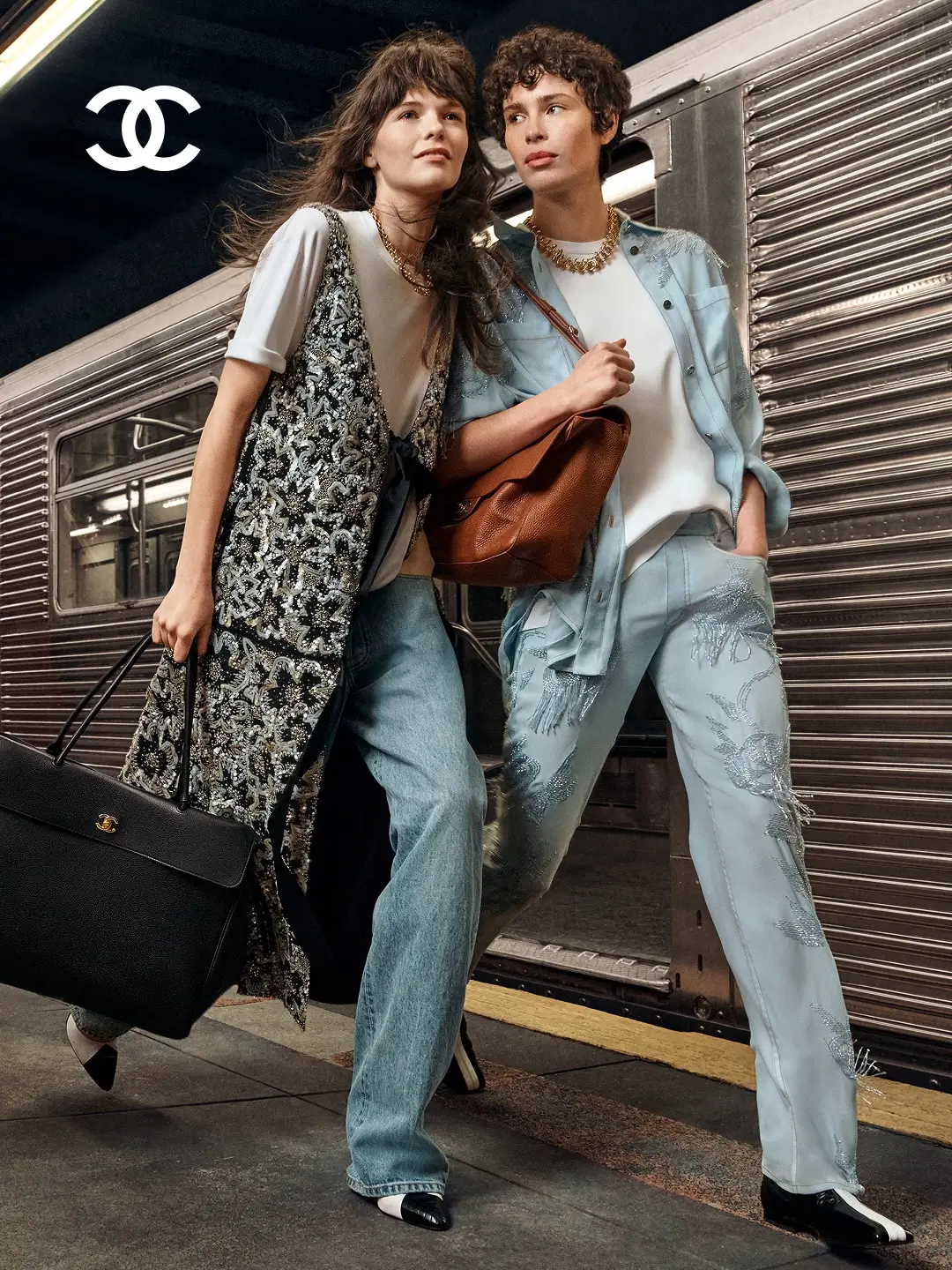
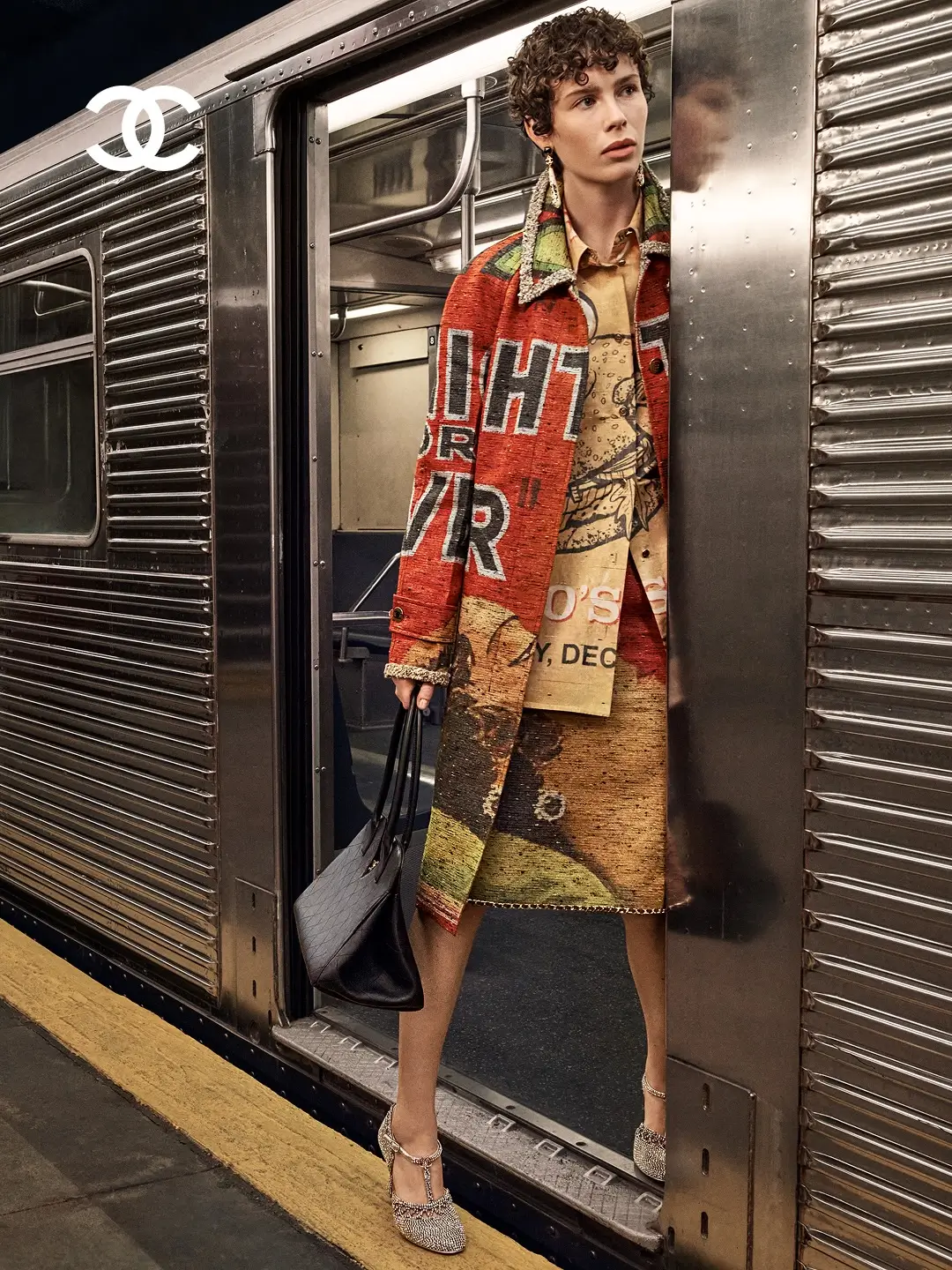
In the dim glow of fluorescent lights flickering over tiled walls and rusted red pillars, Chanel transformed an abandoned Bowery subway station into a living canvas for its Métiers d’Art 2026 collection. Presented in early December 2025, Matthieu Blazy’s first Métiers d’Art outing for the house turned New York’s gritty underground into a runway of democratic glamour, where high craft met street energy and pop culture mythology. The campaign, released in May 2026, expands this vision across the city’s iconic locales—harbor walks, classic diners, yellow-taxi-choked streets, and lingering subway still-lifes—cementing Blazy’s Belgian-French sensibility within the American metropolis that once reignited Gabrielle Chanel’s creative spark.
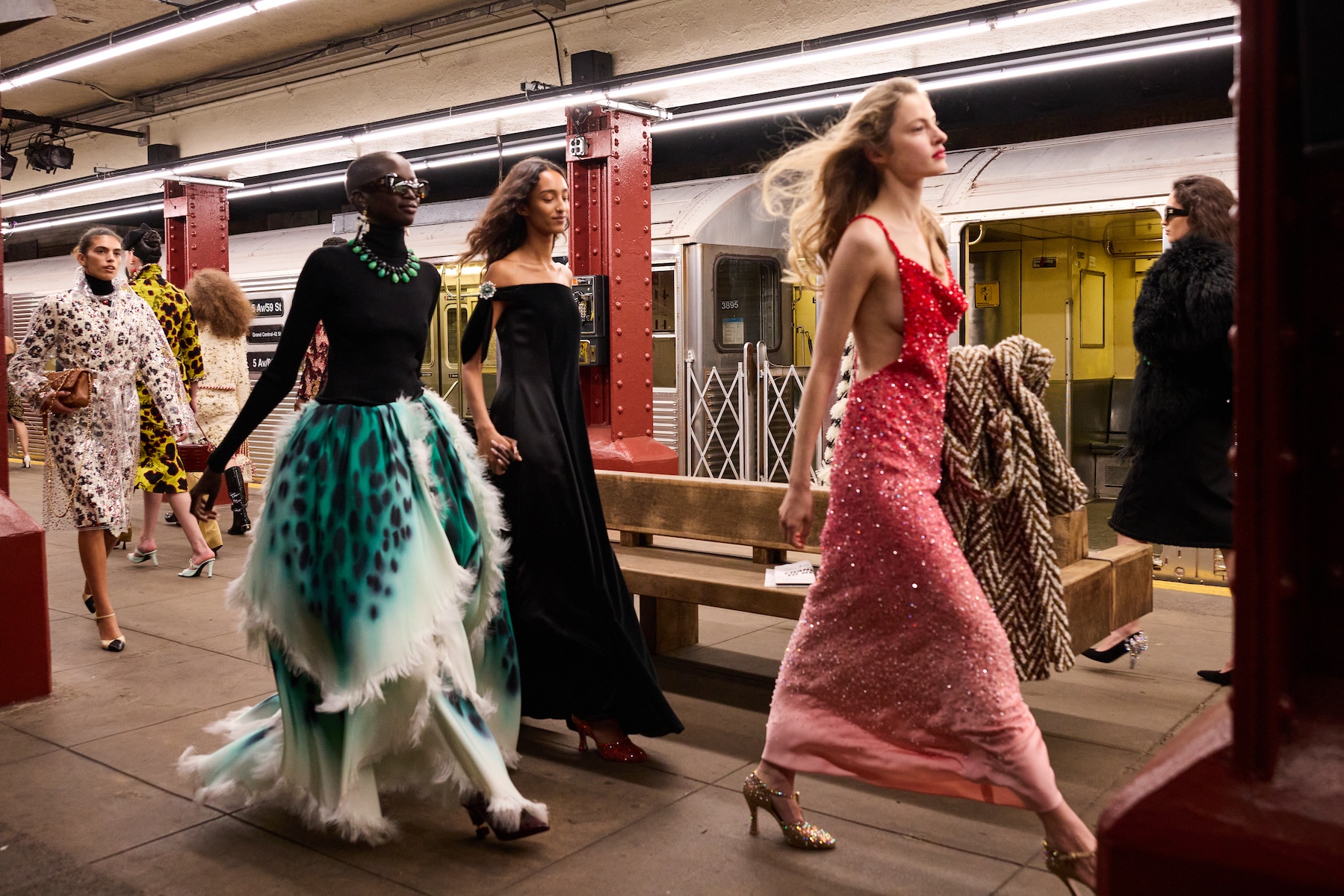
Blazy, known for his tactile, character-driven approach, drew inspiration from Coco Chanel’s deep affection for New York. As he noted after the show, her visits downtown exposed her to women of all classes adopting and adapting her style, injecting fresh energy into her work. The abandoned station—cleaned yet retaining its raw, industrial soul—became the perfect microcosm: a space where strangers cross paths, each with their own story, much like the eclectic personalities Blazy brought to life.
underground
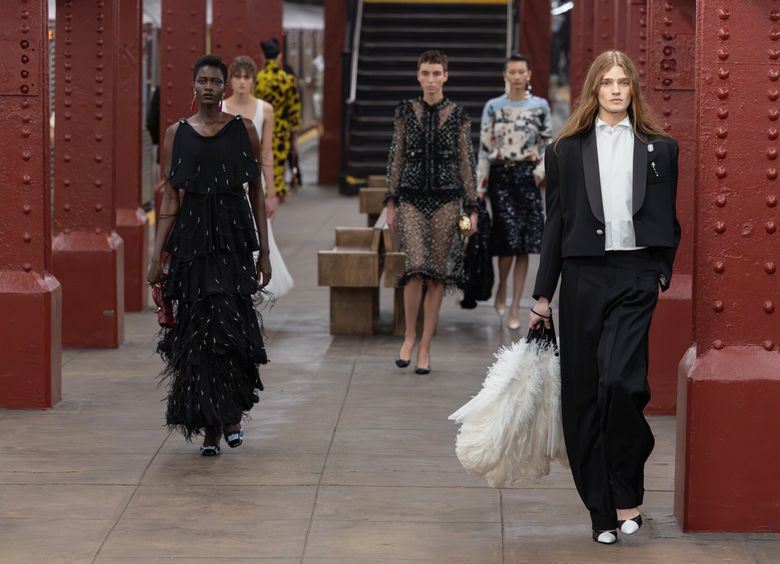
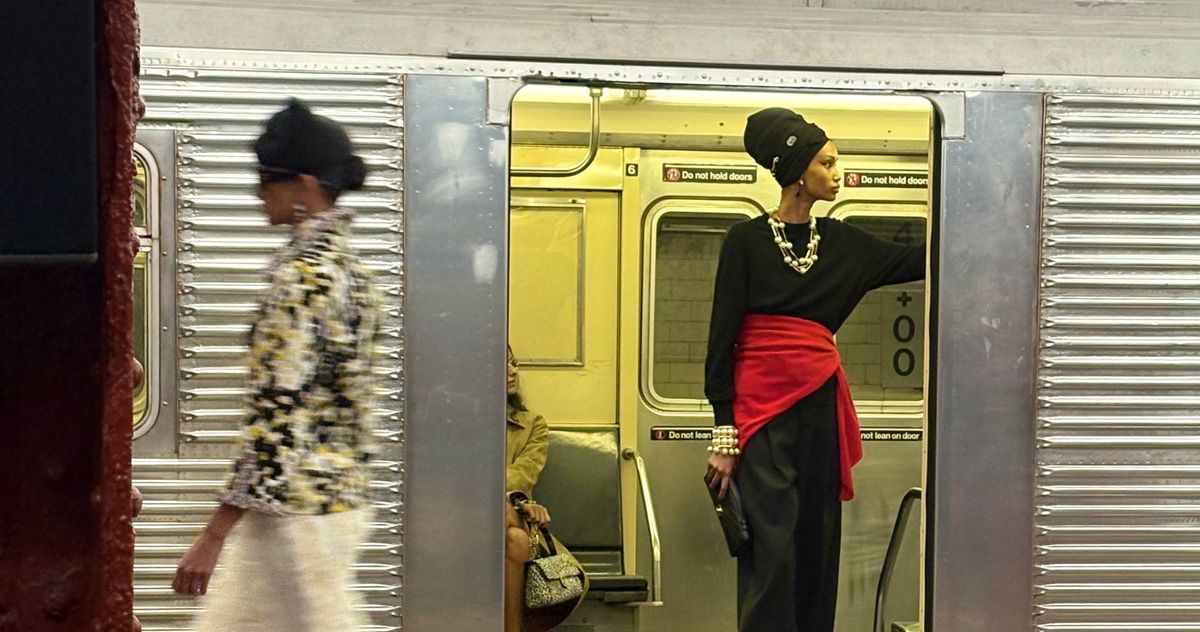
The presentation unfolded like a daily commute reimagined as theater. A train pulled into the station, doors opening to release models striding along the platform in a joyful cavalcade of personalities. Guests including A$AP Rocky, Margaret Qualley, Teyana Taylor, Tilda Swinton, and more perched on wooden benches, immersed in the scene as if waiting for their own train. Scenography in collaboration with Richard Peduzzi, music by Le Motel and Michel Gaubert—everything amplified the sense of movement, transit, and unexpected encounters.

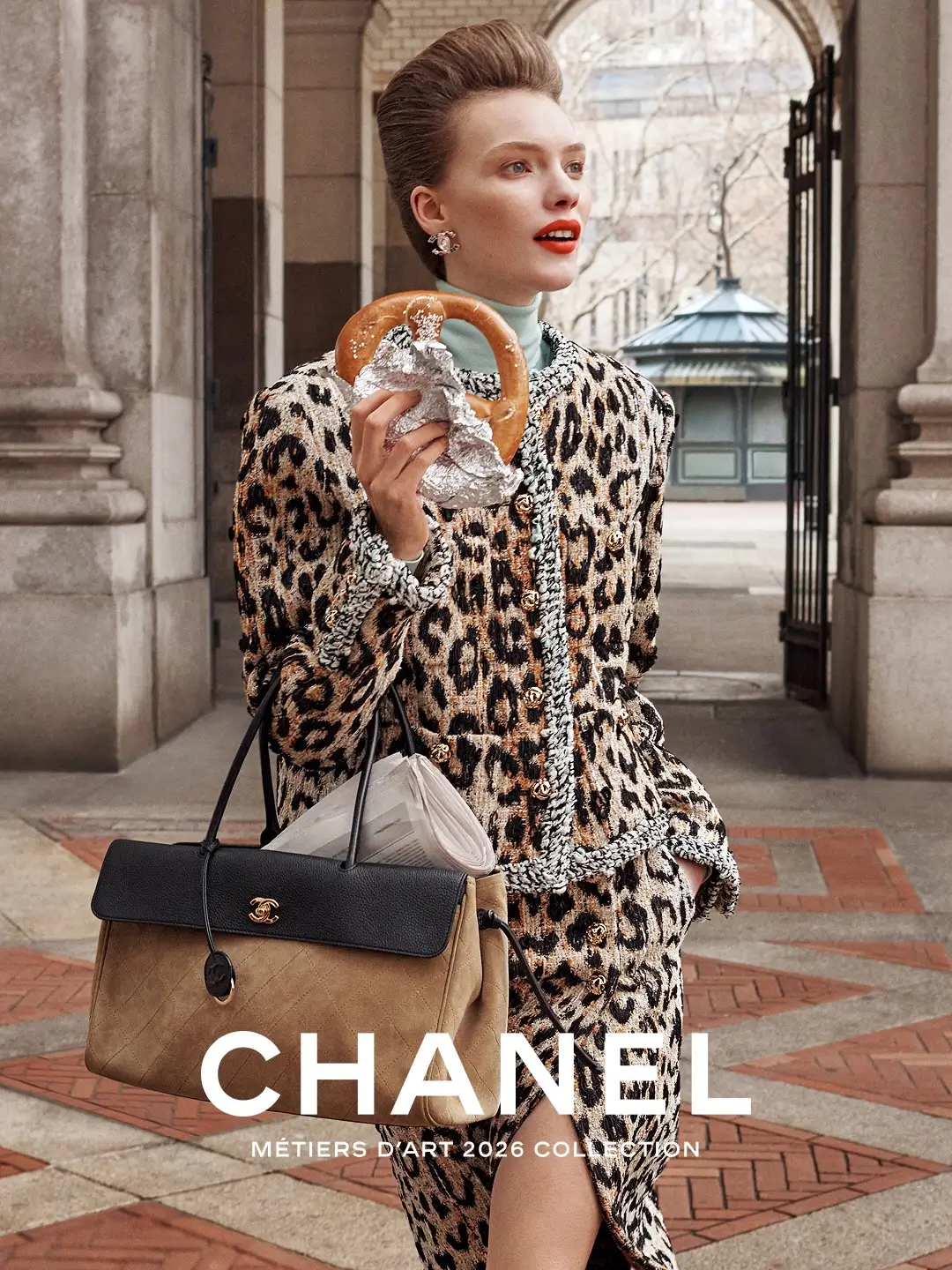
Statement coats dominated: voluminous yet precisely tailored, blending power dressing with whimsical details. Dresses layered feathers, sequins, and intricate embroideries—hallmarks of Chanel’s Métiers d’Art ateliers at Le 19M in Paris. Blazy’s touch was evident in the Belgian-French restraint meeting American exuberance: sharp shoulders on tweed jackets, fluid trousers paired with graphic knits, and skirts that swirled with movement as models navigated the platform.
The collection celebrated the house’s artisans—embroidery, featherwork, shoemaking, jewelry—elevating everyday wear into something extraordinary. A model in a pinstripe suit revealed a Superman-inspired knit underneath; another posed with quiet strength in a black tuxedo jacket over a white shirt, echoing Clark Kent’s duality. New York’s comic book heritage—Stan Lee, Jack Kirby, DC Comics—found its Chanel counterpart in these heroic silhouettes.
imagine
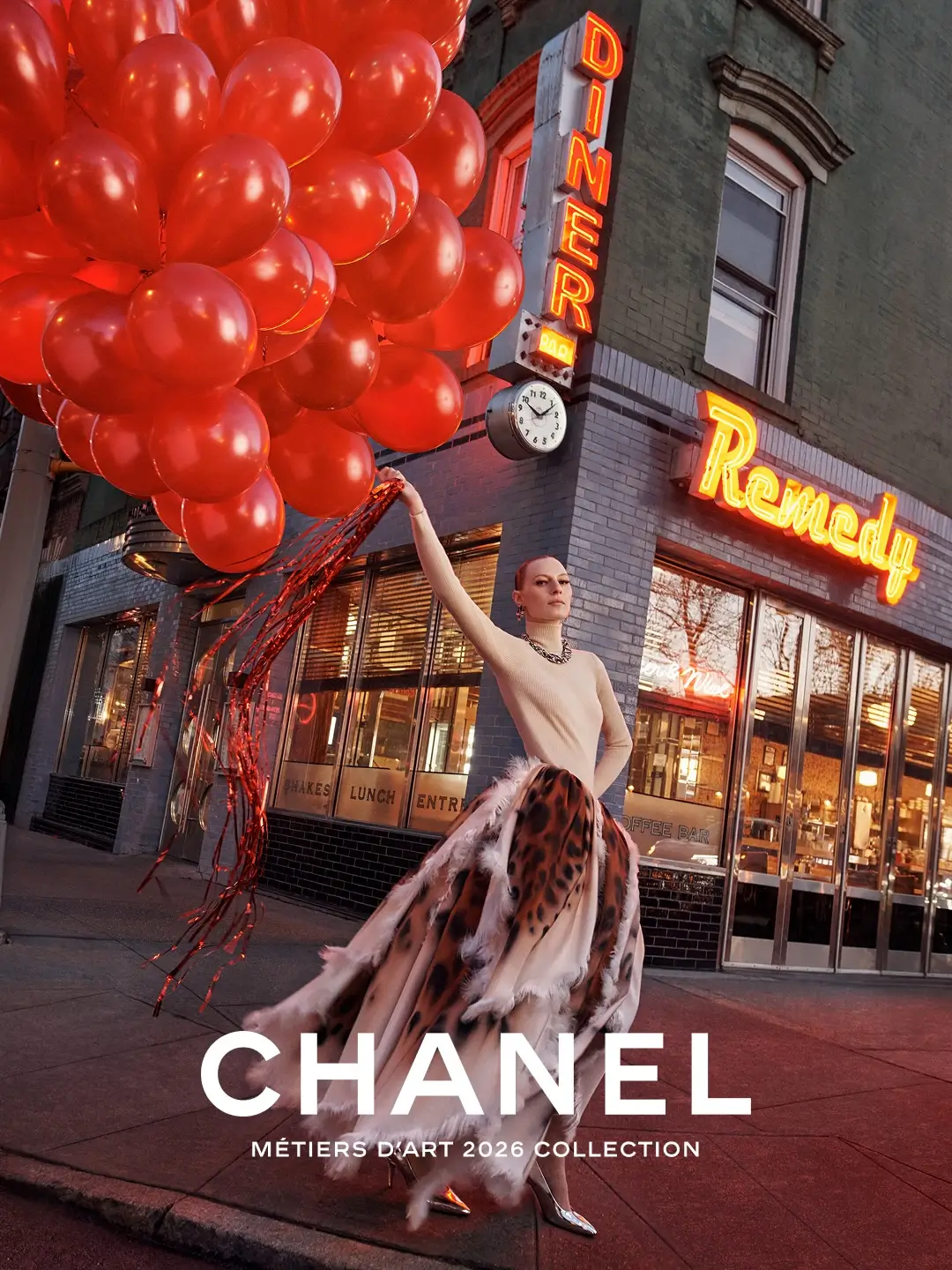
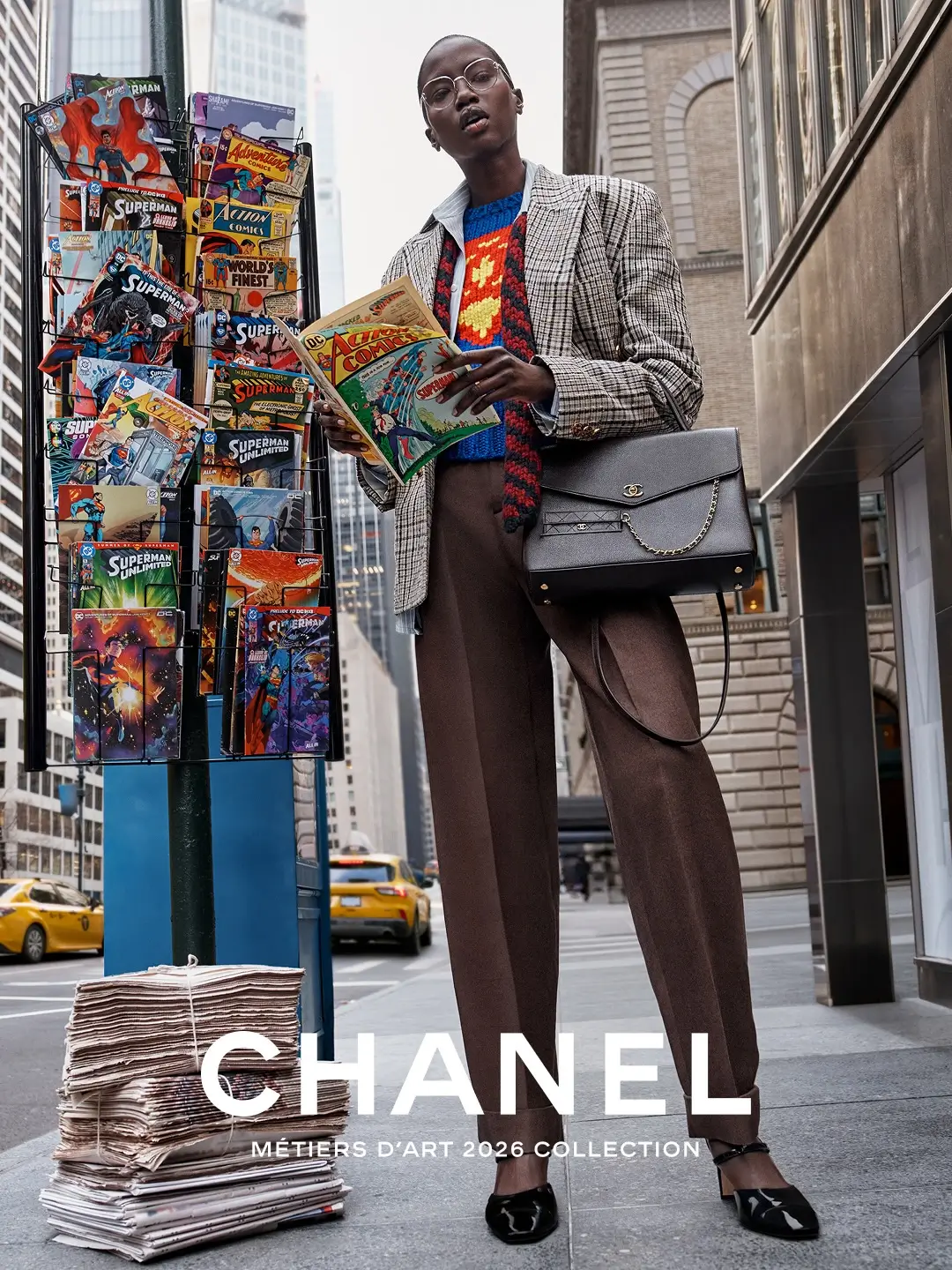
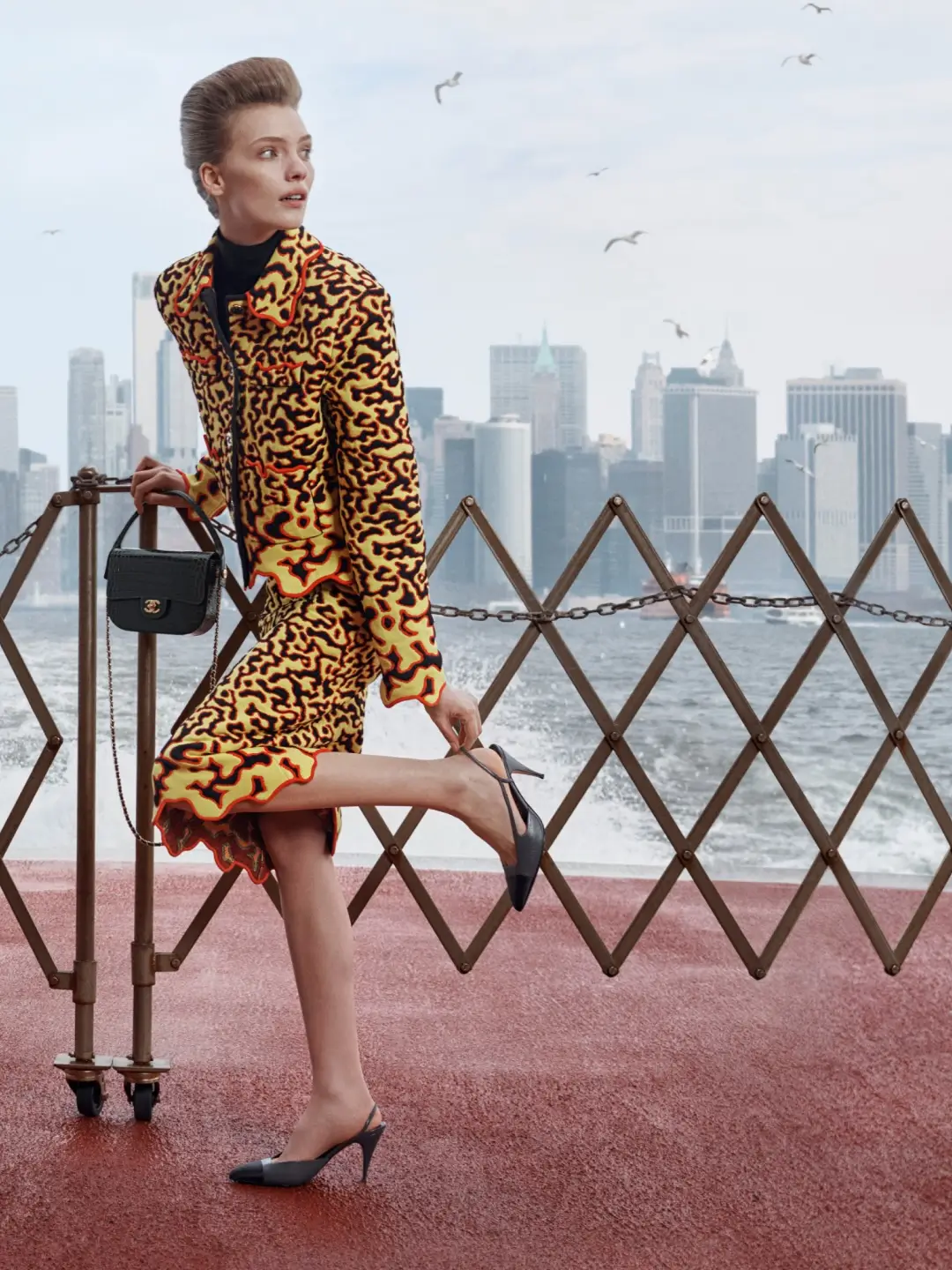
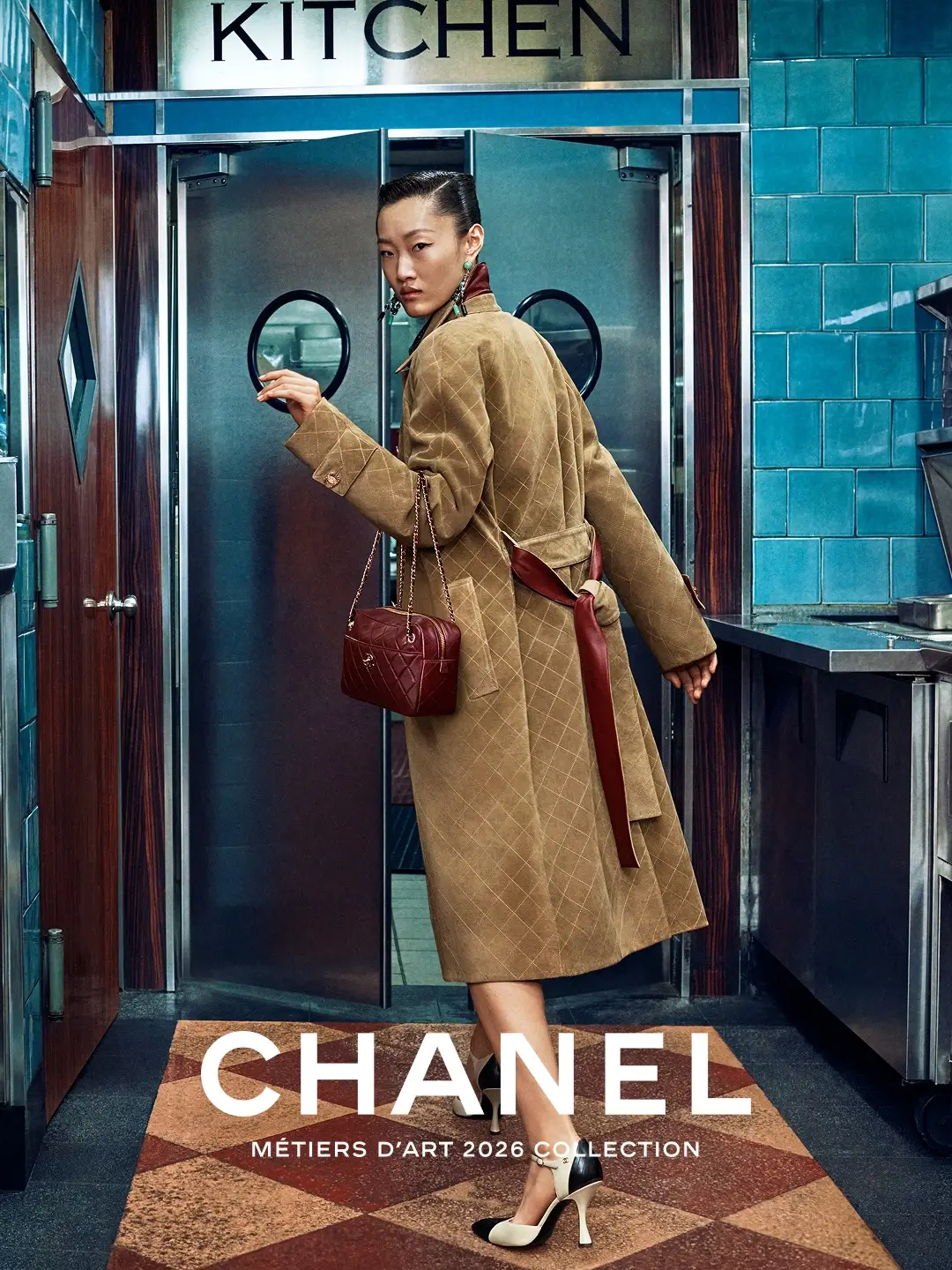
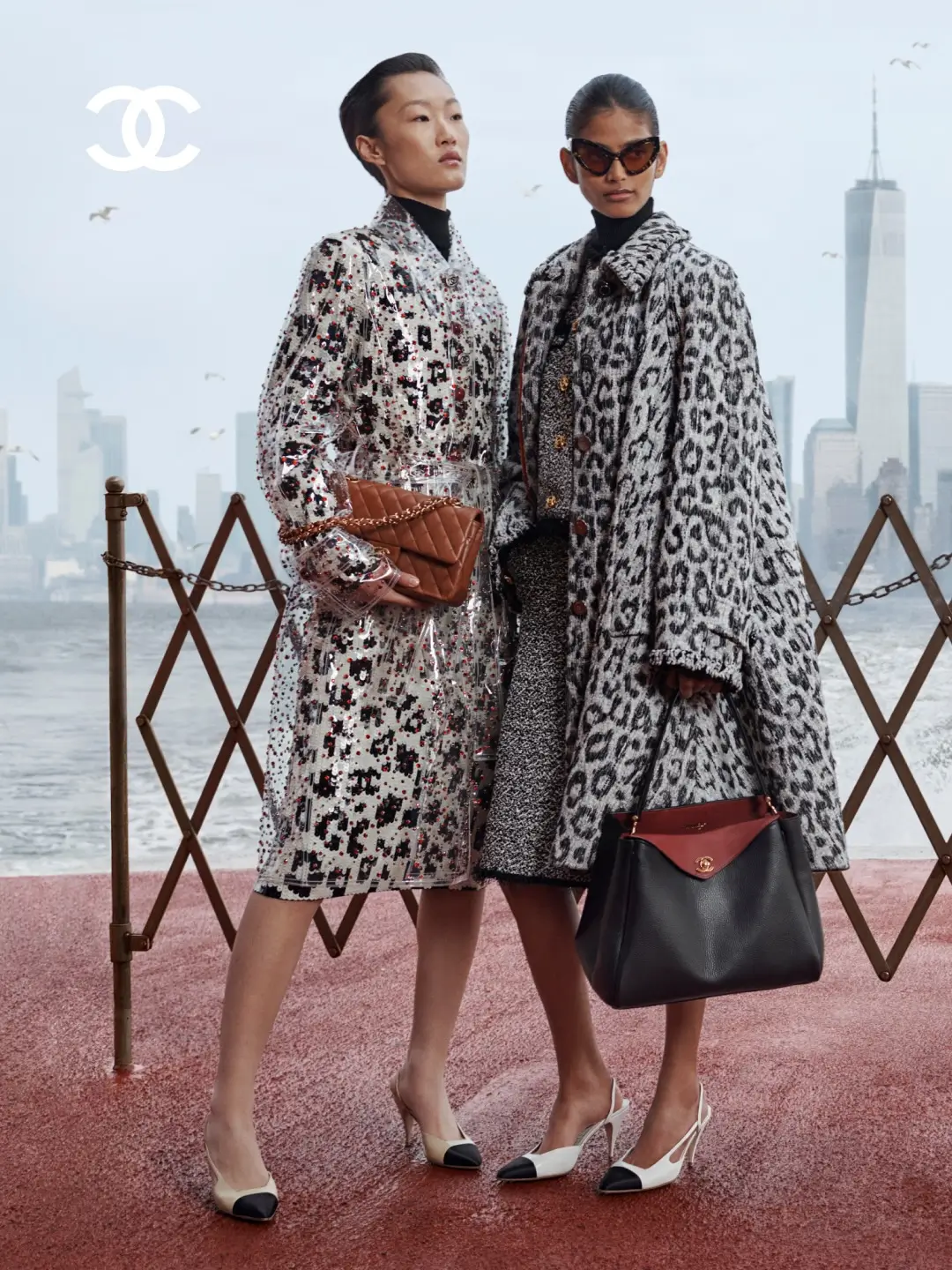
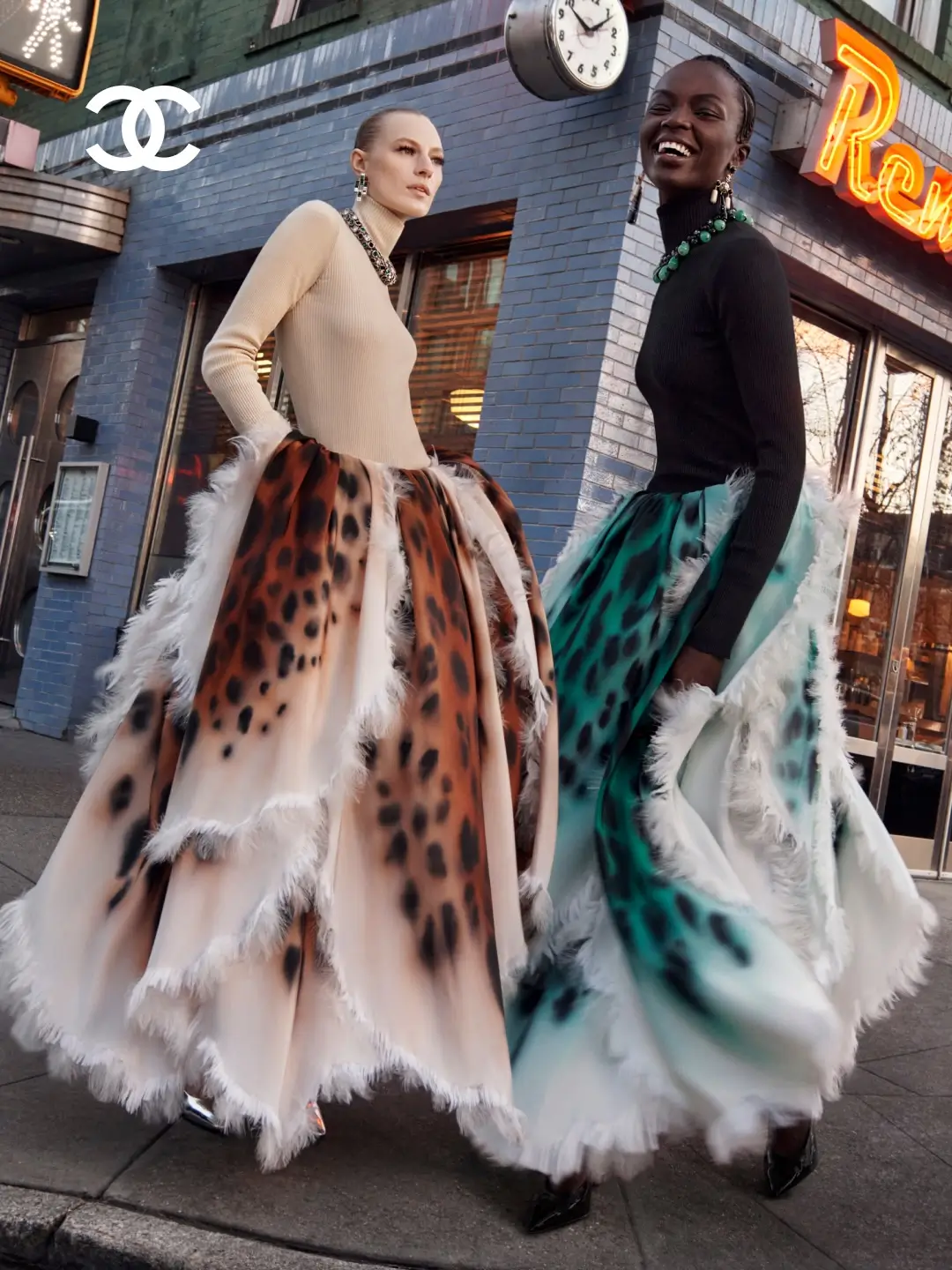
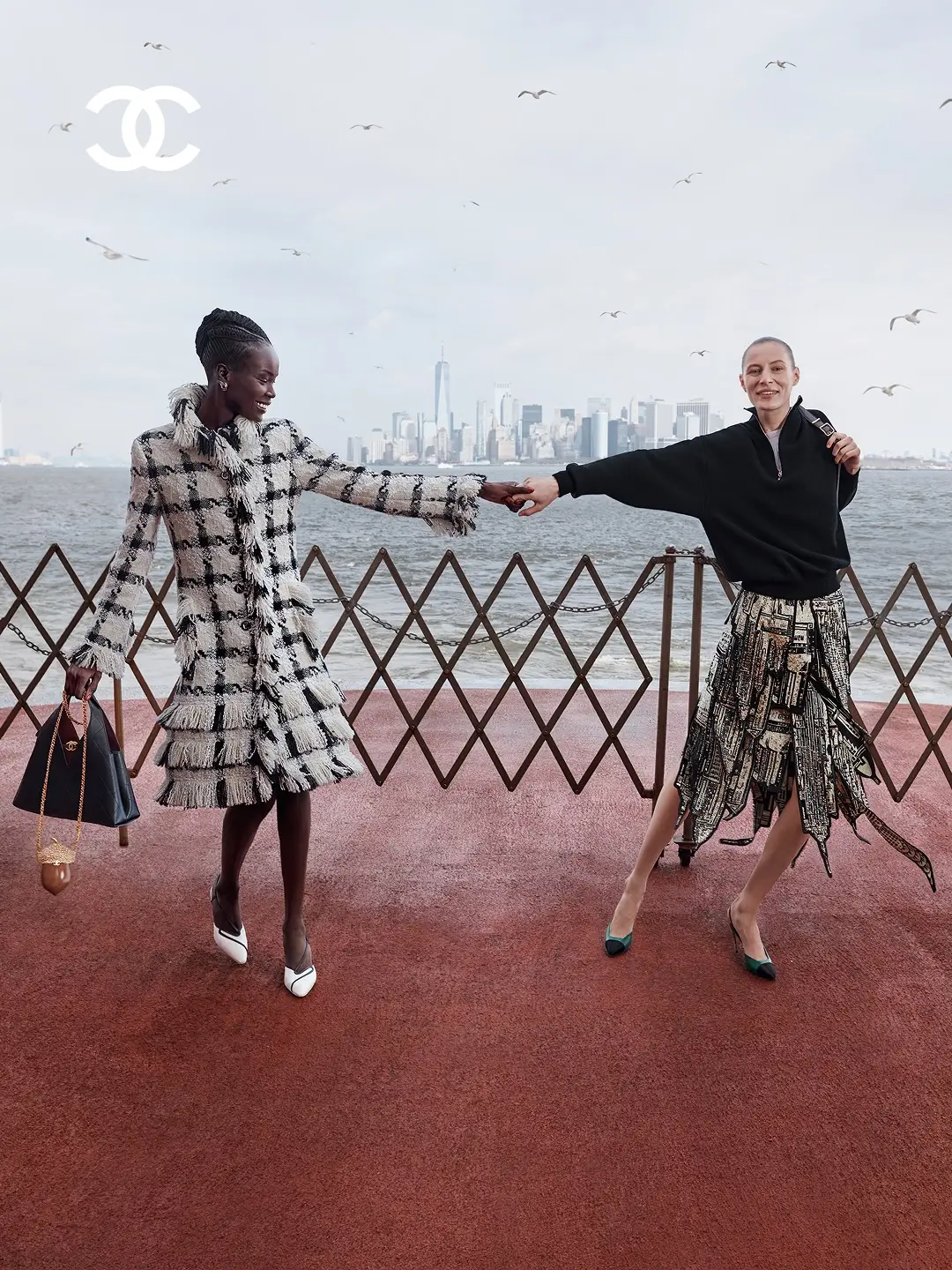
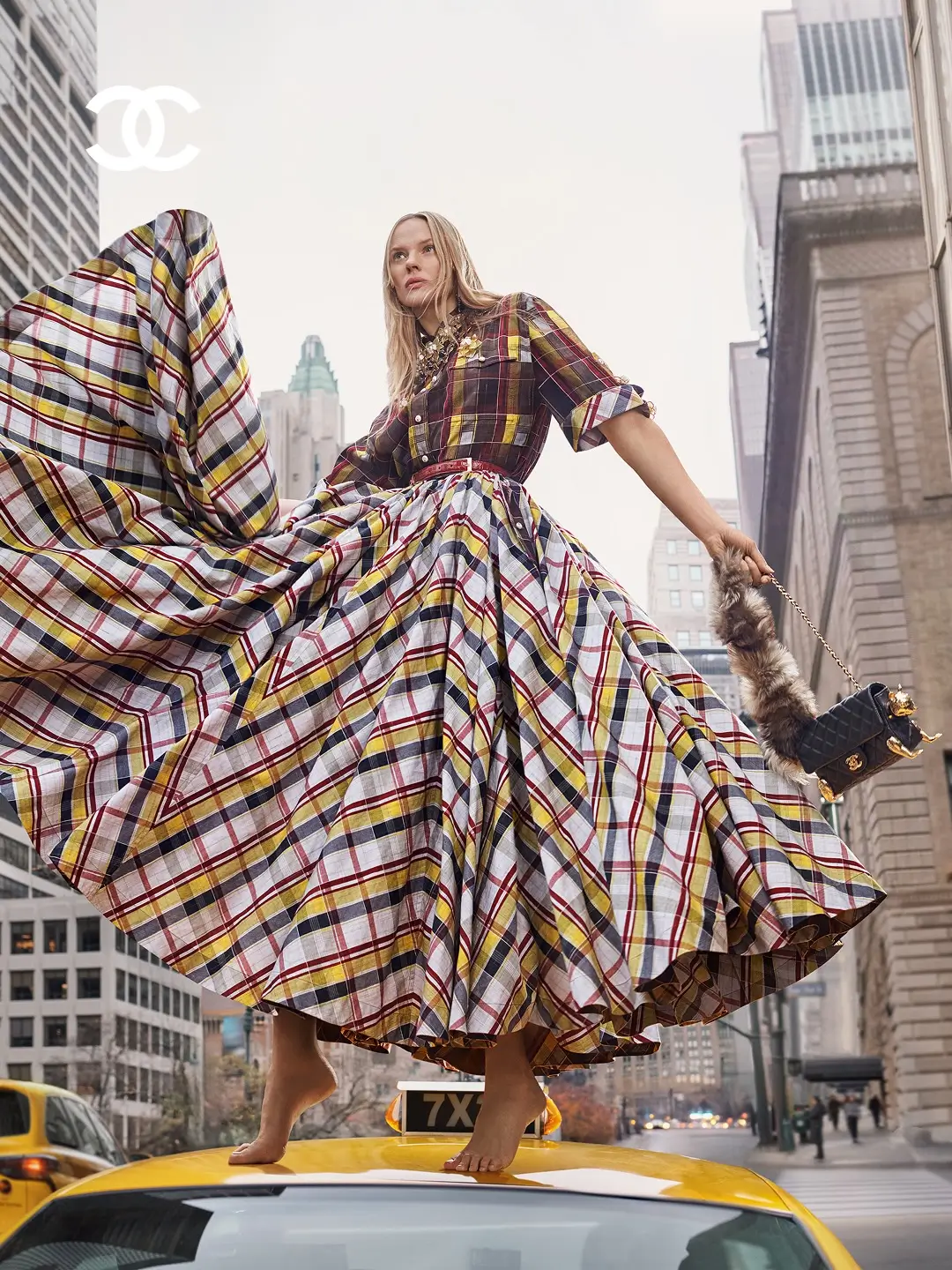
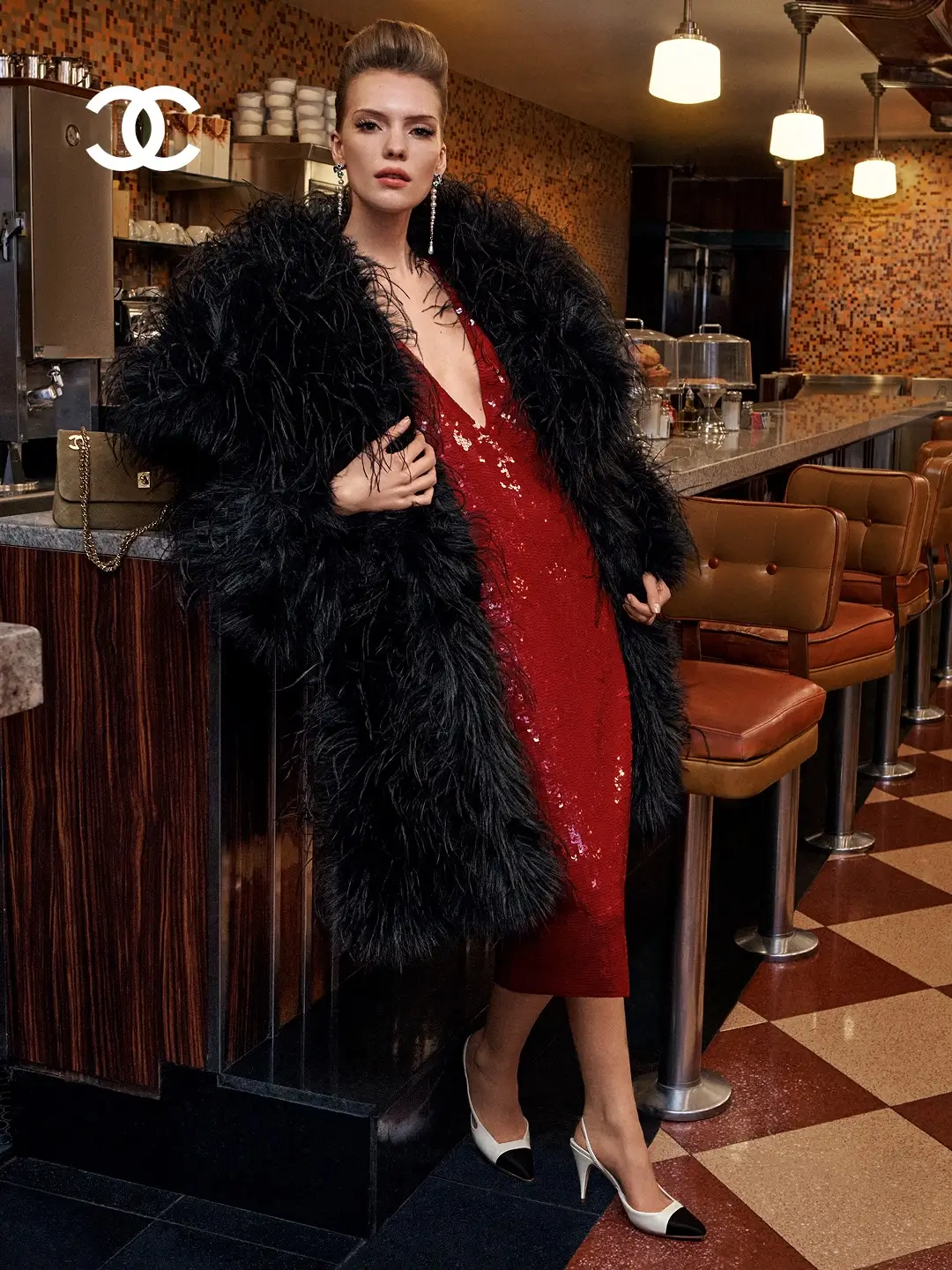
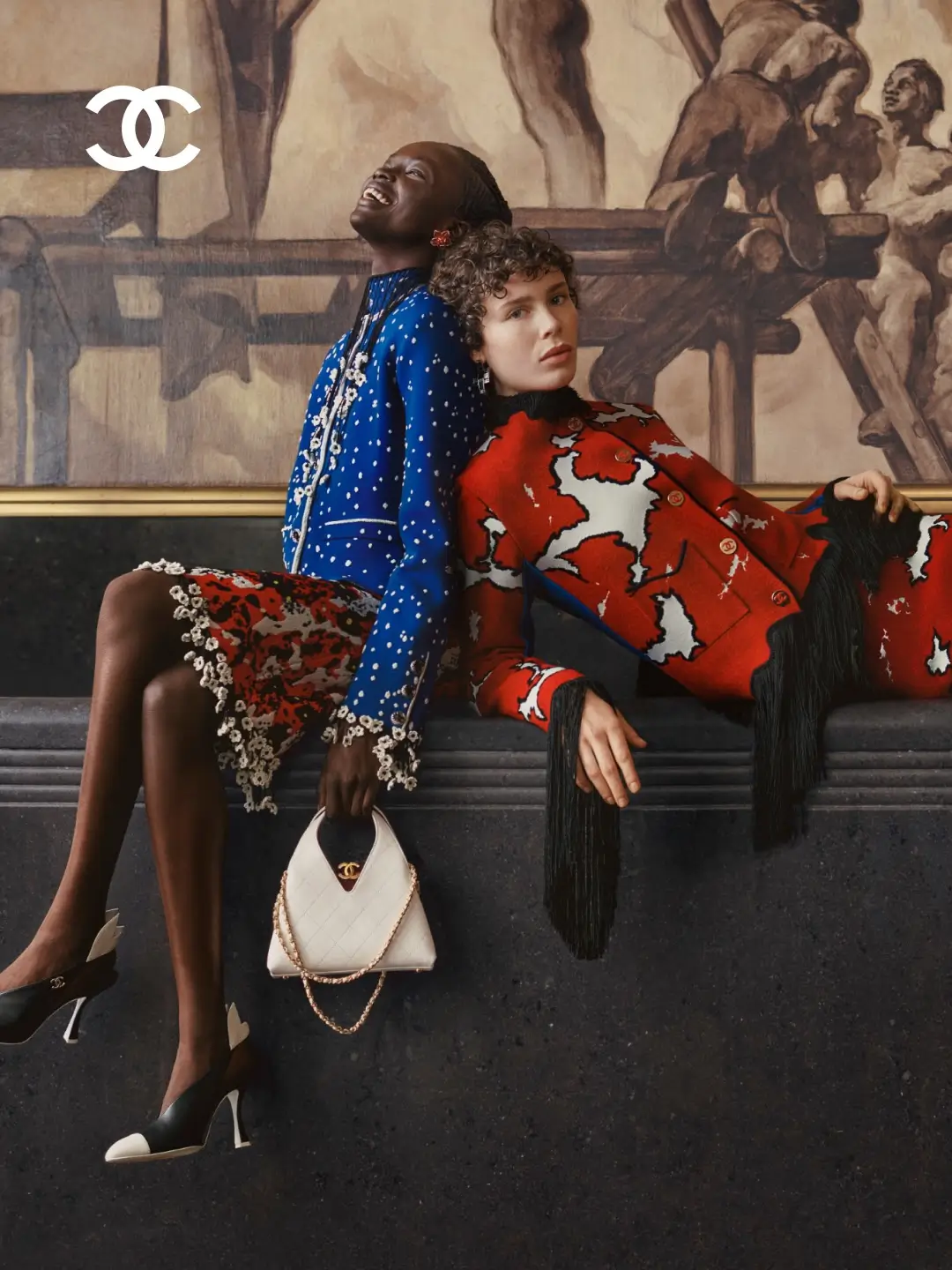
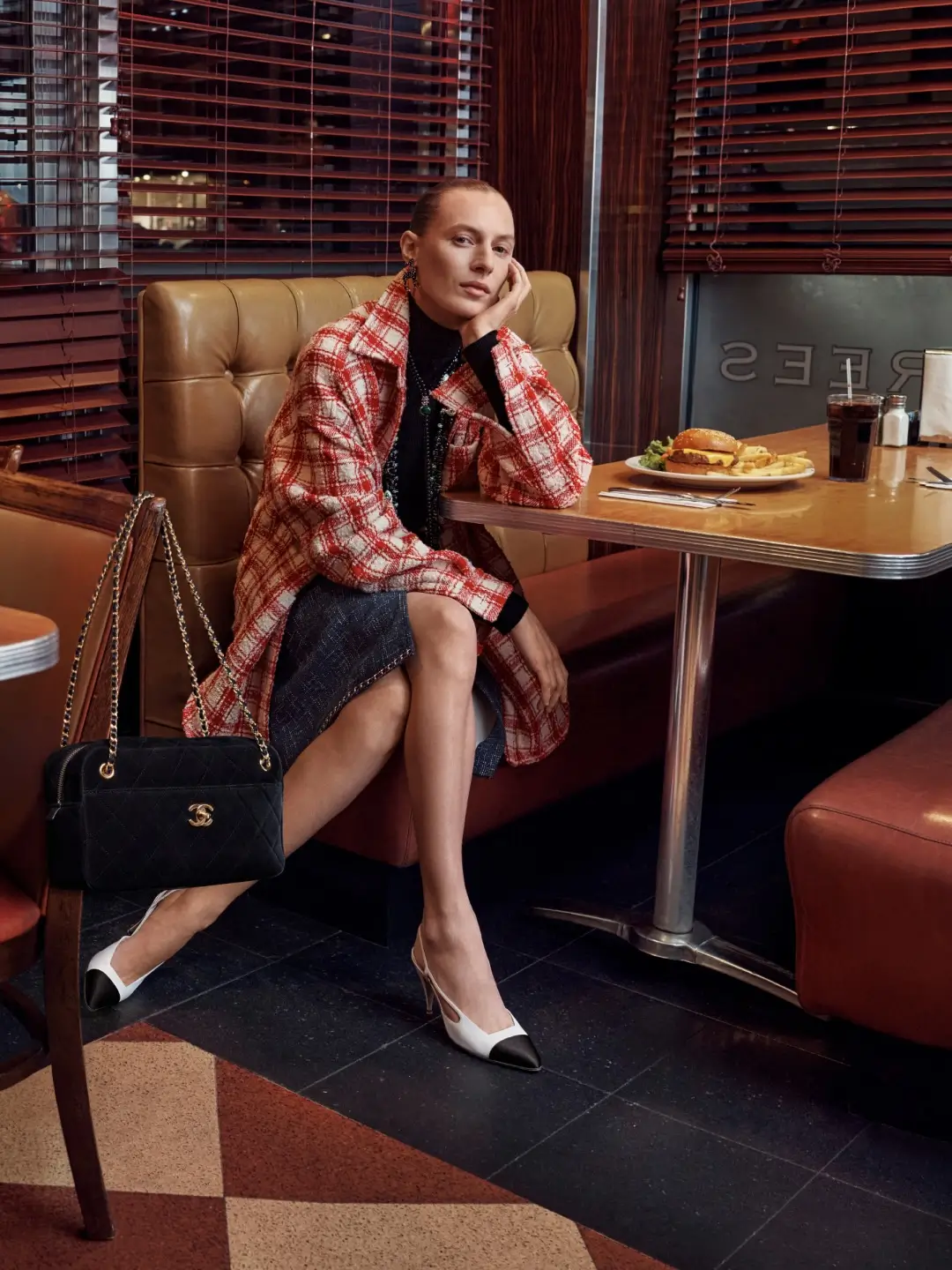
Where the show was confined to the subway’s subterranean drama, the campaign bursts into daylight. Shot primarily by Craig McDean with contributions from Rahim Fortune, the images follow models through quintessential New York moments. Harbor walks capture windswept coats against the waterfront, skyscrapers piercing the skyline like modern monoliths. Old-fashioned diners become stages for quirky styling: a model sipping coffee in a statement coat, an apple-shaped minaudière resting on the counter like forbidden fruit.
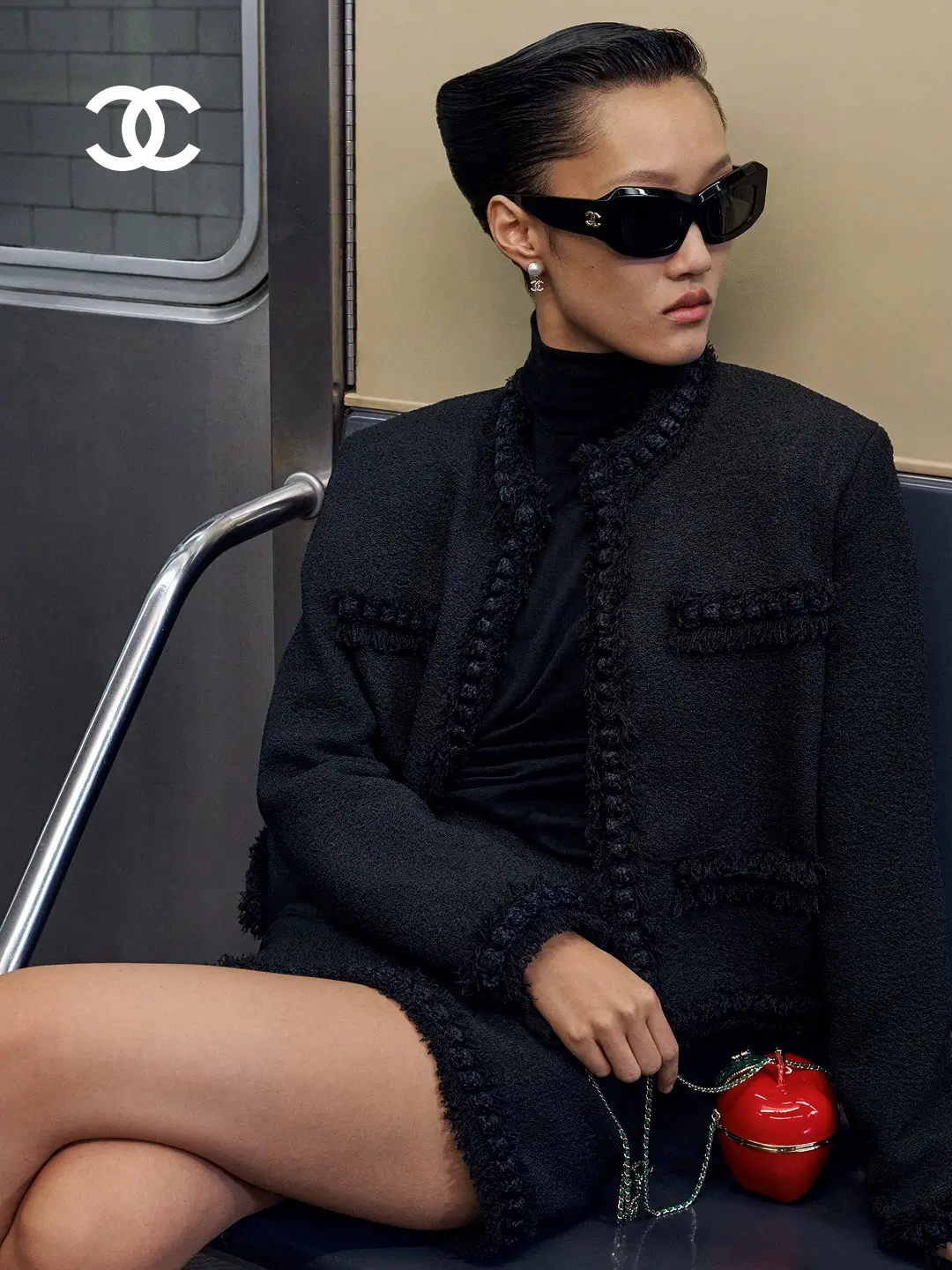
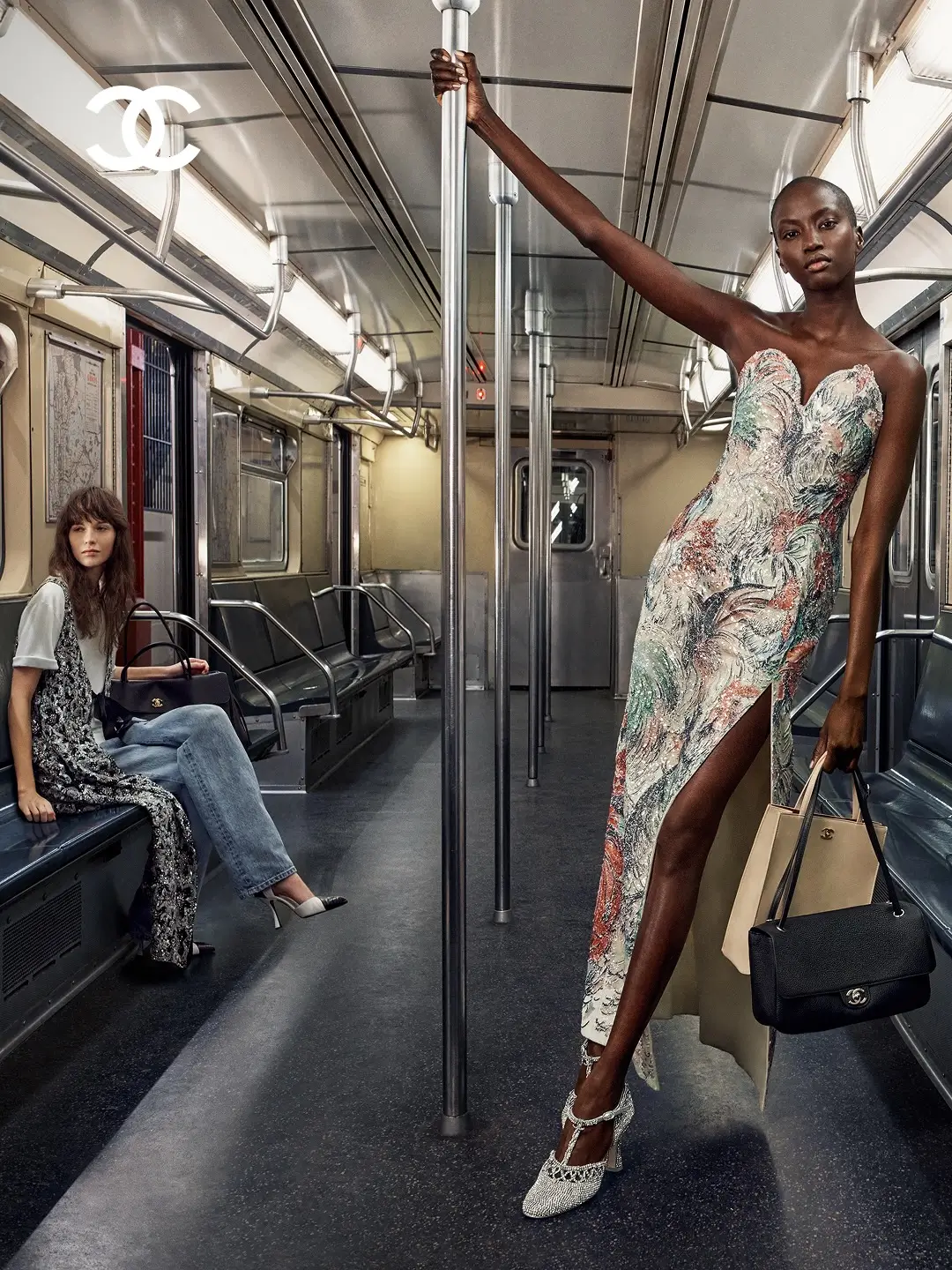
Busy streets brim with energy—models dodging (or commanding) iconic yellow taxis, their looks a bold contrast to the urban hustle. Subway culture persists in still-lifes: a beaded poodle bag leaning against a turnstile, or a feathered hem brushing against platform tiles. These images reinforce the collection’s core message: luxury that lives with you, not above you.
Blazy’s Belgian-French touch shines in the precision tailoring and romantic flourishes. Coats feature strong shoulders and nipped waists, evoking mid-century elegance reinterpreted for today. Dresses mix fluidity with structure—florals bleeding into graphic prints, sequins catching light like city neon. The palette balances classic Chanel blacks, creams, and golds with vibrant pops: electric blues, fiery reds, and comic-book primaries.

play
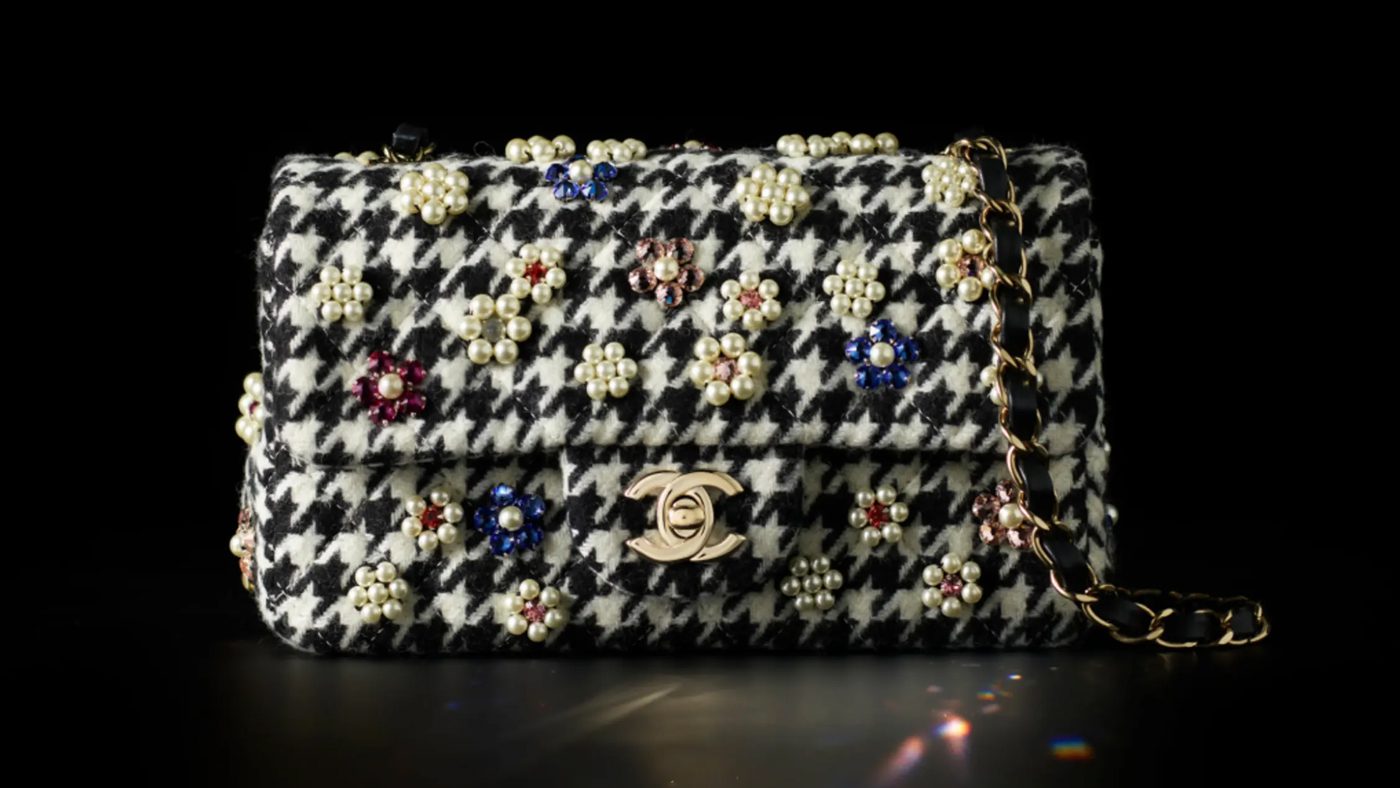
No Métiers d’Art collection is complete without standout accessories, and 2026 delivers whimsy grounded in exceptional savoir-faire. The literal animal emerging from the classic flap bag—a beaded or feathered creature playfully disrupting the iconic 2.55 silhouette—captures the collection’s spirit of surprise. One standout features a poodle motif in intricate beadwork, its fringe swaying like a living companion.
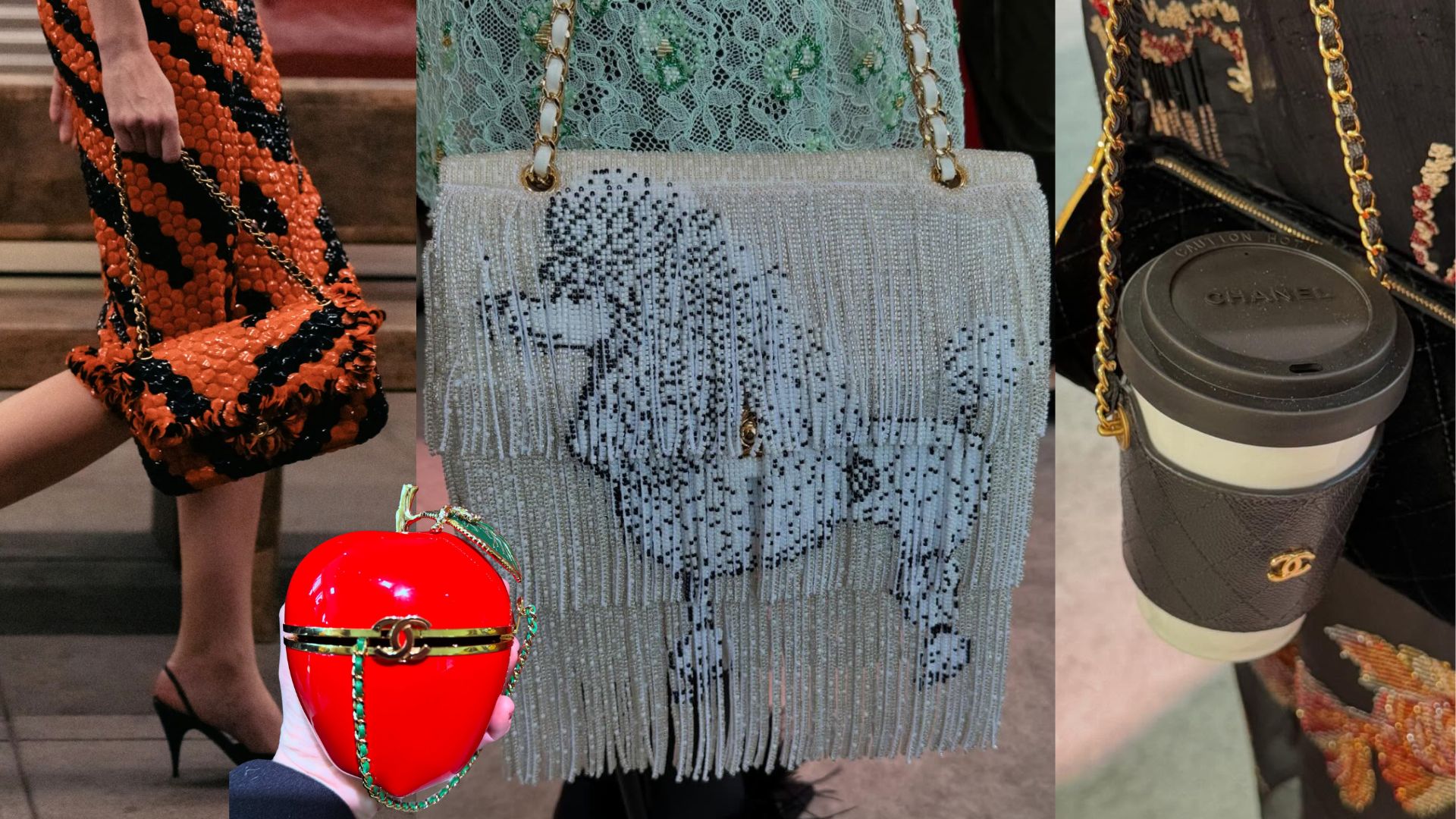
The apple-shaped minaudière is pure temptation: glossy red lacquer with gold hardware, inviting you to “take a bite” out of Chanel’s heritage. It nods to New York’s Big Apple identity while echoing fairy-tale allure. Other bags incorporate newspaper prints, coffee cup holders reimagined in quilted leather, and crystal-embellished handles that turn everyday carry into art objects. These pieces aren’t mere add-ons; they’re characters in Blazy’s narrative of eclectic personalities.
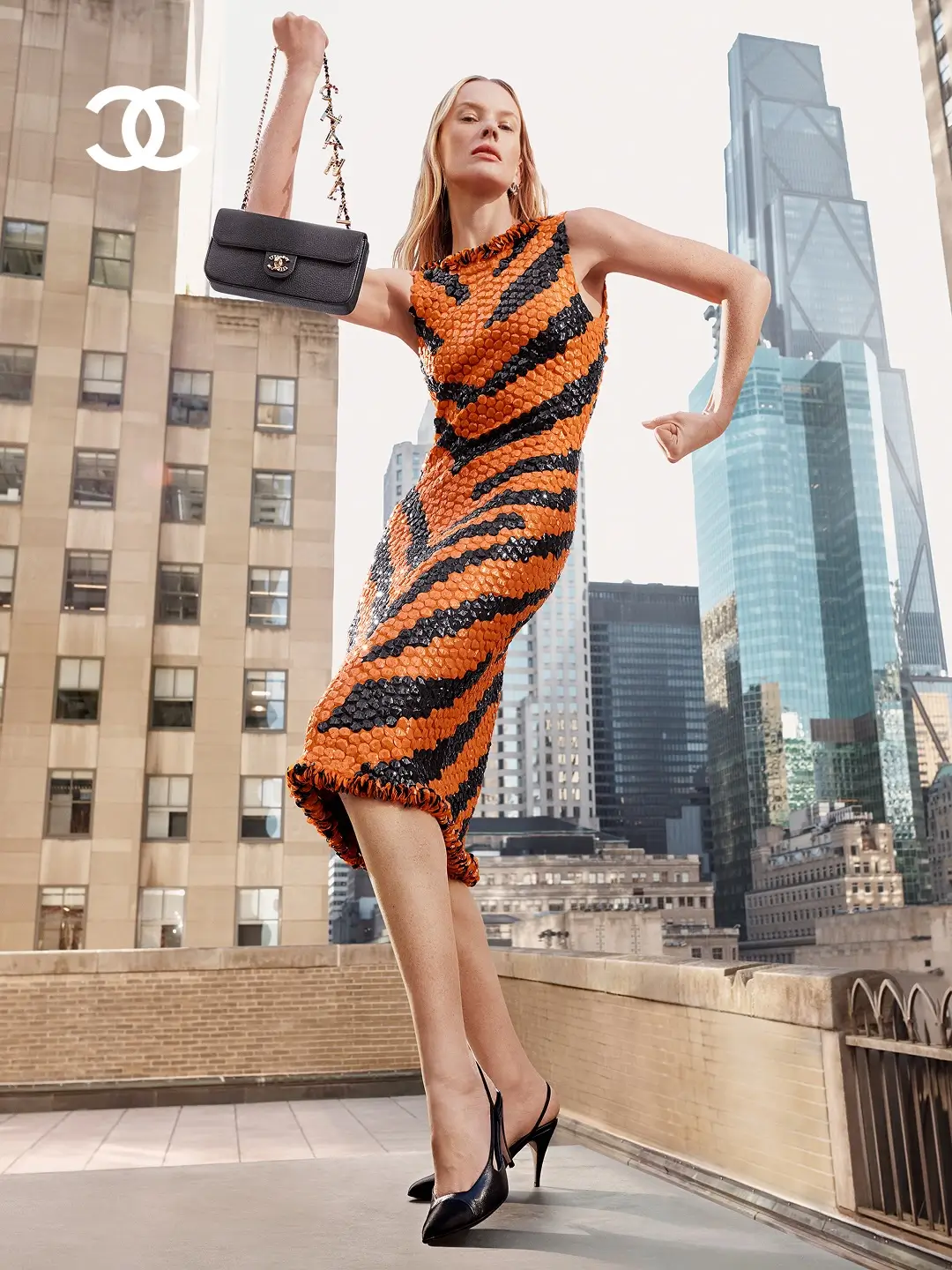
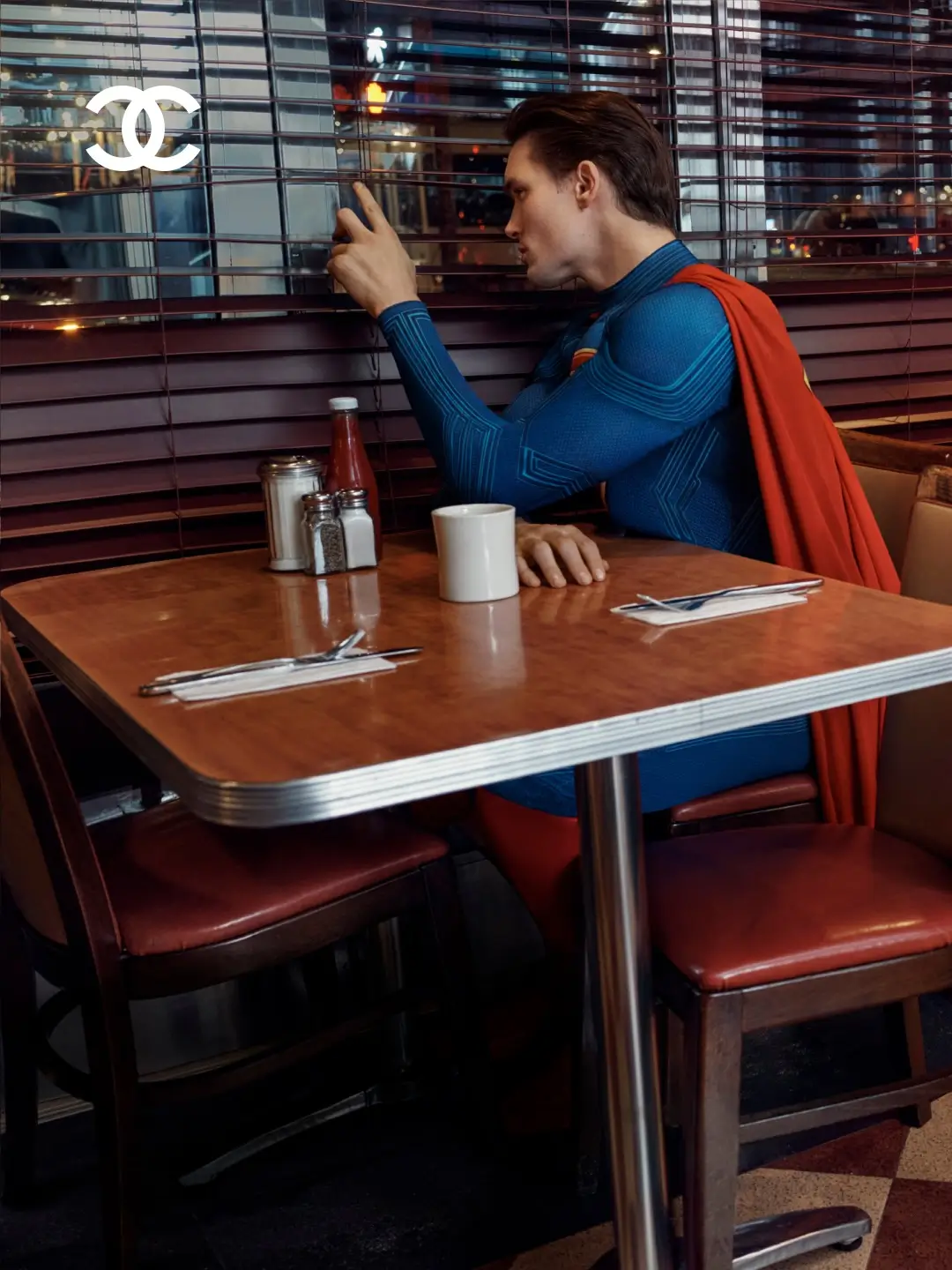
New York’s comic culture provides the campaign’s most inspired twist. DC Comics’ Superman emerges as the unlikely muse. Models channel his physical energy with powerful, muscle-emphasizing poses—arms flexed, capes (or coat tails) dramatically billowing. One key look features a blue jumper emblazoned with the heroic logo—but instead of the iconic “S,” it bears Chanel’s interlocking CC.
This “Super CC” motif appears across knits, sweatshirts, and even accessories. It’s a brilliant fusion: Superman’s everyman heroism (mild-mannered reporter by day, savior by night) mirrors the collection’s theme of clothing that empowers ordinary lives. In a city of strivers and dreamers, Chanel positions its wearers as everyday superheroes navigating the metropolis. The partnership marks a first for the house with DC Comics, generating buzz across fashion and comic communities alike.
Blazy explained the choice as a celebration of duality and strength—qualities inherent in both Chanel’s history and New York’s resilient spirit. The poses aren’t static; they capture motion—striding across crosswalks, leaping over puddles, or standing tall amid skyscrapers—embodying the collection’s kinetic energy.

reason
The Métiers d’Art 2026 project feels deeply personal for Blazy while honoring Chanel’s legacy. Coco’s transatlantic inspirations—visiting New York multiple times and finding vitality in its diverse street style—find echo in Blazy’s approach. The abandoned subway, once a symbol of decay, becomes a site of rebirth, much like fashion’s cyclical renewal.
Comic books add another layer. New York birthed the modern superhero genre, with Superman debuting in 1938 amid economic hardship and global tension. Chanel’s version offers escapism through craft: intricate embroideries replace printed panels, hand-beaded details stand in for bold ink lines. It’s meta-fashion at its best—luxury acknowledging its own myth-making while playfully subverting it.
The campaign’s broader scope—harbor to diner to street—paints a full portrait of New York life. Models appear approachable yet aspirational: bundled in luxurious coats against harbor winds, relaxed in diners with quirky bags, commanding in taxis. This accessibility aligns with Blazy’s vision of fashion as lived experience rather than rarefied spectacle.
commune
Behind the glamour lies rigorous artisanship. Chanel’s specialized workshops contributed thousands of hours: featherworkers creating ethereal volume, embroiderers rendering comic-inspired graphics with thread, jewelers crafting miniature masterpieces for buttons and hardware. The apple minaudière, for instance, required precise lacquering and goldwork; the animal-emerging bags demanded innovative construction to maintain functionality while achieving whimsy.
This focus on métiers distinguishes the collection. In an era of fast fashion and digital overload, Métiers d’Art reaffirms the value of slow, human-made excellence. Blazy’s direction ensures these skills serve contemporary wardrobes—wearable art that transitions from subway platform to boardroom to red carpet.
flow
Critical and public response has been overwhelmingly positive. Reviewers praised the show’s site-specific magic and the campaign’s narrative depth. Social media exploded with fan recreations of the Super CC knit and unboxings of the quirky bags. The collection bridges high fashion with pop culture in a way that feels organic rather than opportunistic.
For Chanel, this marks a confident step under new creative leadership. Blazy has injected personality and humor without sacrificing elegance—a delicate balance that positions the house for continued relevance. The New York setting also strengthens ties to the American market, where Métiers d’Art has cultivated a dedicated following.
fin
Chanel Métiers d’Art 2026 is more than a collection; it’s a declaration. In the abandoned subway, amid the echoes of countless commutes, Blazy and his team reminded us that true luxury elevates the everyday. The campaign extends this invitation: whether strolling the harbor in a statement coat, grabbing a bite in a diner with your apple minaudière, or channeling inner Superman on city streets, Chanel equips you for the journey.
The quirky bags tempt experimentation. The CC logo reclaims heroic symbolism for personal style. The entire project celebrates craft, city life, and the quiet heroism of getting dressed each day.
As trains continue rumbling beneath New York’s streets, Chanel’s 2026 vision lingers—a testament to fashion’s power to transform the ordinary into the extraordinary. Blazy didn’t just present a collection; he gave us a new mythology for the modern metropolis, where every rider can be a superhero, and every garment tells a story worth sharing.
Read Drift’s related feature, Chanel Cruise 2027 in Biarritz: Matthieu Blazy, Newspaper Dresses, and the Return of Fashion’s Old Rivalries.
From the DRIFT archive: Wizdom 2025 at Cipriani Wall Street: An Experiential Moment in Cloud Culture