DRIFT AUDIO
Listen to this story
Choose a voice, then press play.
Nothing’s budget arm is betting that a titanium bridge and a $79 price tag can make open-ear earbuds an everyday choice, not a workout accessory.
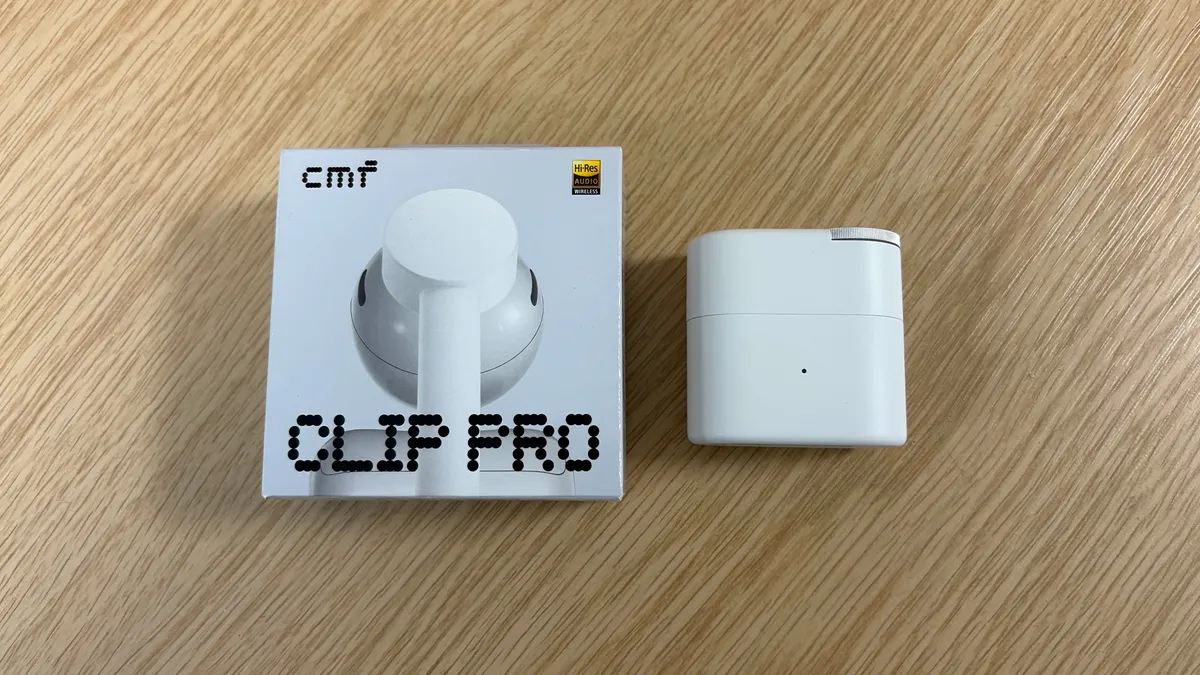
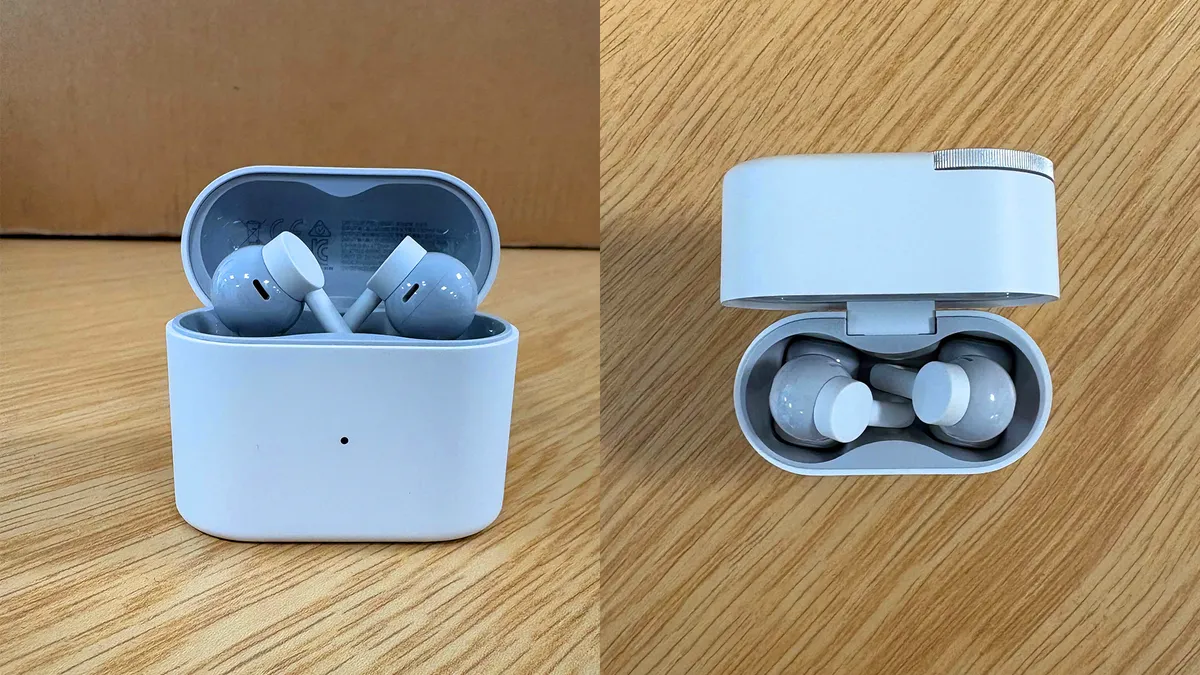
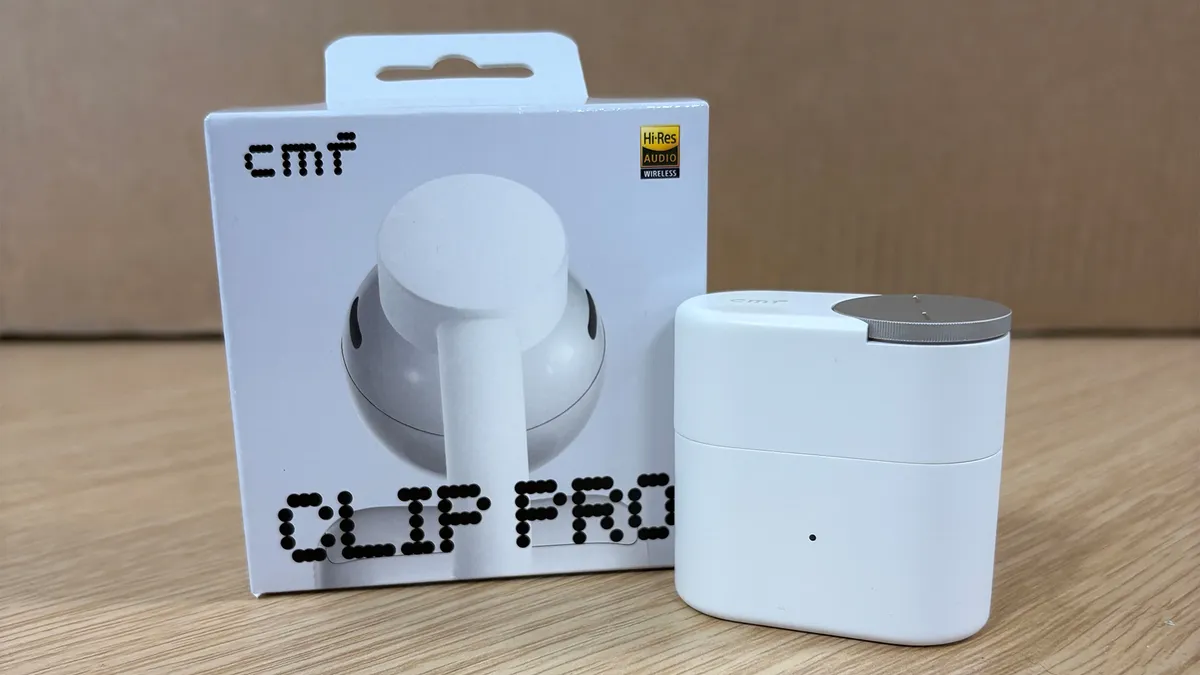
CMF, the budget sub-brand under Nothing, has spent the last few years working through nearly every category a phone accessory line can touch: buds, a watch, a phone, cases, straps. The CMF Clip Pro is its first attempt at open-ear earbuds, and it lands in a category that has gotten crowded fast, full of clip-style buds chasing runners and cyclists who want music without losing awareness of traffic. CMF’s pitch is different. It wants Clip Pro treated as something people reach for by default, not just for a jog.
stir
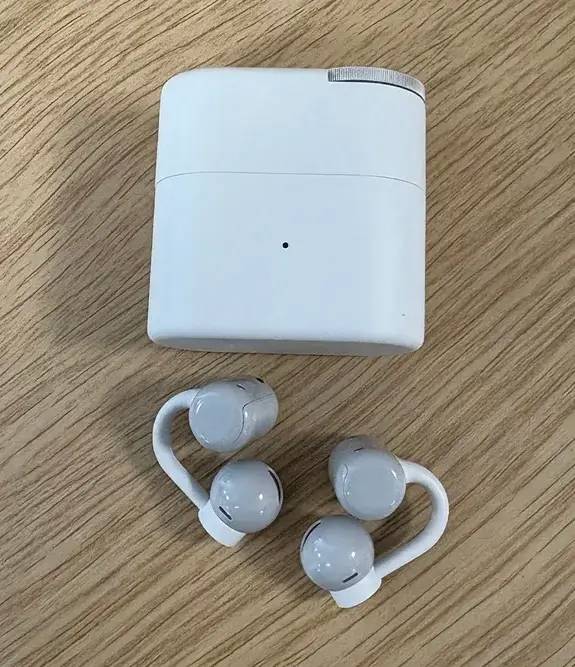
Most open-ear designs fall into two camps. One hooks over the top of the ear and trails a stem down toward the canal, the shape Nothing Ear (open) uses. The other clips onto the outer ear entirely, holding the speaker driver close to the canal opening without ever sealing it. Clip Pro belongs to the second camp. Nothing describes the mechanism as a three-point clip, spreading pressure across the ear rather than concentrating it at a single pinch point, which is usually where clip-style buds start to hurt after an hour or two.
The bridge itself is titanium, shaped into a flexible C that wraps the ear instead of resting inside it. Reported weights for a single earbud have ranged from just under six grams to about six and a half, depending on the outlet, but every account lands in the same territory: light enough to forget about, which is the entire premise of a clip-on design that wants to be worn for a full workday rather than a single run.
CMF Smart Dial Controls
flow
The physics of open-ear audio work against low end almost by definition. Without a seal against the ear canal, bass frequencies escape before they build any pressure, which is why most open-ear buds sound thin compared to anything that plugs the ear. CMF’s answer is a 10.8mm dual-magnet dynamic driver paired with what the brand calls Ultra Bass Technology, a tuning approach it describes as intelligently boosting low frequencies while keeping treble distortion in check.
Whether that closes the gap in practice is the kind of claim that only holds up under a proper listening test, and it’s worth treating with some skepticism until independent reviewers get real time with a retail unit. What’s harder to argue with is the certification stack CMF is leaning on to make the audio case: Clip Pro carries Hi-Res Audio certification and supports LDAC alongside AAC and SBC, which gives it a real audio argument on Android devices that can take advantage of LDAC’s higher bitrate, something plenty of budget open-ear buds skip entirely.
show
Open-ear buds tend to get judged on calls just as much as music, since the whole category assumes you’re wearing them somewhere loud enough that you wanted your ears open in the first place. Clip Pro pairs a four-microphone array with what CMF calls a Clear Voice Technology setup built around a dedicated voice-processing chip, aimed at isolating a caller’s voice from wind, traffic, and general background noise rather than leaning on a single mic and heavy software cleanup.
The more distinctive feature sits on the other side of that same problem: keeping your own audio from bleeding out to everyone around you. CMF’s Sound Seal feature manages frequency output to reduce how much sound escapes the open design, and it can be scoped inside the Nothing X app to apply only during calls or across all audio. It’s a tacit acknowledgment of the anxiety open-ear buds tend to produce in shared spaces, the sense that a coworker two desks over can identify exactly what’s playing. One early hands-on account, from a writer testing a pre-release pair in an office setting, described that exact worry before landing on cautious reassurance that the leakage wasn’t as bad as feared.
new
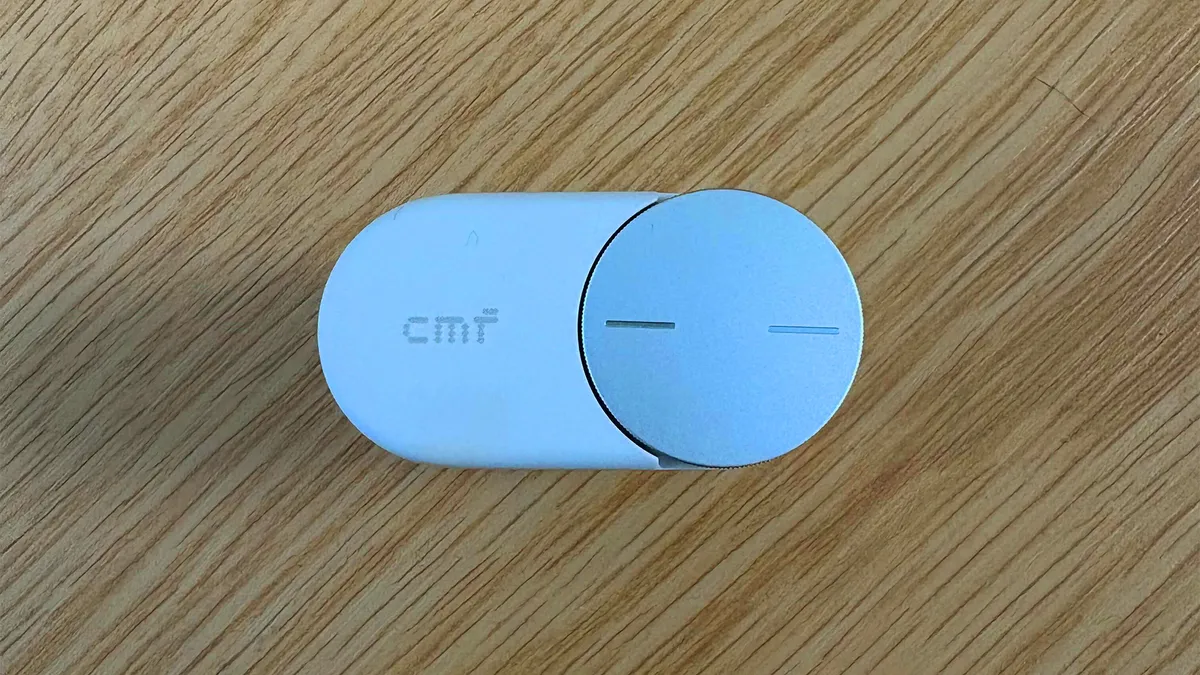
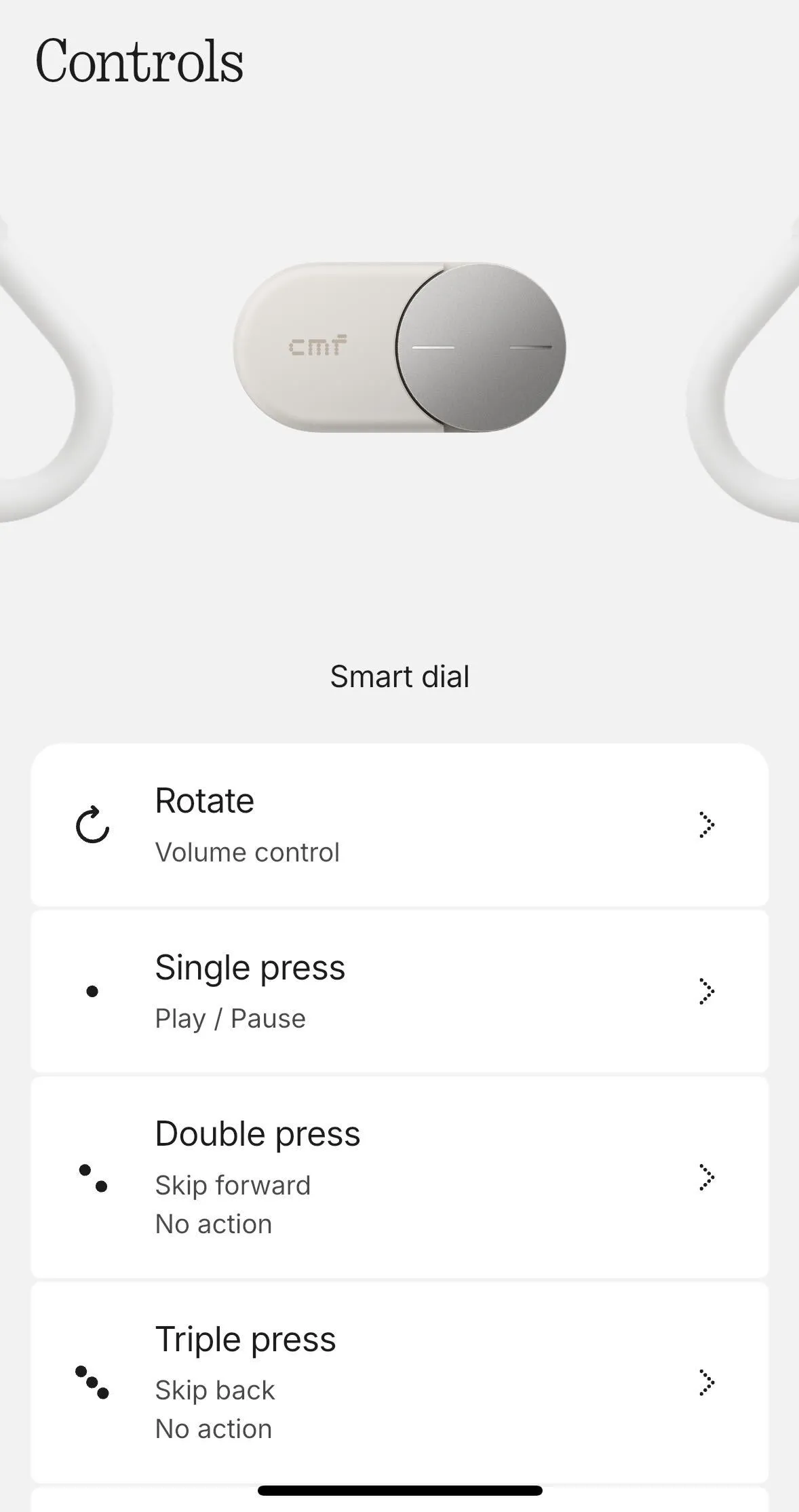
CMF’s Smart Dial, first introduced on CMF Buds Pro 2, carries over to Clip Pro’s charging case. The physical dial handles volume and playback control and can answer calls without reaching for a phone, a small piece of hardware that’s become one of the more identifiable parts of CMF’s audio lineup. For a product built around tiny buds that are easy to fumble with mid-stride, putting tactile control on the case rather than the earbud itself is a reasonable trade.
wear
CMF is quoting 10 hours of playback from the earbuds alone, with the case pushing total listening time to 32.5 hours. A 10-minute case charge is said to deliver roughly four hours of playback, useful shorthand for anyone topping off before a commute. None of those figures are unusual for the category in isolation, but stacked against a $79 launch price, they read as a reasonable value argument rather than a headline spec.
View this post on Instagram
in
CMF now covers a fairly complete accessory ecosystem: CMF Watch 3 Pro, CMF Headphone Pro, several generations of Buds, and now an open-ear line in Clip Pro. Nothing itself has already explored open-ear audio once, with Nothing Ear (open) using an over-the-ear hook design rather than a clip. Clip Pro isn’t a direct replacement for that product so much as CMF finding its own angle on the same underlying idea, aimed at a buyer who wants the format at a lower price and in a different physical shape.
The timing lines up with a broader shift already visible across the earbud market this year, where clip-style open-ear designs have moved from a niche fitness accessory into something closer to a mainstream format, with multiple brands releasing their own takes over the past several months. CMF entering that conversation with a sub-$100 price point is consistent with how the brand has approached nearly every category it’s touched so far: arrive later than the category leaders, undercut them on price, and match as many of their headline specs as the budget allows.
It’s also a notable shift in how CMF talks about the format itself. Most open-ear marketing, across nearly every brand making these products, still defaults to gym imagery: a runner mid-stride, a cyclist checking a route, someone doing an outdoor circuit with a phone strapped to their arm. Nothing’s own copy for Clip Pro pointedly avoids leaning on that framing, talking instead about all-day comfort, calls that hold up in an office, and a design worth being seen in outside a workout context. Whether that reframing changes how people actually shop for open-ear buds remains to be seen, but it’s a deliberate bet that the category’s next wave of buyers isn’t primarily athletes.
fin
Early impressions from outlets that received pre-release units have leaned favorable on comfort and fit, with several noting how little the buds seem to weigh once actually worn for a stretch of time, even as first-time wearers describe an adjustment period getting the clip seated correctly on the ear. Full audio and call-quality reviews are still pending as retail units reach reviewers ahead of the August 15 release, and those tests will matter more than any spec sheet for a product whose entire premise rests on making an open design sound and feel like less of a compromise than the format usually implies.
From the DRIFT archive: Cornell Team Develops Ultrablack: The “Darkest Fabric Ever” That Reflects Close to No Light · Tactical Elegance: Inside Bramford London Aqua Blue Three-Pocket Watch Roll
Related Articles

Four-Fifths of a Giant Killer: Hedley Studios Builds an Electric Porsche 550 J
Porsche opened its archive to a workshop in Bicester. What came back is a two-seat, […]