Twenty-One Years of “Be”: Common’s Warm Opus and the Chicago Soul of Hip-Hop’s Golden Rebirth

May 25, 2026
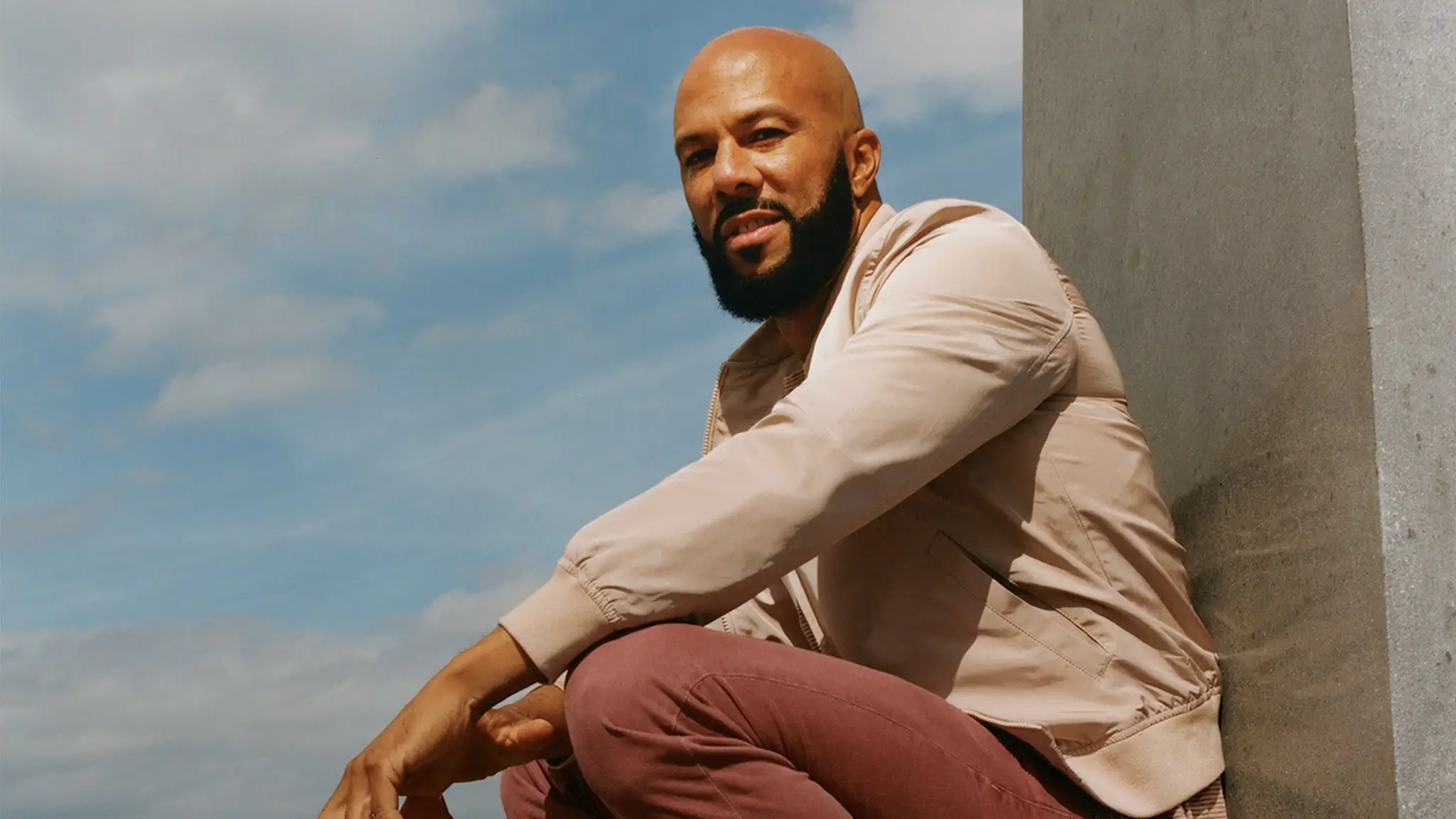
Yesterday marked the 21st anniversary of Common’s Be, released on May 24, 2005. For many hip-hop heads, this album remains a high-water mark—not just for Common, but for a certain strain of conscious, sample-driven, emotionally resonant rap that felt both timeless and urgently of its moment. Coming off the polarizing Electric Circus (2002), which experimented with rock, electronic, and neo-soul elements to mixed commercial and critical results, Be was a deliberate return to roots. It was warm, grounded, street-conscious, and elevated by production that married golden-era soul with early-2000s innovation.
At its core, Be is the sound of Chicago rappers Lonnie “Common” Lynn and Kanye West at a creative peak, with crucial assists from the late, great J Dilla. Kanye handled executive production and the bulk of the beats (nine of the eleven tracks), while Dilla contributed two standouts: the lush “Love Is…” and the epic closer “It’s Your World (Part 1 & 2).” The result is an album that feels like a conversation between friends who grew up on the same blocks, spinning the same records, dreaming the same dreams. It’s intimate yet expansive, reflective yet energetic. Clocking in at a lean 43 minutes or so, it rewards repeat listens with layers of samples, clever wordplay, and lived-in storytelling.
stir
To scope out Be album’s impression, you have to go back to where Common was in the early 2000s. By the turn of the millennium, he had already established himself as one of hip-hop’s premier lyricists with albums like Resurrection (1994), One Day It’ll All Make Sense (1997), and the critically acclaimed Like Water for Chocolate (2000). That last one, produced largely by the Soulquarians collective (including J Dilla, ?uestlove, and James Poyser), solidified his reputation for jazz-tinged, thoughtful rhymes about love, spirituality, Black life, and personal growth.
Then came Electric Circus in 2002. It was ambitious—incorporating live instrumentation, rock influences, and a more freewheeling, almost psychedelic vibe. While it had its defenders (and still does), many fans and critics felt it strayed too far from what made Common special: his thespian street narratives and soulful delivery. Commercially, it underperformed compared to expectations. Common needed a reset.
Enter Kanye West. Fresh off The College Dropout (2004), Kanye was the hottest producer in the game, championing “chipmunk soul”—sped-up vocal samples, lush orchestral swells, and hard-hitting drums over warm, nostalgic loops. As a fellow Chicagoan, Kanye had long admired Common. He stepped in as executive producer for Be, helping steer it back toward the essence of Common’s earlier work while infusing it with mainstream polish. The pairing was electric. Common has often spoken about how Kanye pushed him lyrically and helped him refocus on authenticity.
The album’s title, Be, is deceptively simple. It speaks to presence, existence, and the act of simply being—flaws, triumphs, and all—in a world that demands performance. Common raps about the corners, the relationships, the faith, the hustle, and the joy of making it through another day. It’s an album about resilience in Chicago’s South Side, where beauty and brutality coexist.
synthesis
The production on Be is frequently cited as one of its greatest strengths. Kanye’s fingerprints are everywhere: crisp drums, soulful loops, and strategic guest spots that elevate the tracks without overpowering Common’s voice.
Take the intro, “Be (Intro).” Over a hatch, cinematic beat with Dilla-esque drums and a Kanye sample flip, Common sets the tone with spoken-word poetry about hip-hop’s state and his place in it. It’s motivational, almost like a boxer entering the ring. Dave Chappelle’s skit-like introduction (from a Chappelle’s Show performance tie-in) adds levity and realness.
“The Corner” (feat. Kanye West & The Last Poets) is a masterpiece of atmosphere. Umar Bin Hassan of The Last Poets delivers gritty spoken word about street life, while Kanye and Common trade verses painting vivid pictures of urban struggle. The sample work—layered with haunting vocals and a steady pulse—makes it feel like a modern update to classic conscious rap. It was one of the album’s key singles and remains a fan favorite for its raw honesty.
“GO!” featuring John Mayer and Kanye West is the album’s most upbeat moment. Built around a sample from Linda Lewis’ “Old Smokey,” it has a bouncy, anthemic quality. Mayer’s guitar adds a rock edge, and the hook is undeniably catchy. This track showed Common could do energetic radio-friendly cuts without sacrificing depth. Lyrics about ambition, relationships, and pushing forward capture the drive that defines much of the album.
“Faithful” brings in Bilal and John Legend for a gorgeous, gospel-tinged reflection on loyalty and temptation. The production swells with piano and background vocals, creating a church-like intimacy. Common grapples with infidelity, growth, and redemption—topics he handles with maturity rather than bravado.
Other highlights include “Testify,” with its dramatic, sample-heavy build and courtroom metaphors for relationships; “The Food,” a high-energy banger that originated from a Chappelle’s Show sketch; and “Real People,” which grounds the album in Chicago authenticity.
Then there are Dilla’s contributions. “Love Is…” is ethereal, sampling Marvin Gaye’s “God Is Love” into shimmering keys and echoing vocals. Common’s verses explore love as learned behavior in tough environments—tender, wise, and deeply human. It’s one of the album’s emotional peaks.
The closer, “It’s Your World (Part 1 & 2),” is a sprawling, jazzy epic with live instrumentation from James Poyser and Karriem Riggins alongside Dilla’s beats. It feels like a victory lap and a call to action simultaneously. Common reflects on his journey, the industry, and the power of the people. It’s the perfect summation: optimistic yet grounded, expansive yet personal.
flow
Common has always been a storyteller, and Be showcases him at his most focused. He avoids preachiness, opting instead for vivid vignettes. On “The Corner,” he raps about “the world is cold, the block is hot as a stove,” capturing the duality of community and danger. Throughout the album, he weaves in references to his upbringing, fatherhood (his daughter Omoye is mentioned), spirituality, and the music industry.
What stands out is the warmth. Even when discussing pain—loss, systemic issues, personal failings—there’s an undercurrent of hope and resilience. This wasn’t the aggressive gangsta rap dominating charts or the abstract experimentation of some underground scenes. It was middle-ground hip-hop: intelligent, soulful, and accessible. Common’s flow is smooth and rhythmic, with internal rhymes and multis that reward close listening without feeling showy.
Guest features enhance this. John Legend and Bilal provide vocal warmth. The Last Poets add historical weight. Kanye pops up as both producer and hype man/collaborator, reinforcing their chemistry. Even John Mayer’s contribution feels organic rather than forced.
trend
Be debuted at No. 2 on the Billboard 200, selling over 185,000 copies in its first week. It eventually went Platinum and earned four Grammy nominations, including Best Rap Album (it lost to Kanye’s Late Registration). XXL gave it a rare perfect score, and it has since been hailed as a classic. In later years, Rolling Stone and Billboard included it on greatest hip-hop albums lists.
Its success helped bridge conscious rap with mainstream audiences during a transitional period in hip-hop. Post-2005, the industry shifted toward more melodic and trap influences, but Be stands as a beacon of the soulful mid-2000s era alongside projects like Kanye’s own albums, Lupe Fiasco’s early work, and others.
impression
Twenty-one years later, Be sounds remarkably fresh. The samples still hit, the rhymes still resonate, and the production holds up against modern standards because it prioritized feel over trends. In an age of streaming and short attention spans, its cohesion as a complete album is refreshing.
For Chicago hip-hop, it’s part of a rich lineage—from the house and blues influences in the city’s music to Common’s contemporaries like Twista, Lupe, and later Chance the Rapper or Noname. It captured a specific moment when Kanye was redefining what a beat could be and Common was reclaiming his narrative.
Fans still celebrate it with anniversary posts, vinyl spins, and discussions about its no-skip nature. Tracks like “The Corner,” “GO!,” and “Love Is…” get regular rotation. Its influence can be heard in artists who blend introspection with soul samples today.
Related Articles
Kelela Plugs Back Into Her First Language
The experimental R&B singer-songwriter’s genre-dissolving new record finds her speaking in the same distortion that […]