DRIFT AUDIO
Listen to this story
Choose a voice, then press play.
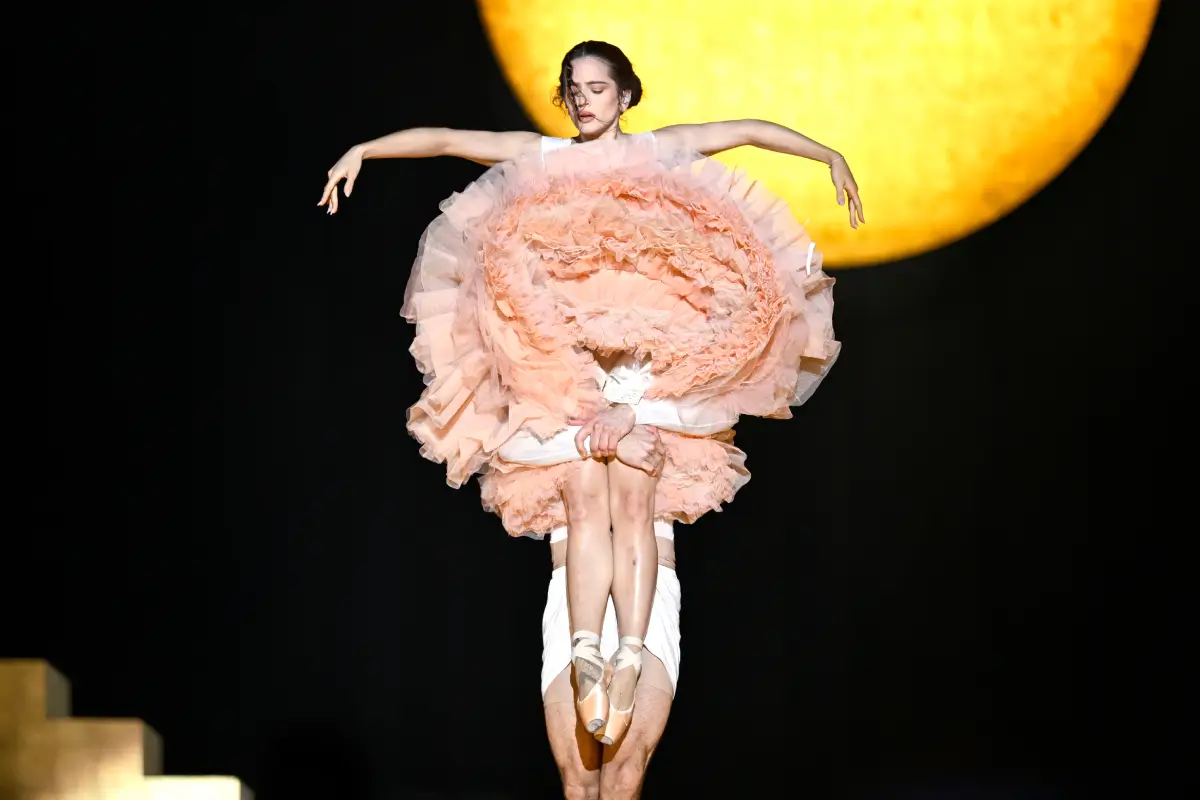
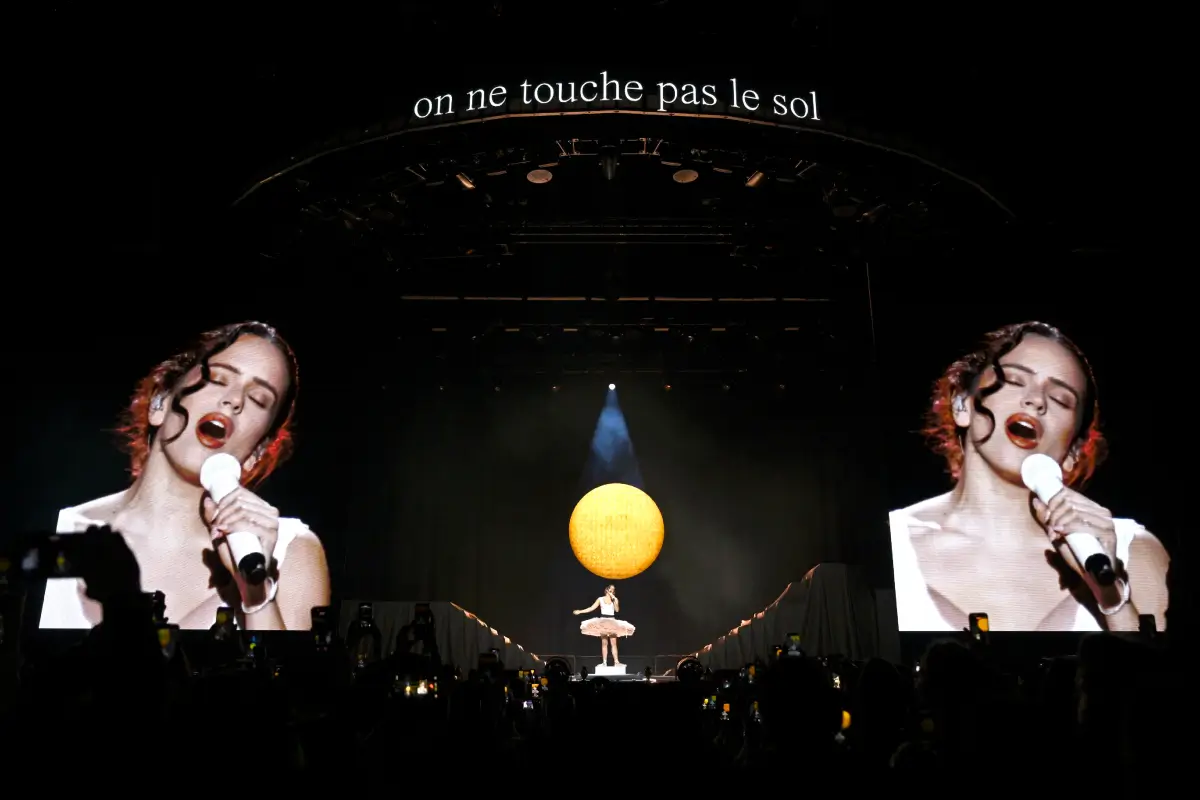
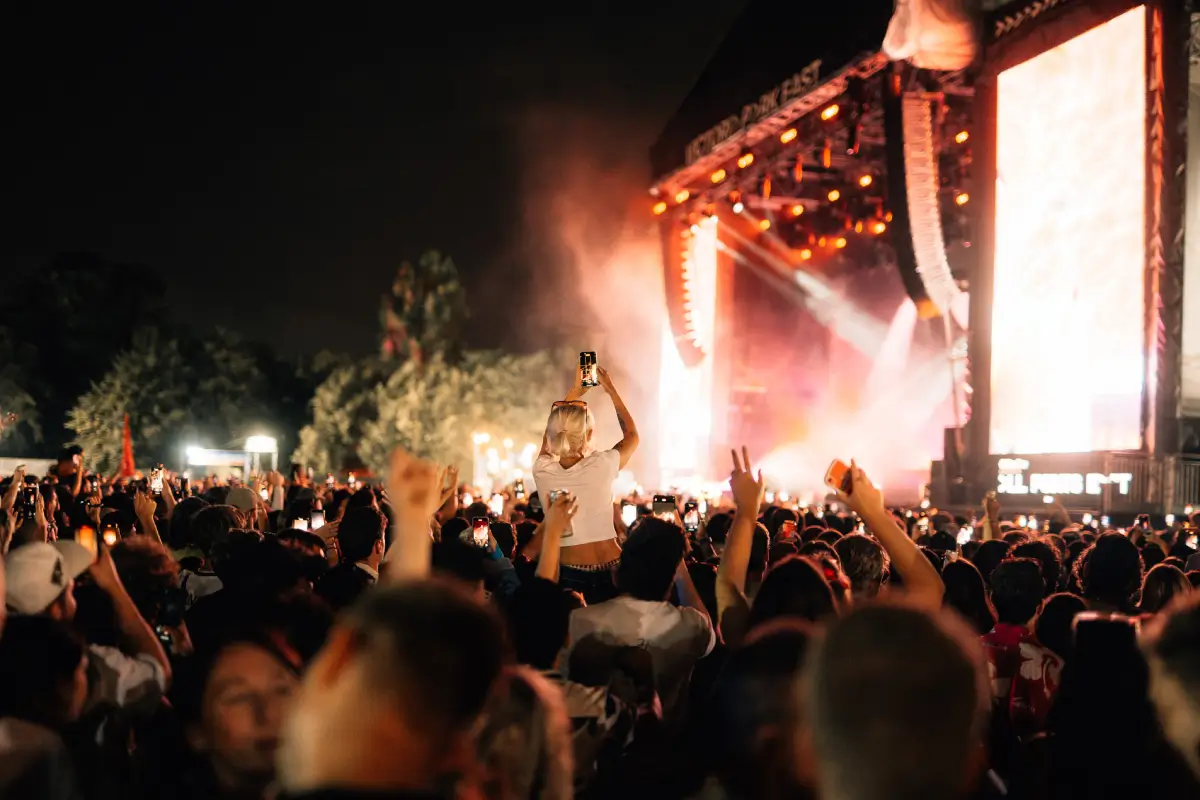
The O2 Arena in London pulses with anticipation on this final night of the European leg of the LUX Tour. The house lights dim, and a single spotlight cuts through the darkness, illuminating a lone figure at the center of the stage. Draped in a flowing white gown that catches the light like liquid mercury, Rosalía stands motionless as the London Symphony Orchestra’s strings swell from the shadows. The crowd—thousands strong, a tapestry of languages, flags, and generations—erupts. This is no ordinary concert. It is a full-blooded celebration of every Rosalía era: the raw flamenco roots, the experimental fire of El Mal Querer, the chaotic joy of Motomami, and now the transcendent, orchestral majesty of LUX.
whom
If you’re not familiar with Rosalía, she’s an artist that needs very little in the way of an introduction. Born Rosalía Vila Tobella on September 25, 1992, in Sant Cugat del Vallès, Catalonia, Spain, and raised in nearby Sant Esteve Sesrovires, she has become one of the most vital and boundary-pushing voices in global music. She’s always been your favourite musician, through-and-through; you just didn’t know it yet.
stir
Her journey began not in the glare of stadium lights but in the intimate embrace of Spanish folk traditions. At around 13 or 14, she fell deeply in love with flamenco after discovering legends like Camarón de la Isla. This wasn’t a passing teenage phase. It was a calling. She pursued formal training at Barcelona’s Taller de Músics and later studied musicology at the prestigious Catalonia College of Music (ESMUC), graduating in 2017. There, she honed not just her extraordinary soprano voice but a scholarly understanding of music’s cultural DNA.
In the underground scene of Barcelona and beyond, Rosalía immersed herself completely. She performed at small bars, weddings, and local events, paying her dues while developing a sound that respected tradition without being enslaved by it.
flow
Her big break came through merges with producer Raül Refree on her debut album, Los Ángeles (2017). A stark, haunting collection of flamenco-inspired tracks, it stripped the genre back to its emotional core—voice, guitar, and raw vulnerability. Songs like “Catalina” showcased her technical prowess and emotional depth, earning critical praise but still operating largely within Spain’s musical circles. It was the quiet before the storm.
score
Then came El Mal Querer (2018). If Los Ángeles was the spark, this was the wildfire. Conceptualized as a modern retelling of the 13th-century Occitan novel Flamenca, the album fused flamenco with trap, R&B, electronic beats, and pop structures in ways that felt revolutionary. Tracks like “Malamente” exploded globally with their innovative production, viral choreography, and unapologetic femininity. “Pienso en tu mirá” and “Bagdad” further demonstrated her ability to weave operatic drama with contemporary edge. The album earned universal acclaim, multiple Latin Grammy Awards (including Album of the Year), and catapulted Rosalía into international stardom. She became the first artist nominated for Best New Artist at the Grammys for a primarily Spanish-language project. The dye was cast; a star was born.
By this point, Rosalía wasn’t just singing—she was redefining what a global pop star could be. Her aesthetic blended high fashion, streetwear, and Catalan identity. Her visuals, from the “Malamente” video onward, were cinematic masterpieces. Collaborations followed: J Balvin on “Con Altura,” which racked up over a billion YouTube views, and later work with artists like Travis Scott and The Weeknd. She brought flamenco to the mainstream in a way few thought possible, proving that cultural specificity could be a superpower rather than a limitation.
scope
Three years after El Mal Querer, Motomami (2022) arrived like a thunderclap. This was Rosalía at her most playful, chaotic, and liberated. Described by many as her “coming-of-age” record, it mixed reggaeton, dembow, jazz, electronic experimentation, and bolero. Songs like “Saoko,” “Bizcochito,” and the global hit “Despechá” captured a spirit of defiant joy and self-expression. The album was intimate yet expansive, tackling themes of fame, identity, sexuality, and motherhood in her signature code-switching style. It solidified her as a true visionary, earning another Latin Grammy for Album of the Year and cementing her place in the upper echelons of pop. Mainstream success had fully arrived, and she was in a whole different spotlight.
new
Fast forward three years. After a period of personal and artistic reflection, Rosalía returned in 2025 with LUX—her most ambitious and understated work yet. Released on November 7, 2025, via Columbia Records, LUX (Latin for “light”) leans heavily into classical and operatic territory, recorded with the London Symphony Orchestra. It features lush arrangements, collaborations with the likes of Björk, Yves Tumor, and others, and lyrics sung in 13 languages. Themes of religion, marriage, death, feminine mystique, and spiritual transcendence dominate, with each song inspired by a saint or holy woman. Lead single “Berghain” blends dramatic strings with otherworldly vocals, while tracks explore everything from Sufi mysticism to personal transformation.
Critics hailed it as a monumental achievement. It broke streaming records for a Spanish-speaking female artist, debuted high on the Billboard 200, and topped many year-end lists. Some purists debated its “authenticity” in classical spaces, but most celebrated its audacious scope—pop accessibility meeting high-art ambition. Madonna called her a “true visionary.” For Rosalía, it represented evolution: from the intimate folk of her debut to the maximalist celebration of LUX.
tour
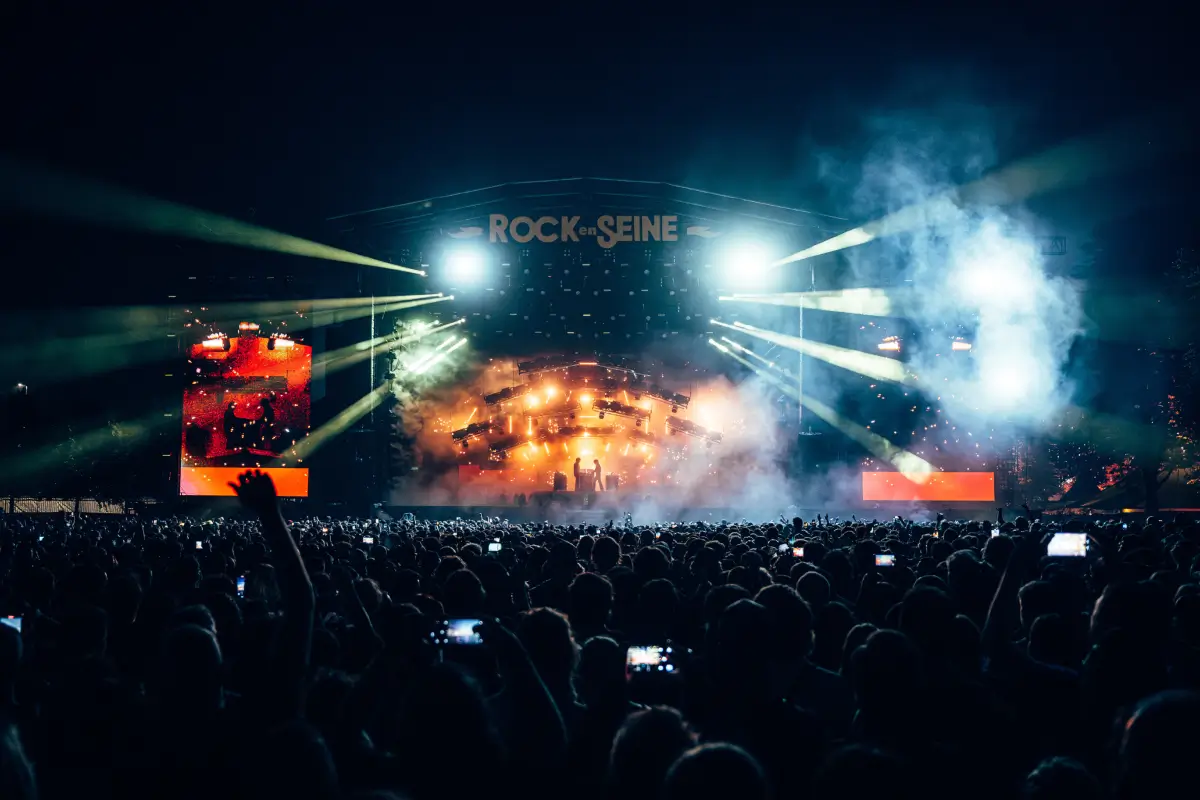
And now, here we are on the final night in London. The LUX Tour, which kicked off in March 2026, has been a triumph—arena-filling spectacles that honor every chapter of her discography. The setlist is a masterclass in storytelling. It opens with orchestral swells from LUX, moves through stripped-back flamenco moments from Los Ángeles, explodes into the percussive energy of Motomami, and delivers the anthemic highs of El Mal Querer. The stage design shifts seamlessly: minimalist lighting for the ballads, chaotic multimedia for the bangers, and full symphonic grandeur for the new material.
her
As the concert unfolds, Rosalía demonstrates why she stands alone. Her voice—capable of coloratura runs, deep flamenco quejíos, and intimate whispers—fills the arena effortlessly. During a rendition of “Malamente,” the crowd transforms into a sea of synchronized hand claps and shouts. In LUX tracks like “Berghain” or “Porcelana,” the orchestra elevates the performance to something almost sacred. She interacts with the audience in Spanish, Catalan, and English, sharing laughs, stories, and moments of vulnerability. One poignant segment features her alone at the piano, reflecting on the journey from small Barcelona venues to this sold-out arena.
What makes Rosalía singular is her refusal to be boxed in. She is a student of musicology who treats genres as living conversations rather than rigid categories. Flamenco remains her foundation, but she builds skyscrapers upon it—incorporating reggaeton’s rhythm, electronic experimentation, classical orchestration, and global linguistic play. Her work consistently explores identity: Catalan roots in a globalized world, femininity in all its power and fragility, tradition meeting modernity. She produces much of her own music, directs visuals, and maintains creative control in an industry that often strips it away.
look
Rosalía’s future feels limitless. Rumors swirl of acting roles (she’s reportedly eyed for projects like Euphoria), more orchestral explorations, or perhaps a return to raw flamenco. Whatever path she chooses, one thing is certain: she will approach it with the same rigor, curiosity, and emotional honesty that defined her rise.
In an era of algorithmic trends and disposable pop, Rosalía stands as a beacon of artistry with substance. She reminds us that music can be both deeply personal and universally resonant. That tradition and innovation are not enemies but dance partners. That a girl from a small Catalan town could reshape global soundscapes.
The One, the Only: La Rosalía. As the final chords fade and the lights come up in the O2, the audience lingers, reluctant to let the magic dissipate. They know they’ve witnessed something rare—a complete artist in full command of her powers, celebrating every era while pointing toward new horizons. The night ends, but her light—lux—continues to shine.
From the DRIFT archive: Jodie Foster Narrates Morgan Neville’s Breakdown: 1975: A Cultural Autopsy of the Most Radical Year in American Cinema · A Review: Jon Batiste’s Evolution, From New Orleans Tradition to Modern Innovation