DRIFT AUDIO
Listen to this story
Choose a voice, then press play.
The Asia-leading jeans label swaps its usual streetwear sparring partners for a 182-year-old Milwaukee lager, landing rhinestone graphic tees and a beer-bottle-shaped clear pouch on July 17
In This Story
- A First-Time Pairing for Both Sides
- Inside the Collection
- Release Details
- Why a Beer Brand Fits MOUSSY’s Reset
MOUSSY has never worked with a beer brand before, and Pabst Blue Ribbon has never worked with MOUSSY. That mutual first is the headline of a new capsule confirmed to launch across MOUSSY’s women’s wear and bags lines, arriving in stores and online on Friday, July 17, 2026.
MOUSSY’s own collaboration archive already runs long: the Baroque Japan Limited-owned label has partnered with everything from adidas to Star Wars to K-pop cover shoots over the past two decades, and its official site currently lists Pabst Blue Ribbon alongside Juicy Couture, Umbro, Insilence, and Vaquera as an active collaboration line. Pabst, for its part, has spent years cultivating exactly this kind of apparel crossover, with past capsules through Japanese partners like Lafayette folding the beer’s Americana branding into streetwear drops rather than beverage marketing.
View this post on Instagram
The MOUSSY tie-up lands at a pointed moment for the brand. Since launching from a single Shibuya 109 storefront in April 2000, MOUSSY built its identity on denim and the gyaru-adjacent Shibuya youth culture that surrounded it, becoming one of the labels most associated with that early-2000s scene’s confident, unapologetic femininity. Operated by Baroque Japan Limited, the brand grew across the 2000s and 2010s into a multi-line business spanning MOUSSY, AZUL BY MOUSSY, SLY, and — until its 2025 pause — BLACK BY MOUSSY, expanding well beyond the single-store, jeans-and-attitude proposition it launched with.
But the label spent 2025 mid-reset. To mark its 25th anniversary, MOUSSY undertook a rebranding push that started that September, aimed at reversing a post-pandemic sales slump by returning to the brand’s core strength rather than diluting it further. The relaunch refocused the collection around denim under the tagline “Asia’s No. 1 Jeaning Collective,” expanding the number of denim styles on offer while widening the target customer beyond its traditional early-20s core to include women in their 30s, alongside an increased push into markets outside Japan. That expansion has continued into 2026, with the brand also confirming a re-entry into the Chinese market through a joint venture with JD.com after previously withdrawing from it.
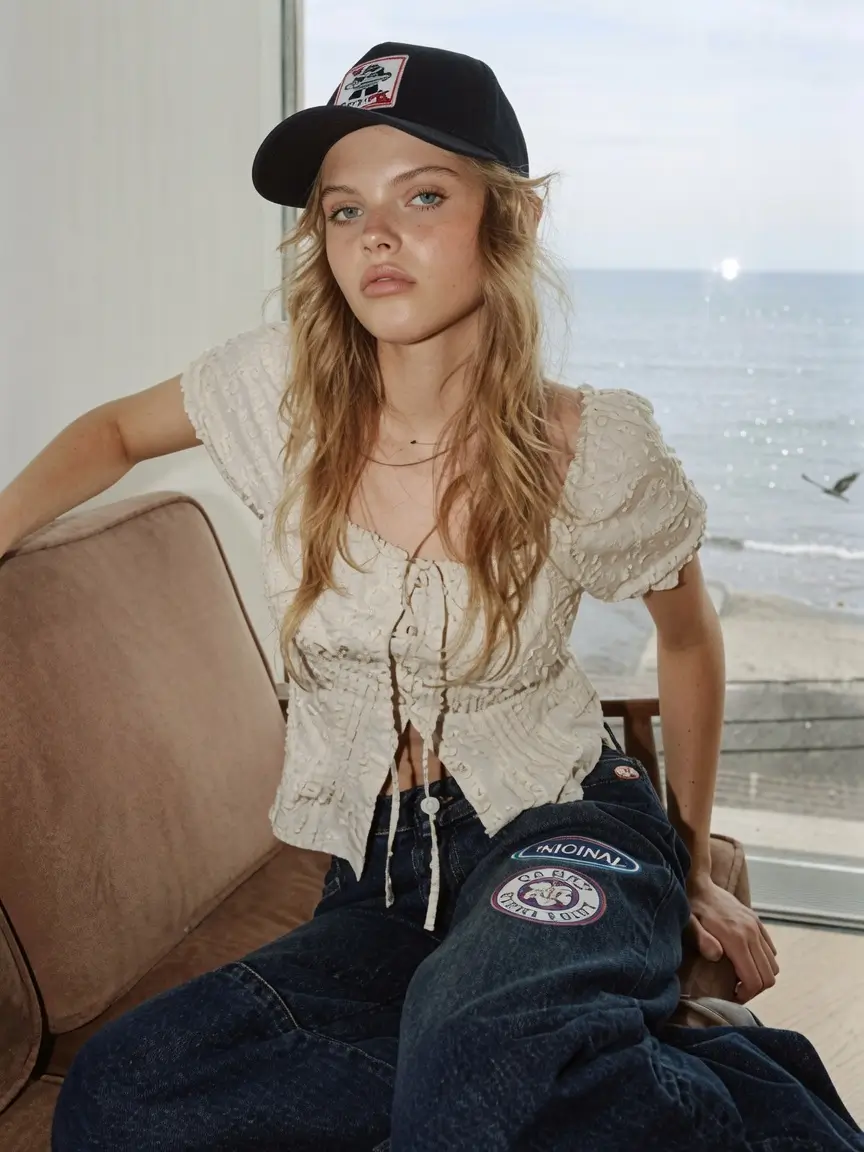
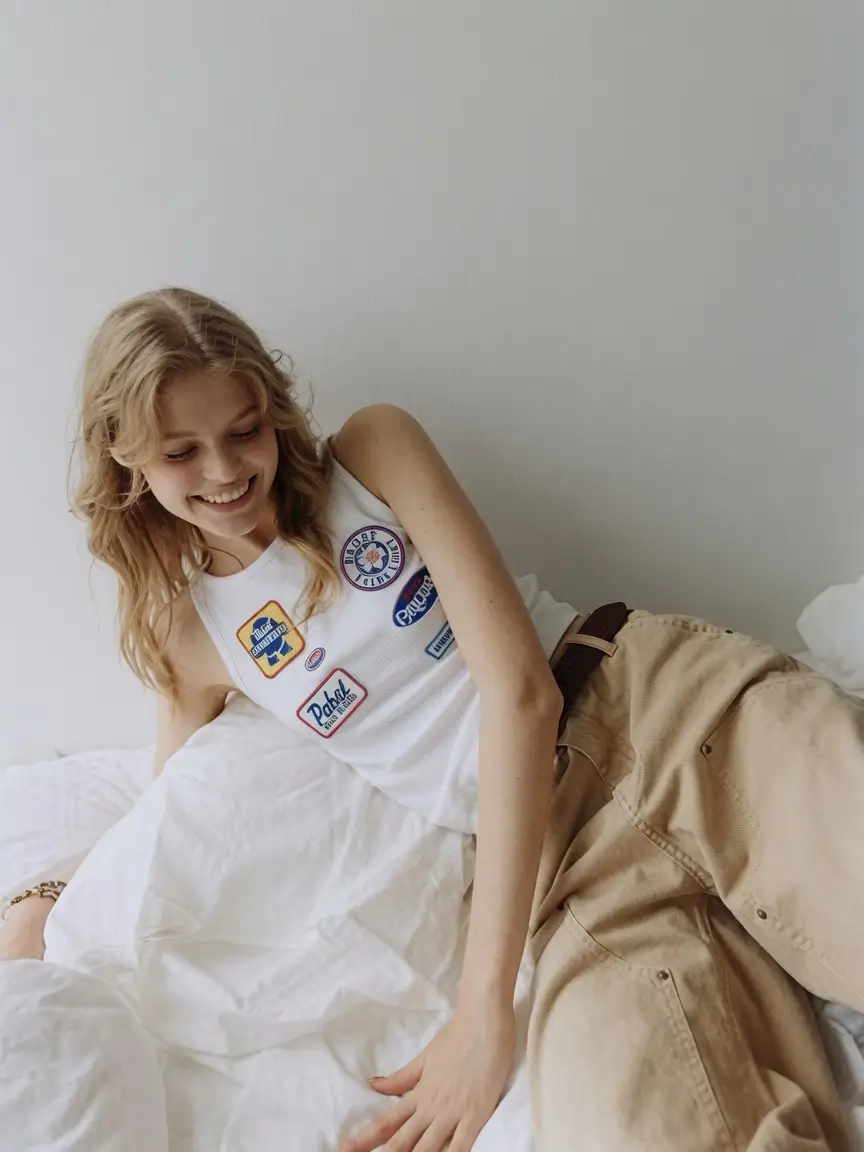
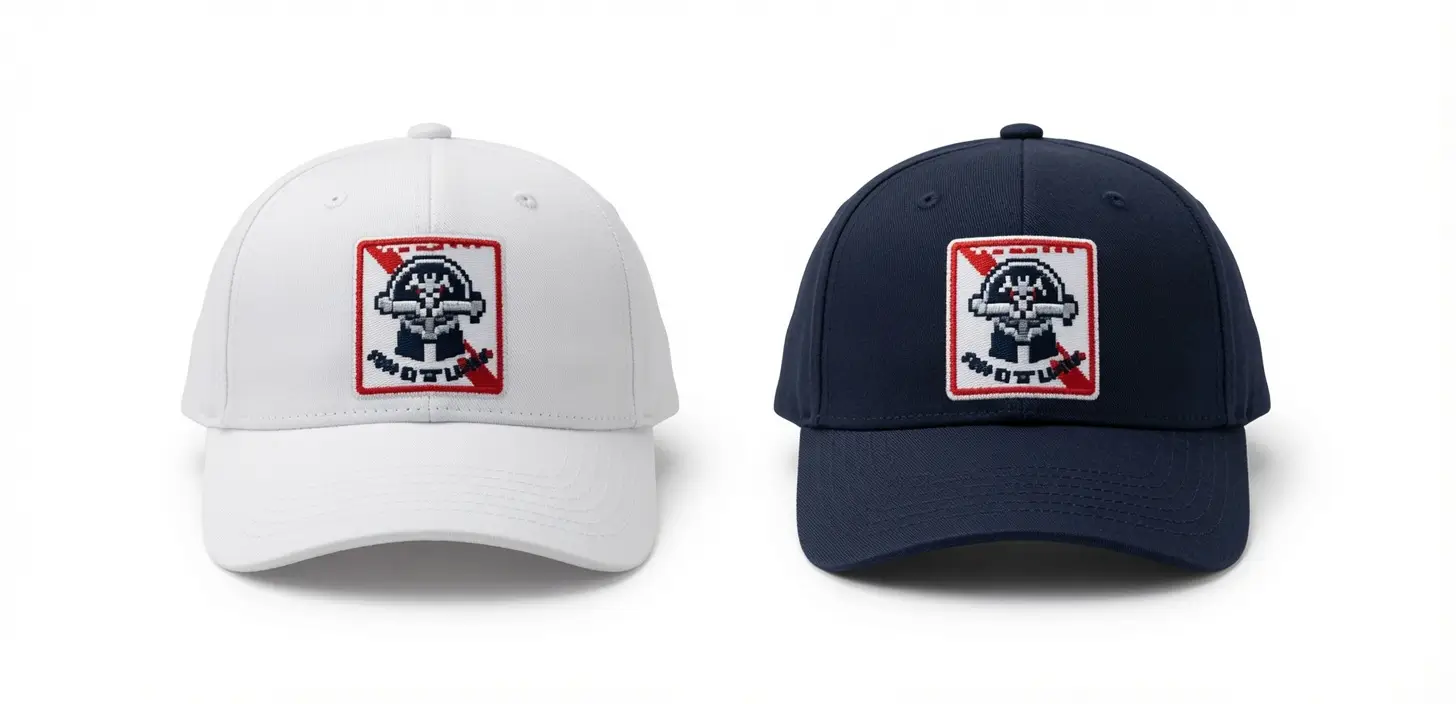
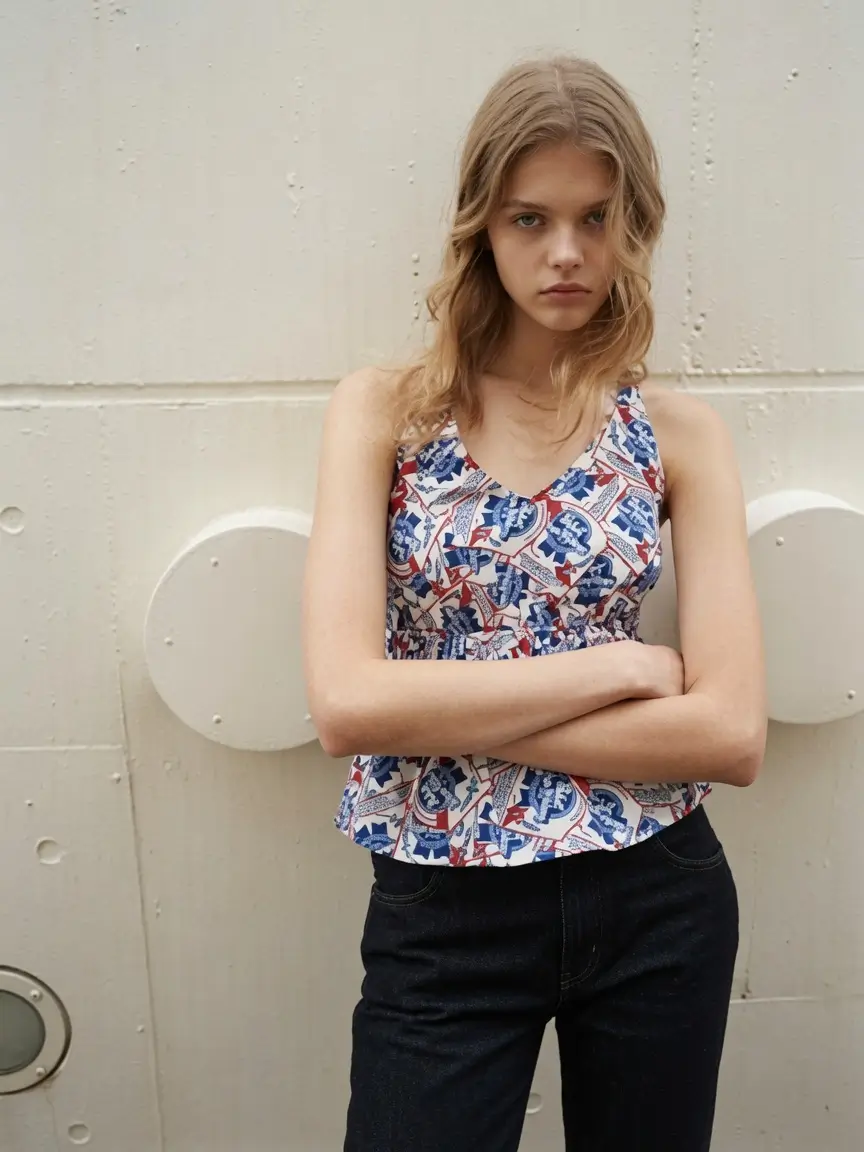
Relaxed coastal styling pairs vintage-inspired denim and a logo cap with soft textures and ocean views.
A Pabst Blue Ribbon collide fits neatly inside that repositioning. A beer with more than 180 years of American working-class heritage gives MOUSSY’s retro-leaning aesthetic an authentic outside reference point that isn’t another fashion label competing for the same customer — closer in spirit to the brand’s earlier adidas and Star Wars tie-ins than to a denim-on-denim crossover, and a way to generate graphic, shareable product without pulling design attention away from the core jeans relaunch.
Pabst Blue Ribbon, meanwhile, has spent recent years demonstrating just how far its branding travels outside the beer aisle. In the U.S., the company has run limited-run collaborations spanning a Grillo’s Pickles-flavored beer released this spring and a Godzilla-themed 99-can pack produced with Toho International that hit shelves ahead of this year’s Super Bowl season, treating its blue ribbon emblem as a piece of collectible pop culture as much as a beverage logo. Pabst’s own senior brand director has described the approach as favoring cultural stunts fans can engage with directly over conventional advertising spend — the same logic that underpins a fashion capsule built around a logo rather than the beer itself.
In Japan, where Pabst Blue Ribbon Japan has operated an official presence since 2019, the brand has leaned even harder into apparel. Its retro script and ribbon badge have shown up across multiple capsules with domestic streetwear labels — Lafayette released paired capsule collections with Pabst as far back as 2019, building allover-print shirts, shorts, and bucket hats around the logo, and BEDWIN has produced Pabst-branded accessories through the brand’s dedicated Japan storefront. Unlike more curated craft-beer branding, Pabst’s Japan apparel strategy has consistently prized the logo’s blue-collar, dive-bar legibility — a “beer for anyone” identity that translates easily into streetwear graphics without requiring the wearer to know or care about the beer itself.
sup
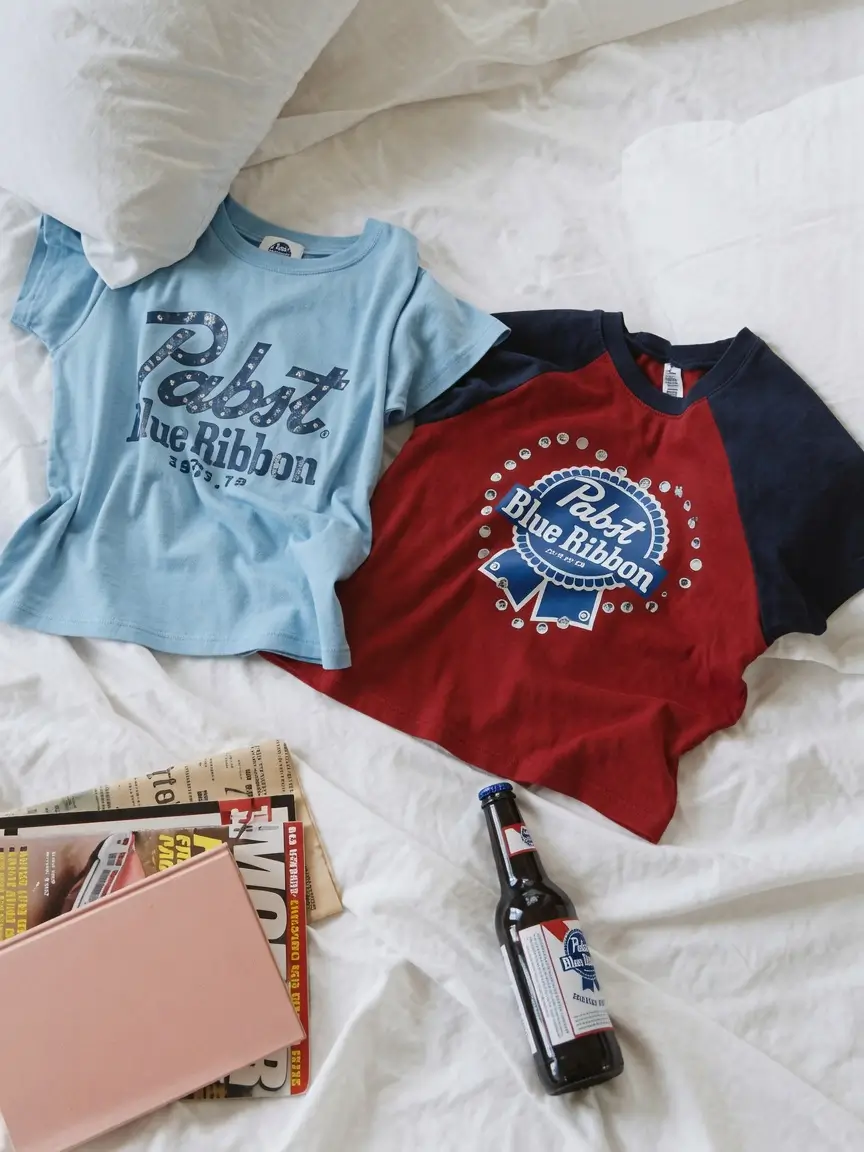
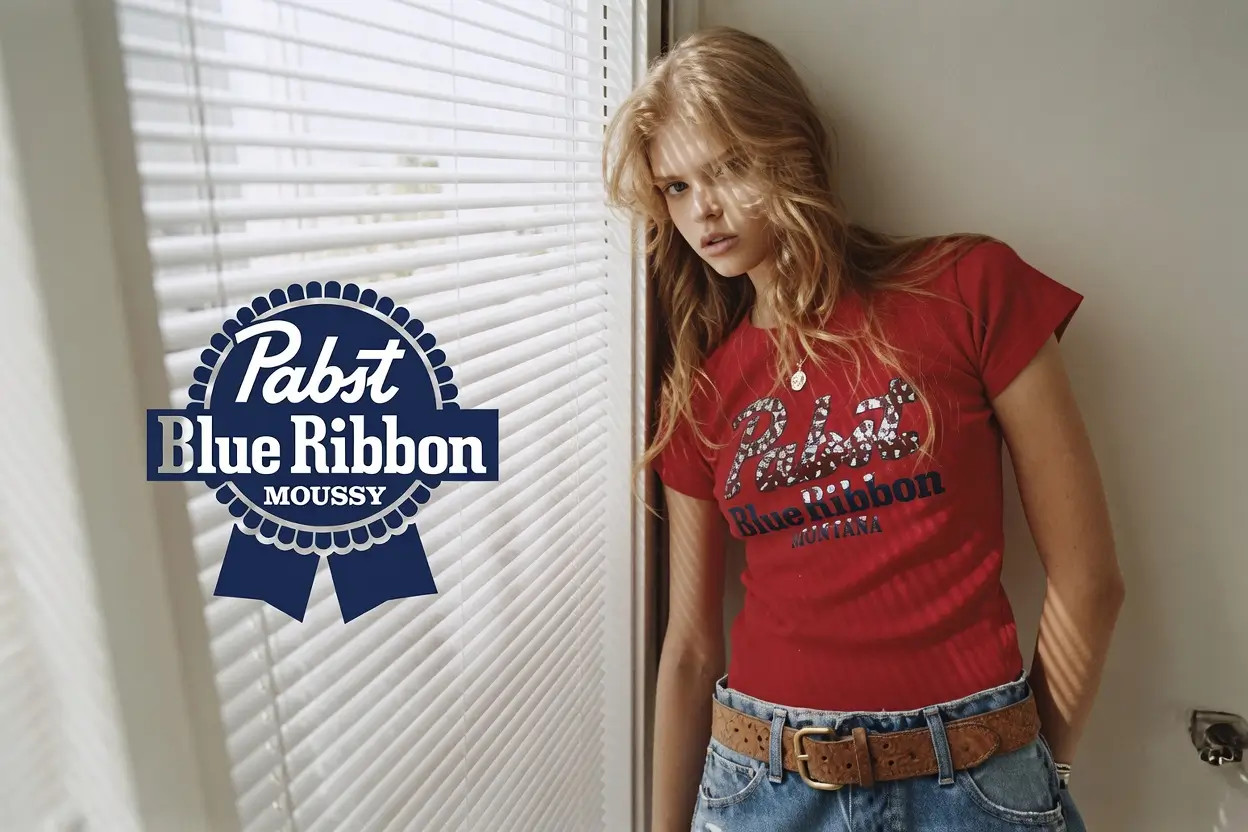
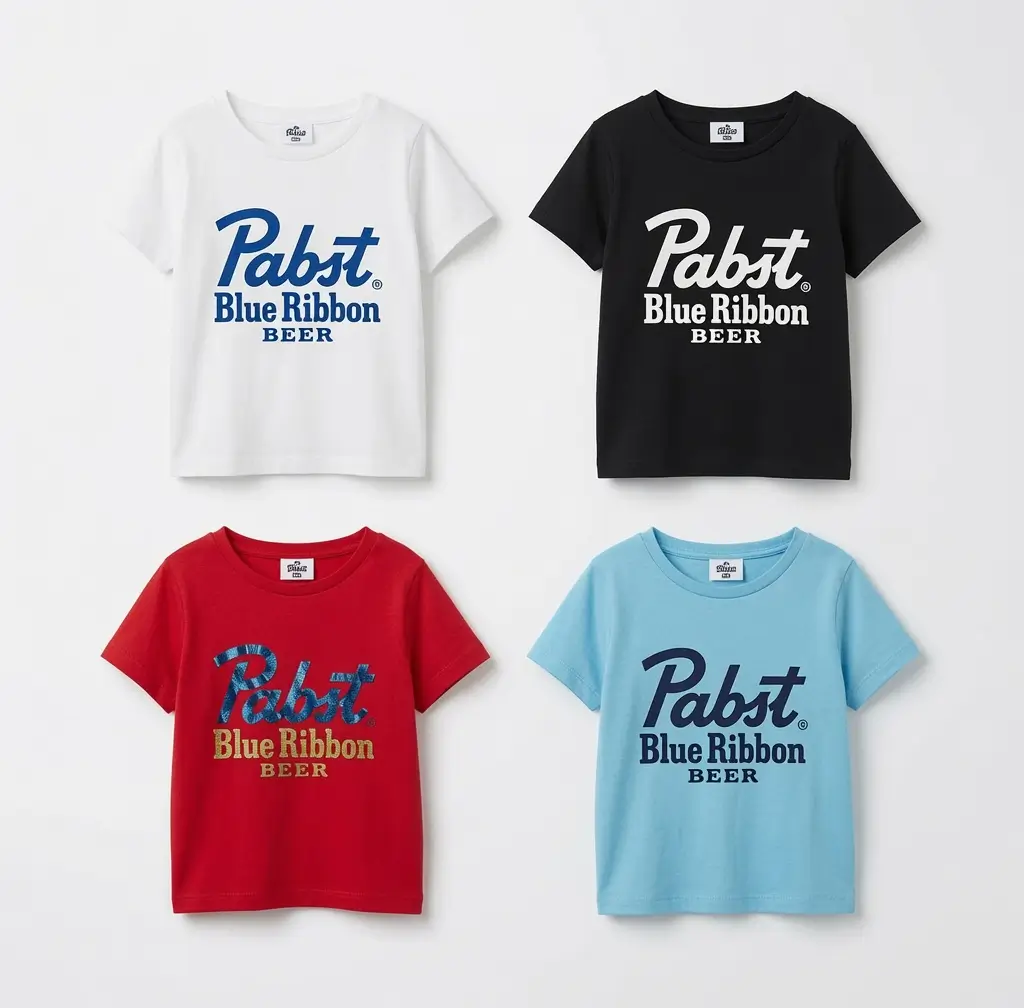
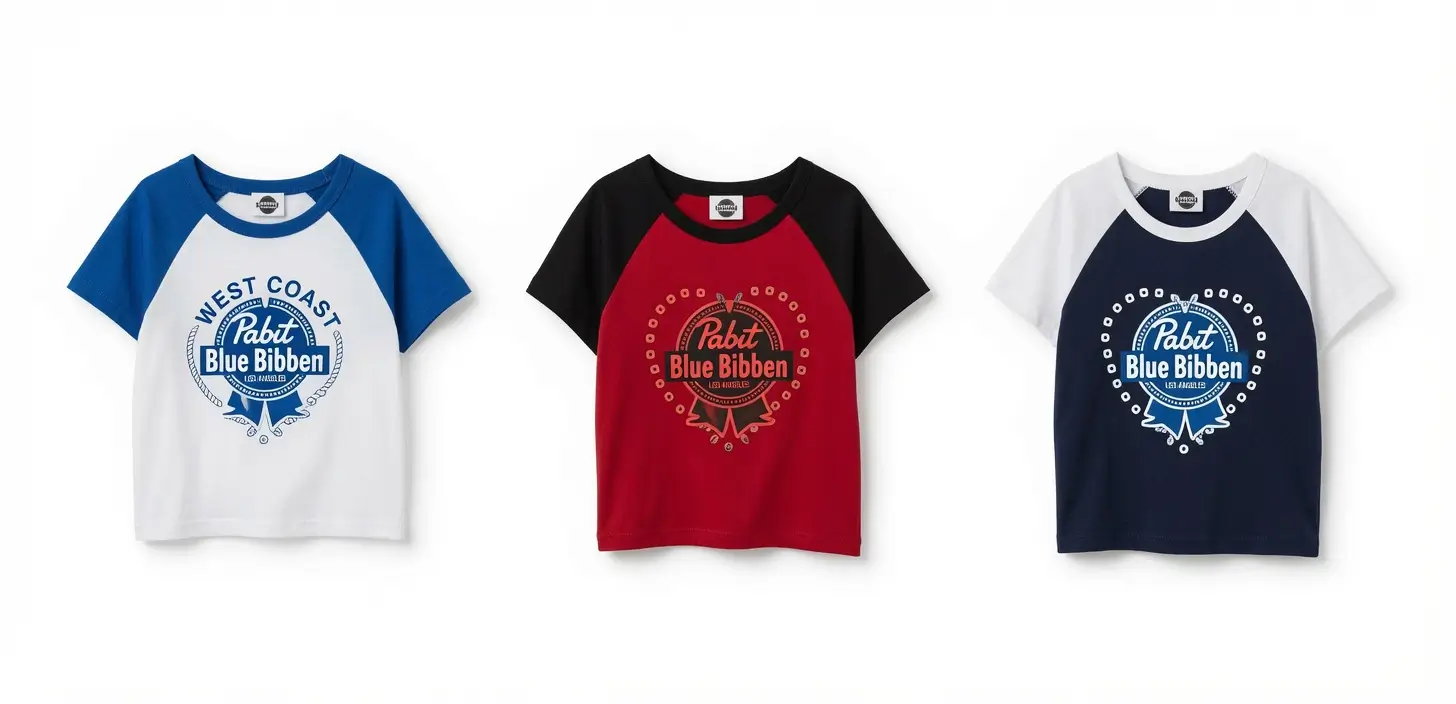
The centerpiece of the drop is a rhinestone-embellished T-shirt built around Pabst Blue Ribbon’s retro logotype, reworked in a glittering, crystal-studded treatment that pushes the beer brand’s vintage script toward the rhinestone graphic-tee tradition more commonly associated with vintage band merchandise and Y2K-revival basics. That treatment has become a familiar language across contemporary womenswear over the past several seasons, with labels re-issuing decades-old logos — motor oil brands, soft drink marks, motorcycle badges — in bedazzled, crystal-heavy finishes that trade the original’s utilitarian flatness for something closer to eveningwear embellishment. The rhinestone application turns the ribbon badge into something closer to jewelry than branding: a treatment that reframes a beer logo as a going-out top rather than a bar giveaway shirt, and one that plays directly to MOUSSY’s core customer base of image-conscious women in their late teens through 30s who have long used graphic tees as a foundation for going-out styling rather than casualwear.
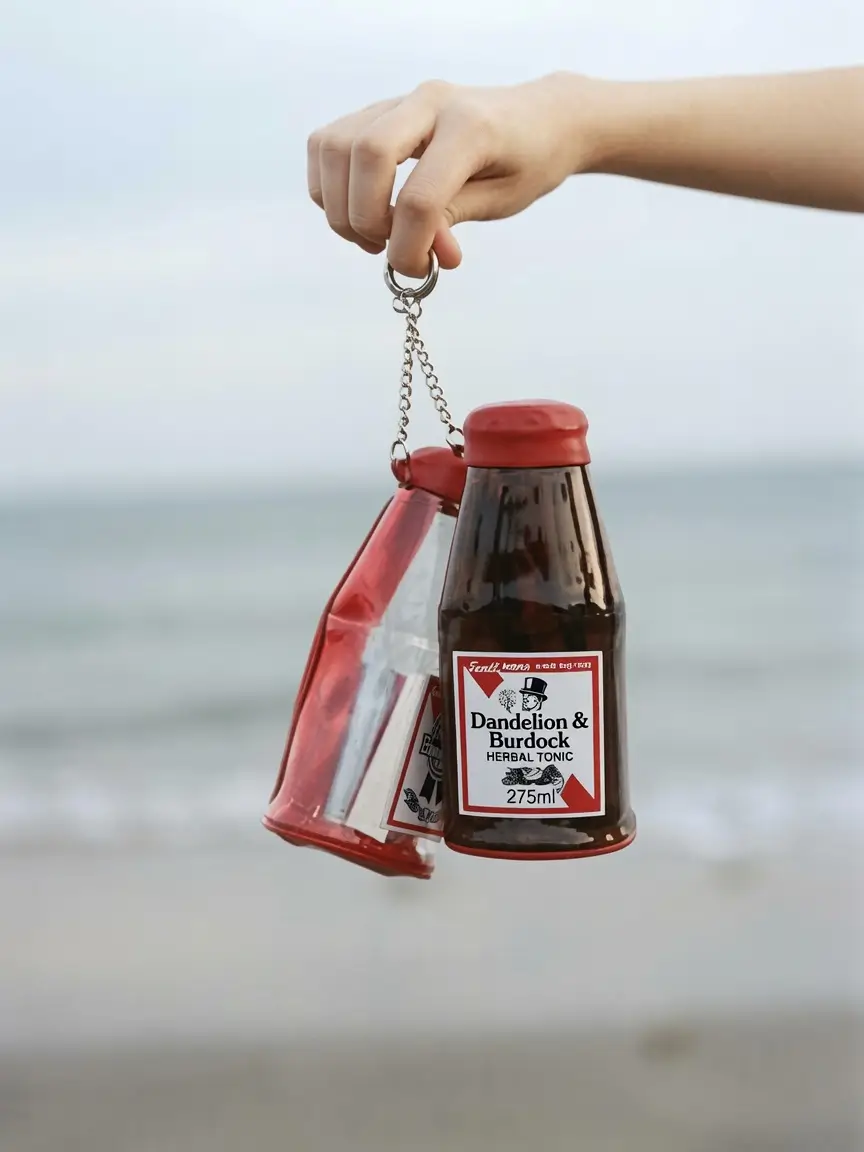
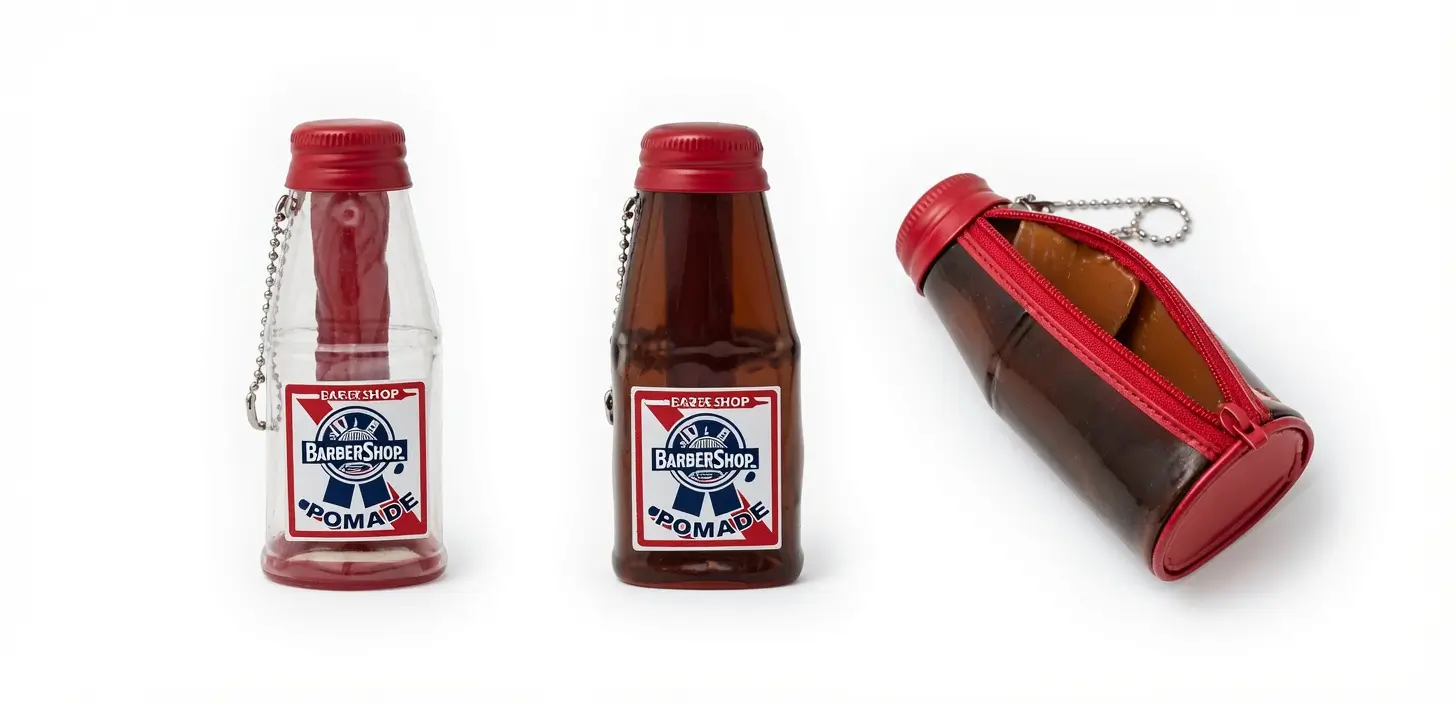
Alongside the tee, the collection’s other anchor piece is a clear PVC pouch molded into the silhouette of a classic beer bottle, complete with a label-style graphic panel carrying the Pabst Blue Ribbon mark. The novelty-bag format — transparent vinyl construction shaped around a recognizable object rather than a standard rectangular pouch — situates the piece closer to collectible merchandise than a conventional handbag, the kind of item designed to be carried as a statement rather than tucked away as pure function. Novelty-shaped clear bags have circulated through both Japanese and Western streetwear accessory lines for several seasons now, prized for exactly this kind of visual one-linernness: the bottle shape reads as a joke and a branding vehicle in the same glance, and its transparency means the Pabst label graphic stays visible even when the pouch is being carried closed, functioning as a walking advertisement for the collaboration in a way an opaque bag couldn’t.
View this post on Instagram
Together, the two pieces frame the collection’s guiding logic: rather than translating Pabst’s branding into subdued, logo-minimal basics — the direction plenty of beverage-brand fashion tie-ins default to — MOUSSY is leaning into maximalist, novelty-forward interpretations of the beer’s identity, prioritizing sparkle over subtlety and a literal bottle shape over an abstracted one. It’s a choice that keeps both pieces legible as collaboration product from across a room, which matters for a capsule built to generate social visibility and in-store impulse interest rather than function as everyday staples.
huh
The MOUSSY x Pabst Blue Ribbon capsule releases on Friday, July 17, 2026, with the women’s wear and bag pieces going on sale simultaneously across MOUSSY’s full store network in Japan, alongside the brand’s online store. The collaboration marks the first time the two brands have partnered, and it arrives roughly midway through MOUSSY’s ongoing denim-first rebrand, giving the label a graphic, non-denim moment inside a season otherwise centered on core jeans product.
The mid-July timing also places the launch squarely inside Japan’s summer retail calendar, a period when graphic tees and lightweight accessories typically see their strongest seasonal turnover — a logical window for a logo-driven capsule built around a T-shirt and a warm-weather-friendly clear pouch rather than heavier outerwear or denim pieces that would suit a fall drop better. Full pricing, exact SKU count, and colorway options for both the rhinestone tee and the bottle-shaped pouch have not yet been detailed publicly ahead of the release.
why
MOUSSY’s collide history has always skewed toward brands that reinforce its Shibuya-born, self-assured femininity — sportswear, luxury loungewear, entertainment franchises, and pop acts whose fanbases overlap with the label’s own. Pabst Blue Ribbon is a different kind of partner: an American beer brand with no fashion pedigree of its own, whose value to a convincer comes entirely from the strength and legibility of its logo and the blue-collar Americana story behind it, rather than from any aesthetic sensibility it brings to the table.
That’s precisely the currency Pabst has been trading on for its collaboration program globally. The brand’s own copy describes itself as connecting with communities across America and empowering people who are, in Pabst’s words, forging their own path — a framing built for cross-pollination with fashion labels and artists rather than beverage competitors. In the U.S., that has translated into everything from NASCAR liveries to kaiju-themed cans; in Japan, it has meant a string of apparel capsules with labels that value the ribbon logo’s instant recognizability and its dive-bar, anti-luxury connotations over any connection to the beer’s actual flavor profile or drinking occasion.
For MOUSSY, folding that logo into a rhinestone tee and a novelty bottle bag reframes a symbol of cheap, everyday American beer as a piece of going-out fashion — a genre of irony that has powered plenty of recent logo-driven streetwear collaborations, from vintage motor-oil branding to retro soda marks resurfacing on runway-adjacent product. It also gives the brand’s rebrand a lower-stakes, high-visibility moment: a small capsule built for social sharing and in-store impulse buys, rather than a full seasonal collection carrying the weight of the denim repositioning that’s still the label’s primary growth story for 2026.
Related Articles

WACKO MARIA Brings Its Leopard Lining to the Big Leagues
Black nylon outside, leopard fur inside: WACKO MARIA’s first Major League Baseball collection reached Japan […]