DRIFT

In the rustling forests of Upstate New York, where campfire songs once echoed across calm waters and laughter rang through wooden bunks, the land remembers. Beneath every leaf, every cracked foundation, every moss-covered signpost lies a deeper story—one of community, identity, displacement, and memory. Among these places, Greenkill stands out not just for what it was, but for what it has come to represent: a crossroads of heritage, abandonment, and buried history.

A Century in the Pines: YMCA Camp Greenkill

For more than 100 years, YMCA Camp Greenkill was not just a summer destination—it was a sanctuary. Nestled in Huguenot, NY, across 1,100 acres of forests, lakes, and highland clearings, Greenkill began in 1918 and grew into the YMCA of Greater New York’s only overnight camp. It wasn’t merely a collection of cabins and canoes; it was a living classroom, a retreat, a stage for formative summers.

Greenkill was split into three main sub-camps:

  • Camp Greenkill, the central hub, served as a multi-season space for outdoor education, retreats, and leadership development. Dormitories like Tall Pines and the eco-conscious Evergreen brought sustainability into the camp dialogue long before it was trendy.
  • Camp McAlister, tailored for children aged 6–11, sat beside what used to be Lake McAlister, its dam eventually condemned and drained. What remained was the skeleton of a lake, a metaphor for time and decay.
  • Camp Talcott, hosting older campers, circled Sand Pond, the only natural lake on the grounds. For decades, kids splashed, swam, and formed lifelong bonds along its shores.

The closure of Greenkill in 2021, prompted by the financial pressures of the COVID-19 pandemic, marked the end of an era. Sold to the Wend Collective, renamed “Camp Reimagined”, and envisioned as a bold experiment in inclusive and innovative youth education, the site nonetheless shuttered again by December 2024. The land now waits—empty, yet saturated with stories.

Camps, Culture, and the Catskills: Layers Beneath the Surface

To understand Greenkill’s place in the American cultural memory, one must step back and view it within the broader landscape of the Catskills and its unique historical resonance—particularly for Jewish American identity.

The Borscht Belt: A Nation Within a Region

The early 20th century saw Jewish families in New York City and beyond barred from mainstream vacation resorts due to widespread antisemitism. In response, they carved out their own Eden: the Borscht Belt. Centered in the Catskills, this network of over 500 resorts flourished from the 1920s through the 1960s. Places like Grossinger’s, Kutsher’s, and The Concord weren’t just lodgings—they were cultural powerhouses, launching the careers of comedians like Jerry Seinfeld and Joan Rivers, and giving Jewish families a place to relax, reconnect, and breathe.

These resorts were places of performance—on the stage, at the dining table, and in daily life. They cultivated a distinct hybrid identity: proudly American, staunchly Jewish, and rooted in a diasporic nostalgia. Summer meant mahjong by the pool, dance lessons in the ballroom, and communal meals served with brisket and kugel.

But as air travel expanded and assimilation progressed, the Borscht Belt began to fade. By the 1970s and 1980s, the golden age was over. Children of former guests saw little reason to return. Many resorts crumbled. Some burned. A few transformed into Orthodox Jewish camps, Zen monasteries, or Buddhist retreats, sparking the ironic moniker of the “Buddha Belt.”

Greenkill, while not part of the Borscht Belt proper, occupied its psychological border—functioning as both a continuation and reimagination of that legacy.

Archaeology of Absence: What Lies Beneath

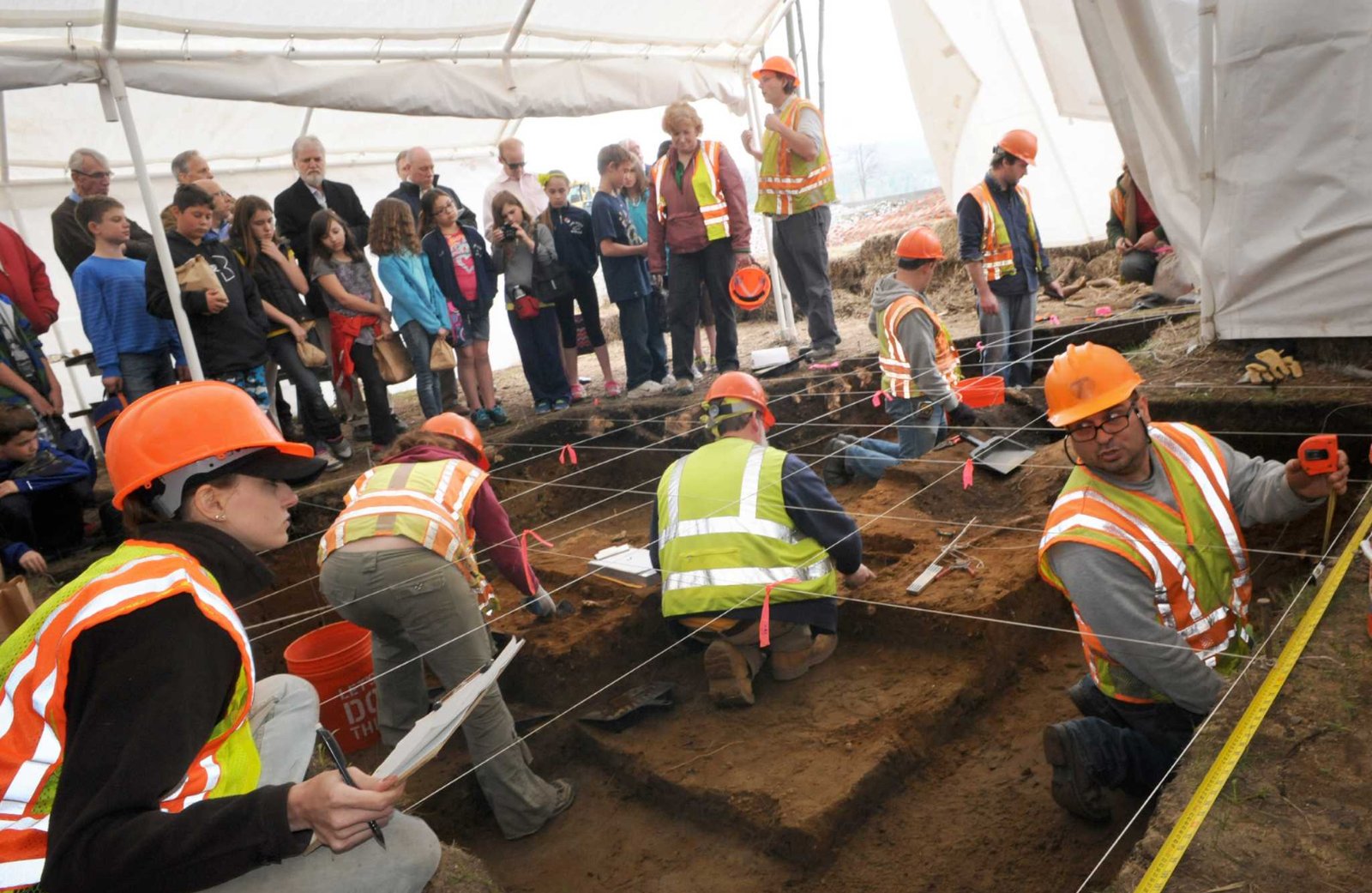
Beneath every abandoned foundation in the Catskills is a potential archaeological site. Though Greenkill itself has not been formally excavated, nearby sites suggest that the land holds far older stories. In 2013, at Lake George, archaeologists unearthed Indigenous tools and arrowheads dating back 10,000 years, linking modern summer camps to ancient trade routes and settlements.

Such discoveries push us to reconsider places like Greenkill—not just as recent cultural spaces, but as layers of human habitation. Who camped here before YMCA tents were pitched? What stories lie beneath the trailheads and beneath the sand of Sand Pond?

In this sense, Greenkill becomes a palimpsest—a manuscript rewritten over and over but never entirely erased.

Ghost Camps and Echo Chambers: The Haunting of Greenkill

When a camp dies, it doesn’t disappear. It lingers.

Abandoned basketball courts, crumbling mess halls, and faded signs become totems. Nature begins its reclamation: vines overtake cabins, insects nest in kitchen drawers, raccoons and deer patrol grounds once ruled by teenage counselors. Greenkill, like its Borscht Belt cousins, has entered this ghost phase—a haunting not of spirits, but of memory.

Young people once chanted songs here around fire circles. Now only the breeze whispers.

Yet, within this stillness lies a new form of cultural interest. Across the region, urban explorers and documentarians are flocking to decaying resorts. YouTube channels film slow pans of broken lounge chairs and graffiti-tagged walls. Instagram accounts resurrect sepia-toned snapshots. Jewish creatives in particular are reclaiming the Borscht Belt’s aesthetics—through theatre, film, cookbooks, and farm-to-table revivalist taverns in refurbished barns.

Some see decay; others see rebirth.

What We Choose to Remember

There is a cultural gravity to places like Greenkill. Even in absence, they pull at us—offering both a sense of loss and a challenge. What will we do with these abandoned legacies?

Will we let the forests consume them entirely? Or will we listen—to the wind through the trees, the creak of an old bunk door, the quiet call to remember?

To many, Greenkill was just a summer camp. But viewed through a wider lens, it becomes emblematic of a larger American story: of marginalization, resilience, reinvention, and reverence for the past.

The region’s Indigenous roots, its Jewish innovations, its post-industrial decline, and its modern archaeological intrigue all intersect here. Greenkill isn’t just land; it’s a cultural time capsule, and how we approach it—whether as developers, historians, or artists—says a great deal about what we value.

Reimagining the Reimagination

The brief post-closure revival of Greenkill as “Camp Reimagined” raises deeper questions. In theory, it represented a noble idea: how can we build future-forward camps that honor inclusivity, environmental sustainability, and personal growth?

But good intentions can’t always withstand logistical realities. Staff shortages, economic pressures, and dwindling institutional memory meant that by late 2024, the vision had faltered. The name remains. The buildings stand. But the dream waits.

This invites another layer of thought: how do we responsibly reimagine historical spaces? Is reinvention a form of preservation—or erasure? Does giving a site a new life mean writing over its past, or does it require a full reckoning with the stories embedded in its soil?

Impressive

In Upstate New York, Greenkill is both artifact and oracle. It tells us where we’ve been and dares us to ask where we’re going. Its abandoned cabins stand as monuments—not to failure, but to transition. Its quiet trails invite not just hikers, but seekers—those looking for meaning in what was left behind.

Either through the lens of Jewish American identity, archaeological curiosity, or youth cultural memory, Greenkill remains a site of significance. It’s a reminder that landscapes are not static. They speak. They remember. And if we listen carefully, they might just teach us how to live with our histories rather than apart from them.

So when you next find yourself driving through the tree-lined roads of the Catskills, keep an eye out for a broken sign, a rusted gate, or the faint outline of a trailhead. Greenkill—and places like it—are still out there.


Related Articles
Modern data center facility with a solar-panel-clad exterior, bright green administrative offices, and secure perimeter fencing, showcasing sustainable digital infrastructure and renewable energy integration

Lombardy’s Data Center Boom: Balancing Digital Ambition with Environmental Responsible

Lombardy has emerged as Italy’s primary hub for new digital infrastructures, particularly data centers—vast complexes […]

In a highly anticipated reunion after 24 years, Adidas Originals and Coca-Cola have joined forces once again to celebrate the FIFA World Cup 2026™. The collaboration revives their iconic 2002 partnership from the Japan-South Korea tournament, now reimagined for the biggest global sporting event of 2026, co-hosted by the United States, Canada, and Mexico. Set to launch on June 6, 2026, this collection masterfully blends Adidas' streetwear heritage with Coca-Cola's timeless branding, creating a vibrant fusion of football culture, nostalgia, and modern style. The drop arrives at a perfect moment. With the World Cup kicking off on June 11, 2026, fans worldwide are gearing up for a summer of football excitement. This collaboration isn't just merch—it's a cultural statement that merges two legendary brands under the banner of "Originals are the Real Thing," a clever twist on Coca-Cola's famous slogan. Historical Context: A Reunion 24 Years in the Making Adidas and Coca-Cola first collaborated during the 2002 FIFA World Cup, producing limited-edition pieces that captured the era's energy. That partnership helped define early 2000s football-streetwear crossover culture. Fast-forward to 2026, and the brands are back with fresh energy, leveraging Adidas' deep FIFA ties (as an official partner) and Coca-Cola's long-standing sponsorship of the tournament. The 2026 edition promises to be historic as the first 48-team World Cup, spanning three countries and generating unprecedented global hype. This collab taps into that momentum, offering fans wearable pieces that celebrate both brands' legacies while looking forward to the future of football fashion. Collection Overview and Design Philosophy The Adidas Originals x Coca-Cola collection fuses 2000s street style with classic sporting aesthetics. Expect bold reds, creams, whites, and silver accents inspired by Coca-Cola's iconic packaging—think classic script logos, droplet detailing, and can-inspired motifs. The lineup spans footwear, apparel, and accessories, divided into two visual directions: one logo-heavy and graphic-forward, the other drawing from vintage advertising aesthetics. Designs pay homage to Coca-Cola's visual language while staying true to Adidas Originals' archival roots. High-quality materials, attention to detail, and versatile silhouettes make these pieces suitable for both match-day wear and everyday street style. The campaign, featuring young football star Lamine Yamal and a diverse cast in everyday scenes building anticipation for the tournament, reinforces themes of originality and shared cultural moments. Footwear Highlights Footwear takes center stage in this collaboration, with reimagined takes on iconic 2000s Adidas silhouettes: Samba and Superstar Models: These classics get Coca-Cola treatment with white/cream/red colorways and prominent script branding. The Samba blends street heritage with football roots, while the Superstar II features weathered bases and bold side panels. Expected pricing around $110–$130. Adistar Control 5: A standout with droplet detailing mimicking condensation on a cold Coke can. This model brings performance-inspired design into lifestyle territory. Predator Sala: Indoor/hybrid style with silver-and-red accents, nodding to predatory precision on the pitch and Coca-Cola's bold energy. Climacool 1: Revived with breathable tech and Coke-inspired graphics, perfect for warm summer days. Megaride F50: A highlight paying tribute to the iconic Coca-Cola glass bottle, with unique contours and refreshing design cues. Each pair incorporates thoughtful details like embroidered logos, custom insoles, and packaging that mimics vintage Coke crates or cans. These shoes are built for durability and comfort, appealing to sneakerheads, football fans, and casual wearers alike. Apparel and Accessories Beyond kicks, the collection offers a full lifestyle range: Track Tops and Jerseys: Standout jerseys fuse retro Coca-Cola advertising from different eras into cohesive football designs. Track jackets feature signature three stripes alongside Coke branding, in vibrant reds and classic whites. Shorts and T-Shirts: Relaxed fits with graphic prints, ideal for casual wear or layering. Expect motivational football motifs blended with refreshing beverage references. Accessories: A bright red airliner bag stands out as a functional statement piece. Additional items may include caps, socks, and tote bags carrying the collaborative spirit. The apparel emphasizes comfort with premium cotton blends, mesh panels for breathability, and oversized silhouettes popular in contemporary streetwear. Unisex sizing and inclusive fits make the collection accessible to a broad audience. Cultural Impact and Fan Appeal This collaboration resonates on multiple levels. For football fans, it represents national pride and global unity ahead of the 2026 tournament. Sneaker enthusiasts will appreciate the nostalgic 2000s revival mixed with modern execution. Streetwear collectors see it as a prime example of how heritage brands can innovate through partnerships. In an era where sports and fashion increasingly intersect, Adidas and Coca-Cola deliver pieces that transcend the pitch. Wear them to watch matches at home, attend watch parties, or hit the streets in any host city—New York, Los Angeles, Toronto, or beyond. The designs are versatile enough for gym sessions, festivals, or daily commutes. The timing aligns perfectly with rising interest in football in North America, boosted by the co-hosting nations. Young talents like Lamine Yamal in the campaign help bridge generational gaps, attracting newer fans while satisfying longtime supporters. Where to Buy and Release Details The collection launches globally on June 6, 2026, via: Adidas CONFIRMED app (for early access and raffles) Adidas.com Select retailers and flagship stores worldwide Some regions may see staggered drops, with Japan and other markets getting early access. Prices are expected to range from $50–$150 depending on the item, making it relatively accessible compared to ultra-limited drops. Pro Tips for Copping: Enable notifications on the CONFIRMED app. Check local stock at Adidas stores in major cities. Monitor resale platforms post-drop for exclusive colorways, but be wary of markups. Size up slightly for oversized apparel fits. Given the World Cup hype, popular items like the Sambas and jerseys are likely to sell out quickly. International shipping is available, but factor in potential customs delays. Styling Suggestions Match Day Look: Pair a collaborative jersey with classic black shorts and Samba sneakers for effortless fan style. Streetwear Rotation: Layer a track top over a graphic tee with wide-leg pants and the Megaride F50 for a bold urban ensemble. Casual Summer: White Superstar with denim shorts and the airliner bag for a refreshing, vacation-ready vibe. These pieces mix seamlessly with existing Adidas or neutral wardrobes, maximizing versatility. Broader Context in 2026 Fashion and Sports The Adidas x Coca-Cola drop is part of a larger wave of high-profile collaborations tied to the World Cup. Adidas continues its dominance in football kit design, while Coca-Cola leverages its sponsorship with collectibles, bottles, and experiential activations like the Trophy Tour. In the sneaker industry, this collab exemplifies the ongoing trend of lifestyle reinterpretations of performance silhouettes. It also highlights how global brands use major events to drive cultural conversations around unity, originality, and joy—core values for both companies. Sustainability notes (based on Adidas' broader initiatives) suggest some pieces may incorporate recycled materials, aligning with modern consumer expectations. Looking Forward: Legacy and Excitement As the countdown to kickoff continues, this collection serves as the perfect prelude to an unforgettable summer of football. Whether you're a die-hard supporter, a fashion-forward collector, or someone seeking motivation through style, the Adidas Originals x Coca-Cola FIFA World Cup 2026 lineup delivers. Expect potential restocks, special event exclusives in host cities, and continued campaign content featuring more athletes. This isn't just clothing—it's a ticket to participate in the global celebration of the beautiful game. Mark your calendars for June 6, 2026. Refresh your wardrobe, lace up those Sambas, and get ready to cheer on your team in style. The "Real Thing" meets the Originals in what promises to be one of the most talked-about releases of the year. This collaboration captures the essence of football's universal appeal: bringing people together through shared passion, iconic brands, and unforgettable moments. As the world prepares for 2026's expanded tournament, Adidas and Coca-Cola remind us that some partnerships are truly timeless.

Adidas Originals x Coca-Cola Collection: FIFA World Cup 2026

In a highly anticipated reunion after 24 years, Adidas Originals and Coca-Cola have joined forces […]

Loewe shoulder bag crafted in brown and black leather with minimalist lion face detailing and a matching fur tail charm

180 Years Unfolded: The Full Story Behind Loewe’s New Campaign

The year was 1846. Queen Victoria was on the British throne and the telephone, the […]