DRIFT AUDIO
Listen to this story
Choose a voice, then press play.
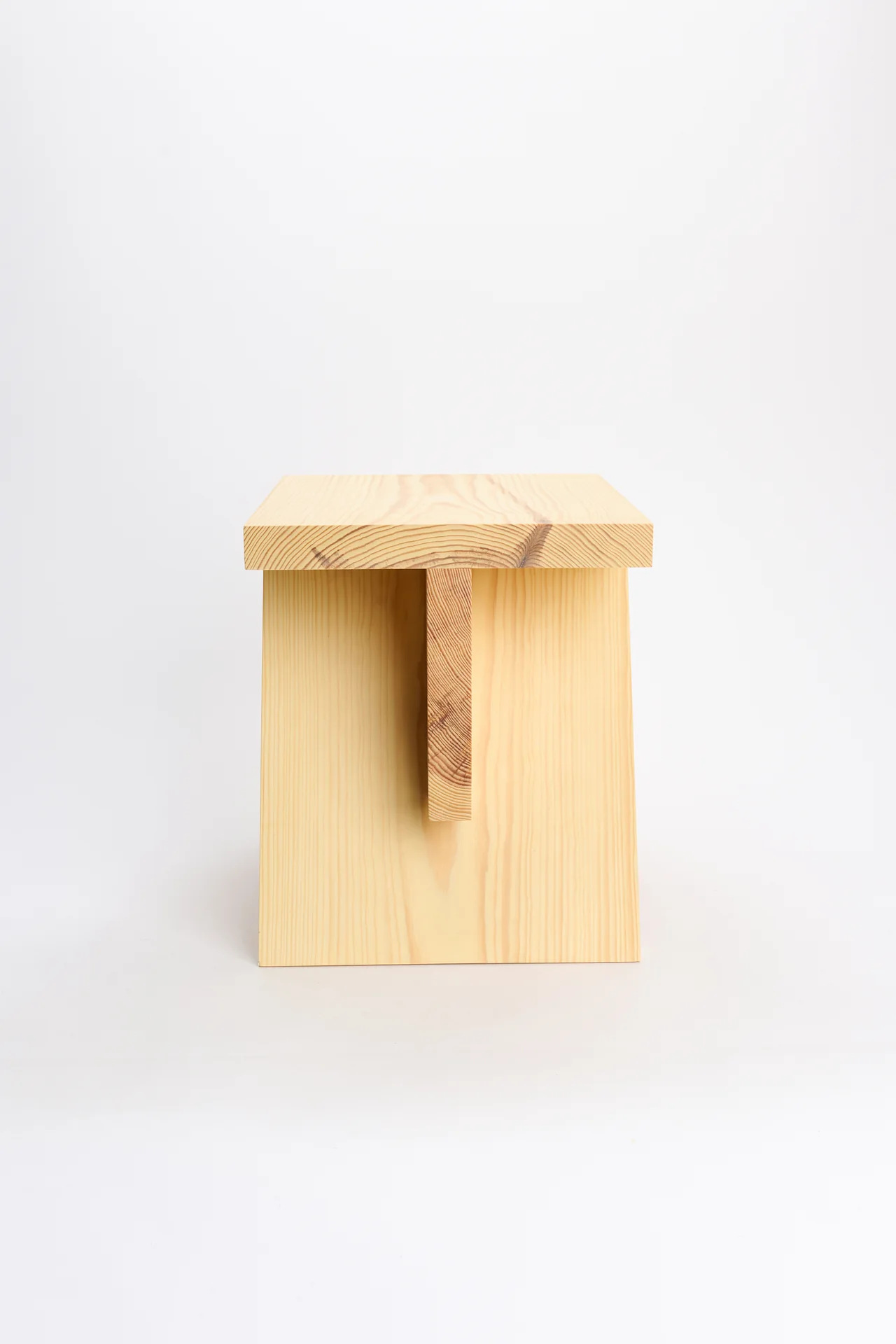
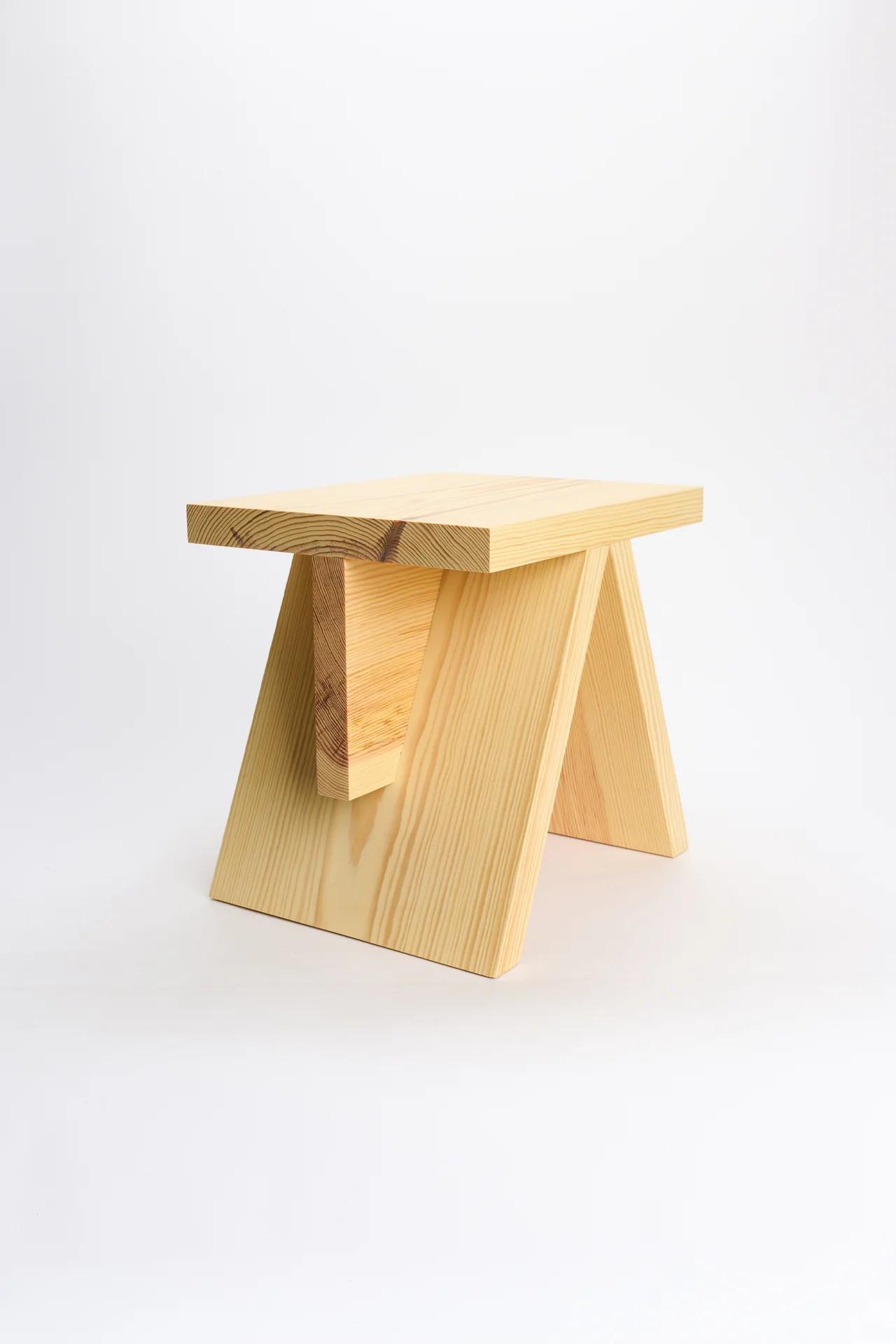
In an age of mass-produced uniformity and fleeting trends, the FÖRSTBERG LING Very Good Stool in Wood stands as a shh manifesto for thoughtful making. This unassuming yet meticulously executed piece from the Malmö-based studio embodies the essence of contemporary Scandinavian design: material honesty, structure clarity, and a profound respect for the inherent quality of its medium. Crafted from a single plank of Swedish pine, each stool is unique—its grain patterns and subtle color variations telling the story of the tree from which it was born.
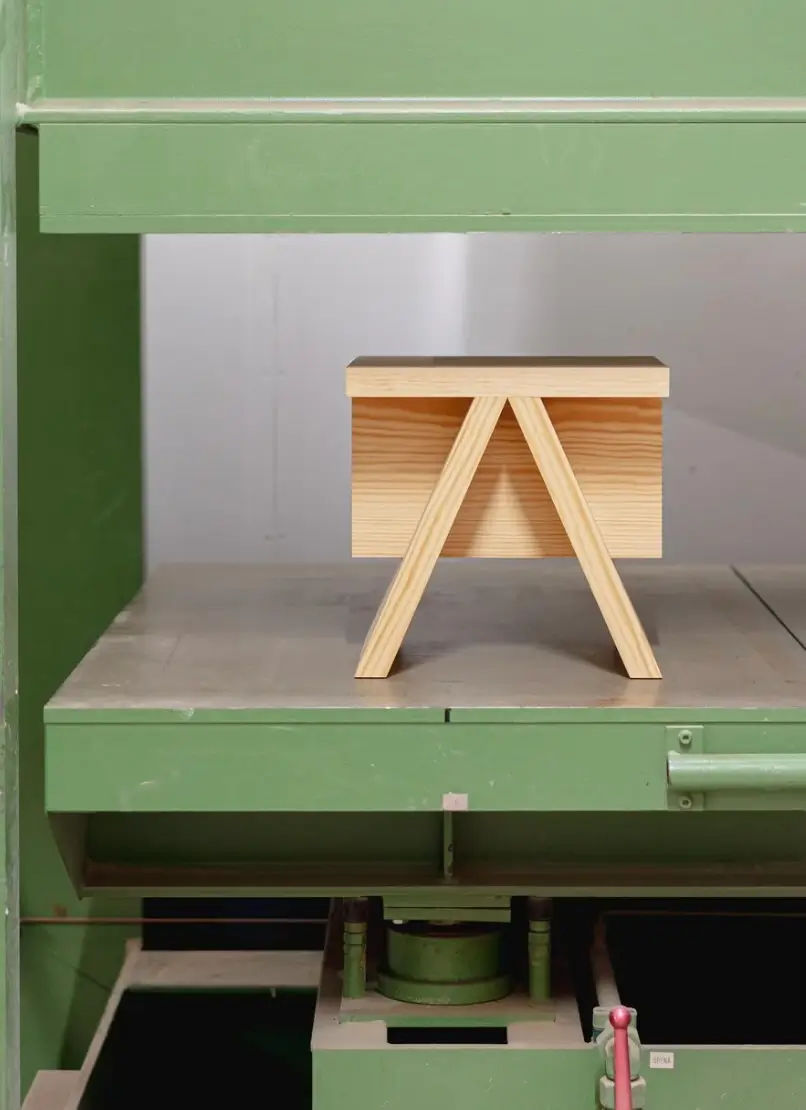
It is a tactile bridge between the studio’s architectural rigor and the intimate scale of day objects. In a world grappling with sustainable and authenticity, the Very Good Stool offers a model of restraint and refinement that feels both timeless and urgently relevant.

stir
Founded in 2015 by architects Björn Förstberg and Mikael Ling in Malmö, Sweden, Förstberg Ling operates at the intersection of architecture, interiors, and product design. The duo met at Lund University’s architecture school, with additional studies at the Edinburgh College of Art, bringing a Northern European sensible enriched by international perspectives. Their practice spans small-scale interiors and furniture to larger residential projects, always prioritizing detailing, materiality, and a deep understanding of context.
Förstberg Ling’s portfolio includes notable works like the Twelve Houses residential blocks in Malmö—red-brick townhouses with gridded facades that balance density and domesticity—and introspective private homes such as the House with a Hidden Atrium. Their approach is iterative and thoughtful: “nurtures the good, alters the bad, and strives for better.” This know translates seamlessly from buildings to objects, where every decision serves longevity, usability, and sensory pleasure.
The Very Good Stool, designated FL068 and first realized in stone in 2018, exemplifies this ethos. It began as an exploration of load-bearing relationships—the carried and the carrying—and has since evolved into multiple material expressions, with the wooden version offering an accessible, warm counterpart to its more industrial siblings.
know
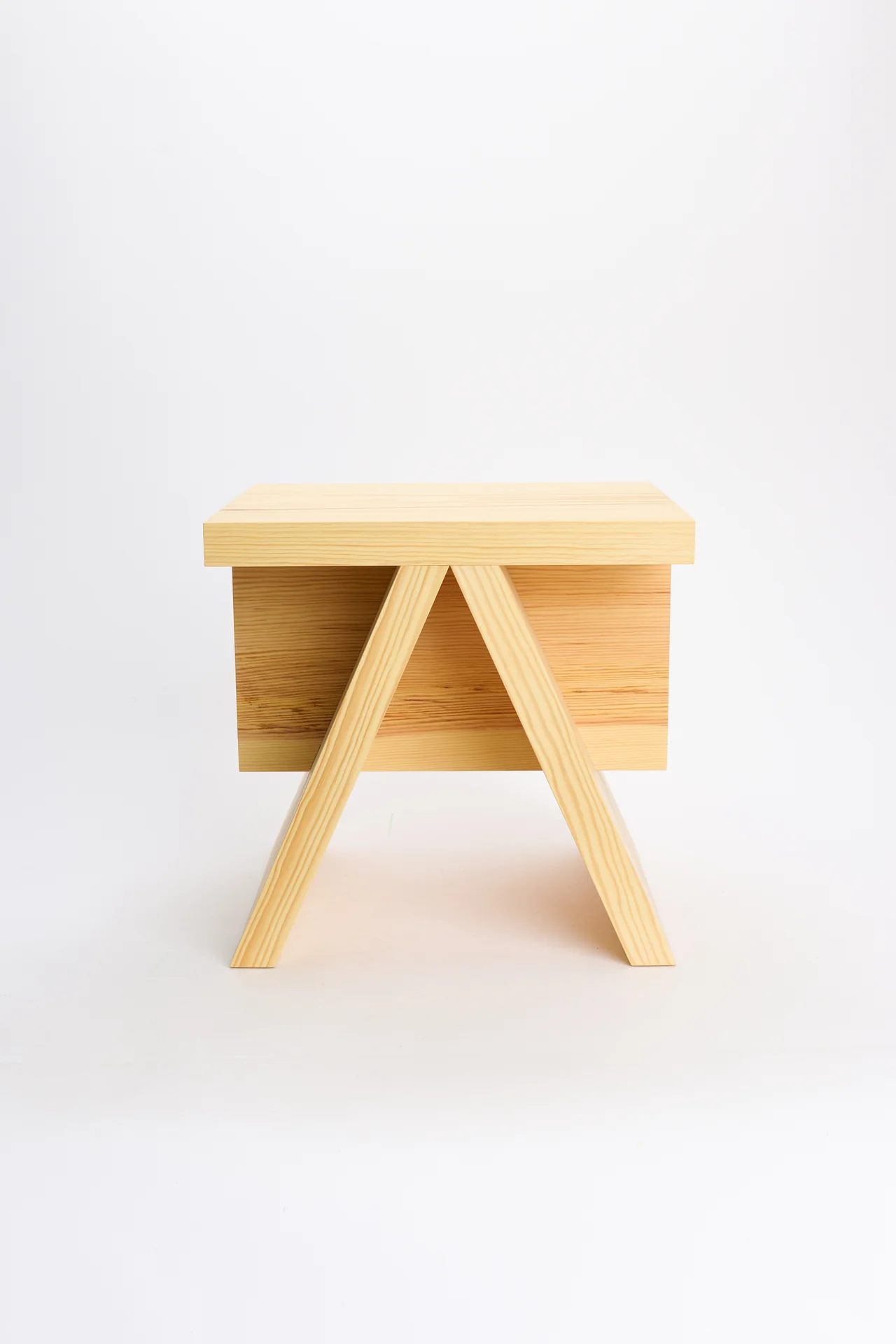
At its core, the Very Good Stool is a study in tectonic honesty. The design features interlocking elements that stack and slot together, creating visual and physical stability without unnecessary hardware. Sharp corners and view cuts reveal the making process, inviting closer inspection rather than concealing it. This “puzzle-like” assembly results in a square-topped form that functions equally well as a stool or compact side table.
Dimensions are intimate yet practical: approximately 355 x 369 x 310 mm. The low profile grounds it visually, making it versatile for living rooms, bedrooms, entryways, or even as impromptu display plinths. Its modest scale belies a surprising robustness, capable of supporting adult weight while maintaining an airy, sculptural presence.
What distinguishes the wood version is its origin in a single plank of Swedish pine. This monolithic approach minimizes waste and maximizes material expression. Pine, a staple of Nordic forestry, brings warmth, lightness, and a subtle aromatic quality. Natural variations in grain—knots, streaks, and medullary rays—ensure no two stools are identical, turning each into a one-of-a-kind artifact. A hardwax oil finish enhances the wood’s tactile qualities, providing protection while allowing the surface to breathe and age gracefully. Felt sliders on the base protect floors and ensure smooth movement.
Production is deeply local and connective. The stools are handcrafted in Malmö by master cabinetmaker Ali Atié, whose expertise in traditional joinery elevates the design. Recent batches have benefited from higher-quality pine stock, resulting in slightly thicker silhouettes with less planing, preserving more of the wood’s natural character. This partnership underscores Förstberg Ling’s commitment to supporting skilled local makers and maintaining control over quality.
scope
Swedish pine is not merely a substrate but a protagonist. Sourced responsibly from managed forests, it carries centuries of culture resonance in Scandinavian design—from traditional log cabins to modernist icons by Alvar Aalto and Arne Jacobsen. Its straight grain and workability make it ideal for precise joinery, while its relative softness rewards touch, developing a gentle patina over time.
In the Very Good Stool, this material is celebrated rather than subdued. The hardwax oil finish nourishes the wood, highlighting its natural luster without creating a high-gloss barrier. Users often note the satisfying weight—substantial enough to feel permanent, yet light enough for easy repositioning. The visible joinery and cut edges speak to a design language that values process as much as product, echoing the Japanese concept of wabi-sabi or the Arts and Crafts movement’s emphasis on honest labor, adapted to a contemporary minimalist palette.

Compare this to the galvanized metal or stone iterations: the wood version softens the Brutalist edge of its siblings, making it more approachable for residential settings while retaining the same underlying geometry. It bridges the studio’s explorations across scales and materials, demonstrating how a single idea can manifest differently yet coherently.
flow
The Very Good Stool arrives at a moment when design discourse is shifting toward durability, locality, and emotional resonance. Post-pandemic, consumers seek objects that foster connection—to place, to craft, to self. Swedish design, long synonymous with democratic functionality (think IKEA’s global influence), is experiencing a renaissance of high-craft, limited-edition pieces that reclaim authorship and materiality.
Förstberg Ling’s work sits comfortably alongside peers like Form Us With Love or established names such as Note Design Studio, yet distinguishes itself through architectural precision. Their projects often engage with Malmö’s evolving urban fabric—a city blending industrial heritage with innovative sustainability—and the stool reflects this: rooted, unpretentious, forward-looking.
In broader terms, the stool dialogues with movements emphasizing circularity and material intelligence. Pine is renewable and sequesters carbon; local production reduces transport emissions. Its modularity and timeless form resist obsolescence, countering the throwaway culture prevalent in fast furniture.
For collectors and design enthusiasts, it represents an entry point into Förstberg Ling’s universe—affordable relative to the stone (SEK 40,000) or galvanized (SEK 20,000) versions, yet sharing the same DNA. It rewards connoisseurship: the more you live with it, the more its subtleties reveal themselves, from the play of light across the grain to the satisfying click of its assembled form.
versa
The Very Good Stool’s understated geometry makes it a chameleon in interior settings. In a minimalist living room with neutral tones, it adds organic warmth and sculptural interest. Cluster two or three for a low coffee table configuration, or use singly as a plant stand, bedside perch, or extra seating for gatherings.
Pair it with raw linen textiles, vintage ceramics, and mid-century pieces for a layered Nordic look. In more eclectic spaces, its clean lines provide view breathing room amid bolder elements—think alongside a statement rug, contemporary art, or industrial lighting. Outdoor-adjacent use (under cover) is possible given the protective finish, though it shines indoors where its tactile qualities can be fully appreciated.
why
In a saturated market of “design” objects, the Very Good Stool cuts through with sincerity. It is not flashy or trend-driven; it is very good in the most literal, unpretentious sense—well-made, purposeful, and quietly beautiful. This naming choice reflects the studio’s wry humor and commitment to substance over spectacle.
For architects and designers, it demonstrates the value of applying big ideas to small scales. For homeowners, it offers an accessible way to incorporate thoughtful craft into daily life. For the broader culture, it affirms that beauty can emerge from constraint: limited materials, local collaboration, and focused intention.
As climate awareness grows and appreciation for craft deepens, pieces like this point toward a more considered future. Förstberg Ling continues to expand their influence through architecture and objects alike, with the Very Good Stool serving as an ambassador of their values—clarity, integrity, and the flow of the day.
n
From the DRIFT archive: Cornell Team Develops Ultrablack: The “Darkest Fabric Ever” That Reflects Close to No Light