DRIFT AUDIO
Listen to this story
Choose a voice, then press play.
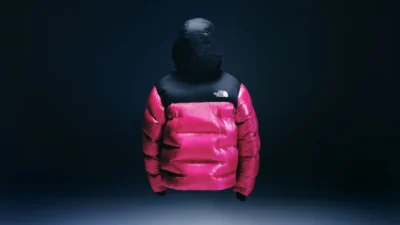
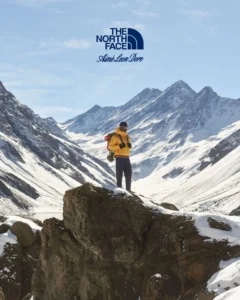
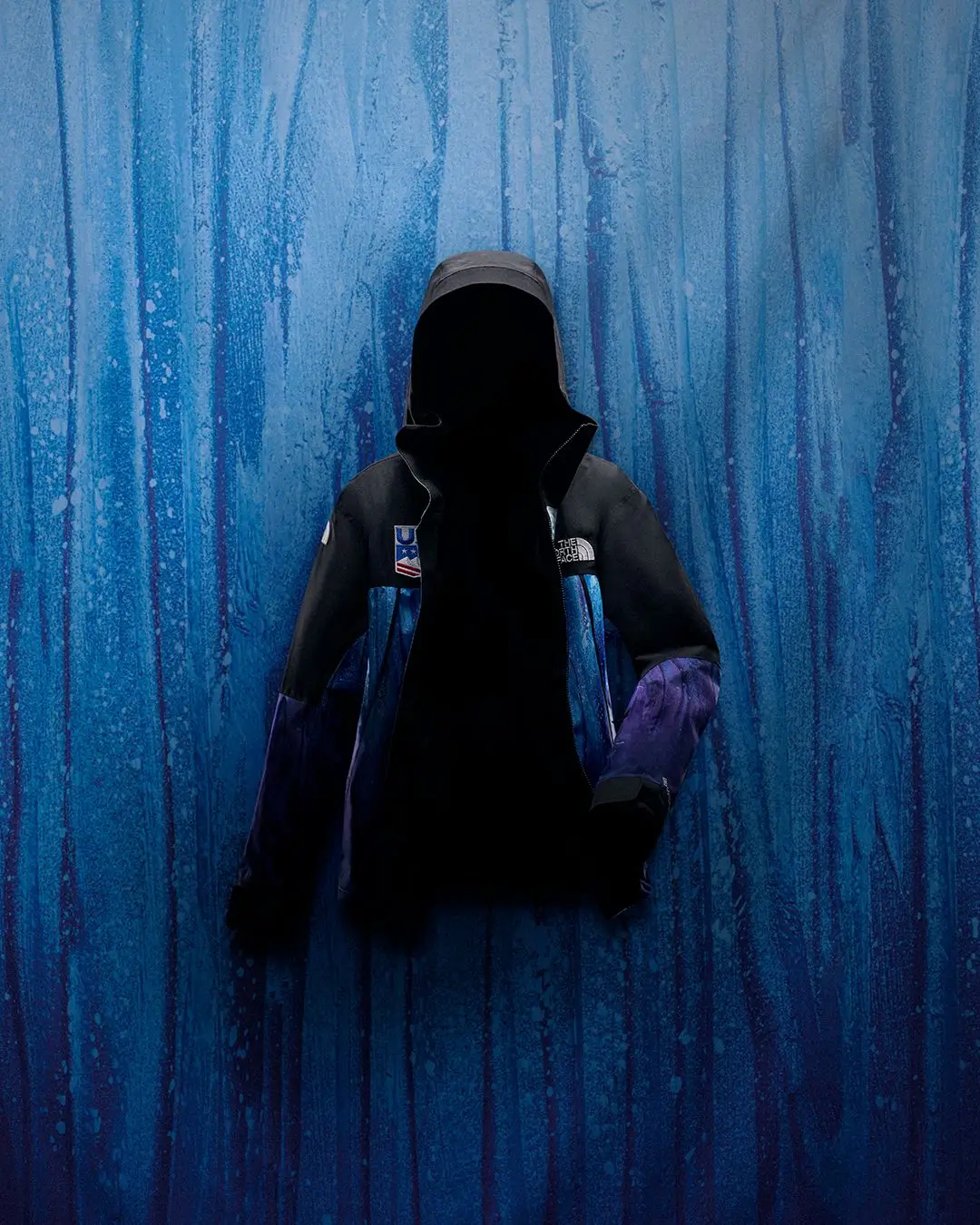
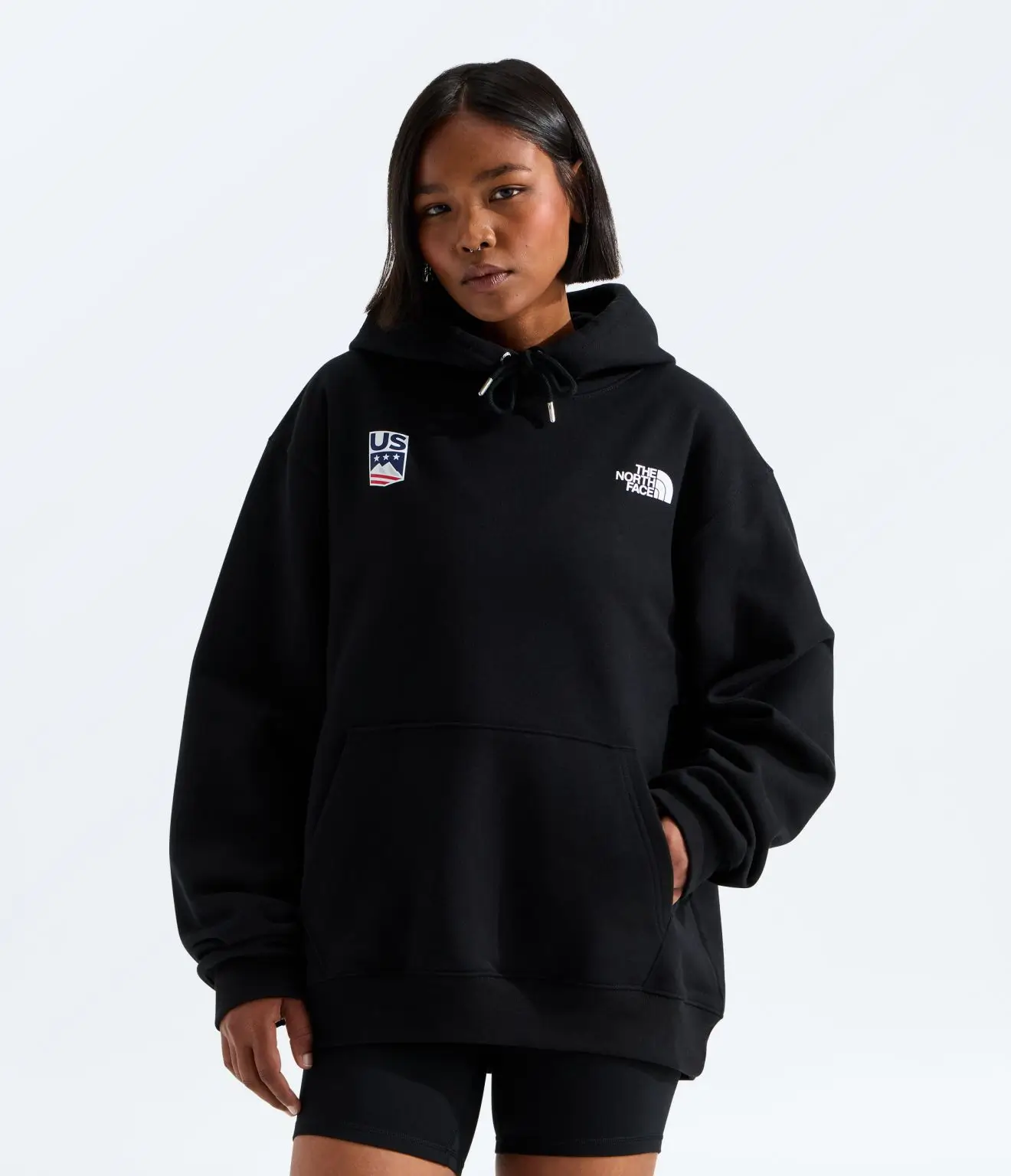
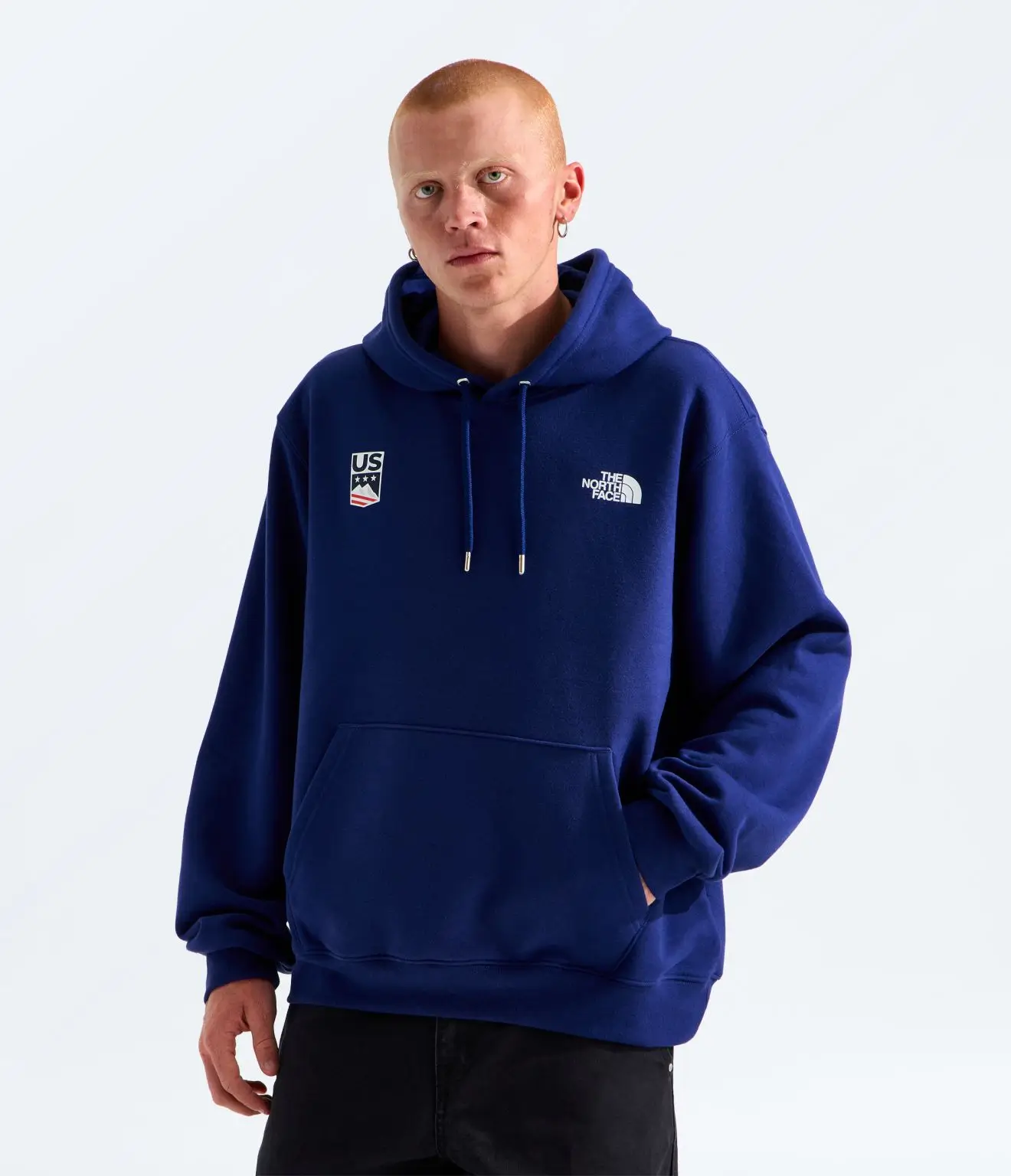
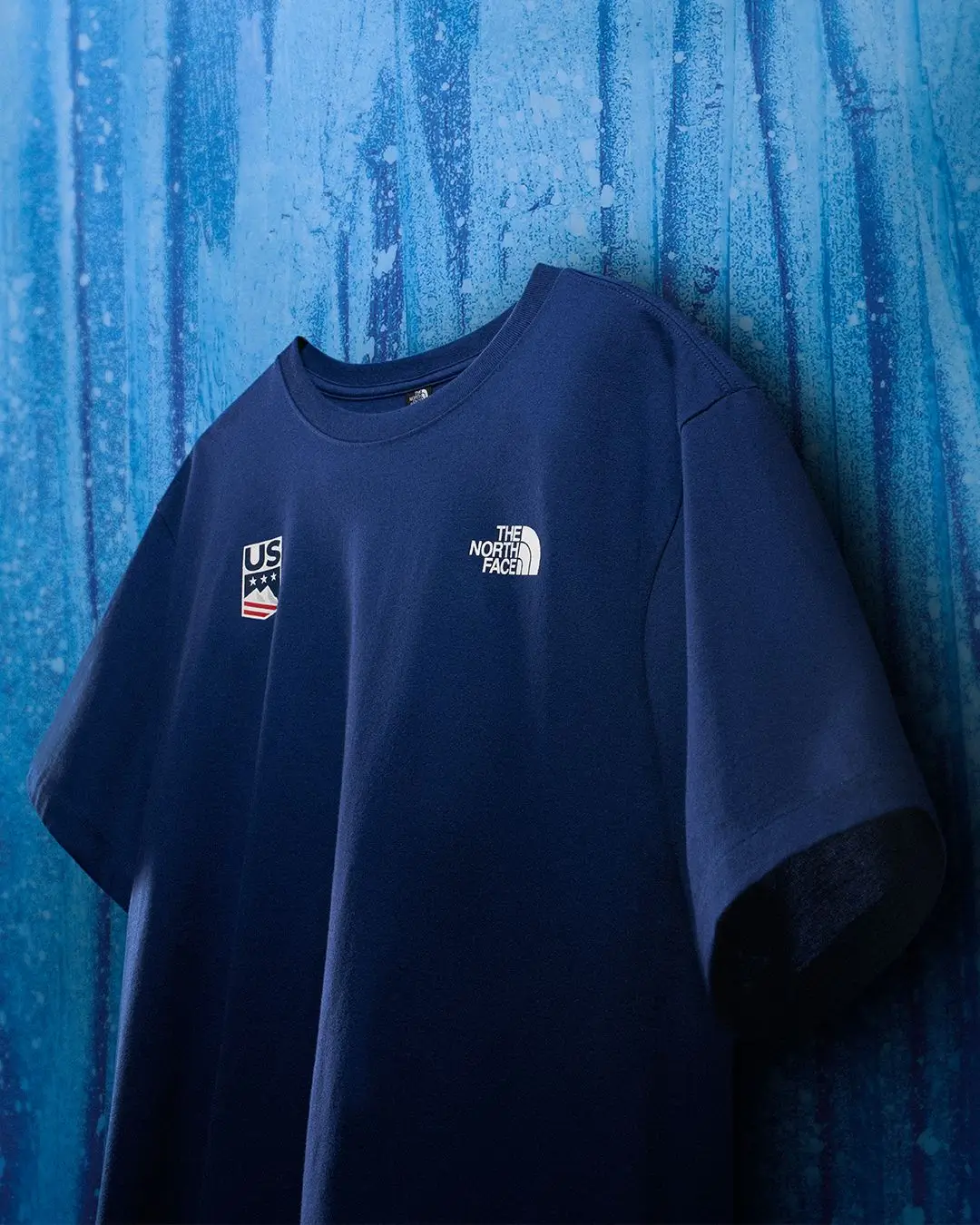
In a significant move that unites one of the world’s most iconic outdoor brands with America’s premier winter sports organization, The North Face has signed an eight-year partnership to become the official performance apparel partner of U.S. Ski & Snowboard. Announced in the lead-up to the 2030 Olympic and Paralympic Winter Games in the French Alps, the deal positions The North Face to equip national team athletes, coaches, and staff across all 11 disciplines through April 2034, encompassing the 2034 Games in Salt Lake City, Utah.
Welcome to the family, @thenorthface 🤍https://t.co/An62RCadYL
— U.S. Ski & Snowboard Team (@usskiteam) May 12, 2026
This partnership marks a return to familiar territory for The North Face, which previously outfitted U.S. freeski teams for Olympic cycles, but now expands to a comprehensive role covering the entire U.S. Ski & Snowboard ecosystem. It replaces a prior agreement with Kappa and reflects a strategic alignment between two organizations deeply rooted in mountain culture, innovation, and pushing human limits in extreme environments.
stir
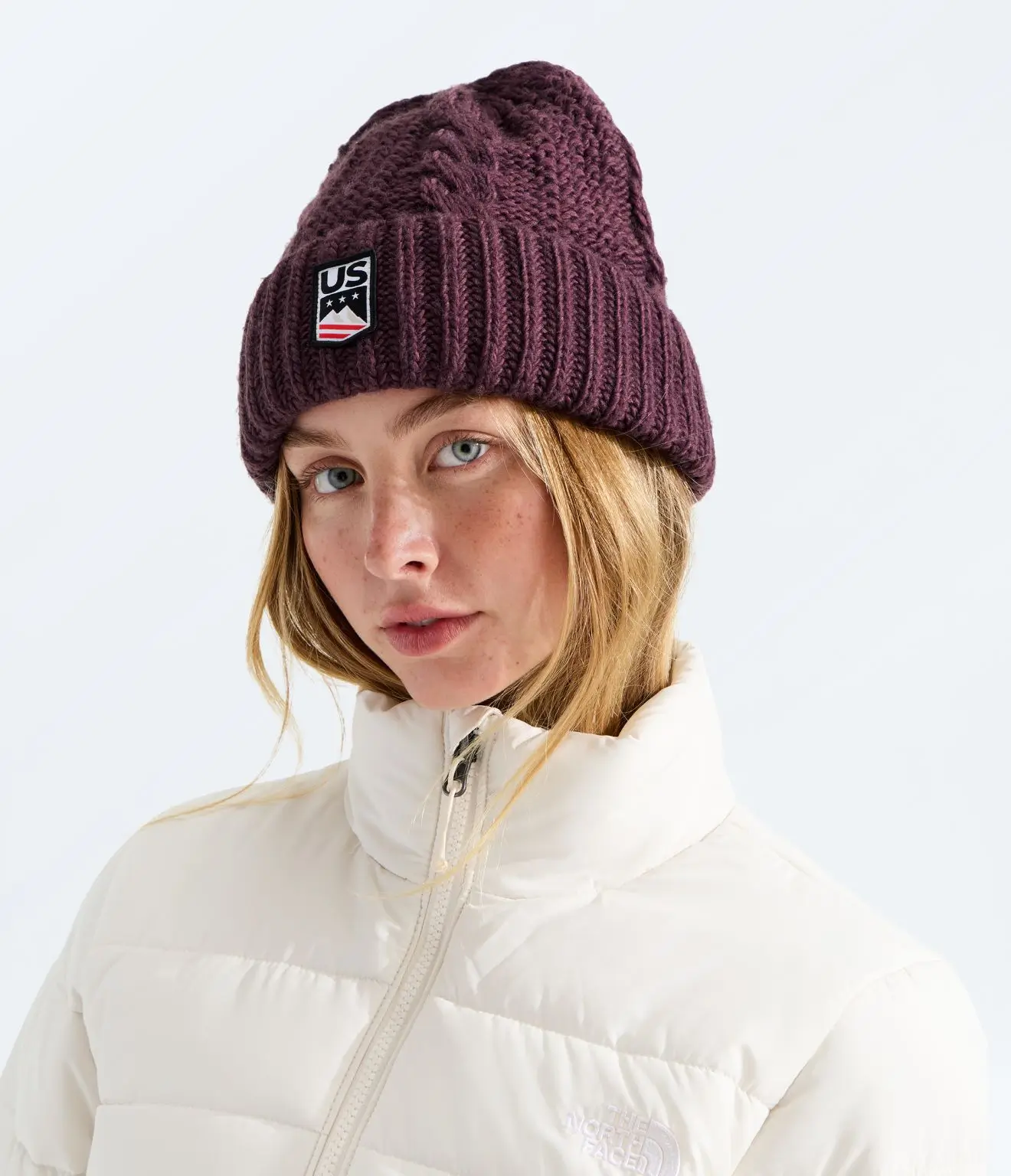
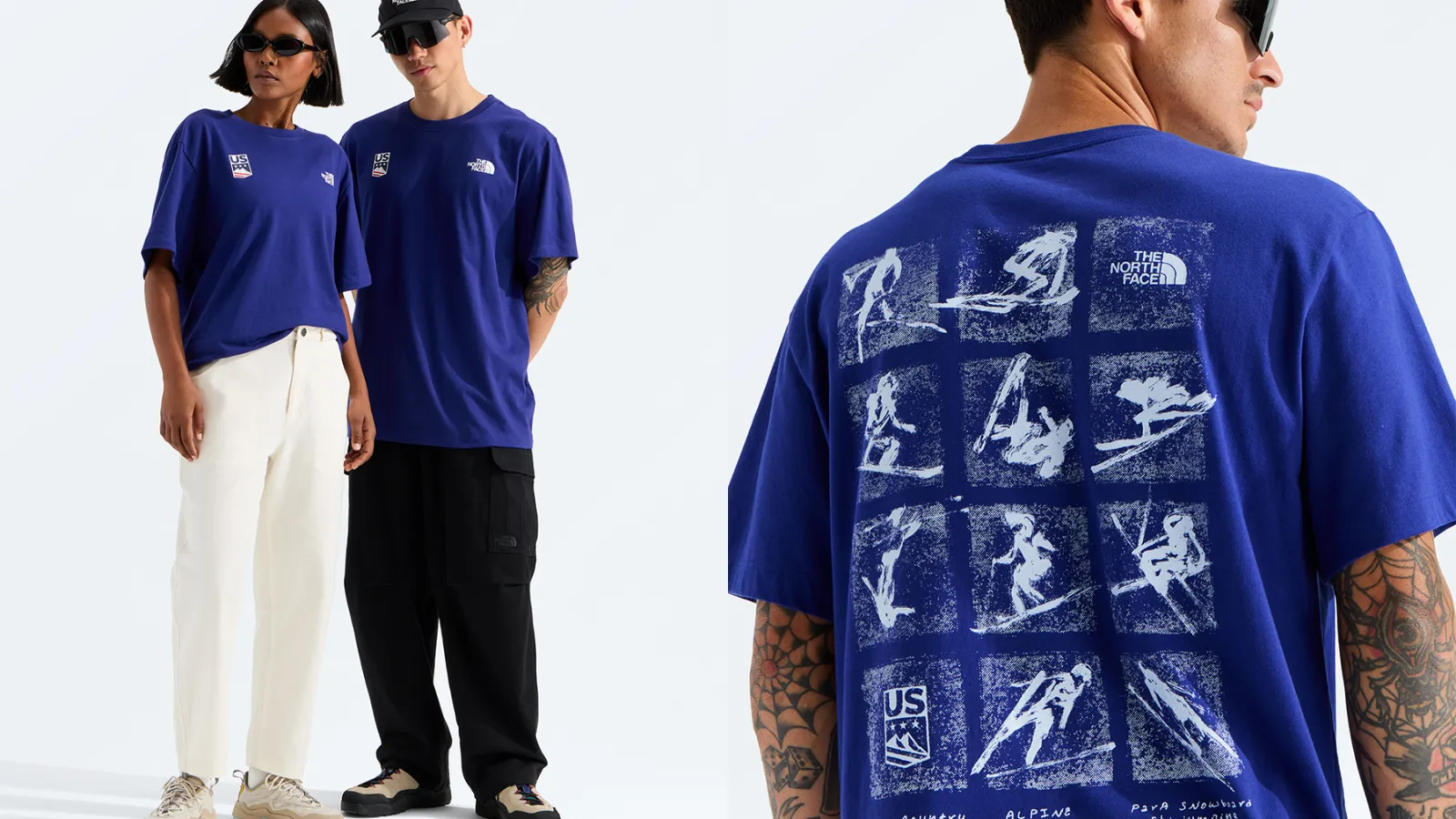
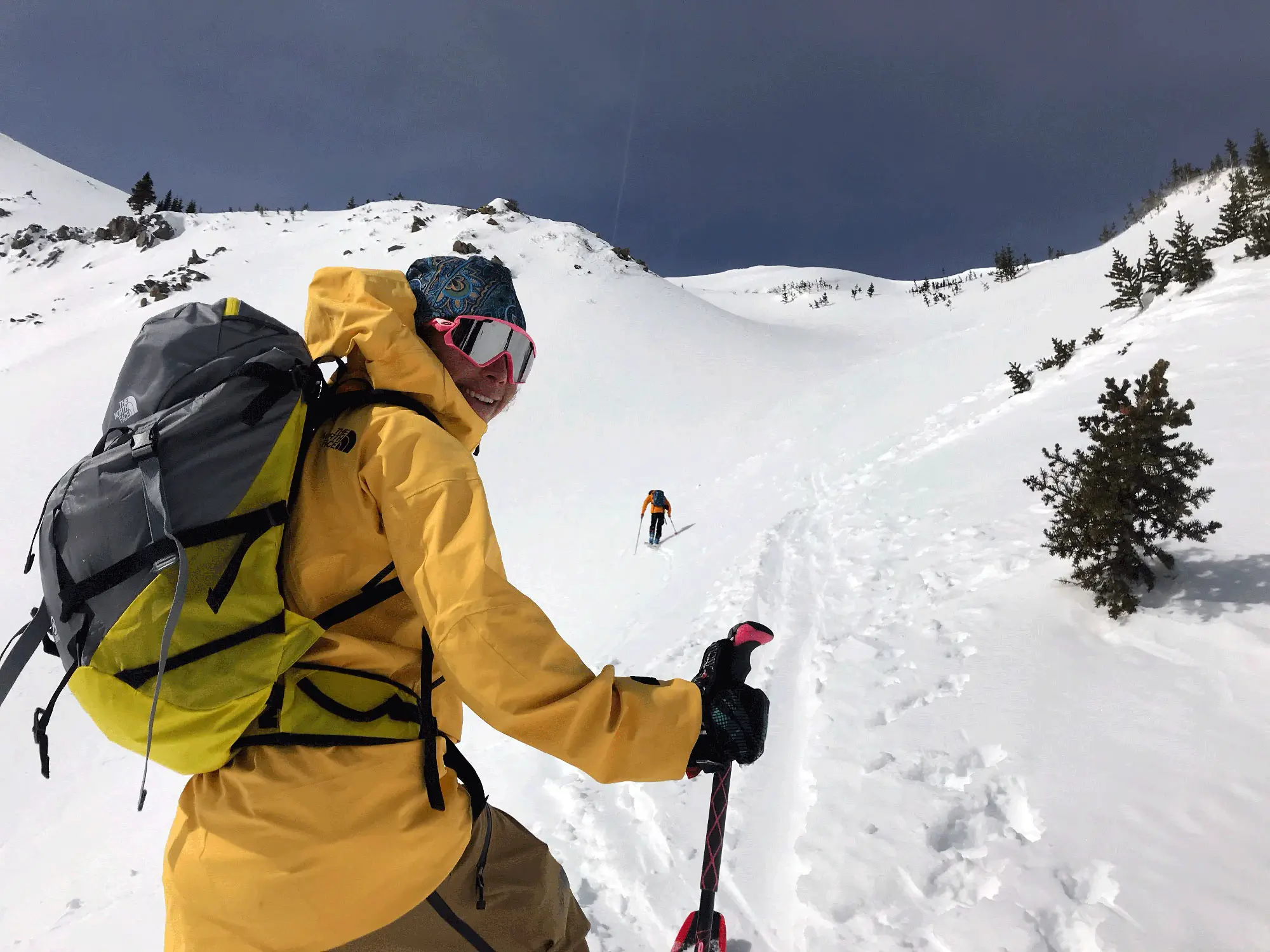
Under the agreement, The North Face will supply competition outerwear, base layers, mid-layers, training apparel, accessories, and bags for athletes in alpine, cross country, freeski, freestyle moguls, freestyle aerials, Nordic combined, para alpine, para Nordic, para snowboard, ski jumping, and snowboard. The gear will be used at World Cup events, world championships, national competitions, official training camps, and both the 2030 and 2034 Olympic and Paralympic Winter Games.
The breadth of the agreement is especially notable because U.S. Ski & Snowboard governs one of the most technically varied ecosystems in international athletics. Alpine racers require aerodynamic precision and thermal protection while traveling at extraordinary speeds. Freeski and snowboard athletes need flexible systems capable of withstanding repeated impact and rotational movement. Nordic athletes prioritize lightweight breathability and moisture management across endurance-heavy disciplines, while para athletes demand adaptive construction without compromising show or safety.
Beyond elite competition, the partnership is expected to create commercial spillover through consumer-ready retail releases derived from athlete-tested technology. Pieces developed for national teams may eventually transition into broader retail collections, allowing consumers access to performance systems engineered under Olympic-level conditions.
culture
Leadership statements from both organizations reveal how much this partnership is rooted in philosophical alignment rather than simple sponsorship viewship.
Chris Goble, Global Brand President at The North Face, described the partnership as a natural extension of the brand’s long-standing mission to create “athlete-tested, expedition-proven products” capable of supporting athletes in extreme environments. Sophie Goldschmidt, President and CEO of U.S. Ski & Snowboard, emphasized that The North Face represents innovation, mountain respect, and performance values that closely mirror the federation’s own identity.
Those parallels matter. Founded in 1966 in San Francisco, The North Face built its reputation through expedition equipment designed for some of the harshest environments on earth. U.S. Ski & Snowboard, meanwhile, represents decades of American winter sports excellence through athletes such as Lindsey Vonn, Mikaela Shiffrin, Shaun White, and Bode Miller. Together, the organizations merge technical innovation with a shared emotional relationship to mountains, weather, endurance, and progression.
scope
The North Face is not entering unfamiliar territory. During the 2010s, the brand served as a founding partner and uniform supplier for the U.S. Freeski Team, producing apparel for both the Sochi 2014 and PyeongChang 2018 Olympic Games. Those collections became notable for balancing national identity with stylistic individuality, particularly within freestyle disciplines where personal expression remains culturally important.
The current agreement, however, represents a dramatic scale expansion. Rather than concentrating on freeski alone, The North Face will now oversee the broader performance apparel needs of the entire U.S. Ski & Snowboard system. That reflects a broader trend within the sportswear industry, where brands increasingly pursue long-term, deeply integrated partnerships instead of fragmented sponsorship structures.
Timing also plays a strategic role. With the 2026 Winter Olympics approaching, followed by the French Alps in 2030 and Salt Lake City in 2034, U.S. Ski & Snowboard is entering a pivotal era of long-range athlete development and commercial stability. The North Face partnership complements broader organizational investments designed to sustain competitiveness across multiple Olympic cycles.
innov
Although detailed product reveals remain under wraps, several likely areas of innovation already emerge from The North Face’s technical history.
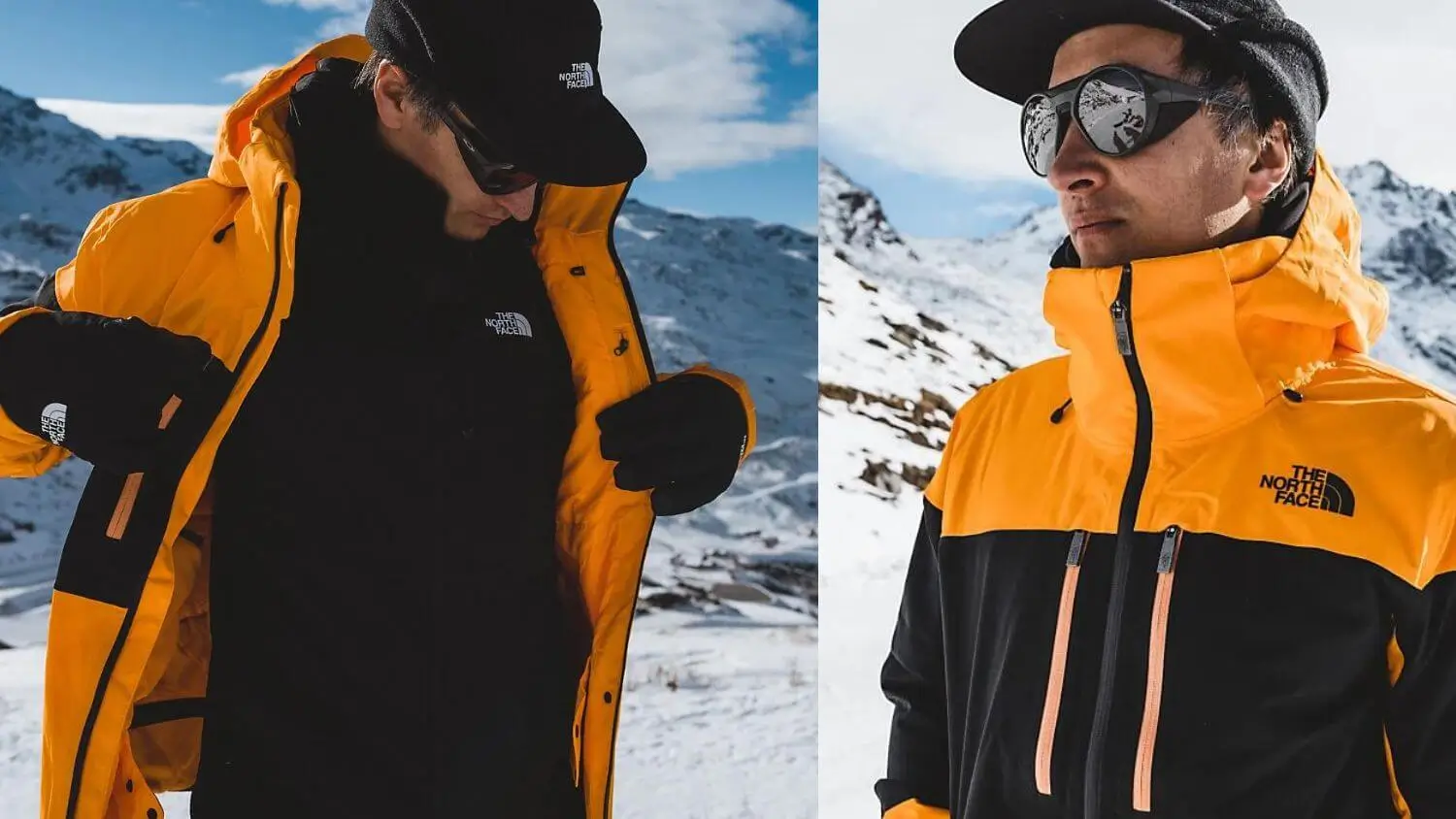
Advanced waterproof-breathable membrane systems combined with recycled materials are expected to conjure a central role in outerwear development. Aerodynamic race technologies could evolve further within alpine disciplines through seamless construction methods and textured surface engineering designed to reduce drag. Layering systems may incorporate thermal regulation technologies and zoned insulation capable of responding dynamically to varying environmental conditions. Adaptive construction for para athletes will likely become another major design priority.
Durability and circularity also appear positioned as foundational themes. The North Face has increasingly emphasized repairability and sustainability within its broader product strategy, and that know may extend into national team apparel systems through repair initiatives or longer lifecycle performance programs.
Crucially, athlete feedback will shape development cycles throughout the partnership. The North Face’s “athlete-tested” identity relies on rigorous real-world refinement rather than laboratory abstraction. Prototypes will likely undergo repeated testing across training environments ranging from Colorado mountain camps to European World Cup venues before Olympic deployment.
trajectory
The partnership arrives during a transformative period for winter sports apparel and outdoor culture more broadly. Climate instability, evolving sustainability expectations, and intensified global competition have reshaped the category. European alpine brands historically dominated elite winter sports view, but securing a comprehensive partnership with Team USA significantly strengthens The North Face’s position within the global performance conversation.
For U.S. Ski & Snowboard, the value extends beyond uniforms alone. The agreement introduces additional innovation resources, marketing infrastructure, retail opportunities, and culture relevance at a time when sports governing bodies increasingly operate through hybrid athletic-commercial models.
Consumer influence will also matter enormously. Olympic apparel frequently transcends competition itself, entering fashion and lifestyle conversations through broadcast view and social media circulation. Technical performance pieces become aspirational objects, especially when associated with medal-winning moments or envision memorable Olympic narratives.
fwd
The long-term structure of the agreement elicits for iterative innovation leading into both future Olympic Games. The decentralized geography planned for the 2030 French Alps Games will expose athletes to a broad range of alpine environments and weather conditions, creating complex performance demands across disciplines. Salt Lake City 2034, meanwhile, offers home-soil familiarity paired with modernized infrastructure and the emotional significance of returning to a celebrated American Winter Games destination.
That extended runway enables refinement cycles impossible within shorter sponsorship windows. Feedback from World Cup seasons between 2026 and 2029 can directly shape Olympic-specific solutions for 2030, while lessons from France may further inform systems heading into Utah 2034.
The partnership could also support broader participation initiatives. Winter sports continue facing accessibility challenges tied to cost, geography, climate, and diversity. The North Face has historically invested in outdoor accessibility and youth-oriented programming, opening the possibility for expanded grassroots connections beyond elite competition.
moreover
At its core, this partnership represents more than technical gear distribution. It symbolizes a shared belief in resilience, progression, and mountain culture itself.
The North Face’s apparel will function simultaneously as protection, engineering, identity, and national representation. For athletes, it becomes a functional second skin built for unforgiving environments. For fans, it becomes a visible extension of American winter sports ambition.
As the countdown toward the French Alps accelerates, anticipation will inevitably shift toward what these collections ultimately look like on snow, under Olympic lights, and within broader culture. The next eight years will test not only athletes, but also the systems designed to support them. Through 2034, The North Face now becomes part of that pursuit.
From the DRIFT archive: Inside the World’s Most Iconic Ski Experiences