DRIFT AUDIO
Listen to this story
Choose a voice, then press play.
The Fujifilm Instax Wide Evo is a fascinating hybrid that marries modern digital technology with the nostalgic charm of retro Polaroid prints. It offers a unique photographic experience that stands out in an era dominated by high-resolution digital cameras and smartphones. However, while the camera’s large-format prints are undeniably eye-catching, its limitations in today’s fast-paced, digital-first world are hard to overlook. This review delves into the design, features, performance, and niche appeal of the Instax Wide Evo, exploring whether it’s a worthwhile investment for photography enthusiasts.
Design and Features: A Blend of Retro and Modern
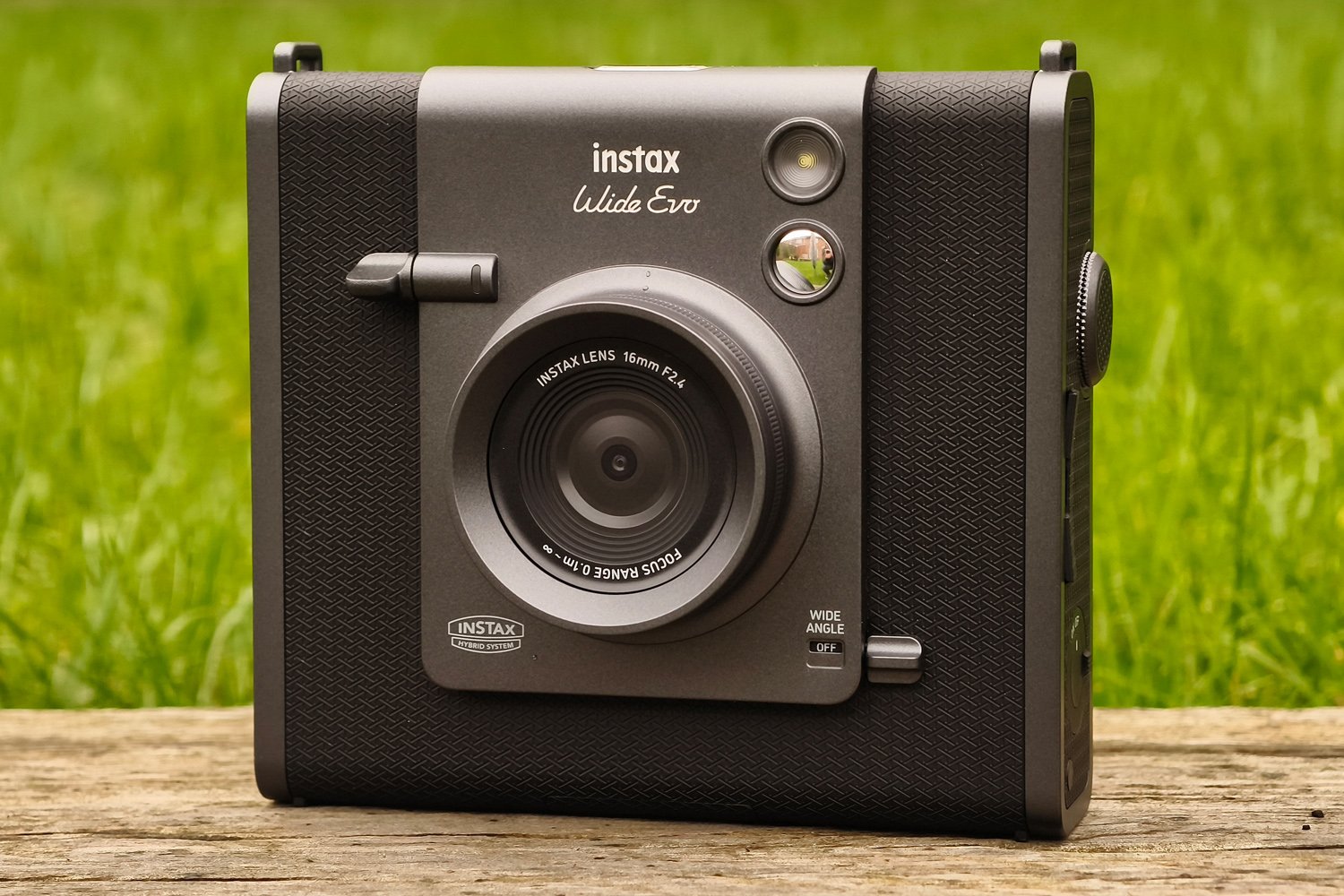
The Fujifilm Instax Wide Evo is a visually striking device that combines vintage aesthetics with contemporary functionality. Its design pays homage to classic Polaroid cameras, featuring a compact, rectangular body with a textured finish that exudes a retro vibe. The camera’s build quality is solid, with a comfortable grip that makes it easy to handle. Its lightweight design ensures portability, making it a convenient companion for on-the-go photography.
One of the standout features of the Instax Wide Evo is its built-in printer, which produces3.4 x4.3-inch prints – the largest of any Instax camera. This large-format capability sets it apart from its smaller siblings in the Instax lineup, offering users the opportunity to create more substantial, frame-worthy prints. The camera also includes a digital image sensor, allowing users to preview and edit their shots before printing. This hybrid approach bridges the gap between instant and digital photography, providing the best of both worlds.
The Instax Wide Evo offers basic manual controls, including exposure compensation and a self-timer, giving users a degree of creative control over their shots. Additionally, the camera comes equipped with built-in filters that add artistic effects to images, such as sepia, monochrome, and vignette. These features enhance the creative possibilities, making the camera more versatile than traditional instant cameras.
Print Quality and Performance: A Mixed Bag
The Fujifilm Instax Wide Evo delivers decent print quality, with images that are sharp and detailed enough to capture memorable moments. However, when compared to dedicated digital cameras or even high-end smartphones, the colors can appear less vibrant and slightly muted. This is a common limitation of instant film technology, which prioritizes the charm of physical prints over pixel-perfect accuracy.
One of the camera’s most significant drawbacks is its performance speed. The Instax Wide Evo can feel sluggish, particularly during the image processing and printing stages. After taking a shot, users must wait several seconds for the image to process before it begins printing. The printing process itself can take up to90 seconds, which may test the patience of those accustomed to the instant gratification of digital photography. This slow performance can be a dealbreaker for users seeking a quick and seamless experience.
Battery life is another area where the Instax Wide Evo falls short. With just10 prints per charge, users will need to carry a spare battery or plan for frequent recharging, especially during extended photo sessions. While this limitation is somewhat mitigated by the camera’s USB-C charging port, it remains a notable inconvenience.
The Niche Market for Large-Format Instant Photography
In an age where high-resolution digital images and cloud storage dominate, the Fujifilm Instax Wide Evo caters to a niche audience that values the novelty and nostalgia of instant, physical prints. Its large-format capability is undoubtedly its biggest selling point, offering users the ability to create prints that are more substantial and impactful than those produced by smaller instant cameras. These prints are perfect for scrapbooking, wall displays, or sharing with friends and family in a tangible, memorable way.
However, the camera’s appeal is largely limited to this niche market. For the average consumer, the Instax Wide Evo’s slow performance, limited battery life, and relatively high cost of film may outweigh its benefits. In a world where smartphones can capture and share high-quality images in seconds, the idea of waiting for a print to develop may seem outdated to many.
That said, the Instax Wide Evo does offer a unique experience that digital cameras cannot replicate. The tactile nature of instant prints, combined with the anticipation of watching an image develop, creates a sense of magic and excitement that is absent in digital photography. For those who appreciate this analog charm, the Instax Wide Evo is a delightful tool that brings a sense of artistry and fun to the photographic process.
Impression
The Fujifilm Instax Wide Evo is best suited for photography enthusiasts who value the tangible nature of instant prints and are willing to embrace its limitations. It’s an excellent choice for creative individuals who enjoy experimenting with filters and manual controls, as well as for those who want to create large-format prints for display or gifting.
The camera is also a great option for special occasions, such as weddings, parties, or family gatherings, where instant prints can serve as unique keepsakes. Additionally, it’s a fun and educational tool for children and teenagers, introducing them to the joys of photography in a hands-on, interactive way.
However, for users who prioritize speed, convenience, and image quality, the Instax Wide Evo may not be the best fit. Its niche appeal makes it more of a supplementary device rather than a primary camera, best used alongside a smartphone or digital camera for everyday photography.
A Charming but Niche Device
The Fujifilm Instax Wide Evo is a charming and innovative device that successfully blends retro instant photography with modern digital technology. Its large-format prints, stylish design, and creative features make it a standout product in the Instax lineup. However, its slow performance, limited battery life, and niche appeal may deter users who are accustomed to the convenience and versatility of digital photography.
Ultimately, the Instax Wide Evo is a camera that thrives on its ability to evoke nostalgia and create tangible memories. For those who appreciate the magic of instant prints and are willing to embrace its quirks, it’s a delightful and rewarding tool.
For others, it may remain a niche product with limited practicality in today’s digital landscape. Whether it’s worth the investment depends on your personal preferences and how much value you place on the unique experience it offers.
Related Articles

Modigliani’s Limestone ‘Tête’
Carved from a single block of limestone in Montparnasse more than a century ago, one of Modigliani's rare stone heads goes to auction for the first time…