
DRIFT AUDIO
Listen to this story
Choose a voice, then press play.
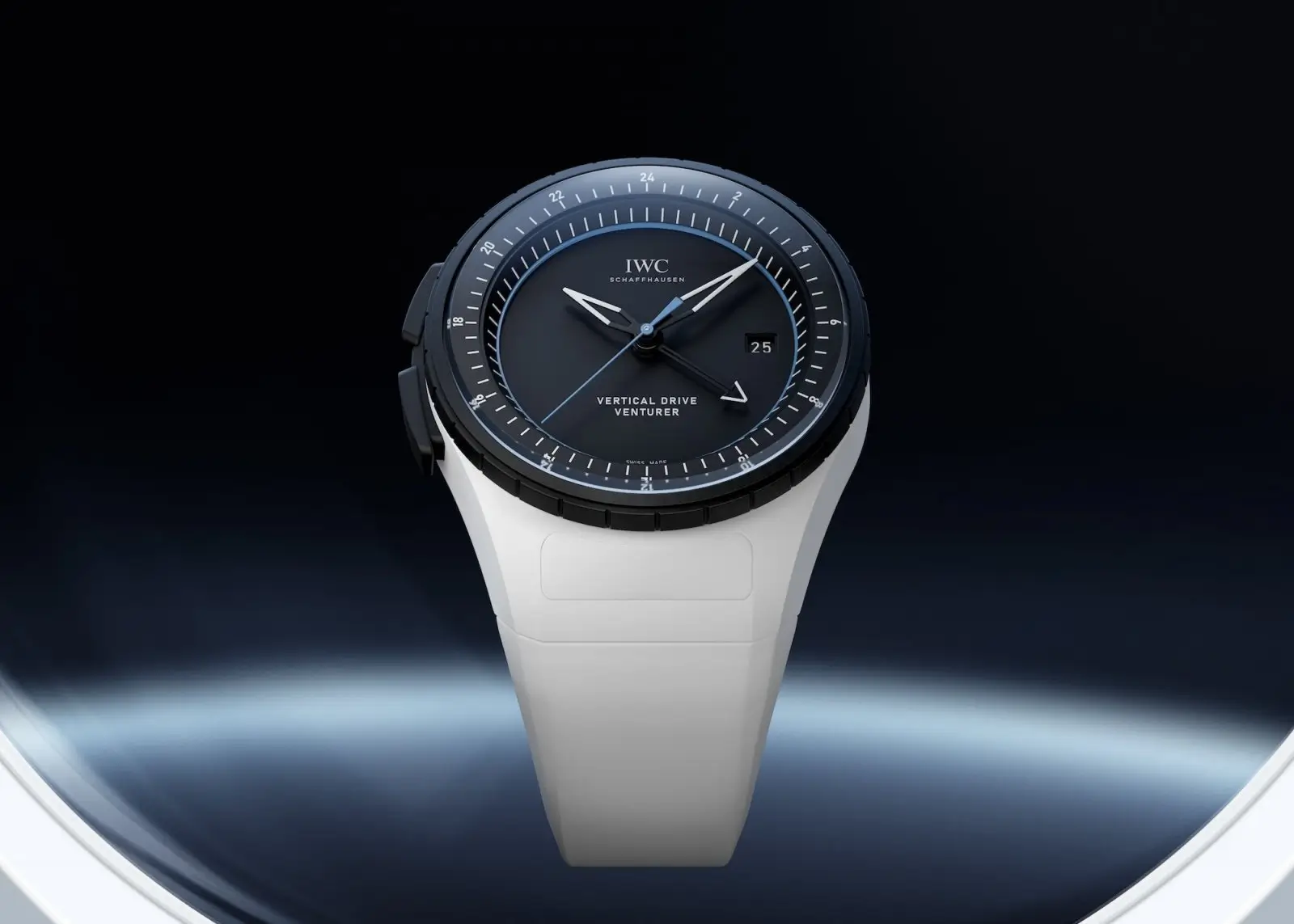
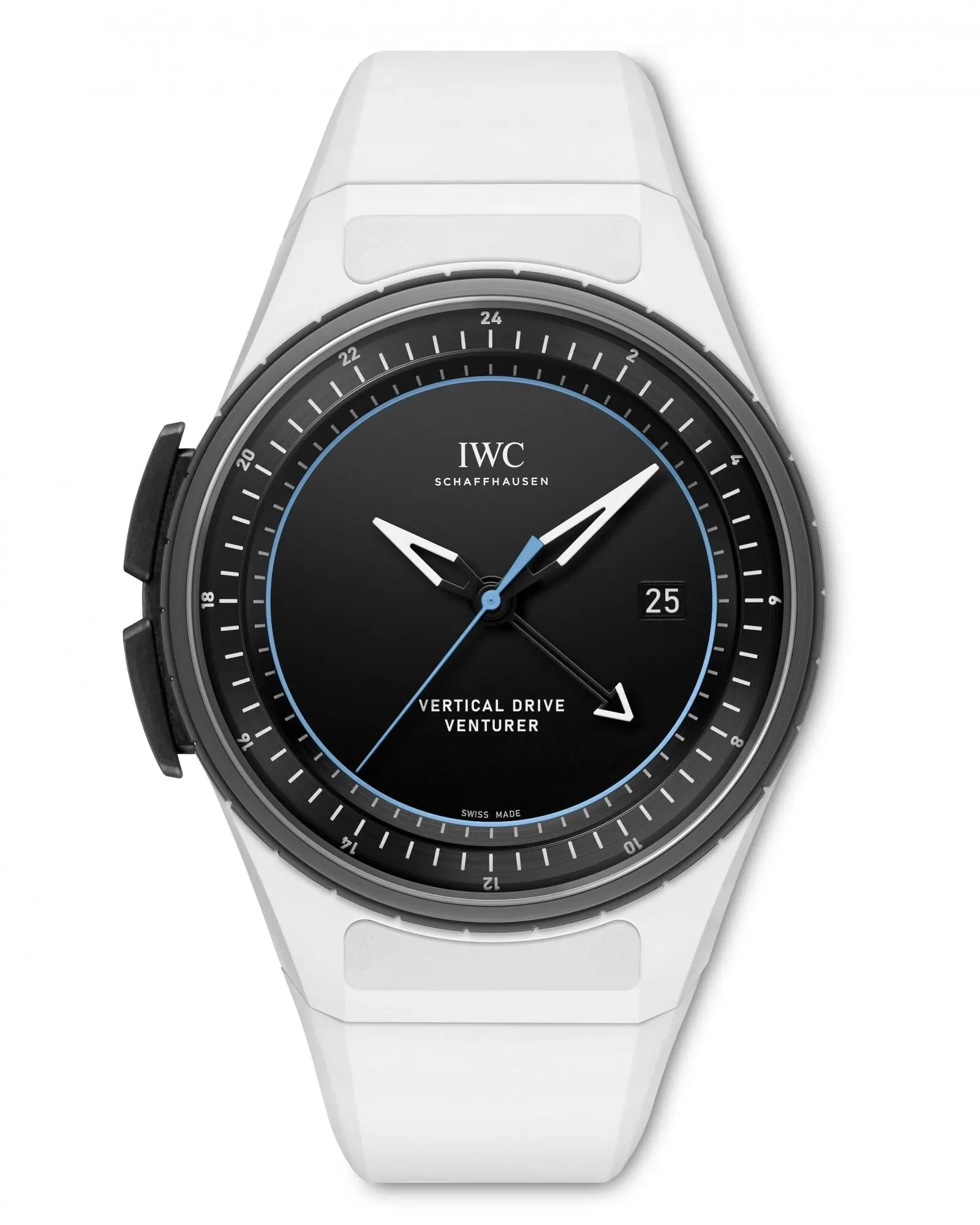
In the rarefied world of haute horology, where precision meets flow, few brands embody the relentless pursuit of possibility quite like IWC Schaffhausen. At Watches & Wonders 2026, the Swiss manufacture didn’t just unveil new timepieces — it launched itself toward the stars. The headline act? The Pilot’s Venturer Vertical Drive (ref. IW328601), IWC’s first mechanical tool watch engineered from the ground up for manned spaceflight and orbital timing. Certified by Vast for the pioneering Haven-1 commercial space station, this ceramic-cased marvel signals a bold new chapter.
But why space? For a brand rooted in 90 years of aviation heritage, reaching for the cosmos isn’t a marketing stunt. It’s the natural evolve of an engineering know that has always blurred the line between technical mastery and human aspiration. To approach deeper follow, an interview with Franziska Gsell, IWC’s Chief Marketing Officer since 2015 veered, as steward of the brand’s identity and chair of its Sustainability Committee, Gsell offers insights that transcend specs and complications, touching on adventure, heritage, and the emotional resonance of objects that connect us to something greater.
. 

stir
“Engineering” is the unwavering axis of IWC Schaffhausen. It’s not merely about building robust mechanisms; it’s a way of thinking that pushes boundaries, solves real-world problems, and questions the status quo. At Watches & Wonders 2026, IWC’s booth evoked the interior of a space station, with honeycomb monitors displaying Earth from orbit. The immersive installation wasn’t just thematic — it embodied the brand’s view of engineering as both functional and knowing.
Gsell elaborates: “Engineering is the concept that is the axis of the brand, essential in pursuing higher functionality. At the same time as such technical aspects, engineering is an action that pushes the limits of possibilities and aims to solve problems, and it means the way we are in spirit and mind.”
This spirit was vividly brought to life in IWC’s film “The Engineers Society,” shot in part at Kyoto’s National International Conference Hall. The video portrays a near-future R&D facility where cutting-edge labs coexist with garden-like courtyards — a deliberate contrast to the stereotypical image of rigid engineers. Gsell notes the intentional humor and “retro-staging” approach: looking back to move forward, especially resonant in the AI era. It humanizes innovation, reminding us that true progress blends precision with creativity and levity.
IWC’s aviation roots run deep. Founded in 1868, the brand gained prominence in the 1930s with pilot watches designed for the rigors of flight. The Big Pilot lineage, in particular, became synonymous with instruments that pilots could trust in extreme conditions. Extending this legacy to space feels inevitable. As commercial spaceflight accelerates — with Vast’s Haven-1 slated for launch and ambitions for permanent habitation — IWC positions itself not as a spectator, but as a partner in human exploration.
flow
The Venturer Vertical Drive stands as the tangible expression of this ambition. Unlike traditional pilot watches adapted for space, this is purpose-built from scratch. Key innovations address the unique challenges of microgravity, suited gloves, and orbital life:
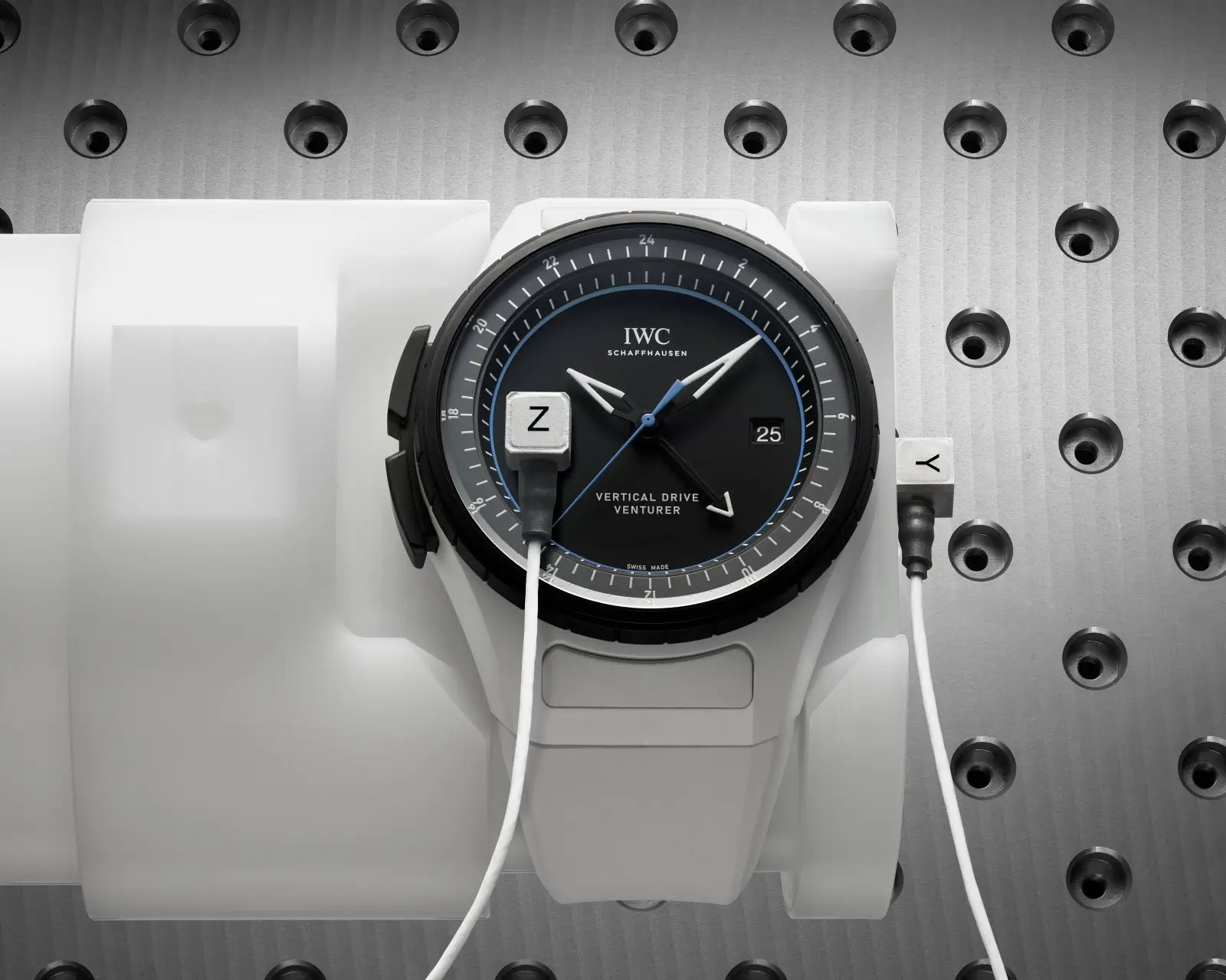
- Vertical Drive System (patent pending): A rotating bezel replaces the crown for all operations — winding, time-setting, and mission timing. A rocker switch on the case toggles functions, operable even with bulky space suit gloves.
- Dual Time Indication: A dedicated hand on a 24-hour scale tracks mission time, crucial for maintaining circadian rhythms amid 16 sunrises and sunsets per Earth day.
- Materials and Build: 44.4mm white zirconium oxide ceramic case with Ceratanium® bezel for extreme durability, temperature resistance, and lightweight performance. 120-hour power reserve from the IWC-manufactured movement. 10 bar water resistance. White rubber strap.
- Certification: Rigorous testing by Vast engineers for vibration, pressure, material compatibility, and Haven-1 environments. The first IWC watch to earn official spaceflight certification.
Priced around CHF 24,000 (equivalent to the provided ¥4,079,900), it’s positioned as an accessible yet elite tool watch for those who dream beyond Earth — or simply appreciate masterful engineering.
Gsell smiles when discussing the watch: its probability of being worn by an actual astronaut is minuscule (around 0.0003%), yet its purpose extends far wider. “There is a limit to the future of the earth we currently live in, and space exploration is a theme that everyone is interested in. … I would like to present to more people that it is the philosophy that IWC has as a philosophy and a vision for the future for mankind.”
extent
Space exploration isn’t just technical; it’s profoundly human. Astronauts often return transformed — philosophers, writers, changed by the Overview Effect, that cognitive shift from viewing Earth as a fragile, borderless whole. IWC’s partnership with Vast reflects this. Haven-1 incorporates wood in its interiors, moving away from sterile clean-room aesthetics toward environments that evoke terrestrial life.
Wearing a mechanical watch in orbit becomes an anchor. In an environment of relentless cycles, the Venturer’s reliable ticking and 24-hour mission hand help astronauts preserve routines of work, rest, and connection to home. Gsell highlights the emotional layer: “In outer space where you experience 16 sunrises and sunsets in 24 hours, wearing this watch is also one of the roles that astronauts can always maintain a connection with the earth and the ground.”
The watch fosters storytelling too. “One of the roles of watches is to create an opportunity to talk to people. … Even if you are not an astronaut, by wearing this watch, you can enjoy such details and share the world of imagination with the people around you.”
It echoes the original pilot watch ethos: the spirit of adventure and challenge that began nearly a century ago. Gsell affirms: “The spirit of adventure, or rather the desire to challenge, is the origin of the pilot watch … Everyone who wears a pilot watch can have such a sense of adventure and challenge.”
three
The Venturer doesn’t stand alone. IWC’s 2026 novelties showcase the breadth of its engineering ethos across complications and materials.
1. Pilot’s Venturer Vertical Drive (as detailed above) — The space-certified pioneer.
2. Big Pilot’s Watch Perpetual Calendar Ceralume® (IW505801) A 46.5mm luminous ceramic case marks the practical debut of IWC’s proprietary Ceralume® technology, developed with RC Tritec. White ceramic powder blended with Super-LumiNova® pigments creates a case, dial, hands, and strap that glow vivid blue for over 24 hours. Paired with a legendary perpetual calendar (Kurt Klaus heritage, ~168-hour reserve, single-crown adjustment), it’s limited to 250 pieces worldwide. A beacon for low-light conditions, whether cockpit or cosmos.
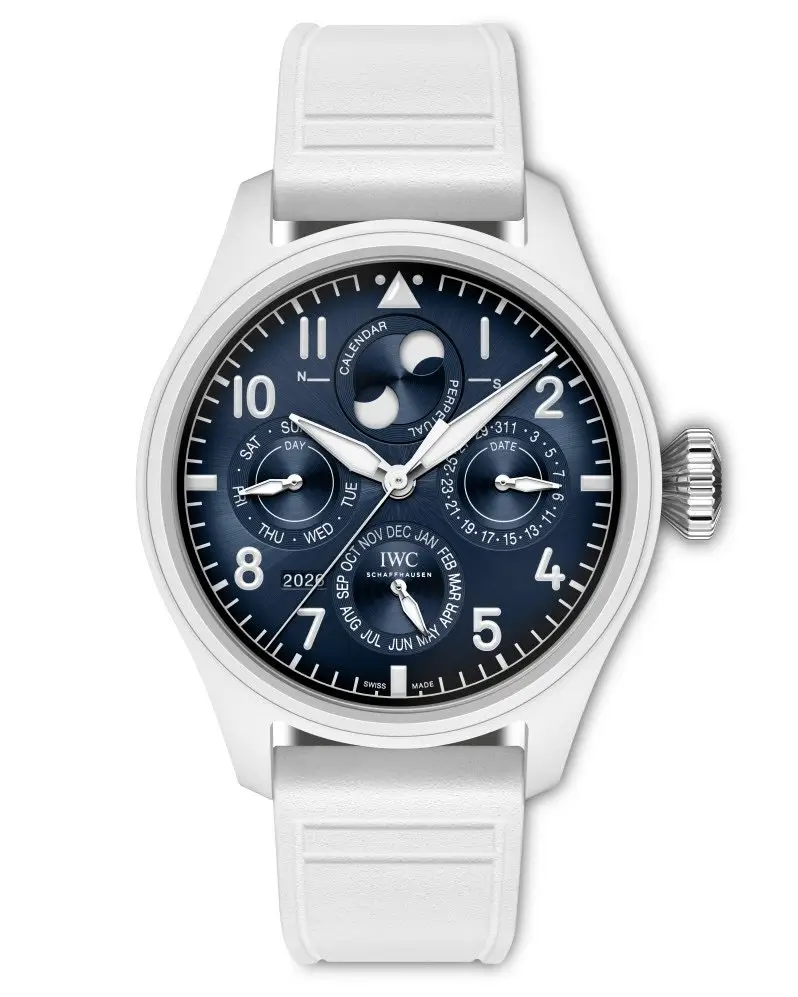
3. Big Pilot’s Watch Perpetual Calendar ProSet “Le Petit Prince” Honoring the 20th anniversary of the collection with the Antoine de Saint-Exupéry Foundation, this 42.9mm ceramic-cased perpetual redefines usability. The new ProSet system allows bidirectional calendar adjustments via crown alone (no pusher), with improved moonphase accuracy (double hemisphere display, error reduced dramatically). Deep blue dial pays tribute to the beloved novella’s themes of wonder, responsibility, and exploration — perfectly aligning with IWC’s adventurous spirit.
These releases demonstrate IWC’s XPL (experimental) division in full force: material science breakthroughs, ergonomic innovations, and complications refined for real-world (and beyond) utility.
scope
IWC’s spaceward gaze arrives at a pivotal moment. Commercial spaceflight is democratizing access — from SpaceX to Vast’s ambitions for multi-module stations. Opulent brands have long associated with aviation (Rolex, Breitling, Omega’s NASA ties), but IWC’s ground-up approach and official timekeeper partnership set a new standard for purpose-driven horology.
Sustainableremains core. As Gsell oversees the committee, IWC integrates responsible practices into its engineering ethos — from material sourcing to long-term durable that reduces consumption. Space exploration itself raises questions of planetary stewardship; the Overview Effect often amplifies environmental awareness.
In high-end fashion and design circles, watches like these transcend timekeeping. They’re wear narratives — talismans of human ingenuity. The Venturer invites owners to contemplate humanity’s next frontier, much as pilot watches once evoked the romance of flight. Streetwear crossovers, sports-fashion ties, and culture moments (art, music, events) increasingly intersect with horology, positioning IWC as a culture protagonist.
fin
IWC Schaffhausen aims for space because its DNA has always been exploratory. From Schaffhausen’s Rhine River workshops to orbital altitudes, the brand engineers not just watches, but bridges between past heritage and future possibility. The Venturer Vertical Drive isn’t merely certified for space — it’s infused with the human elements of wonder, connection, and storytelling that Gsell articulates so eloquently.
As commercial stations like Haven-1 become reality, IWC’s timepieces will tick alongside pioneers, grounding them in Earth’s rhythms while propelling imagination outward. For the rest of us, they offer a slice of that adventure: a conversation starter, a daily reminder of limits surpassed, and a celebration of engineering that serves both precision and flow.
In Gsell’s words, it’s about more than functionality — it’s the spirit that endures.
For related context, see The Return of the Cartier Roadster at Watches & Wonders Geneva 2026: A 14-Year Hiatus Ends with Refined Automotive Elegance.
Drift has also covered review: Hermès Horloger Unveils the H08 Squelette at Watches and Wonders 2026.
n
From the DRIFT archive: MAVERICKS — The Inflatable Tent Engineered for the Edge of the Earth · PANTONE’s 2026 Color of the Year Takes Shape With Play-Doh and Post-It Editions
Related Articles

Stormind Walked Around Etna And Put The Villa In The Last Remothered
Red Nun’s Legacy. Trilogy close. Acireale studio. Abandoned house on the volcano. Unreal Engine 5. […]