DRIFT AUDIO
Listen to this story
Choose a voice, then press play.
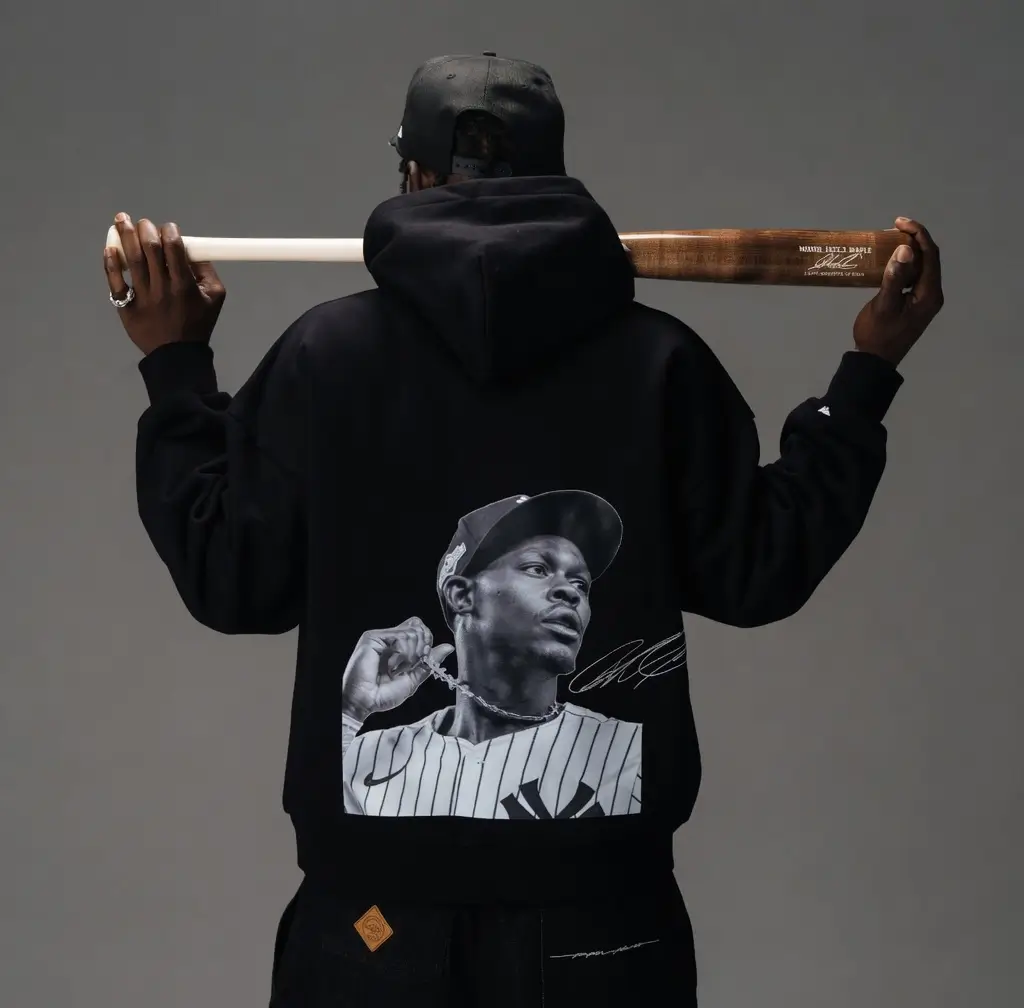
In an era where professional athletes command unprecedented platforms, influence, and financial resources, few use their spotlight as intentionally as Jazz Chisholm Jr.. The Bahamian-born New York Yankees star has emerged not only as one of Major League Baseball’s most dynamic talents but also as a committed philanthropist whose Jazz Chisholm Foundation is creating tangible opportunities for young athletes and their families. The launch of the Jazz Chisholm Foundation x Paper Planes collision on May 15, 2026, represents more than a limited-edition apparel drop—it symbolizes the intersection of style, sport, and social good.
View this post on Instagram
stir
Born in Nassau, Chisholm’s journey reflects the increasingly global nature of modern baseball. Raised in a sports-oriented family and inspired by his grandmother Patricia Coakley’s athletic background, he moved to the United States as a teenager to pursue baseball seriously. That transition eventually led him from the minor leagues to becoming one of MLB’s most recognizable personalities.
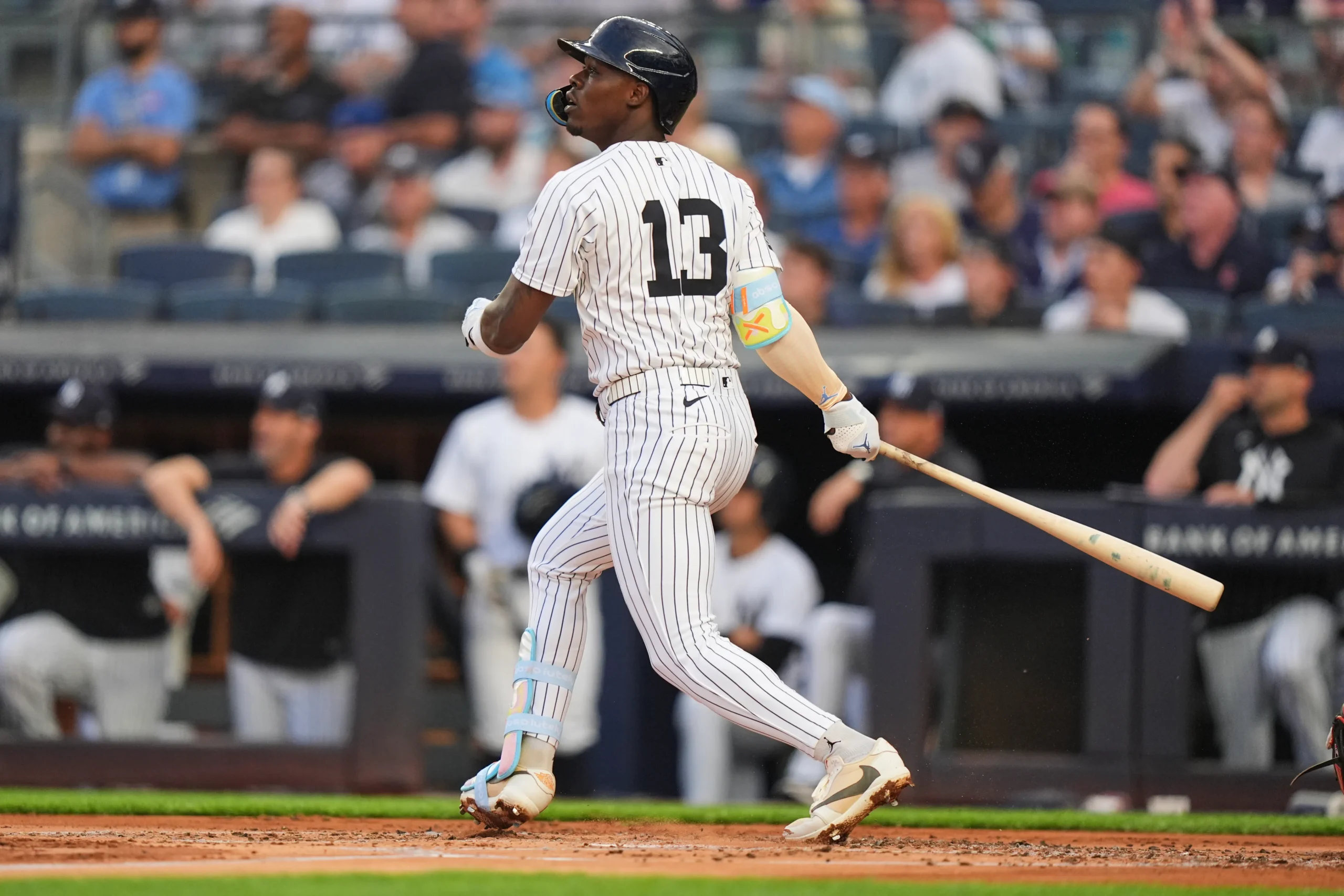
His rise through organizations like the Miami Marlins and eventually the Yankees helped establish him as more than a flashy athlete. Chisholm’s combination of speed, charisma, defensive versatility, and power created a player who naturally resonates with younger audiences. Yet the foundation of his public identity increasingly extends beyond highlight reels and All-Star selections.
base
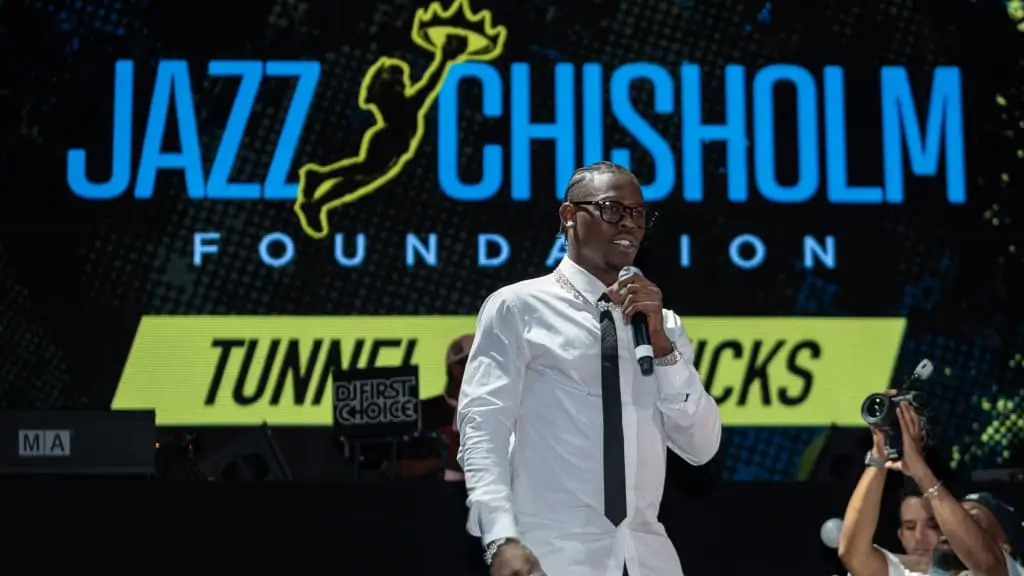
Founded in 2023, the Jazz Chisholm Foundation focuses on supporting young athletes and their families across New York, Florida, and the Bahamas. Its programming extends beyond sports fundamentals into mentorship, educational support, mental wellness, and broader family wellbeing.
That broader mission matters because youth sports access remains deeply uneven. In many underserved communities, athletic potential often collides with limited infrastructure, inadequate coaching resources, transportation barriers, or financial instability. Chisholm’s own experiences growing up in the Bahamas give the organization an authenticity that many athlete-led initiatives struggle to establish.
Rather than approaching philanthropy as image management, the foundation appears rooted in lived understanding. The Bahamas remains central to its identity, especially through efforts tied to baseball accessibility and local infrastructure development. Simultaneously, U.S.-based programs recognize the realities facing urban families navigating educational pressures, economic instability, and limited extracurricular support systems.
why
The collision with Paper Planes introduces the foundation into a cultural ecosystem where fashion increasingly functions as communication. Apparel is no longer just merchandise; it becomes affiliation, symbolism, and public alignment with particular values.
That is precisely why this partnership feels strategically intelligent. Instead of relying solely on traditional fundraising structures, the collaboration allows supporters to participate through day lifestyle consumption. Purchasing a hoodie, T-shirt, or accessory becomes simultaneously aesthetic and philanthropic.
Paper Planes has built its identity around premium casualwear and cultural storytelling, making it an especially fitting collaborator for Chisholm’s public image. The collection reportedly merges athletic energy with elevated everyday styling, potentially incorporating Bahamian references and iconography connected to Chisholm’s “Jazz” identity.
Importantly, the collaboration also reflects how athlete branding has evolved. Earlier generations of sports merchandising often separated charity from style. Today, younger audiences increasingly expect overlap between commerce, identity, and social impact. Consumers want purchases that carry narrative meaning beyond aesthetics alone.
benevolence
Chisholm’s initiative exists within a broader lineage of athlete-driven social impact efforts that stretches from Jackie Robinson to LeBron James. Yet the modern philanthropic landscape differs significantly from earlier eras because digital culture has expanded both reach and scrutiny.
Athletes today possess direct communication channels through social media, allowing them to mobilize audiences instantly. At the same time, public expectations around transparency and measurable impact have intensified. Foundations can no longer survive on symbolic goodwill alone; they are increasingly evaluated through tangible outcomes, community partnerships, and operational accountability.
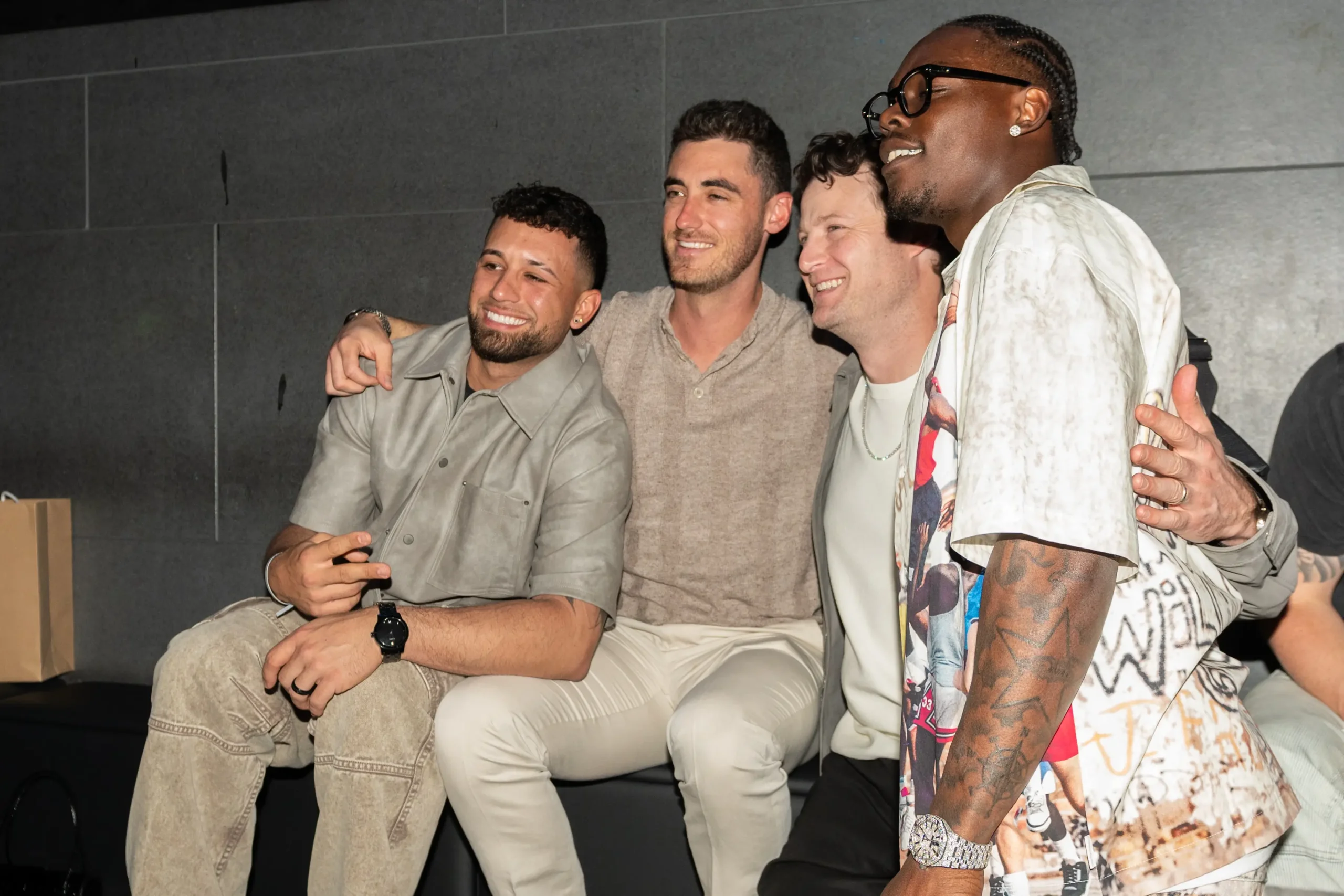
The Jazz Chisholm Foundation’s localized focus may ultimately become one of its strongest qualities. Rather than attempting overly broad global positioning, it concentrates on communities directly connected to Chisholm’s life experience. That specificity gives the work emotional coherence and increases the likelihood of sustained impact.
scope
One of the most compelling aspects of this initiative is how clearly it frames sports as a vehicle rather than an endpoint. The foundation’s emphasis on holistic development acknowledges a reality often overlooked in youth athletics: not every child becomes a professional athlete, but participation can still profoundly shape confidence, discipline, leadership, and opportunity.
Programs centered on mentorship, education, and family support recognize that successful athlete development requires ecosystem-level investment. Coaching alone cannot compensate for food insecurity, unstable housing, or lack of academic resources. The foundation’s broader wellbeing framework therefore positions sports within a larger conversation about community resilience.
This is particularly meaningful in regions like the Bahamas, where natural disasters, economic fluctuations, and infrastructure challenges can directly affect youth opportunities. Flexible philanthropic organizations often move faster than public institutions when responding to urgent community needs.
sig
Fashion collisions attached to athletes are hardly new. What distinguishes this project is its integration of narrative, heritage, and community investment. It does not simply commercialize celebrity; it attempts to redistribute visibility and resources toward underserved youth.
The launch also reinforces how contemporary sports culture increasingly overlaps with fashion, music, and lifestyle branding. Chisholm himself represents a modern athlete archetype: expressive, style-conscious, socially engaged, and culturally fluid. That multidimensional identity makes collaborations like this feel organic rather than artificially manufactured.
For younger fans especially, the project may resonate because it presents philanthropy as participatory rather than distant. Supporting a cause no longer requires attending formal galas or writing large checks. Engagement can happen through accessible cultural channels—fashion, social sharing, community events, and storytelling.
look
The May 15 release represents an important moment for both the foundation and Chisholm’s growing legacy off the field. As his profile continues expanding within the Yankees organization and throughout MLB, so too does the potential reach of the foundation’s mission.
Long-term sustainability will ultimately define the initiative’s impression. Continued partnerships, transparent operations, and meaningful community relationships will matter far more than short-term publicity cycles. Yet the early framework suggests an organization attempting to build something durable rather than momentary.
Most importantly, the collision reminds audiences that athlete influence can extend meaningfully beyond entertainment. Professional success and community responsibility are not mutually exclusive categories. In many ways, they increasingly reinforce one another.
The Jazz Chisholm Foundation x Paper Planes collection therefore stands as more than a fashion launch. It represents a broader vision of how culture view, athletic excellence, and philanthropy can intersect to create genuine opportunity for the next gen.