DRIFT AUDIO
Listen to this story
Choose a voice, then press play.
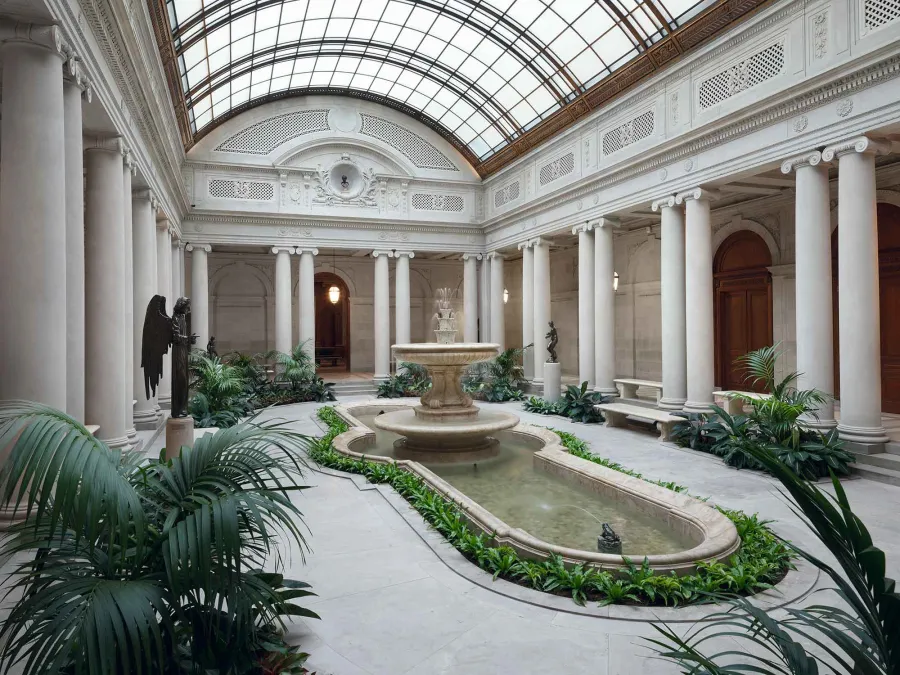
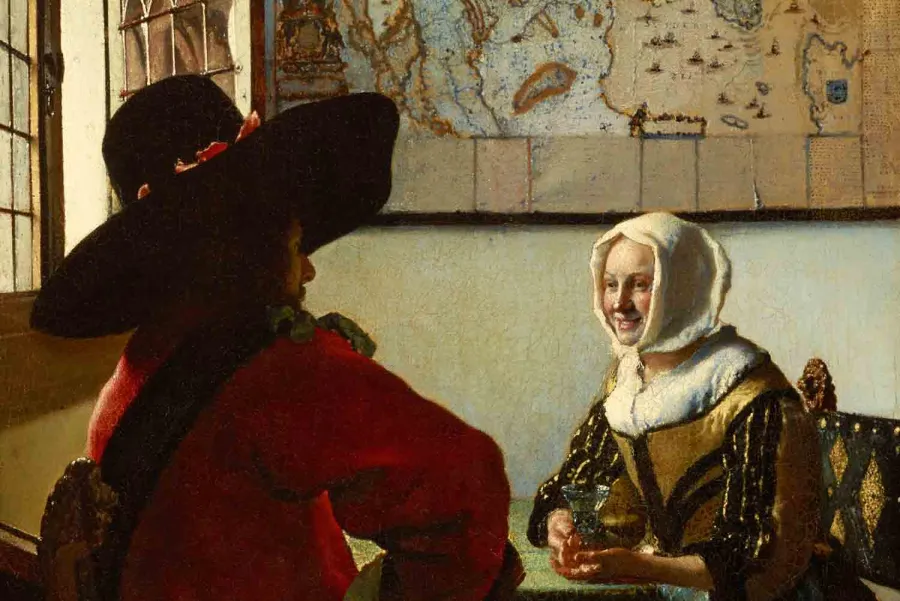
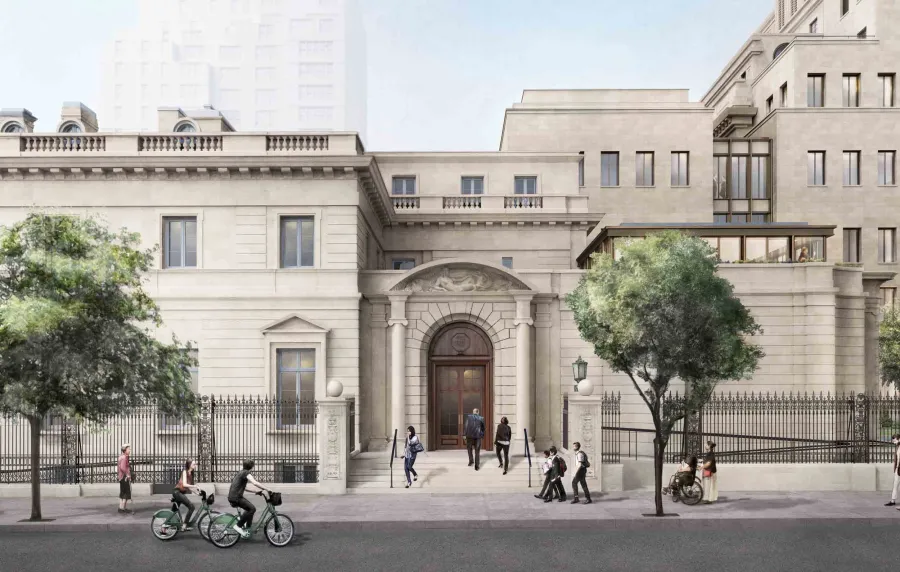
The new Frick Collection reopened in spring 2025 as a flagship institution—not merely a renovated mansion on Fifth Avenue, but a carefully restored emblem of old New York civility. Its Gilded Age interiors, once the private domain of Henry Clay Frick’s steel fortune turned Old Master collection, now welcome timed-ticket visitors into rooms where Vermeers glow under restrained lighting and Bronzinos whisper of Renaissance power. The building project expanded exhibition space while preserving the domestic atmosphere that distinguishes the Frick from the blockbuster temples uptown. It was meant to secure the institution’s future in an era when even the most aristocratic museums must hustle for relevance and revenue.


Then, in May 2026, Louis Vuitton arrived.
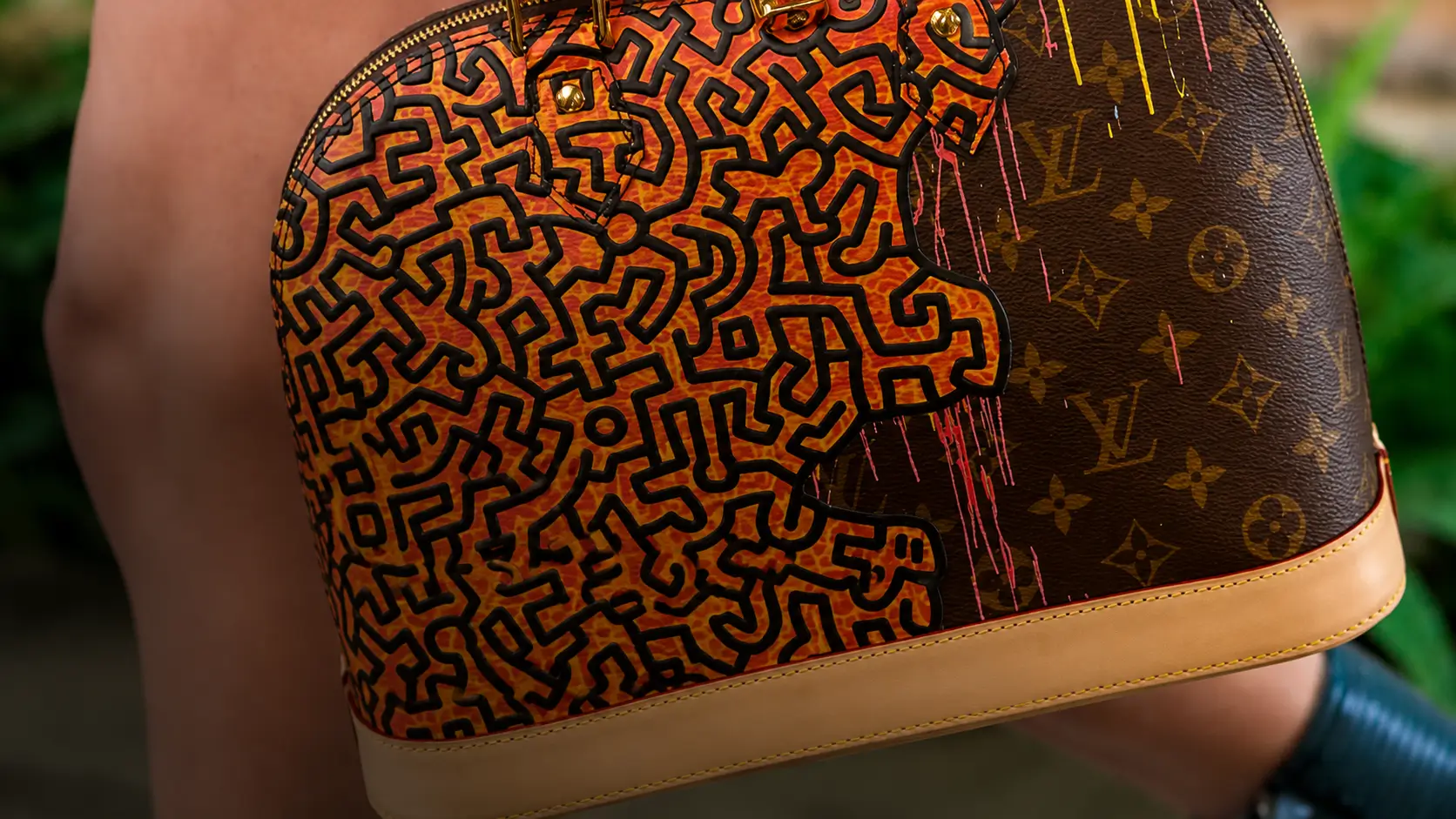
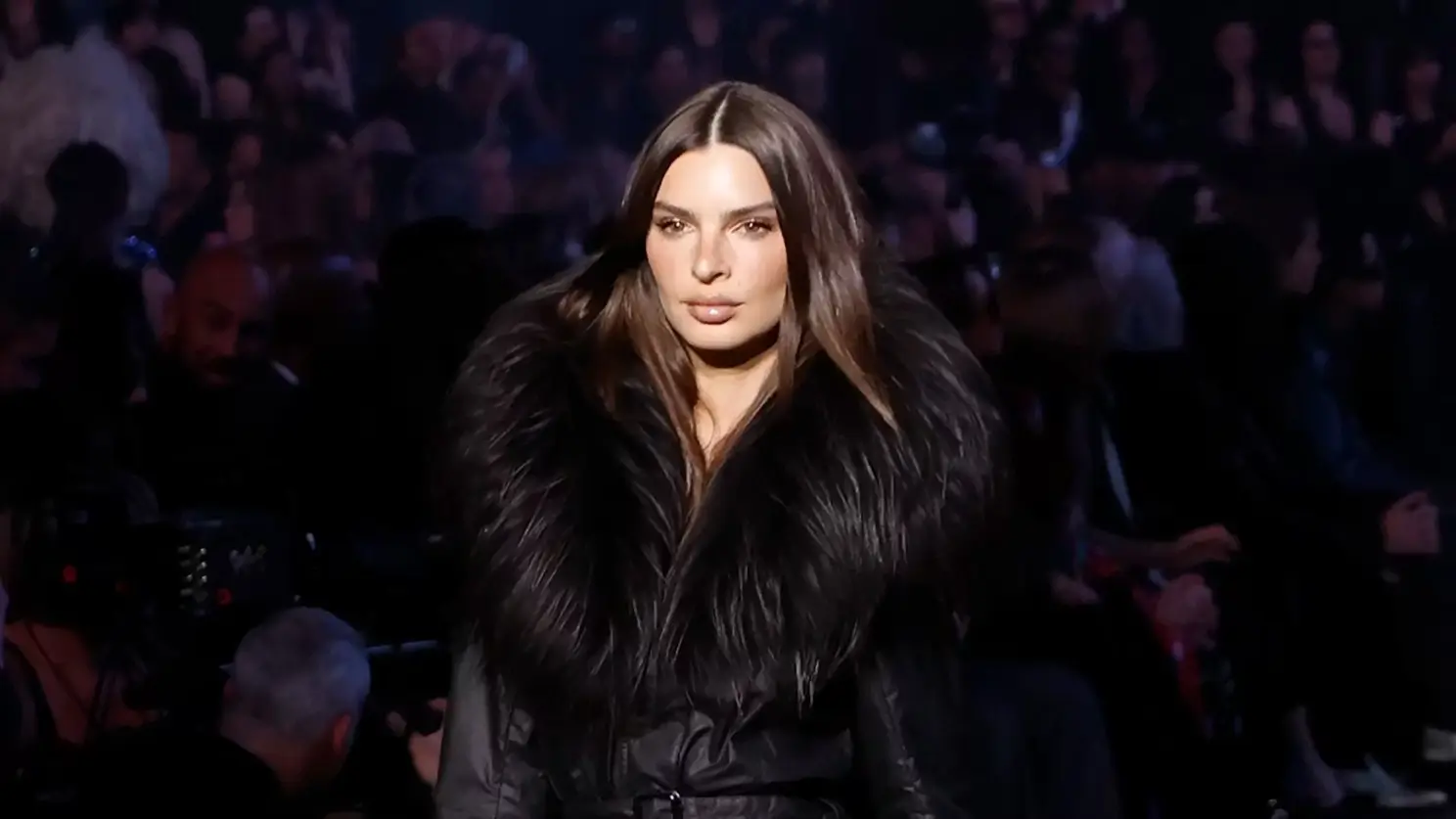
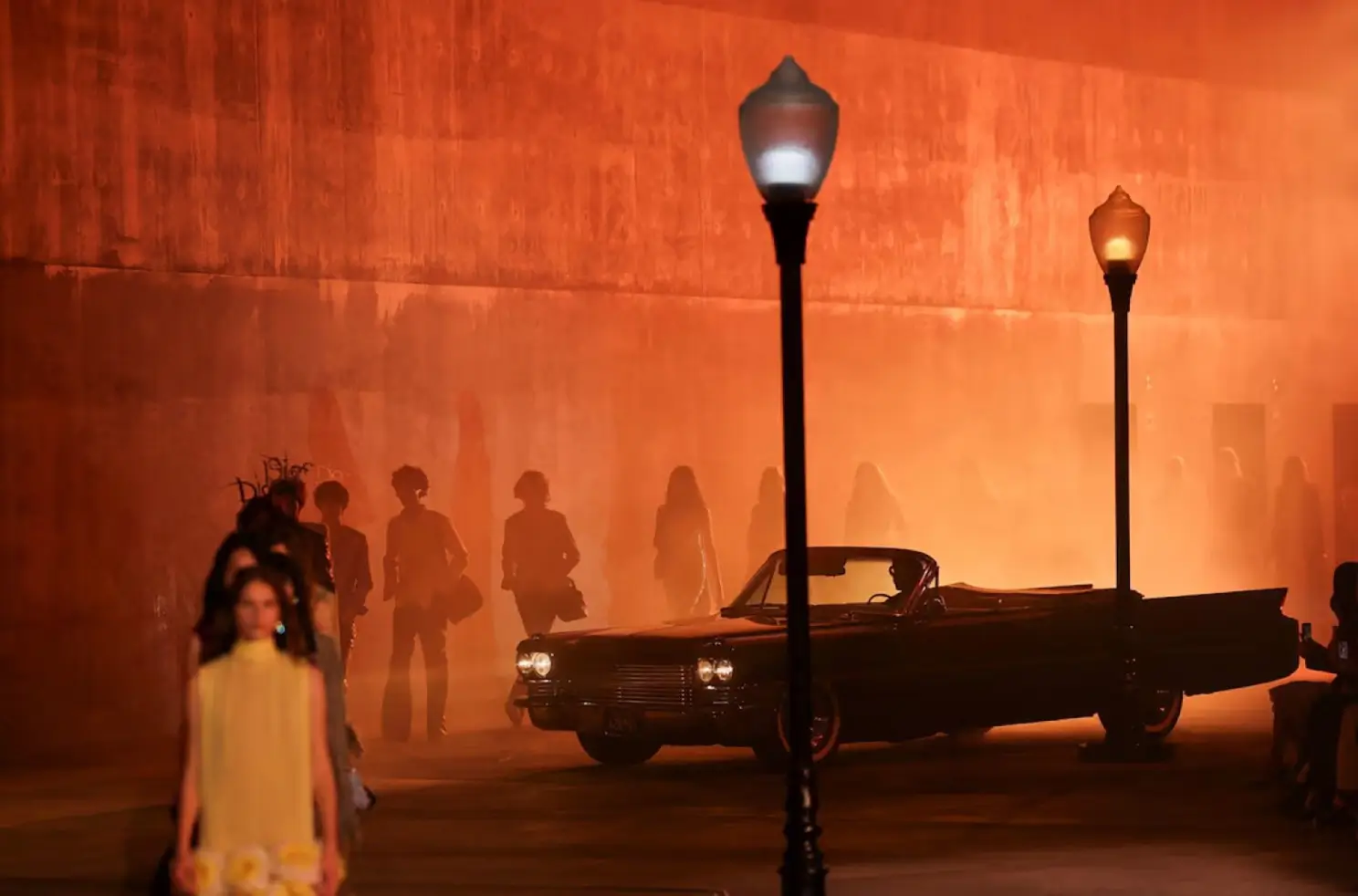
On May 20, the house presented its Cruise 2027 collection inside the Frick’s first-floor galleries. Models moved through spaces normally reserved for reticent contemplation of European painting and decorative arts. The runway wove past historic rooms, with Nicolas Ghesquière’s designs drawing on themes of uptown-downtown tension and incorporating references to Keith Haring’s 1984 painted LV trunk. The event was intimate by fashion-show standards yet undeniably spectacular—an occupation of sacred culture ground by one of the world’s most valuable haute brands.

Simultaneously, Louis Vuitton became a principal culture sponsor of the Frick for 2026–28. The three-year commitment funds three major special exhibitions (with Louis Vuitton as lead sponsor), one full year of “Louis Vuitton First Fridays” free evening programming, and the creation of a two-year Louis Vuitton Curatorial Research Associate position.
This is not patronage in the Renaissance sense. It is a strategic, multi-platform alignment between a global luxury conglomerate and an institution that, until recently, embodied a certain aloofness from commercial spectacle. The new museum is a flagship, and flags must be flown.
mech
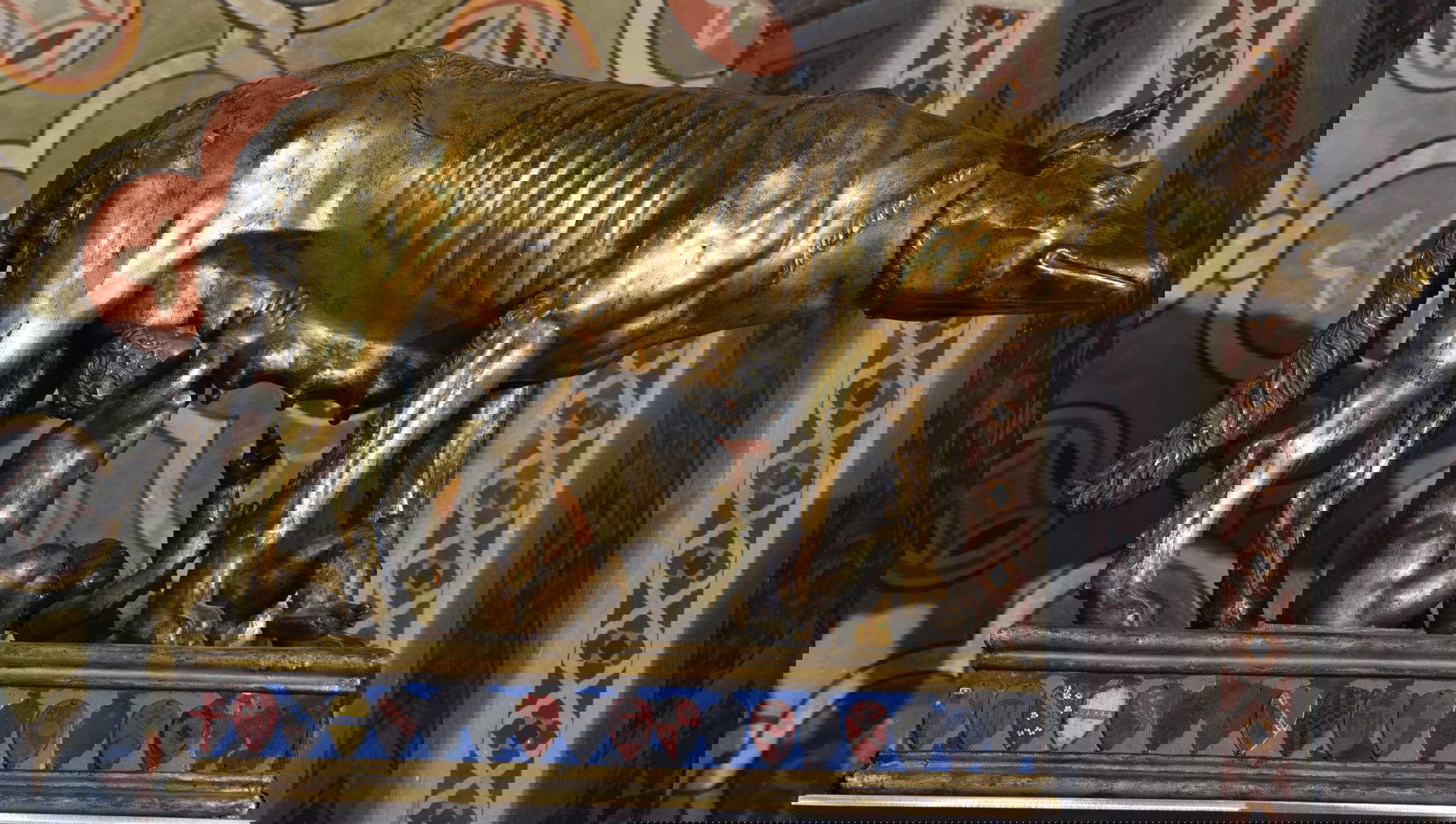
The details are telling. Louis Vuitton will underwrite three consecutive major exhibitions: Siena: The Art of Bronze, 1450–1500, Painting with Fire: Susanne de Court and the Art of Enamel, and a yet-to-be-announced monographic show of nineteenth-century paintings. It will sponsor monthly free evenings and embed itself in the scholarly apparatus through the curatorial role.

The Cruise show itself functions as both spectacle and symbolic down payment. By staging fashion inside the galleries—closing parts of the museum for preparation and the event—Louis Vuitton demonstrates it can operate at the heart of the institution, not merely on its periphery. The choice of the Frick, freshly polished and reopened, is deliberate. This is not the Met’s vast halls or the Guggenheim’s spiral; it is a jewel box of connoisseurship, a place where civilisation feels intimate and inherited.
Critics and observers have noted the irony and the inevitability. Haute fashion has long courted art, but this feels like a deeper integration. It is not a temporary loan exhibition of handbags. It is naming rights on programming, research, and public access, tied to a high-view fashion moment that generates global press, celebrity attendance, and aspirational imagery.
length
We have seen this evolution before. Museums face structural pressures: rising operational costs, the need for diversity in audiences, competition from digital entertainment, and economic uncertainty. Corporate sponsorship fills the gap.
Louis Vuitton’s approach here is sophisticated. By supporting exhibitions on Renaissance bronzes, enamel work, and 19th-century painting—alongside research on East-West exchange—it aligns with the Frick’s historical strengths while nodding to contemporary interests in global connections. The First Fridays program democratizes access.
Yet the politeness of the transaction should not obscure its profundity. When a opulent brand funds a curatorial position, it gains indirect influence over how art is interpreted and presented. This is softer—alignment of interests, shared aesthetics, mutual reinforcement of narratives around excellence, heritage, and luxury-as-culture.
The Keith Haring trunk reference in the Cruise show adds another layer. Haring’s work on an LV trunk was an act of downtown subversion in the 1980s. Today, that trunk is recuperated as heritage, a bridge between eras, used to legitimize the brand’s presence in the uptown sanctum. Subversion becomes precedent; resistance is folded into the brand story.
amb
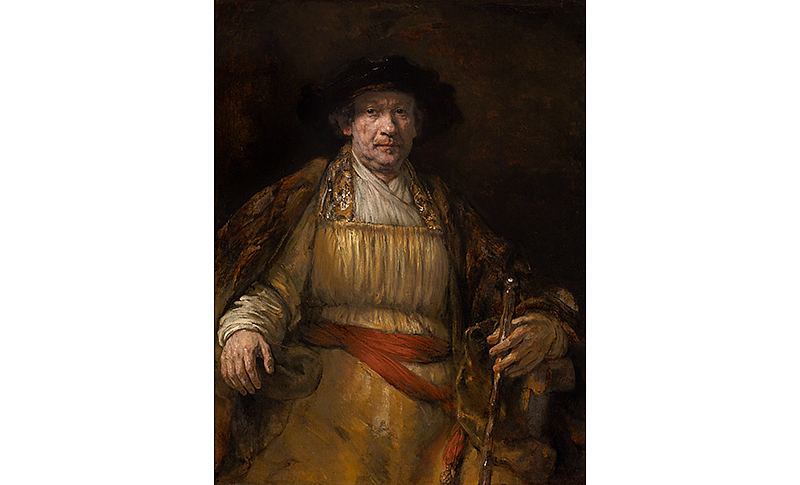
The Frick’s renovation positioned it as a flagship in the cultural sense: a renewed vessel for its unparalleled holdings of Rembrandt, Bellini, Holbein, and the decorative arts that make the house feel lived-in rather than institutional.
Walter Benjamin wrote of the aura of the work of art in the age of mechanical reproduction. Here we confront something adjacent: the aura of the institution in the age of experiential luxury. Fashion shows, influencer content, branded evenings, and sponsored scholarship all circulate images and narratives that enhance the brand’s desirability. The Frick’s quiet rooms become content backdrops.
Is this corruption or necessary evolution? Museums have never been pure. Today’s sponsors simply operate in a more professionalized, metrics-driven environment. Louis Vuitton brings expertise in storytelling, global reach, and design sensibility.
Yet there remains a qualitative difference when sponsorship becomes principal and multi-year, encompassing not just exhibitions but research infrastructure. The curatorial associate position is particularly significant. Curators shape the questions asked of objects. In an era when museums are rethinking canons, the funding source inevitably colors priorities—subtly favoring topics that align with haute values: craftsmanship, rarity, cross-cultural exchange framed as harmonious, beauty as timeless commodity.
civic
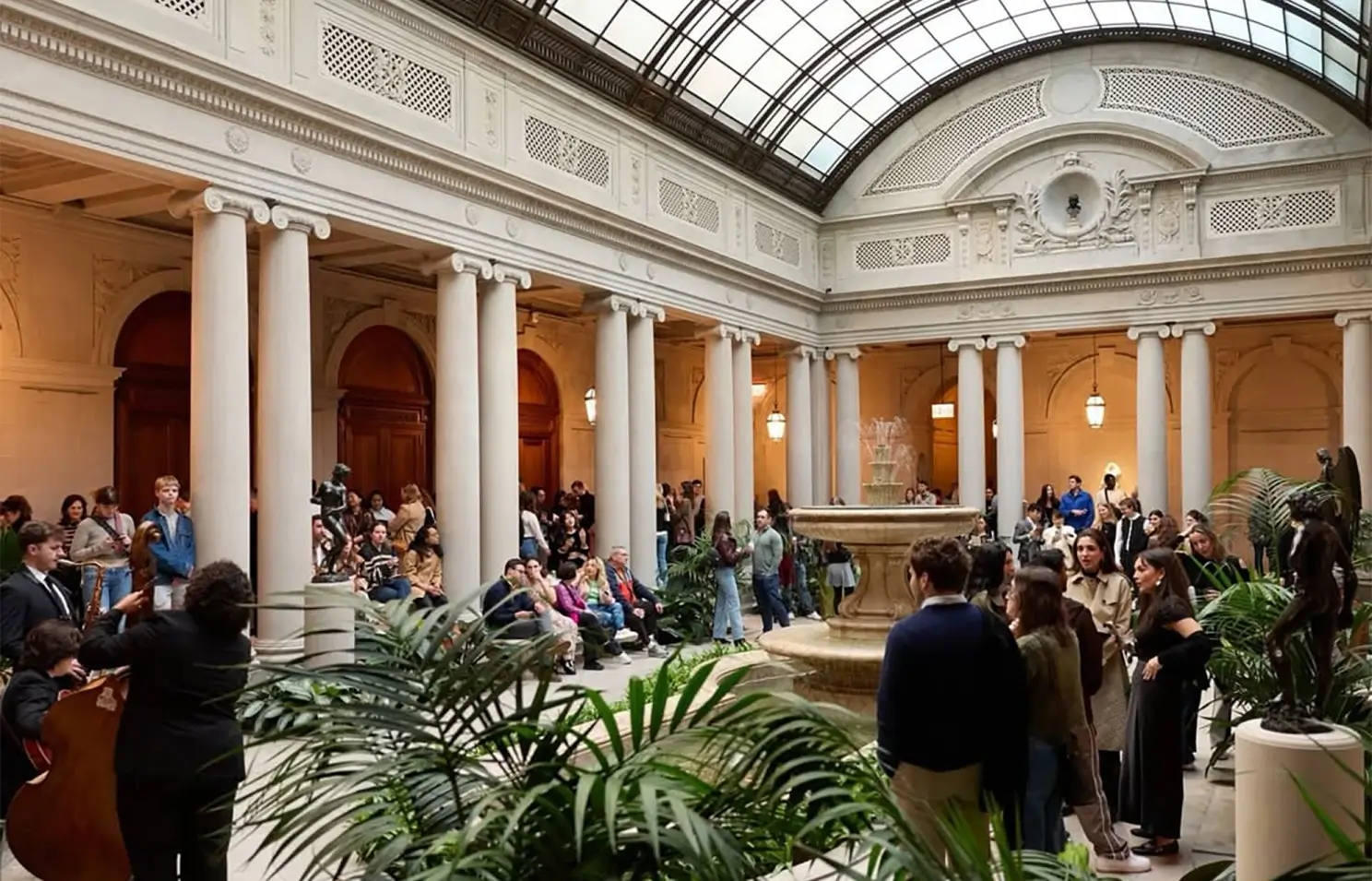
Stand in the Frick’s Garden Court or the West Gallery after hours, and the weight of accumulated taste is palpable. These rooms were designed for living with masterpieces, not for runway traffic or branded evenings. The new sponsorship asks civilisation—understood here as the inherited tradition of connoisseurship, contemplative looking, and institutional independence—to endorse a new model politely.
The politeness is the point. Luxury brands excel at framing transactions as shared values: excellence, heritage, creativity, access. Louis Vuitton does not demand; it offers. Civilisation, flattered, adjusts its posture.
This dynamic echoes broader shifts. Fashion weeks increasingly colonize cultural venues. The lines blur because the economic incentives align and because contemporary culture values hybridity, spectacle, and narrative fluidity. Pure separation between commerce and culture feels increasingly quaint.
Yet something is lost in the blurring. The Frick’s power has always lain partly in its restraint—its refusal to overwhelm, its domestic scale that forces closer looking, its aura of remove from the marketplace. When the galleries host a fashion show, even a beautifully conceived one, that remove is breached. The enchantment shifts.
philanth
The deeper question is what civilisation receives in return for its endorsement and what it concedes. Funding is real. Access expands. Scholarship advances. In a city where cultural budgets are strained, these are not trivial. The Frick’s post-renovation future is more secure with this partnership.
But endorsement has compounding effects. Each major institution that deepens ties with luxury conglomerates normalizes the model. It raises expectations that programming must be sponsor-friendly—visually stunning, thematically resonant with brand identities, productive of shareable content.
There is also the matter of narrative control. Luxury brands are masters of myth-making. By partnering with the Frick, Louis Vuitton writes itself into the history of American collecting and European masterworks. This is powerful branding because it feels earned rather than purchased.
Civilisation, in this polite negotiation, is not sold outright. It is leased, with options for renewal. The rooms remain filled with masterpieces. Yet the voice shaping which stories get told now includes a principal sponsor whose core business is selling the dream of refined living.
fin
The new Frick is indeed a flagship—beautifully realized, thoughtfully programmed, and now strategically partnered. Louis Vuitton’s involvement is neither shocking nor uniquely villainous; it reflects the realities of cultural economics in 2026.
The challenge for the Frick, and for similar museums, is to maintain intellectual and atmospheric sovereignty while accepting the resources. Transparency about sponsorship influence, clear boundaries on curatorial decision-making, and deliberate efforts to preserve moments of unbranded contemplation are essential.
From the room where this endorsement is being asked—politely, with beautiful renderings, compelling programming proposals, and the implicit promise of mutual elevation—one senses both opportunity and unease. The masterpieces endure. The question is whether the frame around them, the light in which they are seen, and the stories told about them will remain recognizably their own, or whether they will gradually, tastefully, become part of a larger luxury ecosystem where heritage serves the present and civilisation’s quiet authority yields to the imperatives of view and growth.
The Cruise show has ended. The galleries are restored. The sponsorship years unfold. In the West Gallery, a Rembrandt looks out with the same steady gaze. But the room remembers the footsteps, the lights, the cameras. Civilisation has nodded its assent. Now comes the long negotiation of what that nod truly meant.
From the DRIFT archive: Inside Keith Haring’s Dog, 1986
Related Articles
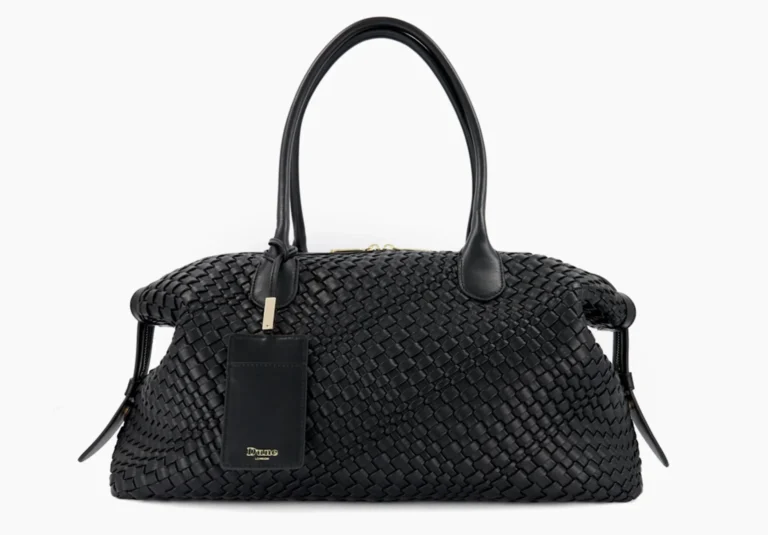
Ten Bags Sitting In The Same Week As The Shows
Pearl egg. Fringe mini. Kelly Doll. Holdall. Pigeon. Speedy. Alex tote. Aluminum case. Cassandre pouch. […]