DRIFT AUDIO
Listen to this story
Choose a voice, then press play.
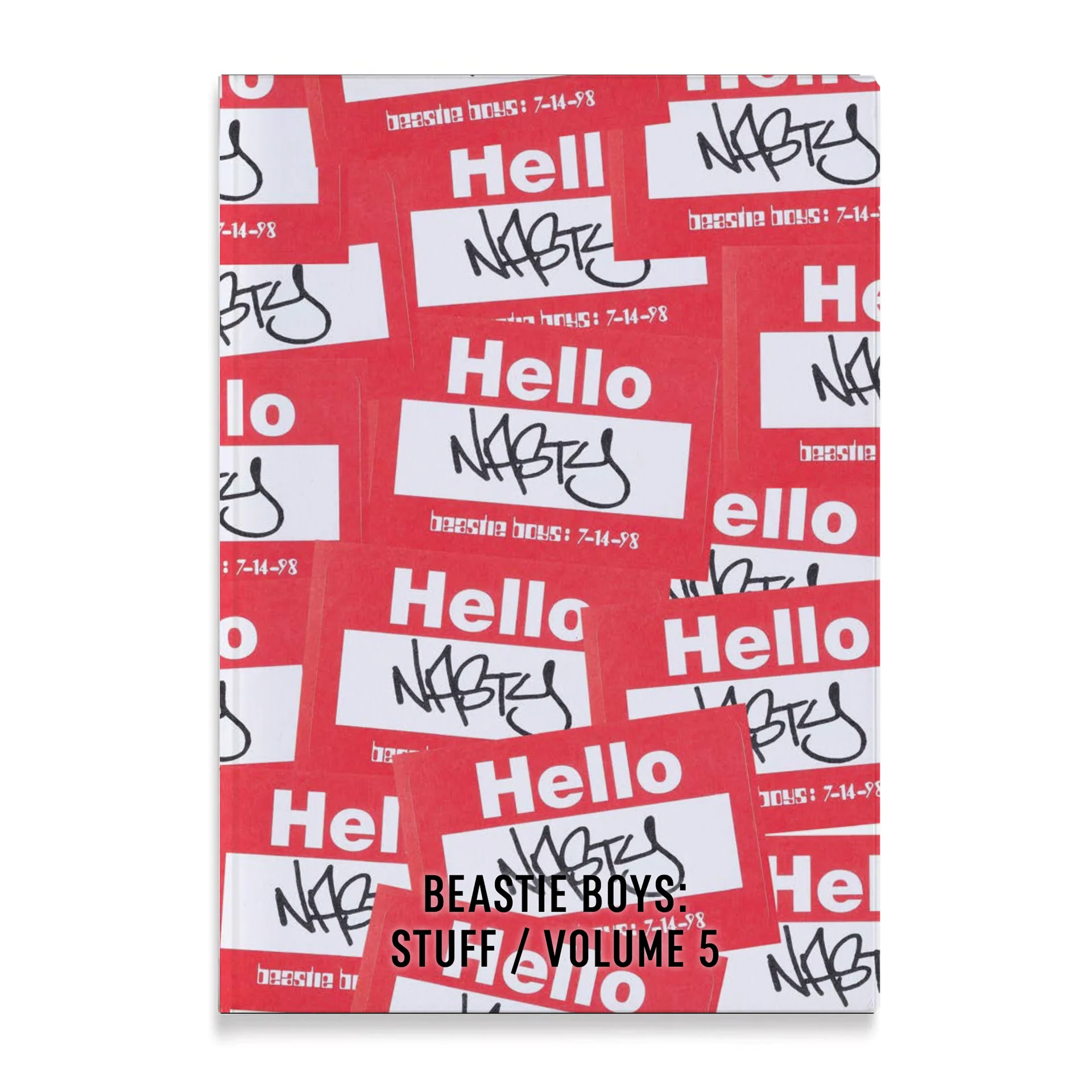
Every great Beastie Boys moment feels like a transmission from a parallel universe where punk, hip-hop, funk, and pure absurdity collide in perfect chaos. Hello Nasty, their fifth studio album released in 1998, stands as one of the wildest, most expansive broadcasts they ever sent out. The 2022 Stuff / Volume 5 zine — a lush 188-page full-color perfect-bound book from Beyond the Streets — dives deep into that era with rare photos, ephemera, studio notes, tour artifacts, and reflections that make you feel like you’re rifling through the band’s own archives. This piece celebrates both the album and the zine that preserves its wild energy.
stir
By the mid-1990s, the Beastie Boys — Michael “Mike D” Diamond, Adam “Ad-Rock” Horovitz, and Adam “MCA” Yauch — had already reinvented themselves multiple times. From bratty hardcore punks on Licensed to Ill (1986) to sampledelic geniuses on Paul’s Boutique (1989), then to live-instrumental funk explorers on Check Your Head (1992) and Ill Communication (1994), they refused to be boxed in.
After Ill Communication’s massive success (anchored by “Sabotage” and its iconic Spike Jonze video), the trio took time to breathe. Yauch moved back to New York, deepening his interest in Tibetan Buddhism and activism. The band began recording sporadically at G-Son Studios in Los Angeles starting around 1995, then shifted to Oscilloscope Laboratories in NYC. The gap between albums allowed for experimentation without pressure.
Enter DJ Mix Master Mike of the Invisibl Skratch Piklz. His addition marked a seismic shift. Where previous tours and records leaned on DJ Hurricane’s old-school style, Mix Master Mike brought next-level turntablism — rapid scratching, beat juggling, and alien soundscapes that pushed Hello Nasty into futuristic territory.
Mix Master Mike behind the decks, captured during the Hello Nasty sessions — the secret weapon that took the album interstellar.
The title Hello Nasty itself came from a phone greeting at a New York studio: “Hello, Nasty’s answering service.” It encapsulated the album’s playful, confrontational vibe. Recorded with longtime collaborator Mario Caldato Jr., the sessions blended analog warmth with emerging digital tools like Reason software and vocoders. The result: a 67-minute, 22-track beast that refused to sit still.
flow
Hello Nasty opens with the explosive “Super Disco Breakin’,” a track that sounds like a 1970s disco record crashing into a 1980s electro party. Gary Numan’s “Cars” riff gets flipped into something bouncy and ridiculous. From there, the album careens through styles:
- “The Move” and “Remote Control” deliver tight, funky energy with live instrumentation.
- “Intergalactic” — the massive lead single — features that unforgettable vocoded chorus: “Intergalactic planetary / Planetary intergalactic.” It became a global hit, peaking high on charts and winning a Grammy for Best Rap Performance by a Duo or Group. The video, directed by Adam Yauch under his Nathaniel Hornblower alias, features the Beasties as giant robots battling in a city — pure camp sci-fi fun.
The iconic Intergalactic robot video still — one of the most memorable visuals of the late ’90s.
- “Body Movin’” (remixed by Fatboy Slim for the single) brings big beat energy with a sample from “Sucker MCs” by Run-DMC.
- Deeper cuts like “Song for the Man” show a softer, almost lounge side, while “Dr. Lee, PhD” features legendary Lee “Scratch” Perry delivering dub poetry.
- “The Negotiation Limerick File” is exactly what it sounds like: absurd limericks over a banging beat.
- Hidden gems like “Sneakin’ Out the Hospital” and “I Don’t Know” (with Miho Hatori of Cibo Matto) add emotional texture and genre-bending flair.
The album flows like a late-night radio broadcast from another dimension — skits, scratches, and conversations bleed into songs. It’s maximalist yet cohesive, funny yet strangely profound. Ad-Rock later called it the group’s best record in the Beastie Boys Book.
culture
Released on July 14, 1998 via Grand Royal/Capitol, Hello Nasty debuted at No. 1 on the Billboard 200 with 681,000 first-week sales — a career high. It went triple platinum in the US and topped charts in multiple countries. At the 1999 Grammys, it won Best Alternative Music Album and Best Rap Performance.
This was peak Beastie Boys as cultural polymaths. They weren’t just rappers; they were tastemakers. Their Grand Royal label and magazine had already shaped ’90s indie culture, championing everything from Moog synthesizers to skateboarding and Tibetan causes. Hello Nasty extended that ethos globally. The tour that followed — with Mix Master Mike fully integrated — was legendary for its energy and improvisation.
Live on stage during the Hello Nasty tour — pure chaotic joy.
In an era of polished nu-metal and glossy pop, the Beasties offered something weirder and more human. Their lyrics mixed juvenile humor (“I like my sugar with coffee and cream”) with subtle social commentary. MCA’s Buddhist influence added mindfulness amid the madness. The album captured the pre-millennium tension: excited about the future, nostalgic for the past, and ready to party through the uncertainty.
archive
Fast-forward to 2022. Beyond the Streets, known for street art and cultural preservation, released Beastie Boys “Hello Nasty (Stuff / Volume 5)” as part of their limited-run zine series. This 188-page softcover book is a treasure trove:
- Rare behind-the-scenes photos from sessions in LA and NYC.
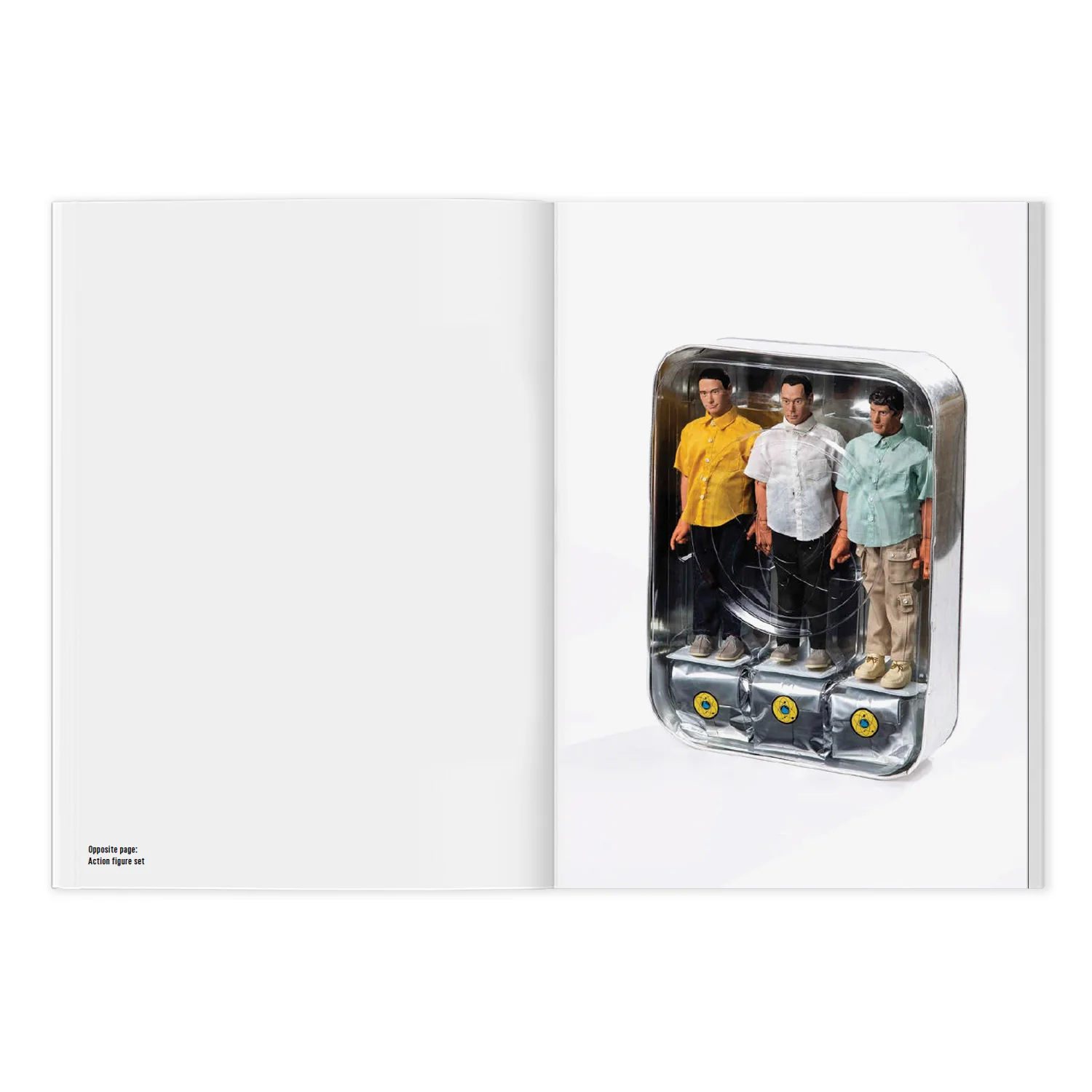
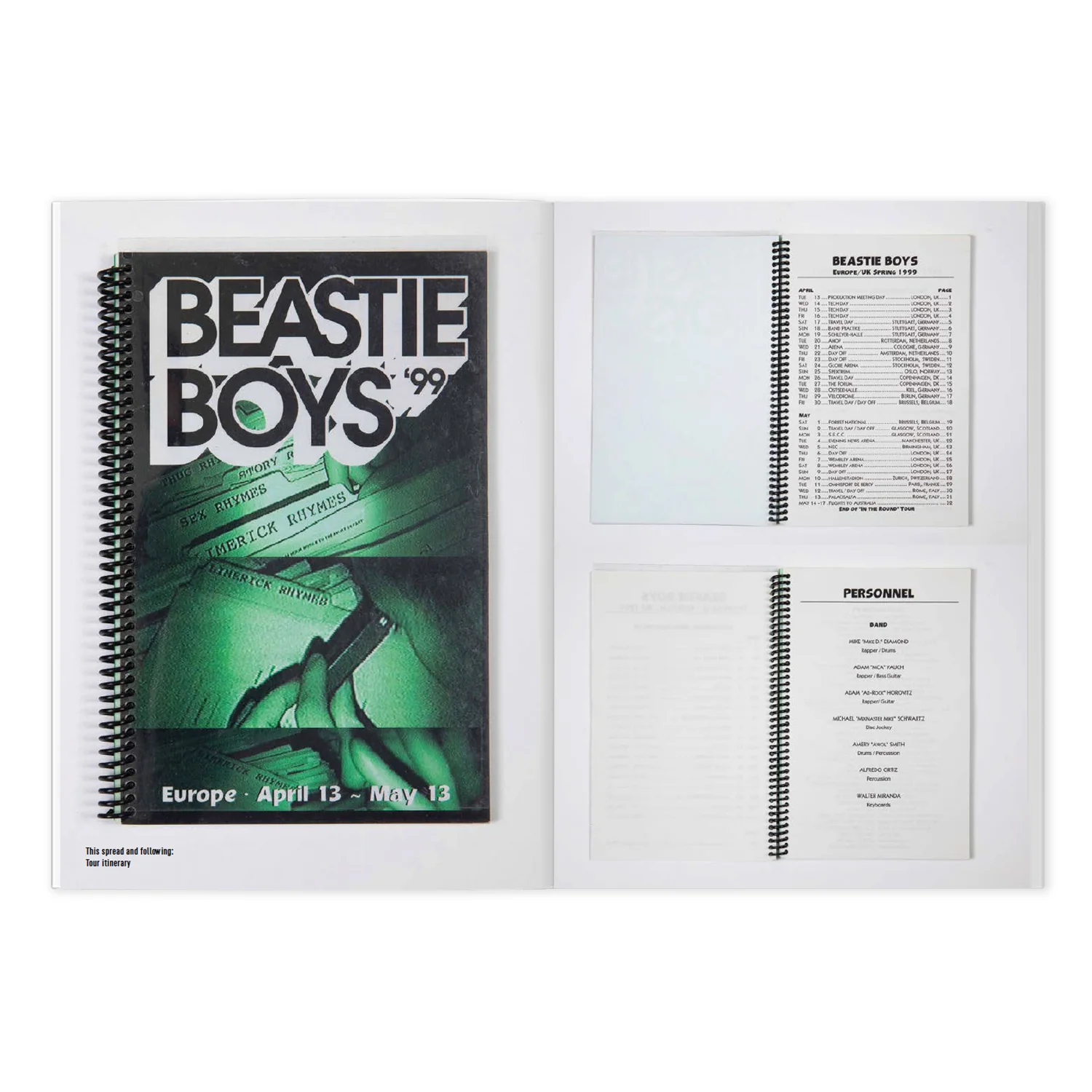
- Tour memorabilia, flyers, and stage setups.
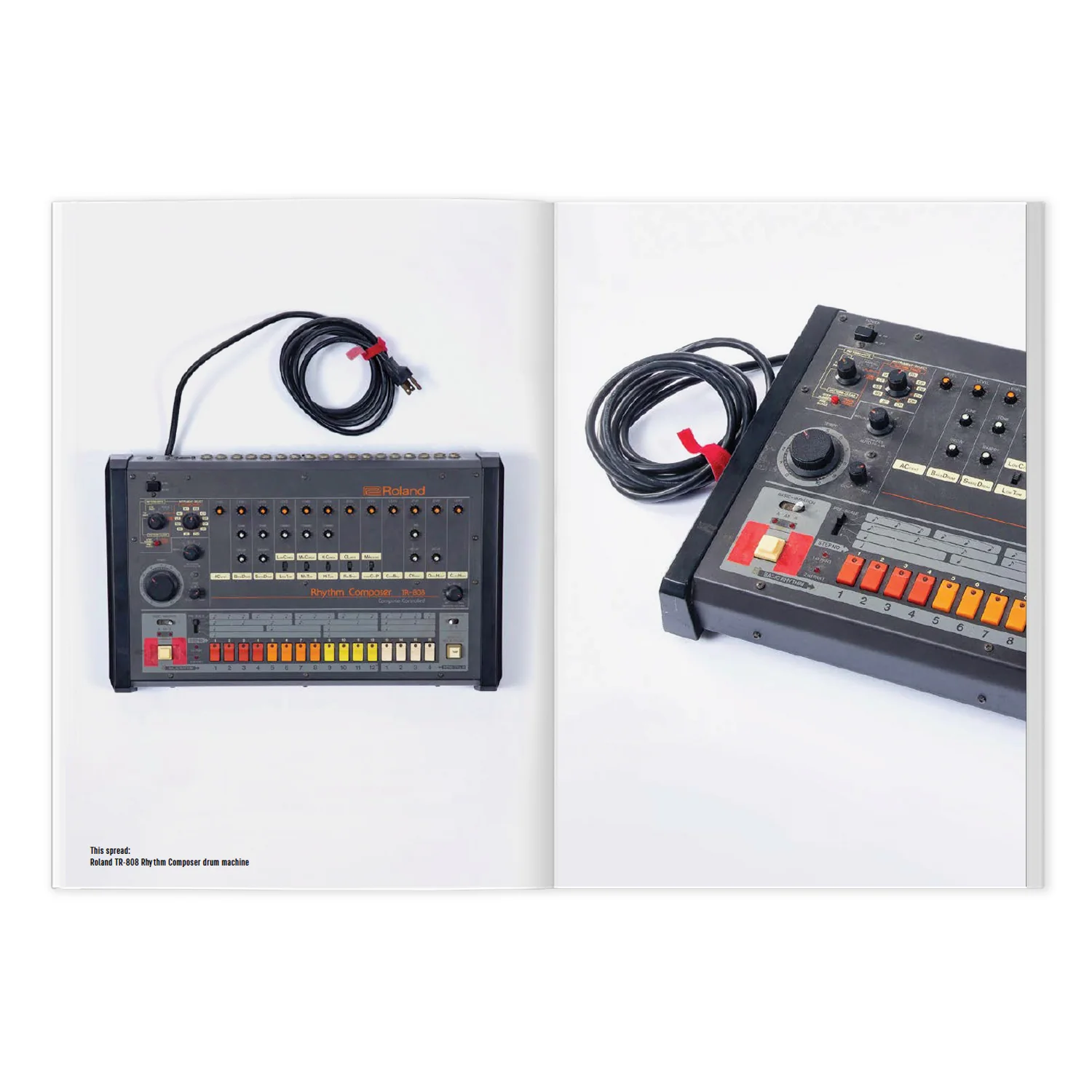
- Handwritten lyrics, studio sketches, and equipment lists.
- Interviews and reflections from collaborators like Mix Master Mike and Mario Caldato Jr.
- Visual essays on the album’s design, fashion (those royal blue boiler suits!), and video production.
Printed in full color on high-quality stock, it feels like a physical extension of the Grand Royal magazine ethos — eclectic, irreverent, and deeply archival. Limited to around 500 copies in some editions, it sold out quickly and has become a collector’s item. Flipping through Stuff Vol. 5 is like time-traveling: you can almost hear the scratches and laughs from the studio.
Pages from the Stuff / Volume 5 zine — raw ephemera and photos that bring the era back to life.
This zine isn’t just nostalgia bait. It underscores how Hello Nasty was a bridge between the analog ’90s and the digital future. The Beasties embraced new tools while staying rooted in crate-digging and collaboration. In our current era of algorithm-driven music, their DIY spirit and refusal to repeat themselves feel more vital than ever.
leg
Twenty-five-plus years later, Hello Nasty remains a benchmark. It influenced everyone from Gorillaz to Tyler, the Creator — artists who blend humor, genre-hopping, and social conscience. Its maximalism prefigured streaming-era playlists where songs jump styles without apology.
The passing of MCA in 2012 added poignancy. Listening now, tracks like “I Don’t Know” hit differently, knowing the group’s story had a finite chapter. Yet the album’s joy endures. Reissues, deluxe editions with remixes and B-sides, and the 2018 Beastie Boys Book have kept the flame alive. The Stuff zines ensure the visual and tactile history isn’t lost to digital dust.
For new listeners: start with the hits, then let the deep cuts wash over you. For longtime fans: grab Stuff / Volume 5 if you can find a copy — it’s the closest thing to hanging out in the studio with them.
The Beastie Boys taught us that creativity doesn’t have to be serious to be profound. Hello Nasty is their rowdiest, most confident statement of that philosophy. As the zine beautifully documents, it was never just an album — it was a vibe, a time capsule, and a invitation to keep moving, scratching, and breaking conventions.
In the words of the Beasties themselves: “Hello Nasty… what’s up?”
Related Articles
Modigliani’s Limestone ‘Tête’
Carved from a single block of limestone in Montparnasse more than a century ago, one of Modigliani's rare stone heads goes to auction for the first time…