DRIFT AUDIO
Listen to this story
Choose a voice, then press play.
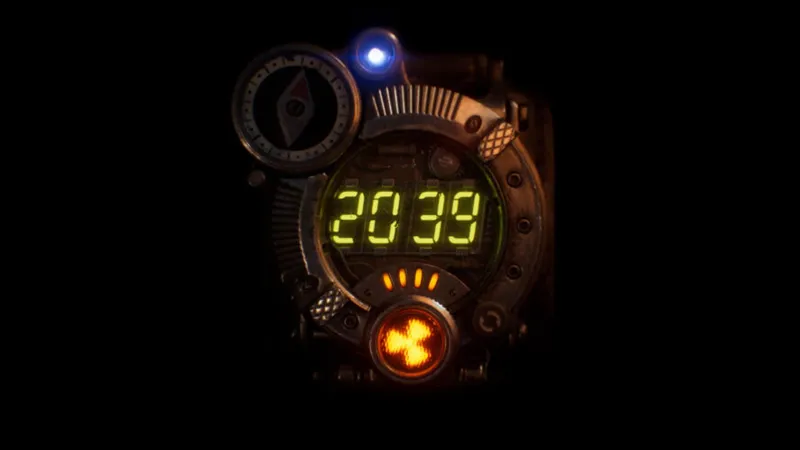
The April 16, 2026 reveal of Metro 2039 marks more than a long-awaited sequel—it is a visceral, politically charged reawakening of one of gaming’s most thematically potent franchises. Developed by 4A Games and published by Deep Silver, Metro 2039 returns to the claustrophobic tunnels beneath Moscow with a renewed sense of urgency, horror, and moral reckoning.
The trailer, unveiled during the Xbox First Look broadcast, is not merely a gameplay teaser but a cinematic manifesto: a declaration that this entry will confront the darkest corners of human nature, shaped by real-world trauma and resistance.
scope
At the mid of the trailer is “The Stranger,” the series’ first fully voiced protagonist, a recluse who has fled the Metro to live in isolation, haunted by violent waking nightmares. These visions—of children being dragged away in chains, indoctrinated into a fascist regime—force him back into the underground world he swore to escape. This narrative device is not just a plot mechanism; it’s a metaphor for the inescapability of history, trauma, and responsibility. The Stranger’s return is not a choice but a compulsion, echoing the real-life experiences of those displaced by war, who must eventually face the ruins of their past.
flow
The trailer introduces the “Novoreich,” a brutal dictatorship led by “The Hunter,” a Fuhrer-like figure whose regime has transformed the Metro into a totalitarian state. Propaganda blares through the tunnels, children are indoctrinated into a militarized youth corps, and dissent is crushed with ruthless efficiency.
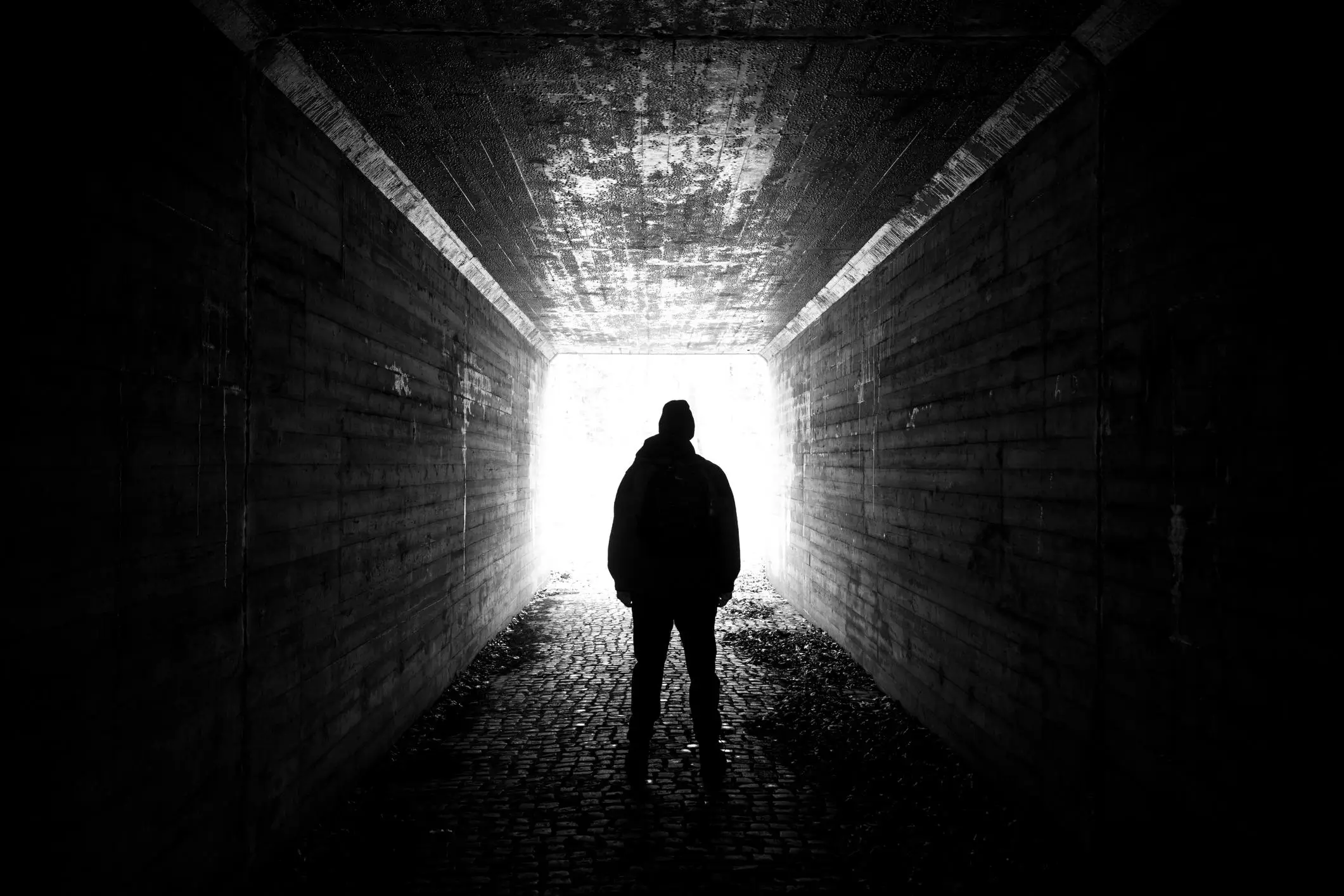
The view language is stark and oppressive—gritty, monochromatic, and suffocating. There is no romanticism here, no stylized wasteland aesthetic. Instead, the game presents a world shaped by the real horrors of authoritarianism, drawing direct parallels to contemporary conflicts, particularly the Russian invasion of Ukraine.
idea
Creative director Andriy Shevchenko has stated that “war is our reality,” and this sentiment permeates every frame of the trailer. The narrative is no longer about survival in the abstract; it is about resistance, the cost of silence, and the price of freedom. This shift is not accidental. 4A Games, based in Ukraine, has lived through the very war they now depict in allegory.
The emotional weight of the trailer—its raw anger, grief, and defiance—comes not from fiction, but from lived experience. This is not a game made in a vacuum; it is a response, a cry from the tunnels.
anti-cyclic
The decision to give the protagonist a voice is significant. Previous Metro games featured silent leads, allowing players to project themselves into the role. Metro 2039 breaks that tradition, signaling a shift toward a more personal, authored narrative. The Stranger speaks not just to guide the player, but to assert his identity, his pain, and his agency. In a world where voices are silenced and history is rewritten, speech becomes an act of rebellion.
imbue
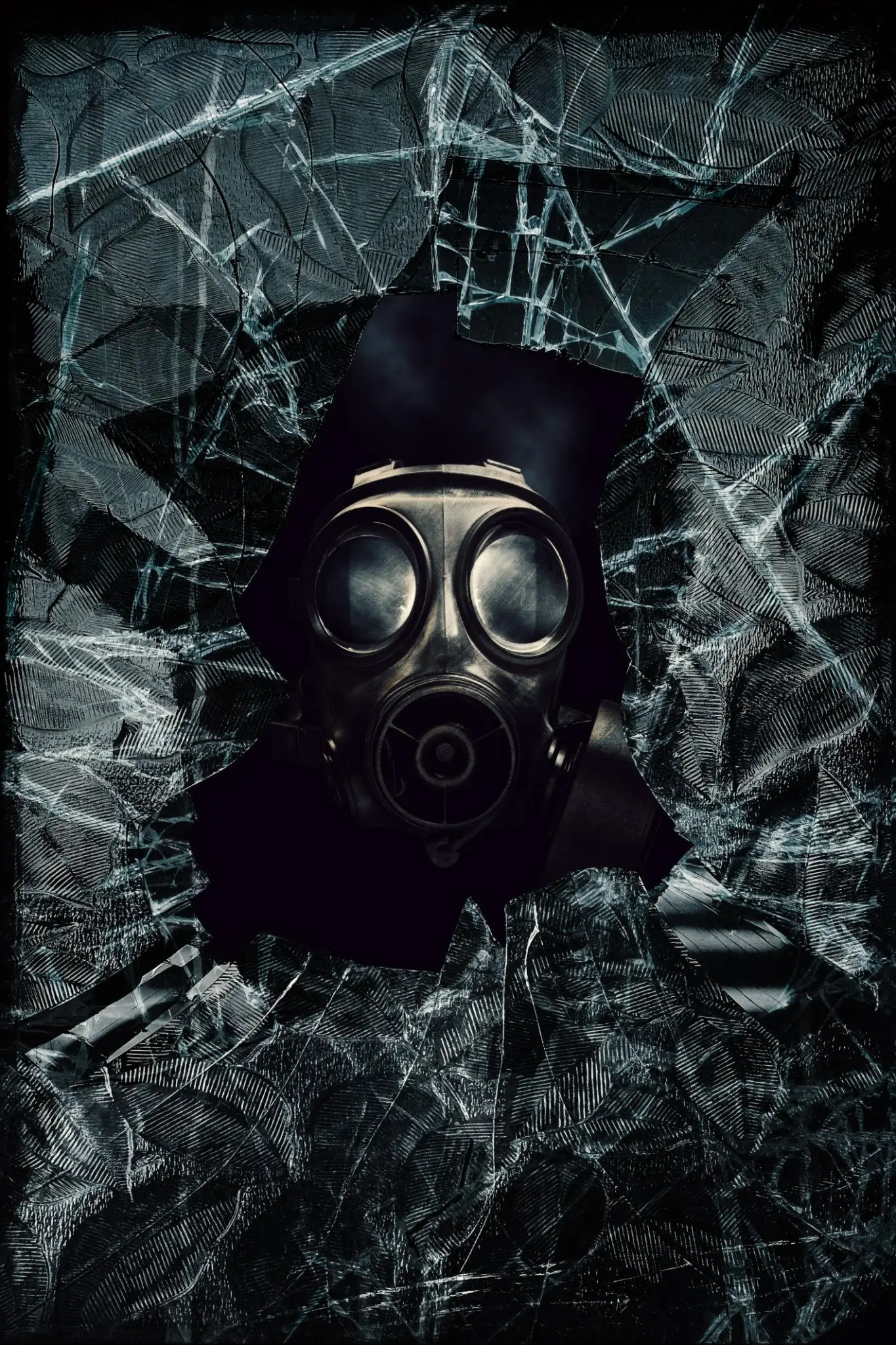
Technically, the game is a marvel. Certified under Microsoft’s Xbox Gold Standard, Metro 2039 runs at native 4K and 60fps on Xbox Series X, with dynamic resolution scaling on Series S. The environments are rendered with astonishing detail—the flicker of gas lamps, the rust on metal, the texture of crumbling concrete—all contributing to an immersive, tactile world. The use of HDR10 and Quick Resume enhances the experience, while Xbox Play Anywhere ensures accessibility across console and PC.
tempo
But the true innovation lies in tone. The trailer avoids the typical blockbuster spectacle. There are no heroic one-liners, no triumphant music swells. Instead, it leans into dread, using silence, dissonance, and fragmented imagery to unsettle the viewer. The horror is not just in the monsters (though they are present), but in the human capacity for cruelty. The children in uniform, the propaganda reels, the chains—these are the real monsters.
callous realm
The game’s setting—2039, years after Metro Exodus—suggests a world that has not healed, but calcified. The hope of Exodus, of escape to the surface, has been extinguished. The Metro is no longer a refuge, but a prison. The Stranger’s journey is not one of discovery, but of confrontation.
He must face not only the Novoreich, but his own complicity in their rise. The trailer hints at this internal struggle—his nightmares are not just of the regime, but of his own inaction.
theory
This moral complexity is the soul of Metro 2039. It does not offer easy answers or clear heroes. It asks the player to question their choices, their silence, their survival. In doing so, it elevates the FPS genre beyond mere action, into the realm of political and philosophical inquiry.
sum
Metro 2039 is not just a game—it is a statement. It is a game made by people who have lived through war, who understand its cost, and who refuse to look away.
The April 16 trailer is a powerful, disturbing, and necessary work of art. It promises a game that will challenge, haunt, and provoke. And in a world still grappling with tyranny and resistance, it could not be more timely.
n
From the DRIFT archive: PANTONE’s 2026 Color of the Year Takes Shape With Play-Doh and Post-It Editions
Related Articles
BEAMS Fiftieth Year
BE@RBRICK x BEAMS 50th. 100 percent and 400 percent. Late October 2026. Medicom block. Print […]