DRIFT AUDIO
Listen to this story
Choose a voice, then press play.
Pigment that flakes, washi that sinks into fabric, pleats that surface after the wash: Manabu Kataide’s label builds a season around clothes that keep changing.
The size chart for the new Critica Pants carries a footnote most labels would bury. Below the waist, rise and inseam measurements, the Japanese copy points shoppers toward comparison photos of the same pair after three washes, a before and after placed right on the product page. At ryaw, the after is the whole point, and the Autumn/Winter 2026 pieces now live on the label’s own web store are built around that idea almost without exception.
Signal. What happened: ryaw, the Japanese label founded by designer Manabu Kataide, has put its Autumn/Winter 2026 pieces, presented under the season title critica, on sale through its own online store, led by painter pants, work shirts, light shells and chinos finished with pigment ink, sumi ink and washi paper that are engineered to change as they are worn and washed. Exact object: Critica Pants (¥50,600), Proxy Pants (¥55,000), Tierage Shirts (¥41,800), Tierage Check Shirts (¥39,600), Objective Shell (¥41,800), Inverted Pleat Shell (¥39,600), Persist Pants (¥55,000), Relia Pants (¥36,300), FUSI BAG (¥27,500) and -tw- VEIN ARM TEE (¥16,500), all prices including tax. When and where: on sale now through ryaw’s online store in the label’s own sizes 1, 2 and 3, with the FUSI BAG, the tee and several individual sizes already sold out at the time of writing; no separate stockist release date has been announced. Source: ryaw’s own item index at ryaw.net and the individual product listings on its web store. Why it matters: rather than selling a finished look, the season sells a process, with nearly every hero piece designed to look different after months of wear than it does on arrival. Earlier
View this post on Instagram
Taken together, the lineup reads less like a seasonal drop than a set of material experiments with price tags attached. Painter pants are coated in pigment ink meant to soften and shed. A check shirt hides its pattern under sumi ink until laundering wears it through. Chinos and a light shell carry washi, the traditional Japanese paper, on their surfaces. In almost every case, the garment a customer receives is deliberately not the garment it will become.
Critica is the Italian word for criticism or critique (crítica in Spanish and Portuguese), and the label has lent it to the lead pair of trousers, though ryaw has not published a statement explaining the choice. The product copy is clearer about the attitude: in one shirt listing, the brand writes about being unable to hold back the passing of time, and about wanting to face that process rather than fight it.
and
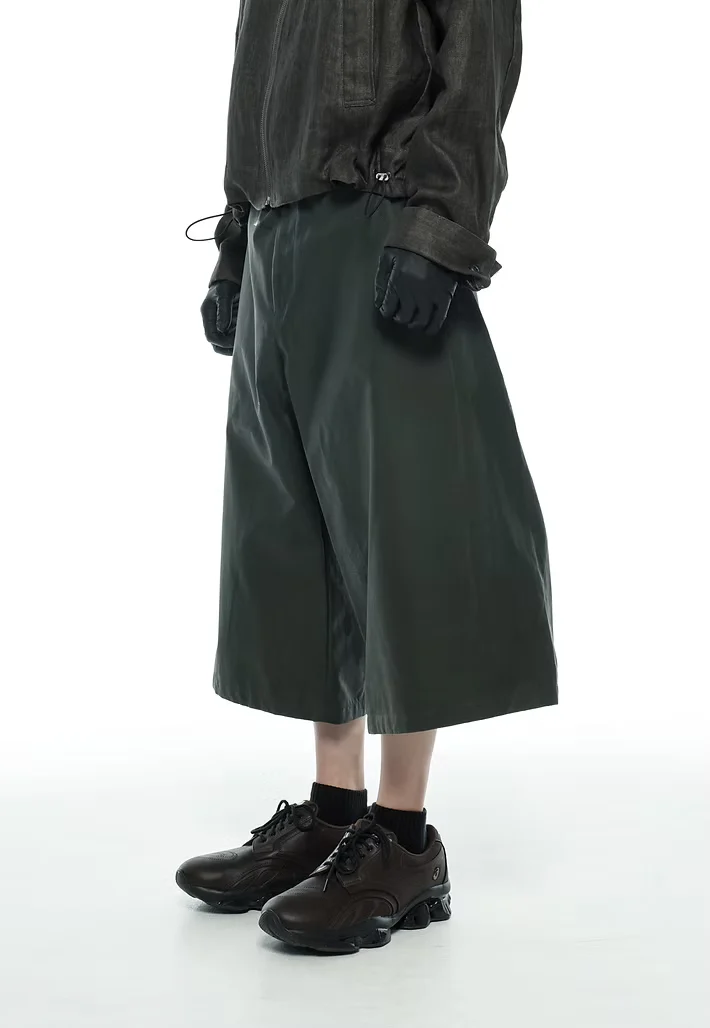
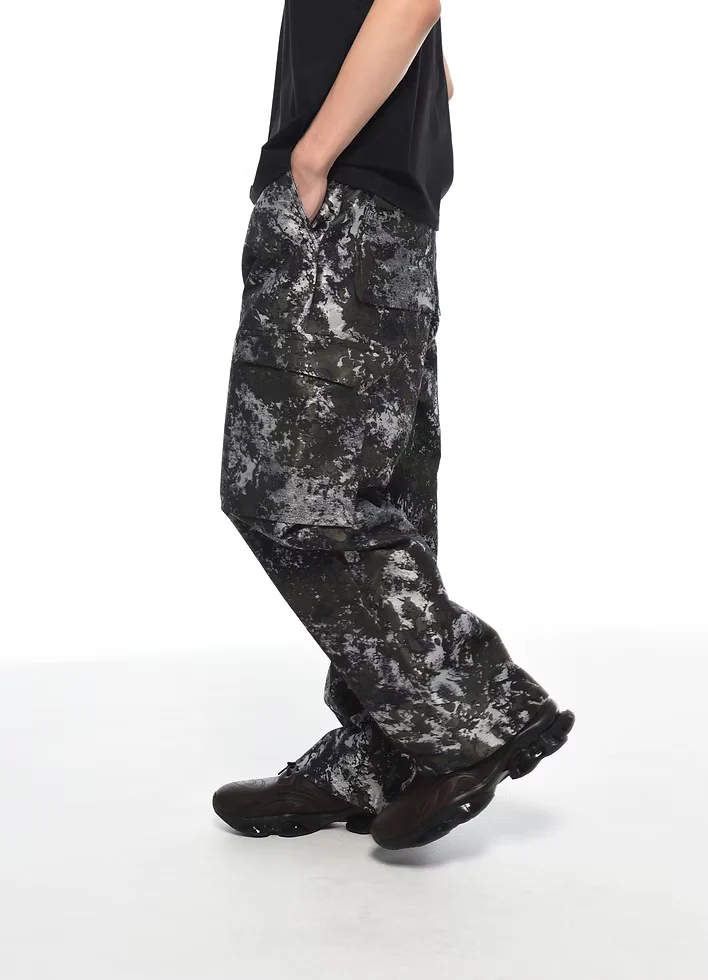
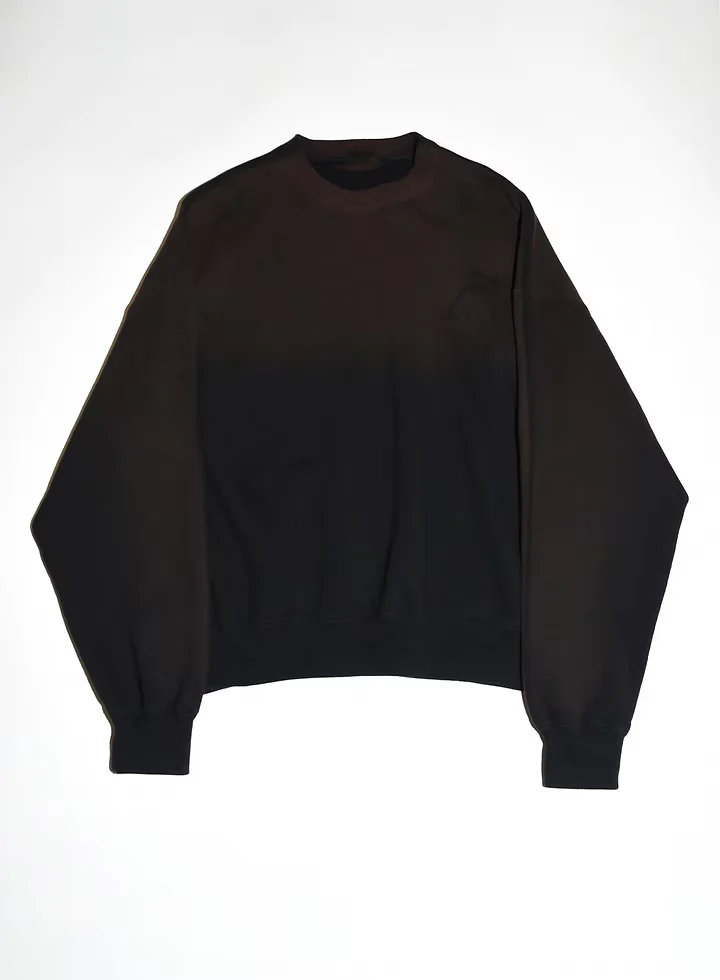
The Critica Pants are the clearest statement of intent. The sil is a painter pant cut mid-wide, roomy without the excess bulk the workwear form usually carries, and the fabric starts life as a khaki cotton satin coated in pigment ink. Out of the bag, that coating makes the cloth stiff. With wear and washing it softens and settles around the body, and dense stitching makes the puckering along each seam grow more view as the fabric relaxes. The brand frames the garment as a study of the bond that builds between clothing and owner as both age. The pants sell for ¥50,600 in sizes 1, 2 and 3, with waists running from 82 to 90 centimeters, and the largest size had already sold out at the time of writing.
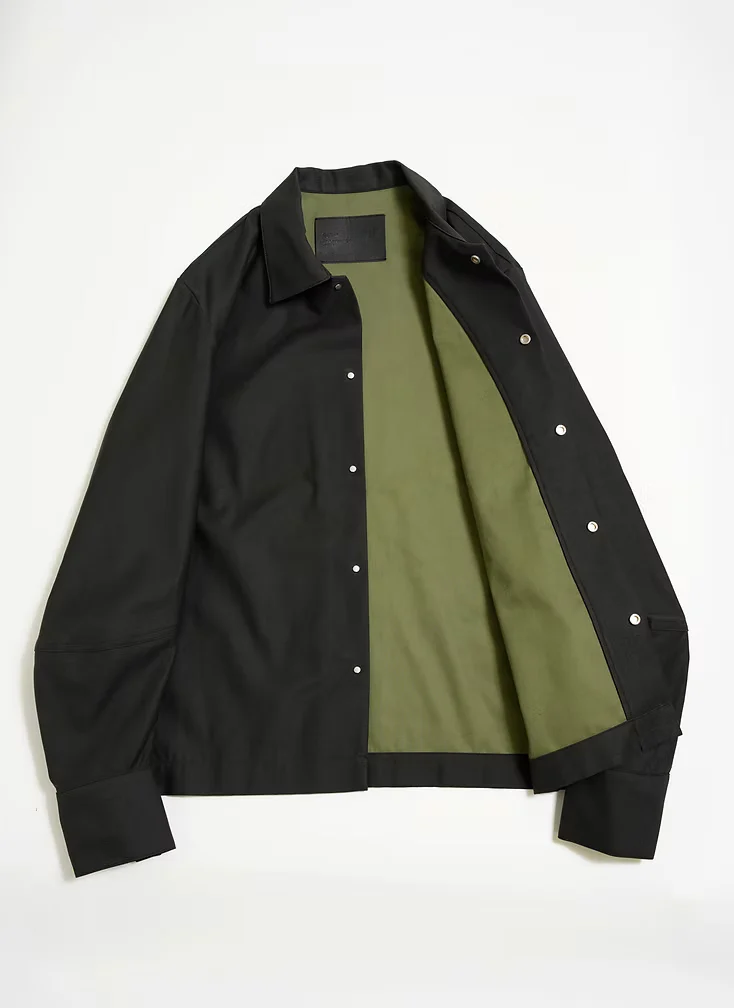
The same pigment-coated satin turns up in the Tierage Shirts, a ¥41,800 work shirt with a specially engineer arm pattern. Here the aging comes with its own paperwork: the production year is marked on the inside of the shirt, so the wearer can trace how far the surface has traveled from the season it was made. The Japanese description says plainly that the pigment is built to flake away with wear and laundering, and two of the listing’s images show the shirt after three washes.
The Proxy Pants take the identical pattern and measurements but swap the coated satin for a heavyweight synthetic leather, a 50/50 blend of polyurethane and cotton. ryaw says the material is rarely found in Japan’s domestic market. At ¥55,000 it is the one trouser in the lineup not designed to change, a useful control sample beside its pigment-coated twin.
flow
The Tierage Check Shirts push the reveal further. The base cloth is a yarn-dyed corduroy with a honeycomb texture, hand-loomed in India, and its check pattern is hidden beneath a surface coating of traditional sumi ink, the carbon black ink long used in East Asian calligraphy and painting. The coating is engineered to break down through ordinary friction and laundering, so the check gradually surfaces through the black over months of wear. With the interior left untreated, the shirt reads almost reversible: inky outside, fully patterned within. It sells for ¥39,600.
It is a neat inversion of how surface treatments usually work. Distressing and heavy washes are often used to make new clothing look lived-in from day one. ryaw applies a finish whose only job is to disappear, so the most complete version of the shirt does not exist yet when it ships.
stop
Washi is the material that holds the middle of the season together. The Persist Pants are a chino cut with an exaggerated rise, 41 to 42 centimeters depending on size, designed so the trousers appear to sit low on the hips even when fastened at the natural waist. ryaw suggests cropped tops to sharpen the off-balance proportions. Rather than reach for synthetic leather to get a leathery surface, the brand bonded a full layer of washi to a heathered cotton chino base. With continued wear, the paper gradually merges into the cloth beneath it and the surface settles into a seasoned, personal texture. They cost ¥55,000, and two of the three sizes were sold out at the time of writing.
The Relia Pants share the same high-rise block in plain cotton, offered in black and a shade the brand calls brown ash for ¥36,300, and carry the idea into the details. Their leather patch is covered with washi marked with the season, over an engraving that comes through as the paper wears away.
Washi is not a casual choice of material in Japan. Made by hand from paper mulberry fiber and used for documents, screens and sliding doors, the craft appears on UNESCO’s list of intangible cultural heritage as a skill passed down through papermaking families, preservation associations and local municipalities. Bonding it to trousers meant to be sat in and thrown in the wash is a very different kind of stress test.
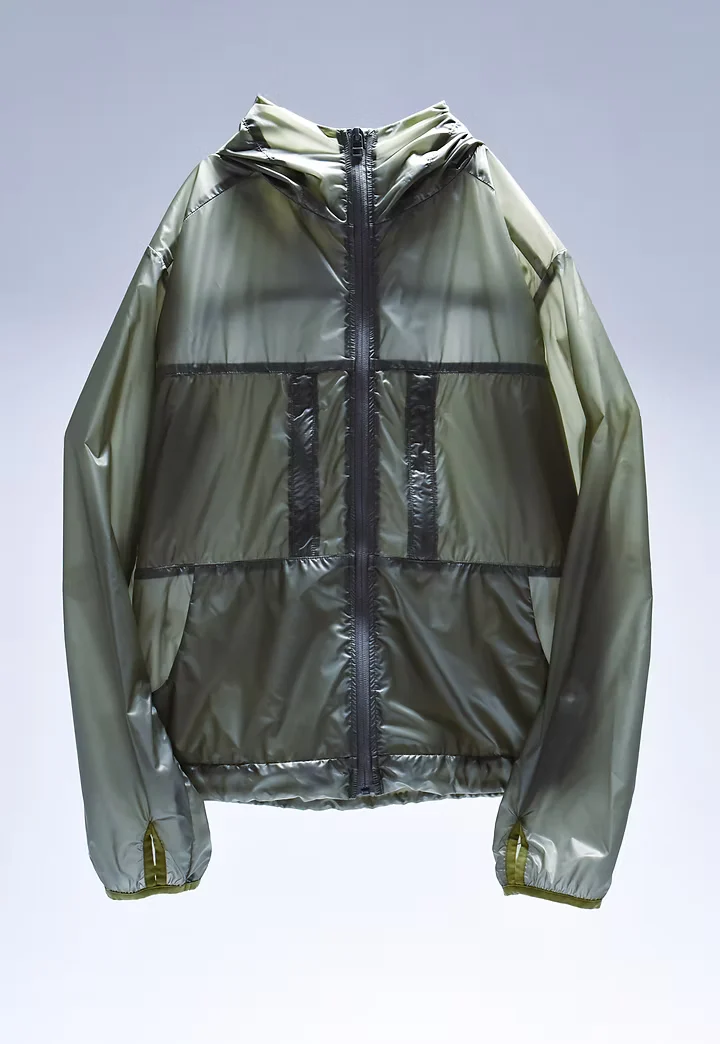
The Objective Shell brings paper to outerwear. The body is a 54/46 blend of cotton and nylon chosen because its surface recalls the organic texture of traditional Japanese paper, and the visor is layered with genuine washi intended to shift in appearance through daily use. The fit is slim but not restrictive, with two front pockets and a body length of 63 to 67 centimeters, short enough to land right where the deep-rise Persist and Relia trousers begin. ryaw describes the jacket as maturing into a one-of-one piece through everyday wear. It sells for ¥41,800, and size 1 had sold out at the time of writing.
straddle
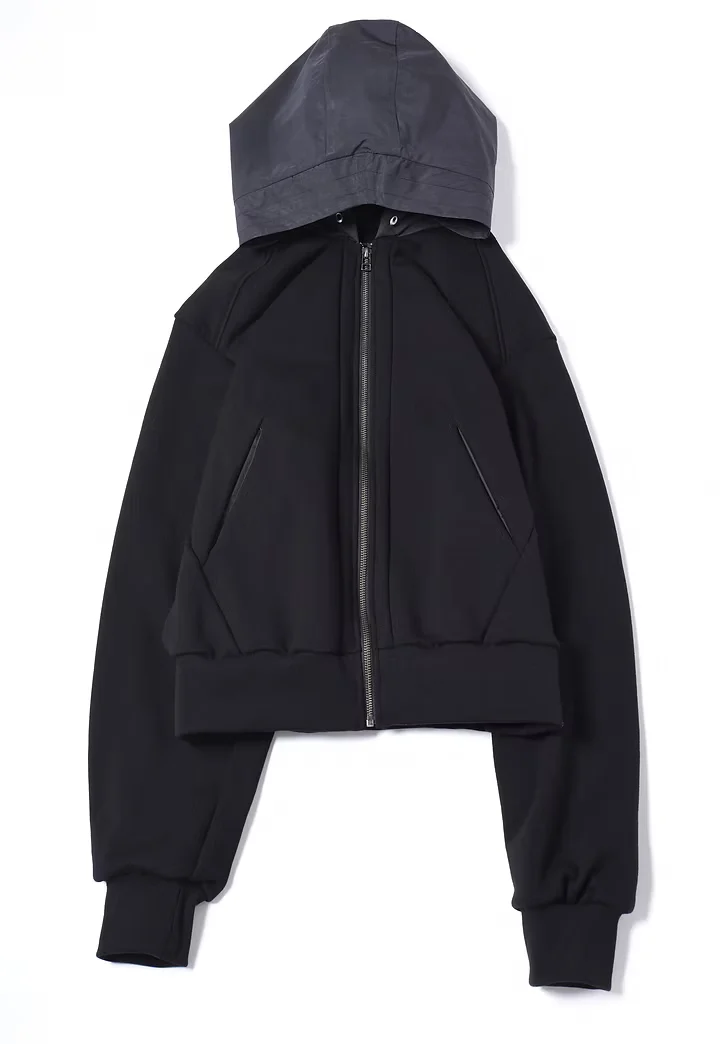
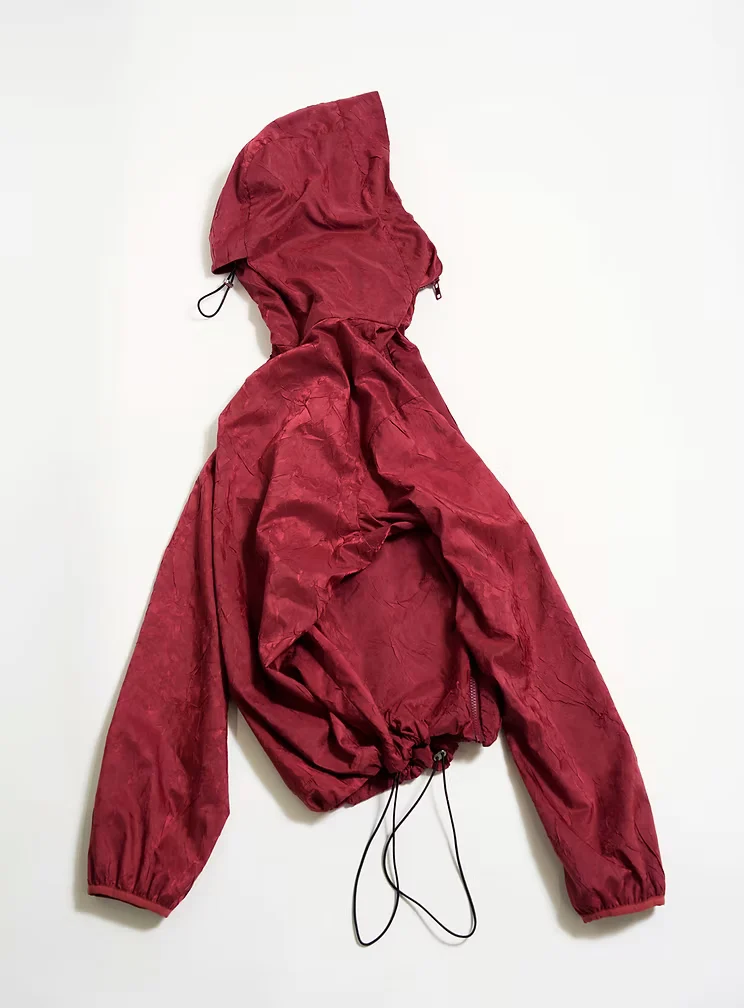
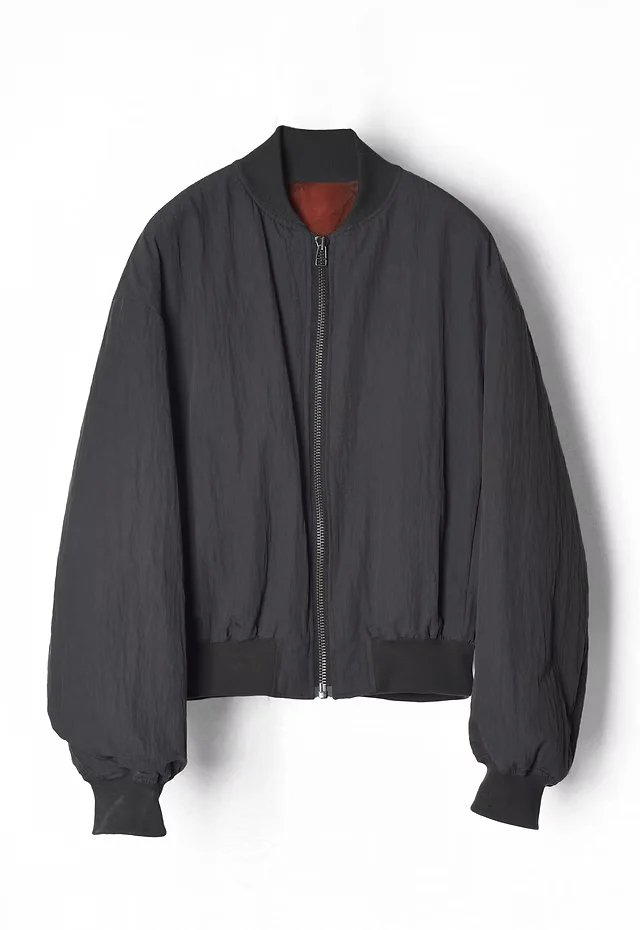
The Inverted Pleat Shell is a light nylon jacket with pleats the brand compares to scars. They are held shut at first by a water-soluble bonding process, and only begin to work as the wearer moves and washes the jacket. It costs ¥39,600. A black version of the same shell also appears further down ryaw’s item index at the same price, which suggests the design is being carried forward from an earlier delivery rather than introduced from scratch this season.
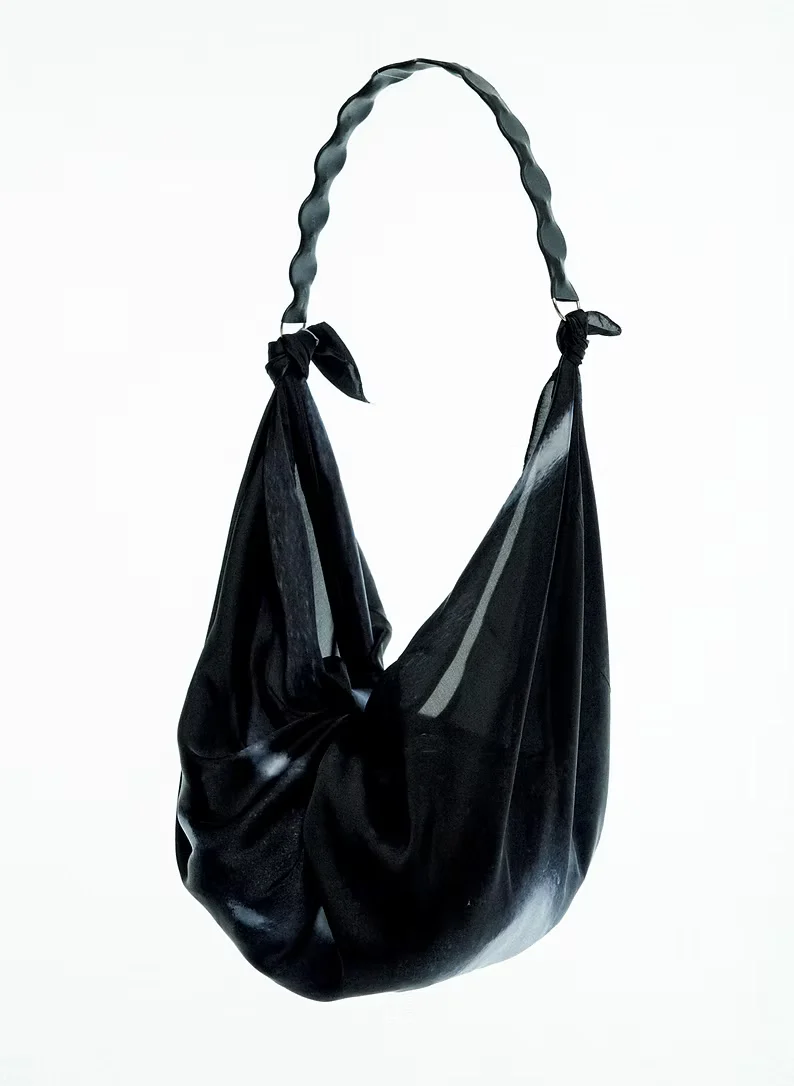
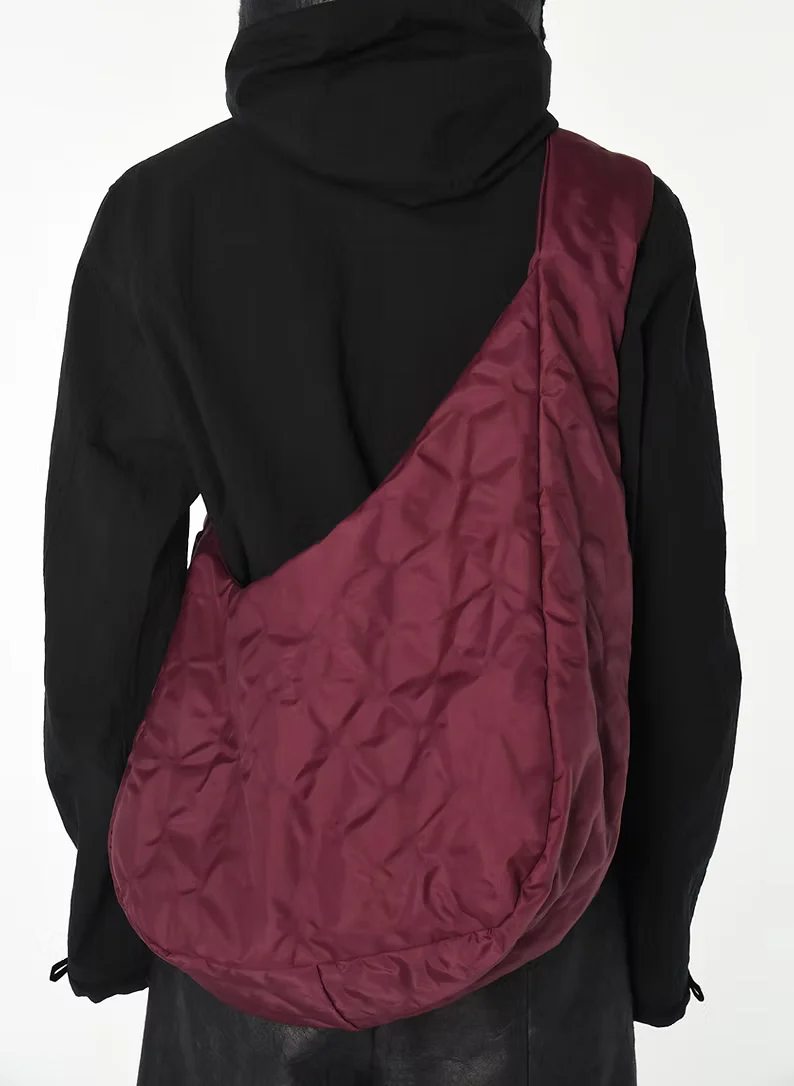
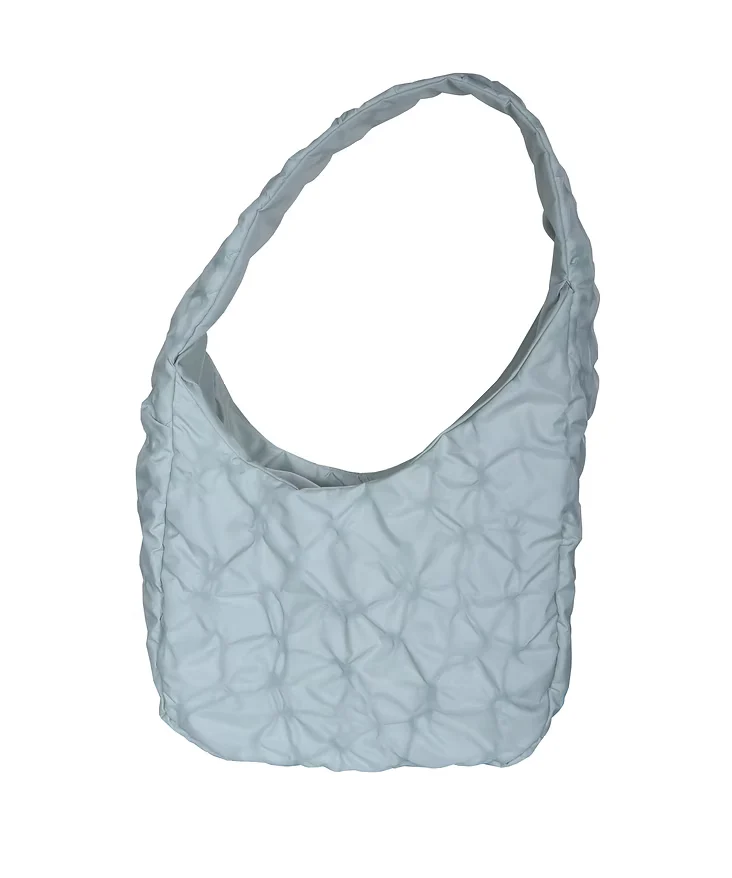
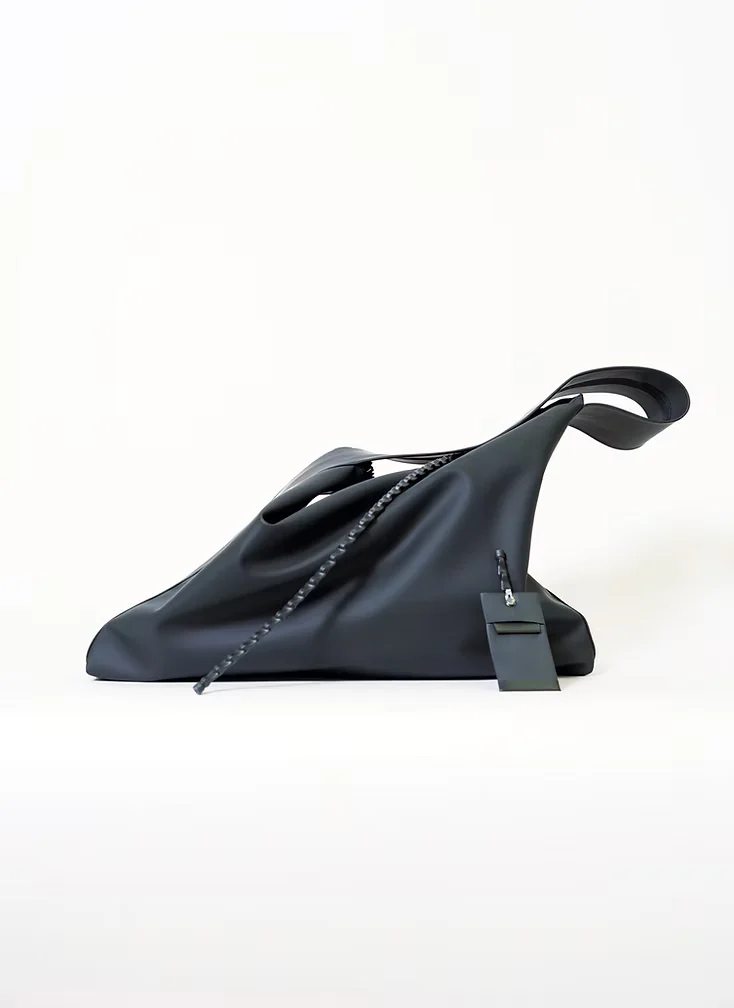
Accessories follow the same habit of turning a flaw into a feature. The FUSI BAG, priced at ¥27,500 and sold out at the time of writing, travels under the tagline “Aestheticizing the Negative.” A narrow, deep groove that began as a structural problem has been turned into a concealed privacy pocket, with a magnetized zipper tab that makes items easy to fish out. The polyester bag holds a 15-inch laptop and measures 43 by 30 by 9 centimeters.
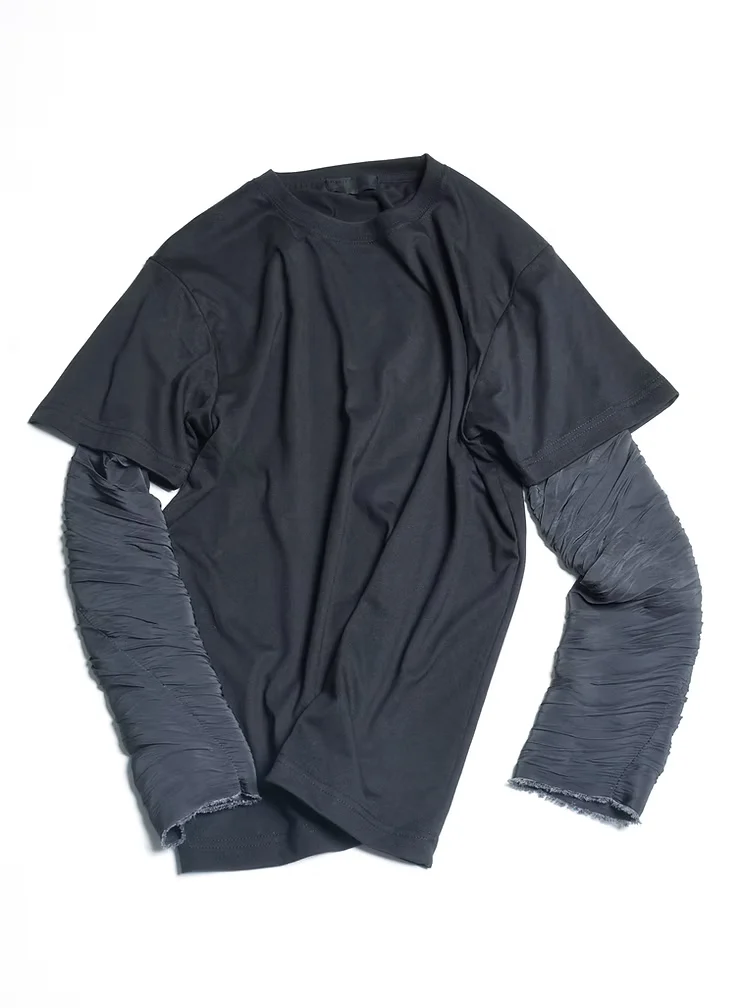
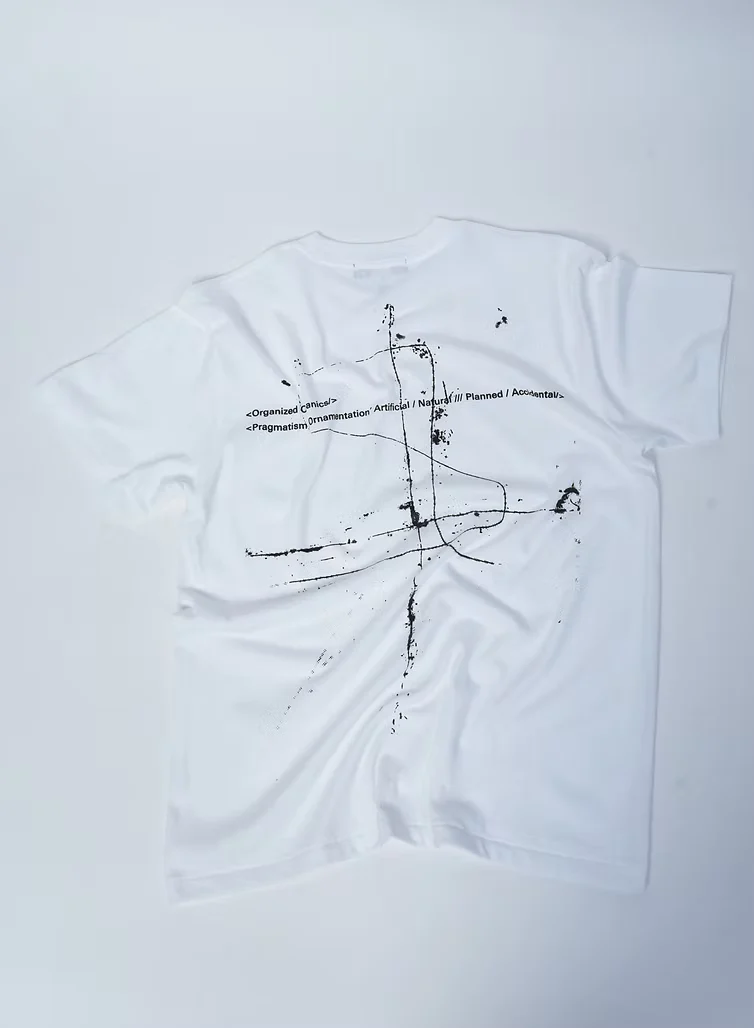
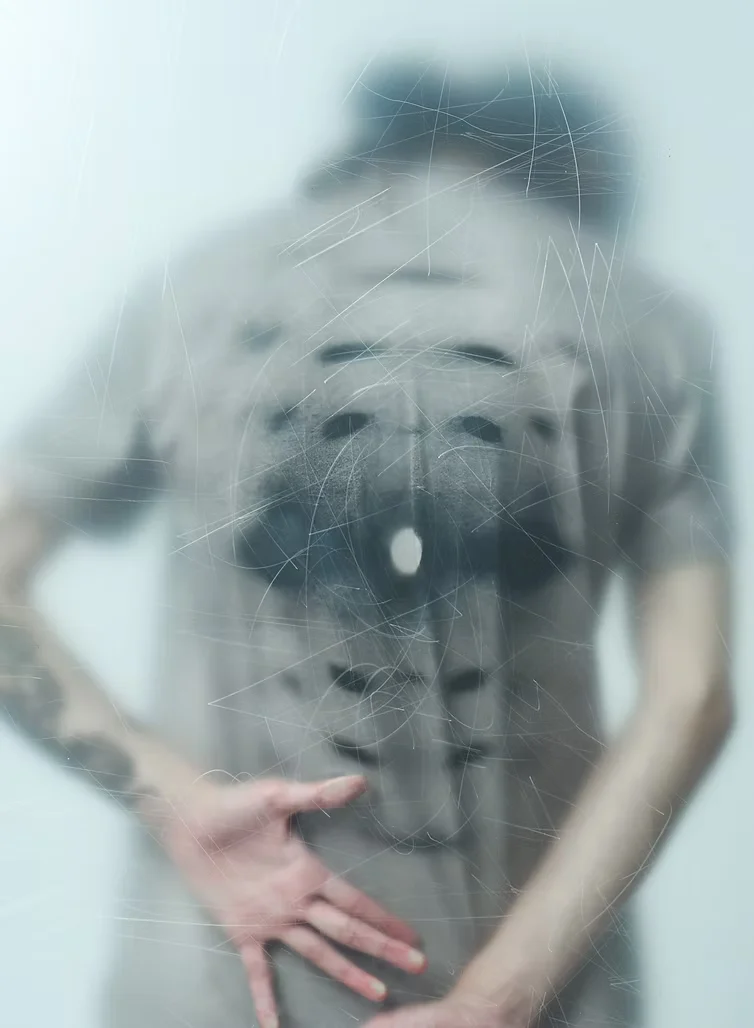
The -tw- VEIN ARM TEE, a ¥16,500 piece that also sold out, brings the label’s signature vein texture to the sleeves of a 5.6-ounce cotton T-shirt. The sleeve panels use a new split-filament polyester tested to survive the high-heat processing the vein effect requires, and the listing warns that their measurements can vary slightly from piece to piece, a small admission that the process leaves its own fingerprints.w
from
ryaw is the project of designer Manabu Kataide, and the brand profile carried by Tokyo retailer NUBIAN describes a label built on merging technology with organic elements through processing techniques and forms it develops itself. That profile cites plants and medical equipment among its references. No interviews with Kataide surfaced during reporting for this piece, and the label speaks mostly through its product pages and other rely spots rather than runway shows or press campaigns.
View this post on Instagram
The leaf vein idea has become something close to ryaw’s calling card. NUBIAN describes the Vein Bag, shaped with heat processing into a raised pattern modeled on the veins of a leaf, as a ryaw staple, and in July the retailer rel a special version of it as part of NUBIAN’s 20th anniversary exclusives with brands it counts among its close friends. That update used a custom nylon with a leather-like grain and went on sale across all NUBIAN stores on July 4, timed to the grand opening of the retailer’s Fukuoka location.
The spring season laid some of the groundwork for what Autumn/Winter now develops. NUBIAN’s Spring/Summer 2026 ryaw assortment included the Thermo Knit, a high-neck nylon sweater made with a heat-reactive material that gradually shifts once temperatures pass 29 degrees Celsius, and the Dys Shell, a sheer light jacket woven from ultra-fine nylon yarn with decorative braids repurposed as cords. Those pieces reacted to their environment. The new season’s pieces react to time, a slower trigger that only the owner gets to watch.
fin
There is no formal launch to speak of. ryaw has not published a lookbook, press rel or season statement for critica on its site, and the ryaw.net page gathering the new pieces is still titled “25AW item,” with the latest arrivals stacked above earlier bombers, crewnecks, bags and footwear. Most of the Autumn/Winter clothing sits between ¥36,300 and ¥55,000 including tax, and individual sizes across the shells, shirts and trousers had already sold through by the time of writing.
That shh rollout fits clothing that is, by design, unfinished at the point of sale. Each listing offers size exchanges within five days of arrival. For now, the closest thing critica has to a campaign image is a handful of product photos showing clothes after their third wash.
Related Articles
Moncler Re/Icons Takes On Four Archive Jackets at Once, and Isetan Shinjuku Gets Them First
Moncler’s 2026 Re/Icons chapter reworks four archive down styles dating from 1954 to 2009, and […]