DRIFT AUDIO
Listen to this story
Choose a voice, then press play.
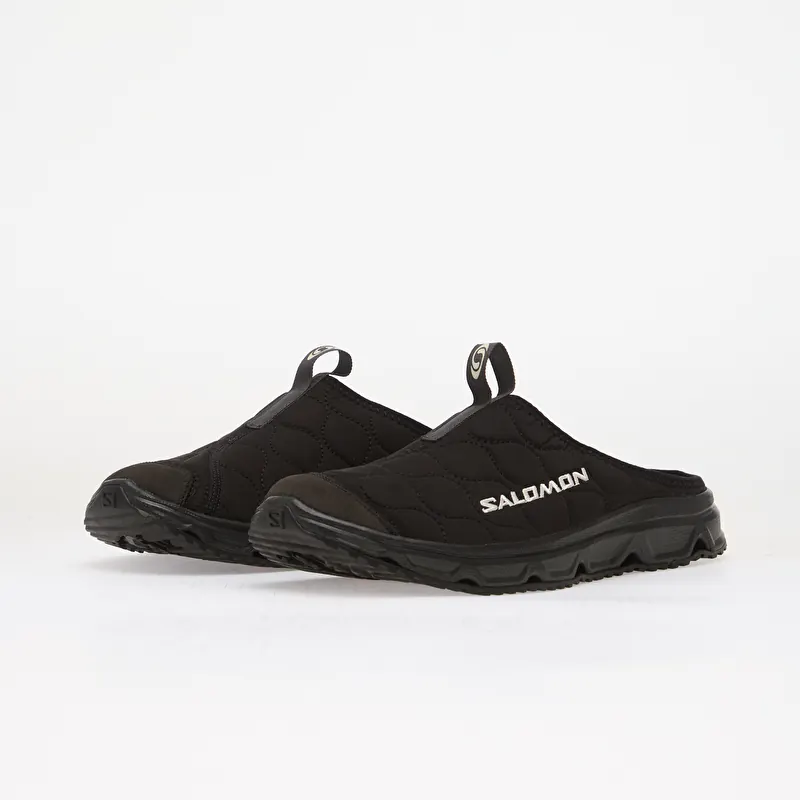
Salomon is dropping its topographical-stitch recovery slide in an all-black colorway, due through Japanese dealers on September 2.
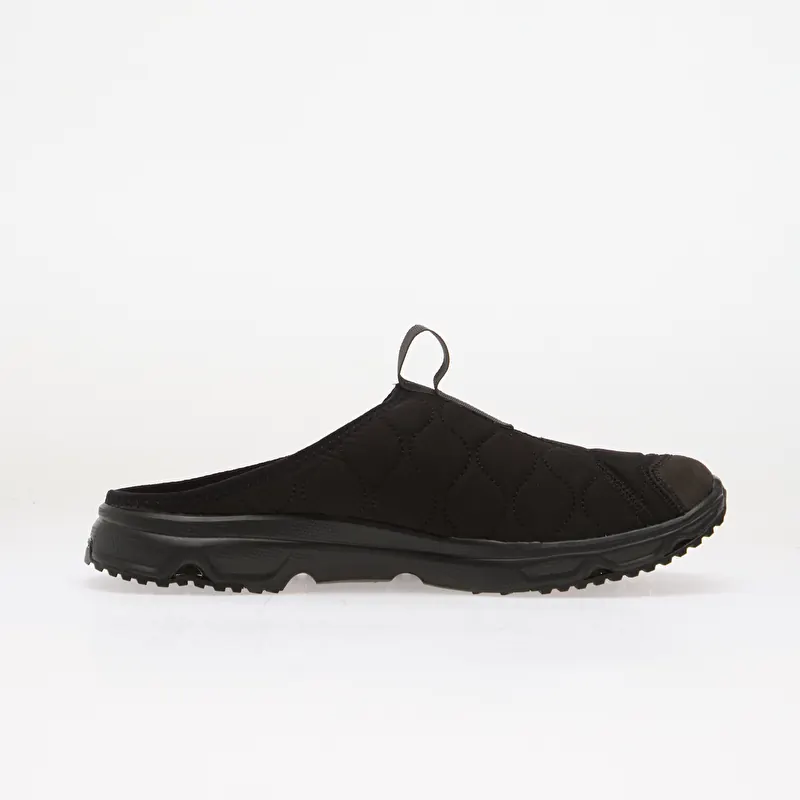
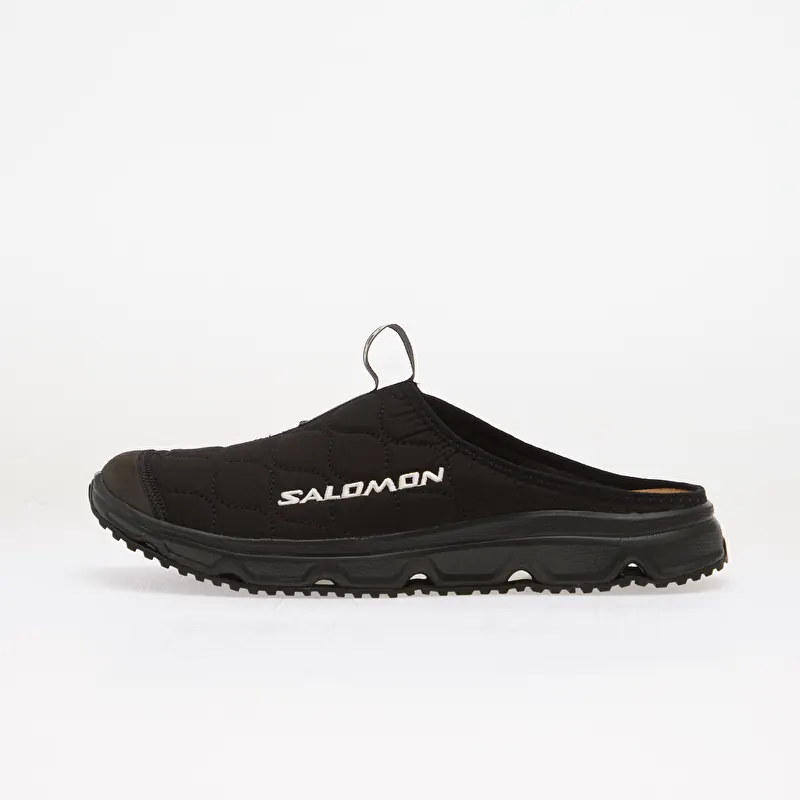
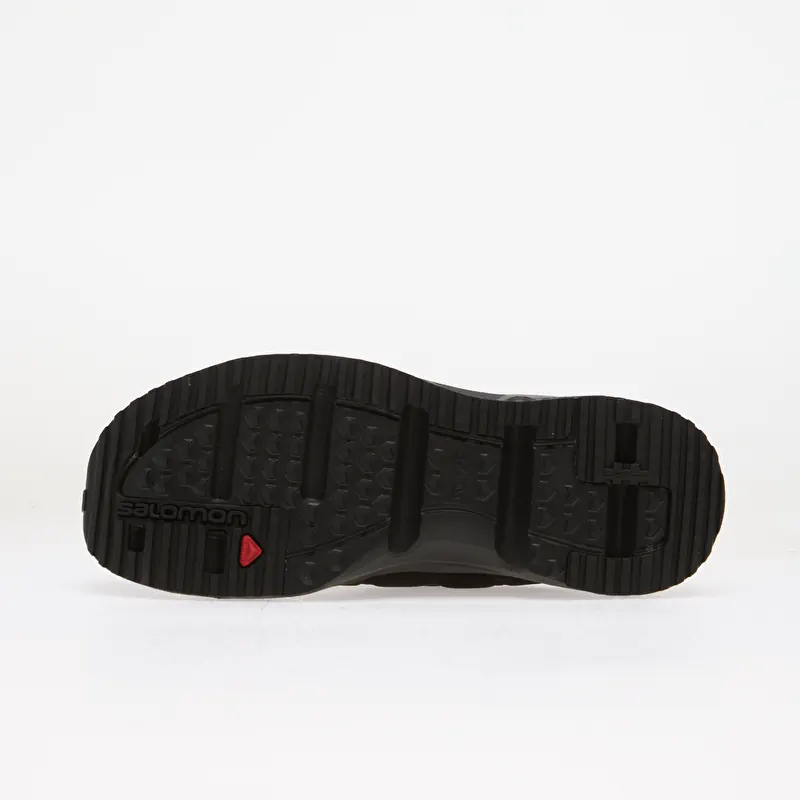
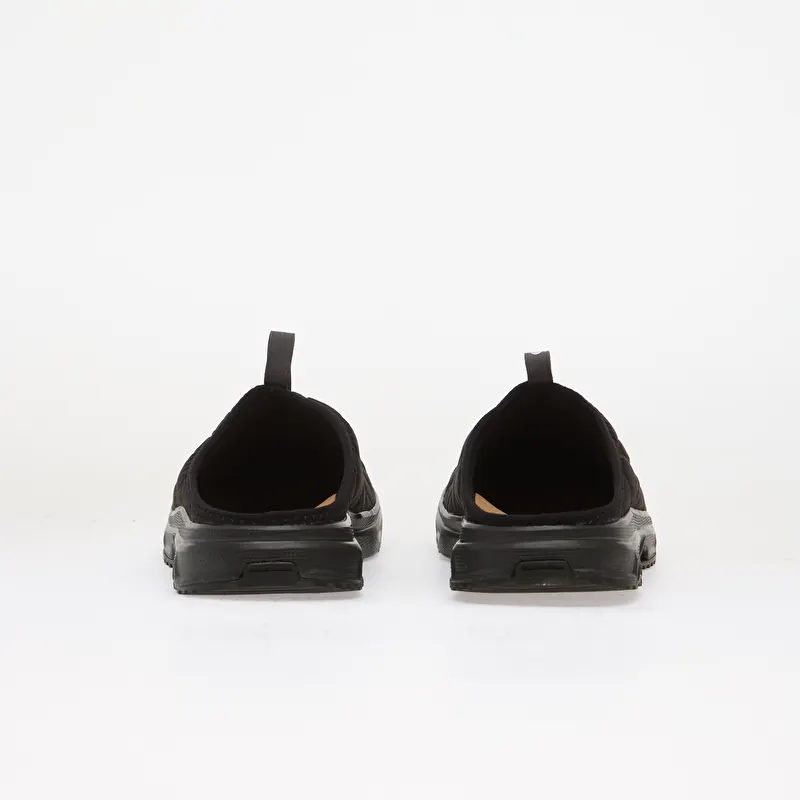
The RX Slide 3.0 ATQ is set to land at Salomon dealers across Japan on September 2, 2026, in a Black/Black/Asphalt colorway with a white logo hit on the side and a matching black outsole. The ATQ treatment itself is not new: Salomon first introduced it in September 2025 in “Falcon” and “Agave Green” pairings, according to other rel coverage at the time, meaning this blacked-out version arrives almost exactly a year after the update’s debut. It is also the darkest treatment the ATQ line has shown up in yet, following green, tan and multicolor pairings since launch. Salomon’s own product photography for the ATQ line, viewed across its regional storefronts, backs up the general form described in the rel notice: a quilted, topographically stitched upper over a split suede toe cap, sitting on a thick, unified black sole unit.
Two specifics from the release notice could not be independently confirmed. The style code given, L45475800, does not match the naming pattern used across every verified RX Slide 3.0 ATQ colorway found on Salomon’s own regional sites and through resale platforms, all of which run in the L478xx range (Falcon is L47790900, Agave Green is L47855900, a third Agave Green/Urban Chic/Black pairing is L47853700). And no Black/Black/Asphalt listing for the RX Slide 3.0 ATQ was live on Salomon’s US, Australian, UK or Japanese storefronts at the time of writing, four days ahead of the stated rel. Both are flagged here rather than resolved either way, consistent with how a handful of other Japan-sourced Salomon rel notices have turned out to carry mismatched codes or dates in the past. No JPY pricing was found anywhere either; Salomon’s Australian storefront currently lists other RX Slide 3.0 ATQ colorways at an original AUD $150, though that figure comes from a different market and colorway and shouldn’t be read as a stand-in for what the Black/Black/Asphalt pair will actually cost in Japan.
The RX Slide 3.0 nameplate itself is not new. Colorways verified through resale databases show the shoe cycling through seasonal releases well before the ATQ update existed, including a Black Plum Kitten pairing in November 2023, an Aurora Red Black colorway the same month, a Turbulence colorway in August 2024, and a Black Scarab pair in February 2025, all under the base RX Slide 3.0 name rather than ATQ. That steady cadence is part of what makes the September 2 release read less like a special drop and more like the shoe’s ordinary seasonal rotation, just in a colorway it hasn’t worn before.
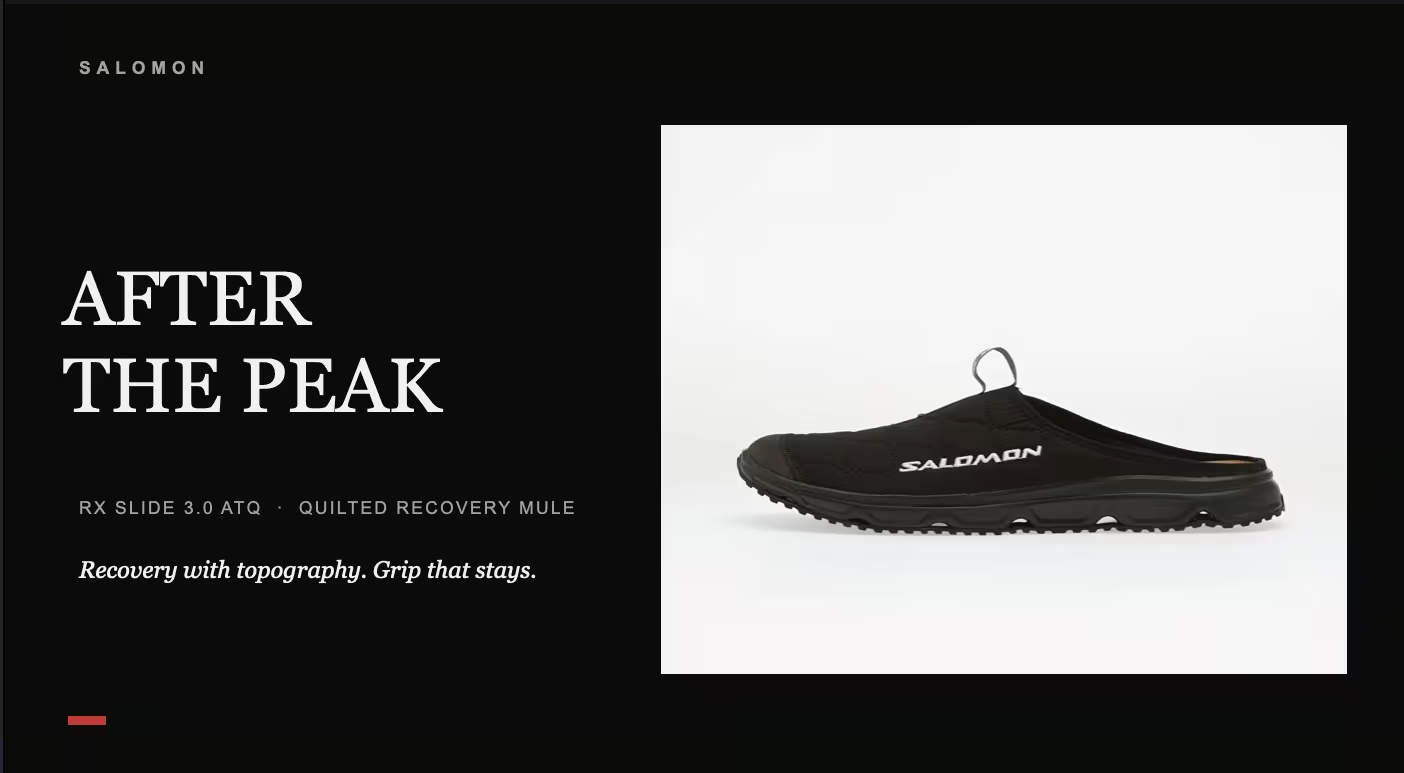
An advertisement for a Salomon black quilted recovery mule displayed on a stark white background, accompanied by the bold text “AFTER THE PEAK” against a black backdrop.
flow
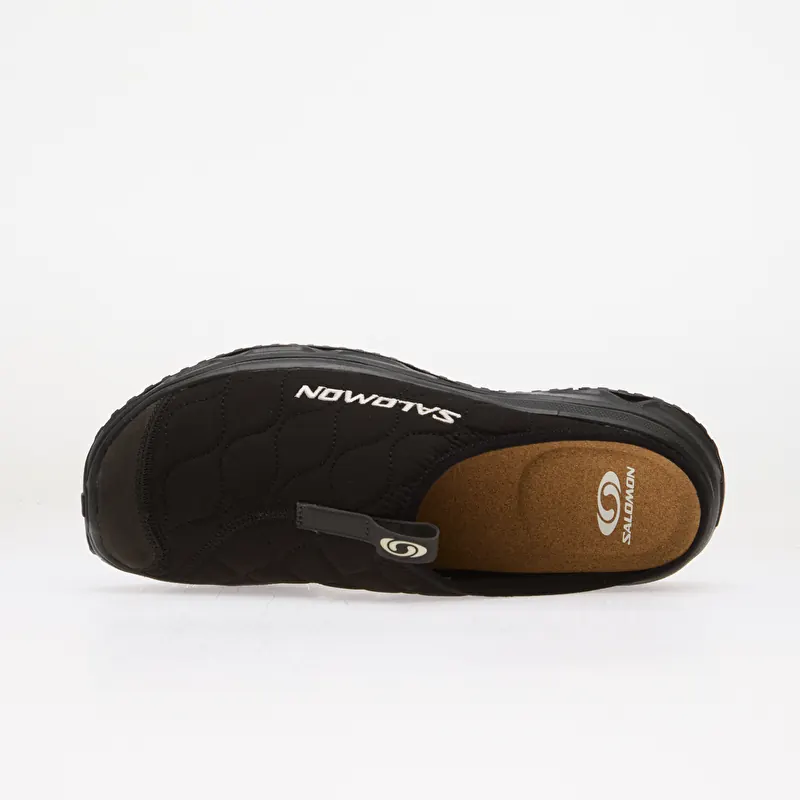
The ATQ treatment is a materials update to an already-established shoe, not a new silhouette. Salomon’s own spec sheet for the RX Slide 3.0 ATQ lists a 10mm heel-to-toe drop, a cork insole, a textile lining and a weight of 187 grams, figures that match what the release notice claims almost exactly. The sliding construction that lets the heel collapse for quick on-and-off wear is original to the RX Slide line, and Salomon’s marketing copy for the ATQ specifically credits the quilted upper’s curved stitch pattern to “meandering topographical lines reminiscent of contoured terrain,” which lines up with the mountain-contour description in the Japan release notice almost word for word. The split suede toe cap referenced in that notice is a genuine ATQ-specific detail not present on the mesh-upper RX Slide 3.0 colorways that came before it.
The outsole claim holds up too. Salomon’s UK and South African listings for the RX Slide 3.0 ATQ, along with independent retailer copy from Above The Clouds, all name All-Terrain contaGRIP specifically as the outsole compound, a Salomon-branded rubber built for grip across wet, dry, hard and loose surfaces and normally associated with its hiking and trail lines rather than a recovery slide. Its presence here is one of the clearer signals that Salomon is building the ATQ line on top of genuine outdoor hardware rather than just dressing up a basic slide in quilted fabric.
hint
The RX line exists because a slide meant for standing around after a run turned out to have a life well beyond the finish line. Salomon has built the RX name out steadily since introducing the original RX Slide, adding the buckled, Mary Jane-styled RX Marie-Jeanne as a more directly lifestyle-facing entry, and now the ATQ treatment, which trades the RX Slide’s usual mesh and EVA for quilted fabric and a cork footbed aimed squarely at people who were never going to wear it to actually recover from anything. The RX Marie-Jeanne carries over some of the same language Salomon uses for the Slide, including a molded EVA sockliner and a non-marking Contagrip outsole, suggesting Salomon is treating recovery construction as a shared platform across its more fashion-oriented releases rather than a one-off.
That crossover has tracked a broader shift for the brand. Salomon was founded in Annecy, in the French Alps, in 1947 by François Salomon, building its name on ski edges before his son Georges expanded the company into trail running and hiking equipment over the following decades. It now operates as part of Amer Sports, the Finnish-based group that also owns Wilson, Atomic and Arc’teryx. Its Sportstyle division, which the RX Slide 3.0 ATQ falls under, has spent the past several years pushing that technical background into general fashion retail rather than just outdoor specialty stores, a strategy that has also produced collaborations with labels including MM6 Maison Margiela and Y/Project. A comfort shoe engineered around cork, cushion and a topographic quilt pattern sits squarely inside that push: technical enough to justify the price, plain enough in black to wear with almost anything.
Related Articles
New Balance Turns the 9060 Down to a Whisper in Black and Neptune Grey
Black mesh, napped suede and a grey-tinted heel piece: the U906088B drops every bright accent and lets the 9060's swollen pod sole carry the look.