DRIFT AUDIO
Listen to this story
Choose a voice, then press play.
But something has shifted in 2026. After last year’s frenzy of nearly 45 activations, the era of “for-the-sake-of-it” collaborations is fading. The design community (and increasingly savvy fashion audiences) can smell inauthenticity from across the Navigli. This year, brands with established homeware lines doubled down on their DNA, while those without homes leaned into immersive, intelligent experiences instead of forced product drops. The result? A more mature, considered, and genuinely exciting fashion presence at Salone.
Here are 10 of the strongest presentations that defined the week.
LOUIS VUITTON
Objets Nomades: Trunk as Canvas
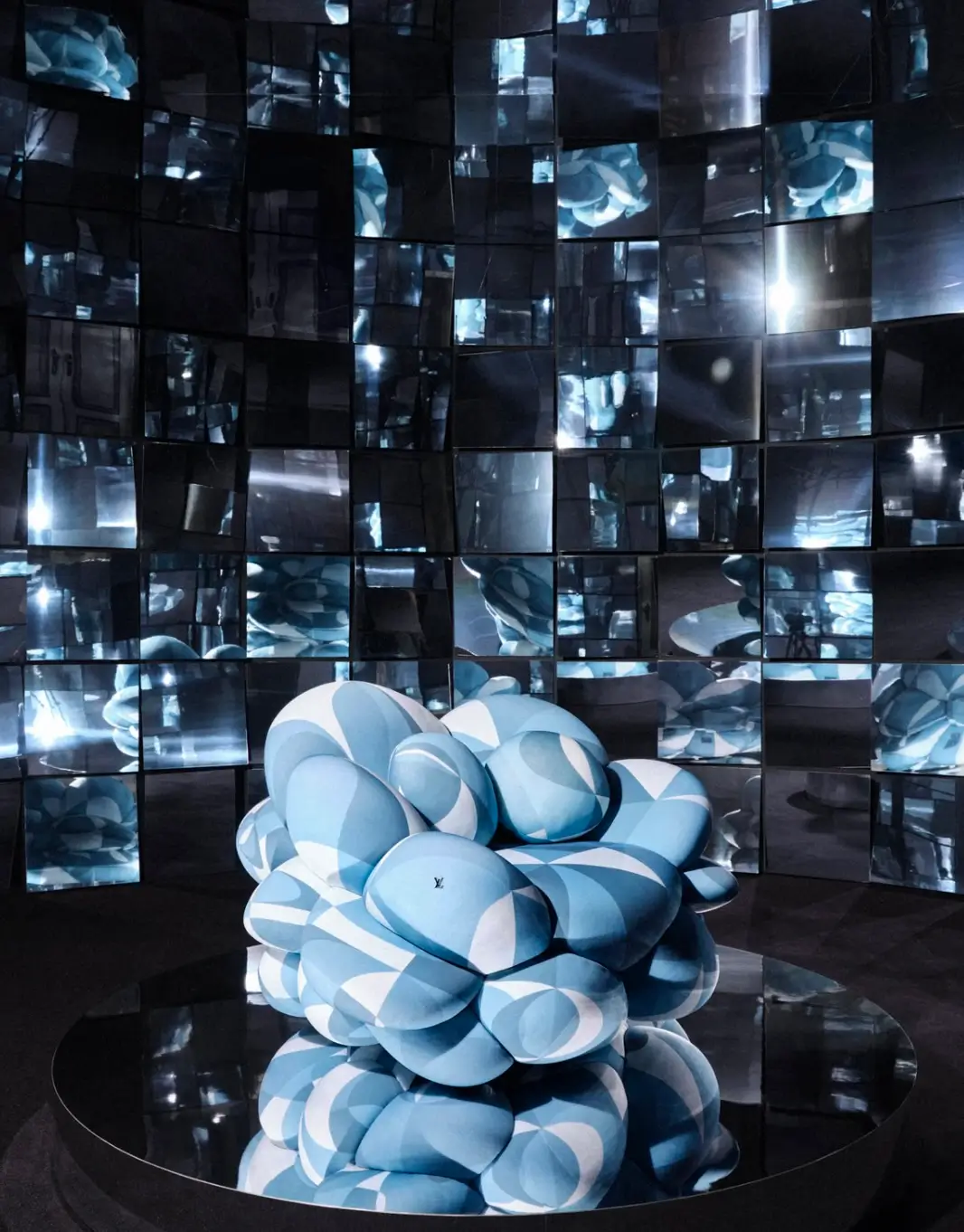
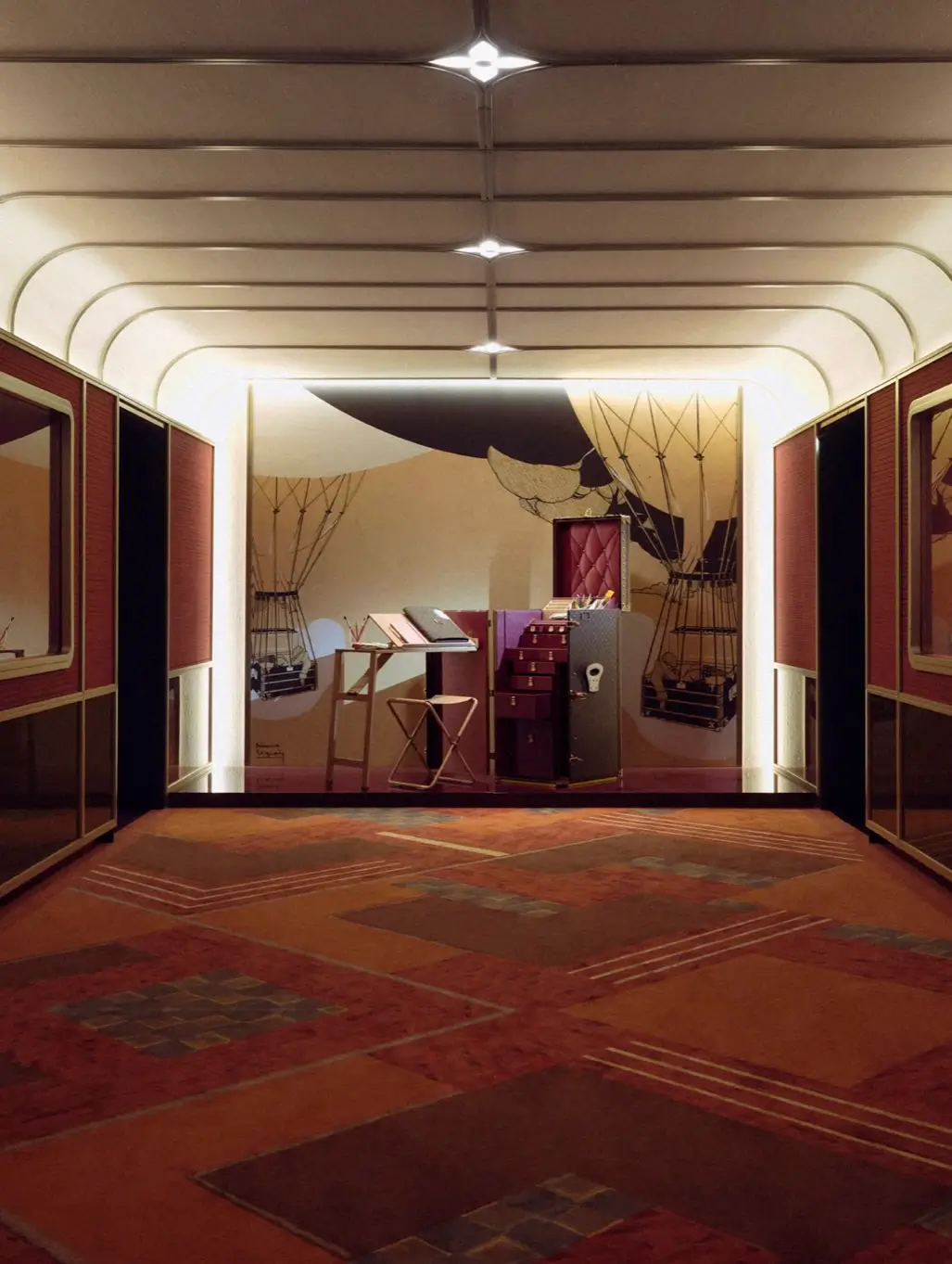
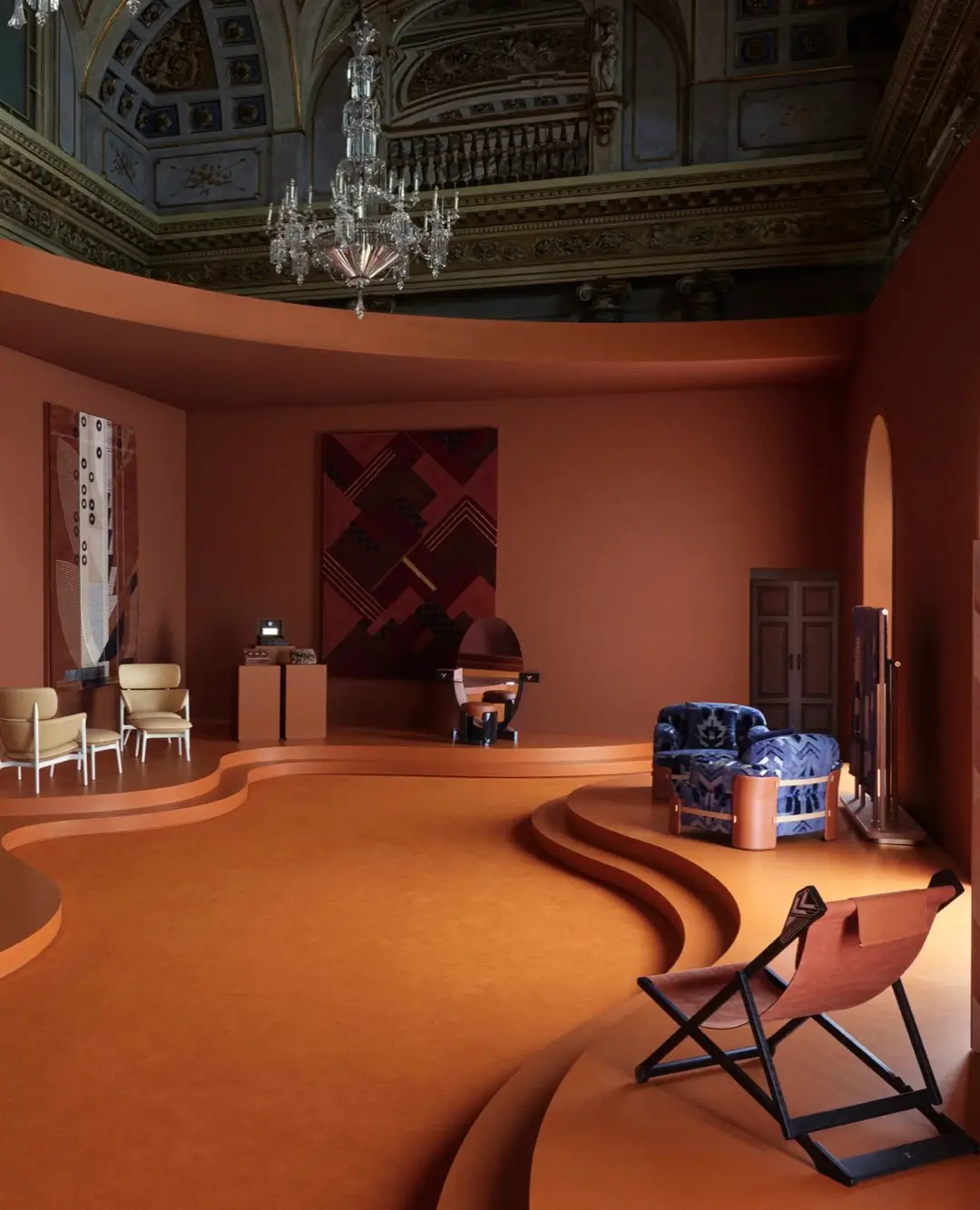
Louis Vuitton once again raised the bar with its annual Objets Nomades showcase, staged beneath the breathtaking frescoes of Palazzo Serbolloni. This wasn’t just another furniture drop — it was a love letter to the maison’s legendary monogrammed trunks and its deep-rooted dialogue with decorative arts.
Highlights included a trunk transformed into a portable artist’s case, a luxurious record player mounted on a leather-bound lectern, and the reissue of Pierre Legrain’s iconic 1921 dressing table in lacquered wood and leather. Perhaps most delightful was the foosball table featuring mermaid players — whimsical yet impeccably crafted. Vuitton continues to prove that luxury objects can be both functional and narrative-driven, turning everyday rituals into moments of quiet spectacle.
DIOR
Corolle Skirt Meets French Garden
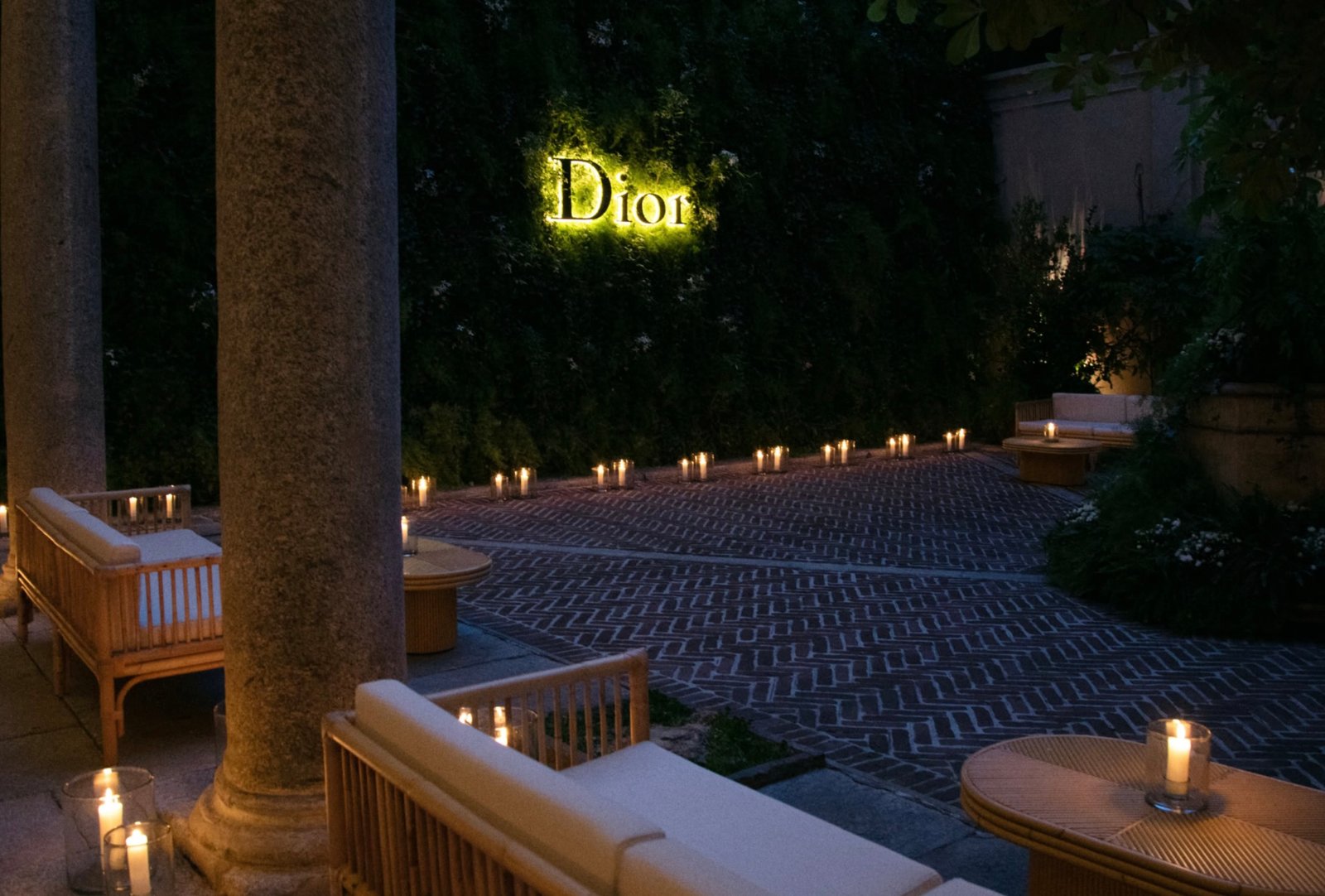
Noé Duchaufour-Lawrance masterfully merged two of Dior’s most enduring codes — the New Look silhouette and Christian Dior’s beloved childhood garden at Villa Les Rhumbs — for a luminous collection presented at Palazzo Landriani.
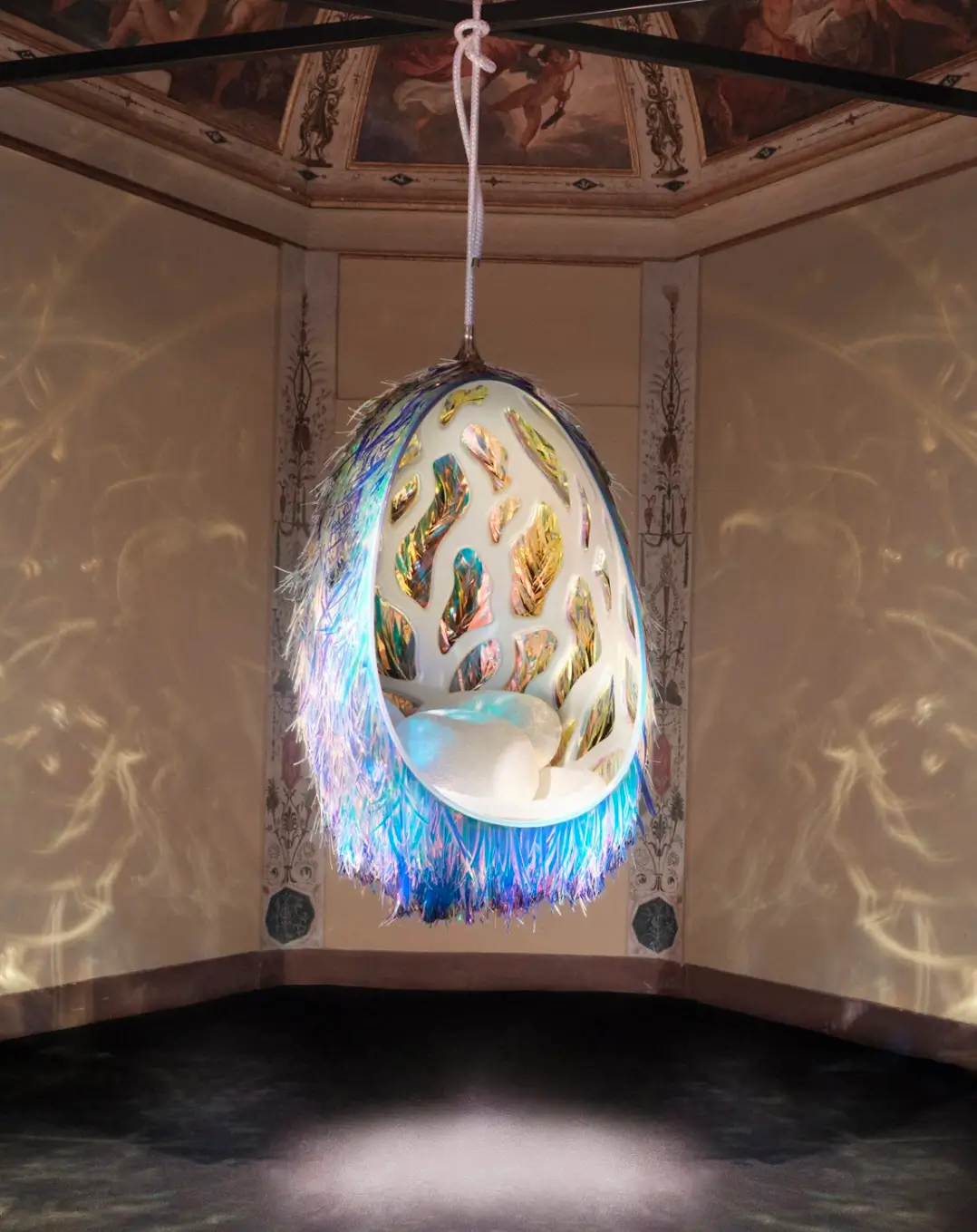
The result was a series of bell-shaped pendant lights inspired by the Corolle skirt, crafted in delicate Murano glass and woven bamboo. The entire room had been transformed into a raffia garden, with light refracting softly through the fixtures like sunlight filtering through leaves. It felt poetic, feminine, and deeply rooted in the house’s heritage — exactly how a Dior design moment should feel.
HERMÈS
Maximalist Restraint at La Pelota
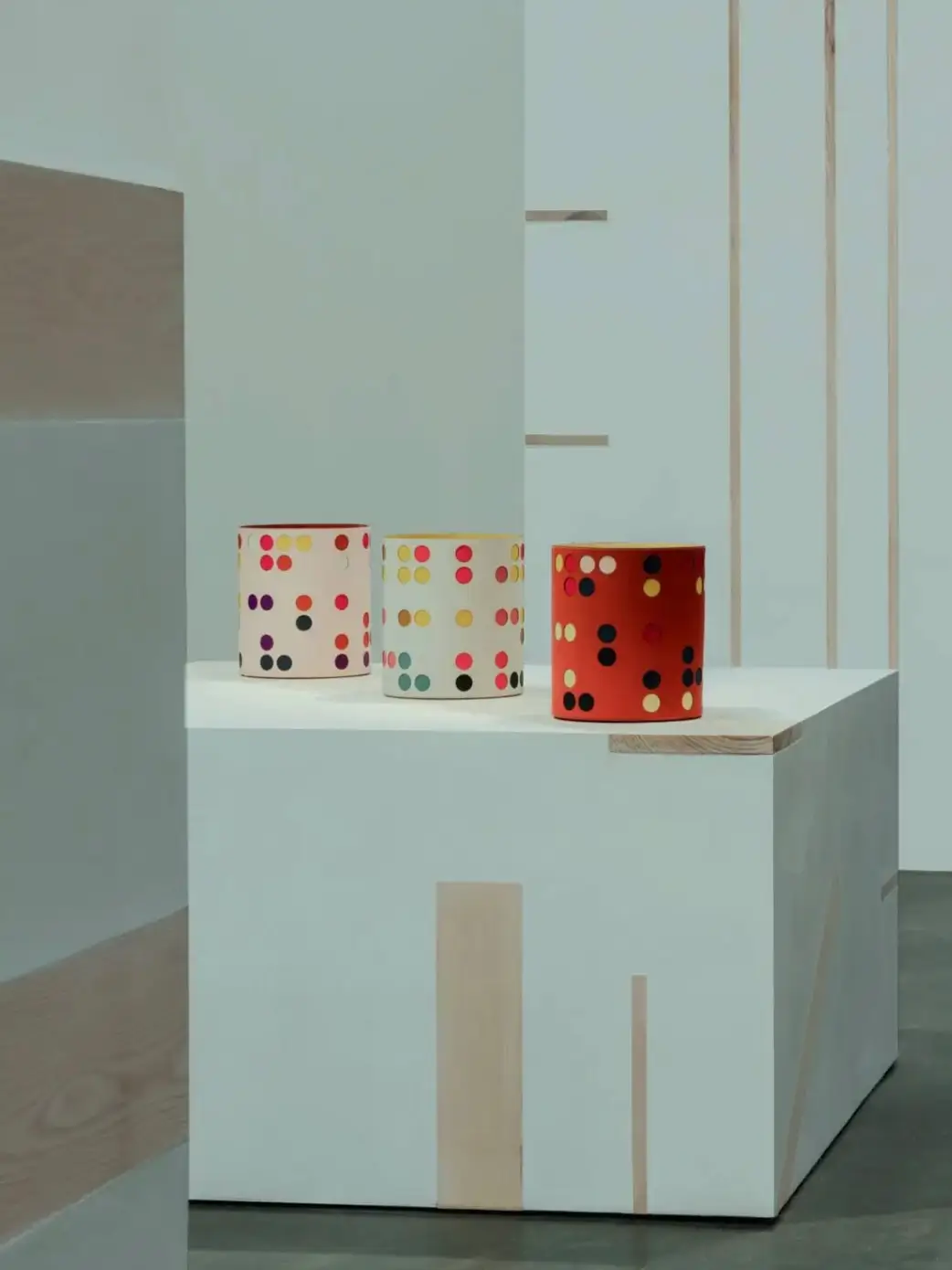
For a house celebrated for quiet luxury, Hermès Home Collections is where the brand allows itself to turn up the volume. This year at La Pelota, instead of theatrical sets, the maison opted for gallery-style plinths that let the objects speak for themselves.
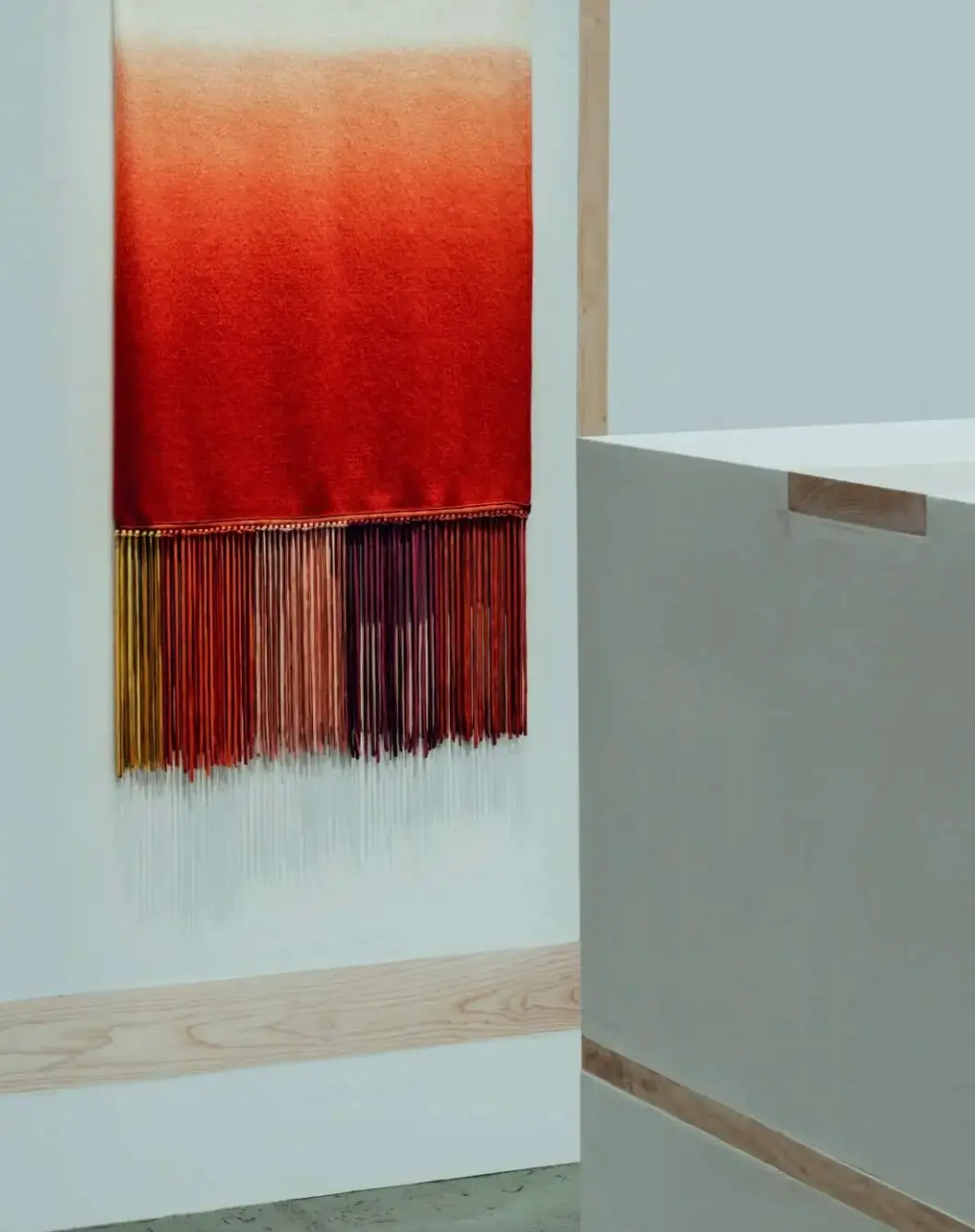
Standouts included new resist-dyed blankets in mesmerizing gradient palettes, a hand-hammered palladium vase shaped like a hoof with a flowing horsehair “skirt,” and the joyful multicoloured “Confetti” baskets with their perforated holes resembling scattered Smarties. Hermès reminded everyone that true luxury can be both playful and uncompromisingly crafted.
GUCCI
Demna’s Tapestry Retrospective
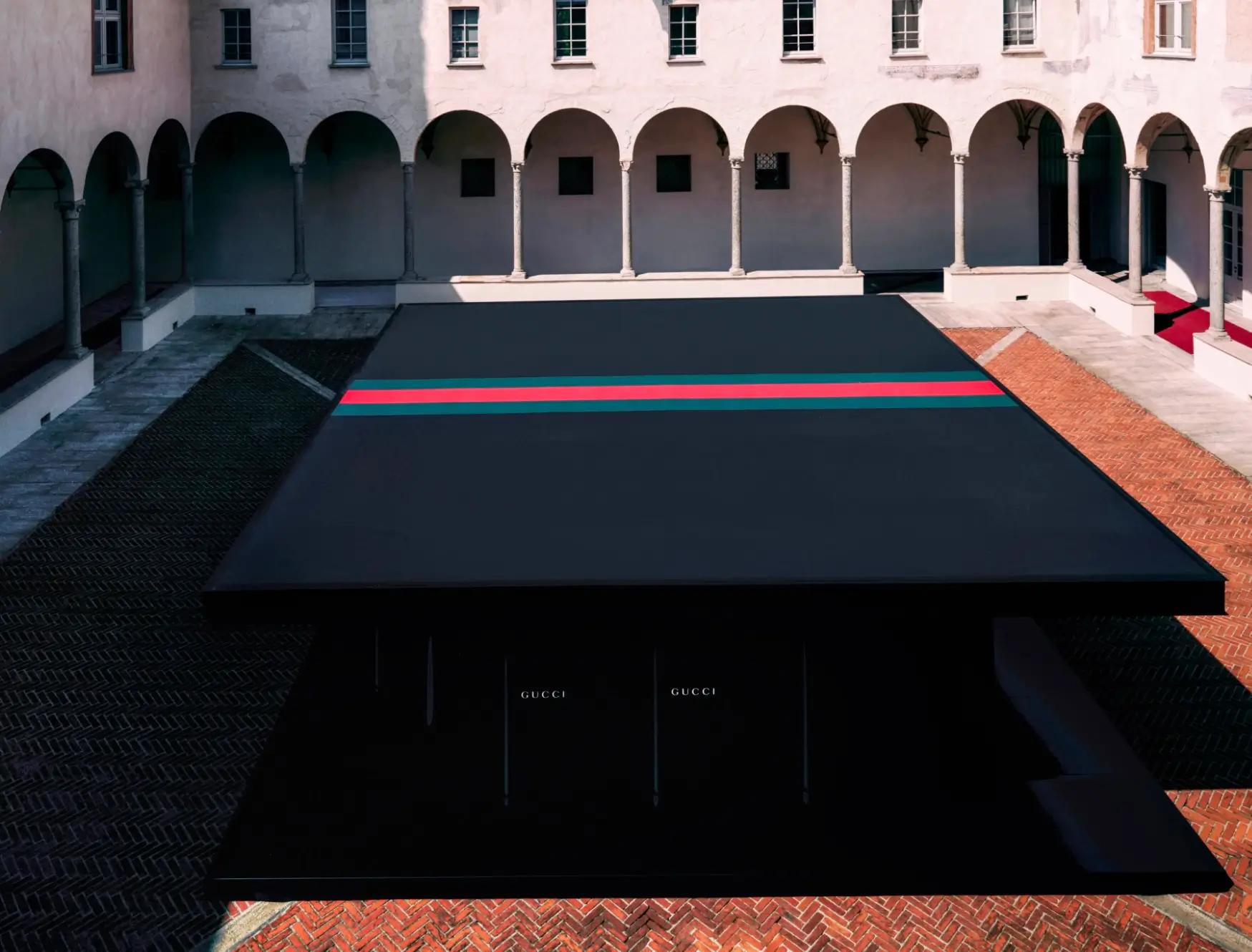
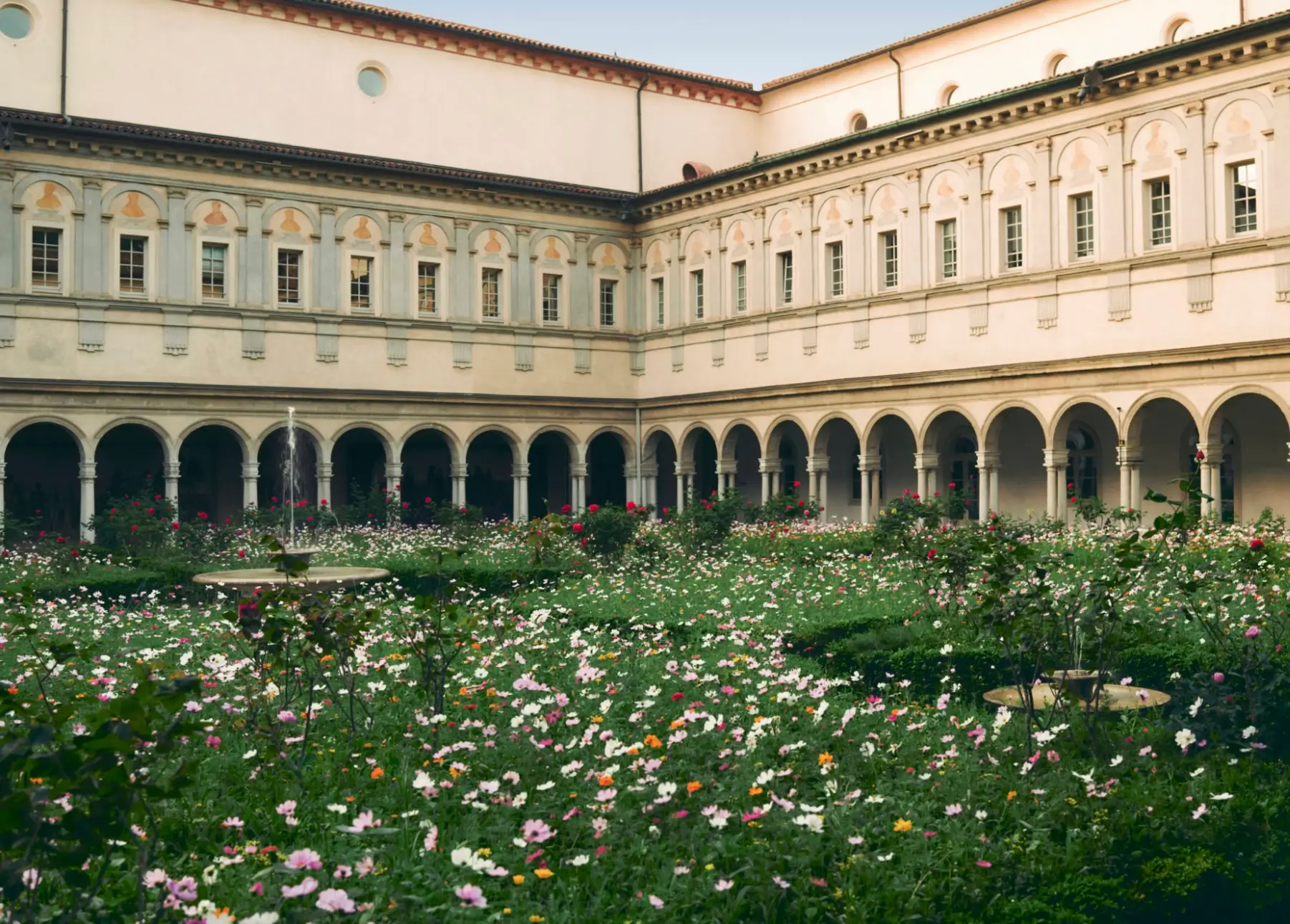
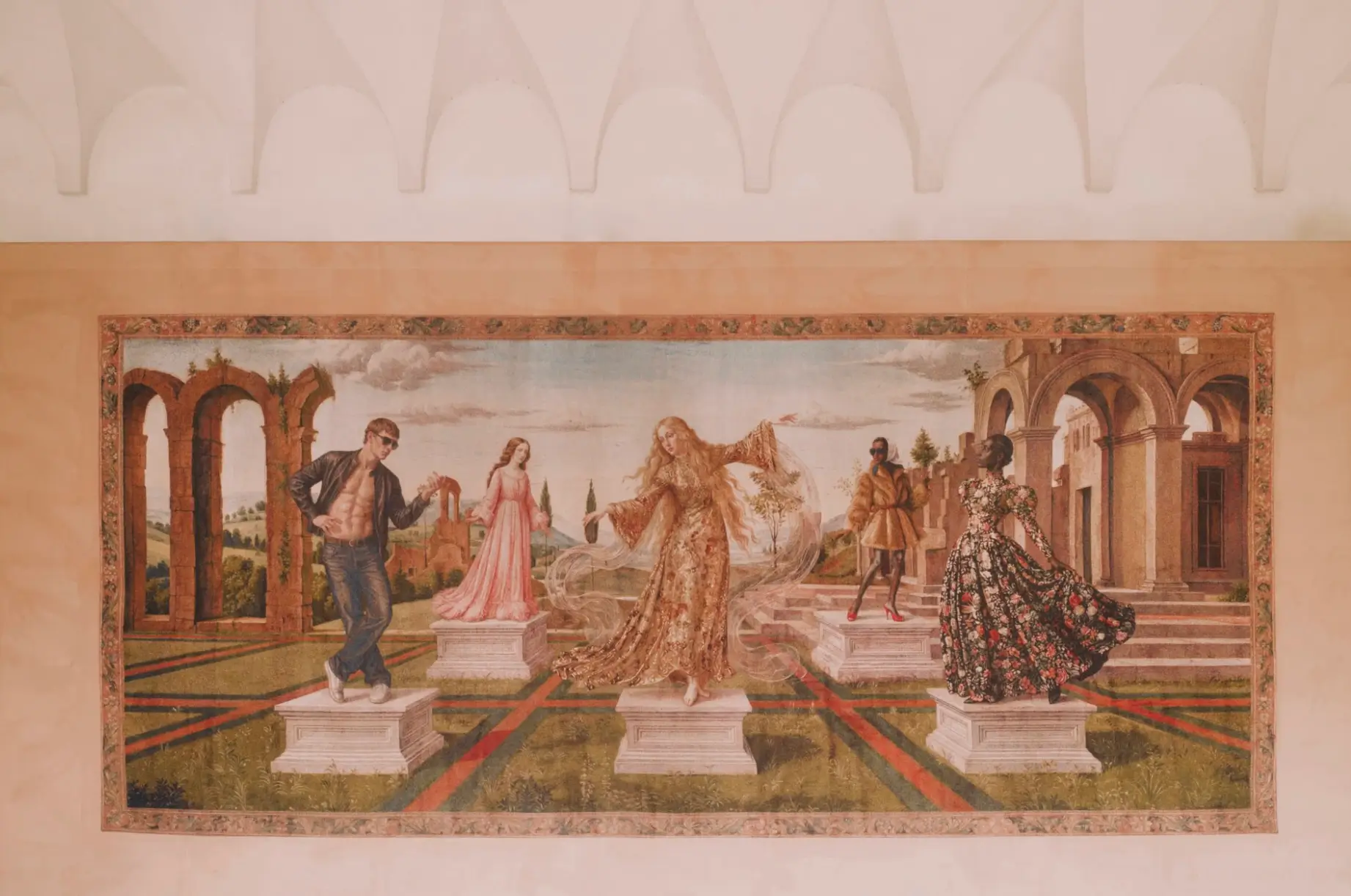
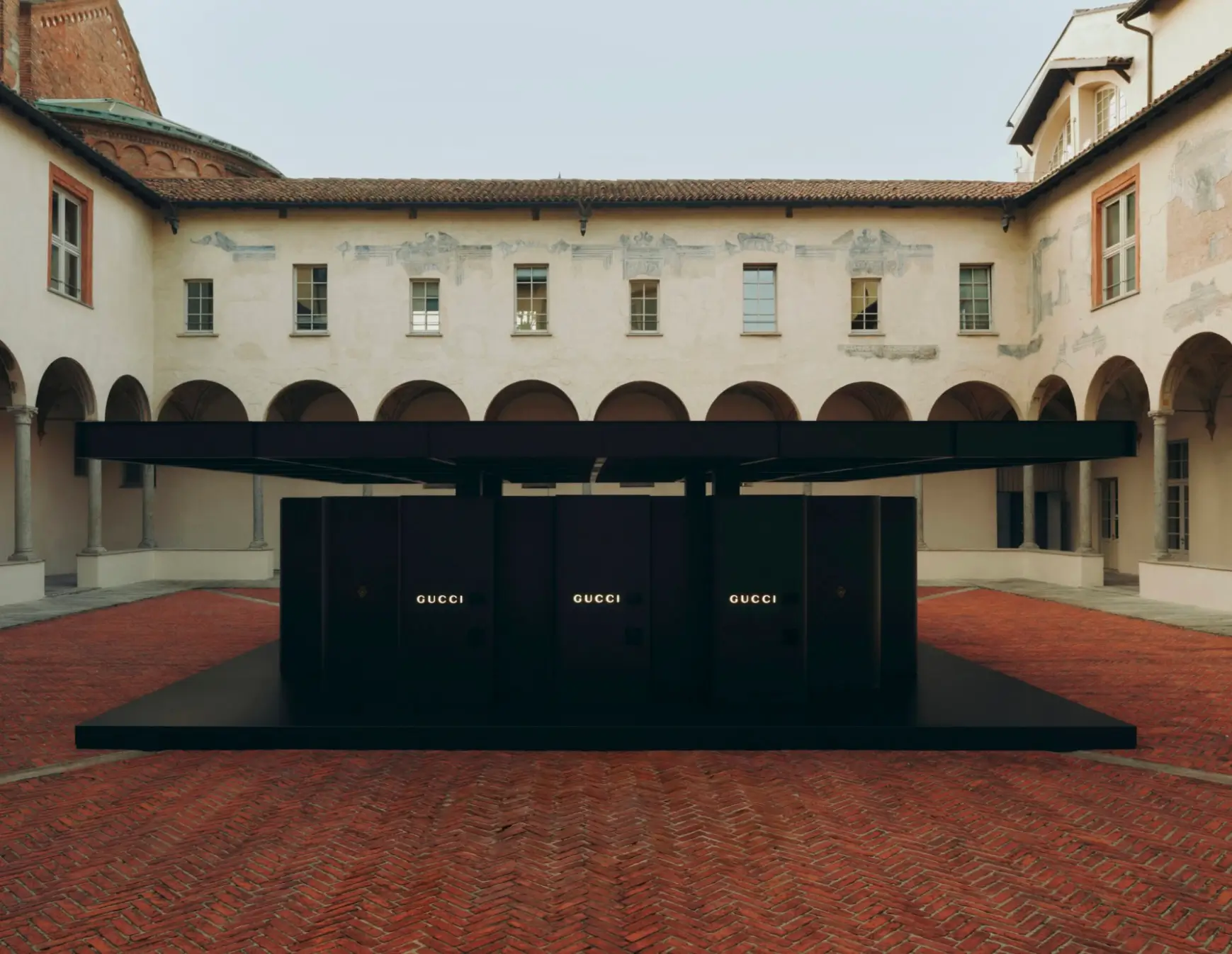
In his first Salone presentation as creative director, Demna turned Gucci’s 105-year history into art — literally. Gucci Memoria, staged in the elegant 16th-century porticoes of Chiostri di San Simpliciano, featured monumental tapestries charting the house’s journey from Guccio Gucci’s early days to the present.
The final tapestry showed Demna himself, baseball cap on, kneeling in a fitting room — a cheeky yet sincere self-portrait. Adding to the spectacle were Gucci vending machines dispensing mini cans of “Drama Queen” and “Fashion Icon” fizzy pop. Subversive, theatrical, and completely on-brand.
PRADA
Prada Frames: In Sight
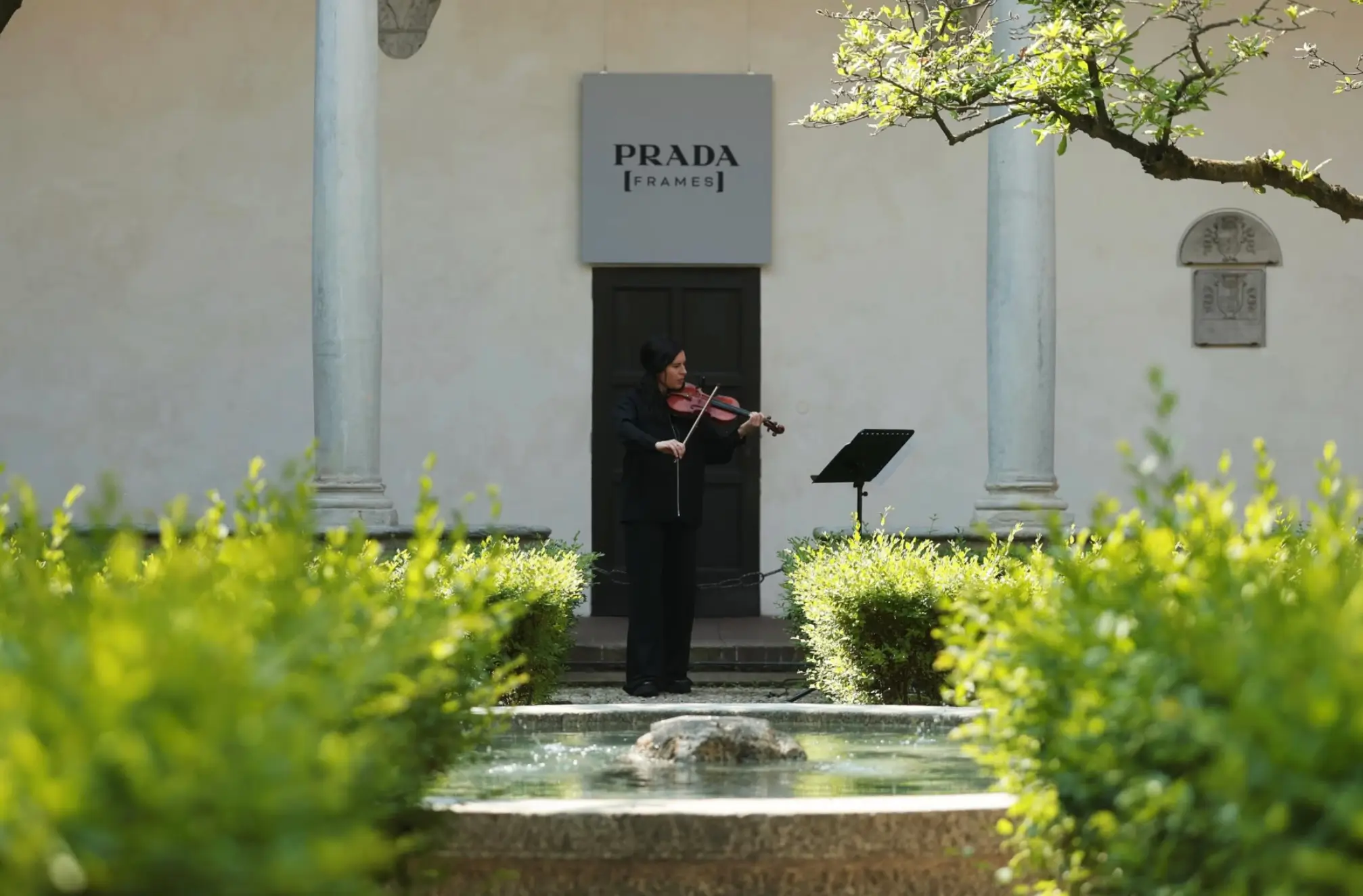
Prada Frames has become one of Salone’s most anticipated intellectual events since its launch in 2022. Curated again with Formafantasma, this year’s theme “In Sight” explored image-making in an AI-dominated world.
Over three days at various venues, the symposium brought together thinkers, artists, and technologists for talks that had little to do with clothes but everything to do with how we see and represent reality. Alice Rawsthorn’s introduction captured the tension perfectly: “No longer a reliable depiction of truth, images embody the blurred line between human and machine.” Prada continues to position itself as a culturally serious player.
ARMANI/CASA
Timeless Icons, Personal Legacy
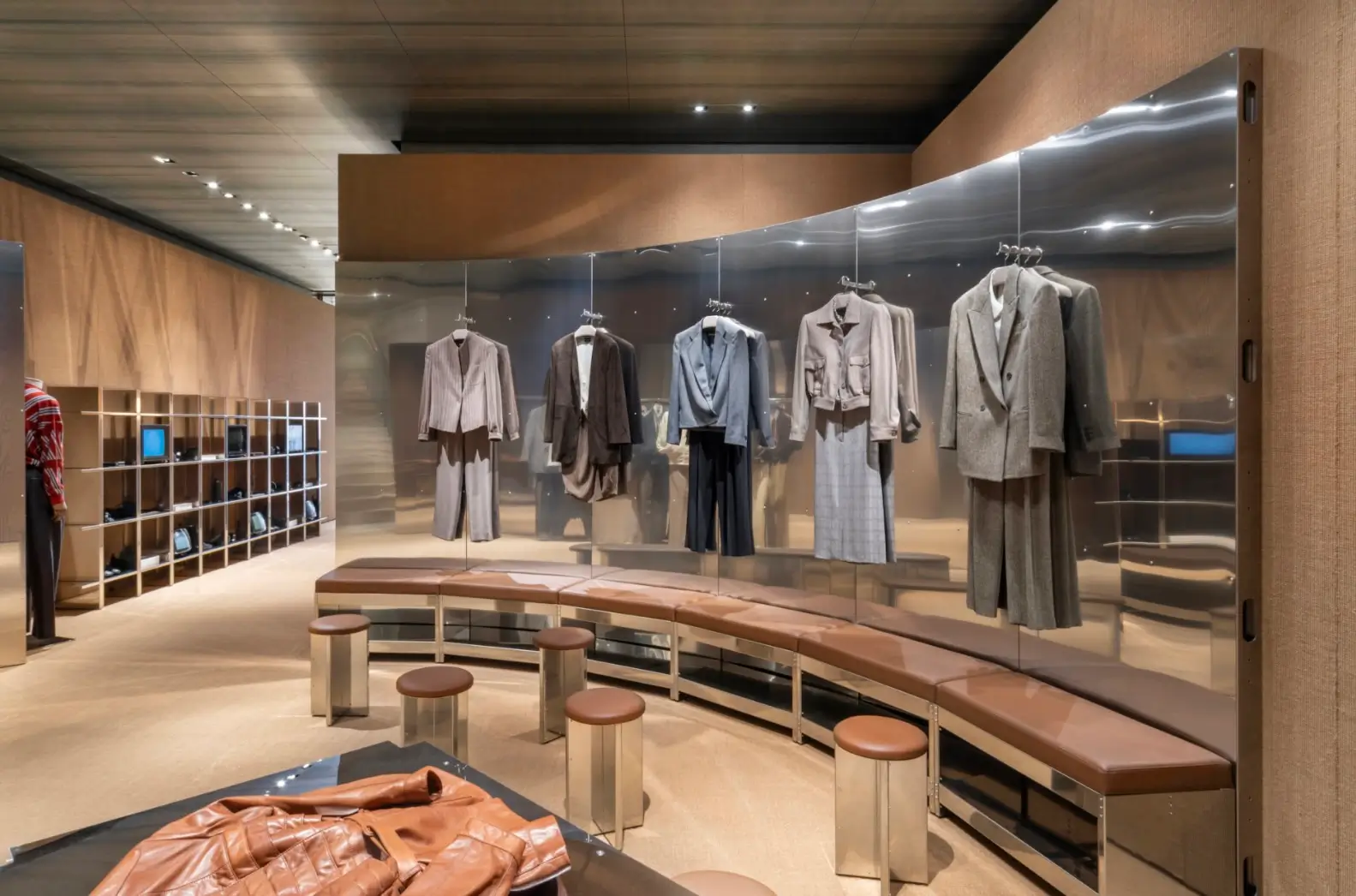
Presented in the brand’s flagship on Corso Venezia, Armani/Casa’s latest collection paid tribute to Mr. Armani’s singular vision in the first showing since his passing. The exhibition was split into two parts: archive icons shown alongside their new editions, and a heartfelt recreation of Armani’s legendary Milan apartment gallery wall rendered in watercolour.
It was elegant, restrained, and deeply personal — a fitting farewell to a designer who approached homeware with the same precision he brought to ready-to-wear.
FENDI
Baguette Re-Edition Mania
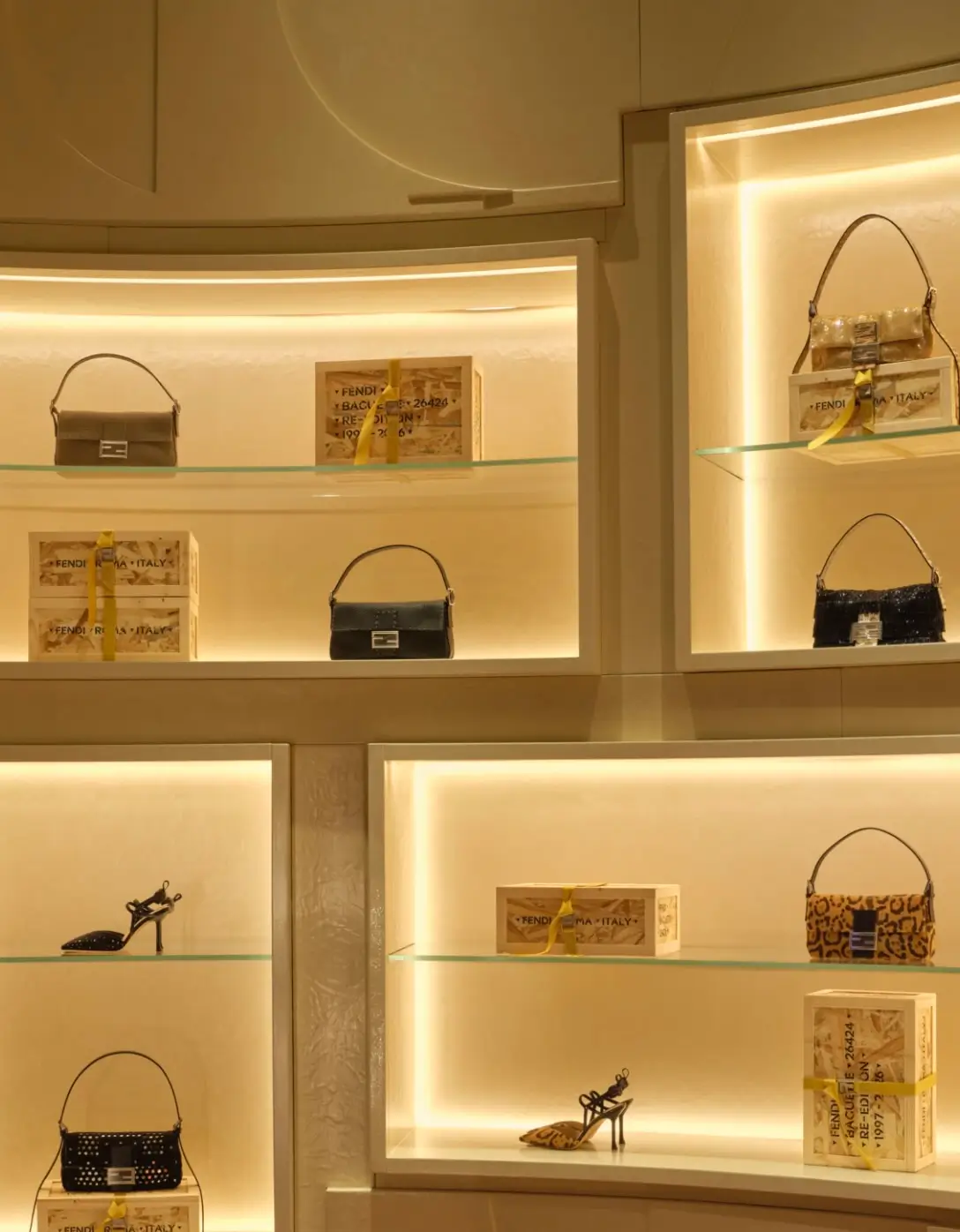
Maria Grazia Chiuri finally got her hands on the Baguette — and the result was electric. Twenty re-editions of the iconic 26424 bag were unveiled in a dedicated event, ranging from sequinned and appliquéd versions to minimalist leather and bold animal print takes.
Across town at Fendi Casa, the house awarded the first Fendi Prize to design student Gustav Craft for a collection inspired by Rome’s historic cobblestones. Fendi continues to balance fashion heritage with forward-looking design support.
MIU MIU
The Literary Club: Politics of Desire
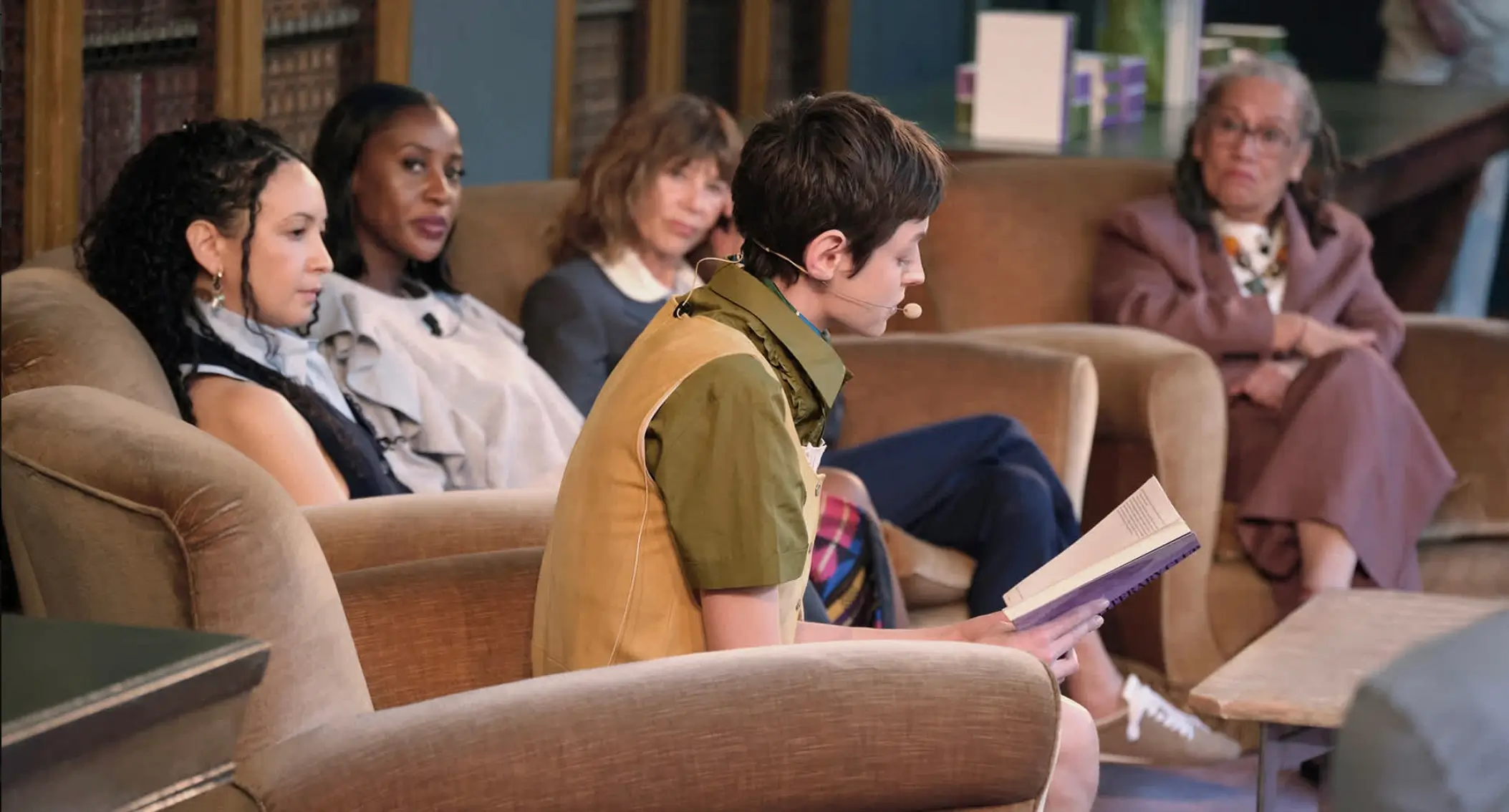
Miuccia Prada was, as usual, ahead of the curve. Now in its fourth year, Miu Miu’s Literary Club at the Circolo Filologico Milanese focused on “Politics of Desire,” celebrating the works of Nobel winner Annie Ernaux and Ghanaian author Ama Ata Aidoo.
Over three days, the program mixed readings (including by Emma Corrin), spoken-word performances, and DJ sets. No product drops, no forced collaborations — just a genuine gathering of the Miu Miu community around ideas. Pure, authentic cultural engagement.
JW ANDERSON
The Basket Bag & Living Craft
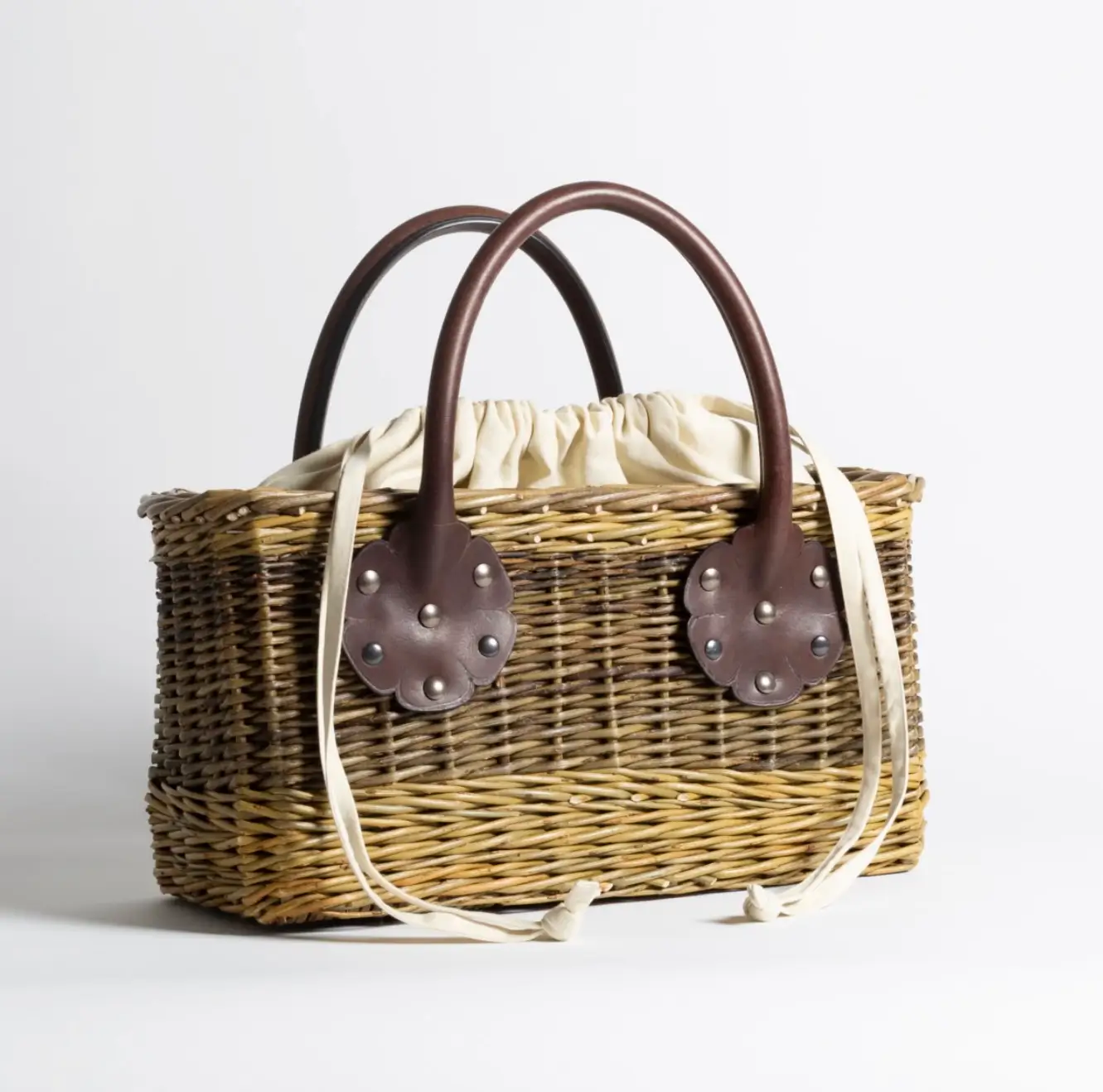
On a more intimate scale, Jonathan Anderson launched his namesake brand’s new Basket Bag, created with Staffordshire-based willow weaver Eddie Glew. Guests watched Glew demonstrate traditional techniques and even took home small woven flowers. It was a quiet but powerful celebration of craft, patience, and the joy of making.
LORO PIANA
Studies Chapter 1: On The Plaid
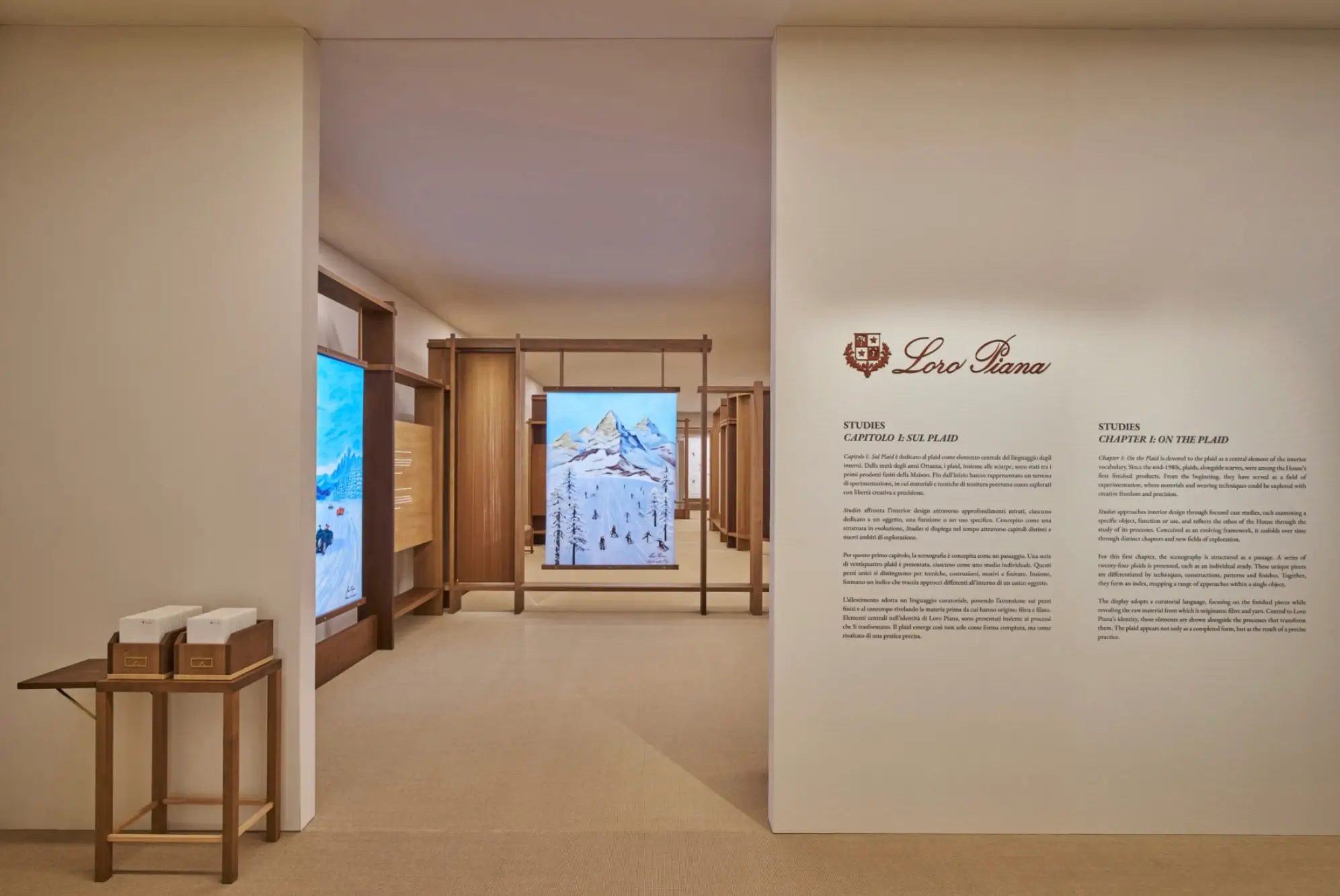
Loro Piana took a deeply artisanal approach with Studies Chapter 1: On The Plaid. The exhibition featured five monumental plaid installations, each showcasing a different facet of the brand’s legendary fabric expertise.
The numbers were staggering: one piece took 540 hours, another 880, and a cashmere velour creation embroidered with glass beads and silk threads required an astonishing 1,850 hours. It was less a product presentation and more a masterclass in patience and mastery.
fin
Salone del Mobile 2026 proved that fashion brands no longer need to shout to be heard in the design world. The most successful presentations were those rooted in authenticity — whether through deep heritage (Louis Vuitton, Armani/Casa), intellectual curiosity (Prada, Miu Miu), or pure craft (Loro Piana, JW Anderson).
The age of superficial activations is ending. In its place, we’re seeing something far more interesting: fashion brands learning to be present, not just visible. And the design world — and the rest of us — are better for it.
n
From the DRIFT archive: Inside the World’s Most Iconic Ski Experiences · The Dodgers × Takashi Murakami: Turning a World Series Win Into Cultural Art
Related Articles
Miffy Gets Her Ceremony Best: United Arrows Dresses Dick Bruna’s Rabbit for KIDDY LAND’s 80th
A Miffy mascot in United Arrows’ formal-occasion wardrobe, and a pouch where she peeks out […]