DRIFT AUDIO
Listen to this story
Choose a voice, then press play.
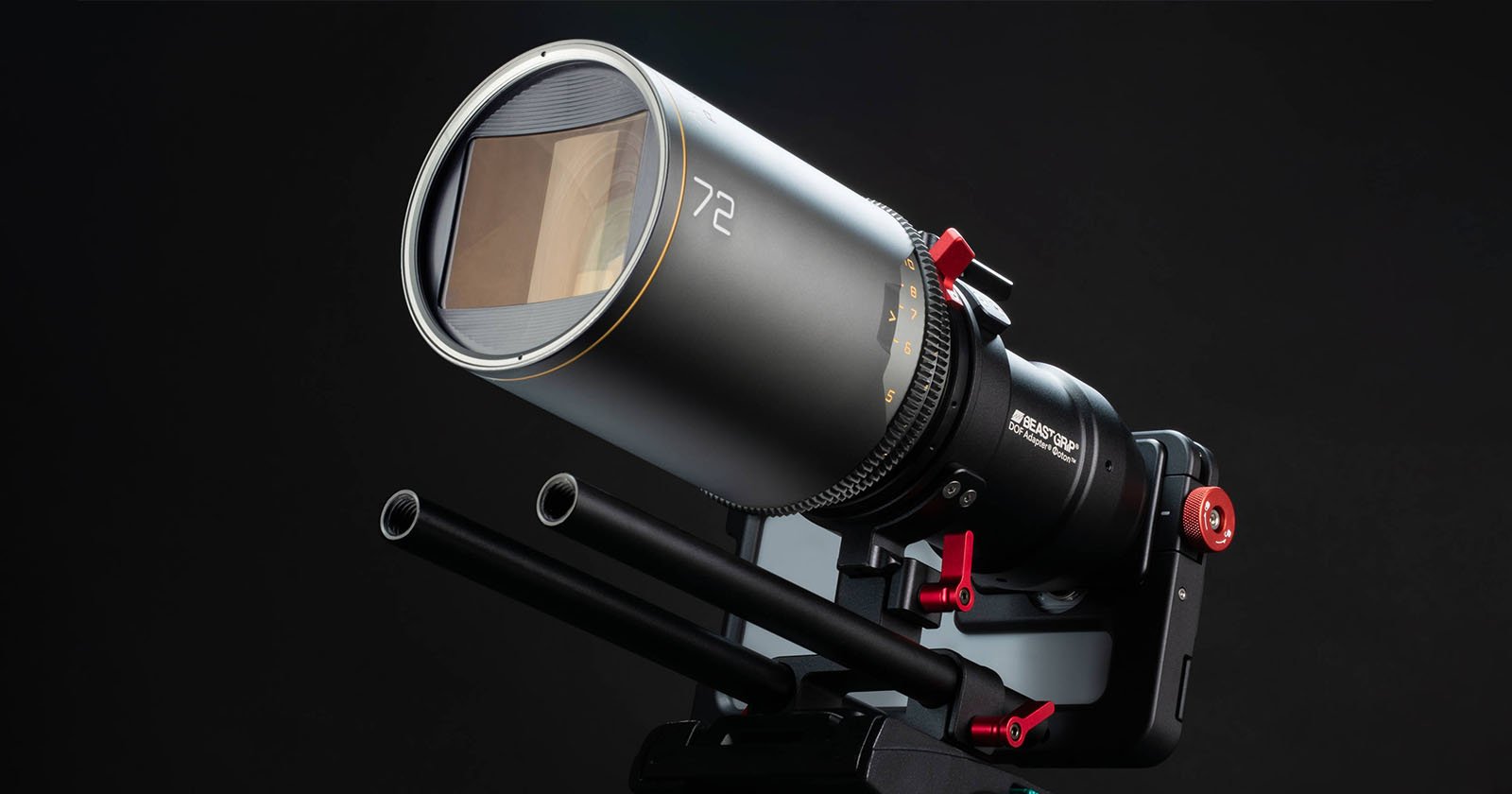
The short film “O2” by director Stanislav Kapralov has garnered significant attention for its groundbreaking use of an iPhone paired with anamorphic cine lenses, specifically the Atlas Mercury series, to achieve a cinematic look typically associated with high-end professional cameras. This project represents a new chapter in mobile filmmaking, showcasing the iPhone’s potential when combined with specialized tools like the Beastgrip DOF Adapter Фoton, which enables the use of professional PL-mount lenses.
The film was created in collaboration with Evotime Films, Atlas Lens Co., and Old Fast Glass, and it serves as an experiment in pushing the limits of what can be achieved with smartphone technology. The team custom-built a camera rig for the iPhone, utilizing expensive cinema lenses to capture visuals that closely resemble traditional cinematic footage. While this setup is far from inexpensive, it provides a more accessible option compared to full-fledged cinema cameras, making it a compelling choice for indie filmmakers looking to achieve a high-quality aesthetic on a lower budget.
The storyline of “O2” is set in a dystopian world where chemical and nuclear warfare has rendered the air toxic. Survivors are forced to wear oxygen masks, and a single breath of the contaminated air turns people into zombies. The film’s central theme revolves around the idea of chasing future ambitions while neglecting present joys, only to realize the true value of love and companionship when faced with mortality.
Kapralov and his team also incorporated AI-generated scenes to further elevate the visual effects, demonstrating how AI can revolutionize filmmaking by reducing production costs and enhancing creative possibilities. Cinematographer Eugene Usanov praised the project, stating that the iPhone, combined with Atlas lenses and Apple ProRes Log, produced results that surpassed his expectations and defied the physical limitations typically associated with smartphone cameras.
Ultimately, “O2” illustrates the evolving landscape of mobile filmmaking, where technology is empowering creators to produce visually stunning films with more compact, versatile, and cost-effective setups. It’s a testament to the power of innovation and the willingness of filmmakers to experiment with unconventional tools, pushing the boundaries of what’s possible in the world of cinema. For more information, you can explore detailed coverage of the film’s production on.
Related Articles

Ameri Put Wrangler On Drive And Cut It To Two Denims
First Ameri × Wrangler drop. Jacket ¥30,800. Pants ¥26,400. Blue, black, pink. 29 September. Drive […]