DRIFT AUDIO
Listen to this story
Choose a voice, then press play.
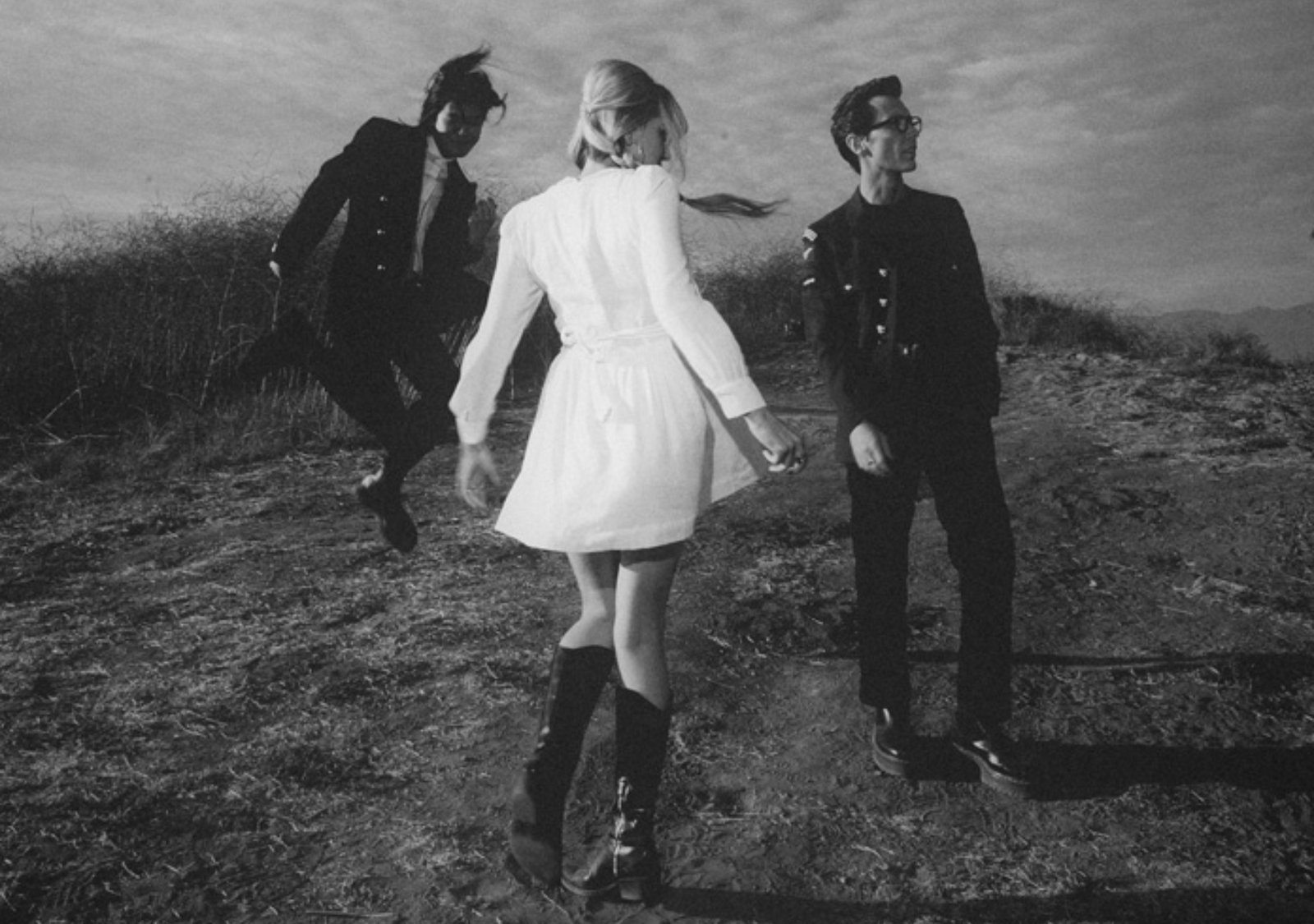
There’s a gentle confidence that defines Sunday (1994)—the Anglo-American trio whose music doesn’t clamor for attention but lingers in the background of memory like sunlight fading across a vinyl dashboard. Their latest release, “Silver Ford Sunday, 1994,” is both an ode to ordinary days and a masterstroke of understated storytelling. At once vintage in spirit and cinematic in scope, the song feels less like a track and more like a still frame from a lost film.
Composed of vocalist Paige Turner, guitarist Lee Newell, and a rhythm section shrouded in minor mystery (the drummer is simply known as “X”), Sunday (1994) has quickly distinguished themselves by blending gauzy alt-pop with emotionally resonant narratives. Their palette includes washed-out guitar tones, echo chamber vocals, and a pacing that prioritizes mood over momentum. “Silver Ford Sunday, 1994” doesn’t break form—it leans in harder, swaddling the listener in the tactile melancholy of suburban nostalgia.
The track opens with a soft analog hiss and the gentle strum of a nylon-string guitar, invoking a kind of memory static, like tuning into an old home video. Turner’s voice enters like a ghost—delicate, detached, but filled with an aching specificity. Her lyrics don’t explain much, nor do they need to. She paints in fragments: “Ashtray in the cupholder / Dad’s hand on the steering wheel / Sunlight through the rearview / No one said a word all ride.” There’s a mood of distance, and yet, an intimacy that comes only from remembering something small with great clarity.
Musically, “Silver Ford Sunday, 1994” borrows from slowcore and shoegaze traditions but never gets lost in abstraction. Instead, the song remains grounded in narrative. The rhythm section is hushed but deliberate, like the slow rolling of tires on cracked pavement. The guitar chimes in waves, sometimes mournful, sometimes dreamy. The production is featherlight, letting every note breathe—every silence, too.
Sunday (1994) operates with the kind of restraint that’s rare in debut acts. There’s no rush to impress, no attempt to capitalize on trend. Their self-titled EP, which houses “Silver Ford Sunday, 1994,” is cohesive, down-tempo, and emotionally literate. It reads like a novella: brief but vivid, soft-spoken but unforgettable. Other standout tracks like “Tired Boy” and “Blonde” explore adjacent themes of faded adolescence, restlessness, and the quiet strangeness of growing older. Still, it’s “Silver Ford Sunday, 1994” that feels like the spiritual centerpiece—timeless in tone, precise in its melancholy.
What makes this track land is its refusal to dramatize. It trusts the listener to find meaning in the seemingly mundane. A silver sedan. A Sunday. 1994. That’s all we’re given, and it’s enough. In a digital age saturated with spectacle, Sunday (1994) delivers something radical in its simplicity. They remind us that memory, like music, doesn’t need to shout. Sometimes, it just needs to be still—and play softly.
Related Articles
Two Chicago Lifers, One Wave: Kaicrewsade and Luke Titus on ‘#SWAG SURF’
Kaicrewsade's new album RAINBOW_ arrived on October 14, and its second track pulls in Chicago drummer and singer Luke Titus.