DRIFT AUDIO
Listen to this story
Choose a voice, then press play.
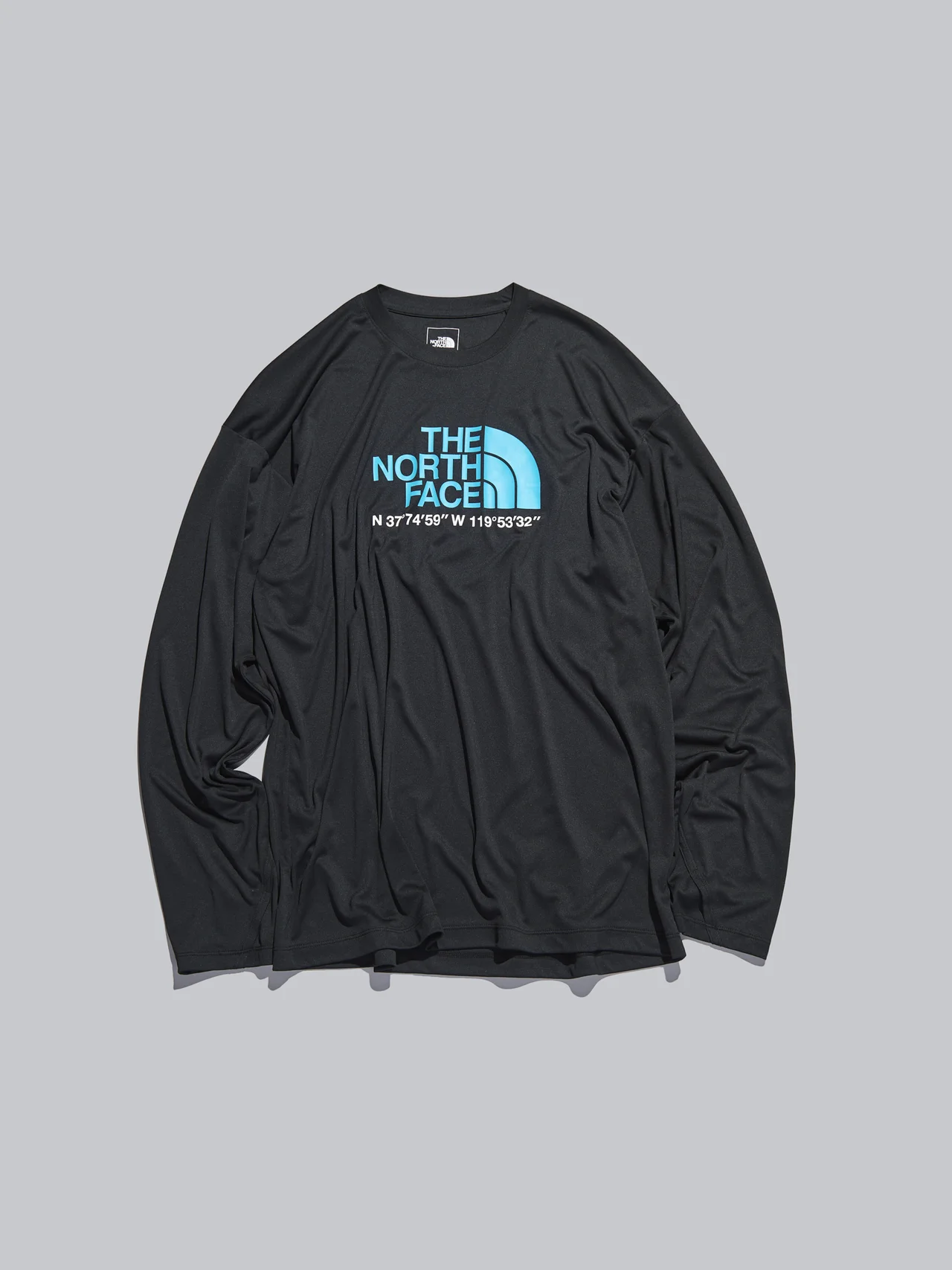
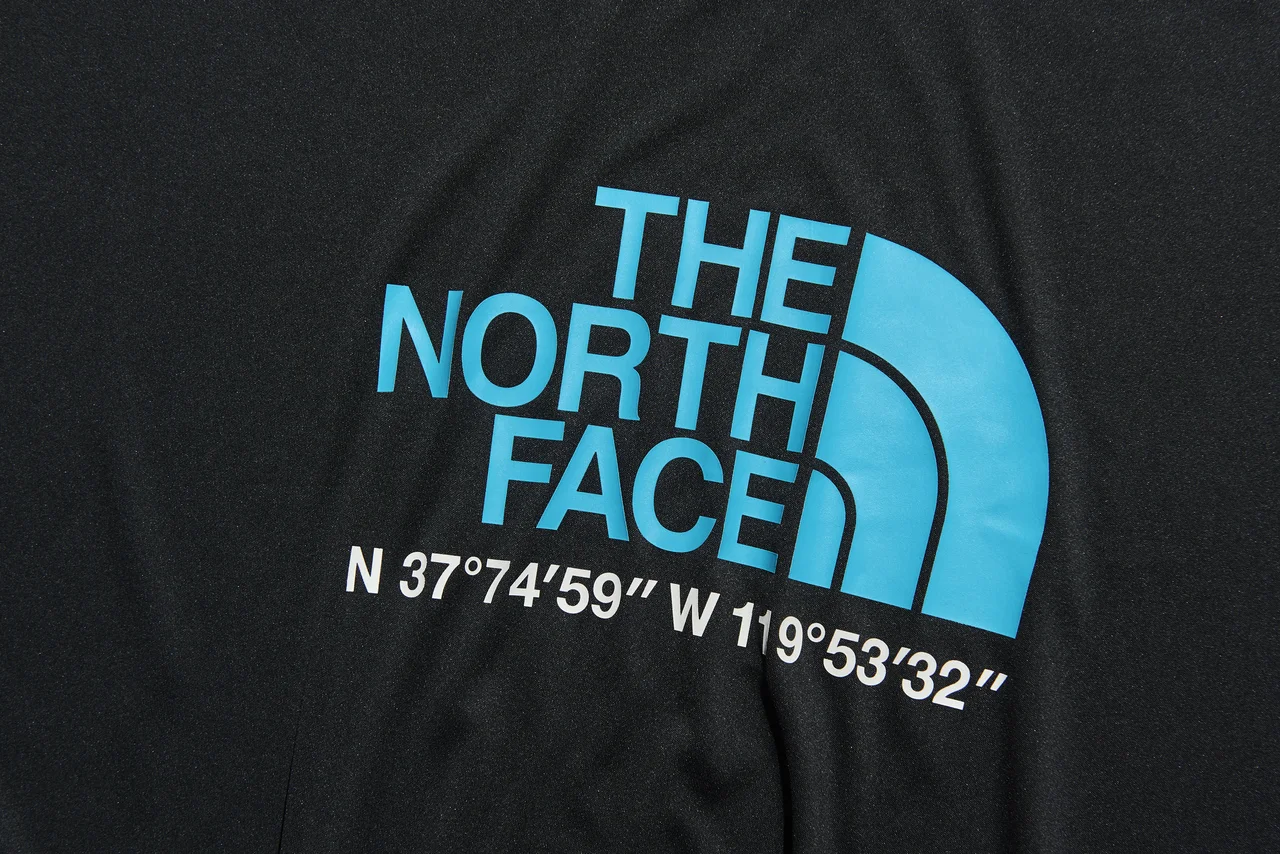
Sweat has become the design brief. The North Face’s new FLASHDRY COOL fabric answers it with a five piece tee collection built for heat that refuses to quit.
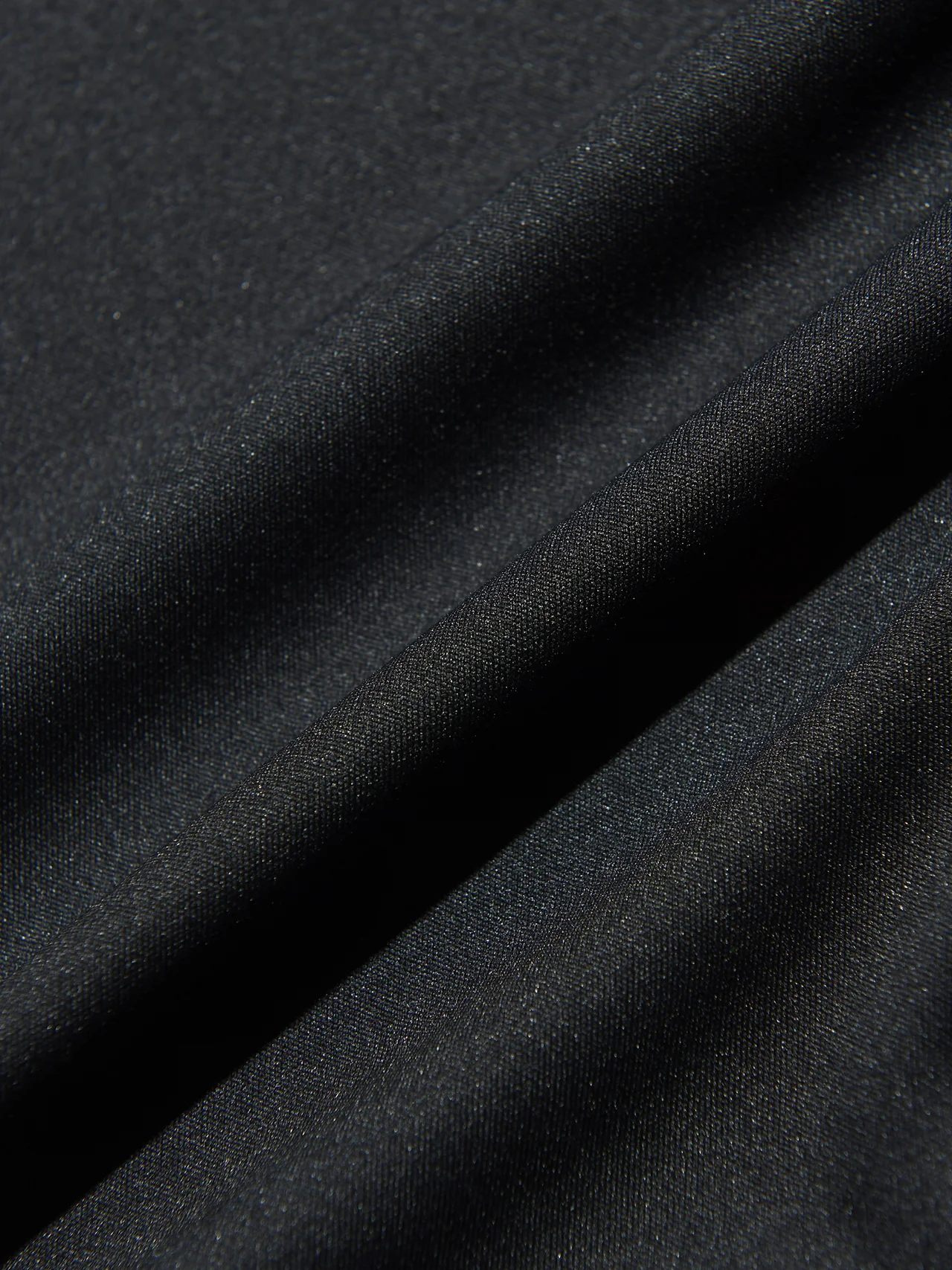
Japanese summers have stopped behaving. What used to be a few brutal weeks now stretches across months, and most performance shirts still lean on a single trick: looking cool rather than actually keeping the body cool. The North Face, operated domestically by Goldwin, built FLASHDRY COOL to close that gap. The material pairs a cooling touch finish with rapid moisture wicking, using polyethylene fiber’s high thermal conductivity to pull heat away from the skin instead of trapping it against the body. The result reads less like a marketing claim and more like a response to a genuine engineering problem: how does a shirt stay dry and cool through the stop start rhythm of an active day, from a train platform to a trail to a festival crowd. Goldwin’s own release language frames the project around discomfort specifically, naming sweat and humidity as the two variables the brand set out to design against, rather than heat in the abstract.
stir
Most so called cooling shirts rely on one of two shortcuts: a slick, glossy hand feel that reads as cold to the touch for a few seconds, or a loose weave that trades structure for airflow and tends to sag by midday. FLASHDRY COOL tries to hold both properties at once. The fabric leans on polyethylene fiber, a material chosen specifically for its thermal conductivity, meaning it moves heat away from skin faster than the polyester blends that have dominated this category for a decade. Layered onto that is the moisture wicking system the FLASHDRY name has carried for years, pulling sweat through the fabric and out toward the surface where it can evaporate rather than pooling against the body. The stated goal, per Goldwin’s own technical notes, is a shirt that manages both problems at once rather than making a wearer pick between feeling cool and staying dry. Whether that holds up outside a lab environment is the kind of claim only repeated wear will settle, and it is worth watching for early hands on impressions once the collection reaches more hands.
View this post on Instagram
leg
FLASHDRY is not a new name at The North Face. The brand has run FLASHDRY and FLASHDRY PRO through its long sleeve and layering lines for years, including pieces like the Long Sleeve FlashDry Action Crew, built around cotton like softness with built in UV protection and antimicrobial treatment. FLASHDRY COOL reads as the next chapter of that story rather than a standalone launch, taking the wicking DNA the label already trusted and adding the thermal conductivity layer specifically to answer complaints about wearability during the country’s harshest weeks. It is a familiar move for a technical brand: rather than inventing an entirely new product category, The North Face iterated on infrastructure customers already understood, then aimed the upgrade squarely at a problem, extreme, prolonged heat, that has become impossible to ignore in the Japanese market specifically.
five
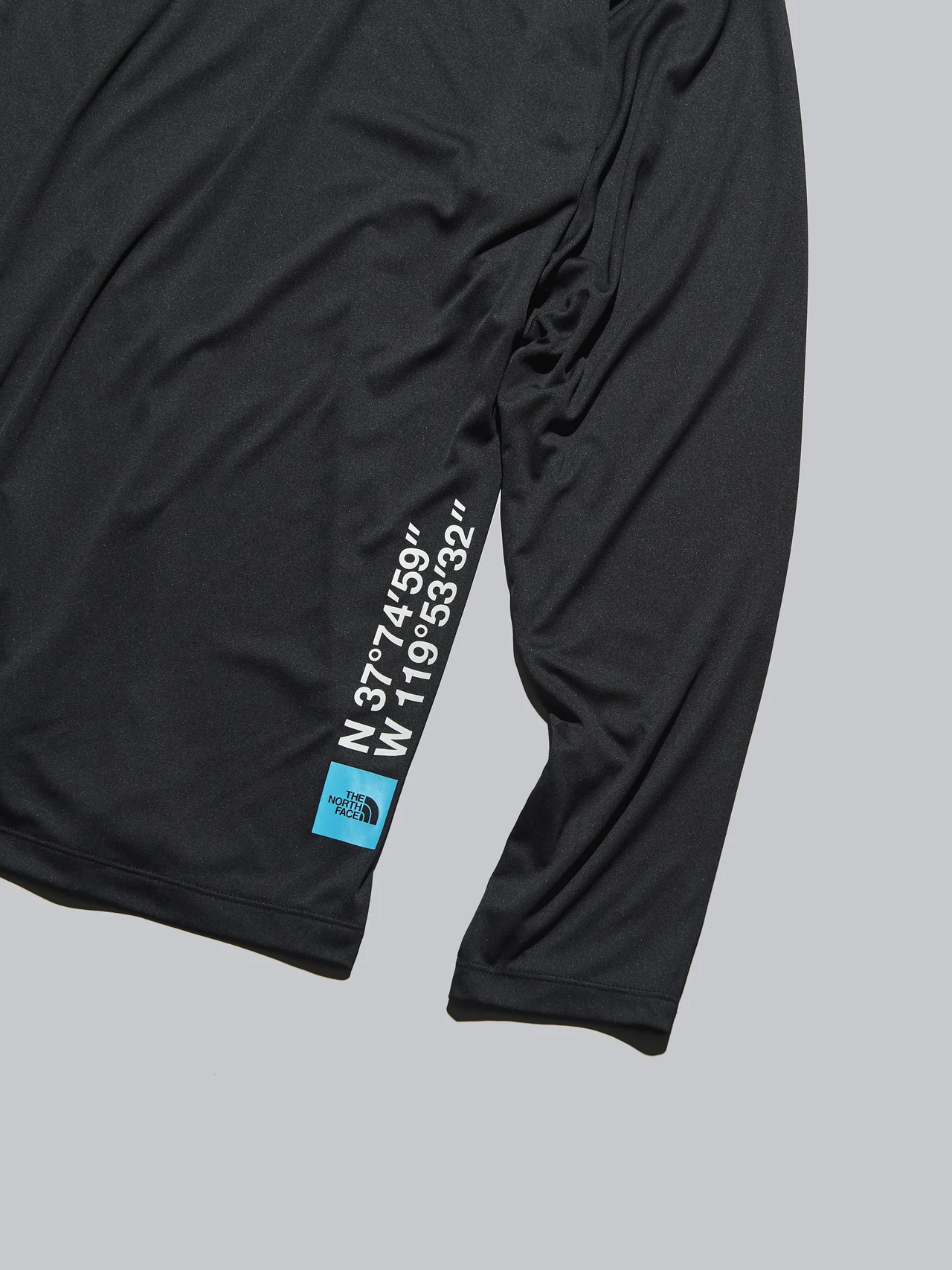
The collection lands as five unisex tee styles, priced between 7,700 and 8,250 yen, with kids and toddler sizing extending three of the graphic pieces. The lineup includes the S/S FD Cool Go Out Nature Tee, the S/S FD Cool SDSC Tee, the S/S FD Cool Fest Time Tee, the S/S FD Cool Cycle Tee, and a stripped down S/S FD Cool Simple Logo Tee in white, navy, and black. The graphic pieces come in white and black only, keeping the palette restrained even as the artwork gets busy. Sizing for the unisex styles runs XS through XL, with kids sizing covering roughly 130 to 160 centimeters and toddler sizing running 100 to 120 centimeters, a range wide enough to let the collection function as a genuine family release rather than an adult product with an afterthought kids tie in.
art
Los Angeles based artist Eric Elms supplies the collection’s view lang: hand drawn suns, flowers, moon phases, and loose human sil scattered across the back panels alongside a script rendering of The North Face logo and the word HOT. The tone is playful rather than technical, a deliberate contrast to the fabric science underneath it. Elms’ illustrations lean into a message Goldwin has repeated in its own release language, encouraging people outdoors and toward each other even as the heat index climbs, treating the long summer as something to move through rather than simply survive. That framing matters commercially too: a purely technical fabric story tends to sell to a narrower, more show minded shopper, while the illustrated graphics give the collection a foothold in day, non athletic wardrobes, the kind of shirt someone might reach for on a train platform as easily as a trailhead.
View this post on Instagram
fit
FLASHDRY COOL is arriving into a Japanese apparel market where cooling technology has become a genuine seasonal battleground rather than a niche performance category. Domestic retailers now stock cooling adjacent product across nearly every price tier, from convenience store basics to premium technical outerwear, and shoppers have grown more literate about the difference between a shirt that merely looks breathable and one engineered around measurable heat transfer. The North Face entering that conversation with a named, branded material, rather than a vague marketing phrase, positions the collection to compete on specific rather than just price or logo recognition, at a moment when Japanese summers are lasting long enough that “seasonal” cooling gear increasingly reads as a year round category instead.
clue
FLASHDRY COOL began rolling out July 17, 2026, through The North Face’s directly operated stores, select retail partners, and a dedicated web page across Japan. Availability is staggered by location rather than a single simultaneous drop, so stock timing varies store to store.
Related Articles

NikeSKIMS Opened Fall On Cloth That Wicks And A Wash That Looks Used
Fall ’26 Edit 01. Perform Cotton Blend. Dri-FIT in the mix. Garment wash on the […]