DRIFT AUDIO
Listen to this story
Choose a voice, then press play.
In the glistening mid of Broadway, where the ghosts of Studio 54’s hedonistic past still pulse beneath the chandeliers, Richard O’Brien’s The Rocky Horror Show has risen once more. This isn’t just another revival—it’s a vibrant, extended celebration of everything that makes theater (and culture) electrifying: unapologetic self-expression, boundary-pushing fashion, rock ‘n’ roll rebellion, and a defiant embrace of the weird, the queer, and the wonderful. Directed by Tony Award-winning view Sam Pinkleton (Oh, Mary!), this Roundabout Theatre Company production transforms the legendary venue into a playground of pop-art spectacle and midnight-movie magic. With its run now extended through November 29, 2026, following strong demand, audiences are invited to “do the Time Warp again” in a production that feels both nostalgic and urgently contemporary.
stir
To understand why this 2026 revival resonates so deeply, we must rewind to 1973. Richard O’Brien, a New Zealand-born actor and writer navigating the fringes of London’s theatrical scene, penned The Rocky Horror Show as a love letter to B-movies, sci-fi, horror, and rock music. Premiering in a small London theater, it quickly became a sensation, blending glam rock anthems with a plot that follows wholesome all-American couple Brad Majors and Janet Weiss as they stumble into the castle of Dr. Frank-N-Furter—a “sweet transvestite from Transsexual, Transylvania”—and his cadre of misfit servants and creations.
The 1975 film adaptation, The Rocky Horror Picture Show, starring Tim Curry in a career-defining role, initially flopped at the box office but exploded into a culture phenomenon through midnight screenings. Audience participation—throwing toast, yelling callbacks, dressing in character—turned passive viewing into interactive ritual. Over 35 million people worldwide have experienced the show in its various forms, making it one of the longest-running theatrical productions in history.
Its influence on fashion and culture is profound. Sue Blane’s original costume designs—fishnet stockings, corsets, leather, glitter, and gender-bending silhouettes—helped fuel the punk movement in mid-1970s Britain. Malcolm McLaren and Vivienne Westwood’s circles overlapped with the show, channeling its DIY glamour into safety pins, ripped fabrics, and androgynous rebellion. Frank-N-Furter’s look became a beacon for queer view and drag performance, long before mainstream acceptance. As cultural historians note, Rocky Horror provided a safe space for the marginalized to celebrate difference at a time when societal norms were rigidly enforced.
Fast-forward to today, and the show’s themes of sexual liberation, body positivity, and rejecting conformity feel freshly urgent. In an era of digital fatigue, identity politics, and renewed conversations around gender and self-expression, Pinkleton’s production arrives as a joyful reminder that art can still shock, seduce, and unite.
revive
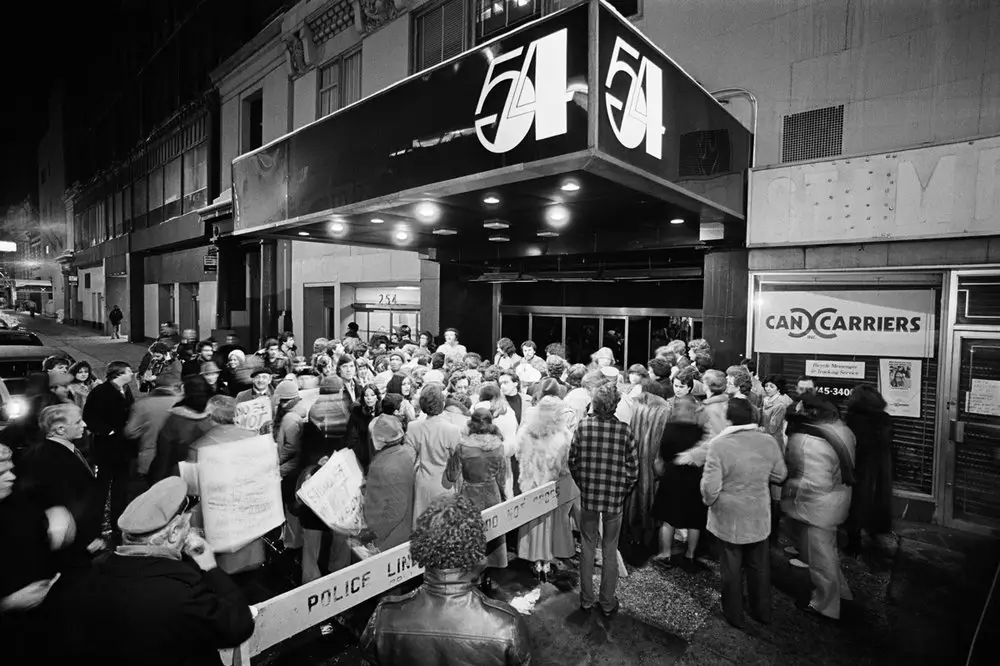
Studio 54 is the perfect home. Once the epicenter of 1970s disco decadence—where Bianca Jagger rode a white horse through crowds of sequined revelers, and Andy Warhol held court—the venue carries an inherent theatricality and hedonistic spirit. Pinkleton, fresh off his Tony-winning success, leans into this history, creating a “guaranteed party” that honors the original while infusing fresh energy.
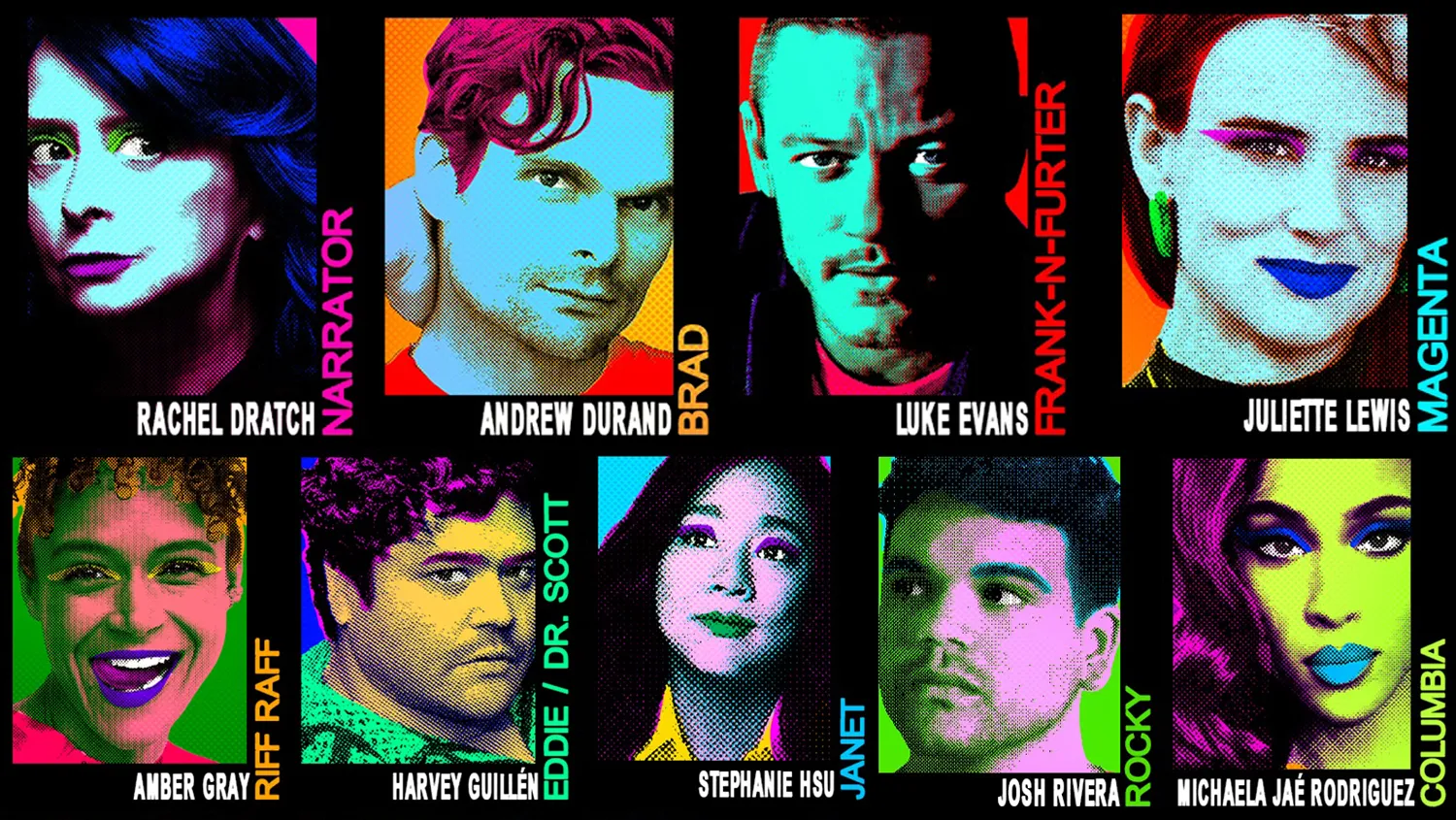
The cast is a masterclass in eclectic brilliance. Luke Evans, making his Broadway debut as Frank-N-Furter, brings smoldering charisma and vocal power to the role famously owned by Tim Curry. Evans, known for his work in The Hobbit, Beauty and the Beast, and as a style icon in menswear, infuses the character with a modern edge—think tailored corsetry meets high-fashion tailoring.
Rachel Dratch (Saturday Night Live) as the Narrator adds comedic timing and warmth, guiding audiences through the chaos. Stephanie Hsu (Everything Everywhere All at Once) brings vulnerability and fire to Janet, while Andrew Durand’s Brad embodies the straight-laced everyman unraveling in style. Amber Gray’s Riff Raff channels eerie elegance; Harvey Guillén (What We Do in the Shadows) delivers scene-stealing energy as Eddie/Dr. Scott; Juliette Lewis brings rock-star grit to Magenta; Josh Rivera’s Rocky is the ultimate golden-boy creation; and Michaela Jaé Rodriguez (Pose) embodies Columbia’s tap-dancing, show-stopping spirit with authenticity and flair.
This ensemble doesn’t just perform; it represents a broader spectrum of talent, reflecting the show’s ethos of inclusivity. The production has earned nine Tony Award nominations, including Best Revival of a Musical, underscoring its critical and commercial success. Extensions from the original limited run speak to audience hunger for this kind of unfiltered joy.
leg
No discussion of The Rocky Horror Show is complete without diving into its sartorial rebellion. Costume design (credited in this production to David I. Reynoso) builds on Sue Blane’s groundbreaking originals: corsets that cinch and empower, fishnets that suggest both vulnerability and strength, leather that screams dominance, and sequins that catch every spotlight.
In Pinkleton’s view, these elements are amplified with contemporary flair. Expect high-shine fabrics, exaggerated silhouettes, and a tincture palette that pops like the poster’s Warhol-esque portraits. Frank-N-Furter’s iconic look—glittering makeup, platform heels, and barely-there lingerie—remains a masterclass in androgynous glamour. It’s fashion that refuses binaries, much like today’s runway conversations around gender-fluid design from houses like Gucci, Balenciaga, and emerging streetwear labels embracing camp.
The supporting cast’s attire tells stories too: Janet’s transformation from prim sweetheart to liberated explorer mirrors shifts in feminine power dressing; Brad’s gradual unbuttoning reflects societal shedding of repression. Riff Raff and Magenta’s gothic servant chic influences everything from goth revival trends to high-fashion editorials. Columbia’s sparkly showgirl energy echoes current disco-punk revivals seen in collections by Versace and Marc Jacobs.
For modern audiences, attending the show becomes a fashion event. Fans arrive in themed outfits—echoing the midnight movie tradition—creating a runway in the lobby. This participatory style has influenced streetwear, Halloween collections, and even luxury collaborations. Think how brands like Nike or Adidas have nodded to retro-futurism, or how drag and ballroom culture (celebrated in shows like Pose) trace roots to Rocky Horror’s ethos.
In 2026, amid sustainability talks and digital identity crises, Rocky Horror’s DIY, expressive approach feels prophetic. It’s a reminder that true style comes from within—exaggerated, fearless, and communal.
today
Beyond the glitz, the show probes deeper themes: the tension between conformity and freedom, science and sensuality, creation and destruction. Frank-N-Furter’s “creation” of Rocky is both a mad-scientist fantasy and a metaphor for self-invention. The Time Warp dance ritualizes chaos into community.
In today’s context—post-pandemic reconnection, Gen Z’s embrace of fluidity, and ongoing battles for LGBTQ+ rights—the revival lands with new poignancy. It’s not preachy; it’s celebratory. Pinkleton’s direction, praised for its loving touch, balances reverence with reinvention, making the familiar feel fresh.
Music supervision by Kris Kukul ensures the score—tracks like “Dammit Janet,” “Touch-a, Touch-a, Touch Me,” “Hot Patootie,” and the anthemic “Time Warp”—thunders with live energy. Choreography by Ani Taj amplifies the physicality, turning the stage into a dance floor that invites (metaphorical) audience movement.
The production’s success also highlights Broadway’s evolving landscape: star-driven revivals of cult properties that bridge gens. It joins a lineage of Studio 54 productions that celebrate spectacle while saying something meaningful about human connection.
why
The Rocky Horror Show exemplifies how theatrical costume influences broader aesthetics. Its impression ripples through music videos (Madonna, Lady Gaga), runway shows, and street style. In an age where personal branding is performative, the show reminds us that performance can be liberating rather than exhausting.
It also ties into larger culture narratives: the revival of analog experiences (live theater vs. screens), the blending of high and low art, and sustainability in fashion through creative reuse—fans often craft costumes from thrifted items, embodying circular fashion ideals.
Pinkleton’s success with bold, queer-centric work signals a Broadway more reflective of its audience. With Tony buzz and extension momentum, this Rocky Horror cements its place as a must-see event of 2026.
fin
As the lights dim at Studio 54 and the opening chords strike, audiences are transported to a world where “don’t dream it, be it” isn’t just a lyric but a manifesto. This extended run offers more nights to surrender to the spectacle, to laugh, dance, and perhaps see yourself reflected in the freaks and icons onstage.
Either you’re a longtime “Riff Raff” devotee or a curious newcomer, the invitation stands: dress up, show up, and let the Time Warp sweep you away. In a culture often divided, The Rocky Horror Show unites through shared delight in the deviant and divine.
Tickets are available via Roundabout Theatre Company and the official site. Arrive early, embrace the energy, and prepare for a night where the only sin is restraint.
n
From the DRIFT archive: In The Making: Live-Action Legend of Zelda in New Zealand · Nike & Chipotle: How a Young Cancer Patient’s Burrito Ritual Became a Once-in-a-Lifetime Sneaker
Related Articles
Ten Bags Sitting In The Same Week As The Shows
Pearl egg. Fringe mini. Kelly Doll. Holdall. Pigeon. Speedy. Alex tote. Aluminum case. Cassandre pouch. […]