DRIFT AUDIO
Listen to this story
Choose a voice, then press play.
The ZURIGA E2-S starts making espresso in about ninety seconds, has exactly two controls, and is still built in the same locomotive repair yard where its first units came together.
Most home espresso machines have accumulated dials, digital displays, and pressure profiling menus over the past decade, chasing the same commercial grade control that professional cafe equipment offers. The ZURIGA E2-S goes the other direction entirely. It has one button to turn the machine on and one button to pull a shot, and nothing else on its face asks for a decision. Fill the tank, wait roughly ninety seconds for the machine to reach brewing temperature, and pull the shot. There is no menu to learn and no setting that can be gotten wrong, because there isn’t a setting to begin with.
That refusal to add controls is not a limitation the company apologizes for. It is closer to the entire premise. Water arrives at a fixed 93 degrees Celsius and 9 bar of working pressure every time, with the variables left to the person operating the machine rather than the machine itself, meaning grind size, tamping pressure, and extraction time remain the only levers a home barista actually needs to touch.
It’s worth sitting with how unusual that restraint actually is in the current home espresso market. Most manufacturers competing at a similar price point treat additional controls as the obvious way to signal seriousness, stacking on pressure profiling dials, programmable shot timers, and digital temperature readouts that mimic what a professional cafe machine offers. ZURIGA’s bet runs the opposite direction, treating fewer decisions as the actual mark of engineering confidence. If the machine can guarantee consistent temperature and pressure on its own, the reasoning goes, there is nothing left for a dial to meaningfully control, and adding one anyway just gives an anxious owner something new to fiddle with.
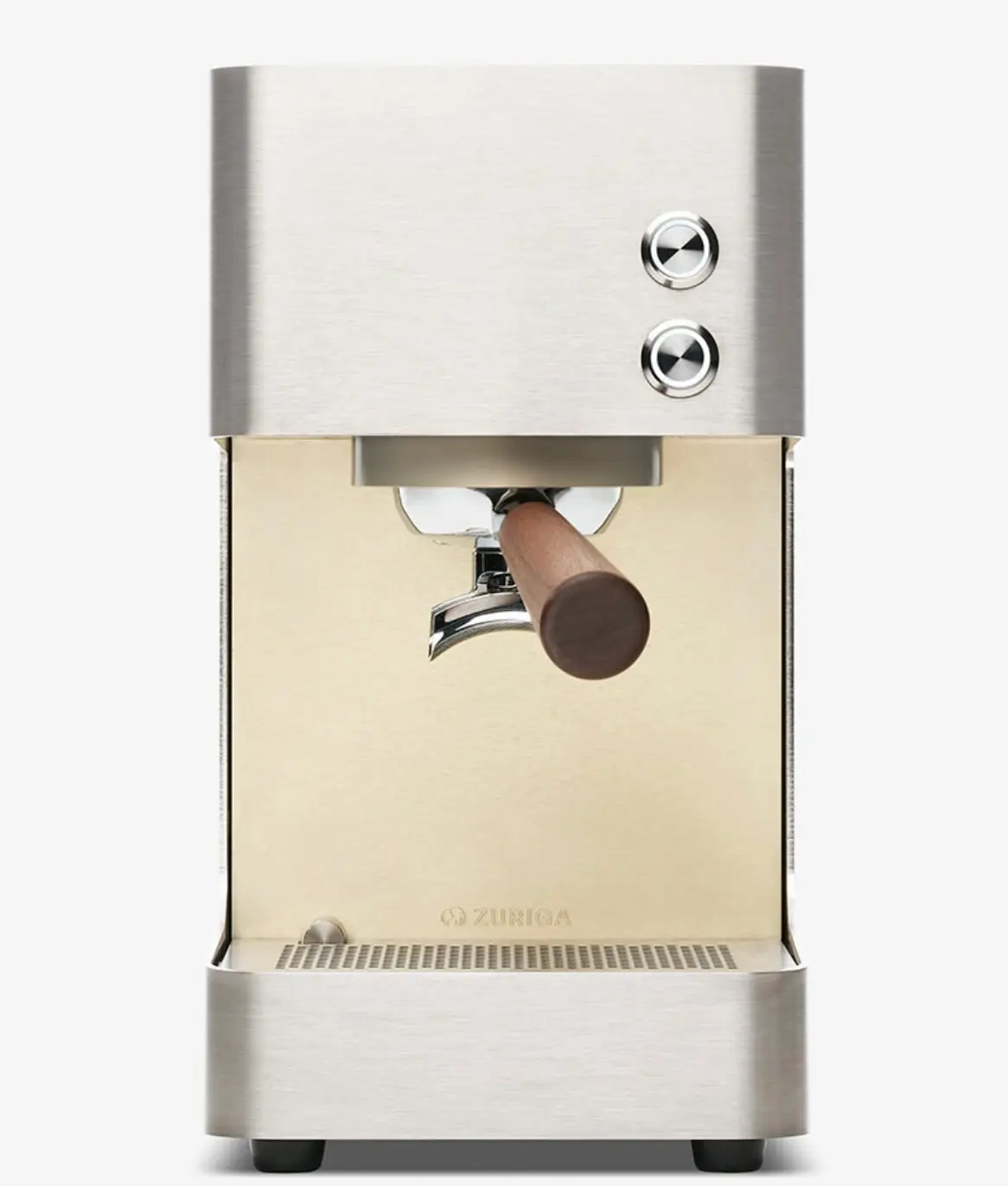
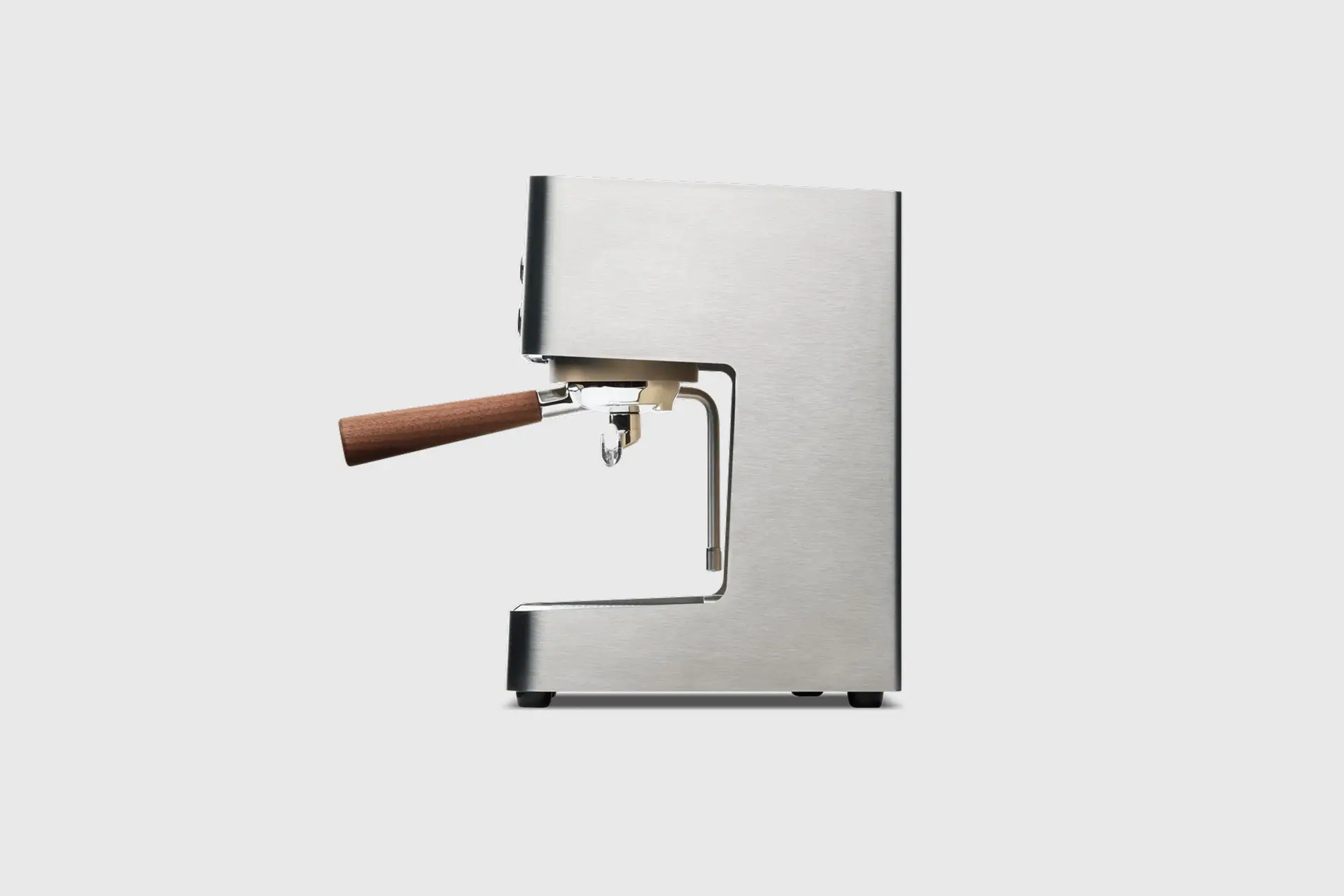
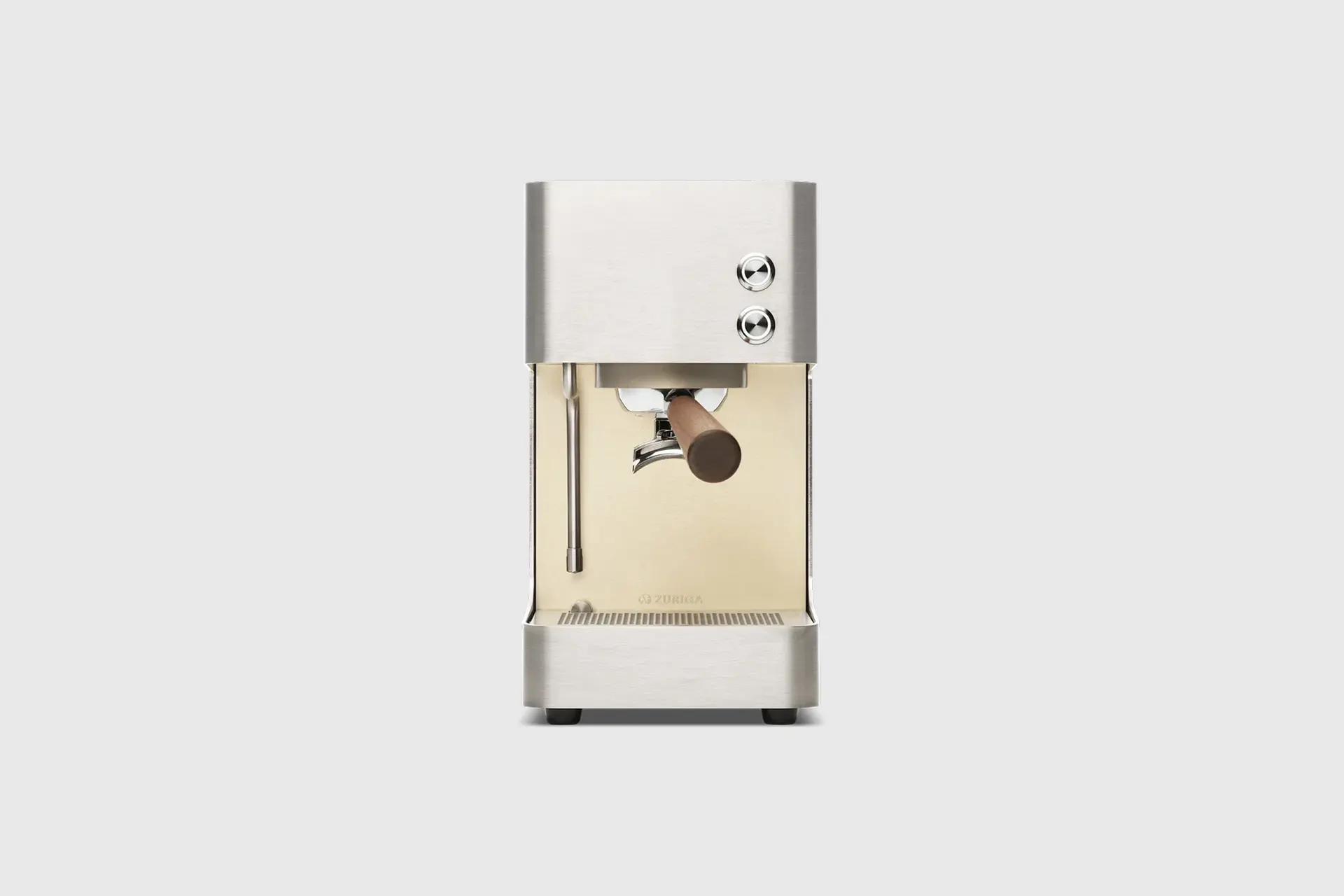
The ZURIGA E2-S pairs a minimalist stainless steel design with handcrafted details, including a walnut portafilter handle and a compact footprint built for home espresso brewing.
stem
ZURIGA did not begin as a company chasing a gap in the market. It began with founder Moritz Güttinger taking apart his own home espresso machine, deciding he could build something better, and spending roughly two years turning that instinct into an actual product. The company’s public debut came through a crowdfunding campaign that sold out its entire initial run of machines within five minutes, an early signal that a niche audience of design minded coffee drinkers was hungry for something quieter than the increasingly gadget heavy machines crowding kitchen counters.
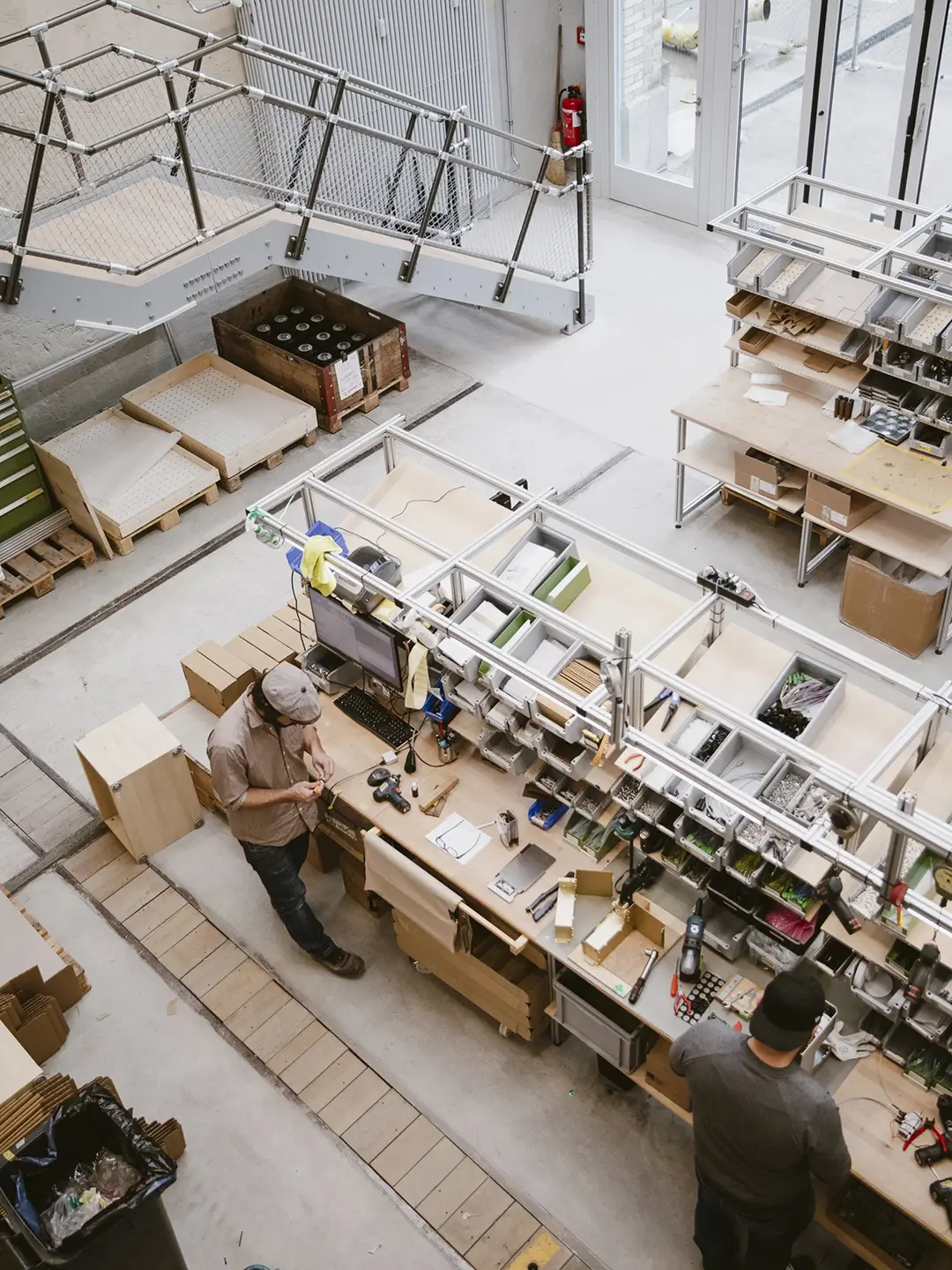
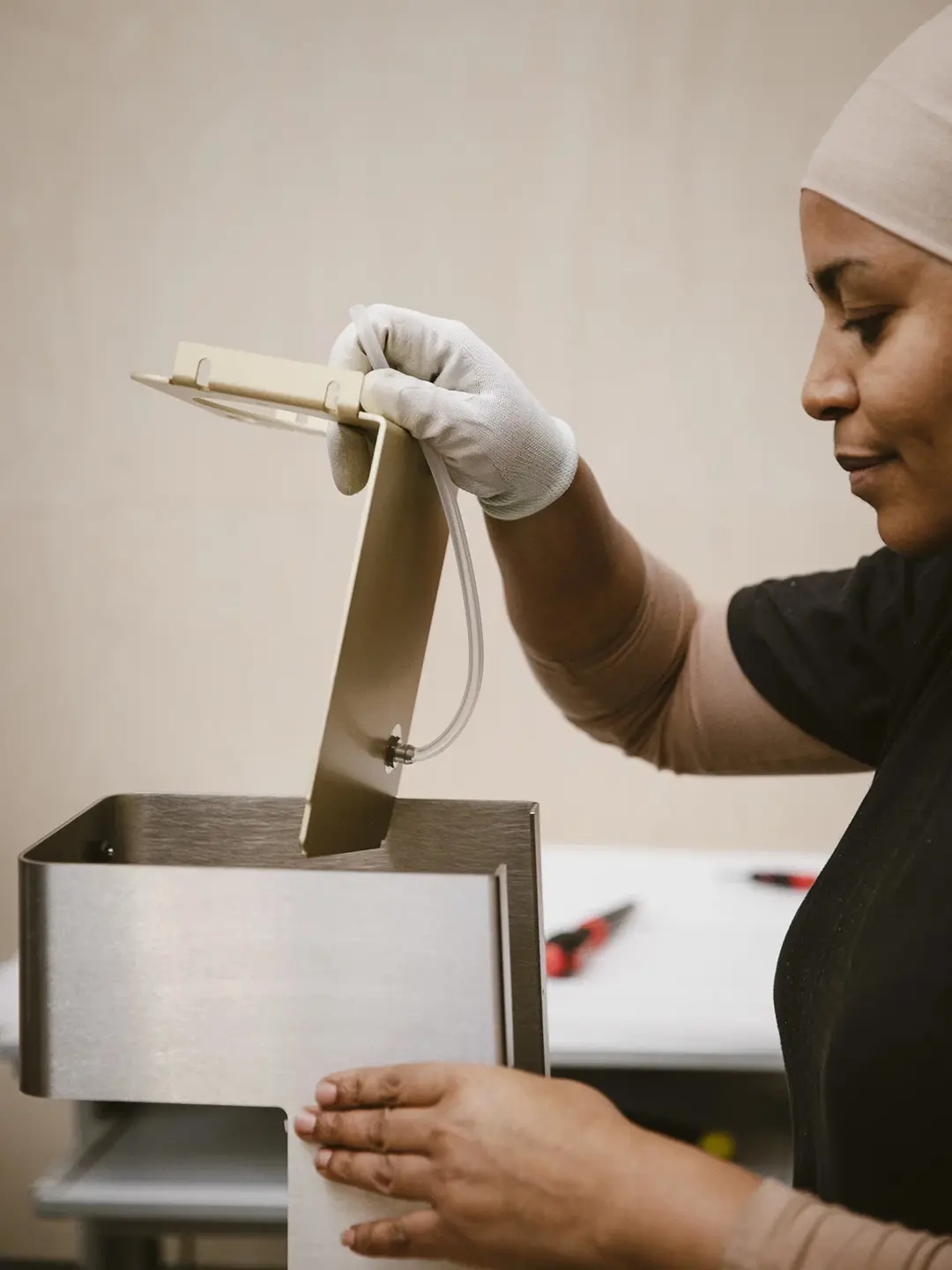
That original 2016 launch has since grown into a forty person team working out of a manufactory in Zurich, housed in an industrial site that once served as a workshop for repairing Swiss railway locomotives, a detail that fits the brand’s engineering minded self image better than any marketing copy could. More than ten thousand ZURIGA machines are now in circulation, still built, according to the company, at a rate of around ten units a day, each one assembled by hand from 318 individual parts.
That growth curve is notable mainly for how deliberately slow the company has kept it. Rather than chasing the kind of rapid scaling that venture backed hardware startups typically pursue after a strong crowdfunding debut, ZURIGA has stayed self financed, describing itself as built around three internal values: simplicity, closeness, and humility. The company has also avoided selling through third party retailers almost entirely, choosing instead to keep sales concentrated in its own webshop and a small number of physical stores, a decision that keeps margins intact but also keeps the brand’s footprint modest compared to how quickly a well reviewed kitchen appliance could otherwise scale.
View this post on Instagram
from
The E2-S’s body is formed from a single piece of chromed steel, shaped into a continuous curved casing that wraps around the machine’s internals rather than being bolted together from separate panels. Anodized aluminum covers the top and front sections, run through a process that leaves behind a faint golden protective tone specifically chosen to resist espresso splashes over years of daily use.
Two materials break from the metal palette entirely. The portafilter handle and lid are cut from European walnut, sourced from local production partners rather than imported in bulk, giving the machine a warmth that pure stainless steel construction tends to lack. The water tank, meanwhile, is made from laboratory glass rather than the plastic used in nearly every competing home machine, a choice that keeps the water visibly clean and avoids the plastic taste that can creep into cheaper reservoirs over time.
None of the internal plumbing uses copper or brass, materials common enough elsewhere in home espresso equipment. Instead, the heating element is stainless steel and the brew group is coated in titanium through what the company describes as an elaborate process, borrowing from the same surgical instrument and aerospace component standards rather than typical kitchen appliance manufacturing.
engine
The simplicity visible from the outside hides a fair amount of engineering effort underneath. ZURIGA’s proprietary heating system, referred to internally as the Z2 unit, measures water temperature more than ten times per second, a level of monitoring the company says approaches what’s used in barista world championship equipment. The goal is matching the temperature stability of heavy, slow moving commercial cafe machines without needing their bulk or their preheating routines.
That efficiency focus extends to how the machine handles standby power. Rather than staying hot at all times the way many prosumer machines do, the E2-S skips water preheating entirely and relies on thermal insulation paired with an intelligent shutoff, an approach the company positions as delivering meaningfully better energy performance than machines that idle at temperature for hours at a stretch.
A later steam upgrade added frothing capability without altering the machine’s exterior silhouette at all. The steam wand switches on within roughly two seconds and heats in about twenty seconds, letting the same compact footprint handle cappuccinos and lattes alongside straight espresso, with the only visible change to the original design being the wand itself. The company’s companion grinder follows the identical design logic, swapping the industry standard plastic bean container for glass and applying the same repair first philosophy to burr adjustment and calibration.
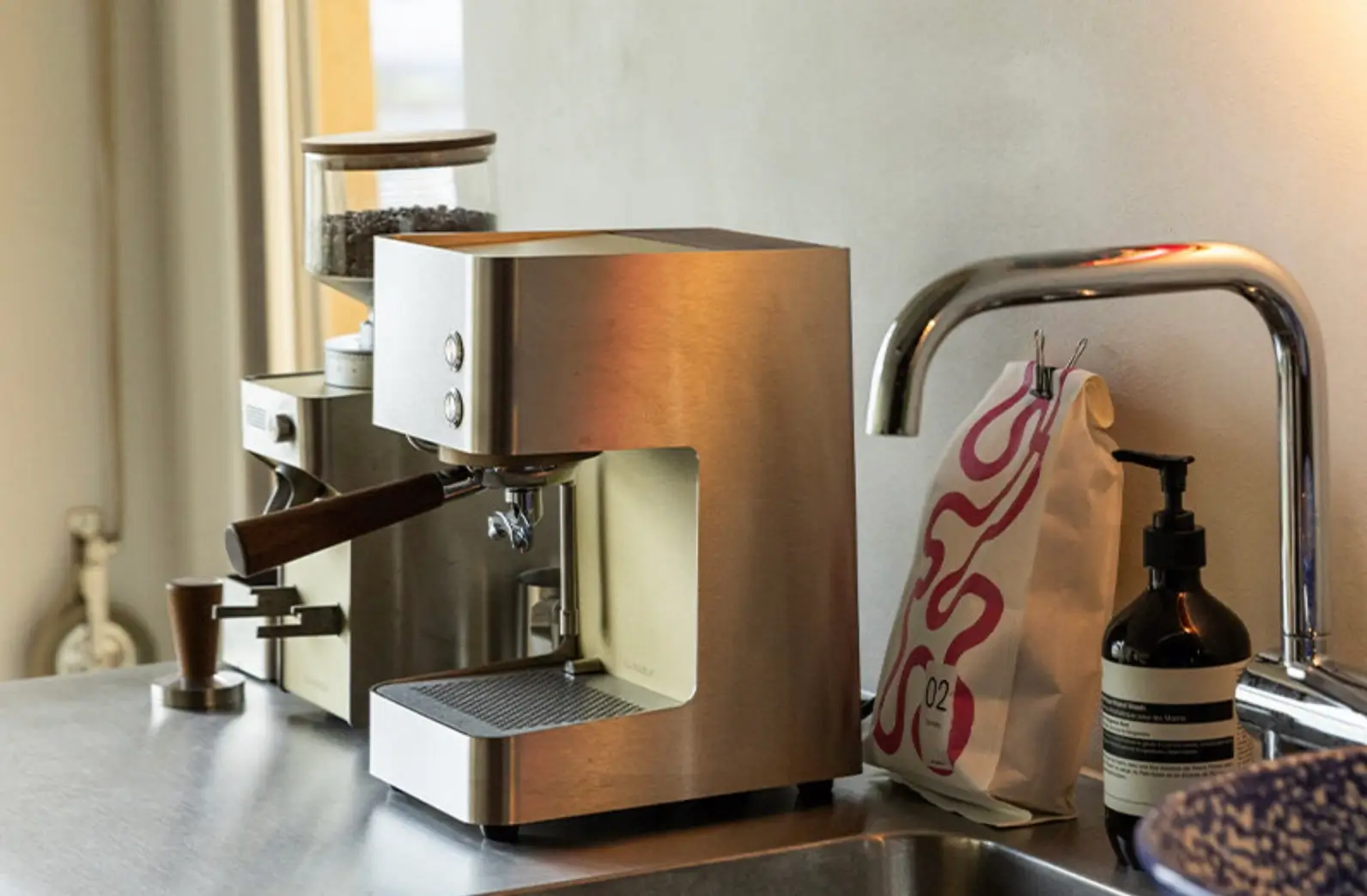
The ZURIGA E2-S is shown in a real home coffee station, highlighting its compact footprint and minimalist design alongside the tools of a daily espresso routine.
The distinction between the two generations of the machine matters for anyone shopping the used or refurbished market. Since mid September 2024, every new E2 and E2-S shipped by the company has been what ZURIGA refers to internally as its second generation build, distinguishable by the absence of a black nameplate on the rear panel that marked the earlier version. Owners checking whether their own machine is first or second generation are pointed to that single visual cue rather than a serial number lookup, in keeping with the brand’s broader preference for keeping things legible without extra documentation.
vive
Independent reviews of the E2-S consistently return to the same handful of observations. Reviewers testing it against machines ranging from entry level options up through six thousand euro barista grade equipment have described the ZURIGA as the purist of the group, built for people who want a genuinely good espresso without wanting to tune anything themselves. One long form review noted that the machine’s unboxing experience skips plastic packaging entirely, with the box itself designed to double as return shipping packaging if the machine ever needs factory maintenance, alongside a printed manual reviewers have singled out for its clarity and design quality, a detail that is easy to overlook until you compare it against the manuals bundled with most kitchen appliances.
The company backs that repairability claim with a formal commitment: every connection inside the machine is screwed rather than glued, every component can be individually replaced, and spare parts are guaranteed to remain in stock for at least twenty years. Machines that come back with only cosmetic flaws are refurbished and resold under a dedicated ZURIGA:re label rather than discarded, keeping fully functional units in circulation instead of contributing to appliance turnover.
At 9.5 kilograms and dimensions of roughly 23 by 17 by 31 centimeters, the E2-S is genuinely compact, small enough that the company markets it as fitting within the footprint of a single A4 sheet of paper. That scale, paired with a design language that draws visibly from Bauhaus era functionalism and Swiss industrial design more broadly, has led more than one reviewer to describe the machine as something closer to a small piece of design object than a kitchen appliance, the kind of thing that earns a second glance from visitors who assume it’s decorative until they watch it pull a shot in under two minutes.
fin
ZURIGA sells the E2-S directly through its own webshop and through a small number of ZURIGA retail stores, a distribution choice the company frames as a way of avoiding retail markups that would otherwise get passed on to customers. Pricing for the current E2-S configuration sits in the upper mid range of the home espresso category, with refurbished ZURIGA:re units offered at a reduced price point for buyers comfortable with a machine that has minor cosmetic history rather than being factory new.
The company continues to develop new equipment out of the same Zurich manufactory, with a newer model reportedly already moving through early production as the E2-S’s line continues to mature within the company’s broader catalog.
n
From the DRIFT archive: Cornell Team Develops Ultrablack: The “Darkest Fabric Ever” That Reflects Close to No Light