DRIFT AUDIO
Listen to this story
Choose a voice, then press play.
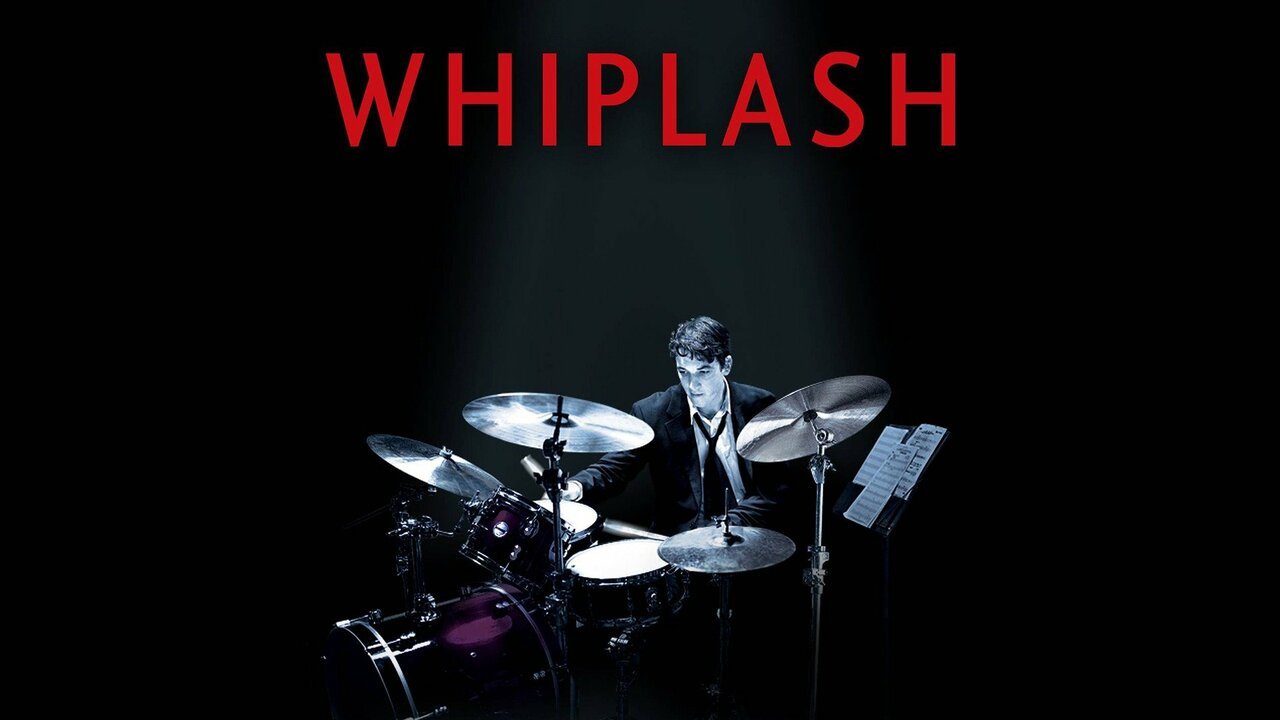
Damien Chazelle’s 2014 film “Whiplash” is more than just a story about a young jazz drummer aspiring to greatness; it’s a harrowing exploration of the extreme lengths one might go to in the pursuit of perfection. The film, celebrated for its intensity and gripping narrative, invites viewers into a world where the boundaries between dedication and obsession blur, and the consequences of pushing beyond one’s limits become terrifyingly real.
At the heart of “Whiplash” is Andrew Neiman, played with raw fervor by Miles Teller. Andrew is a young drummer at a prestigious music conservatory, driven by an insatiable desire to be one of the greats. But his journey is not a solo endeavor—it’s a battle of wills with his instructor, Terence Fletcher, portrayed by J.K. Simmons in a role that won him an Academy Award. Fletcher is no ordinary teacher; he is a tyrant, a man whose methods are as brutal as they are effective. His belief that greatness can only be achieved by pushing students to their breaking point sets the stage for the film’s intense and often disturbing narrative.
In this review, we delve into the central theme of “Whiplash”: the perilous pursuit of greatness. It explores how the film raises critical questions about what it means to be dedicated to an art form. Where does the line between passion and obsession lie ? And at what cost should one pursue excellence ? Andrew’s journey is emblematic of these questions. His relentless drive sees him endure physical and emotional torment, pushing himself to the brink of collapse in his quest to prove his worth to Fletcher and, ultimately, to himself.
Chazelle’s direction masterfully captures this descent into obsession. The film’s sharp dialogue and the relentless pace of its drumming sequences create an atmosphere of almost unbearable tension. Every scene is a testament to the intensity of Andrew’s ambition and the lengths to which he is willing to go. But as the blog post points out, “Whiplash” is not just a story about a musician; it’s a broader commentary on the nature of ambition itself. It asks us to consider what we are willing to sacrifice in the name of success and whether the pursuit of greatness is worth the personal and psychological costs.
Critics have lauded “Whiplash” not only for its compelling narrative but also for its outstanding performances. J.K. Simmons’s portrayal of Fletcher is chilling; his character’s unpredictable cruelty is a stark reminder of the potential dangers of unchecked ambition. Simmons’s performance is matched by Teller’s portrayal of Andrew, a character whose vulnerability and determination make him both sympathetic and tragic.
“Whiplash” is a film that resonates deeply with anyone who has ever strived for excellence in their craft. It is a stark, unflinching look at the price of ambition, and it forces viewers to confront uncomfortable truths about the pursuit of greatness. As the blog post suggests, the film is a must-see not just for music and film enthusiasts but for anyone interested in the complex dynamics of ambition, dedication, and the human spirit’s capacity for endurance.
Related Articles

Two Chicago Lifers, One Wave: Kaicrewsade and Luke Titus on ‘#SWAG SURF’
Kaicrewsade's new album RAINBOW_ arrived on October 14, and its second track pulls in Chicago drummer and singer Luke Titus.