DRIFT AUDIO
Listen to this story
Choose a voice, then press play.
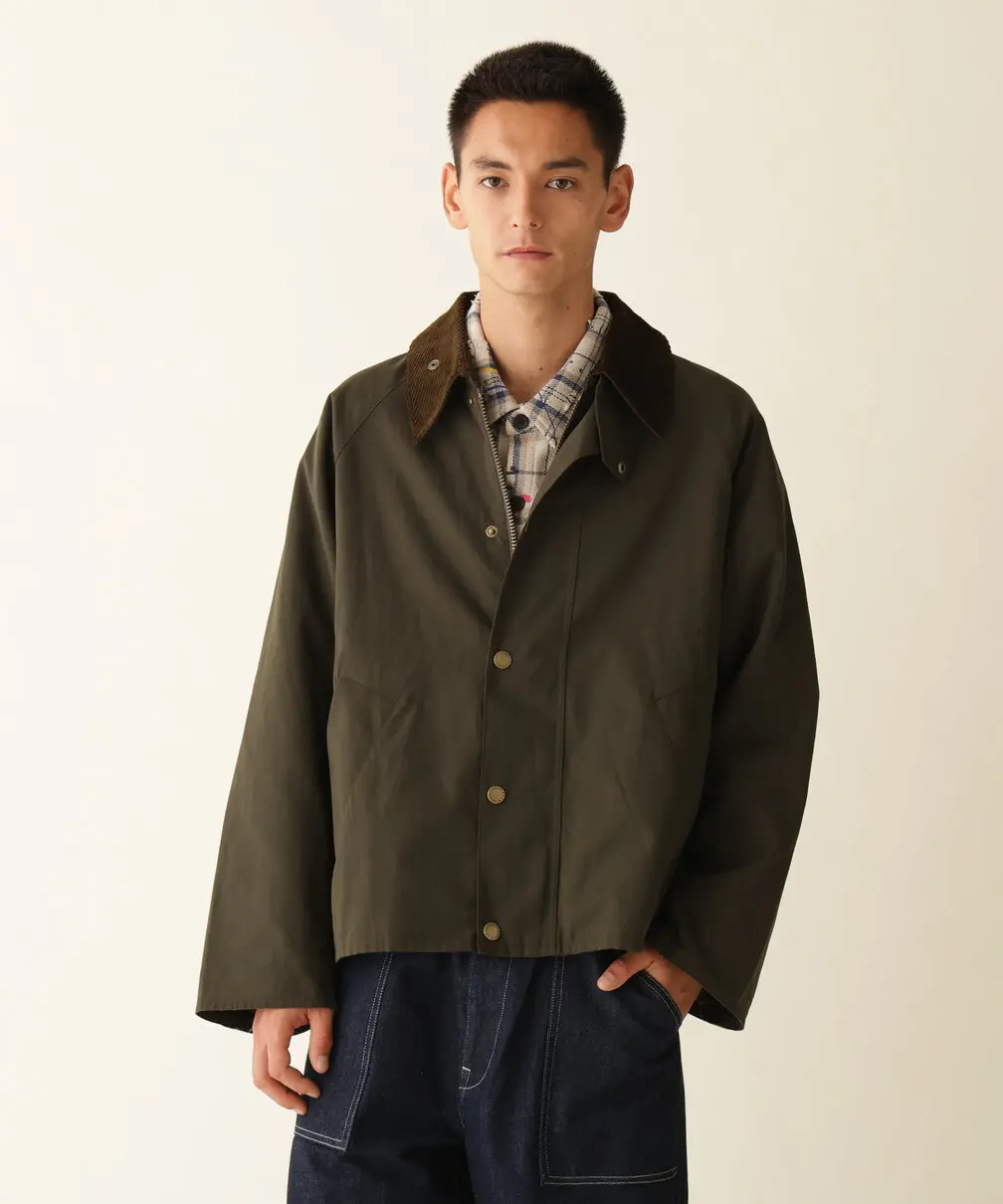
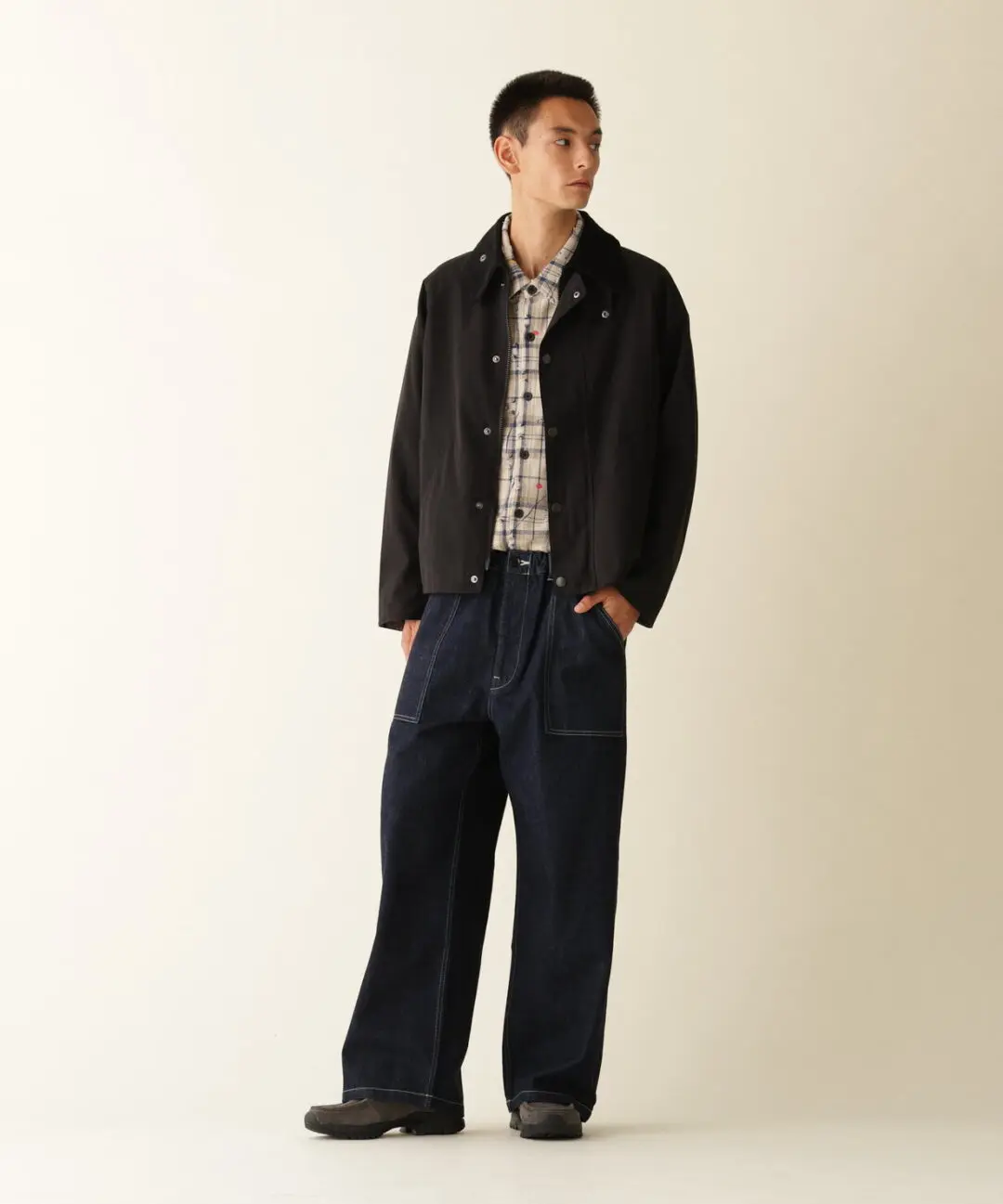
Tokyo select shop BEAVER swaps Barbour’s sig waxed cloth fabric for something else entirely on its oversized Transport jacket, landing mid-October at ¥61,600.
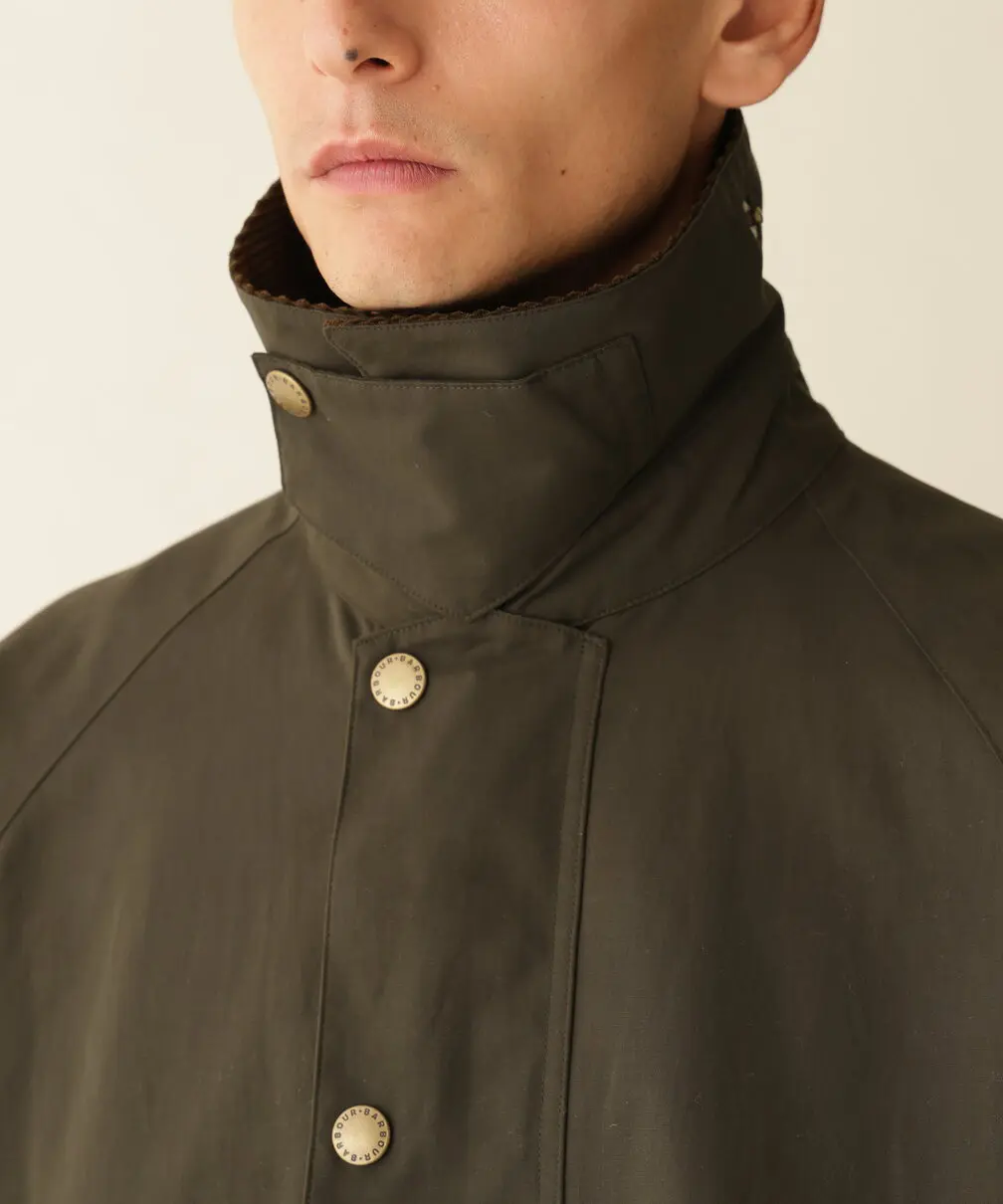
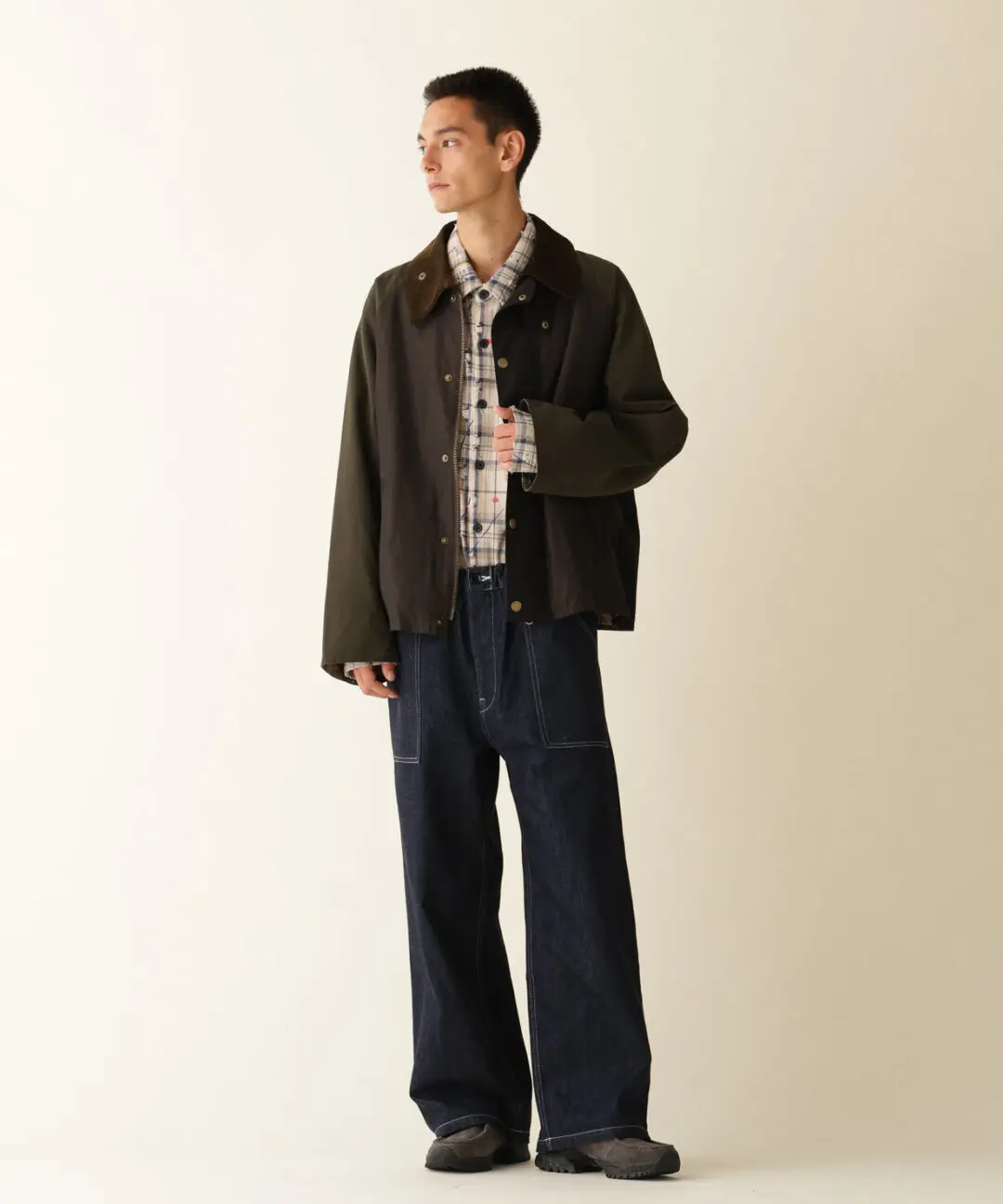
Barbour’s cult Transport jacket is getting a Tokyo rework this fall, and the headline change is what’s missing from it. Barbour and Shibuya-born select shop BEAVER have built a bespoke version for the 2026 fall/winter season called the NO WAX OS TRANSPORT, priced at ¥61,600 and set to land in mid-October. The rel runs through mix.tokyo, the multi-brand marketplace platform that TSI Holdings consolidated its various brand storefronts into.
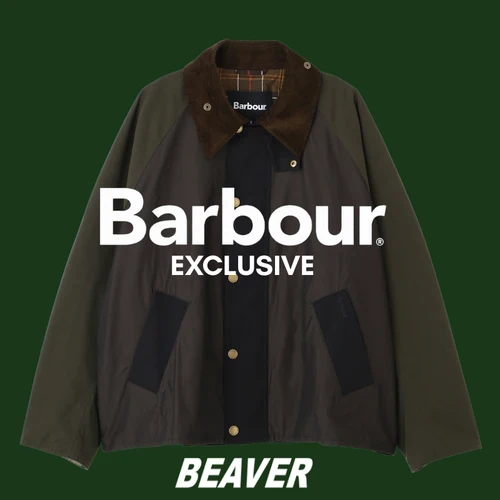
An olive green Barbour Beaufort waxed jacket with a corduroy collar and large white “Barbour EXCLUSIVE BEAVER” text overlaid on the image.
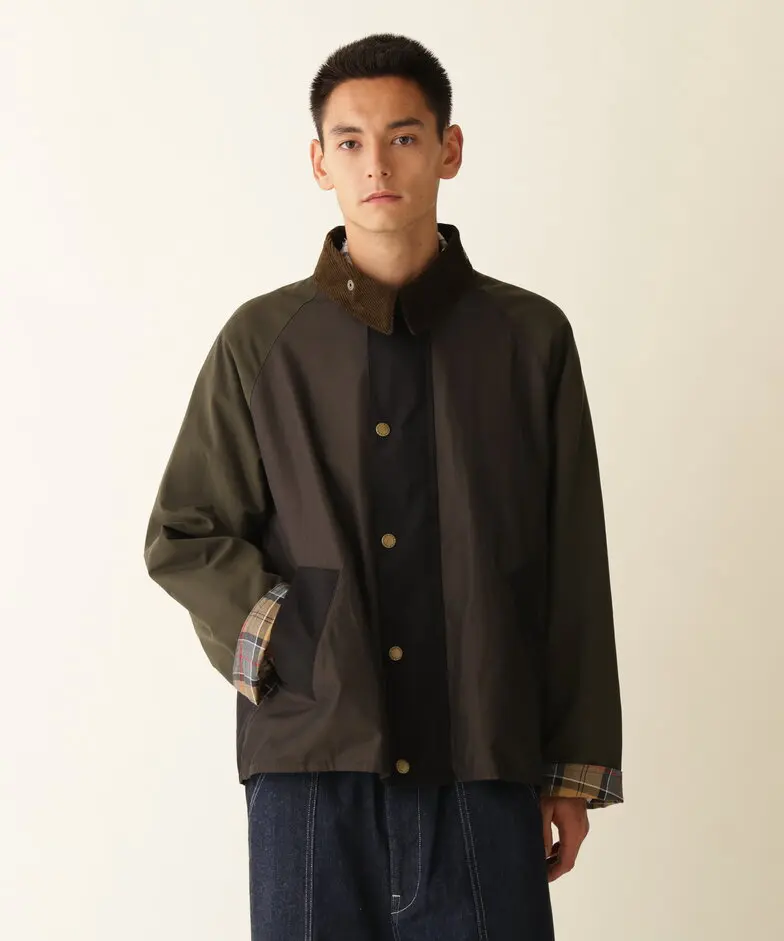
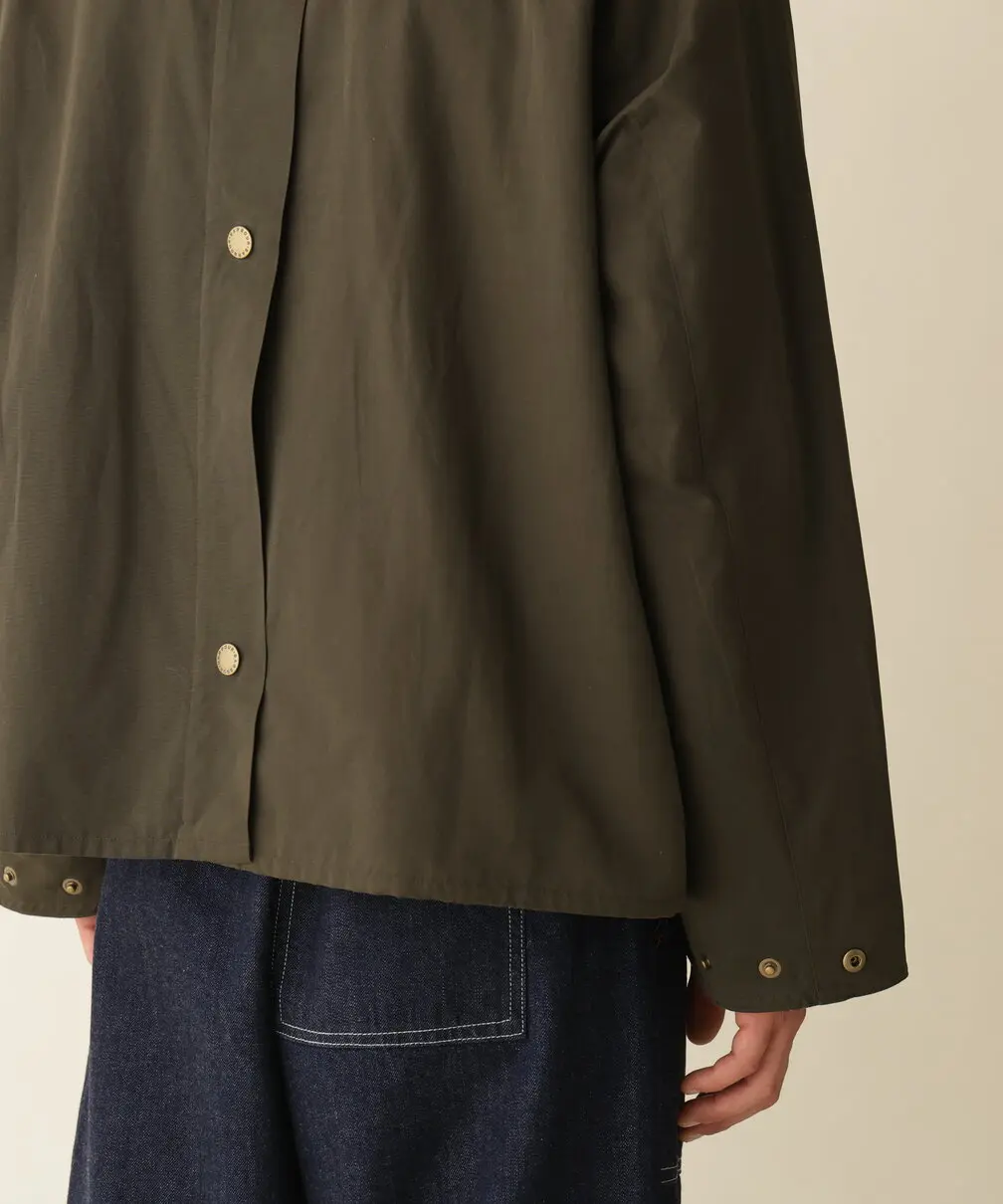
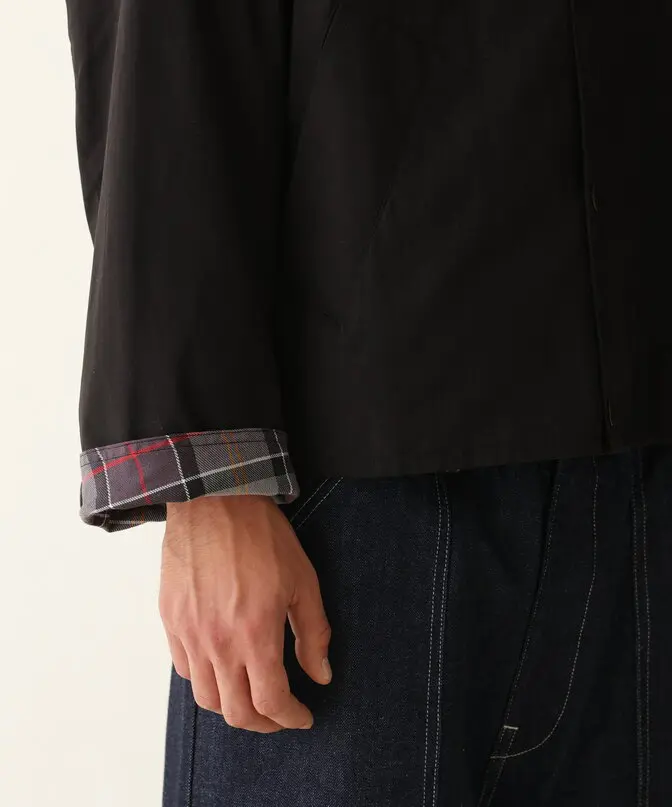
The mid-October window puts the release right at the start of Tokyo’s transition into its colder months, timing that tracks with how most fall/winter special orders in the Japan market tend to land, ahead of the coldest stretch of the season rather than deep into it. The jacket keeps Barbour’s familiar Transport colorways of black and sage in the lineup, then adds a third option built around BEAVER’s own sense of play: a single jacket that switches black, dark brown, and sage across different panels of the body. The effect reads as restrained rather than loud, closer to a considered colorblock than a statement piece, but the panel switching still registers as an obvious special order the moment it’s on a body rather than a hanger. Inside, the jacket keeps Barbour’s tartan check as lining, positioned so it shows as an accent once the sleeves get rolled up, a detail BEAVER is pointing to directly as one of the jacket’s selling points. The shop also revised the front pockets to open more easily, a small functional tweak aimed at actually using the jacket day to day rather than just wearing it.
stir
This isn’t the first time the two have worked together. Barbour and BEAVER have previously put out a padded take on the brand’s Spey jacket, also in a black and sage green pairing, giving this new Transport version a bit of a track record behind it rather than a one-off pairing thrown together for the season. Where that earlier piece stuck close to Barbour’s own established palette, the multicolor Transport option is the more aggressive of the two collaborations, and the clearest sign yet of how much latitude BEAVER has been given to work with the sil.
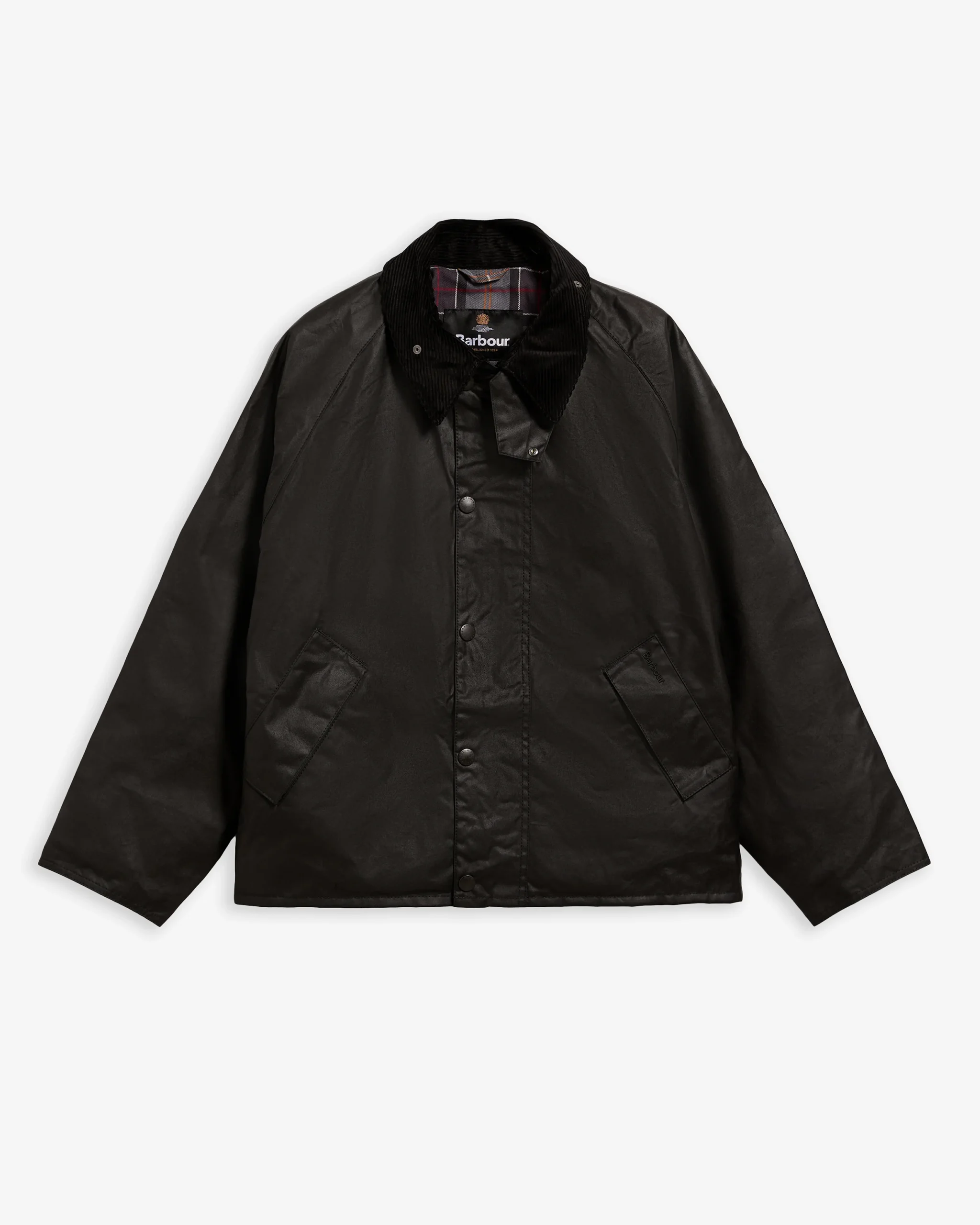
A black Barbour waxed jacket with a corduroy collar and snap-button front, shown flat against a white background.
actual
Barbour’s own naming for the Transport line gets specific fast, and the two abbreviations doing the work in this jacket’s name are both worth unpacking on their own. “OS” is Barbour’s own oversize designation, used across multiple versions of the Transport sold in Japan. According to a retail listing from Tokyo shop EDIFICE, the OS treatment bumps the Transport up two sizes from its standard fit, widening the armholes and body width for a rounder, fuller silhouette than the standard-fit version wears, while keeping the jacket’s short, cropped length intact so the proportions don’t read as sloppy.
That’s where “no wax” comes in. The standard OS Transport ships in Barbour’s 6oz waxed cotton, the same treated fabric that’s defined the brand since the early twentieth century. BEAVER’s version drops that finish for something else, follow a path a couple of other Japanese retailers have already tested on this exact silhouette. MARKAWARE developed its own non-wax fabric for a Transport collaboration sold through EDIFICE, keeping Barbour’s front ring zip, corduroy collar, and tartan lining intact while swapping only the shell material for something lighter. BEAUTY&YOUTH took a related approach for spring, replacing the wax with a cotton-linen blend for a season-appropriate, more breathable version of the same jacket. The Japan market release notice covering BEAVER’s version didn’t specify the exact substitute fabric here, so the precise material story on this particular jacket is still unconfirmed pending an official spec sheet from either brand. Whatever the fabric turns out to be, the basic trade sits the same way it does on those other releases: give up the water resistance and slow-building patina that waxed cotton is known for, in exchange for a lighter hand-feel and a cleaner finish that doesn’t require the periodic re-waxing wax jackets eventually need.
return
The Transport didn’t start out as a Japan-market special order vehicle. It’s one of Barbour’s newer additions to a lineup otherwise dominated by decades-old silhouettes, and its own backstory explains why it’s become such a popular canvas for reinterpretation among Tokyo retailers specifically. According to Barbour’s own account of the jacket, the Transport was commissioned by Dame Margaret Barbour and built by drawing on the spirit of the brand’s 1980s Bedale, Beaufort, and International jackets, distilled into a shorter, A-line wax sil design for life in motion. It launched in 2000, and its shortened length and raglan sleeves were designed with actual movement in mind, with the model reportedly taking cues from mountain biking rather than the countryside pursuits most Barbour jackets are built around.
The details that made the original useful are the same ones nearly every retailer keeps quoting whenever they rework it. Raglan sleeves widen the range of motion through the shoulder. A hidden zipped pocket and lower welt pockets handle storage without adding bulk to the silhouette. An inner waist storm skirt and elasticated storm cuffs keep wind and rain from creeping in from the bottom hem or the wrists, a genuinely useful detail on a jacket built with cycling in mind rather than standing still in a field. Length-wise, retailers routinely describe the Transport as sitting between two other Barbour staples, longer than the fishing-derived Spey but shorter than the Bedale, which puts it in a middle ground that reads as more day than either. It’s a shorter, more casual cut than the Bedale or Beaufort it borrows from, which is a large part of why it’s become the house pick for streetwear-facing reinterpretations rather than the brand’s longer wax coats getting the same treatment.
View this post on Instagram
flow
None of this works as a special order without the base layer of Barbour’s own history, which the brand leans on in nearly every collision it runs. According to Barbour’s company history, the label was founded in 1894 in South Shields, a fishing and shipping port on England’s northeast coast, by Scottish draper John Barbour, initially as an importer of oilcloth for the sailors and dockworkers working the North Sea. The waxed cotton that would go on to define the brand came later, developed under John’s grandson Duncan, an enthusiastic motorcyclist who pushed the company toward waxed cotton motorcycling suits that were worn on the International Six Day Trials circuit and later associated with riders including Steve McQueen.
That switch from oilcloth to waxed cotton is still Barbour’s core material more than a century on, and it’s specifically the material this BEAVER jacket is built to not use. Duncan’s motorcycle-focused offshoot eventual became its own standalone label, Barbour International, established in 1936 and still sold today as a separate line built around that racing heritage. The brand now holds three Royal Warrants, having supplied weatherproof clothing to the Duke of Edinburgh, Queen Elizabeth II, and King Charles III at different points across its history, and it remains a family-run business now in its fifth gen under chairman Dame Margaret Barbour. The company treats the wax itself as something closer to infrastructure than a finish: Barbour has offered re-waxing services since 1921, and in 2020 it folded that program into a broader initiative called Wax for Life, aimed at getting customers to keep older wax garments in circulation rather than replace them. Barbour has said that more than 70,000 wax garments get sent back to the company globally each year for repair or re-waxing.
That royal-warrant, century-old framing is part of what makes a wax-free version of one of its jackets feel like a genuine reinterpretation rather than a simple colorway swap. The wax is close to the entire premise of the brand, backed by an entire repair infrastructure built to keep it on people’s backs for decades, which makes removing it from one specific silhouette a more pointed decision than it might read as on paper.
rel
None of that history has stopped Barbour from becoming one of the more prolific convincer in menswear, and the NO WAX OS TRANSPORT is landing in the middle of what’s been an unusual busy year for the label. Barbour spent 2026 pairing off with a wide range of partners well outside the Japan market alone: a Paul Smith capsule that reworked the Transport and Spey jackets in gingham for spring before returning for a corduroy and wool follow-up in fall, a third seasonal drop with Kaptain Sunshine built around modular, mountain-bike-inflected takes on the Endurance and Transport jackets, a first-ever pairing with New Era on caps and hats, and separate first-time collaborations with Sorel and Crocs on footwear. Barbour and Levi’s put out their own first joint collection as well, a reminder that the brand’s willingness to hand its archive over to outside partners isn’t limited to Japan or to outerwear specifically. Each of those partners gets a different piece of the archive to reinterpret, and the throughline across nearly all of them is the same one running through the BEAVER release: take a jacket whose specific construction details (the ring zip, the corduroy collar, the tartan lining, the storm skirt) are treated as fixed reference points, then let the partner brand argue with everything else, whether that’s Paul Smith’s colorblocking, Kaptain Sunshine’s two-in-one construction, or BEAVER’s decision to argue with the fabric itself.
Japan specifically has become its own dedicated lane within that broader program. Beyond BEAVER, EDIFICE, and BEAUTY&YOUTH, retailers including FREAK’S STORE and JOURNAL STANDARD relume have run their own seasonal Barbour special orders, most of them built on the same handful of archive pieces (the Spey, the Bedale, the Transport) rather than deep cuts from the catalog. A recent A.P.C. x Barbour capsule priced its own reworked Spey jacket at ¥66,000, which puts BEAVER’s ¥61,600 asking price for the NO WAX OS TRANSPORT in roughly the same neighborhood as what shoppers have already been paying for comparable special-order Barbour outerwear this year.
fin
BEAVER isn’t run its first bespoke order with this jacket, and it isn’t a newcomer to convincing older, more codified brands to bend their own rules. The Tokyo select shop has spent years positioning itself around curating outdoor, sports, and military gear from around the world into new casual styling, per its own shop description, and that curatorial instinct extends into a long list of special orders with brands well outside streetwear’s usual roster of collaborators. The shop has previously worked with and wander on cotton climbing pants, MANASTASH on fleece and nylon outerwear, Gramicci on seersucker balloon pants, and outdoor tent brand POLeR on a sacoche bag built from the same patterned fabric POLeR uses on its tents, treating each collaboration less like a logo swap and more like an actual spec conversation with the brand about fit and fabric. Today the shop’s flagship sits on Cat Street in Harajuku’s Jingumae neighborhood, in the same stretch of Shibuya-ku that’s become one of Tokyo’s densest concentrations of outdoor-focused select shops, alongside stores like FUNCTION JUNCTION and the sportswear chains that cluster around the same blocks.
That track record is useful context for a jacket like the NO WAX OS TRANSPORT specifically. Barbour is a much older, much more codified brand than most of BEAVER’s usual collaborators, one carrying three Royal Warrants and more than a century of waxed cotton behind it, and asking it to build an oversized, non-waxed, tri-color version of one of its own jackets is a bigger ask than most streetwear tie-ups attempt. Whether the finished multicolor panel option reads as a genuine departure or a controlled variation on a formula Barbour already runs through its EDIFICE and BEAUTY&YOUTH partners will likely come down to how it actually looks once it’s out of product photography and moving around Cat Street rather than sitting on a rack.
Related Articles
Nubian Put Distressed Cotton Jersey On Needles Track
20th Exclusive Vol.7. Needles. Four shapes. Black and grey. 19 September 2026. All NUBIAN doors […]