DRIFT AUDIO
Listen to this story
Choose a voice, then press play.
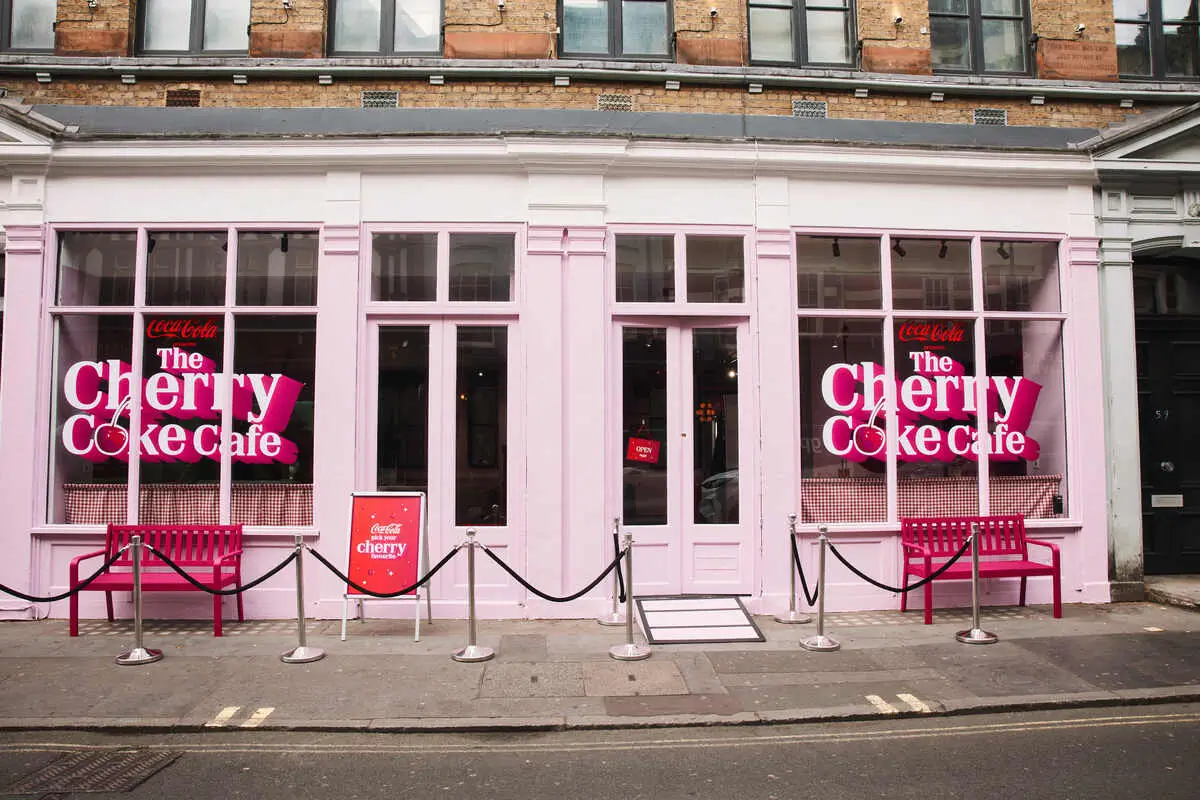
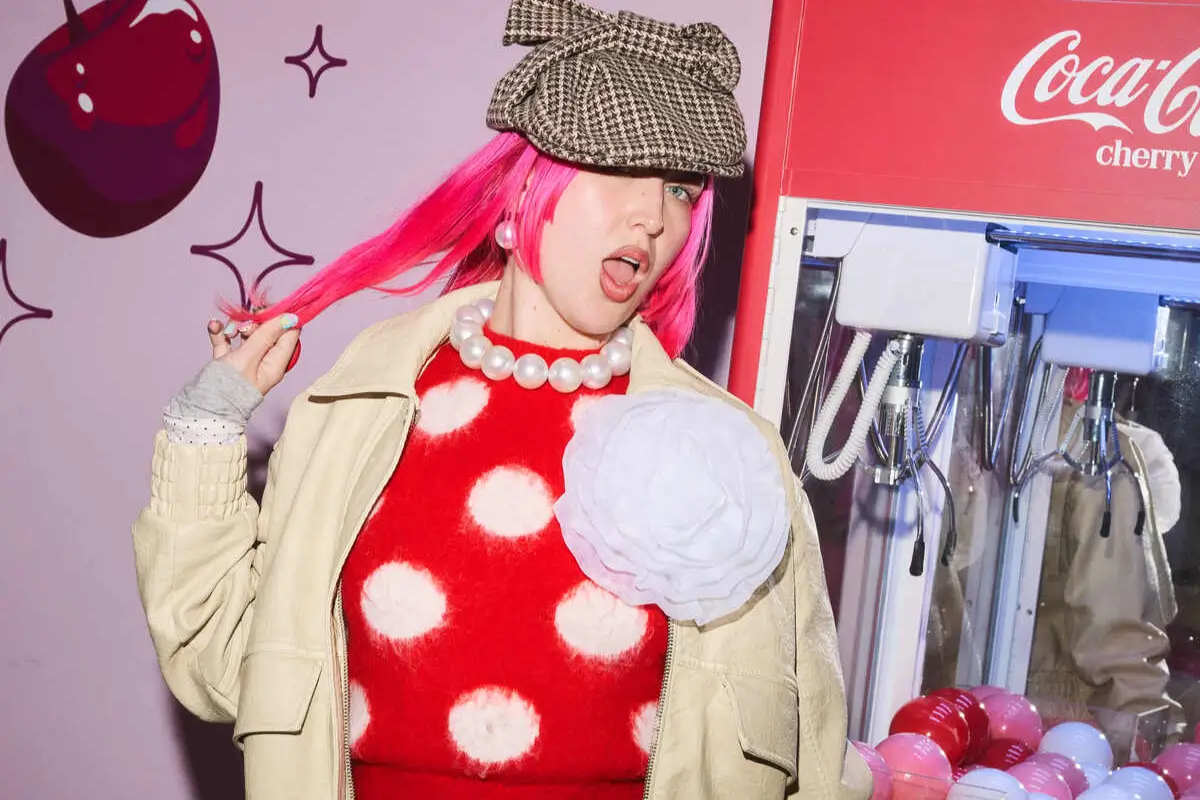
In an era where digital noise drowns out traditional advertising, brands are turning to physical experiences to cut through the clutter. Coca-Cola’s recent Cherry Float pop-up in London isn’t just a marketing stunt—it’s a masterclass in sensory branding, community engagement, and narrative immersion. Designed as a walk-in celebration of its new Cherry Float Zero Sugar line, the space transforms passive consumers into active participants, blending nostalgia with novelty in a way that feels both spontaneous and meticulously planned.
stir
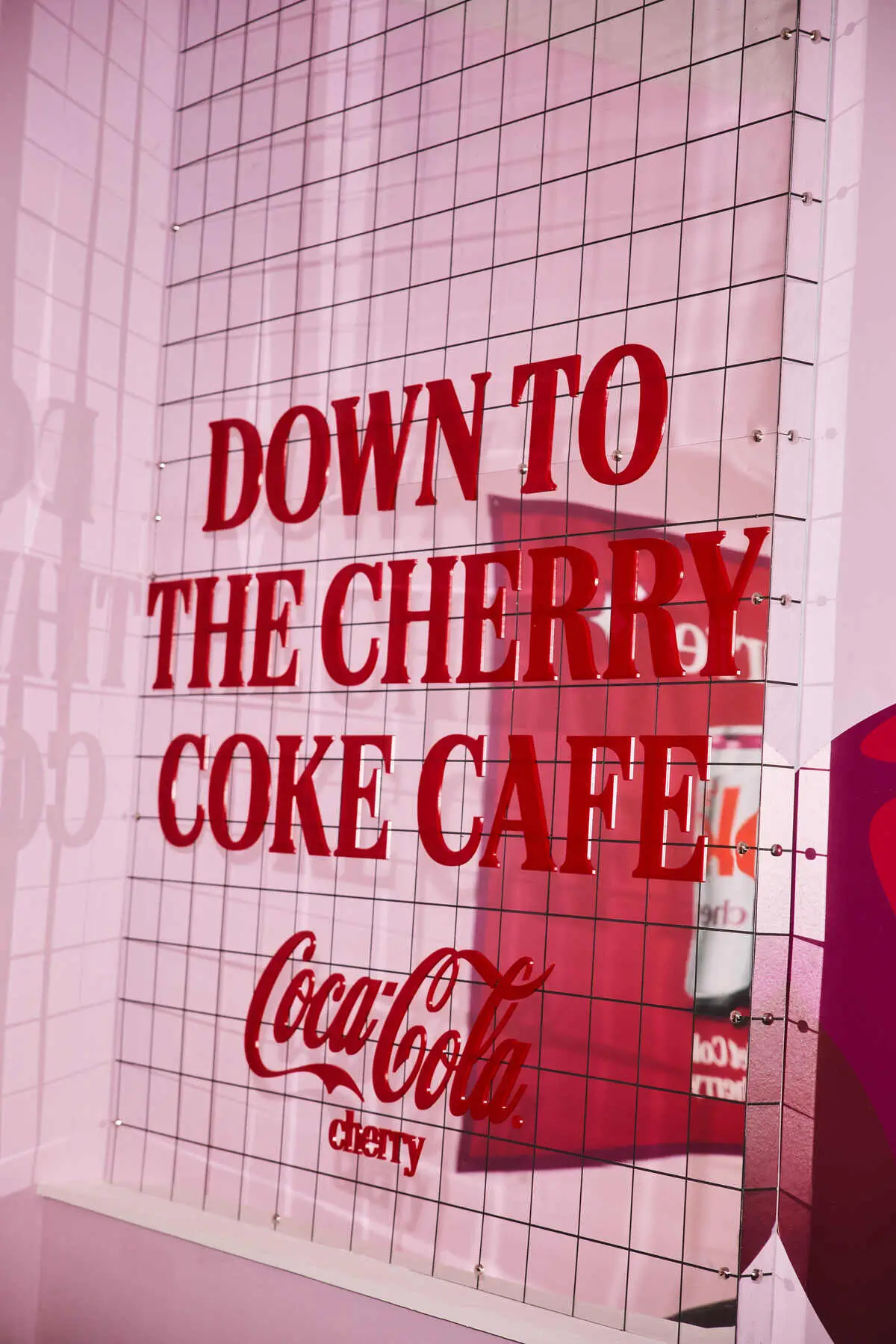
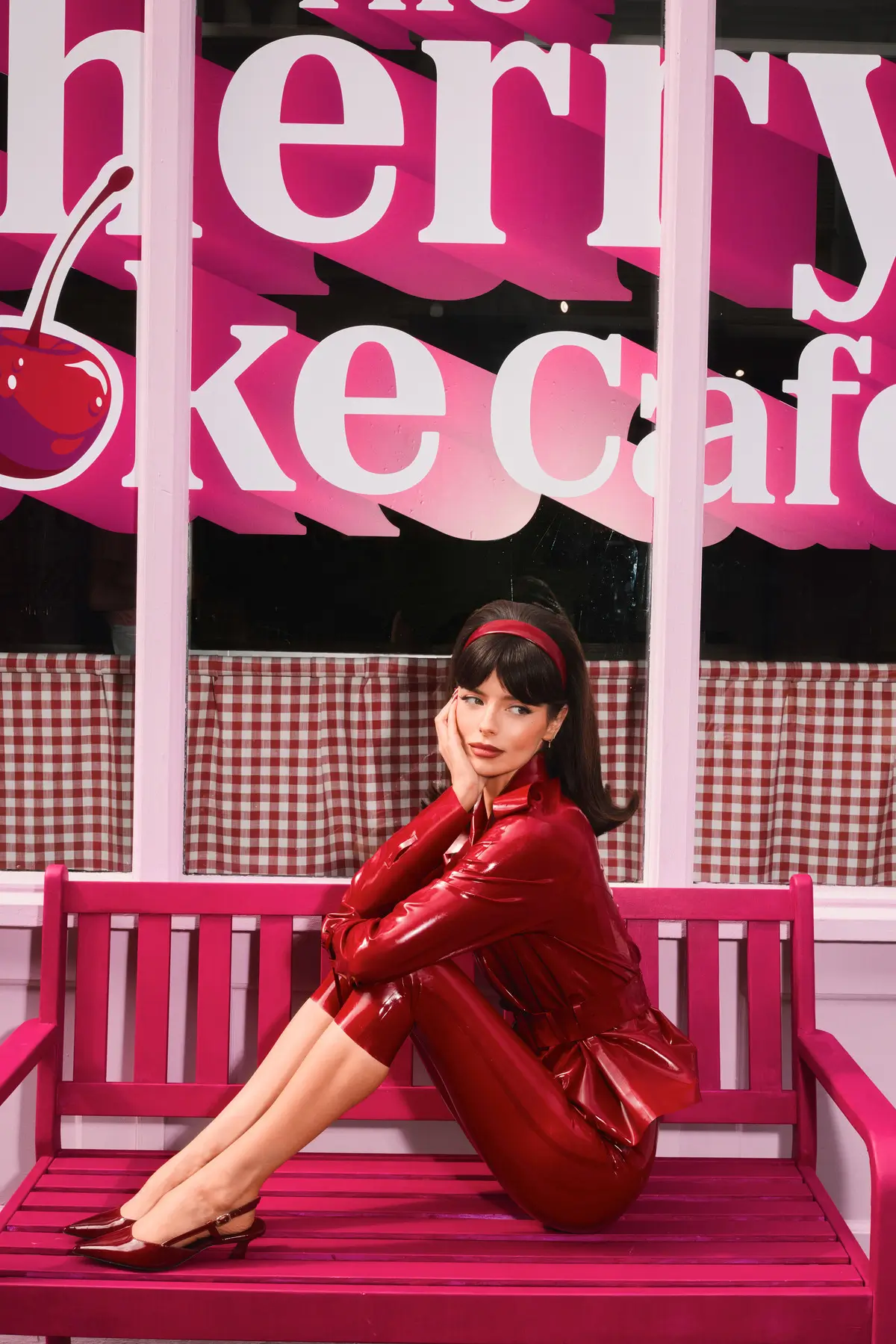
From the moment visitors step inside, they’re enveloped in a monochromatic world of red, pink, and white—the signature hues of the Cherry Float campaign. These aren’t just colors on a wall; they’re a psychological invitation. Red stimulates energy and appetite, pink evokes playfulness and youth, and white provides balance, creating a visual rhythm that mirrors the effervescent fizz of the drink itself.
The Coca-Cola emblem, repeated across surfaces like a cultural watermark, reinforces brand recognition without feeling intrusive. It’s everywhere—on the floor, the ceiling, the furniture, even the napkins—yet somehow never overwhelming. This saturation isn’t accidental; it’s a deliberate strategy to create a “brand bubble,” a temporary reality where Coca-Cola isn’t just present, but inescapable.
flow
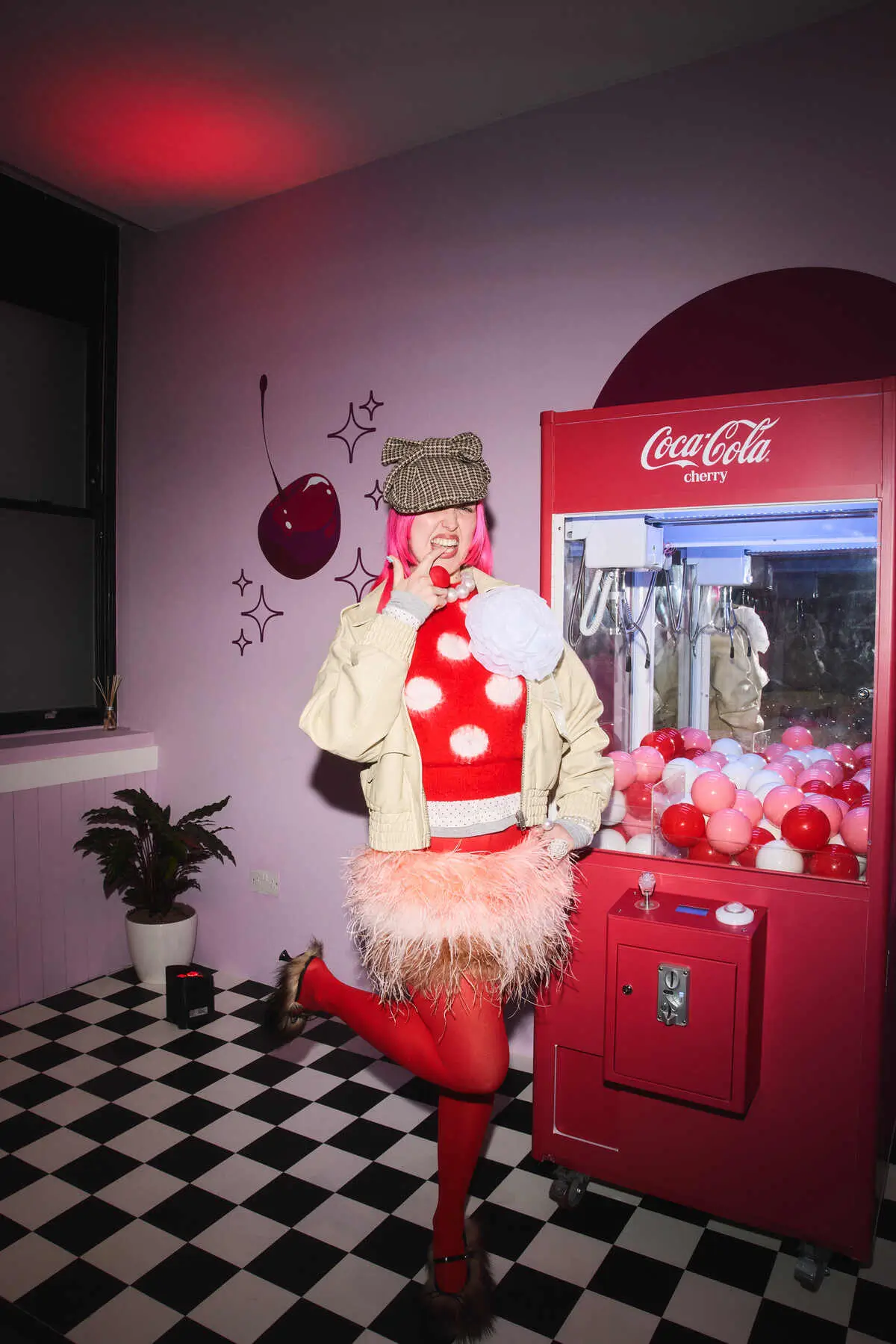
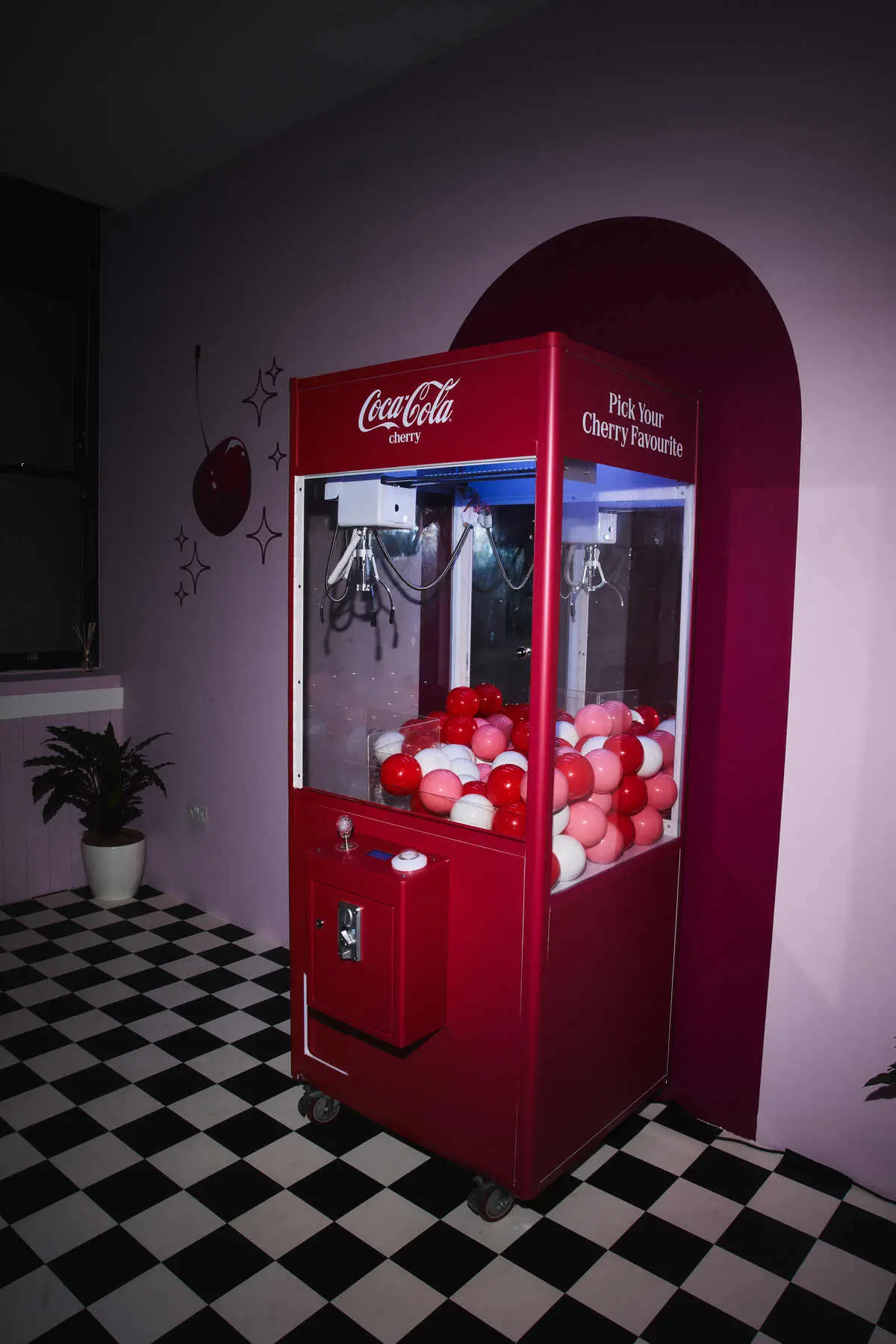
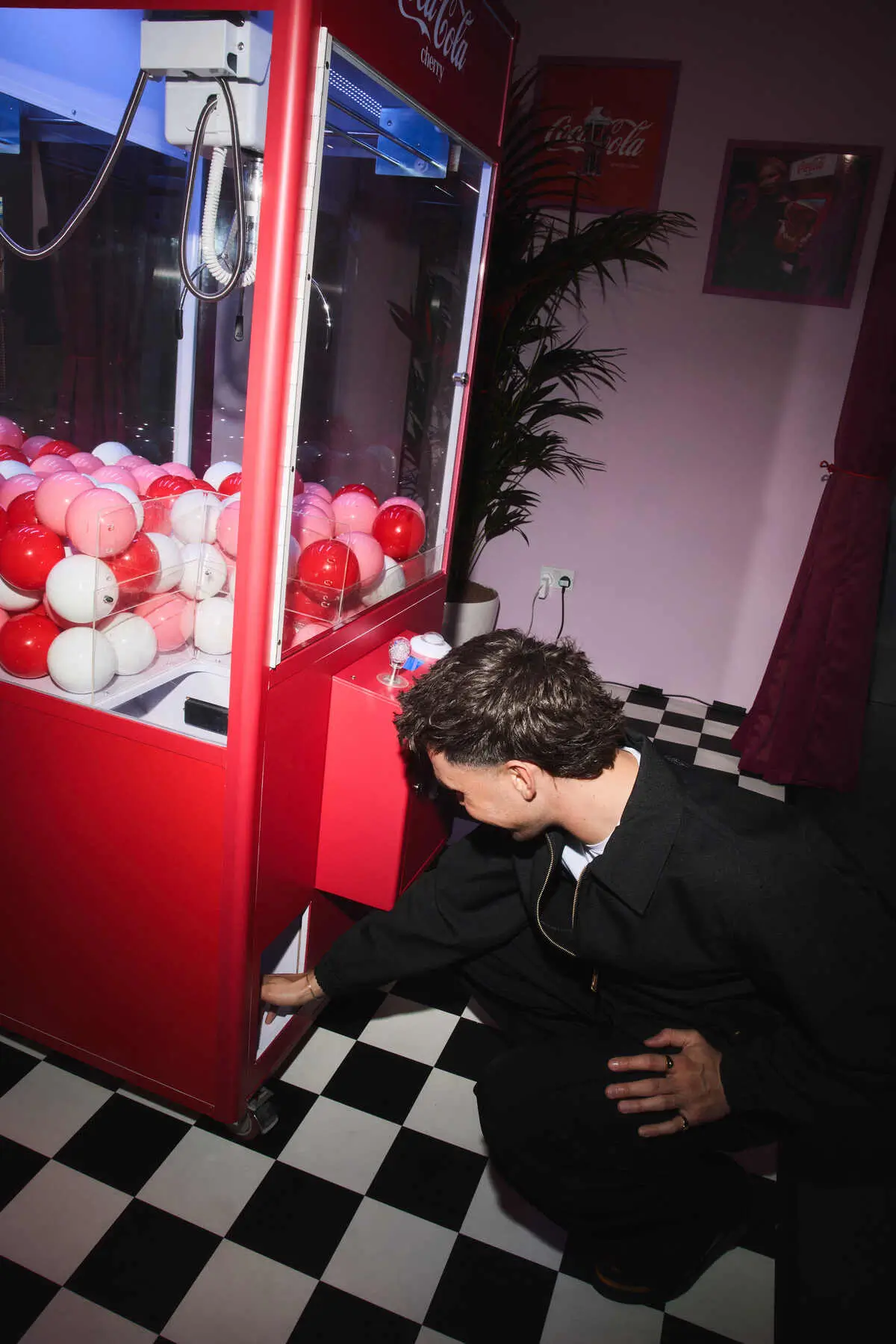
But what truly sets this experience apart is its interactivity. At the heart of the space sits a free claw machine, not just as a gimmick, but as a mechanism for emotional investment. Unlike typical arcade games that require payment, this one offers free plays, lowering the barrier to entry and encouraging participation.
The prizes? Exclusive, limited-edition merchandise themed around the London Cherry Coke Cafe—items that can’t be bought, only earned. This transforms the act of winning into a story, a memory, a social currency. Visitors don’t just leave with a t-shirt or a tote bag; they leave with proof of participation, a tangible artifact of their time in the brand’s world.
In the age of Instagram and TikTok, this is genius: the claw machine isn’t just fun—it’s a content engine, designed to be filmed, shared, and amplified.
View this post on Instagram
show
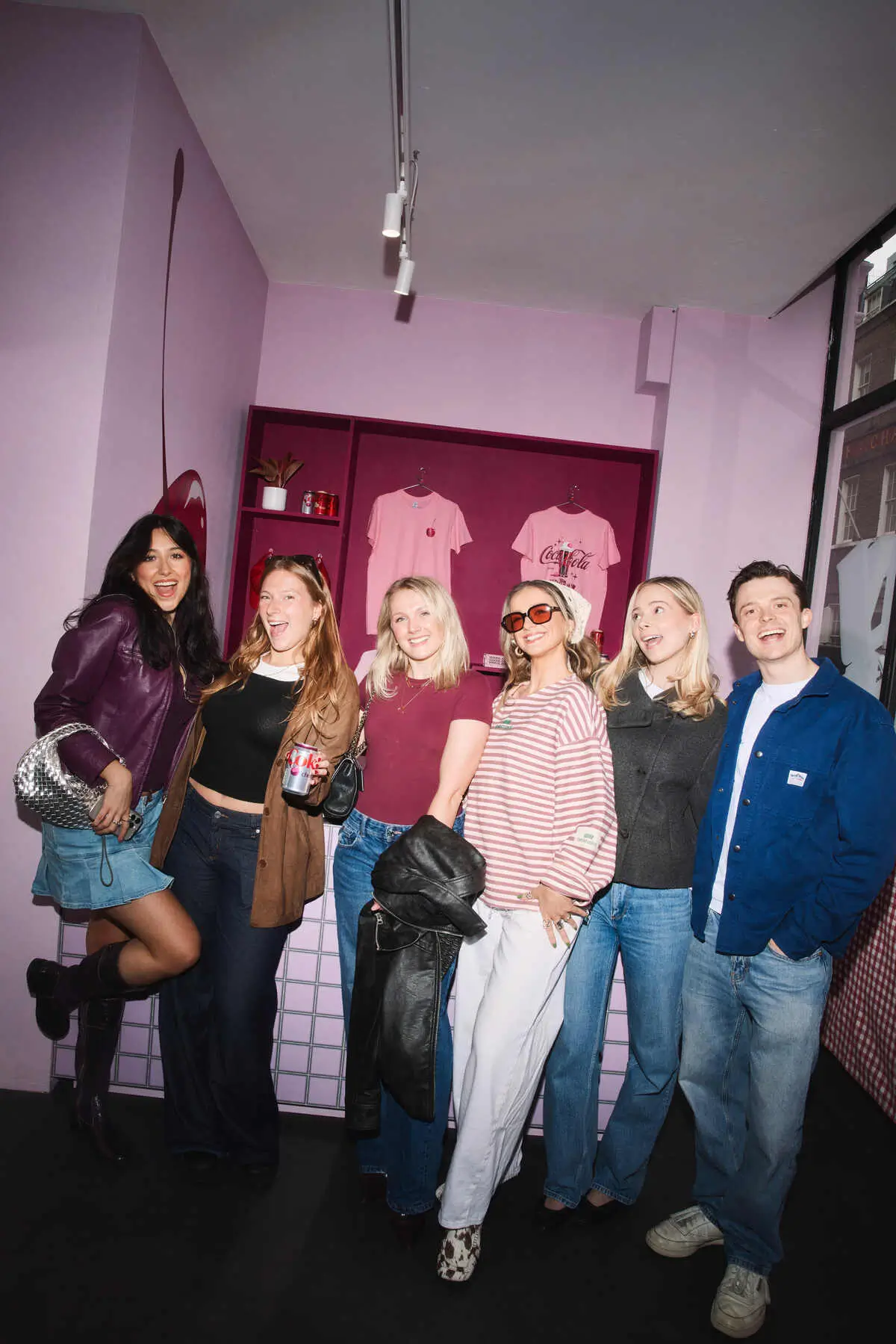
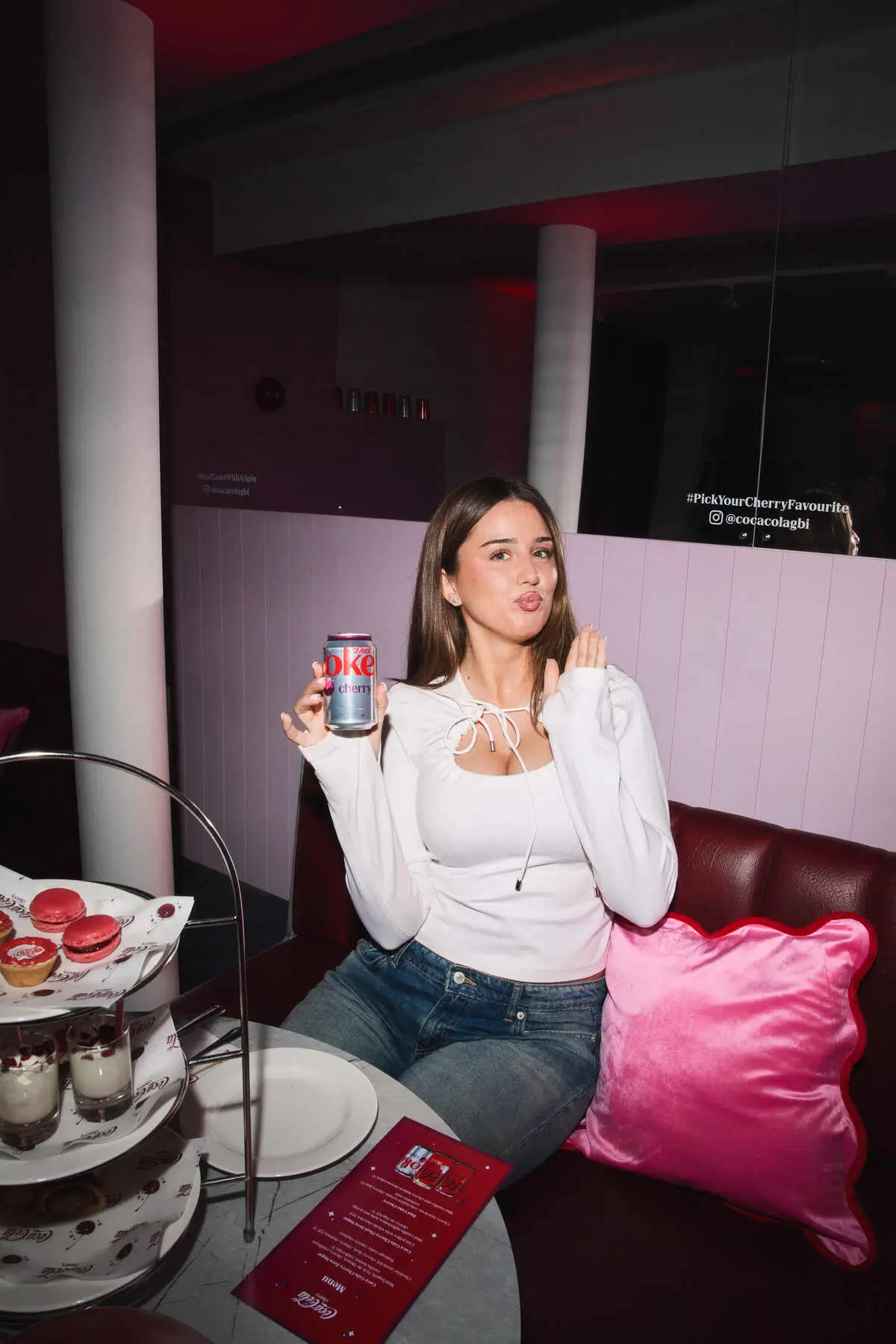
Above all, the pop-up functions as a social hub. The upstairs area, open to walk-ins all weekend, invites groups to linger, laugh, and create together. It’s not a showroom; it’s a stage.
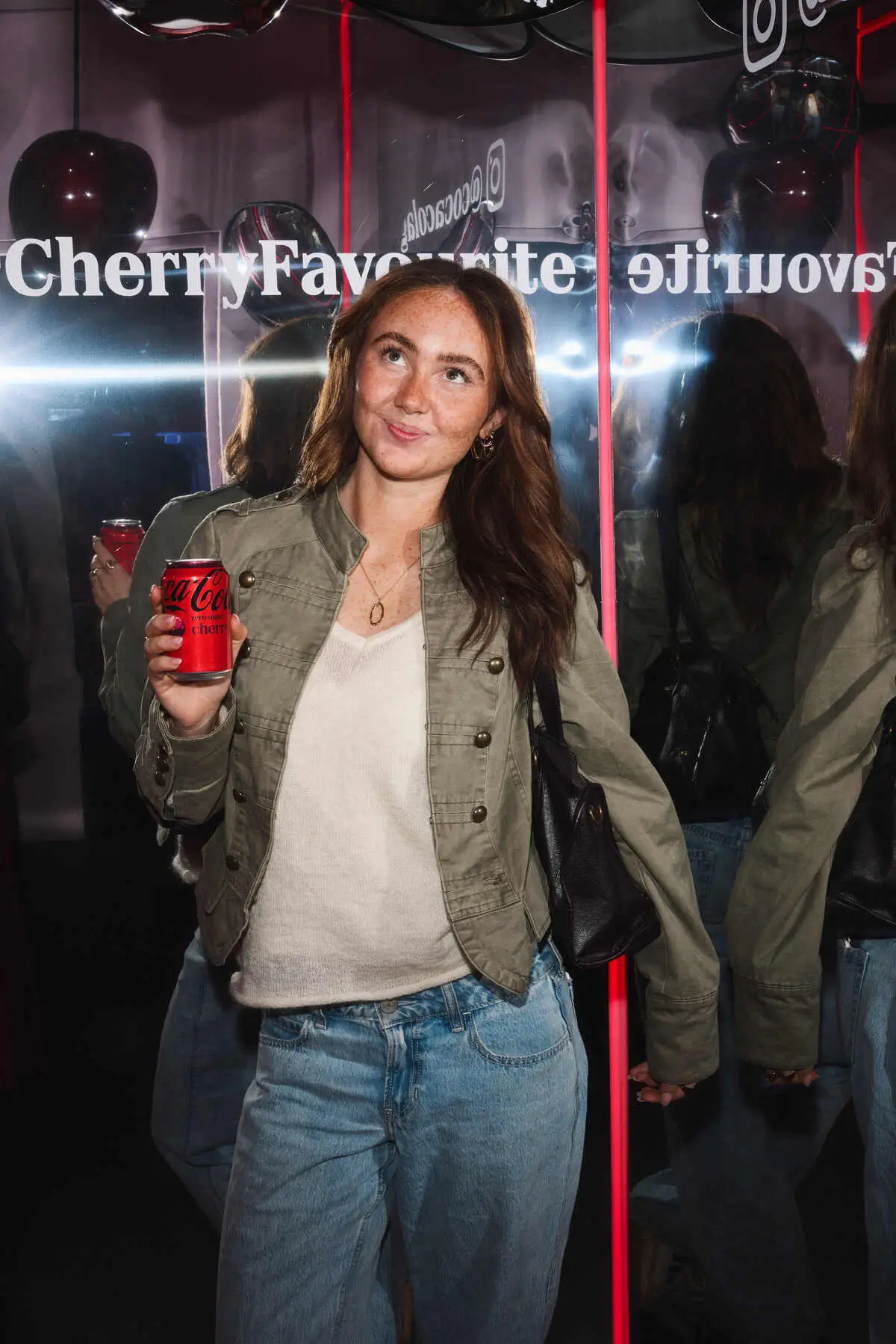
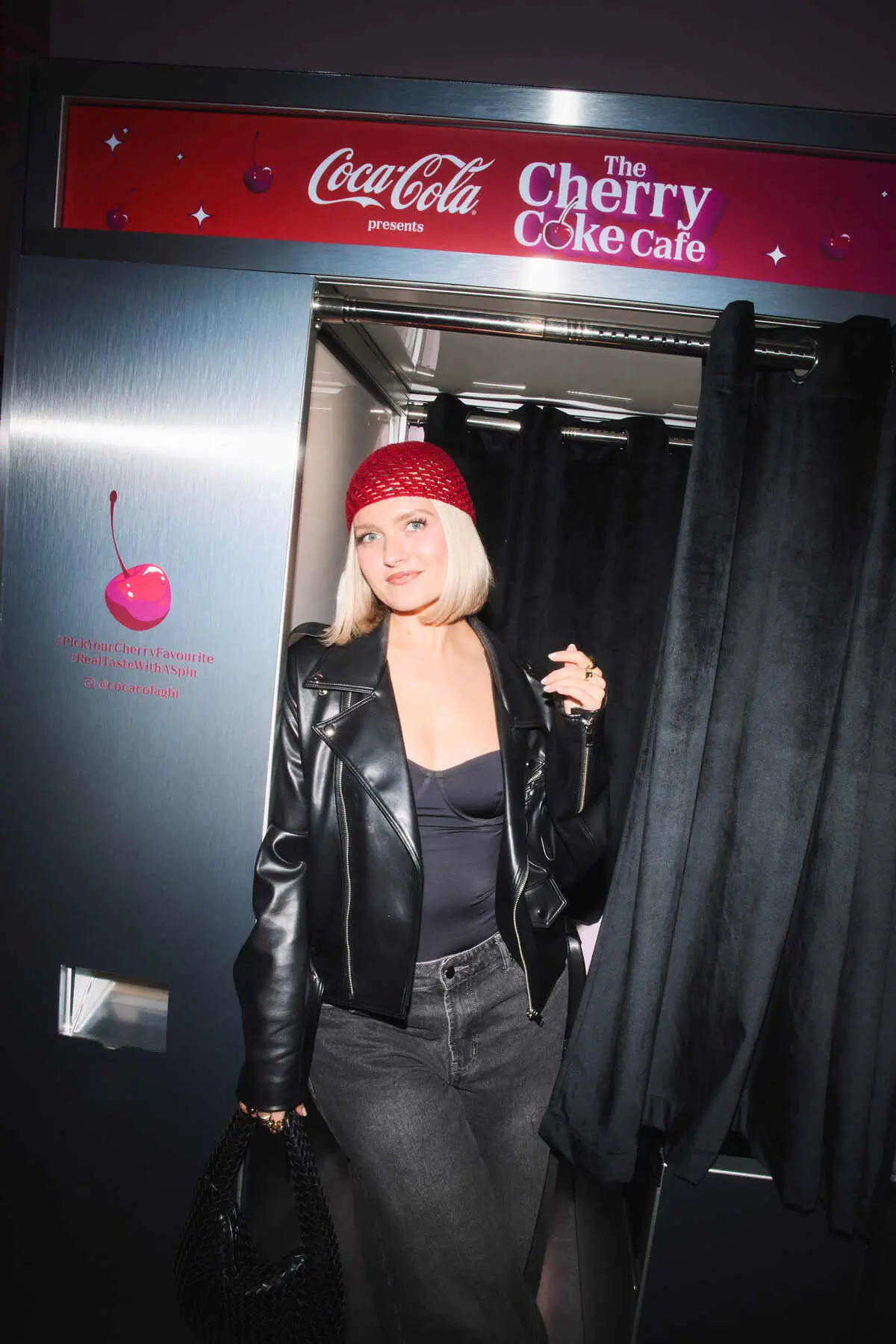
With built-in photo booths, branded backdrops, and playful props, the space encourages self-expression and user-generated content. Friends pose with oversized Coke bottles, snap selfies in cherry-themed frames, and dance to curated playlists that blend retro hits with modern pop.
The atmosphere is electric, not because of loud music or flashing lights, but because of human connection. Coca-Cola isn’t selling a drink here—it’s selling a moment, a feeling, a shared experience.
idea
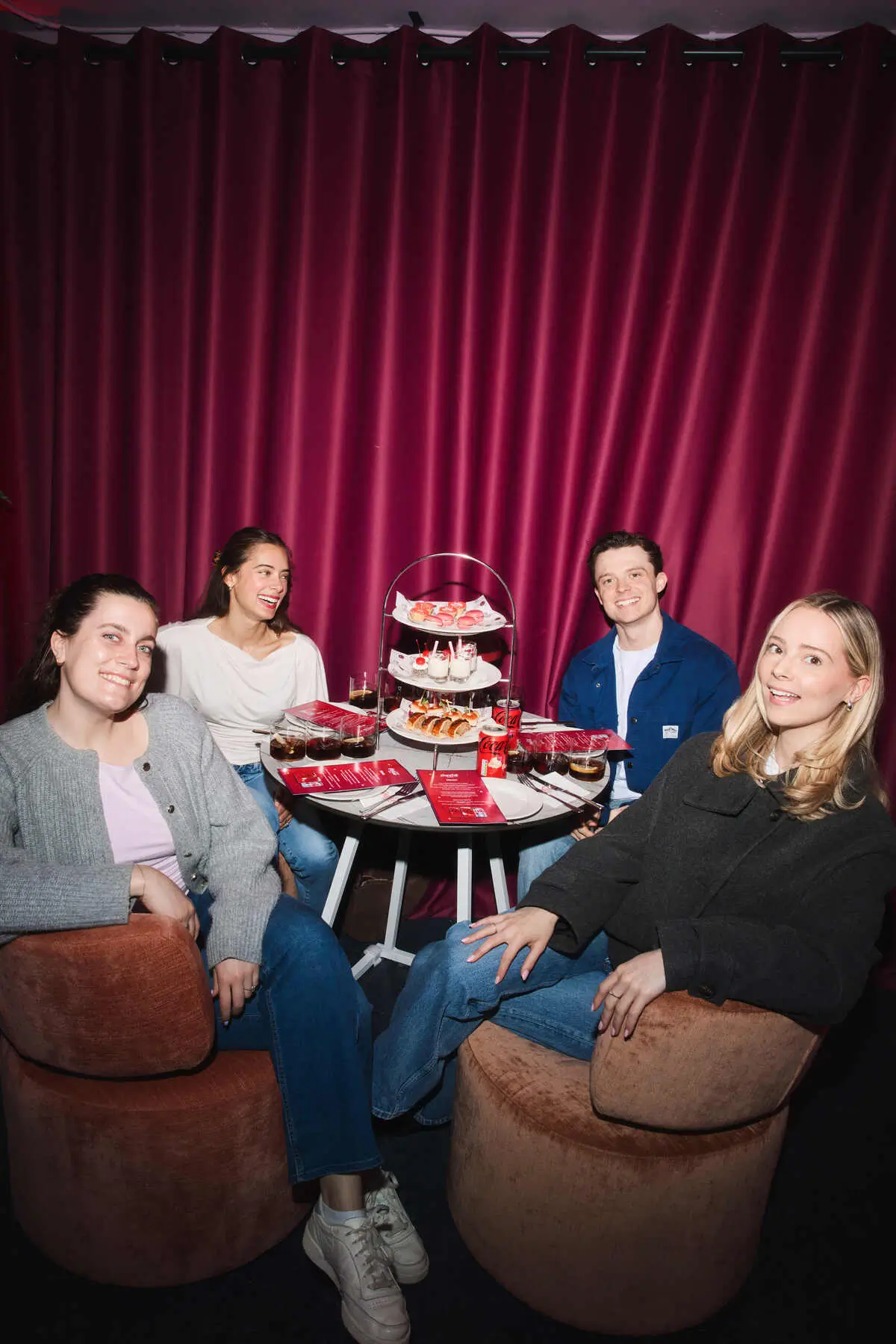
Even the smallest details are engineered for immersion. Take the Coca-Cola biscuits—edible branding at its most literal. These aren’t just snacks; they’re sensory touchpoints, engaging taste and smell in a way that deepens the connection to the brand.
When you bite into a biscuit stamped with the Coke logo, you’re not just eating—you’re consuming the brand on a literal level. It’s a bold move, one that could feel gimmicky in less capable hands, but here it works because it’s consistent. Every element, from the color scheme to the merchandise to the food, tells the same story: this is a world where Coca-Cola owns the narrative.
campaign
For marketing professionals, the lesson is clear: experiential marketing isn’t about spectacle—it’s about coherence. The most successful campaigns don’t rely on one big “wow” moment; they build a universe where every detail supports the central theme. Coca-Cola’s Cherry Float pop-up excels because it’s not a collection of random attractions; it’s a fully realized environment, a 360-degree expression of brand identity.
style
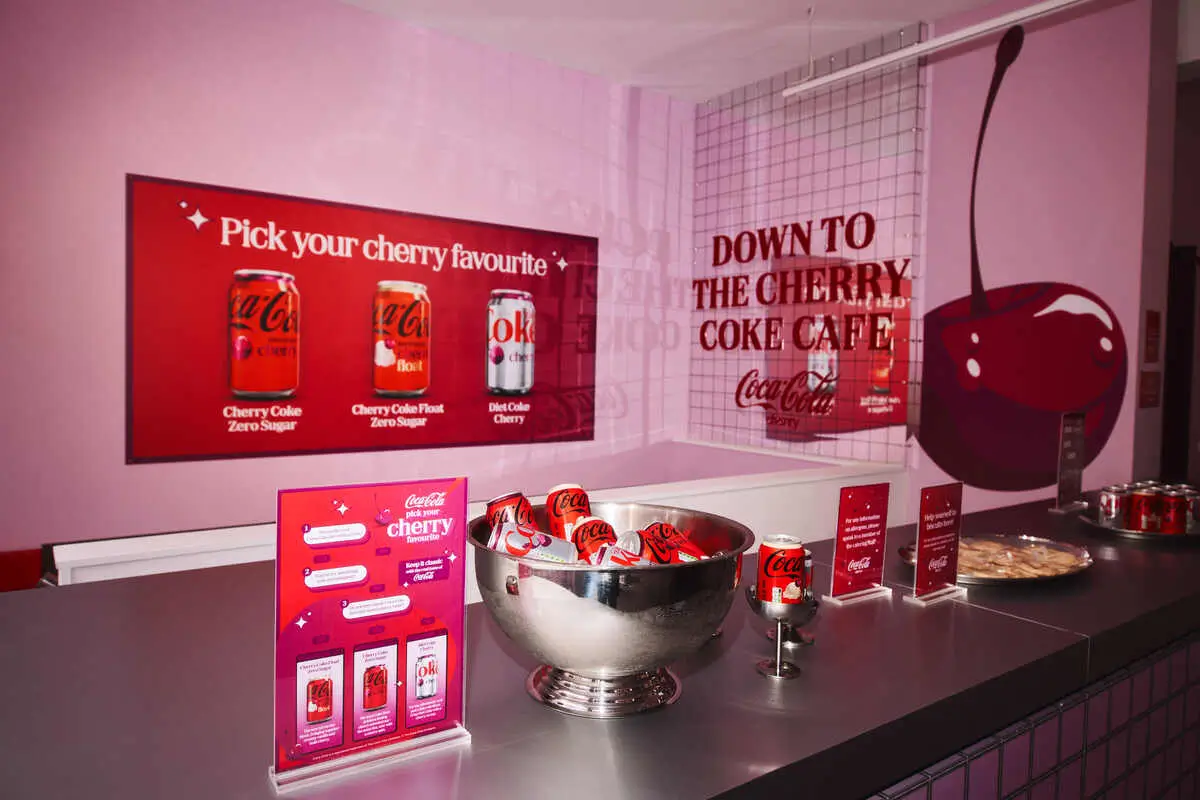
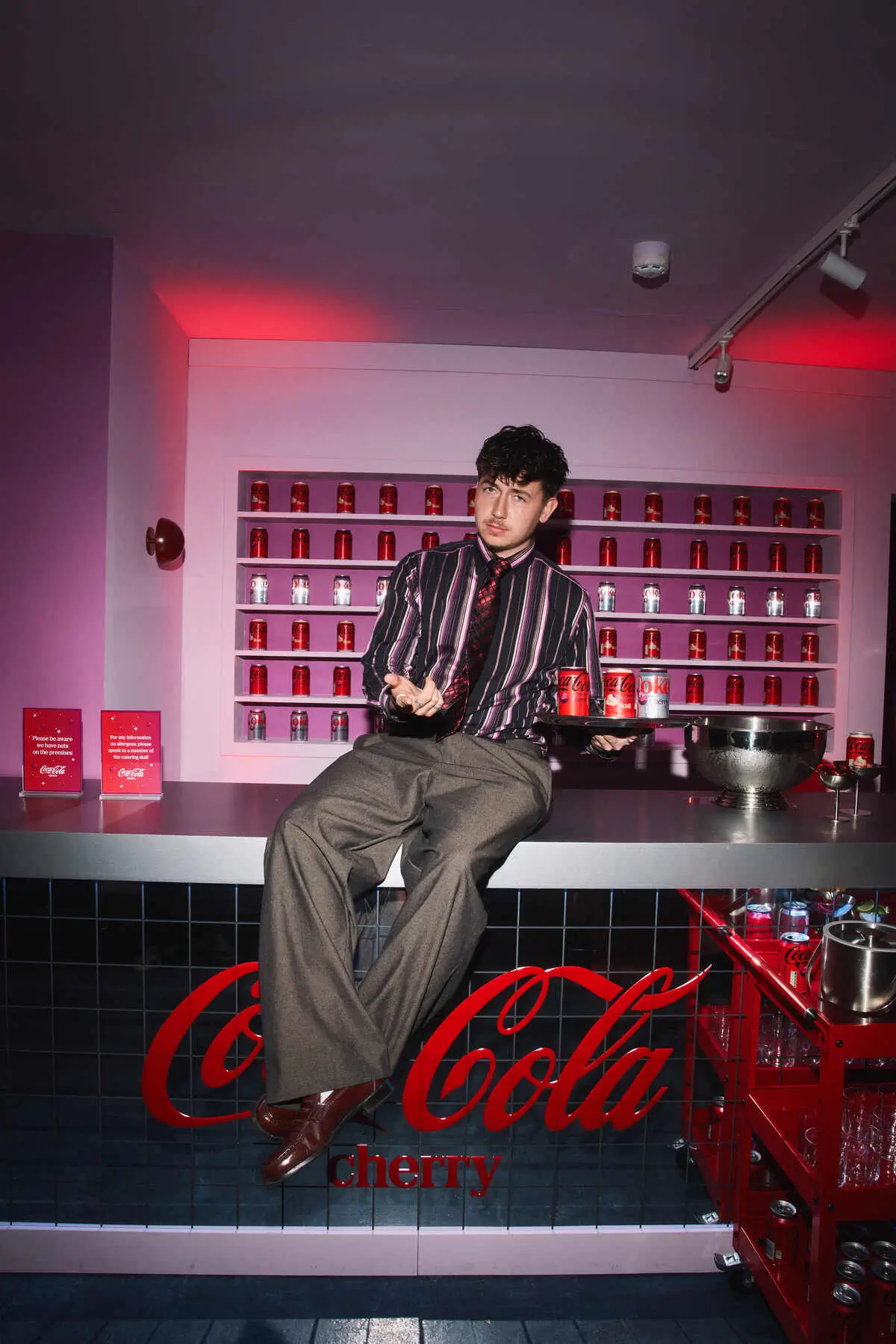
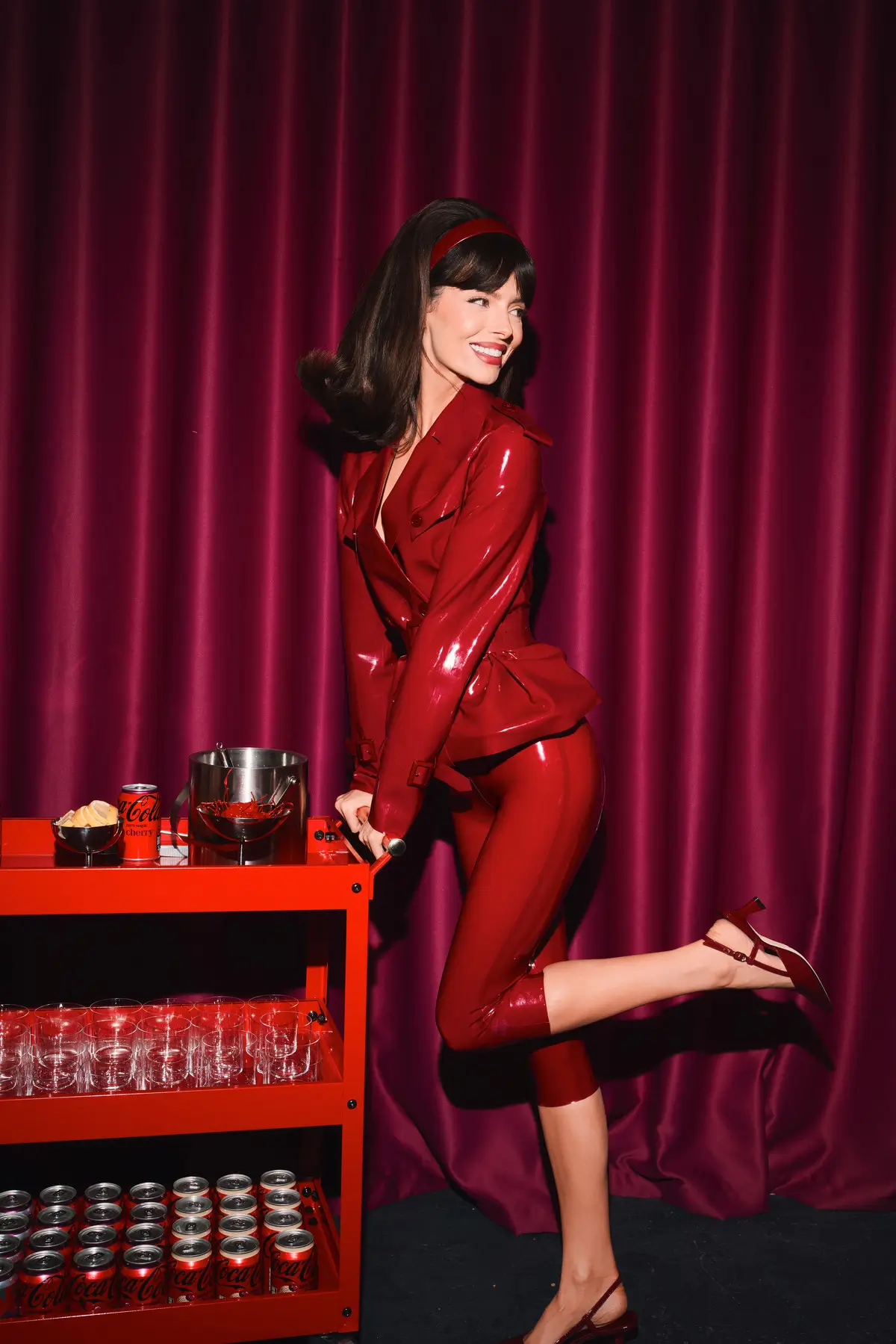
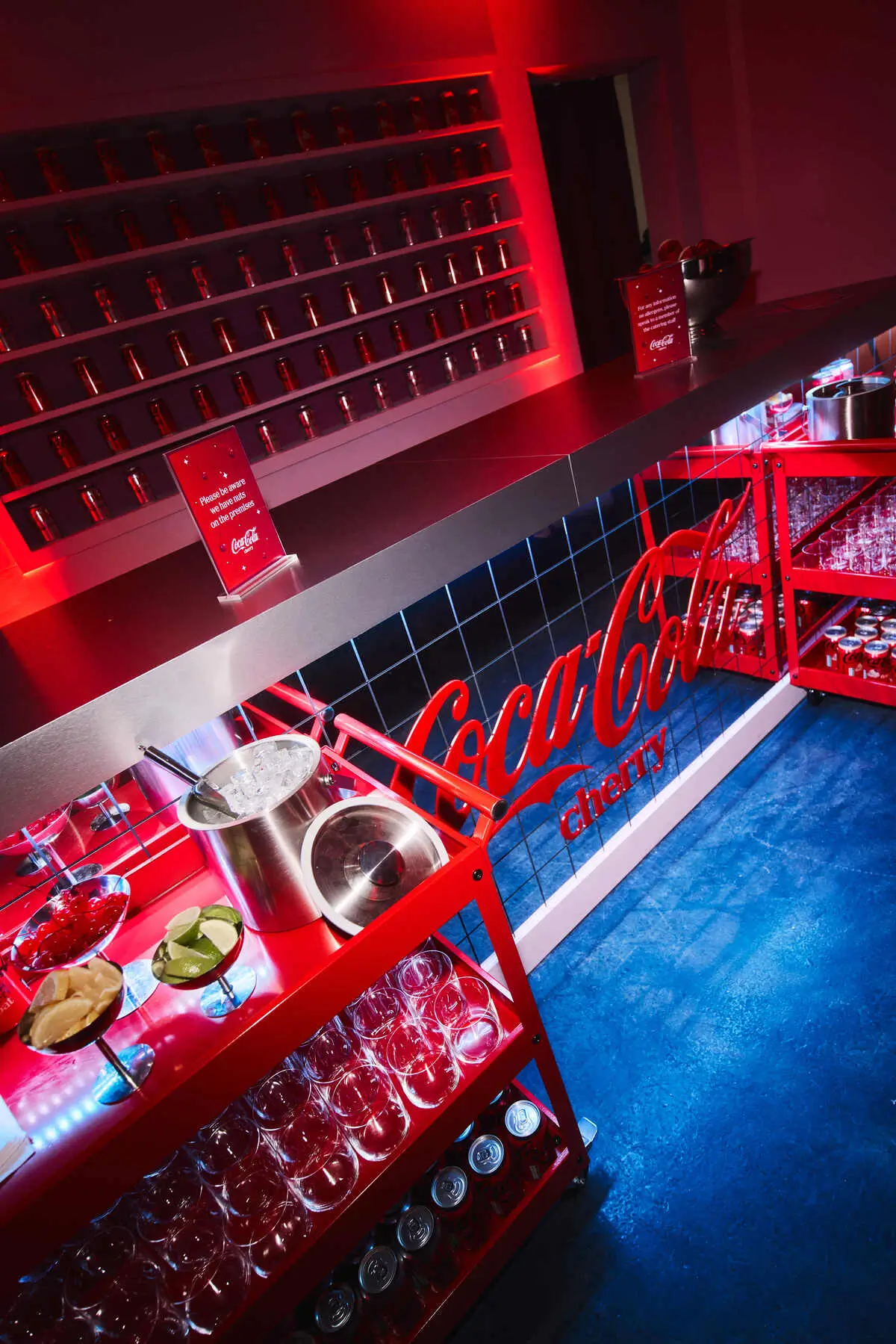
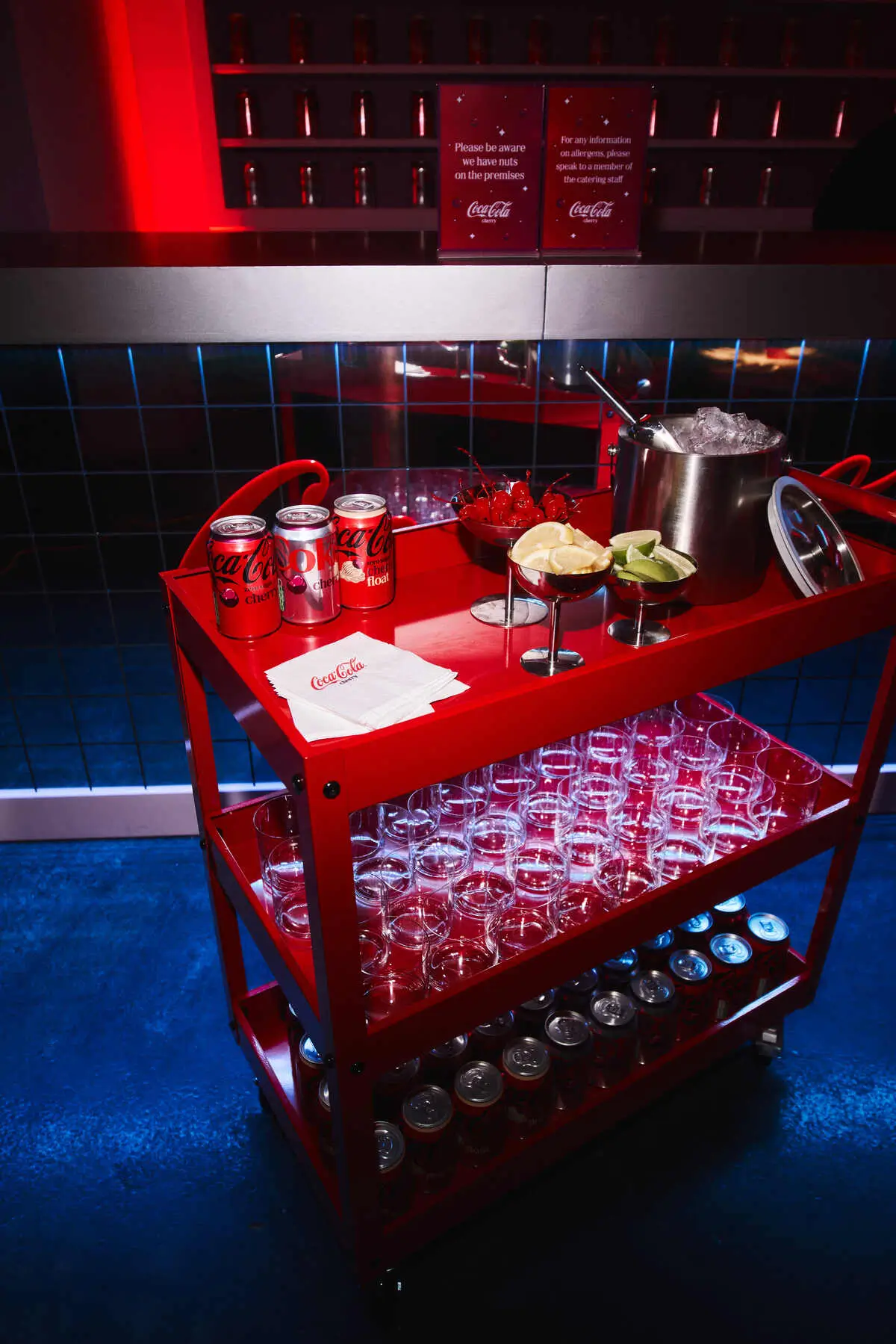
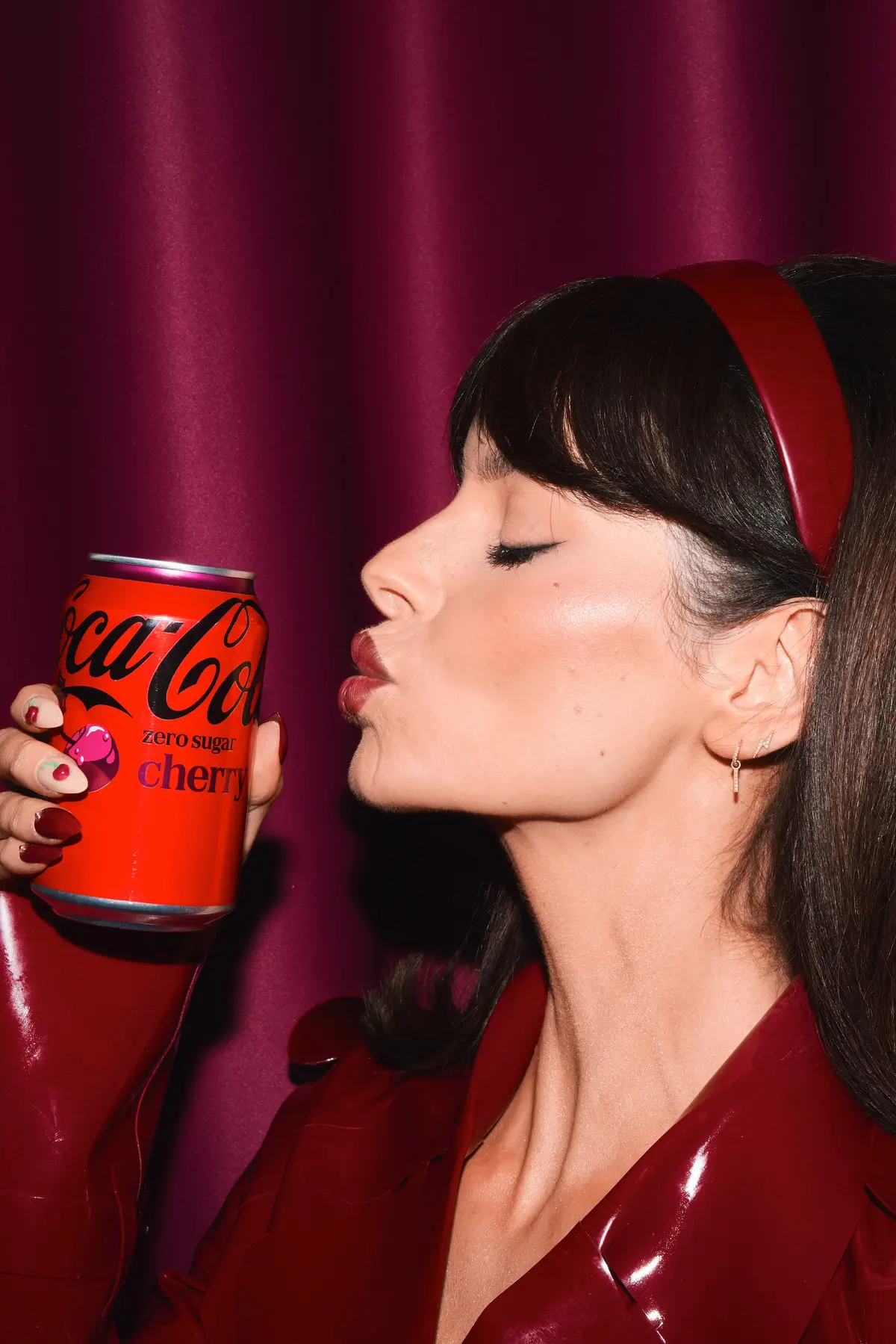
Consider the product placement. The new Cherry Float Zero Sugar, Cherry Zero Sugar, and Diet Cherry variants aren’t hidden behind glass or tucked into coolers—they’re front and center, served in custom cups, displayed on illuminated shelves, and offered in tasting stations.
The branding is consistent: sleek, modern, with a play twist. The drinks themselves become part of the decor, their vibrant red liquid glowing under soft lighting, almost like liquid neon. This isn’t just product promotion; it’s product integration. The beverages aren’t separate from the experience—they are the experience.
install
And yet, for all its polish, the space never feels sterile. There’s a warmth to it, a human touch that keeps it from feeling like a corporate installation. That’s because Coca-Cola has prioritized fun over function.
The claw machine isn’t there to collect data or push sales—it’s there to make people smile. The photo booth isn’t a lead generator; it’s a joy generator. The biscuits aren’t a cost center; they’re a gesture of generosity.
In a world where every interaction feels transactional, this generosity stands out. It says, “We’re not here to sell you something. We’re here to give you something.”
straddle
For college colleagues now working in branding, advertising, or event design, this pop-up offers a blueprint for how to create meaningful connections in a skeptical market. Consumers today are wary of ads, distrustful of influencers, and overwhelmed by choice.
They don’t want to be sold to—they want to be included. They don’t want to be targeted—they want to be welcomed. The Cherry Float experience succeeds because it doesn’t feel like marketing. It feels like an invitation.
retro
This shift—from persuasion to participation—is the future of brand engagement. It’s no longer enough to tell people what your product does; you have to show them how it fits into their lives.
The pop-up also reflects a broader cultural trend: the desire for analog experiences in a digital world. In an age of screens and scrolling, people crave real, tactile moments. They want to touch, taste, and feel. They want to be in a room with other people, laughing, sharing, creating memories.
Coca-Cola understands this. By building a physical space that’s designed for connection, they’re not just promoting a drink—they’re offering an antidote to isolation.
scope
For professionals analyzing this campaign, several strategic takeaways emerge:
Consistency is King: Every element of the experience—from color to content to cuisine—supports the central theme. There are no off-brand moments, no jarring transitions. This coherence builds trust and reinforces identity.
Interactivity Drives Engagement: Passive observation is forgettable. Active participation is memorable. By giving visitors something to do—play a game, take a photo, eat a biscuit—the brand turns consumers into co-creators of the experience.
Exclusivity Creates Value: The limited-edition merchandise isn’t just a prize; it’s a status symbol. It signals that the winner was part of something special, something temporary. This scarcity fuels desire and encourages social sharing.
Sensory Marketing Works: Engaging multiple senses—sight, sound, touch, taste, smell—creates a deeper, more lasting impression. The biscuits, the music, the textures, the colors—all work together to embed the brand in memory.
Fun is a Strategy: Too many brands take themselves too seriously. Coca-Cola doesn’t. By embracing playfulness, it disarms skepticism and builds goodwill. Laughter is the fastest way to build rapport.
The Space is the Message: In experiential marketing, the environment isn’t just a container for the brand—it is the brand. The design, layout, and flow communicate values before a single word is spoken.
Social Sharing is Built-In: Every element of the pop-up is optimized for content creation. The photo ops, the colors, the props—all are designed to be shared. This turns attendees into ambassadors, extending the campaign’s reach far beyond the physical space.
fin
For those of us who studied marketing in college, this feels like a return to first principles: know your audience, tell a story, make it memorable. But it’s also a leap forward—a recognition that in the digital age, the most powerful stories are the ones you can walk into, touch, and live.
As we move further into an era of AI-driven personalization and algorithmic targeting, experiences like the Cherry Float pop-up remind us of the enduring power of human connection. No amount of data can replace the joy of winning a prize, the taste of a branded biscuit, or the laughter shared with friends in a pink-lit room. These are the moments that stick.
And perhaps that’s the real secret: Coca-Cola isn’t selling soda. It’s selling happiness. Not the fleeting kind, but the kind that lingers—the kind you remember, talk about, and share. In a world that often feels heavy, that might be the most valuable product of all.
n
From the DRIFT archive: Inside the World’s Most Iconic Ski Experiences · The Dodgers × Takashi Murakami: Turning a World Series Win Into Cultural Art
Related Articles
Miffy Gets Her Ceremony Best: United Arrows Dresses Dick Bruna’s Rabbit for KIDDY LAND’s 80th
A Miffy mascot in United Arrows’ formal-occasion wardrobe, and a pouch where she peeks out […]