
DRIFT AUDIO
Listen to this story
Choose a voice, then press play.
In This Story
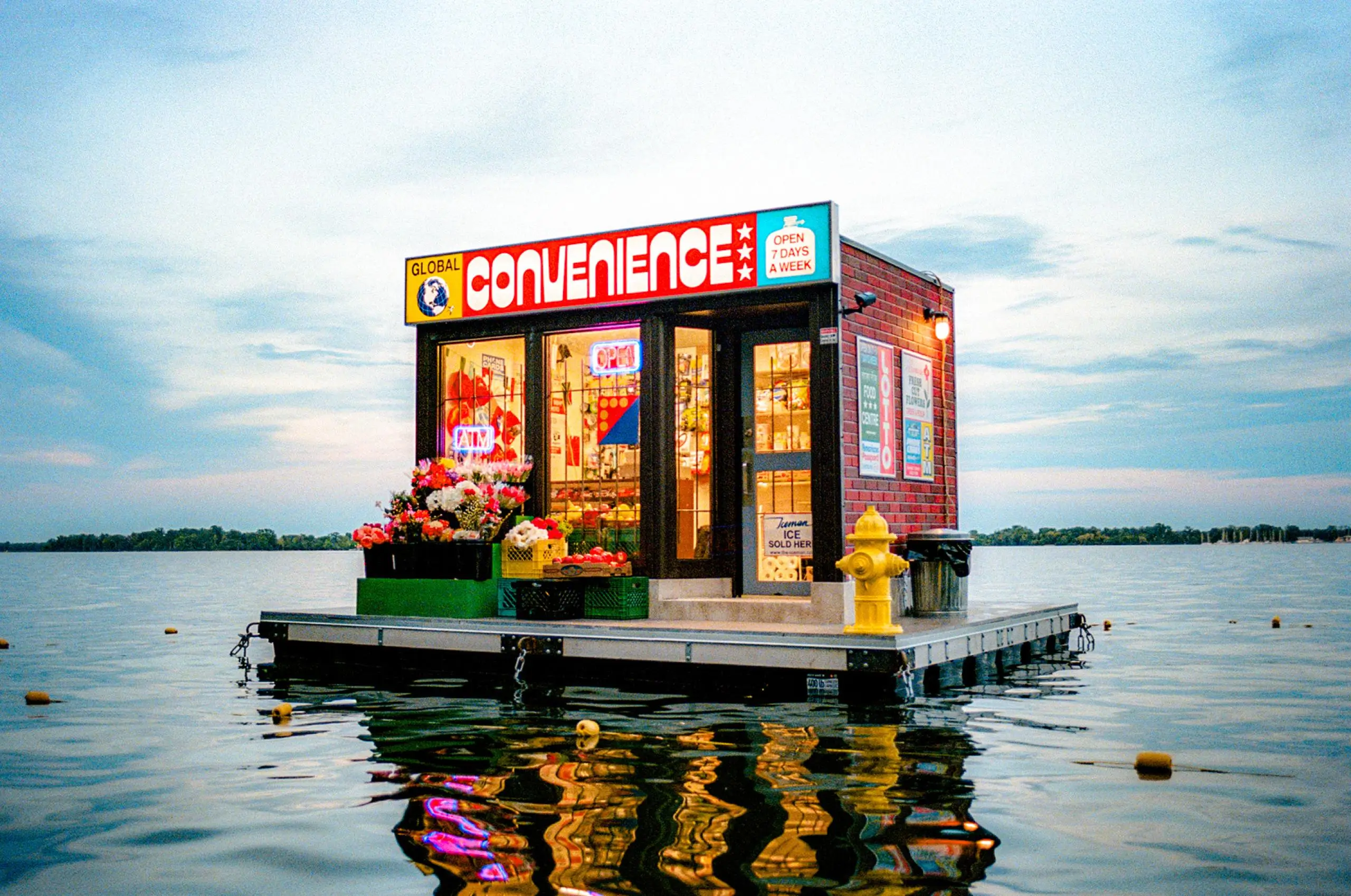
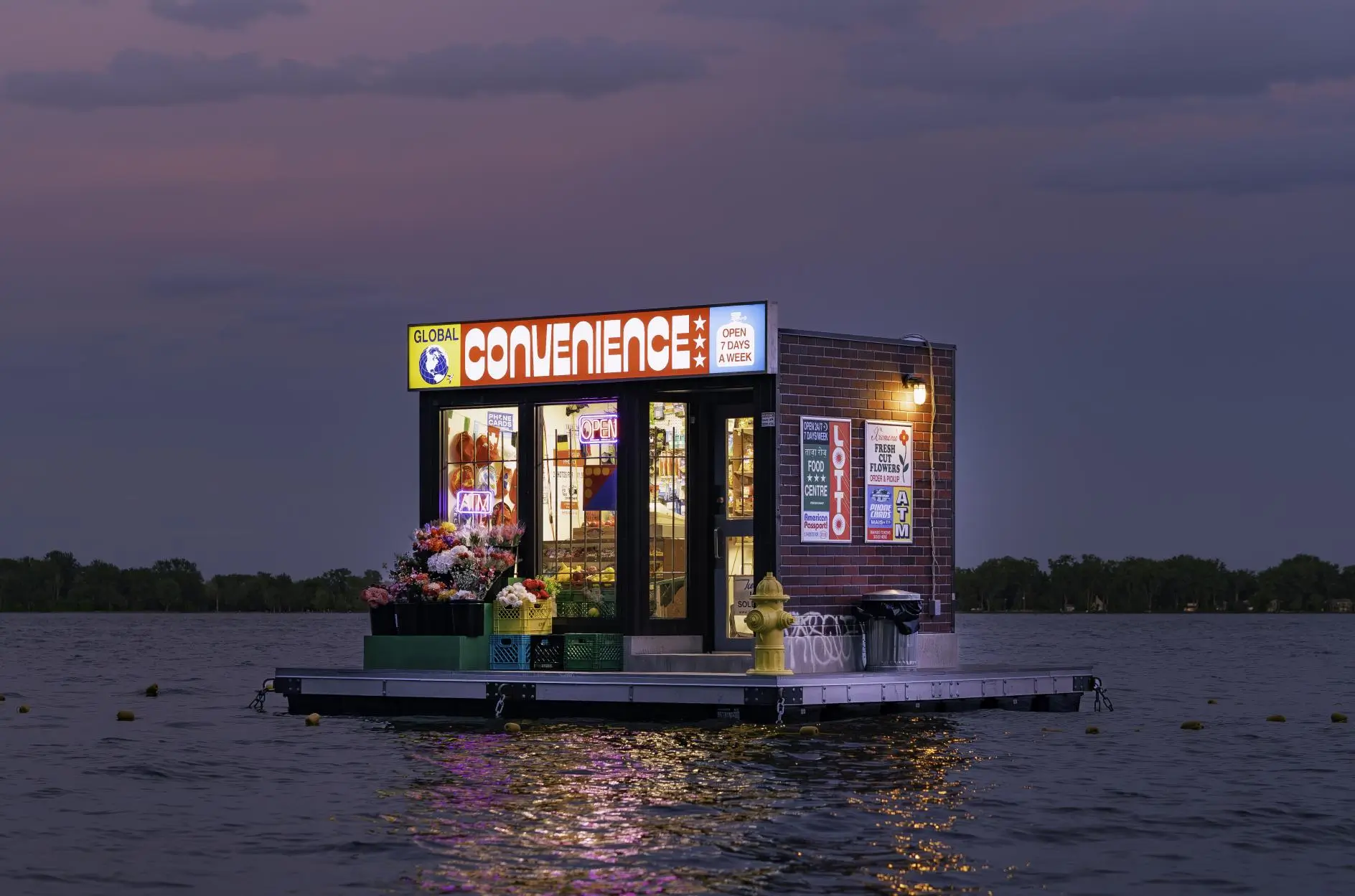
In the soft glow of a Toronto summer evening, something extraordinary drifts just beyond the shoreline of Lake Ontario: a fully stocked corner store, luminous and seemingly untouchable. Tethered in the harbour, this buoyant bodega — conceived by artists Trevor Wheatley and Cosmo Dean in collision with interdisciplinary design studio Puncture — transforms the mundane ritual of a late-night snack run into a poetic meditation on accessibility, climate anxiety, consumerism, and urban longing.
This is not a pop-up or a mirage. It is a meticulously realized, solar-powered structure complete with glowing signage, stocked shelves, and that familiar hum of fluorescent convenience culture — now liberated from solid ground and set adrift in one of North America’s great freshwater lakes. As public art, architectural folly, and social commentary, the project redefines what a “corner store” can mean in an era of rising waters, gentrification, and digital disconnection.
stir
Trevor Wheatley and Cosmo Dean are no strangers to boundary-pushing interventions that blend sculpture, performance, and everyday architecture. Wheatley’s practice often interrogates systems of consumption and public space, while Dean brings a sharp eye for narrative-driven environments that blur reality and spectacle. Together with Puncture — a studio renowned for immersive installations that merge design, engineering, and storytelling — they have created a work that feels both play and profoundly urgent.
The floating store emerges from a shared fascination with Toronto’s waterfront as a site of transformation. Once an industrial edge, the harbour is now a contested zone of condo development, ecological restoration, and public recreation. By placing a convenience store here, the artists insert a symbol of day neighbourhood life into a space increasingly defined by exclusivity and climate vulnerability.
flow
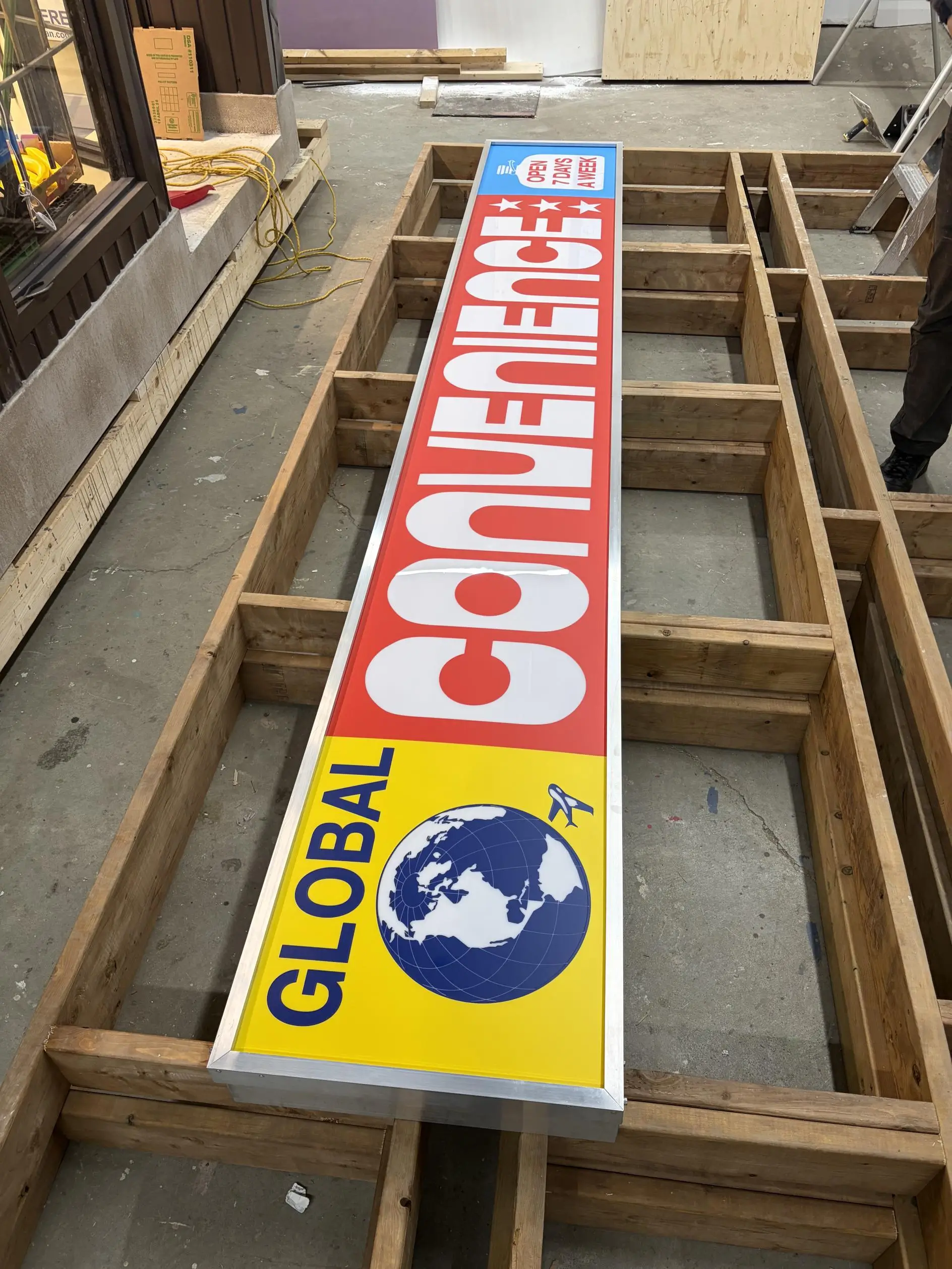
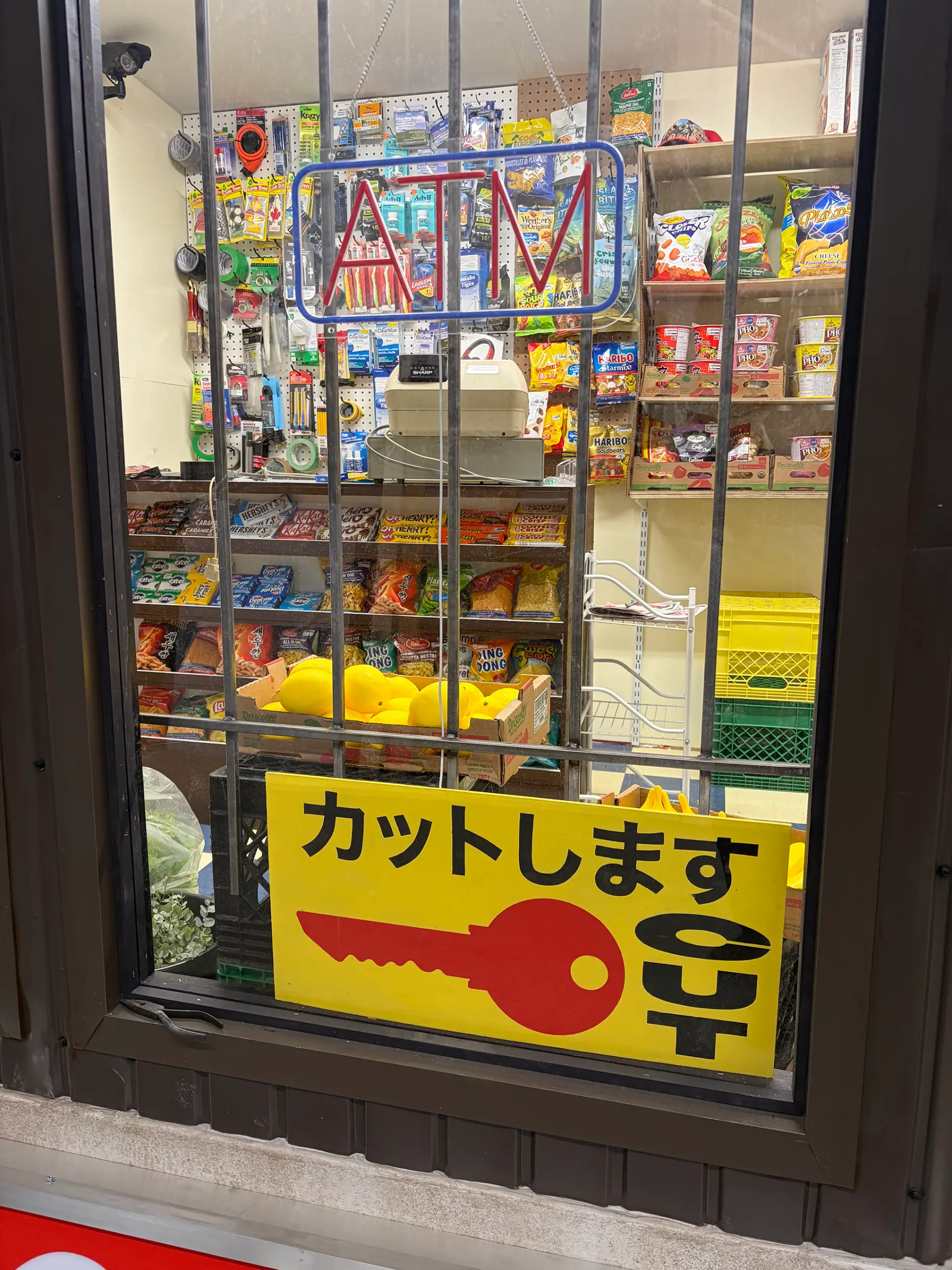
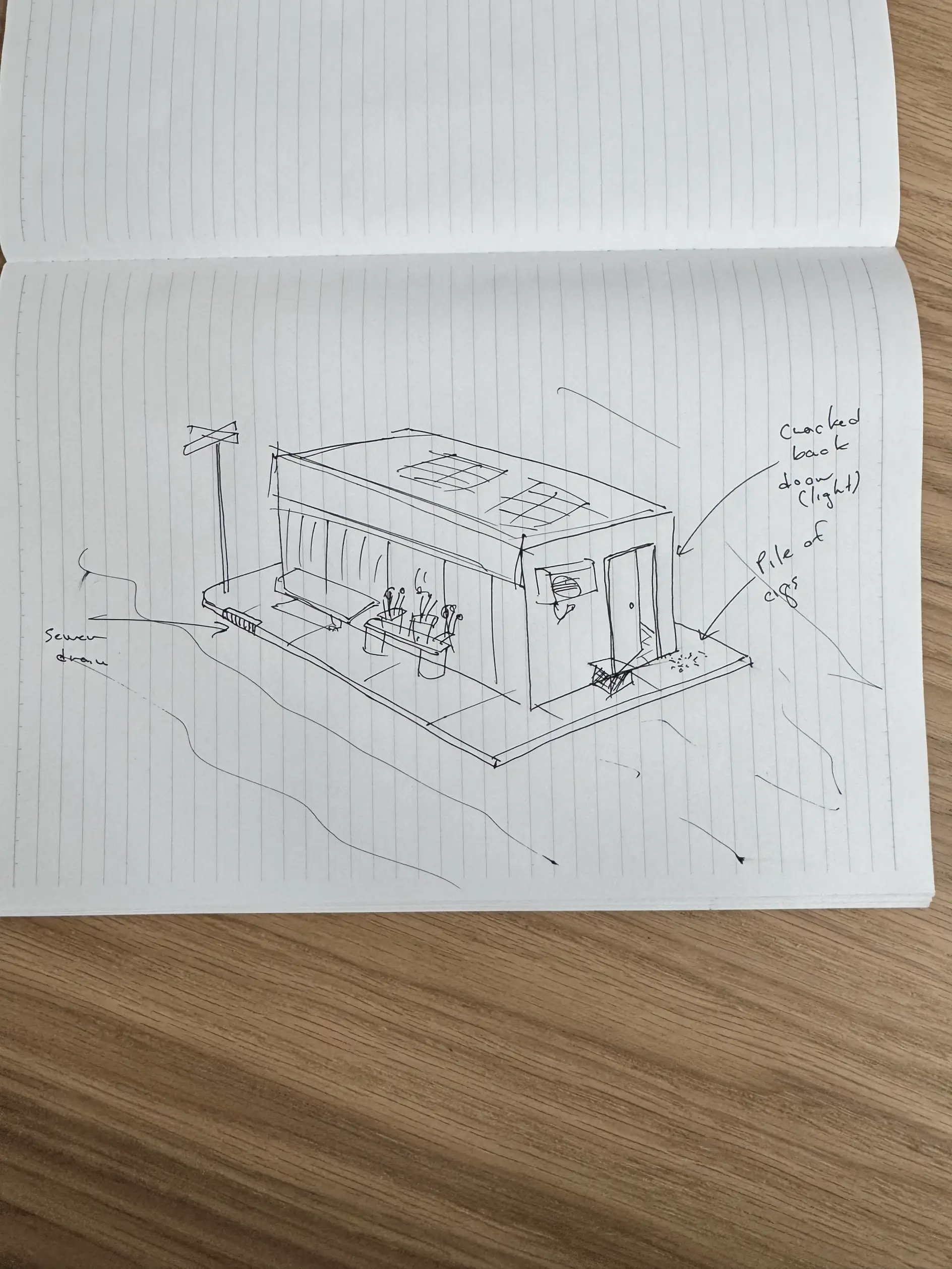
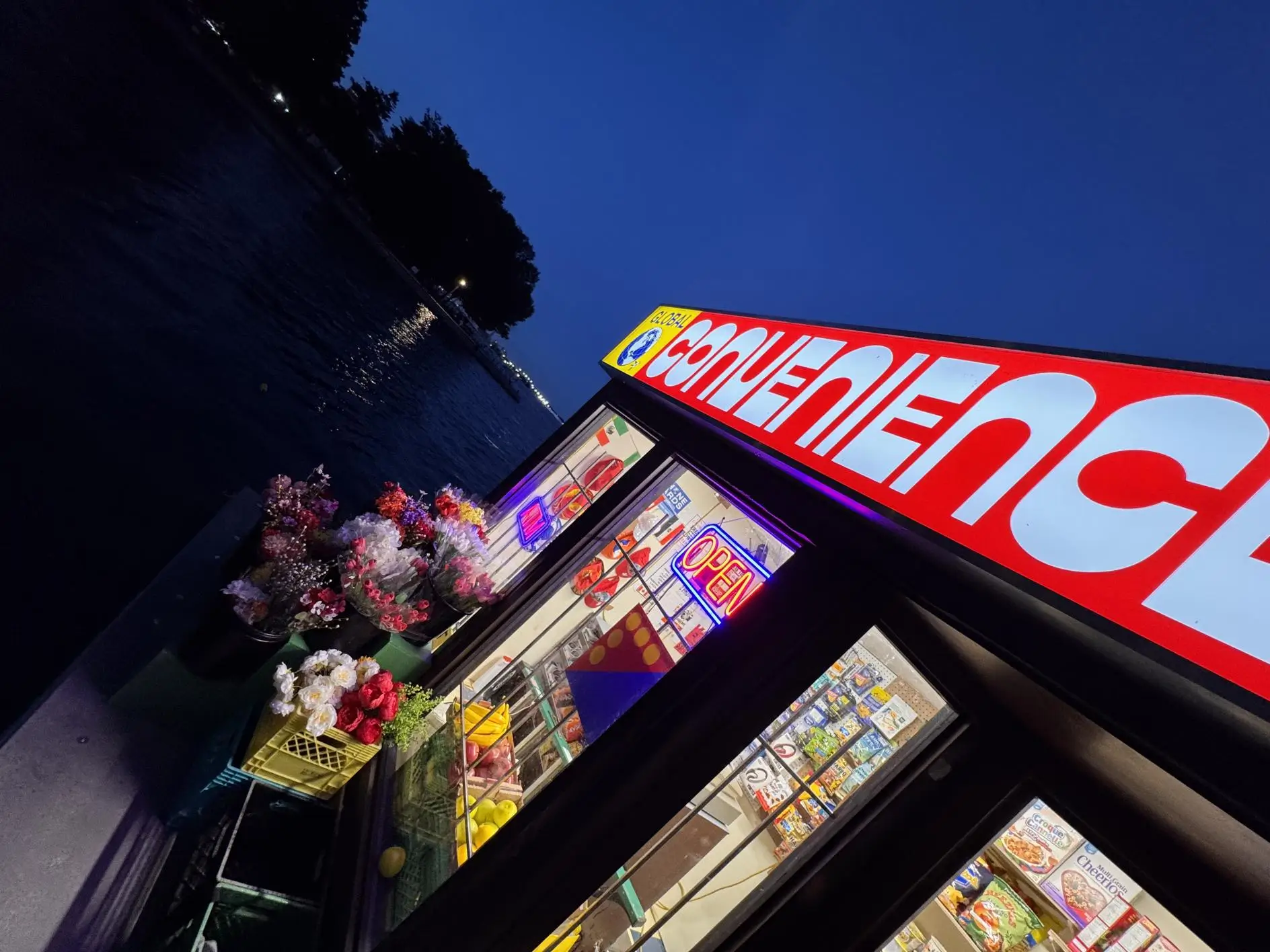
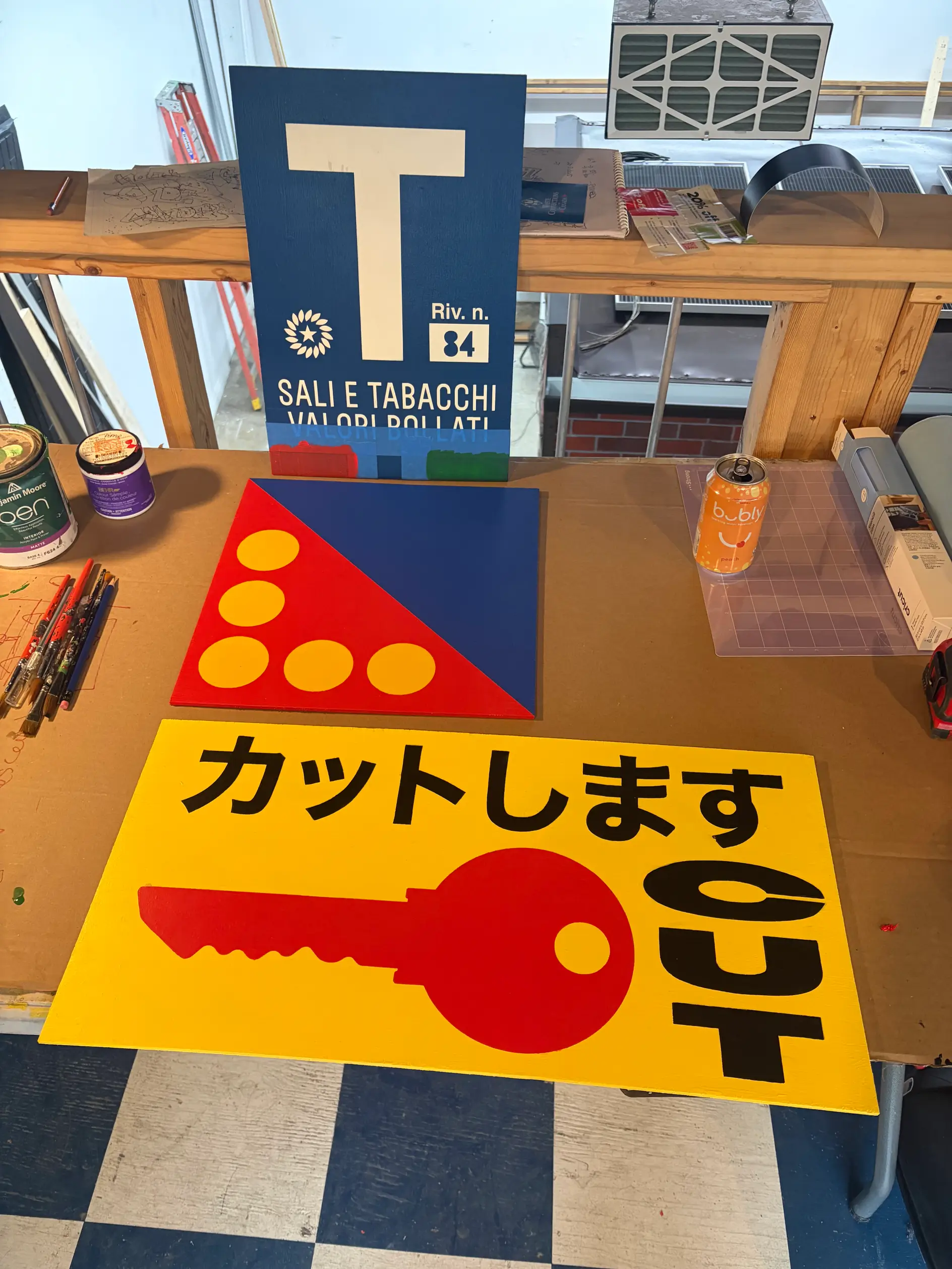
From a distance, the structure resembles a classic Toronto variety store — red-and-white signage, refrigerated cases view through windows, shelves lined with snacks, beverages, and household staples. Up close, every detail reveals thoughtful craft. The building sits atop a custom-engineered buoyant platform, designed for stability amid the lake’s variable conditions. Solar panels integrated into the roof provide clean power for lighting, refrigeration, and even subtle interactive elements.
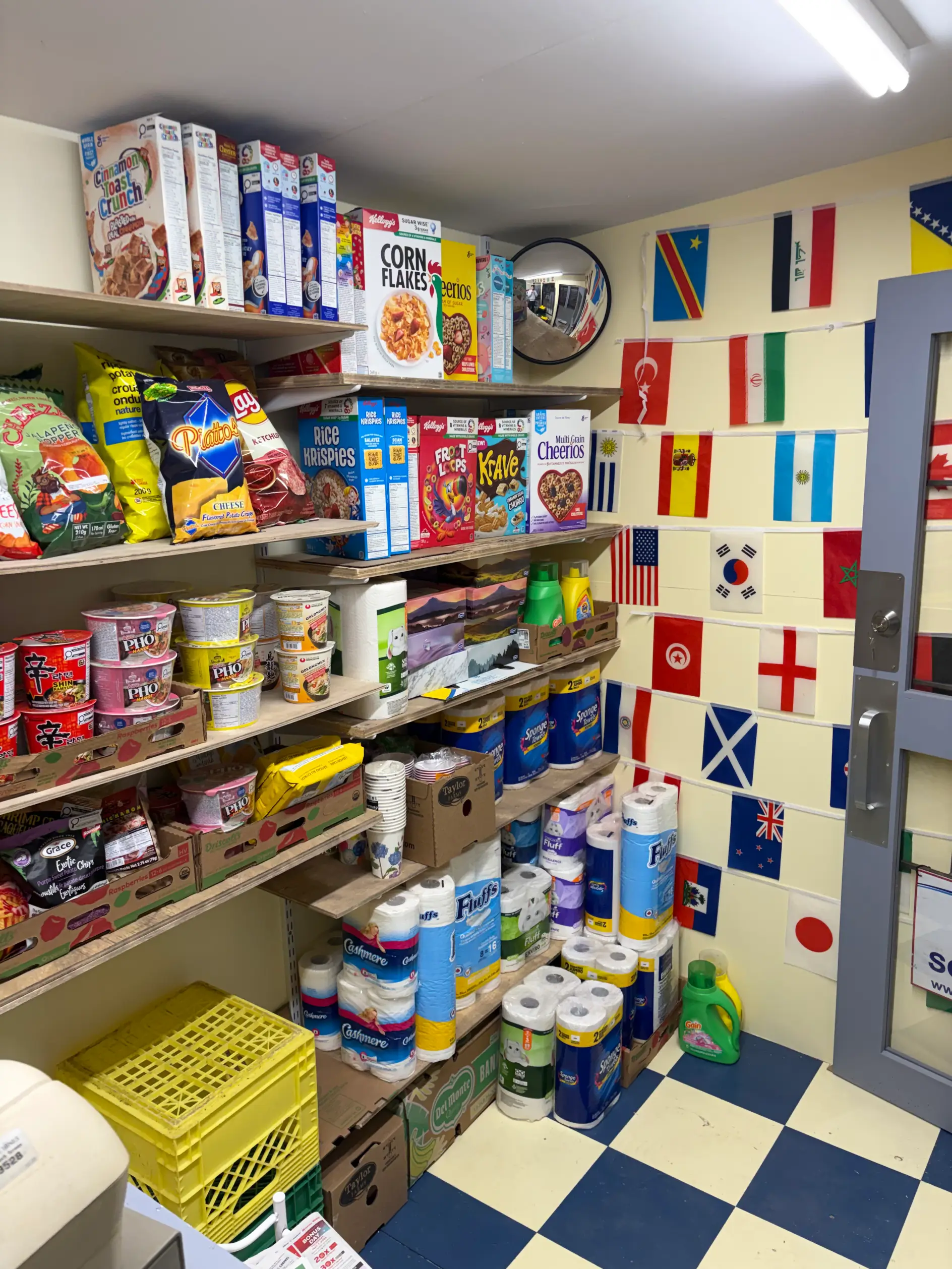
Puncture’s contribution shines in the structure and experiential layers: sustainable materials chosen for marine durability, clever weight distribution, and a lighting scheme that makes the store shimmer like a beacon against the night sky. The interior is fully stocked with real products (sourced locally where possible), yet the entire installation remains “just out of reach” — moored at a distance that invites contemplation rather than casual consumption. Visitors can circle it by boat or view it from shore, but stepping inside requires special access or timed events, turning routine shopping into a deliberate pilgrimage.
This inaccessibility is deliberate. In an age where convenience is commodified, the project asks: what does it mean when the corner store floats away?
tred
Toronto’s corner stores — often immigrant-run, 24-hour hubs of community life — are cultural anchors in a diverse city. They represent resilience, late-night necessity, and informal social infrastructure. By floating one in the harbour, Wheatley, Dean, and Puncture poetically displace this familiar institution. It becomes a metaphor for gentrification pushing essential services to the margins, for climate change making land precarious, and for how urban memory drifts in the face of rapid development.
The solar power element adds another layer: a quiet assertion of renewable futures amid concerns over Great Lakes water levels and extreme weather. The glowing store at dusk evokes both nostalgia for analog neighbourhood life and a speculative vision of resilient, off-grid architecture.
In conversations with the artists, themes of longing and denial surface repeatedly. The store is stocked and illuminated, promising satisfaction, yet physically separated by water — mirroring how modern life often places fulfillment just beyond grasp through economic, geographic, or technological barriers.
contempo
This project dialogues with a rich history of floating and site-specific art: from Robert Smithson’s earthworks to contemporary interventions like those by Olafur Eliasson or the playful architectural experiments of collectives such as raumlaborberlin. Yet it feels distinctly Canadian in its understated wit and deep engagement with landscape and lived experience.
In 2026, as cities worldwide grapple with waterfront futures — rising seas in coastal metropolises, revitalization projects in the Great Lakes region — the floating store arrives as timely provocation. It joins a wave of public artworks addressing climate and community (think Toronto’s own history with projects like the Bentway or Luminato installations) but distinguishes itself through its functional mimicry and emotional accessibility.
xp
While the store itself remains moored and primarily observational, the project includes programmed activations: boat tours, artist talks, nighttime projections, and limited-access “shopping” events where selected visitors can board and purchase items. These moments transform the installation from static sculpture into living social space.
Photographers and Instagrammers have already embraced its photogenic qualities — the way the structure catches golden hour light or glows ethereally after sunset. Yet the artists emphasize that the work’s power lies beyond documentation: in the quiet reflection it prompts while standing on the shore, snacks in hand, staring at a convenience store you cannot quite enter.
extent
The floating corner store challenges conventional boundaries between art, architecture, retail, and activism. It demonstrates how artists and designers can repurpose familiar typologies to spark dialogue about pressing issues without didacticism. In an era dominated by digital experiences, its tangible, site-specific presence feels refreshingly analog and defiant.
For Toronto specifically, it reclaims the harbour as a space of wonder and critique rather than mere real estate opportunity. It invites residents to reconsider their relationship with the lake — not just as backdrop but as active participant in the city’s culture life.
fin
In a world increasingly defined by precarity — economic, climatic, social — the image of a fully stocked but floating corner store resonates deeply. It is humorous and haunting, practical and poetic. Trevor Wheatley, Cosmo Dean, and Puncture have crafted an installation that lingers in the mind long after you leave the waterfront: a glowing reminder that some of life’s most essential comforts may soon require new forms of navigation.
As Toronto’s waterfront continues to evolve, projects like this affirm the power of imaginative public art to illuminate contradictions, foster wonder, and gently prod us toward more thoughtful futures. The corner store is no longer on solid ground — and perhaps that is exactly where we need it to be.