DRIFT AUDIO
Listen to this story
Choose a voice, then press play.
In the pithy of Antwerp’s Old Town, just off Groenplaats and steps from the soaring spire of the Cathedral of Our Lady, Hotel Julien has long served as a quiet anchor for those who appreciate the city’s effortless blend of historic charm and contemporary edge. Since its opening in 2004, the boutique property—housed in two adjoining 16th-century townhouses—has cultivated a reputation as an intimate retreat that feels more like a private residence than a conventional hotel. Now, more than two decades later, it has undergone a sensitive and complete renovation that deepens its original spirit without erasing it. Led by founder Mouche Van Hool in close merge with Bea Mombaers and architect Peter Ivens, the refreshed hotel emerges as a refined expression of Belgian design: understated, tactile, and deeply atmospheric.
stir
The project is not a reinvention but a careful rereading of what made Julien special in the first place. “I started Hotel Julien over twenty years ago with the idea of offering an intimate, welcoming place with a homely atmosphere. As if you’ve discovered a hidden gem,” Van Hool explains. The goal was to bring the hotel closer to that founding view while elevating every detail for a new gen of discerning travellers. Mombaers and Ivens, longtime creative partners known for their complementary approaches—architecture’s quiet precision meeting design’s poetic soul—were the ideal team for the task. Their work together over more than 15 years on private residences and retreats has consistently demonstrated a mastery of restraint, where spaces whisper rather than shout.
Occupying two conjoined 16th-century townhouses, the property benefits from the inherent character of Flemish architectural heritage. Original features—exposed beams, fireplaces, cornicing, and high ceilings—provide a strong backbone. The renovation respects these elements while introducing a more restrained contemporary sensibility. The material palette is deliberately grounded: wool, stone, timber, linen, and marble create continuity across public spaces and guest rooms. These choices emphasize tactility and patina, allowing the building’s age to remain visible and valued.
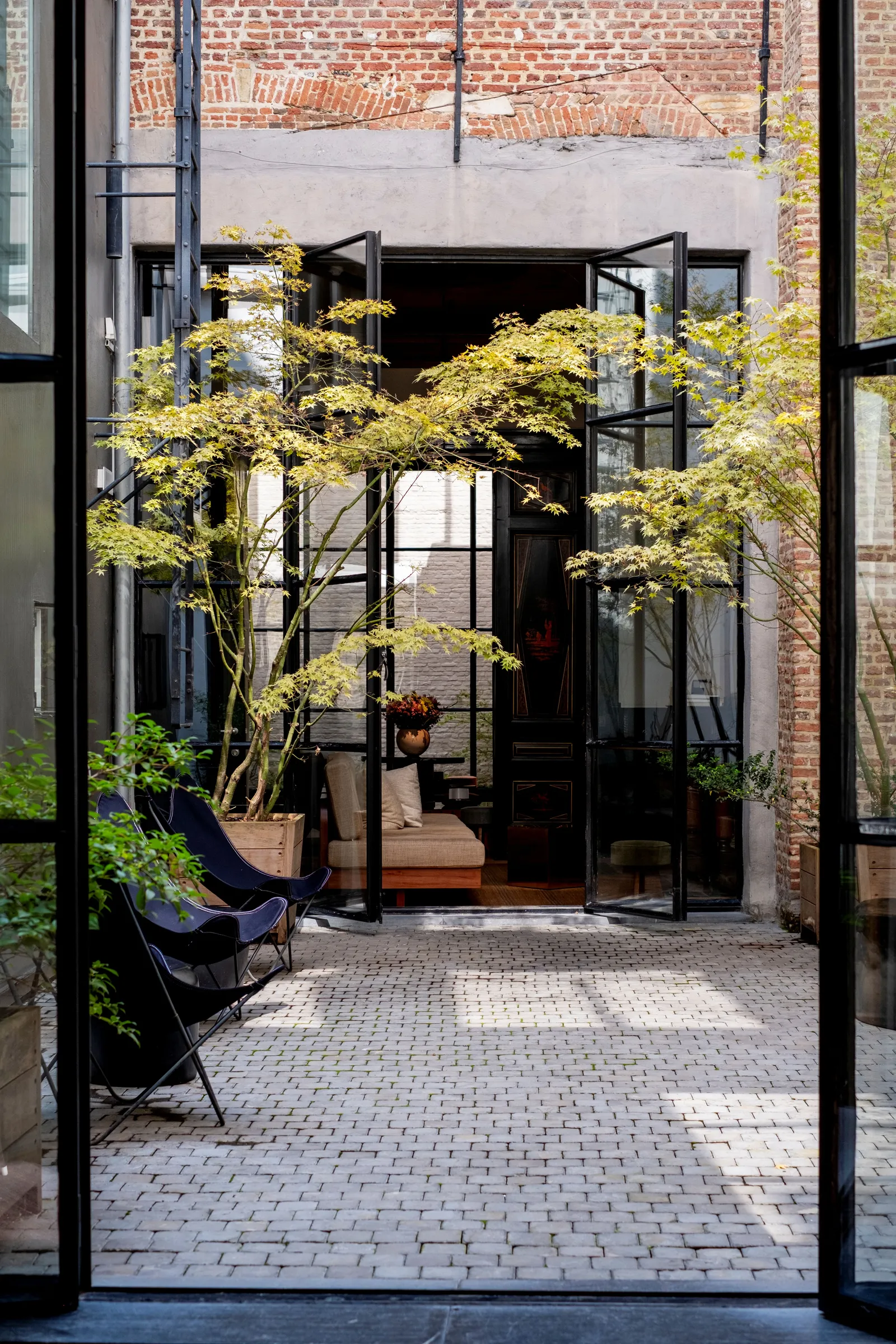
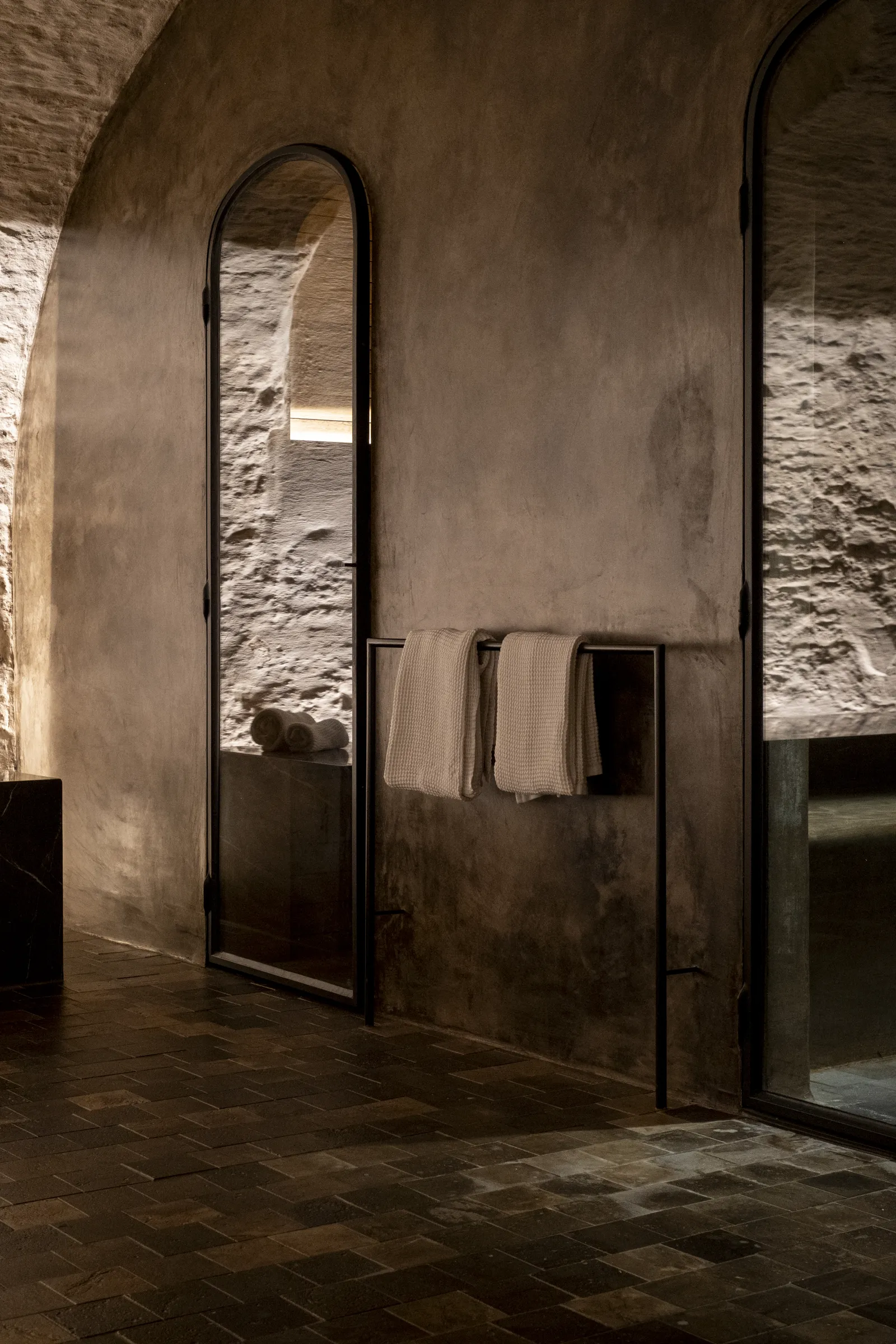
The layout preserves the original flow around a peaceful inner courtyard. Steel-framed doors in the lounge open onto this green oasis, offering a moment of calm amid the city’s energy. Painted wood panelling runs low along the walls, grounding the space without overwhelming it. Down in the former cellar, the private spa retains its vaulted structure, now transformed into a serene wellness area with sauna, hammam, and hot stone seating—available by reservation for an enveloping, almost subterranean escape.
View this post on Instagram
flow
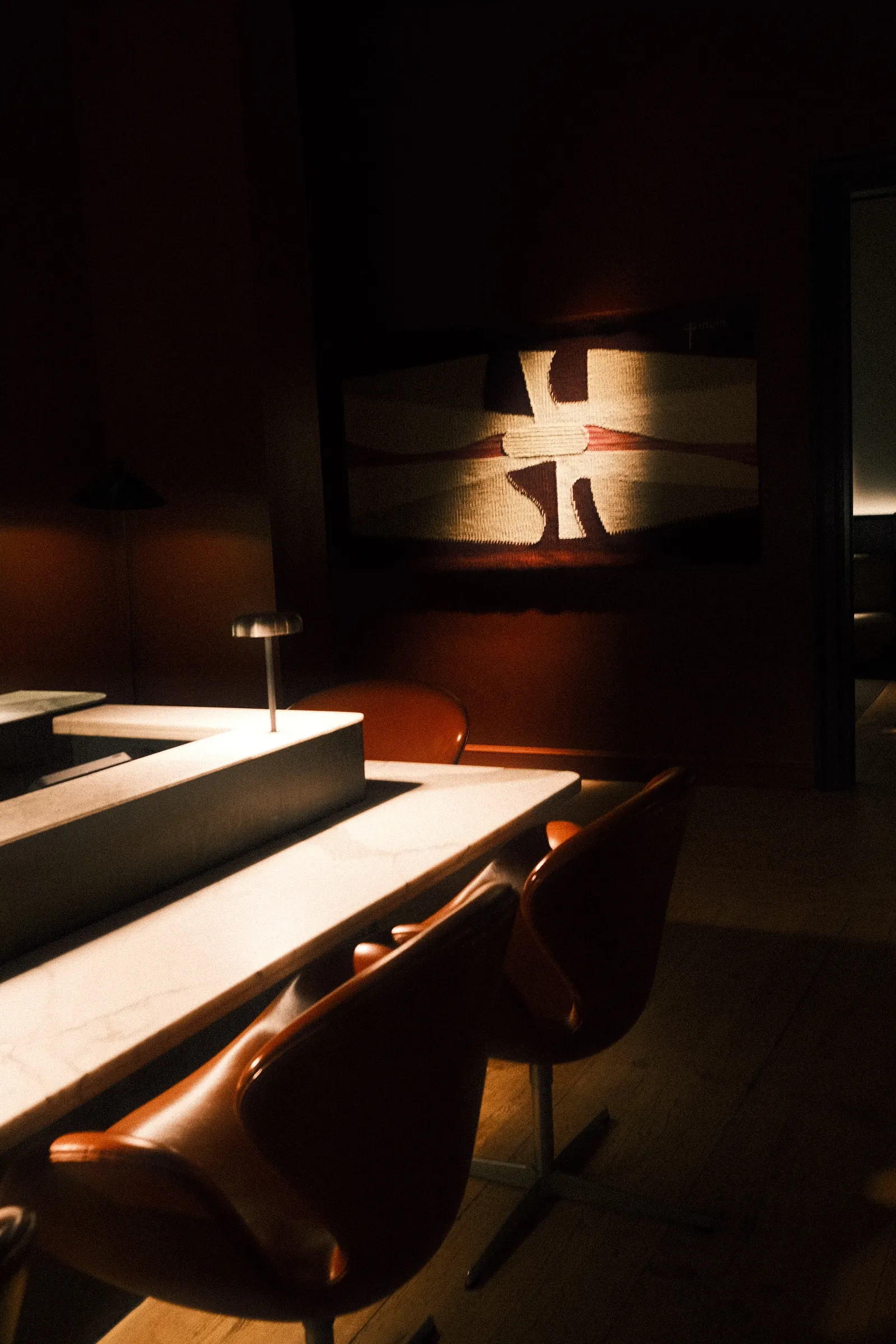
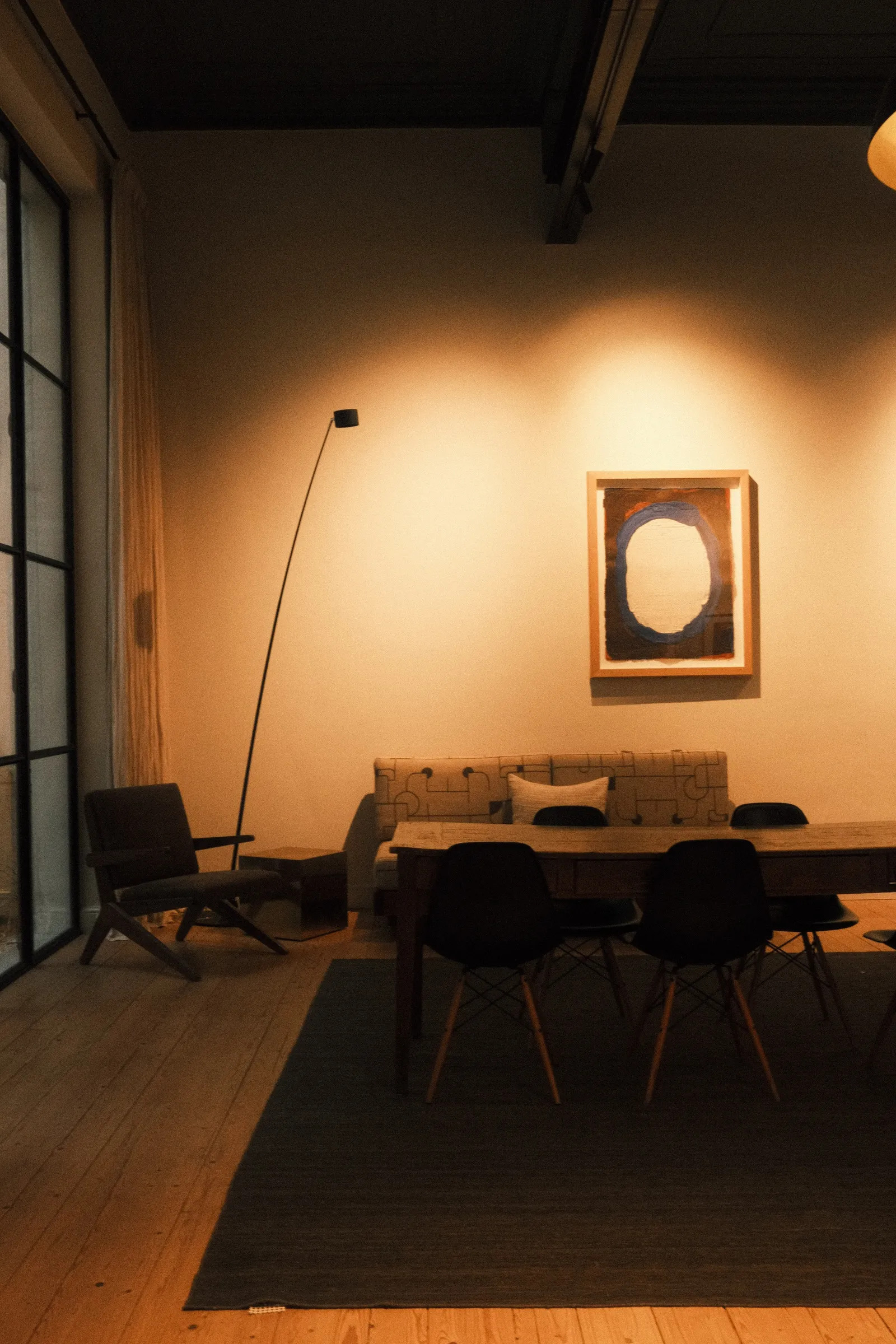
On the ground floor, custom furniture designed specifically for the hotel defines the experience. In the reception and lounge, solid, timeworn pieces in aged oak and patinated metal establish a sense of belonging. The bar, with its restored wood interiors, strikes a relaxed rhythm—ideal for classic cocktails, vintage wines, or locally brewed beers from De Koninck. It draws both guests and locals, reinforcing the hotel’s role as a social hub rather than an exclusive enclave.
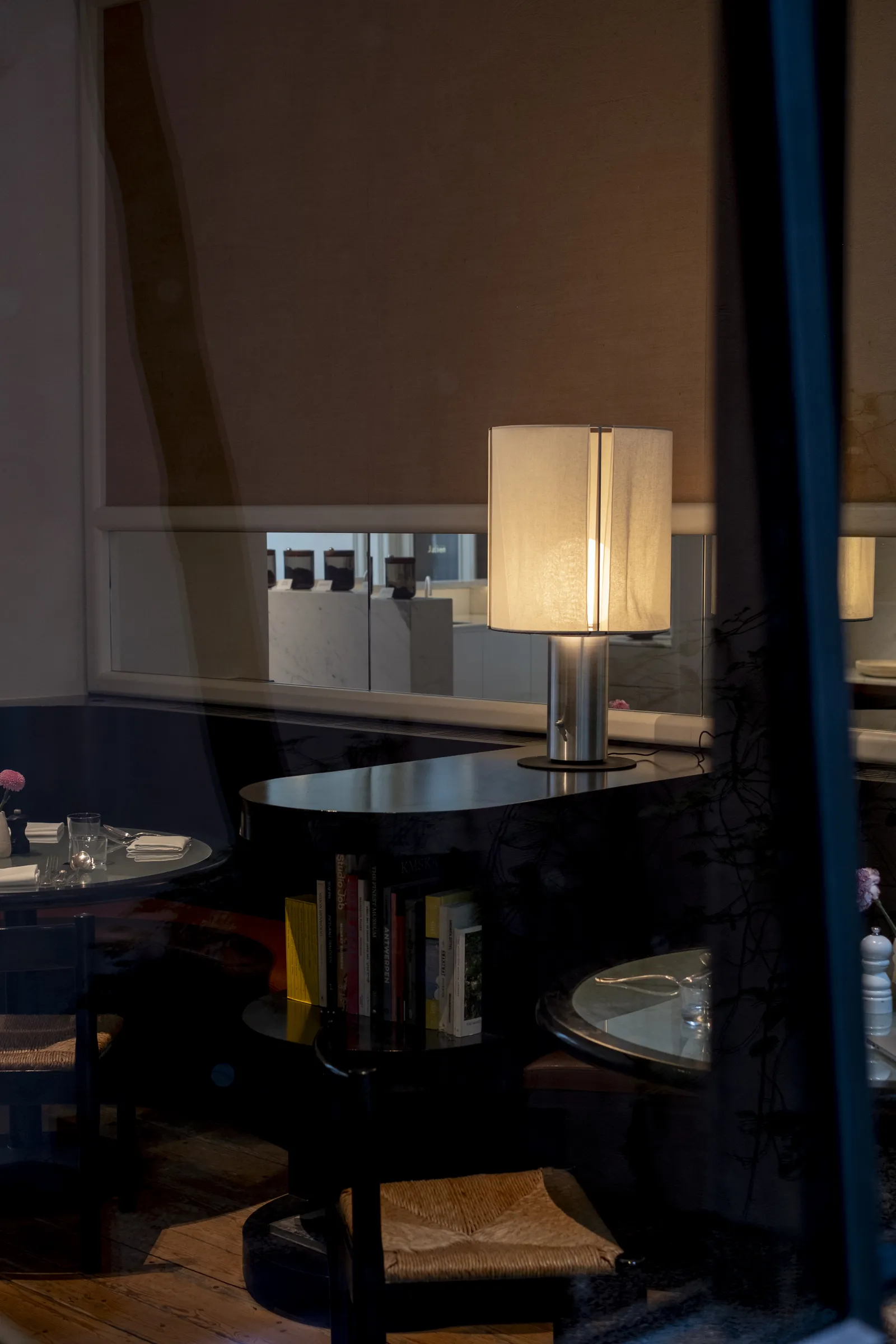
Lighting throughout, developed in collaboration with PS Lab, remains low and deliberate. Soft, cinematic warmth draws attention to textures—rough stone, soft wool, polished timber—without harsh contrasts. This creates an atmosphere that shifts naturally with the day: intimate in the evening, gently luminous in the morning. The breakfast room benefits from wider glazing, flooding the space with light while maintaining the muted palette. Mornings here feature pastries from renowned local bakery Dôme alongside thoughtful warm and cold dishes, encouraging a slow, civilized start to the day.
The rooftop terrace remains one of the hotel’s signature draws. With open views toward the cathedral, it becomes the natural gathering point as daylight fades, offering a panoramic perspective on Antwerp’s historic core. The property can also host bespoke events—meetings, brunches, celebrations, or intimate weddings—making it versatile without compromising its residential feel.
shh
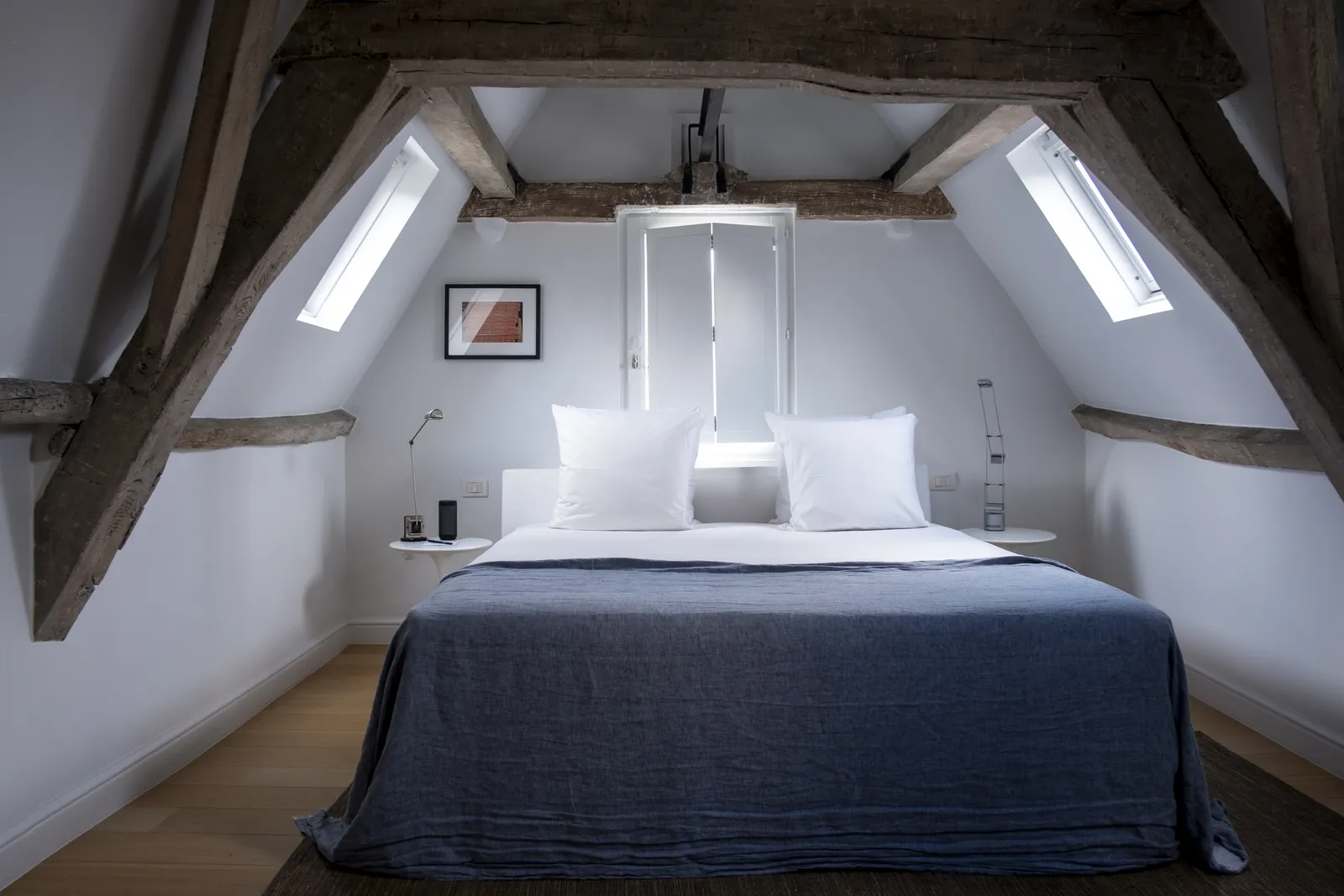
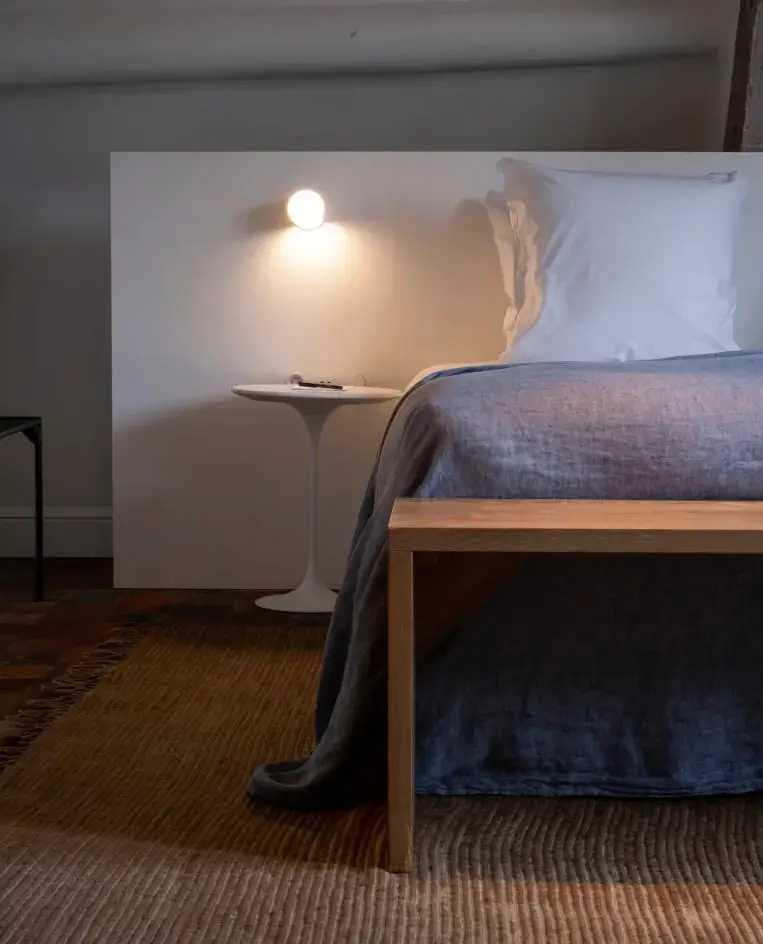
Upstairs, the 21 rooms, including one suite, embody the same philosophy of consistency with subtle variation. Materials—linen bedding, marble bathrooms, timber details—remain coherent, yet each space responds to its architectural context. Rooms tucked beneath original beamed ceilings offer a more secluded, cocoon-like experience in the “Dreamer” and “Experience” categories. Others, particularly the Experience Terrace rooms, open onto private outdoor spaces overlooking the Old Town.
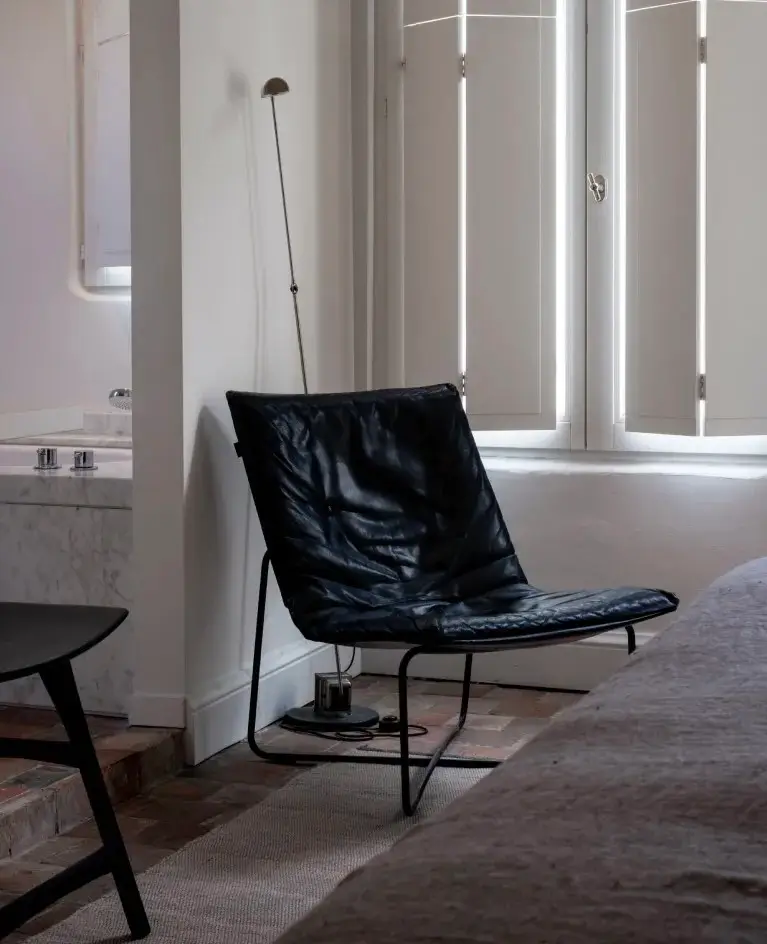
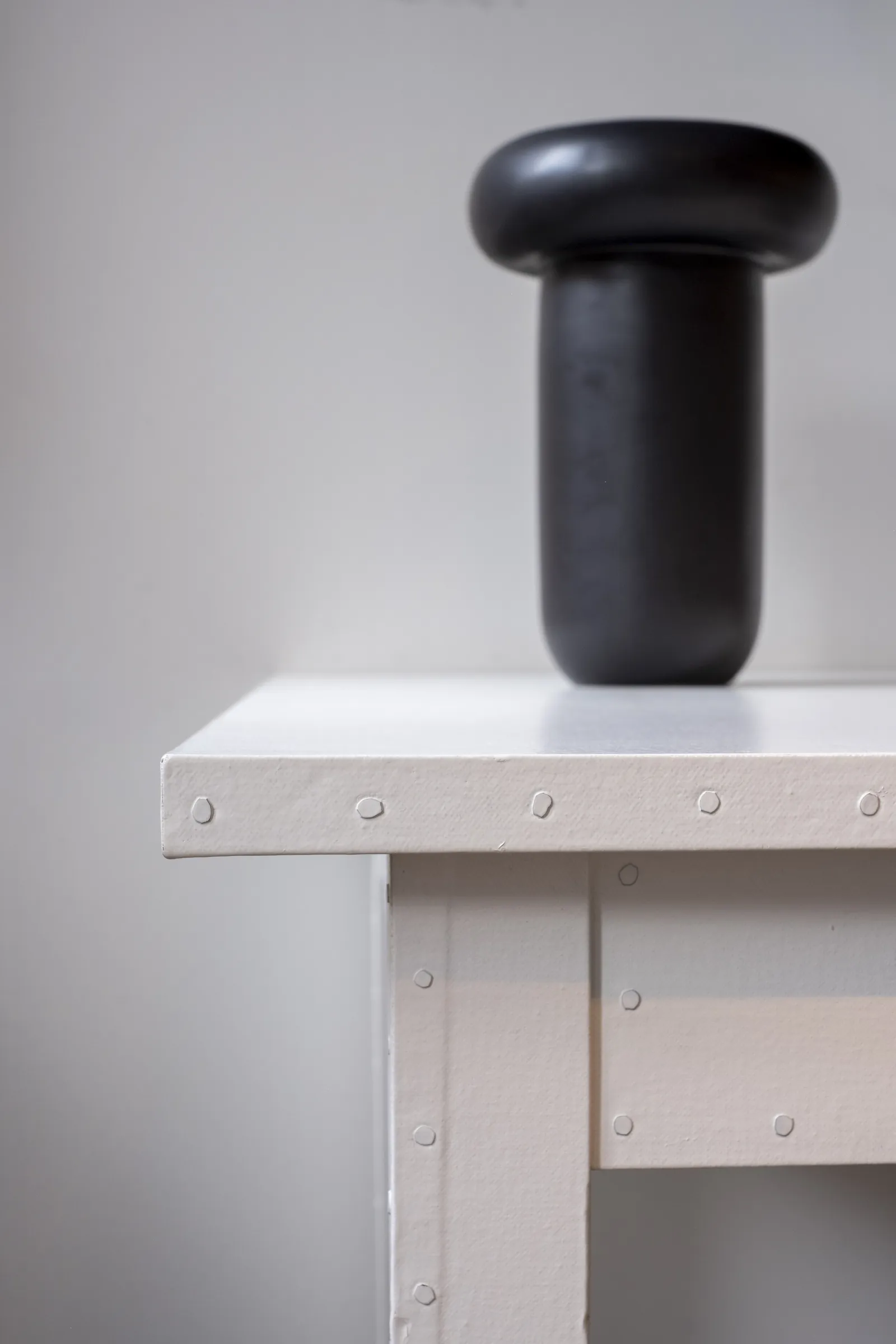
Interiors are layered thoughtfully rather than decorated. Books on Belgian design and architecture sit alongside ceramics from Serax, some designed by Vincent Van Duysen, while Aesop amenities subtly reinforce the tactile luxury. Curated artwork, often sourced in partnership with Gallery 51, adds personality without clutter. The result is a refined minimalism that feels lived-in and personal—Belgian in its casual sophistication. High ceilings and natural light amplify the sense of generosity, while cozy furnishings prevent any austerity.
idea
Bea Mombaers brings an instinctive emotional depth to the project. Based in the coastal town of Knokke, she is a stylist, gallerist, shop owner of Items, and designer celebrated for her eclectic yet harmonious combinations of vintage finds, contemporary pieces, and global influences. Her aesthetic leans into wabi-sabi principles—imperfection, patina, and authenticity—creating spaces that feel soulful and supremely liveable.
Mombaers’ furniture line and collaborations with Serax demonstrate her ability to blend raw textures with refined forms. At Hotel Julien, her contribution is evident in the layered serenity: objects that invite touch, palettes that evolve with natural light, and details that reward slow discovery. She does not impose style; she uncovers atmosphere.
pristine
Peter Ivens complements Mombaers with structural clarity and spatial intuition. With over two decades of experience, his practice focuses on proportion, flow, and the play of natural light. His monograph Houses showcases tailored environments where every detail serves the whole without drawing undue attention. Ivens reads buildings deeply, preserving what matters while gently guiding the architecture toward contemporary comfort.
At Julien, his hand is visible in the seamless integration of old and new: the way light moves through restored openings, the careful calibration of room scales, and the honest expression of materials. Together with Mombaers, he creates what they describe as “a balance between a sense of coming home and a space that continues to inspire.”
View this post on Instagram
antwerp
This renovation sits comfortably within Belgium’s rich design tradition—one that values subtlety, craftsmanship, and a dialogue between past and present. Antwerp itself has long been a style capital, fostering talents from the Antwerp Six to architects like Vincent Van Duysen. Hotel Julien embodies the city’s singular style: confident yet unpretentious, historic yet forward-looking.
The project also reflects broader shifts in boutique hospitality, where travellers increasingly seek places with soul rather than generic luxury. In an era of over-designed hotels, Julien’s restraint feels refreshing and necessary.
linger
Service at Hotel Julien matches the interiors’ warmth. Staff provide excellent, unobtrusive care, whether arranging city explorations, recommending hidden gems, or ensuring seamless event hosting. The hotel’s central location—within walking distance of museums, fashion districts, the diamond quarter, and vibrant dining—makes it an ideal base. Yet its courtyard, bar, rooftop, and spa encourage guests to linger inside as well.
For those seeking deeper relaxation, the private spa offers massages and wellness rituals in the atmospheric cellar. Food and drink emphasize quality and locality, from Dôme pastries to carefully chosen wines and beers.
Hotel Julien’s renovation by Bea Mombaers and Peter Ivens succeeds because it honors continuity while embracing evolution. It reworks the familiar—those 16th-century bones, that homely spirit—into something even more compelling for today. Custom furniture, low deliberate lighting, and timeworn materials are not mere aesthetics; they are tools for creating mood, memory, and belonging.
As Van Hool, Mombaers, and Ivens intended, the hotel still feels like discovering a hidden gem—one that reveals new layers with each visit. In Antwerp’s dynamic yet grounded creative scene, Hotel Julien stands as a quiet exemplar of what thoughtful hospitality can achieve: not just a place to stay, but a place that stays with you.
From the DRIFT archive: Cornell Team Develops Ultrablack: The “Darkest Fabric Ever” That Reflects Close to No Light
Related Articles
Under Rue de Castiglione, Liaigre Gives Hôtel Costes a Spa With No Hard Corners
A 20-meter lap pool, eight treatment rooms and not one sharp angle: Studio Liaigre’s spa […]