DRIFT AUDIO
Listen to this story
Choose a voice, then press play.
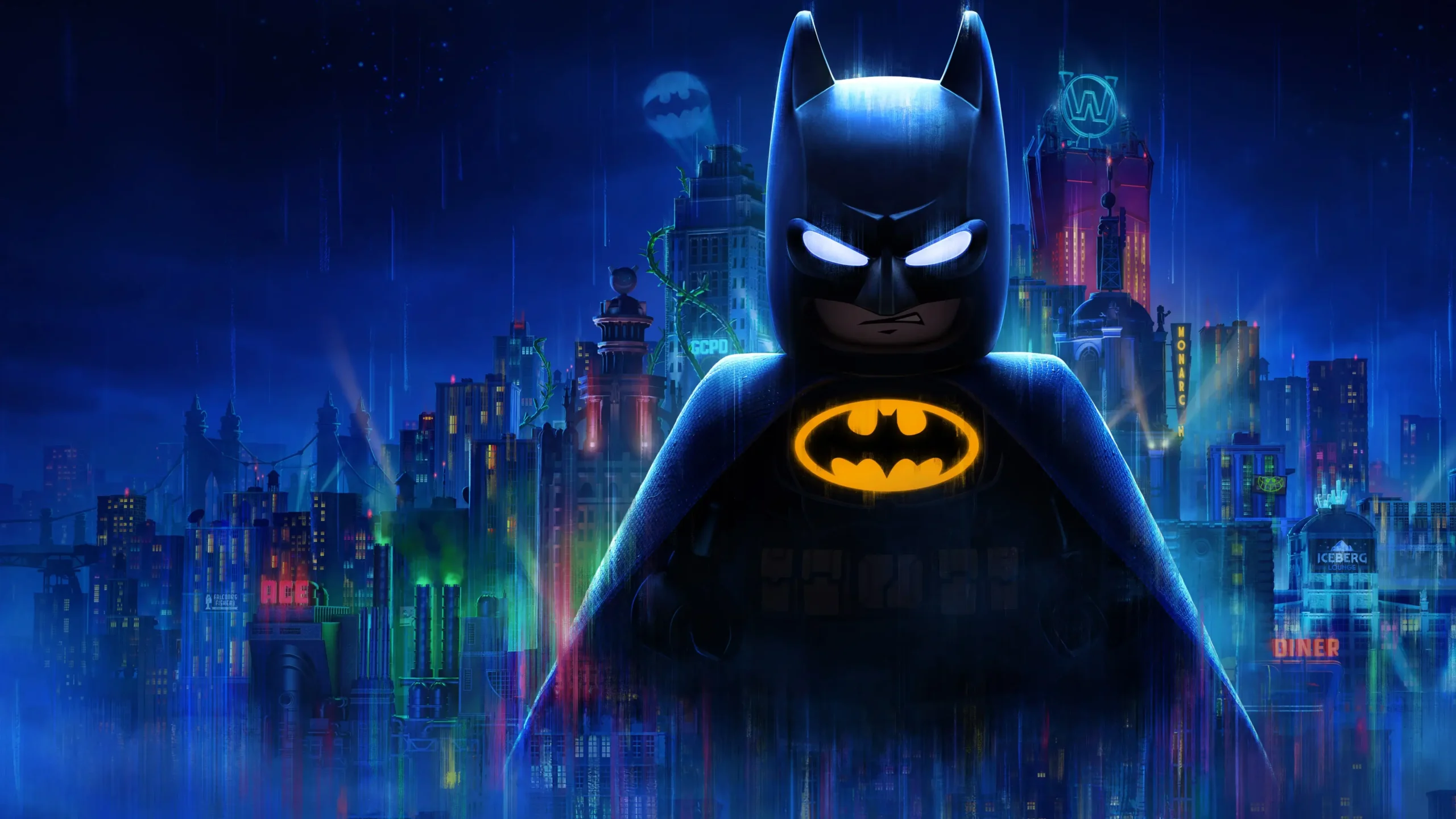
For nearly two decades, the LEGO Batman franchise has existed in a uniquely balanced space between parody and reverence. It has always embraced the absurdity of Gotham City while simultaneously understanding why Batman remains one of the most enduring fictional characters ever created. With LEGO Batman:Legacy of the Dark Knight, TT Games and Warner Bros. Games appear poised to push that formula further than ever before, transforming the traditionally level-based LEGO experience into something broader, darker, and considerably more cinematic without abandoning the brick-built identity that made the series beloved in the first place.
Set for release on May 22, 2026, the game arrives during a period when Batman media continues to evolve across film, television, comics, and gaming. Yet instead of simply recreating one singular version of the Caped Crusader, Legacy of the Dark Knight attempts something more expansive: a playable synthesis of Batman mythology itself. The result feels less like another LEGO adaptation and more like a celebration of the entire culture architecture surrounding Gotham City.
lego
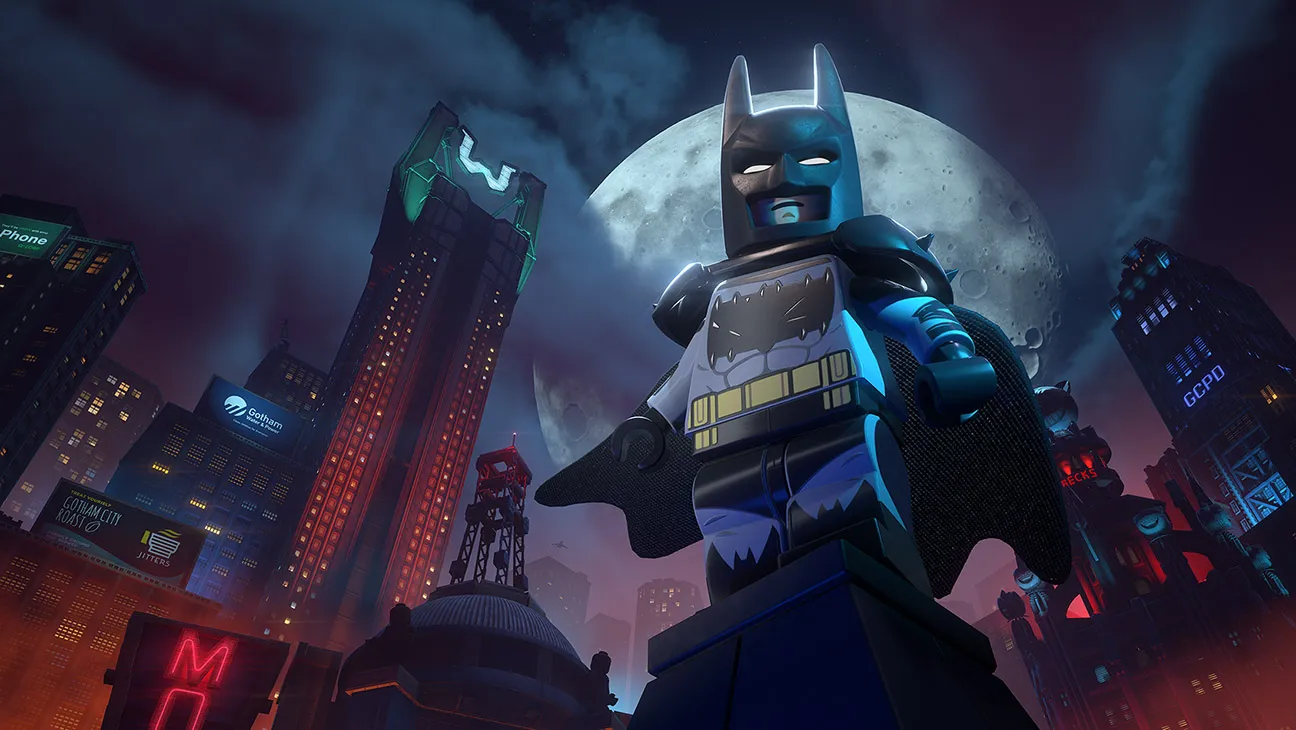
What immediately separates Legacy of the Dark Knight from earlier LEGO Batman entries is its scope. Previous games thrived on contained adventures and straightforward humor, but this new title appears determined to frame Batman’s evolution as a generational story. The narrative reportedly begins with Bruce Wayne’s formative training under the League of Shadows before transitioning into his rise as Gotham’s protector and eventual leader of an expanding Bat-family.
That progression matters because it fundamentally changes the emotional architecture of the experience. Instead of simply dropping players into a static Gotham populated by recognizable villains, the game reportedly charts Batman’s transformation across multiple phases of his life. It creates the sensation of watching Gotham mature alongside him.
Legends aren’t born — they’re built. LEGO® Batman™: Legacy of the Dark Knight arrives May 22, 2026. Pre-order now: https://t.co/Z15clogLkc #LEGOBatmanGame pic.twitter.com/XTg5CUH0EE
— LEGO® Batman™: Legacy of the Dark Knight (@LEGODCGame) May 7, 2026
The influence of Christopher Nolan’s Batman Begins is immediately visible in the opening structure, yet the project also appears deeply indebted to comic mythology stretching from Frank Miller’s The Dark Knight Returns to modern interpretations of the Bat-family dynamic. TT Games is effectively treating Batman history as a modular LEGO set itself, reconstructing decades of stories into one unified continuity.
That approach could resonate strongly with longtime fans because Batman has always existed as a character defined by reinterpretation. Every era reshapes him slightly differently: gothic detective, traumatized vigilante, pulp adventurer, father figure, urban myth. Legacy of the Dark Knight seemingly understands that Batman’s greatest strength is not consistency, but adaptability.
flow
The most significant gameplay evolution comes through the game’s open-world structure. Gotham City is no longer merely a backdrop for missions; it functions as the central organism around which the entire experience revolves.
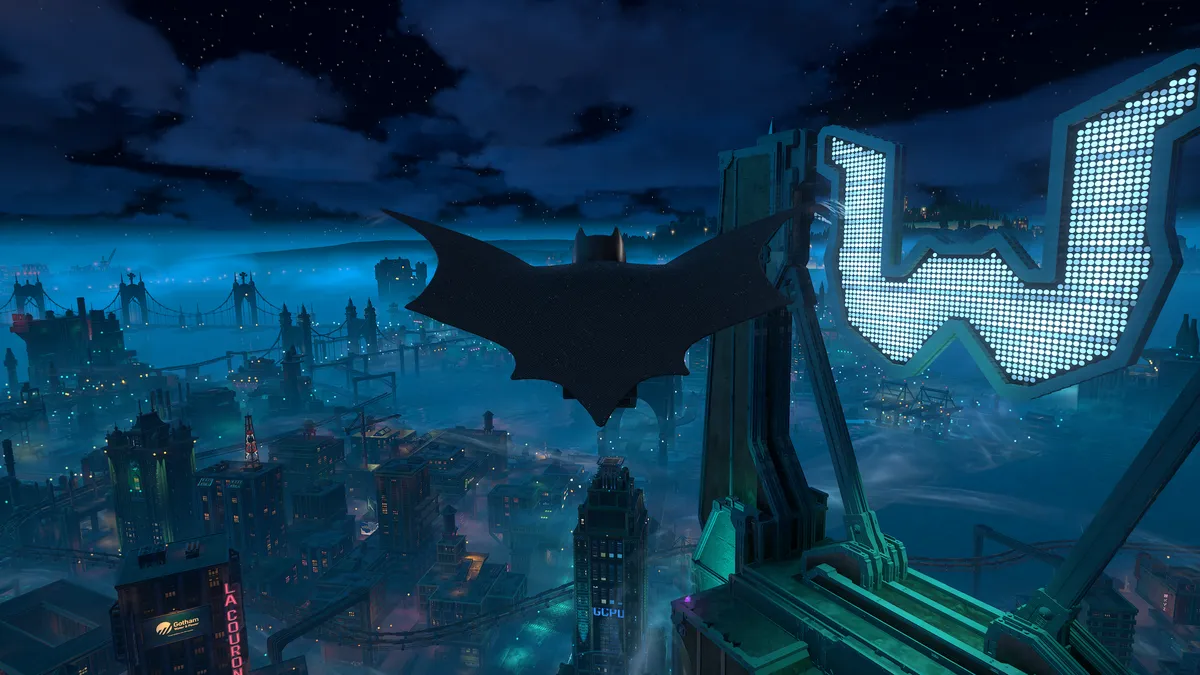
TT Games previously experimented with larger environments in titles like LEGO Star Wars: The Skywalker Saga, but Gotham offers something uniquely suited to expansion. Batman’s mythology has always depended on atmosphere: rain-soaked alleys, towering architecture, corrupted institutions, neon reflections against black pavement. Translating those aesthetics into LEGO form presents an unusual challenge because LEGO games traditionally prioritize brightness and visual clarity over noir-inspired density.
From early previews and screenshots, however, Legacy of the Dark Knight appears to embrace a surprisingly moody interpretation of Gotham while still preserving the toy-like visual charm that defines the franchise. Streets bustle with civilian activity. Rooftops stretch into fog-filled skylines. Dynamic lighting reflects across wet surfaces in ways previous LEGO titles rarely attempted.
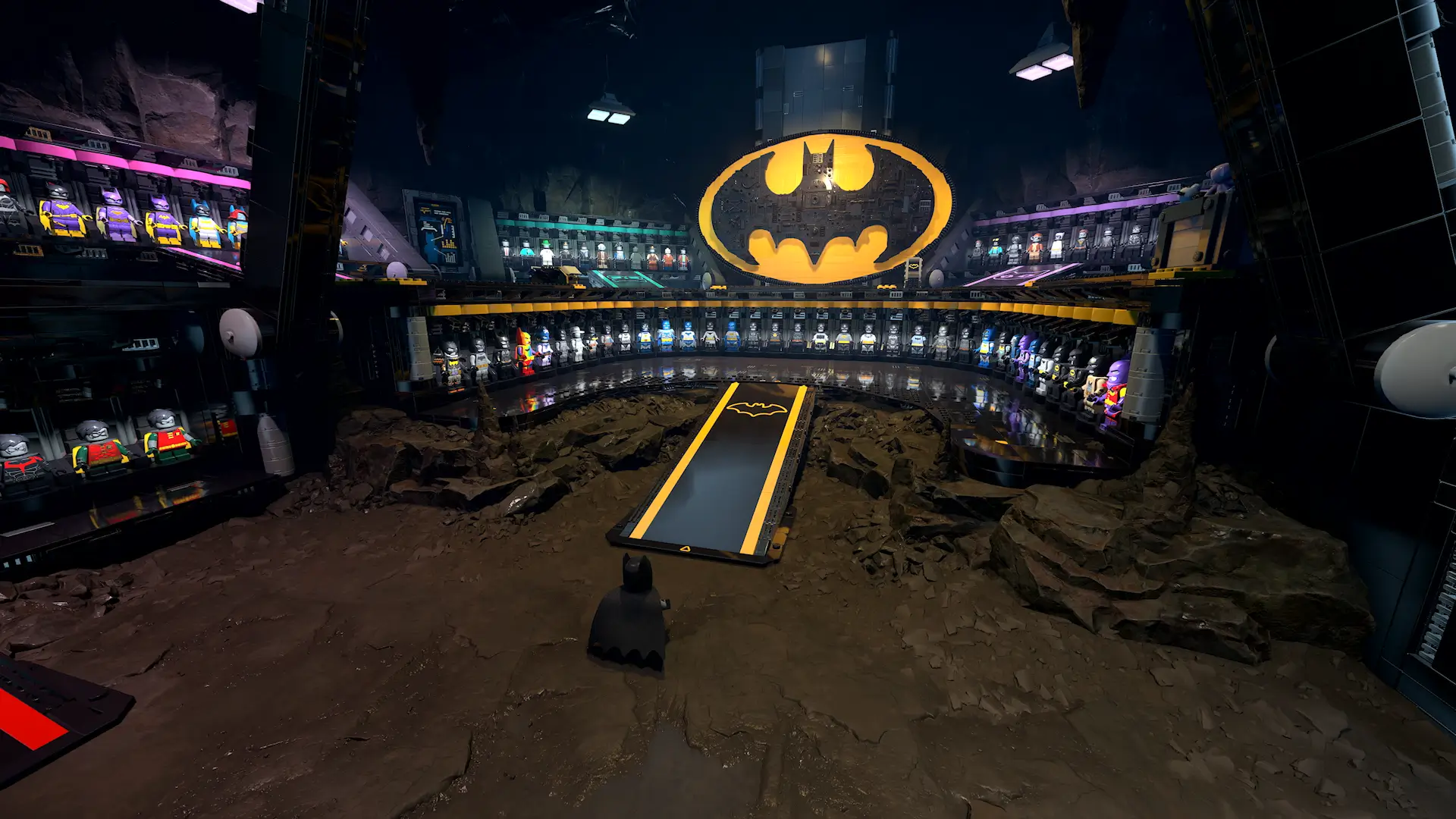
The city reportedly supports free exploration, side crimes, hidden collectibles, environmental puzzles, and randomized encounters. That design philosophy mirrors contemporary superhero games more closely than older LEGO entries, positioning Gotham as an evolving ecosystem rather than a collection of disconnected stages.
Importantly, the humor remains intact. TT Games continues leaning into slapstick destruction, visual gags, and absurd reinterpretations of otherwise serious Batman lore. That tonal duality has always been the secret weapon of LEGO Batman games: they can simultaneously honor the mythology and gently mock it.
stir
One of the long-standing criticisms of LEGO games has involved combat simplicity. Earlier entries often relied on repetitive attack loops that prioritized accessibility over depth. Legacy of the Dark Knight appears determined to modernize that structure.
Batman reportedly now utilizes fluid combo chains, stealth mechanics, detective sequences, and expanded gadget systems. The emphasis on tactical movement immediately recalls design philosophies associated with Batman: Arkham City and its successors, though adapted into a more family-friendly framework.
That distinction matters. TT Games is not attempting to turn LEGO Batman into a mature-rated combat simulator. Instead, the studio seems interested in making players feel more like Batman through mechanical variety. Combat is no longer solely about smashing objects into studs; it becomes an expression of character identity.
Robin’s traversal tools, Nightwing’s acrobatic staff combat, Batgirl’s hacking systems, and Catwoman’s whip mechanics further reinforce this direction. Each ally reportedly contributes specialized gameplay styles rather than functioning as cosmetic alternates.
The addition of “Dark Knight Mode” is especially notable because it suggests TT Games recognizes its audience has matured alongside the franchise itself. Many players who experienced the original LEGO Batman: The Videogame are now adults seeking slightly deeper mechanical engagement while still retaining the nostalgic accessibility of LEGO games.
hx
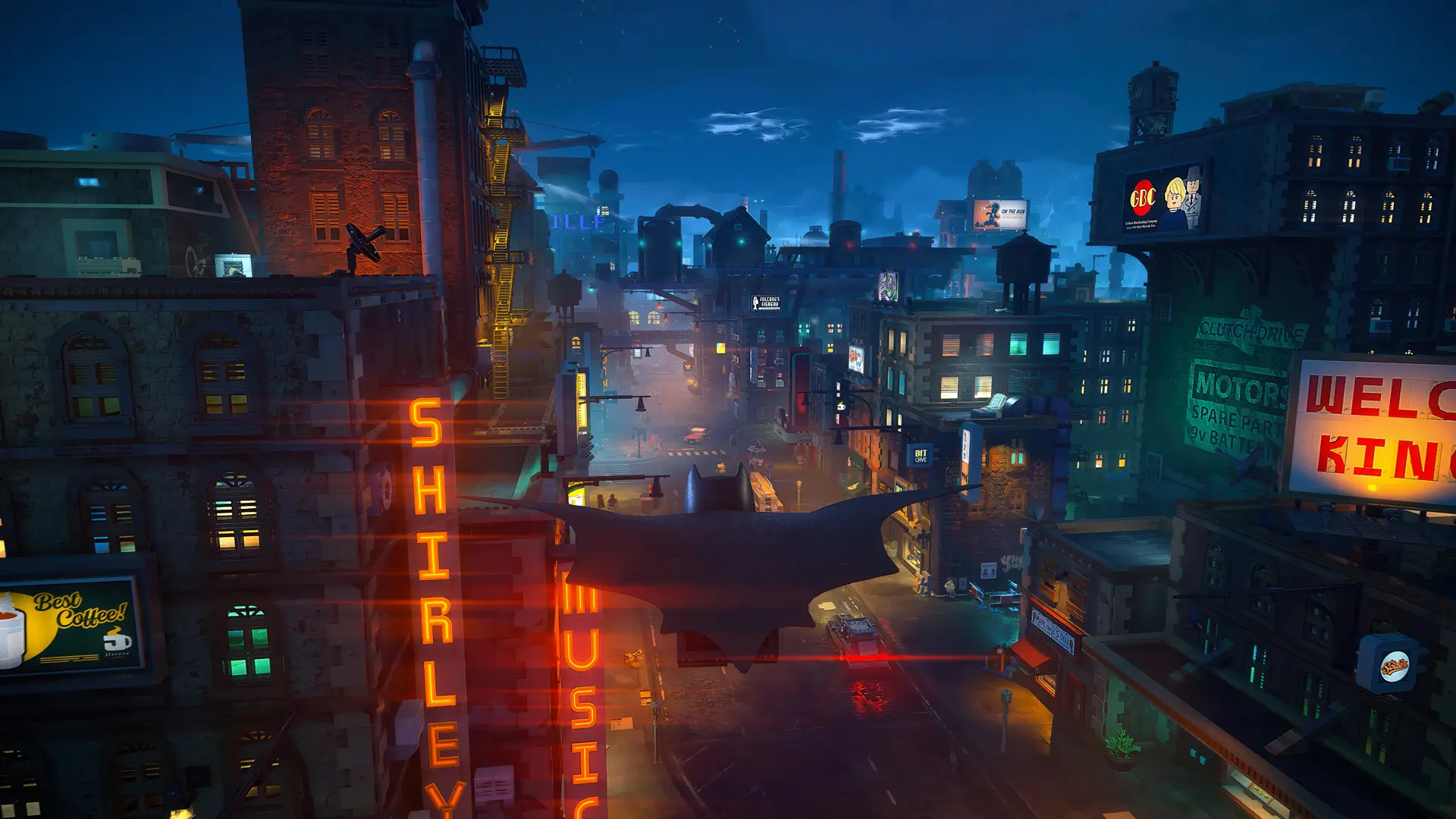
Among the most intriguing additions is the expanded Batcave hub system. Rather than operating merely as a menu space, the Batcave reportedly acts as a customizable operational headquarters where players manage suits, vehicles, upgrades, and collectibles.
For Batman fans, this concept carries enormous potential because the Batcave has always symbolized memory and legacy within the mythology. It is simultaneously an armory, archive, laboratory, and emotional shrine. Turning it into an explorable progression space allows TT Games to reward fan investment directly.
The inclusion of multiple Batmobile variants — including the Tumbler — reinforces the game’s broader archival know. Batman’s history is treated not as fragmented canon, but as a massive interconnected toy chest where every era can coexist.
That sensibility aligns uniquely with LEGO itself. LEGO has always thrived on reinterpretation and recombination.
idea
Batman’s villains are not merely antagonists; they are reflections of Gotham’s anxieties. The reported lineup — including The Joker, Bane, Poison Ivy, Mr. Freeze, Ra’s al Ghul, The Penguin, and Two-Face — reads less like a checklist and more like a curated history of Batman archetypes.
Each villain represents a different dimension of Batman’s identity crisis. Joker embodies chaos. Freeze represents grief. Bane weaponizes physical superiority. Ra’s challenges Bruce philosophically. Two-Face externalizes duality itself.
TT Games historically excelled at translating these larger-than-life personalities into comedic LEGO caricatures without stripping away their recognizability. Early impressions suggest Legacy of the Dark Knight continues that balancing act, allowing the rogues gallery to remain threatening enough for narrative momentum while still embracing absurd visual comedy.
Matt Berry’s reported portrayal of Bane — humorously channeling Tom Hardy’s infamous vocal performance — swiftly encapsulates the game’s tonal strategy. It simultaneously references modern Batman cinema and coltishly exaggerates it.
why
The importance of Legacy of the Dark Knight extends beyond franchise continuation. The game arrives during an interesting transitional period for licensed games overall. Players increasingly expect cinematic ambition, systemic open worlds, customization depth, and long-term replayability. LEGO games can no longer rely exclusively on brand familiarity.
TT Games appears fully aware of this evolution. Instead of abandoning its identity, the studio is attempting to modernize its formula while preserving accessibility. That balance is extraordinarily difficult. Too much realism risks losing the whimsical charm that defines LEGO titles. Too much simplicity risks feeling outdated beside contemporary action-adventure games.
What makes this project compelling is its apparent refusal to choose between those extremes. Gotham can feel dangerous while still being funny. Batman can feel tactical while still smashing LEGO objects into thousands of collectible studs.
The result may become one of the clearest examples yet of how family-oriented games can still pursue cinematic scope and thematic ambition without sacrificing approachability.
position
The game launches May 22, 2026, across Sony Interactive Entertainment’s PlayStation 5, Microsoft’s Xbox Series X and Xbox Series S, alongside PC storefronts including Valve’s Steam platform and the Epic Games Store. A version for Nintendo’s Nintendo Switch 2 is planned for a later release window.
The Deluxe Edition includes early access beginning May 19 and bonus downloadable content, while pre-orders receive the Frank Miller-inspired Dark Knight Returns suit. That particular inclusion feels symbolically appropriate because Frank Miller’s interpretation fundamentally reshaped modern Batman storytelling, influencing nearly every adaptation that followed.
Physical LEGO tie-in sets are also expected, continuing Warner Bros.’ broader strategy of merging gaming, collectibles, and multimedia branding into unified franchise ecosystems.
fin
LEGO Batman: Legacy of the Dark Knight feels positioned to become more than another licensed spin-off. It represents an attempt to consolidate decades of Batman storytelling into a single playable experience while simultaneously modernizing the LEGO game formula for a new era.
Its success will ultimately depend on execution: either the open world feels alive, either combat maintains long-term engagement, whether humor and darkness remain balanced rather than contradictory. Yet conceptually, TT Games appears to understand something essential about Batman himself: the character survives because every generation rebuilds him differently.
That idea fits LEGO uniquely.
Batman has always been modular mythology. TT Games is simply giving players the bricks.
From the DRIFT archive: A Brick-Built Resurrection: LEGO × Nintendo Game Boy · PANTONE’s 2026 Color of the Year Takes Shape With Play-Doh and Post-It Editions
Related Articles

Inside the Ferrari Line Where V12s, Hybrids and the Electric Luce Share One Workforce
In Maranello, the electric Luce, a hybrid V8 and a twelve-cylinder Purosangue now share one assembly line and one workforce.