The Swatch x Audemars Piguet “Royal Pop”: Democratizing an Icon
DRIFT AUDIO
Listen to this story
Choose a voice, then press play.
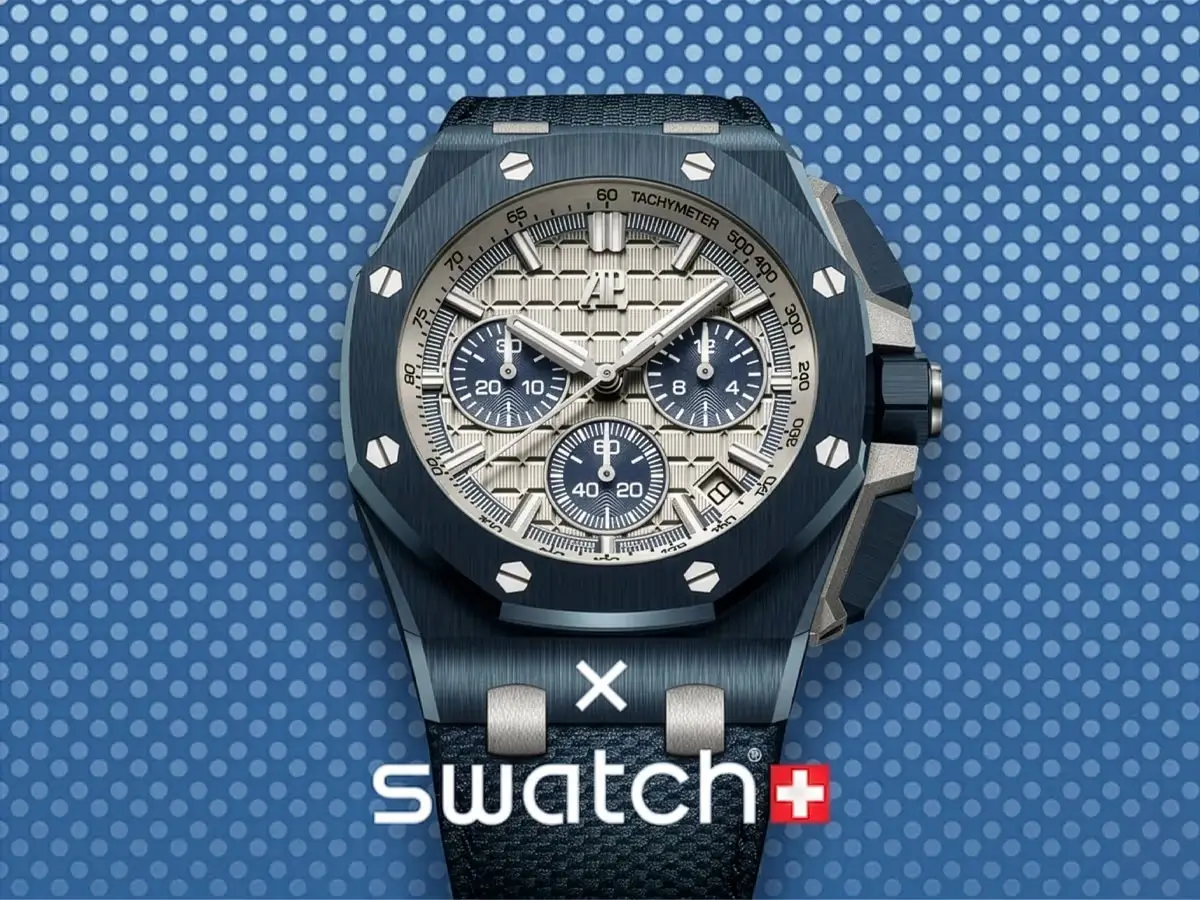
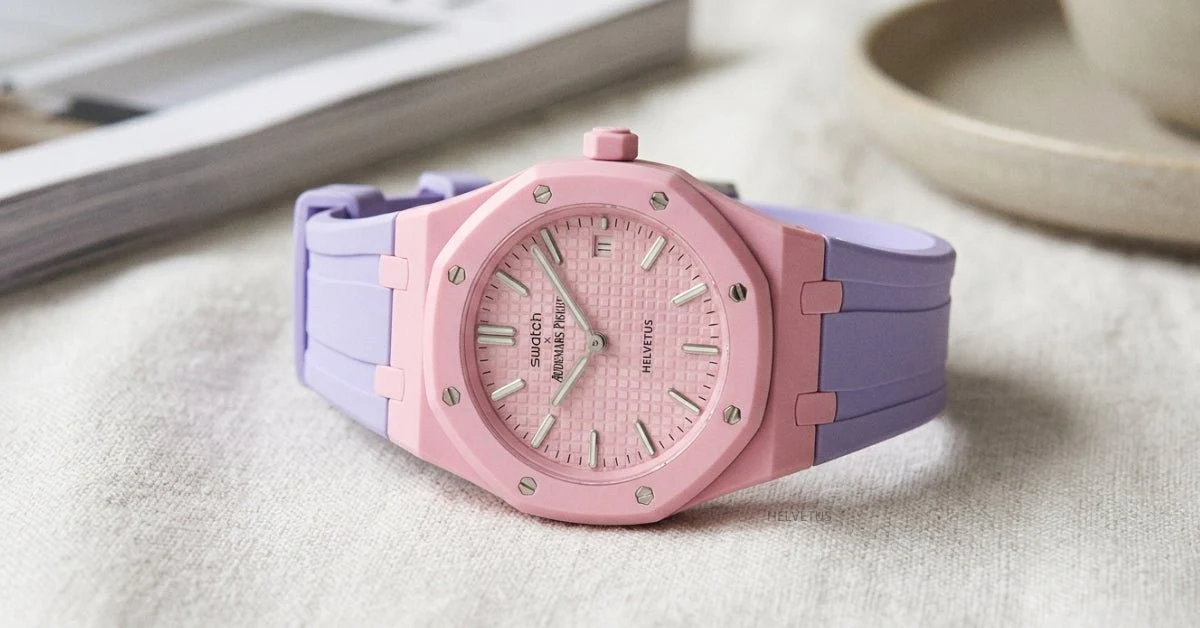
This price gap—two orders of magnitude—makes the announcement seismic. It promises to bring one of horology’s most coveted status symbols within reach of everyday enthusiasts while sparking debate about exclusivity, brand dilution, and the future of accessible haute. The user-provided images (unconfirmed renders or leaks) show conjure, tincture-bold takes on the Royal Oak silhouette—bright bioceramic cases, vibrant straps, and pop-art flair. The final product will almost certainly differ, but they capture the spirit of speculation sweeping the watch world.
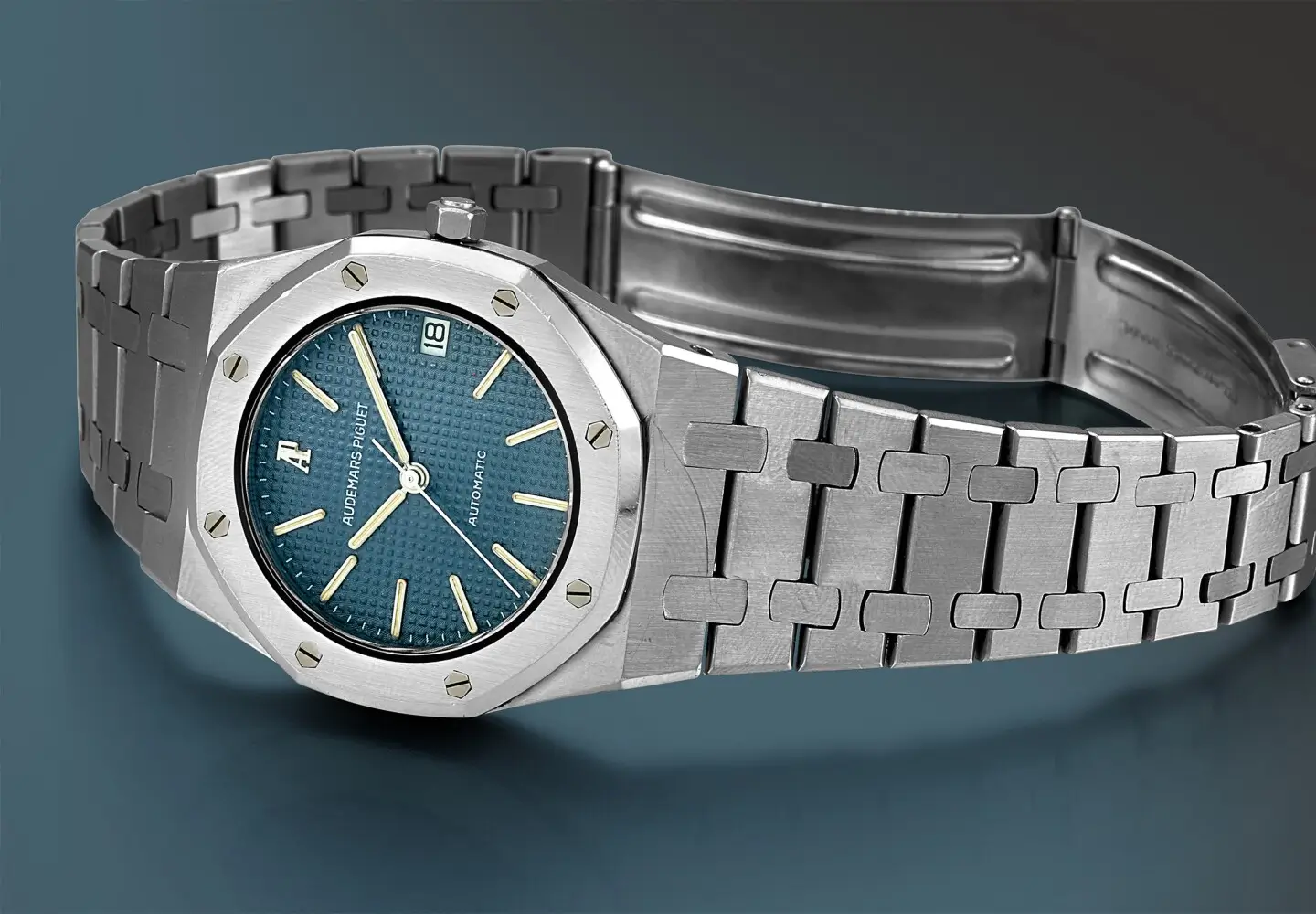
The Audemars Piguet Royal Oak: A Complete Collector’s Guide | Watches | Sotheby
leg
To know the stakes, revisit the Royal Oak’s origins. In the early 1970s, Audemars Piguet faced financial pressures amid the quartz crisis. The brand commissioned Gerald Genta for a bold sports watch to compete with steel Rolex models. Genta delivered the Royal Oak (reference 5402), named after the British warships with oak-clad hulls for protection. Its octagonal bezel with eight visible screws, integrated bracelet, and textured “Tapisserie” dial were revolutionary. Launched in 1972 at the Basel Fair, it was initially polarizing but quickly became a symbol of quiet luxury and technical prowess.
Over decades, the Royal Oak evolved into a family of models: standard 41mm and Jumbo versions, chronographs, openworked skeletons, and high-complication variants in precious metals. It influenced countless integrated-bracelet sports watches — the entire “Genta school” of modern luxury design. Ownership signals success, cultural fluency, and access. Secondary market prices for popular references regularly exceed retail, with waiting lists stretching years at boutiques.
That is precisely why “Royal Pop” feels culturally explosive. Swatch is not collaborating with a niche heritage manufacturer or an adjacent prestige brand. It is reinterpreting one of the most protected silhouettes in modern watchmaking. The collaboration enters a space usually governed by scarcity, gatekeeping, and aspirational distance — then collapses that distance almost overnight.
strat
Swatch built its identity on accessible, tincture-bold quartz watches during the 1980s, helping revive the Swiss watch industry during the quartz crisis. Under the broader Swatch Group ecosystem, collisions have increasingly become a mechanism for culture renewal and generational onboarding.
The MoonSwatch phenomenon in 2022 proved that haute-adjacent collisions could create mass-market frenzy without entirely eroding the prestige of the parent maison. Planet-themed bioceramic Speedmaster interpretations generated lines around city blocks, resale hysteria, and renewed interest in Omega’s actual Speedmaster heritage. Critics called it cynical marketing. Others called it one of the most intelligent haute campaigns of the decade.
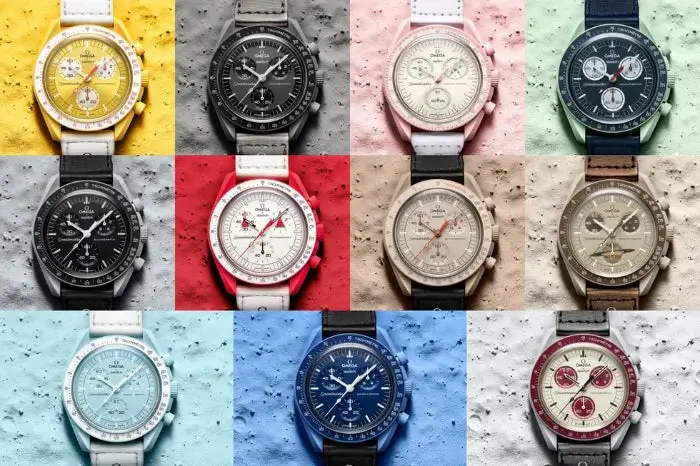
The Curious Case of the Omega x Swatch MoonSwatch
The Blancpain collide expanded that strategy further by incorporating the Sistem51 automatic movement, introducing more mechanical legitimacy into the equation. “Royal Pop” appears positioned as the next escalation — not merely play, but symbolically disruptive.
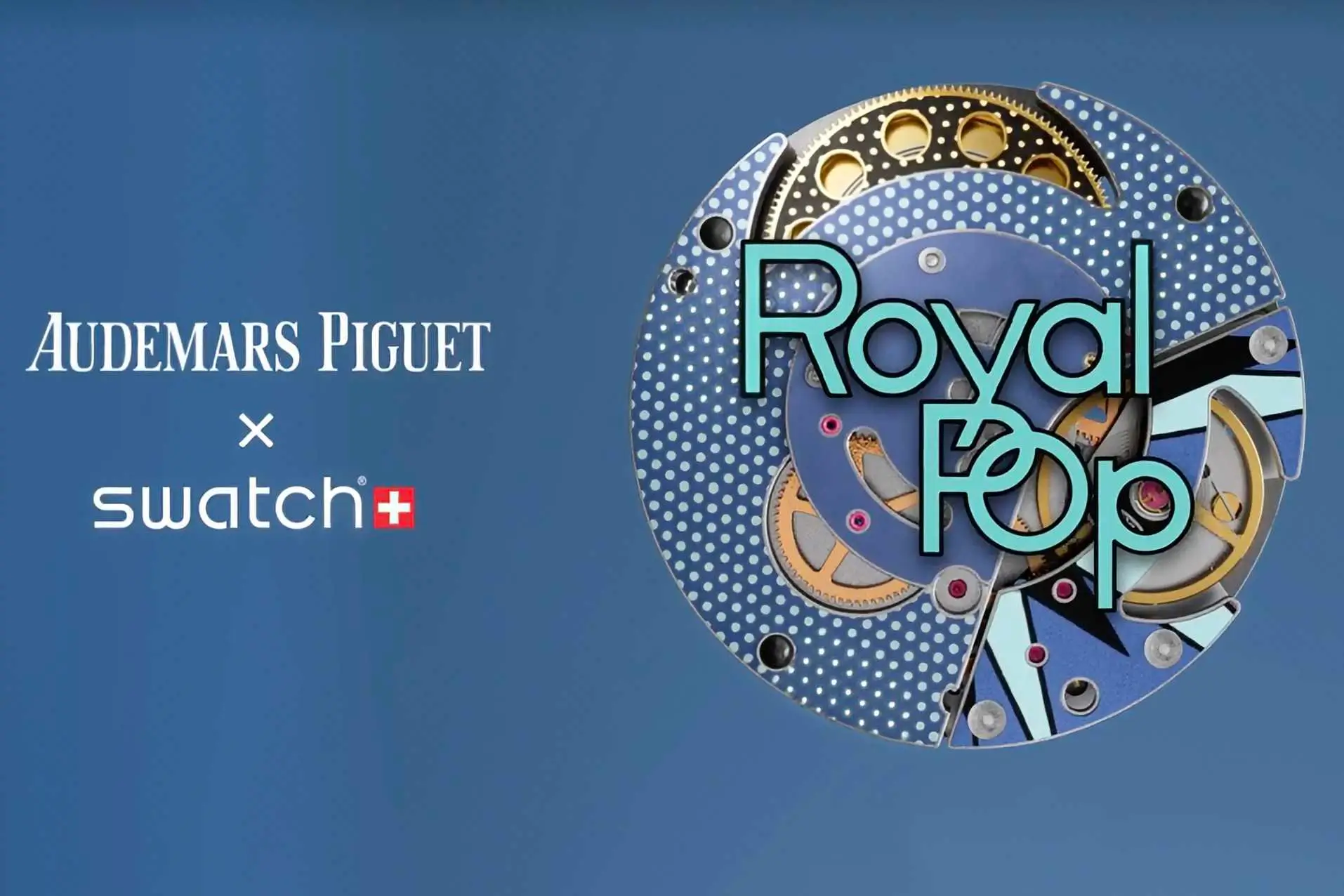
Teasers reportedly used typography referencing the Royal Oak identity directly, while official messaging framed the project as a collision between “joyful boldness,” “positive provocation,” and haute horlogerie. That language matters. Swatch is no longer simply selling affordable watches. It is reframing luxury watch culture itself as participatory rather than exclusionary.
show
Speculative renders and leaked imagery point toward a far more tincture-bold and extroverted interpretation of the Royal Oak silhouette. Bright bioceramic cases, vivid straps, candy-like palettes, and play proportions shift the Royal Oak away from stealth wealth minimalism and toward something closer to collectible pop design.
That transformation is culturally significant. The traditional Royal Oak operates through restraint: brushed steel surfaces, architectural finishing, and subtle prestige recognizable primarily to insiders. “Royal Pop” appears to reverse that logic entirely. Instead of quiet haute, it embraces visible accessibility and social-media readability.
Still, the expected use of Swatch’s bioceramic material introduces legitimate technical intrigue. The lightweight ceramic-polymer blend has become central to Swatch’s recent crossover strategy, offering tactile novelty while maintaining affordability. Rumors also suggest automatic Sistem51 movements, skeletonized casebacks, and multiple colorways — details that would push the collaboration beyond novelty and into enthusiast territory.
If accurate, the collision becomes less about imitation and more about reinterpretation. It does not attempt to replace a genuine Royal Oak. It translates its visual language into a different economic and cultural register.
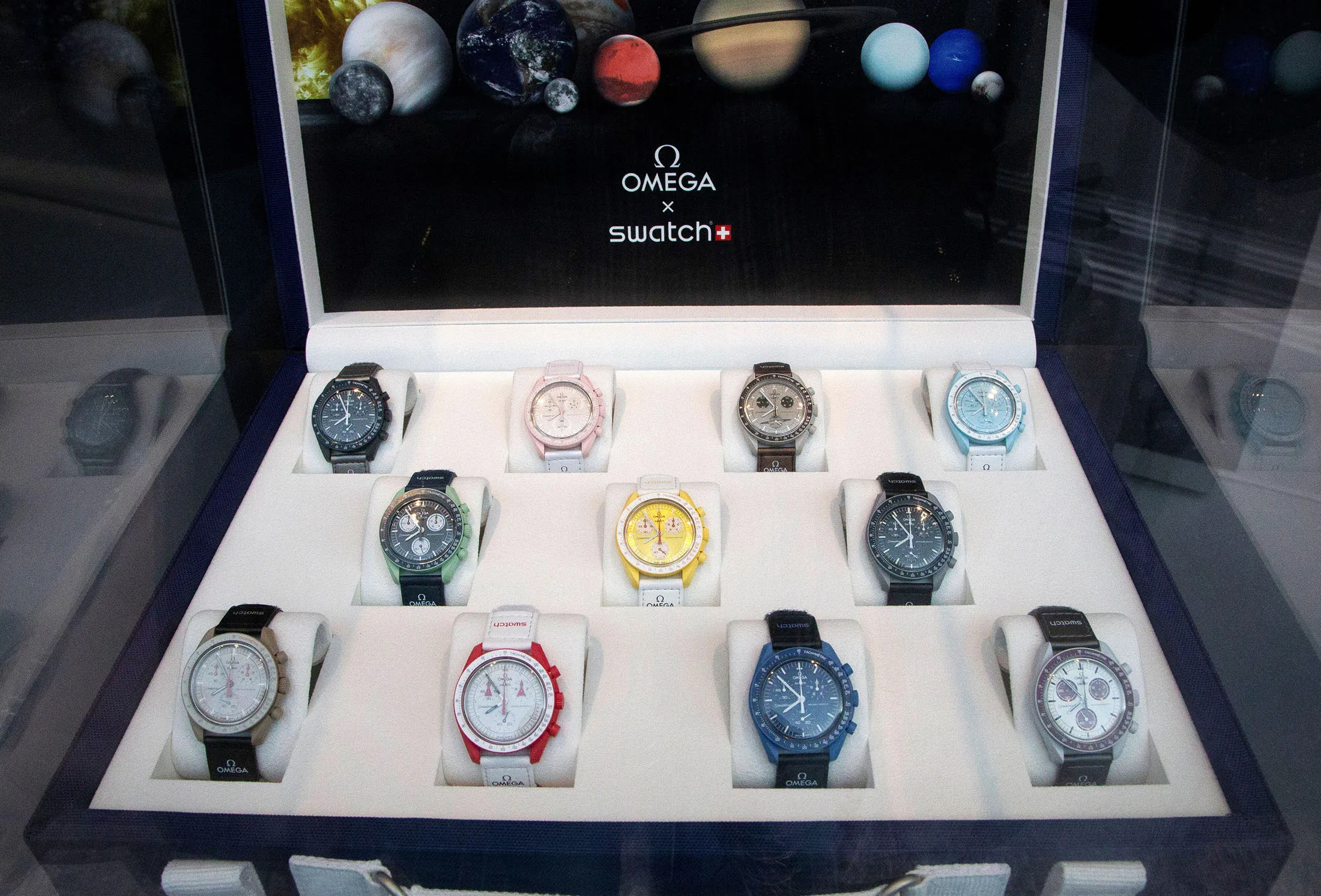
Swatch Omega MoonSwatch Revitalizes Swiss Watch Brand – Bloomberg
exclu
The central tension surrounding “Royal Pop” is philosophical. Luxury traditionally depends on limitation: limited production, elevated pricing, controlled access, and symbolic distance from mass consumption. Swatch’s recent collaborations intentionally destabilize that structure.
For some collectors, this is exhilarating. Younger enthusiasts who may never realistically purchase a $40,000 Royal Oak can now participate in the mythology surrounding the design. The collaboration becomes a gateway into mechanical watch culture rather than a counterfeit substitute.
For others, it feels corrosive. Online reactions already include concerns around brand dilution, prestige erosion, and overexposure. Some long-time collectors fear the symbolic capital of the Royal Oak weakens once its silhouette becomes widely accessible through a sub-$500 product.
Yet history suggests otherwise. The MoonSwatch did not destroy Omega’s status. In many ways, it intensified Speedmaster awareness and drove broader cultural attention toward the original references. The same may happen here. “Royal Pop” could ultimately reinforce the desirability of authentic Audemars Piguet pieces by increasing aspirational familiarity.
actuarial
There is also something strangely appropriate about this collaboration when viewed through the lens of Gerald Genta himself. Genta’s work was never conservative. The original Royal Oak was disruptive, controversial, and radically modern at launch. It challenged the assumption that luxury watches needed to be gold, dress-oriented, or traditionally formal.
In that sense, “Royal Pop” may actually align with the original spirit of experimentation more than purists admit. It takes a historically disruptive object and disrupts it again — this time through democratization, color, and mass accessibility.
That layered irony is partly why the collision has captured such enormous attention. It is not simply another watch drop. It is a conversation about who haute is for, how design heritage evolves, and whether cultural prestige can survive mass participation.
impression
The May 16 release will likely determine how aggressively haute-adjacent collaborations evolve from here. If “Royal Pop” achieves MoonSwatch-level success — which appears highly probable — it may encourage further reinterpretations across Swiss watchmaking.
More importantly, it reflects a broader shift happening across fashion, watches, and luxury culture generally. Heritage alone is no longer sufficient. Brands increasingly require culture velocity, internet fluency, and emotional accessibility. Swatch understands this instinctively.
“Royal Pop” therefore functions on two levels simultaneously. On the surface, it is a colorful bioceramic collaboration watch. Beneath that, it is a recalibration of luxury’s relationship with aspiration itself.
Related Articles

Under Rue de Castiglione, Liaigre Gives Hôtel Costes a Spa With No Hard Corners
A 20-meter lap pool, eight treatment rooms and not one sharp angle: Studio Liaigre’s spa […]