DRIFT AUDIO
Listen to this story
Choose a voice, then press play.
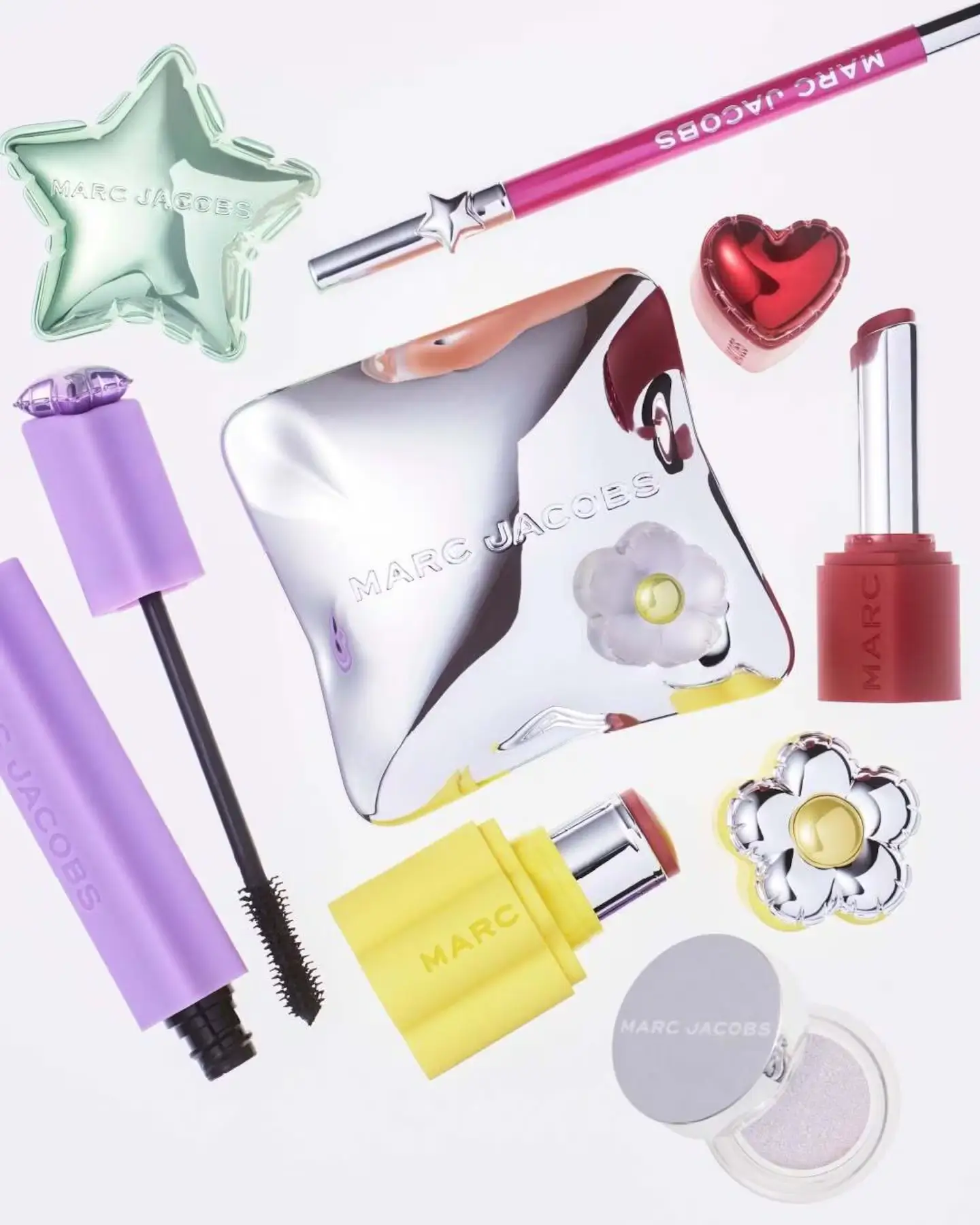
Marc Jacobs Beauty officially relaunched on the designer’s website today, May 30, 2026, with an app-exclusive preview hitting Sephora on May 31 and broader availability on Sephora (US and Canada) and Selfridges.com starting June 1. A second wave is slated for September, with in-store rollouts in Sephora locations across the US, Canada, UK, and Australia following. The initial drop features seven core products across eyes, lips, and complexion—marking the brand’s return after a five-year hiatus since its 2021 discontinuation under Kendo (LVMH’s incubator). Now under Coty (which already handles Marc Jacobs fragrances), it’s positioned as a full reinvention rather than a reissue.
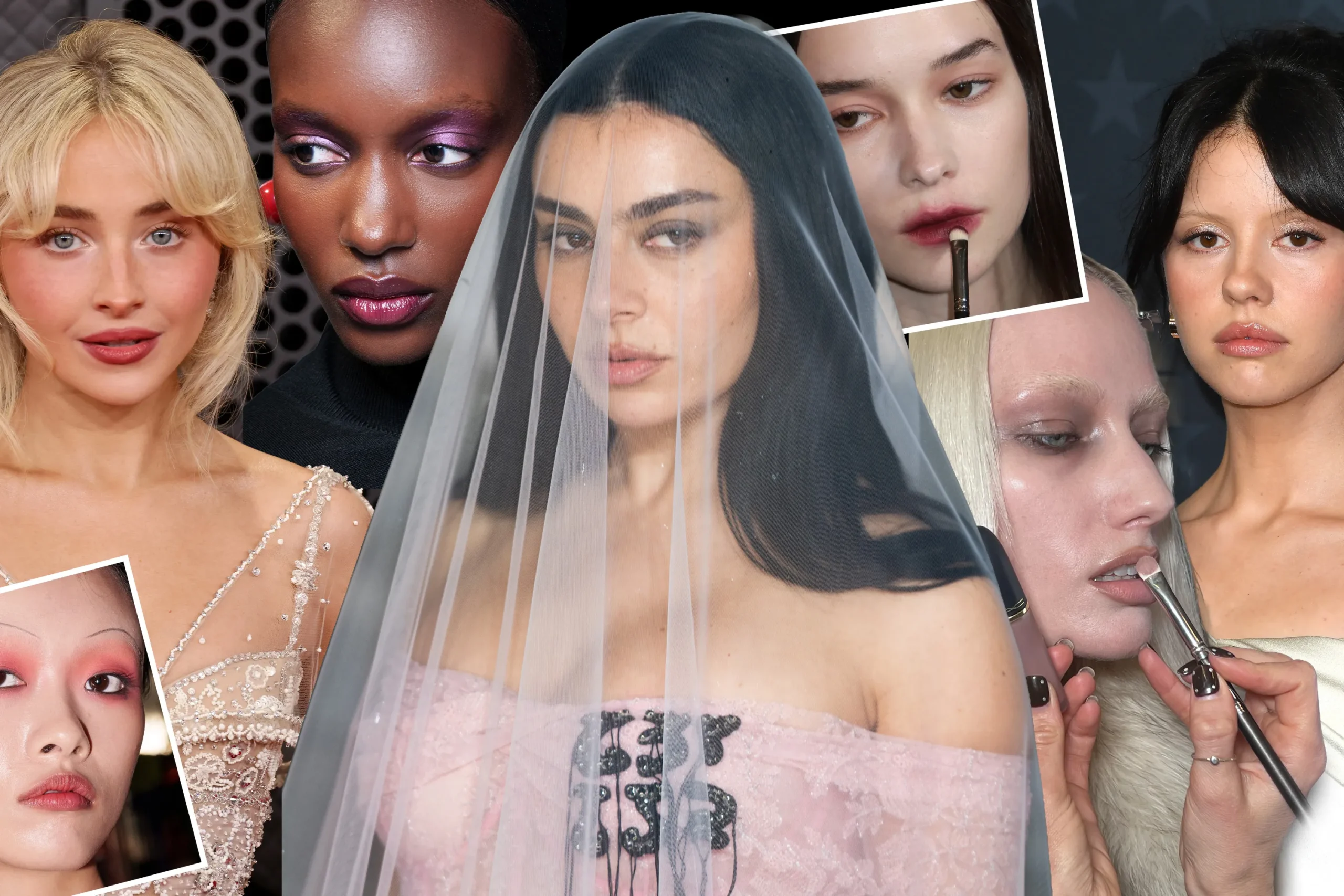
This isn’t the same line that launched in 2013 with sleek black packaging, cult-favorite Highliners, Velvet Noir mascara, and Omega Bronzer. Fans mourned its quiet exit on Reddit resale threads and beauty forums for years. The comeback arrives amid a beauty landscape transformed by TikTok-driven trends, clean beauty shifts, and a hunger for both nostalgia and novelty. Marc Jacobs himself has emphasized “joy and pleasure” in the new collection, drawing inspiration from his Spring 2026 runway’s play, flushed looks. Yet, as beauty writer Brennan Kilbane argues in his BoF piece, this long-awaited return may miss the mark for core enthusiasts who craved something closer to the original’s edge.
View this post on Instagram
stir
Marc Jacobs Beauty debuted in 2013 as a partnership between the designer and Kendo, quickly becoming a Sephora staple. It stood out with fashion-forward, high-pigment formulas—think smudge-proof eyeliners that defined a generation of YouTube tutorials, plush lipsticks, and bronzers that delivered a sunkissed glow without heaviness. Campaigns featured icons like Winona Ryder and Adwoa Aboah, blending high fashion with accessible glamour. The brand’s play, irreverent voice resonated in an era before “clean girl” minimalism dominated.
By 2021, the partnership with Kendo ended, and the color cosmetics line was discontinued while fragrances (like the blockbuster Daisy) continued under Coty. Rumors of a return swirled for years, fueled by Coty’s 2023 acquisition of the license. Soft launches included sightings at the 2026 Met Gala on Rachel Sennott. Now, with Coty at the helm, the relaunch bets on updated formulas, broader shade ranges, and whimsical new packaging inspired by balloons and motifs (stars, daisies, hearts) to capture a new audience while nodding to loyalists.
Early buzz is strong—social media is flooded with unboxings and predictions of sellouts—but opinions are divided. Some praise the vibrant, joyful pivot; others feel it lacks the original’s sophisticated rebellion.
show
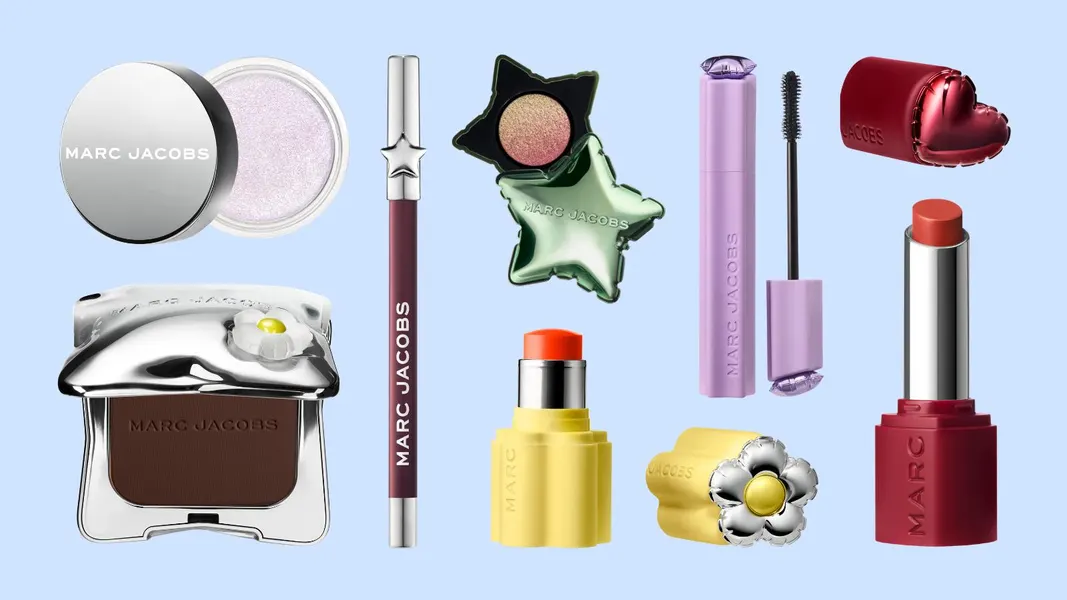
The 2026 lineup introduces seven products (expanding to 72 pieces total with shades and finishes), emphasizing buildable textures, long wear, and fun application. Key items include:
- Drawn This Way Long-Wear Waterproof Gel Eyeliner: Creamy kajal-like formula in 21 shades across matte, metallic, glitter, and duochrome finishes. Reviewers note easy glide, 24-hour wear potential, and no tugging—echoing the beloved Highliners but reformulated.
- Born Star Eyeshadow : Cream-to-powder singles in 14 shades (matte, metallic, magical/glitter). One-stroke intensity with sensorial feel.
- Flashes Mascara: Volumizing and lengthening in black, brown, and blue. Up to 18 hours clump-free.
- Joystick Blush Stick : Multi-use cream balm for cheeks and lips in 10 shades. Buildable and blendable.
- Legally Bronze Bronzer: Pressed powder in 8 shades, buildable with blurring effect.
- Money Shot Highlighter Gel: Universal shade with pink/blue reflects.
- Heart On Lipstick: Lipstick-balm hybrid in 15 shades (neutrals to electric purples) with cherry oil and hyaluronic acid for comfort and plump.
Packaging swaps the original’s sleek black for colorful, balloon-like whimsy—bright, tactile, and Instagram-ready. Formulas promise high performance without the old line’s exact matches (no direct Velvet Noir reformulation, for instance). Early hands-on reviews from Allure, Forbes, and Vogue highlight strong pigmentation, comfortable wear, and all-day staying power, though some note the shade range feels conservative compared to today’s inclusive standards.
A second wave in September will expand options, potentially addressing gaps.
flow
In The Business of Fashion, Brennan Kilbane—known for sharp beauty commentary and past reporting on the original line’s challenges—delivers a nuanced take. He acknowledges the hype and Coty’s strategic pivot but argues the relaunch feels disconnected from what made the original special.
Kilbane suggests the new direction prioritizes broad accessibility and “joy” over the subversive, fashion-insider edge that defined Marc Jacobs Beauty in the 2010s. The balloon-inspired packaging and playful motifs risk coming across as overly commercial or juvenile to fans who loved the brand’s cool, New York sophistication. While formulas perform well, the absence of direct heritage reformulations (like a true Highliner successor in spirit) leaves a nostalgia gap. In a market saturated with clean, minimalist, and K-beauty influences, this colorful exuberance might not cut through as disruptively as the original did.
He questions timing and positioning: Post-pandemic beauty favors authenticity and multifunctionality, yet the launch leans heavily on fun without deeply innovating on inclusivity or sustainability—areas where competitors like Fenty have set benchmarks. Kilbane’s piece frames it as a solid commercial effort but not the triumphant return many hoped for, potentially appealing more to new Gen Z buyers than die-hard collectors hunting discontinued favorites on eBay.
This critique resonates with mixed social sentiment: excitement abounds, but threads on Reddit and X lament the lack of “iconic” continuity.
scope
This week’s beauty conversation also spotlights makeup artist Ngozi Esther Edeme, better known as @paintedbyesther on social media. A rising force celebrated for her saturated, gradient blush techniques (often called “transitional blush” or draping), Edeme has worked with Naomi Campbell, SZA, Kelly Rowland, Tyla, Doechii, and Love Island stars. Her approach—layering multiple blush shades for a dimensional, flushed-from-within glow—has influenced TikTok trends and sparked recent debates, including a public spat with Patrick Ta over technique attribution.
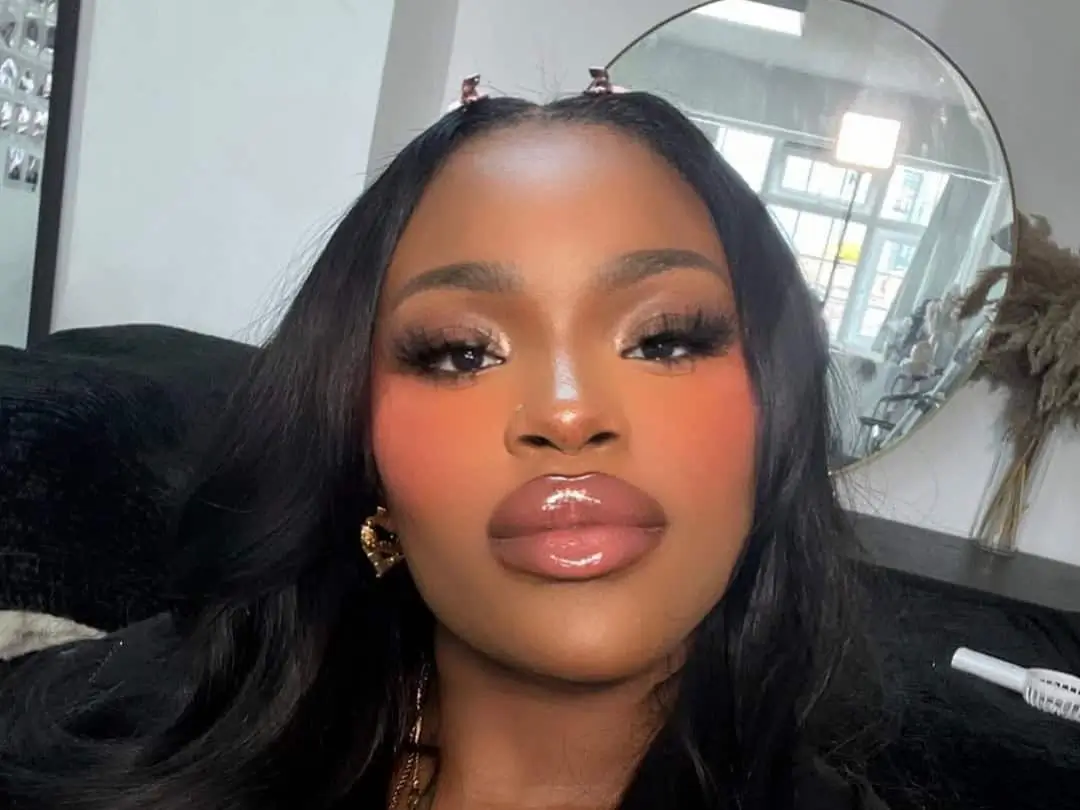
In conversations tied to the broader makeup resurgence (including Marc Jacobs’ flushed runway looks), Edeme emphasizes celebrating Black beauty influences and pushing creative boundaries. She draws from her Nigerian heritage and fine arts background, advocating for whimsy, tincture experimentation, and techniques that enhance natural features rather than masking them. “My goal is always to bring out the glow from within,” she’s shared. Edeme doesn’t claim invention of blush draping but highlights her role in popularizing it for diverse skin tones, especially in high-profile work.
Her perspective adds depth to the Marc Jacobs discussion: in an era of bold, joyful makeup, artists like Edeme represent the innovative, culturally rooted creativity the industry needs. The new MJB collection’s blush sticks and bronzers could align well with her multi-shade layering ethos, though she might critique its shade depth for deeper tones.
straddle
2026 has been a year of comebacks—beauty lovers are revisiting discontinued favorites amid economic pressures and a desire for escapism. Marc Jacobs Beauty enters a crowded prestige space dominated by Sephora exclusives, where packaging and storytelling drive sales as much as show.
Strengths of the relaunch: Strong Coty-Sephora partnership, celebrity seeding, and formulas that deliver on wear and pigment. Weaknesses (per critics like Kilbane): potential dilution of brand DNA and questions around value at $26–$42 versus competitors offering more shades or cleaner credentials.
Consumer reaction on X and Instagram mixes FOMO-driven purchases with thoughtful discourse. Will it recapture the original’s cult status? Early indicators suggest yes for casual buyers, but purists may remain skeptical.
fin
Marc Jacobs Beauty’s return is a testament to the power of fan demand and corporate persistence. It delivers fun, accessible tincture in a polished package—perfect for day coltishness in uncertain times. Yet, as Kilbane posits, it risks missing the deeper emotional connection many sought: a faithful evolution of the originals that felt intimately tied to Marc’s fashion world.
For newcomers, it’s an exciting entry into bold makeup. For veterans, it’s a solid but not transcendent comeback. Whether it becomes a staple or another nostalgia play depends on how the formulas hold up in real life and if future drops address feedback.
In the end, beauty is personal. Swipe on a Joystick blush, layer some Born Star sil, and decide for yourself. The industry—and artists like @paintedbyesther—remind us that the best makeup isn’t about perfect replication but about expressing joy, identity, and creativity in the moment.
Related Articles

Eric Haze Stitches a Nineties Friend Into TOKYO Capsule
Five pieces carry Eric Haze's embroidered tagging for TOKYO No.1 SOUL SET, sold online and in Osaka around the band's Oct 25 BAYCREW'S FESTIVAL set.