DRIFT AUDIO
Listen to this story
Choose a voice, then press play.
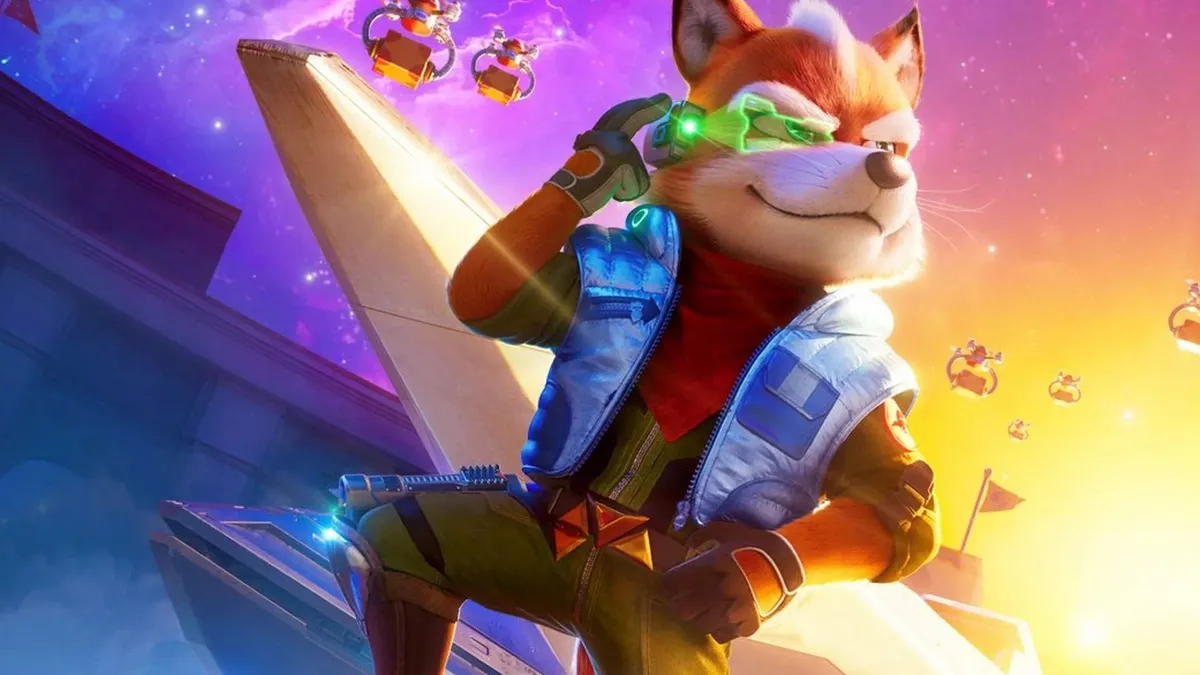
As Star Fox arrives on the Nintendo Switch 2, critics and fans alike joke and bemoan how many times it’s already been remade, or that the whole series is just the same game over and over again. That’s a bit ungenerous—like saying the Zelda games are just the same story (to be fair, that series is essentially about a legend that is retold, but also reinvented each time). Which isn’t to say that this new Star Fox isn’t a remake, because it is specifically a remake of Star Fox 64 (or Lylat Wars as it was known in PAL territories), which was remade previously for the 3DS as Star Fox 64 3D.
Nintendo, of course, is not the only publisher a bit too complacent with reheating its back catalogue, with Halo also getting a remake this summer while Naughty Dog’s done nothing this gen but give its last-gen masterpieces a new lick of paint. But there’s almost an audacity in bringing back Star Fox in 2026. An on-rails shooter where you can roll credits in under an hour is as old-school as you can get, even if this remake’s new cinematic cutscenes will go some way to beefing up the runtime. Of Nintendo’s roster of beloved IPs, it’s perhaps the one that’s most stuck in time.
Yet this would also be rather dismissive of its history and of the fact that Star Fox remains one of Nintendo’s most technologically groundbreaking games. More importantly, it’s one that happened because of talent outside of the Japanese company.
stir
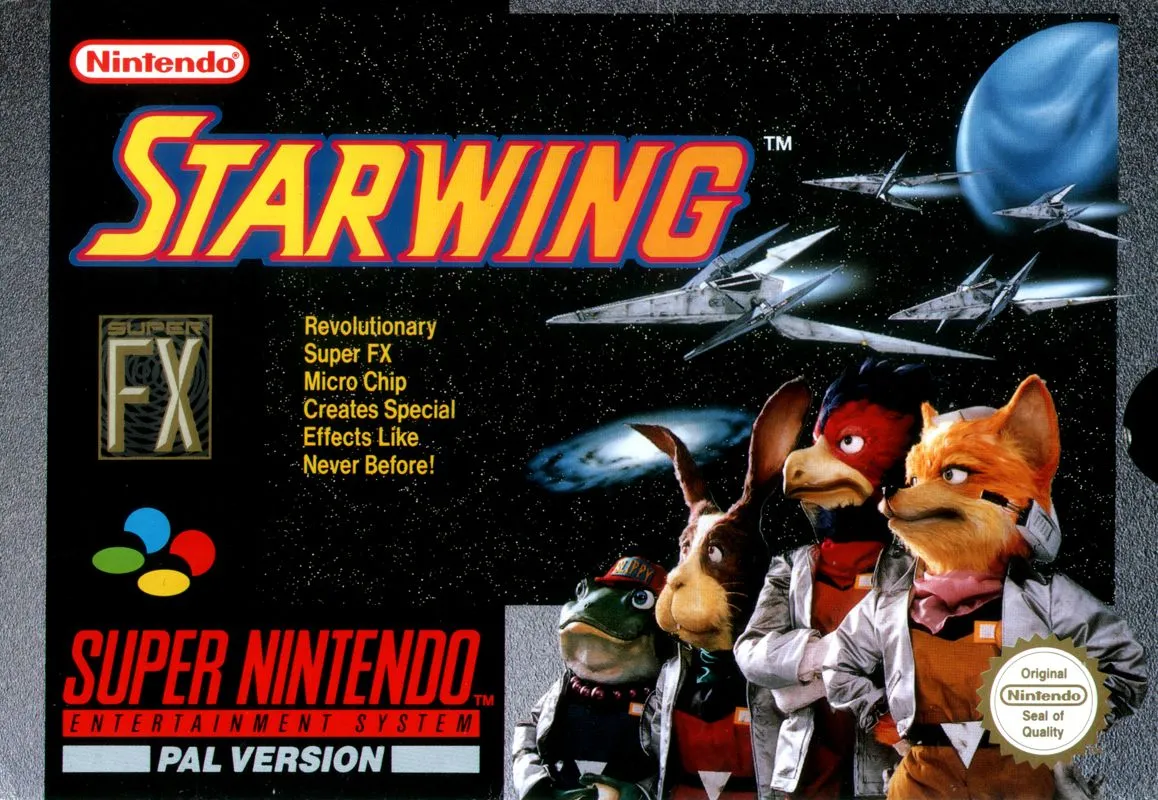
The Star Fox series debuted in 1993 on the Super Nintendo with Star Fox (known as Starwing in Europe). Developed with assistance from Argonaut Software, a British studio, it introduced the Super FX chip—a revolutionary piece of hardware that enabled rudimentary 3D polygon graphics on a 16-bit console. This wasn’t just a technical flex; it was a bold statement. While the industry was still grappling with sprite-based games, Nintendo and its partners pushed polygons into living rooms, paving the way for the 3D revolution that would define the next decade.
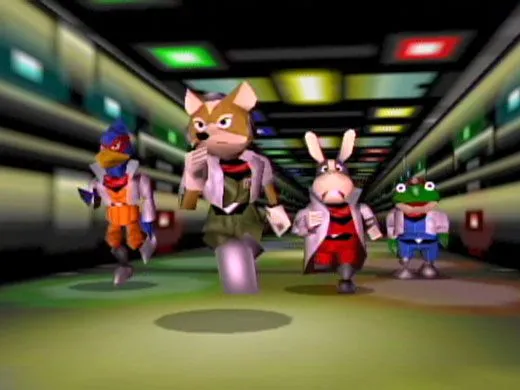
Star Fox 64 (1997) perfected the formula. Built around the N64’s capabilities, it delivered branching paths, memorable boss fights, memorable voice lines (“Do a barrel roll!”), and a sense of cinematic spectacle that felt futuristic. The game wasn’t just a rail shooter—it offered freedom within constraints, multiple routes through the Lylat system, and a compelling (if pulpy) narrative of heroism against the evil Andross. Its influence extended beyond gaming: the all-star voice cast, dynamic camera work, and team banter helped popularize the idea of video games as interactive movies.
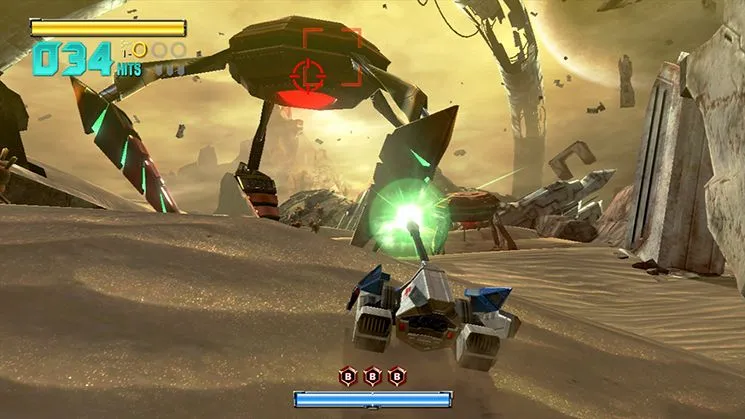
Subsequent entries like Star Fox Adventures (2002), Star Fox Assault (2005), Star Fox Command (2006), and Star Fox Zero (2016) experimented with open-world elements, multiplayer, touch controls, and gyro aiming. Some were beloved, others polarizing, but the core fantasy of piloting an Arwing through blazing dogfights never faded. The series’ relative dormancy since Zero has only heightened expectations—and skepticism—for this 2026 revival.
flow
Developed by Velan Studios and running on a custom Viper Engine, the new Star Fox (releasing June 25, 2026) is no lazy port. It’s a ground-up remake of Star Fox 64 with enhanced visuals, fully voiced dialogue, an epic orchestral soundtrack, expanded level design, and new co-op modes. Early previews praise the faithful yet refreshed gameplay, Joy-Con mouse controls, and 4K docked visuals that make original designer Dylan Cuthbert “choked up.”
New cinematic cutscenes add narrative weight and emotional depth to the Lylat Wars story. Branching paths return with greater variety, and modern quality-of-life improvements make it more approachable without diluting the arcade thrill. Multiplayer and Pilot-Gunner co-op further extend replayability.
Critics calling it “just another remake” miss the point. In an era where many AAA titles stretch to 50+ hours with filler, Star Fox’s tight, exhilarating structure feels refreshing. It’s a masterclass in focused design—every mission purposeful, every barrel roll satisfying.
compare
Nintendo isn’t alone in mining its past. Microsoft’s Halo remakes and remasters keep the Master Chief relevant, while Sony studios like Naughty Dog have leaned on The Last of Us and Uncharted remakes. This strategy isn’t laziness; it’s smart business in a high-risk industry. Remakes introduce classics to new audiences on modern hardware while leveraging nostalgia for established fans.
Zelda thrives on reinvention within familiar tropes. Mario iterates endlessly yet feels fresh. Star Fox, with its fixed on-rails core, invites more scrutiny—but that core was groundbreaking. The 1993 original pushed hardware limits. Star Fox 64 refined arcade excellence. This 2026 version leverages Switch 2’s power for visual fidelity and accessibility that previous entries couldn’t achieve.
External talent has always been key. Argonaut’s work on the original, Rare’s influence on Nintendo’s ecosystem, and now Velan Studios’ contributions highlight connective innovation. Nintendo excels at partnering with studios that bring fresh perspectives while respecting the source.
impression
Star Fox’s true importance lies in its role accelerating 3D gaming. The Super FX chip influenced everything from Doom to modern engines. Its character designs—anthropomorphic animals piloting high-tech fighters—blended sci-fi with approachable charm, appealing across demographics.
The series fostered community through score-chasing, multiplayer, and memes (“Do a barrel roll!” remains iconic). It inspired fan art, cosplay, and even real-world aerospace interest. In a broader cultural sense, Star Fox represents optimism, teamwork, and daring against overwhelming odds—values that resonate in 2026’s uncertain world.
Remakes like this one keep those values alive for new generations. Switch 2’s hybrid nature makes Star Fox perfect for portable dogfights or living-room spectacles. New players discovering Fox McCloud for the first time will experience the same thrill veterans felt decades ago.
stance
Yes, the on-rails formula is retro. But so are many beloved experiences—Tetris, Pac-Man, fighting games. Constraints breed creativity. Star Fox’s linearity allows for perfectly choreographed set pieces, escalating difficulty, and pure adrenaline. Modern additions like cinematic storytelling and co-op address longevity concerns without betraying the essence.
Nintendo’s “audacity” is actually confidence. In a market flooded with live-service games and open-world behemoths, a polished, focused shooter stands out. Success here could greenlight new entries, perhaps blending rail-shooter purity with fresh mechanics.
fin
This remake isn’t the end but a potential rebirth. Strong sales and positive reception could lead to sequels expanding the Lylat universe. Imagine new planets, deeper character arcs, or even VR integration on future hardware.
For now, it reminds us why Star Fox endures: exhilarating gameplay, memorable characters, and a legacy of pushing boundaries. Dismissing it as repetitive ignores how each iteration reflects its era’s technology and audience.
As Switch 2 launches into 2026, Star Fox soars again—not as a relic, but as a testament to Nintendo’s willingness to honor its past while inviting new pilots into the cockpit. Do a barrel roll, indeed.
n
From the DRIFT archive: A Brick-Built Resurrection: LEGO × Nintendo Game Boy
Related Articles

Miffy Gets Her Ceremony Best: United Arrows Dresses Dick Bruna’s Rabbit for KIDDY LAND’s 80th
A Miffy mascot in United Arrows’ formal-occasion wardrobe, and a pouch where she peeks out […]