DRIFT AUDIO
Listen to this story
Choose a voice, then press play.
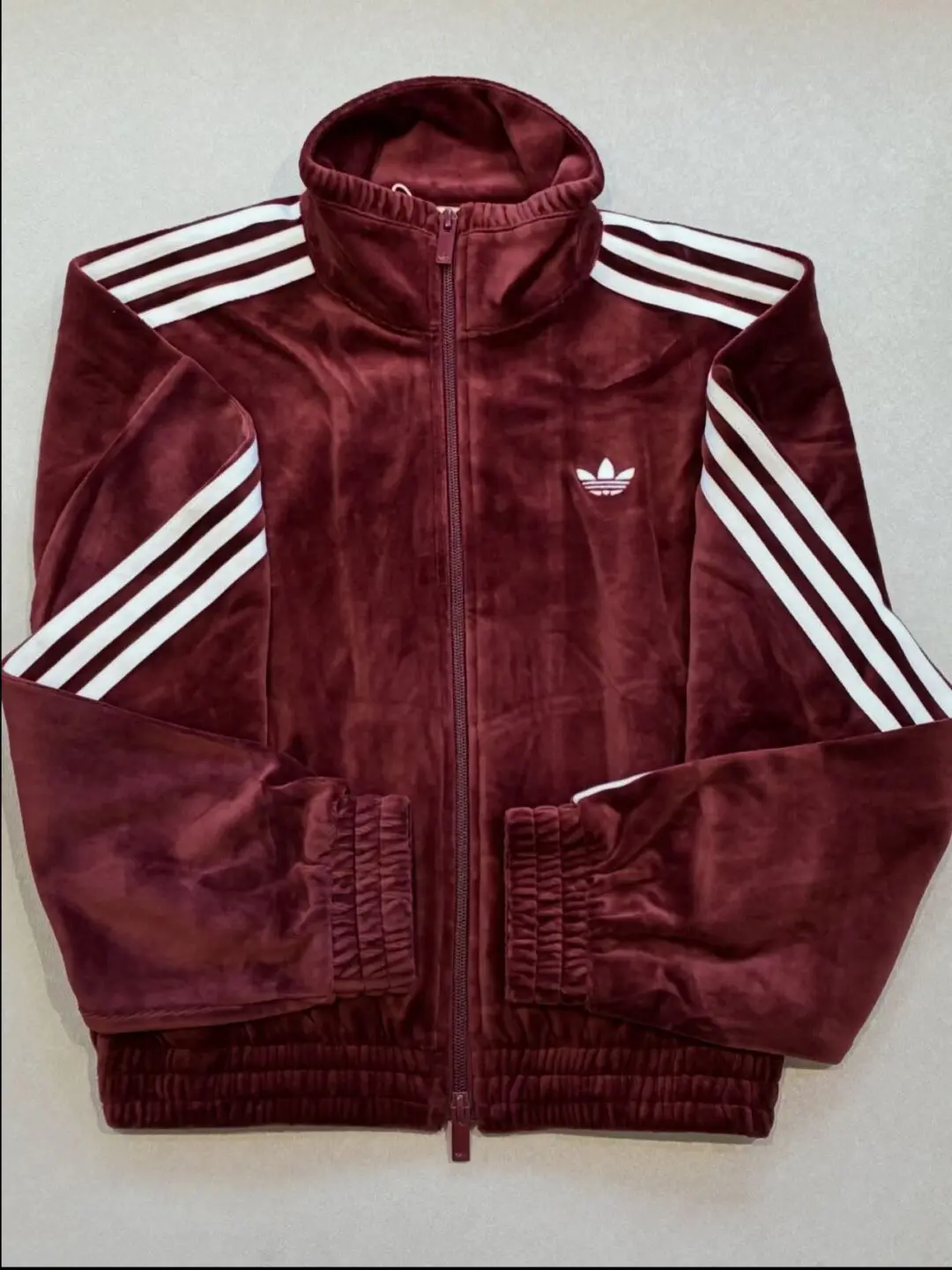
Three colors, one plush knit and no date yet. A velour zip-up sweatshirt is heading into the adidas Originals pipeline as the brand’s apparel run keeps climbing.
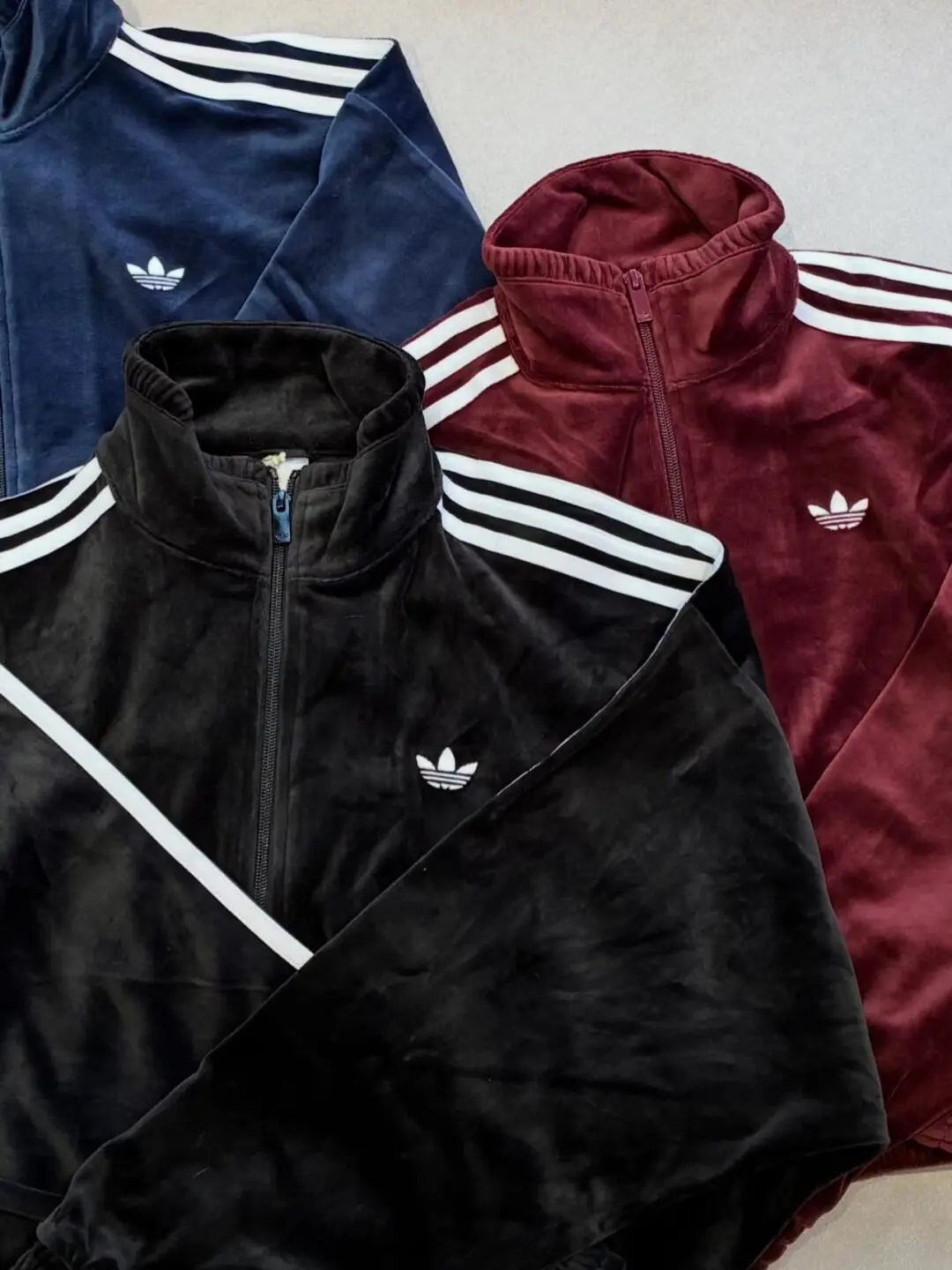
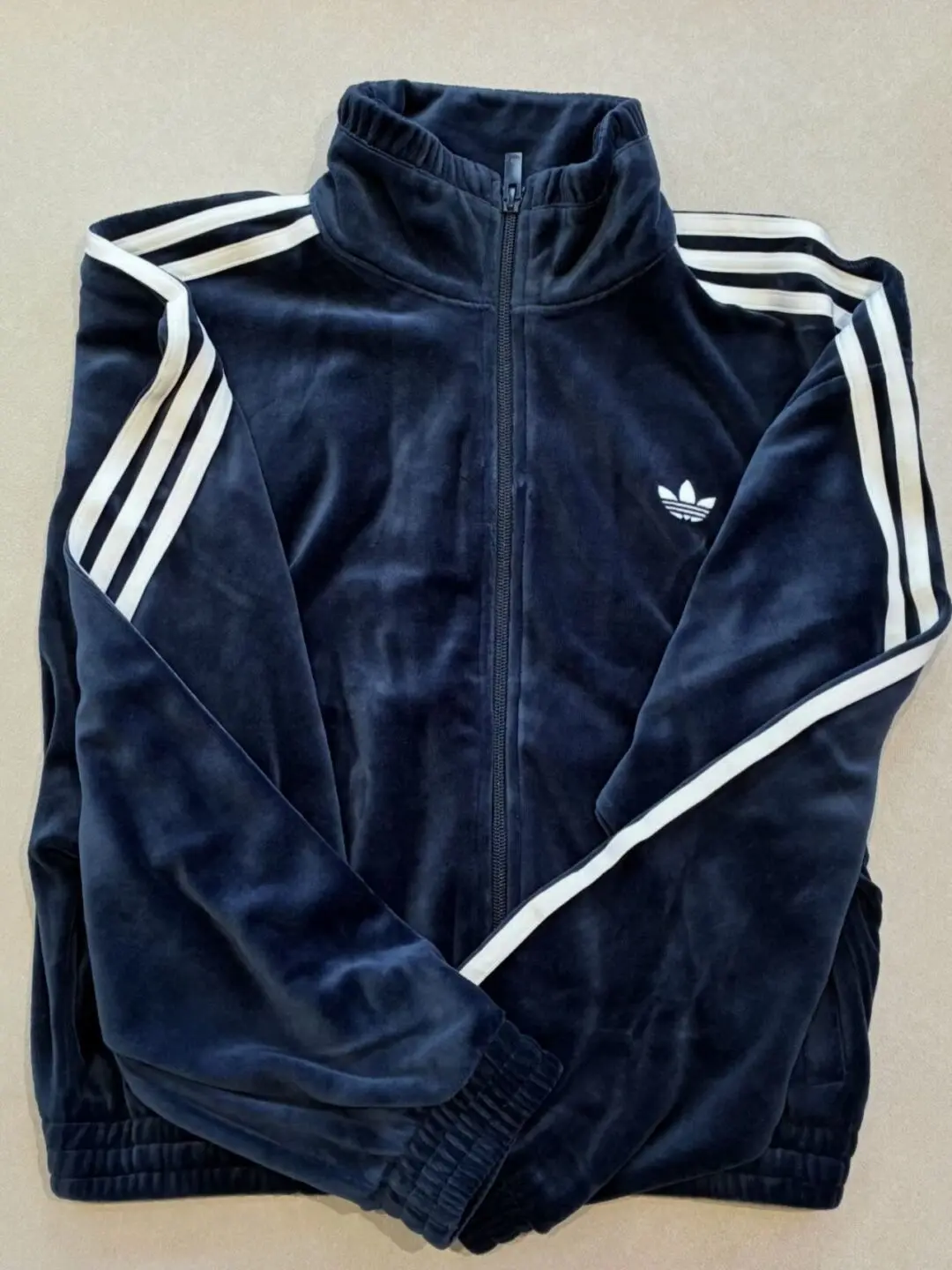
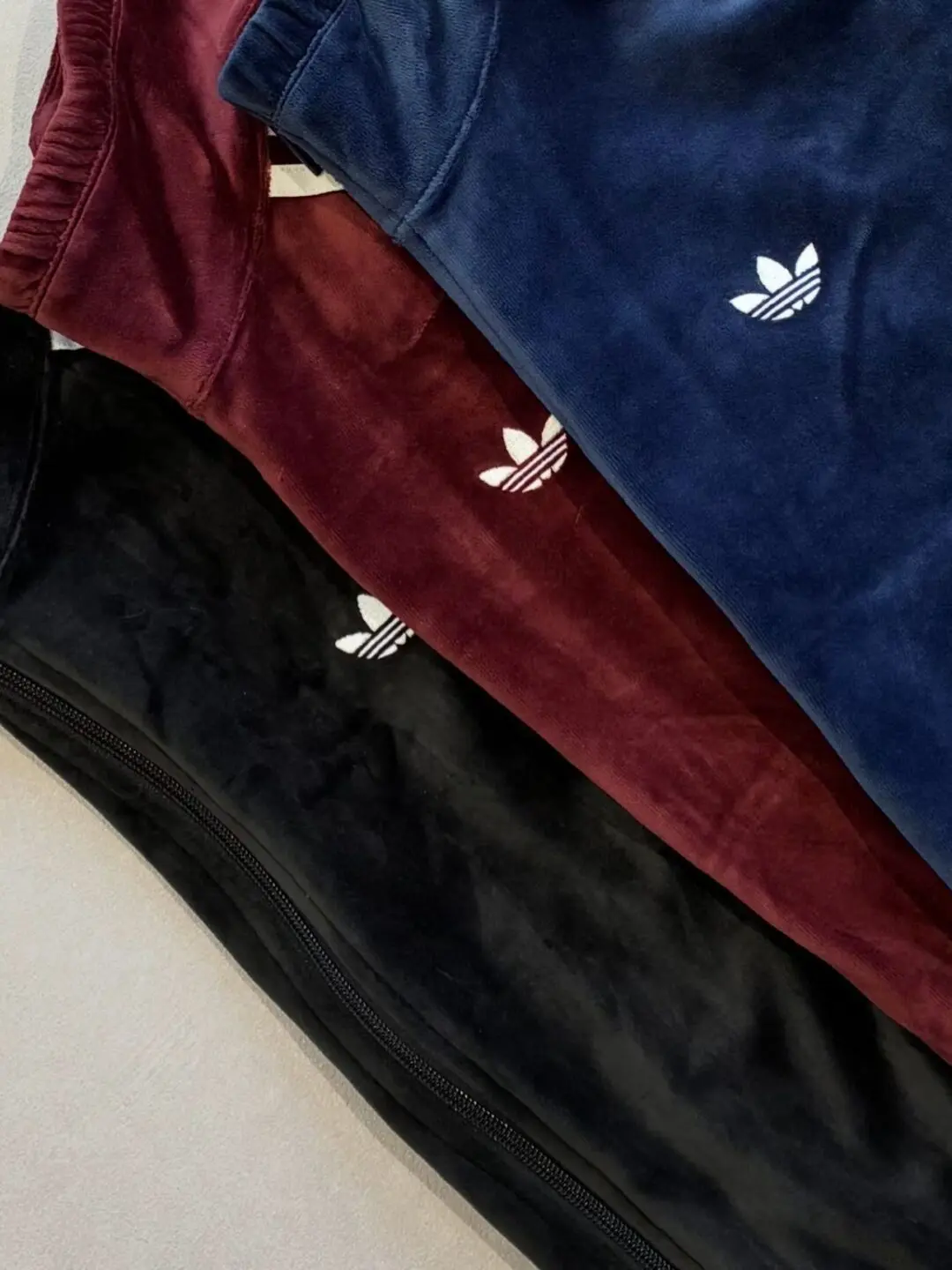
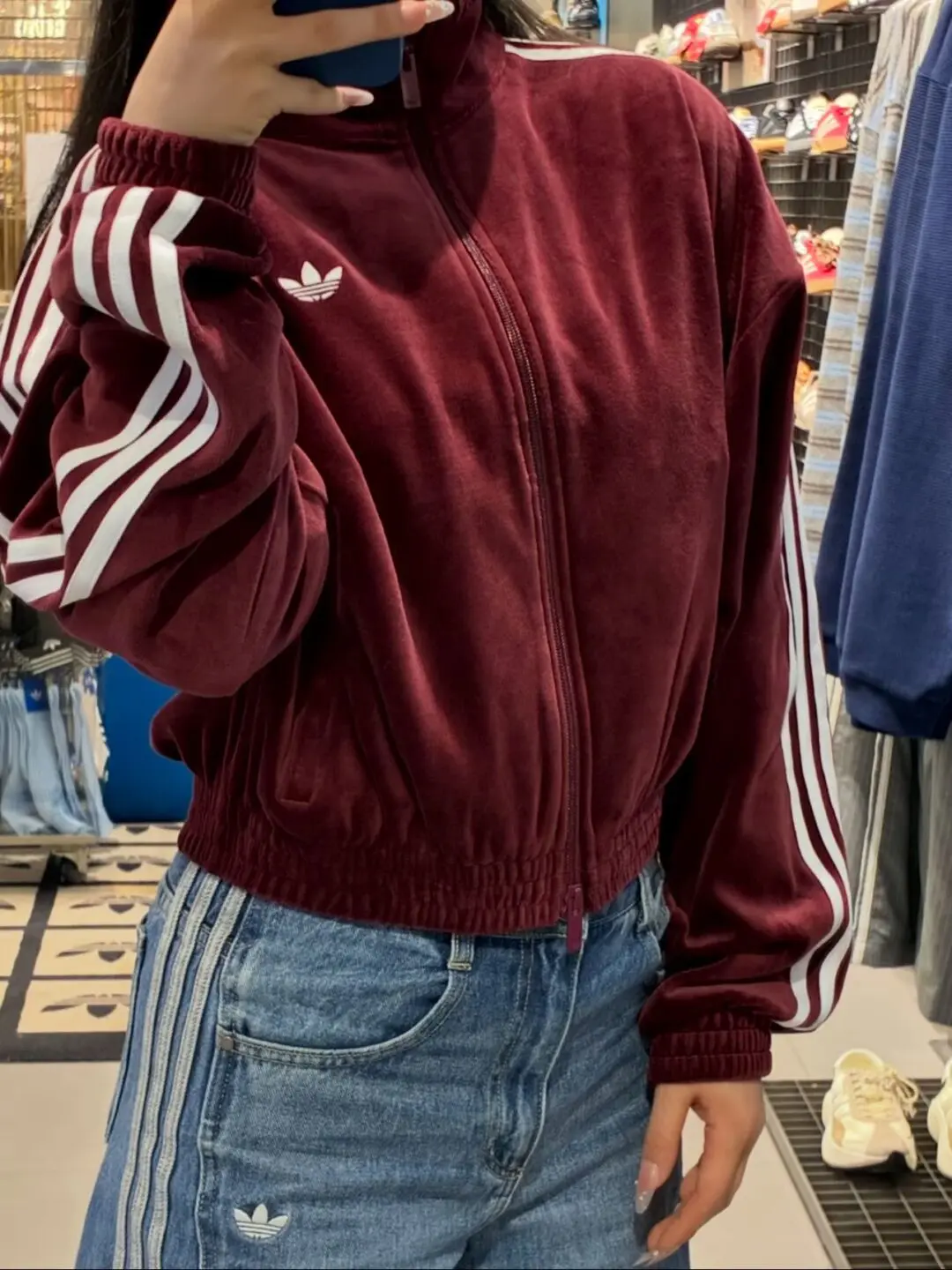
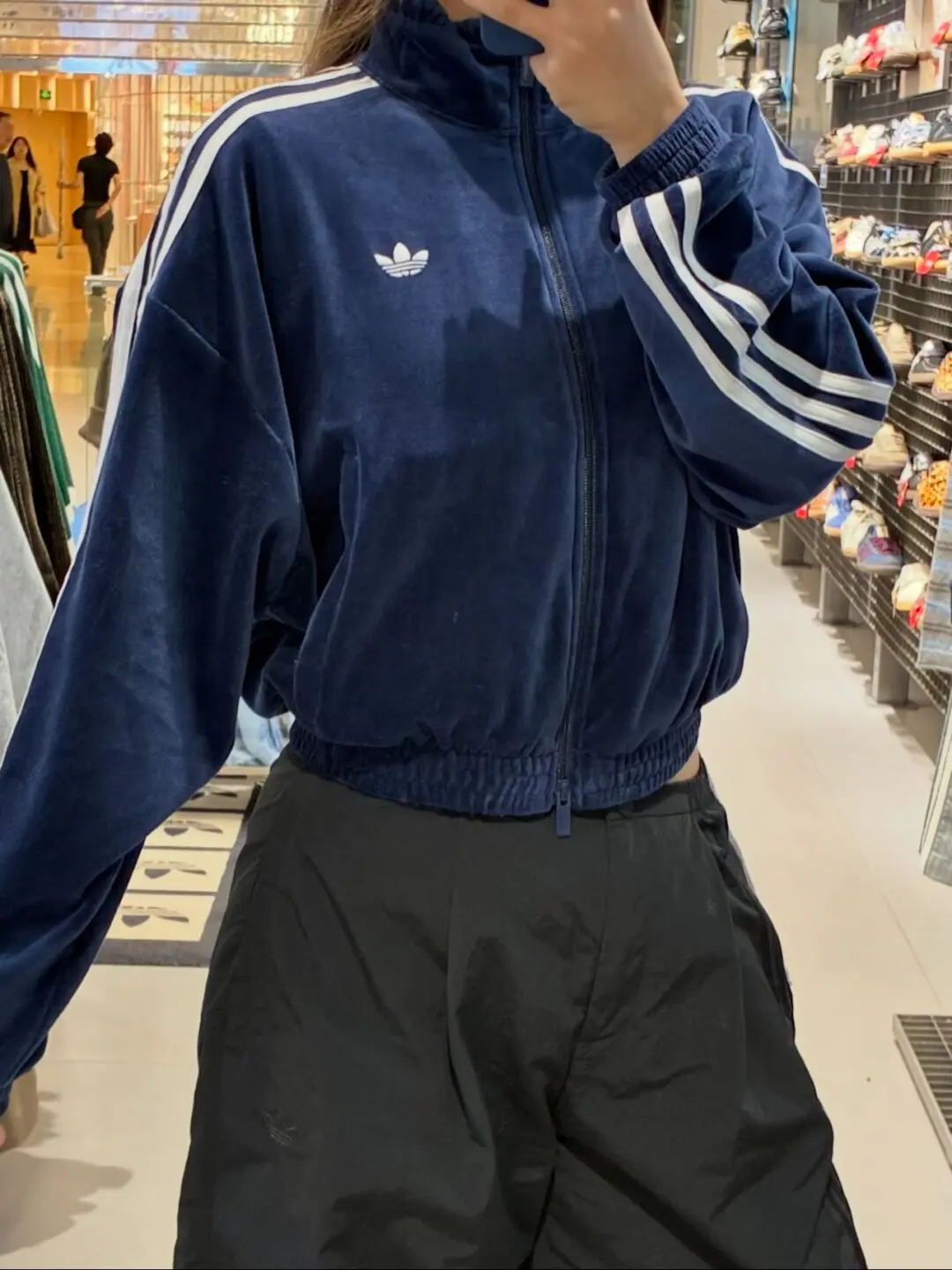
The first look arrived on a quiet Sunday in early October, with no launch date, price tag or product code attached. A Japan market release notice published on October 4 lists an adidas Originals “Velour Zip-Up Sweatshirt” as an upcoming 2026 release, cut from velour and offered in three hue: black, navy and burgundy. That is close to the entire public record so far. Nothing matching the name has appeared on adidas’ own storefronts, no retailer has posted an allocation, and the garment sits in the familiar pre-release stage where a color list and a handful of preview photographs do most of the talking.
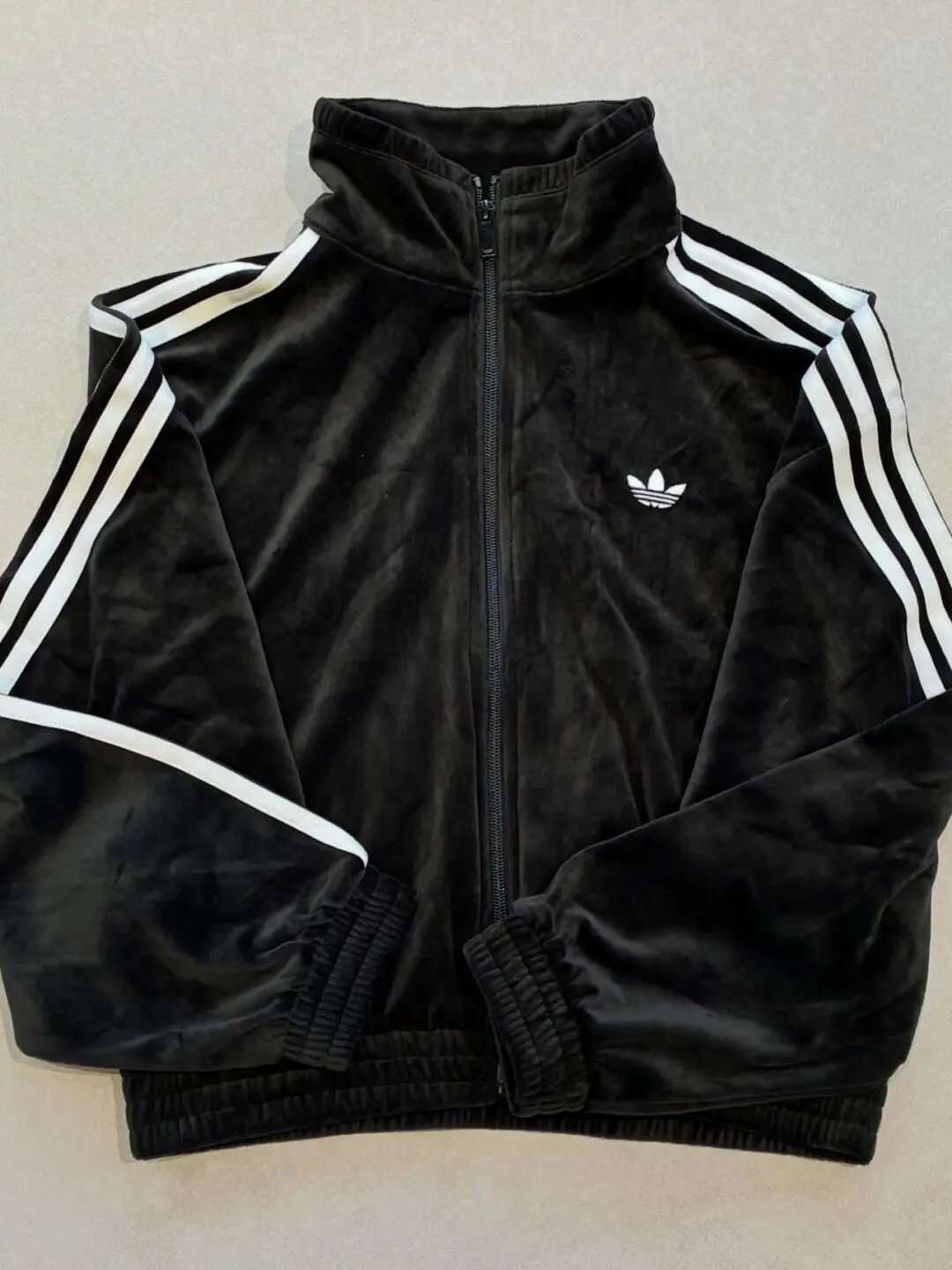
Signal. What happened: an adidas Originals velour zip-up sweatshirt surfaced as an upcoming release in a Japan market release notice on October 4, 2026. Exact object: the “Velour Zip-Up Sweatshirt,” a zip-front velour top in black, navy and burgundy, with no style code, price or confirmed official adidas product name at the time of writing. When and where: tagged for 2026 with no release date, retailer list or regional schedule confirmed, first surfacing in the Japan market. Source: a Japan market release notice dated October 4, 2026, not yet corroborated by adidas. Why it matters: Originals apparel grew at a double-digit rate in adidas’ record second quarter on the back of new materials applied to familiar silhouettes, and velour is one of the oldest materials in that playbook. Earlier : coverage of the Simone Rocha x adidas Originals FW26 release, the adidas Handball Spezial Loafer and the KITH x adidas Samba “Denim.”
The name deserves a second look. adidas usually files its velour zips under “track top,” as with the Firebird velour track top listed at ¥14,300 in Japanese retail, so a release billed as a sweatshirt could point to a different build: a heavier body, a ribbed sweatshirt hem, or a neckline that departs from the stand-up collar of a classic track jacket. None of that is confirmed. It is equally possible that the English label is a working description rather than adidas’ eventual retail title, and that the finished product will reach shelves as another track top. Until adidas Originals adds the piece to its sweatshirt range with a proper product page, construction remains an open question rather than a spec sheet.
stir
Velour is easy to mistake for velvet in a photo and hard to confuse once it is worn. It is a plush knitted fabric with a medium pile, shorter than velvet and longer than velveteen, and because it is knitted rather than woven it stretches and recovers the way a sweatshirt needs to. It can be made from cotton, polyester, spandex or a blend, which explains why it has spent most of its life as a working fabric for upholstery, loungewear and athletic warmups rather than as a luxury cloth reserved for evenings out.
The material is older than sportswear by centuries. Its origins trace to France, and the word turns up in English household accounts as early as 1591, when a Norfolk estate paid two shillings for half a yard to trim a pair of sidesaddles. For most of that history velour was the cheaper cousin of velvet, durable enough for furniture and inexpensive enough to reach households across economic classes. That accessibility is part of why it moved so easily into clothing built for day movement.
Its sportswear chapter began in earnest in the 1970s. By the end of that decade velour had become the most widely used fabric on tracksuits, and the look carried straight into the early years of hip-hop style, where plush sets with contrast stripes were worn as deliberately as shoe. The fabric returned in the 2000s through paparazzi-era matching sets before drifting back toward loungewear. What has changed in the 2020s is less the fabric than the frame around it: velour now sits inside heritage sportswear lines as one material option among several, swapped into recognizable silhouettes the way a sneaker brand swaps suede for nylon.
That swapping logic is what the new zip-up appears to follow, and the dark palette suits it. Velour’s pile catches light in a way flat fleece never does, so black can read almost liquid, navy shows a faint sheen along the folds, and burgundy, the most assertive of the three, changes tone with every shift in the direction of the nap. A sweatshirt in plain French terry depends on its cut and graphics. A velour one gets much of its character from the way its surface behaves as the light changes.
flow
adidas did not begin as a clothing company, and the tracksuit is the reason it became one. In the early 1960s the company’s product list was almost entirely footwear, with a few bags. By the middle of the decade Adi Dassler was weighing the potential of sports clothing, and his son Horst was already experimenting with garments in the French market. The obstacle was production. The company’s home base in Herzogenaurach could make leather shoes by the thousand but had no capacity for garments, so Dassler turned to the German textile manufacturer Georg Schwahn to develop a warmup suit in a nylon and wool mix, with a central zip, heel loops on the trousers and three stripes running down the arms and legs.
Production began at the Schwahn factory in 1966, and the first models reached the market in 1967 under plain working names such as Inform and Super. Marketing from that year sold them on quality, fit and tasteful three-stripe decoration, and noted that demand was already strong. The garment gained a face soon after. Franz Beckenbauer, then one of the most celebrated footballers in Europe, lent his name to a style, and the Franz Beckenbauer track top became the template adidas still returns to across Originals. In France, Horst Dassler was already pitching tracksuits to families as something comfortable to wear in their free time, a move the company now frames as an early version of athleisure. Schwahn’s production business was eventually absorbed into adidas itself, becoming part of its German manufacturing base.
Munich in 1972 widened the story. adidas produced a women’s tracksuit named after one of Germany’s track and field stars of those Games, along with home team uniforms whose colors drew on the official mascots, and, despite the nylon shift the tracksuit had started, those Olympic suits were made in pure virgin wool. The Games also introduced a new mark. Concerned that three stripes alone were not visible enough on the new apparel, adidas launched the Trefoil as a logo designed to stand out on a track top, presenting it as a new adidas mark for quality and authenticity. Decades later it became the emblem of the heritage line, and adidas Originals has reserved the Trefoil for heritage products since 1997.
The American chapter is where three stripes and plush fabric became cultural shorthand. The jogging craze of the 1970s gave tracksuits a suburban audience, letting ordinary runners dress like their athletic idols. The 1980s gave the tracksuit authority. When Run-DMC released “My Adidas” in 1986, the group wore its adidas tracksuits as a uniform, and the trio from Hollis Avenue in Queens soon became the first hip-hop group to receive a million-dollar endorsement deal when adidas signed them. That agreement set the pattern for the music and sportswear partnerships that followed, and it tied the three stripes to hip-hop for the decades after.
Velour runs through that era rather than through one specific garment. Plush tracksuits were the fabric of choice for a generation of hip-hop dressing, and the combination of three stripes and a soft, slightly shiny pile became a reference point adidas has returned to in Originals collections ever since. A 2026 velour zip-up, whatever its final retail name, descends directly from that pairing.
why
The business case sits in adidas’ own numbers. In the second quarter of 2026 the company recorded net sales of €6.7 billion, the highest quarterly figure in its history, with currency-neutral revenue up 14 percent and apparel up 35 percent. Football did much of the lifting around the World Cup, but Originals apparel also grew at a double-digit rate, and adidas tied that growth to the way it expanded its Firebird and adicolor ranges through updated materials and prints, singling out satin, polka dots and florals.
Read against that line, a velour zip-up looks less like a surprise than a continuation. The strategy is to hold the silhouettes steady and change what they are made of, and velour has a longer history inside adidas apparel than satin or florals. The calendar fits as well. Plush knits belong to autumn and winter, and a release tagged for 2026 that surfaces in October lines up with the cold-weather window.
The footwear side of the same report shows why clothing is carrying more weight. Lifestyle revenue rose only 2 percent in the quarter and footwear overall grew 1 percent, with adidas deliberately limiting how much lifestyle sneaker stock it sold into a market it described as highly promotional. Direct-to-consumer sales, by contrast, grew 25 percent, with e-commerce up 27 percent. Apparel is where much of the brand’s current growth is coming from, and Originals clothing gives it room to rotate fabrics quickly inside shapes people already recognize.
Japan is a meaningful part of that picture. adidas reports Japan and South Korea together, and the two markets grew 18 percent combined in the quarter. The company also pointed to a more localized approach, with more products designed around local needs and local culture, which makes a Japan-first sighting like this one less unusual than it might look.
View this post on Instagram
three
Black, navy and burgundy is a restrained trio, built for the season rather than for attention. Black is the default, the color most likely to be worn as a standalone layer over denim or tailored trousers. Navy is the most traditionally athletic of the three and the shade that most easily pairs with matching pants, should adidas release any. Burgundy is the outlier, and velour flatters it more than almost any other color because the pile deepens it and adds movement as the wearer does.
There is a practical logic too. Pile fabrics crush and shade with wear, showing pressure marks and directional changes in the nap, and darker colors tend to disguise that better than pale ones. For a garment meant to be worn as a sweatshirt rather than saved for a matching set, that durable of appearance matters.
The piece also joins a crowded rail. Velour already runs through the Originals line in Japan, and the Firebird velour track top gives a rough sense of where a zip-front velour piece sits in the market there. Without an adidas listing, though, there is no confirmed yen figure for the new release, and comparisons only go so far while its construction remains unknown. A sweatshirt build with a heavier body could land above the track top. A lighter one could land beside it.
fin
The confirmed part is narrow but concrete: a velour zip-up, three dark shade and a 2026 tag, surfacing in the same year Originals apparel posted double-digit growth inside adidas’ record quarter. When a product page goes live, the name, price and construction will either confirm the sweatshirt reading or fold the piece back into the long line of adidas zip tops that started on a Schwahn production floor in 1966.
Related Articles
MoMA’s Starry Night BE@RBRICK 1000% Wraps Van Gogh’s Sky Around a 70cm Bear
In 2021 MEDICOM TOY and MoMA printed Van Gogh’s swirling 1889 sky across a 70cm […]