Alexei Mikulin: Sculpting Memory in Plasticine and Cardboard

May 29, 2026
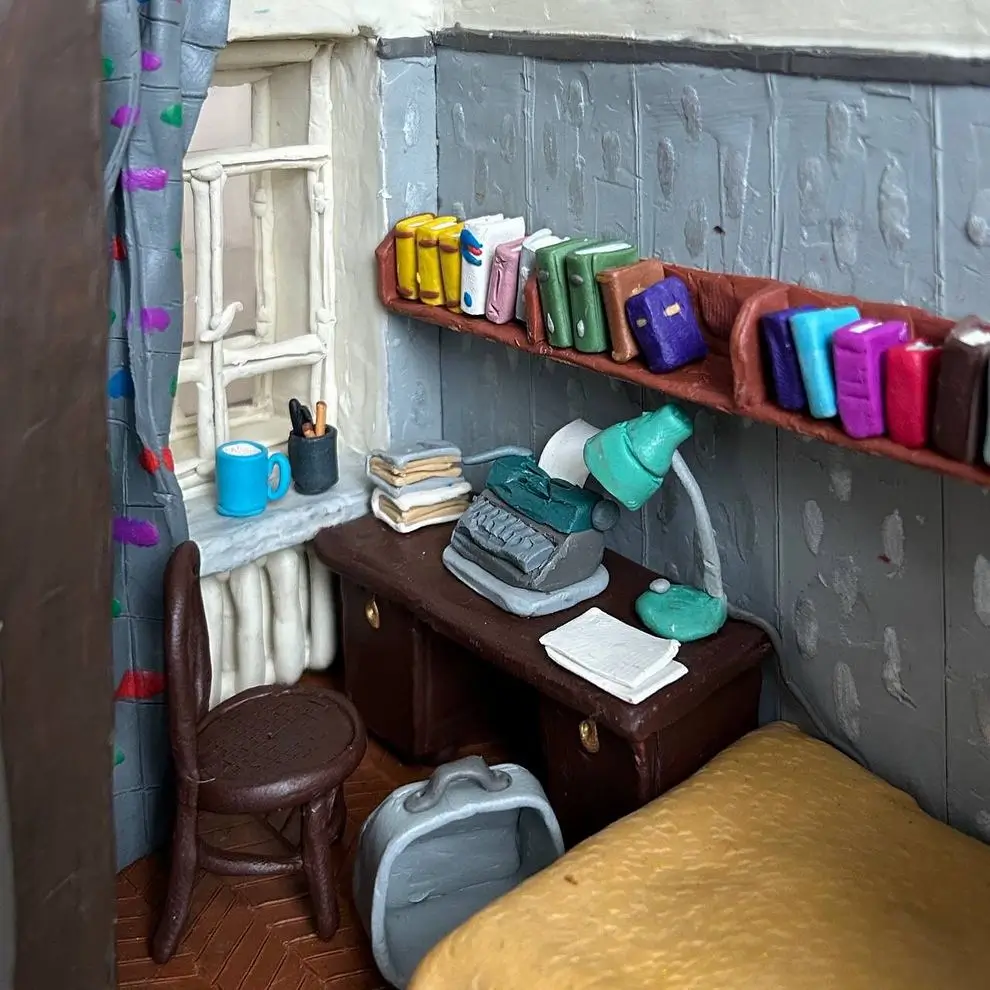
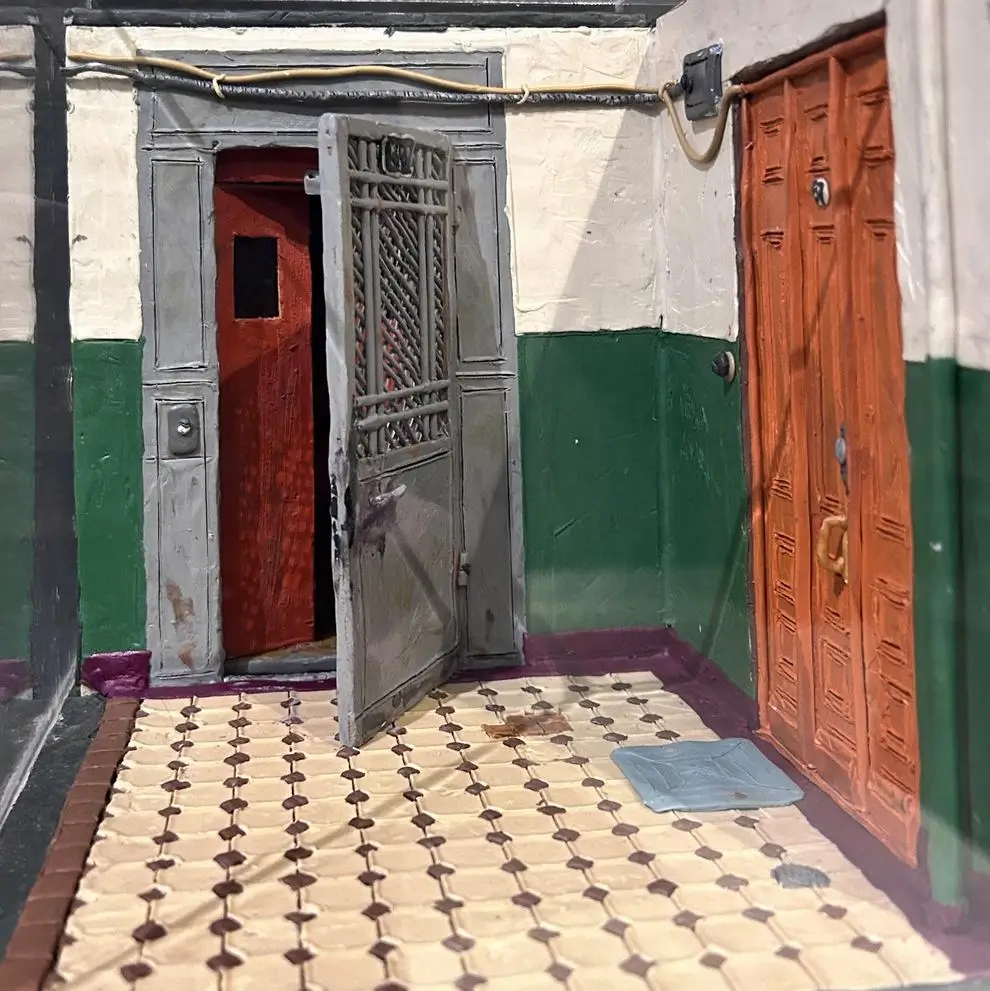
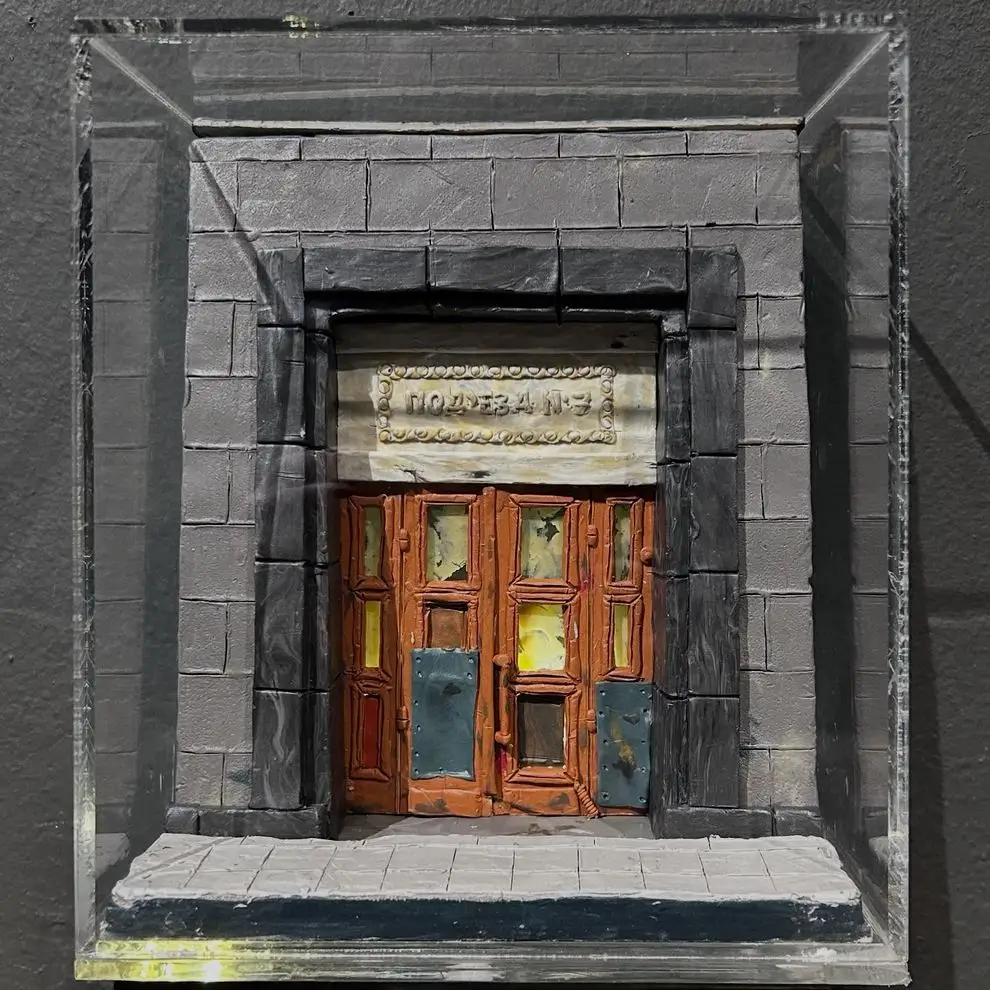
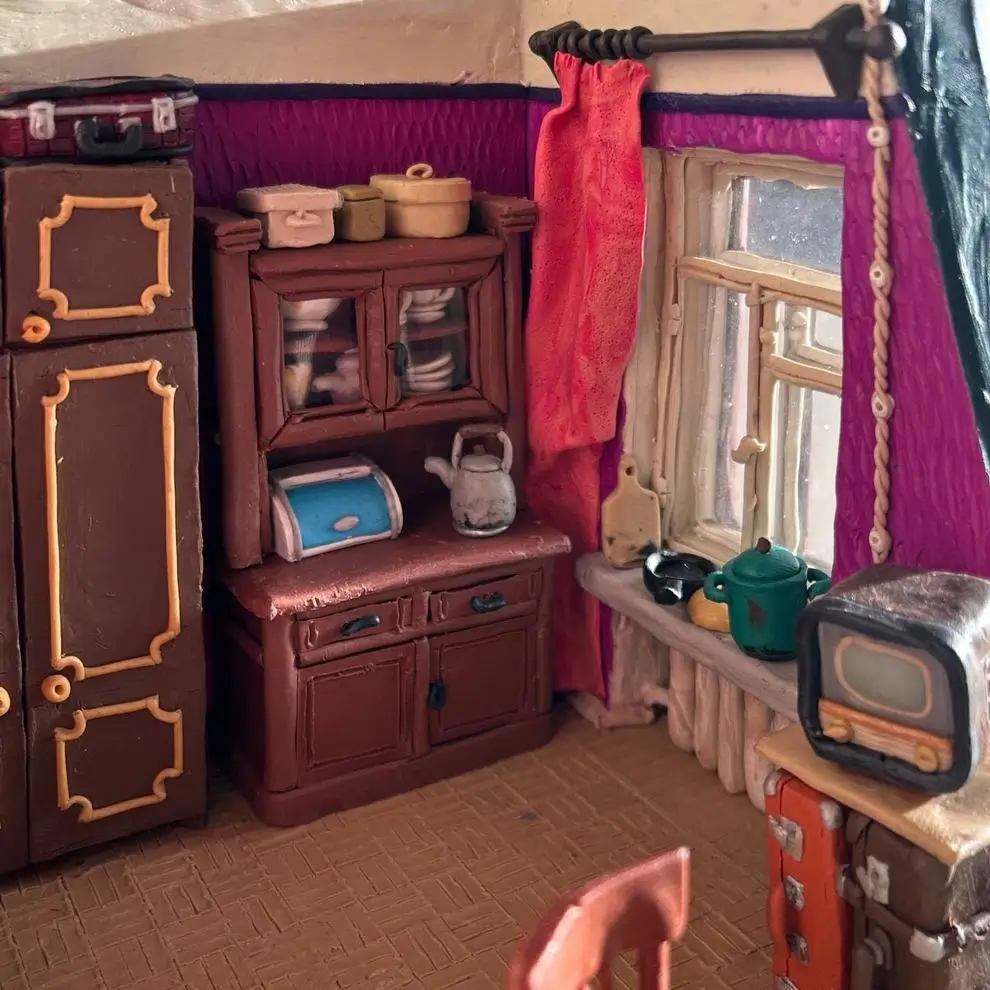
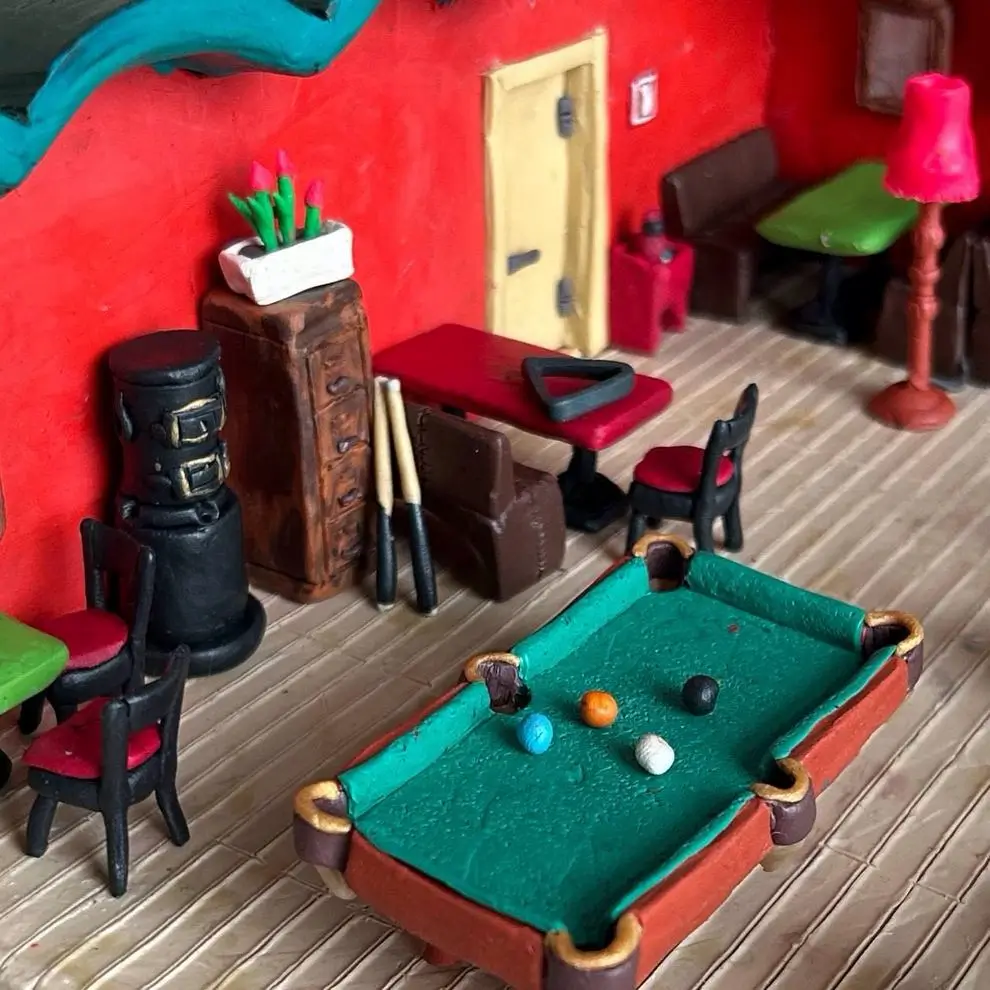
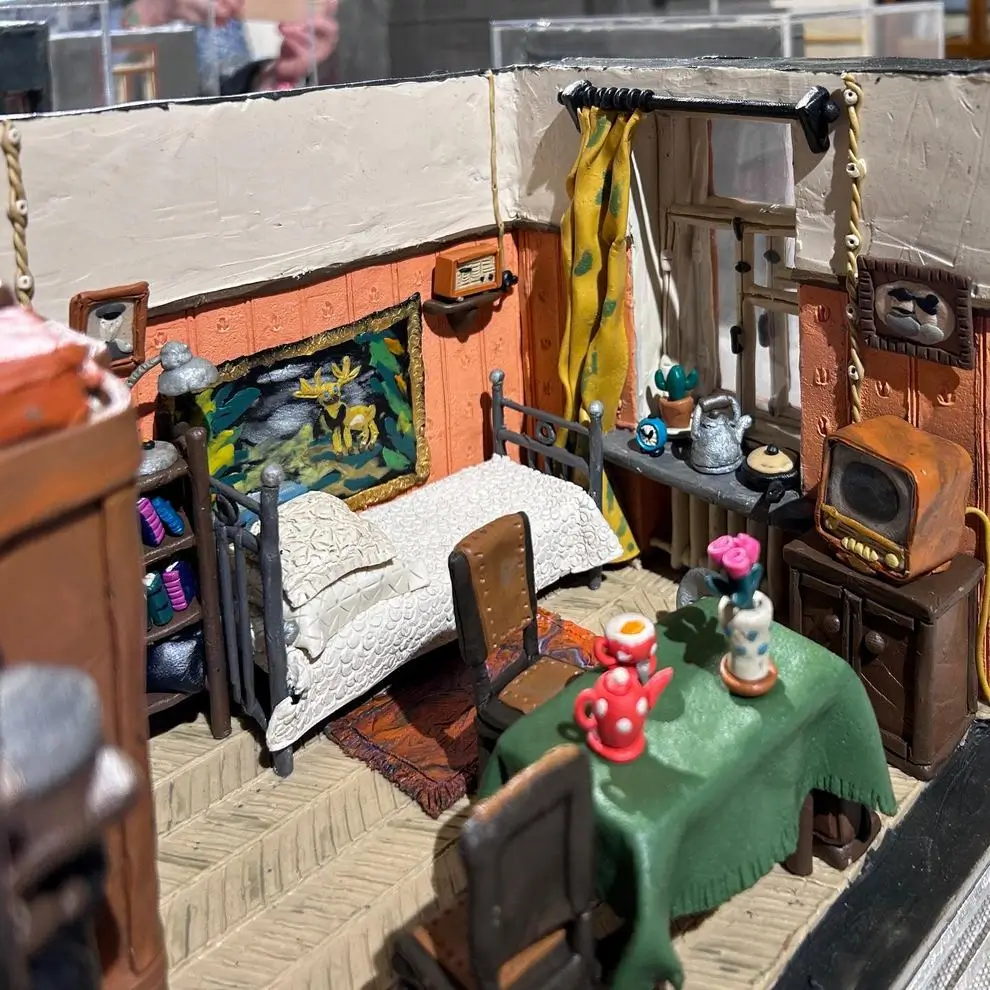
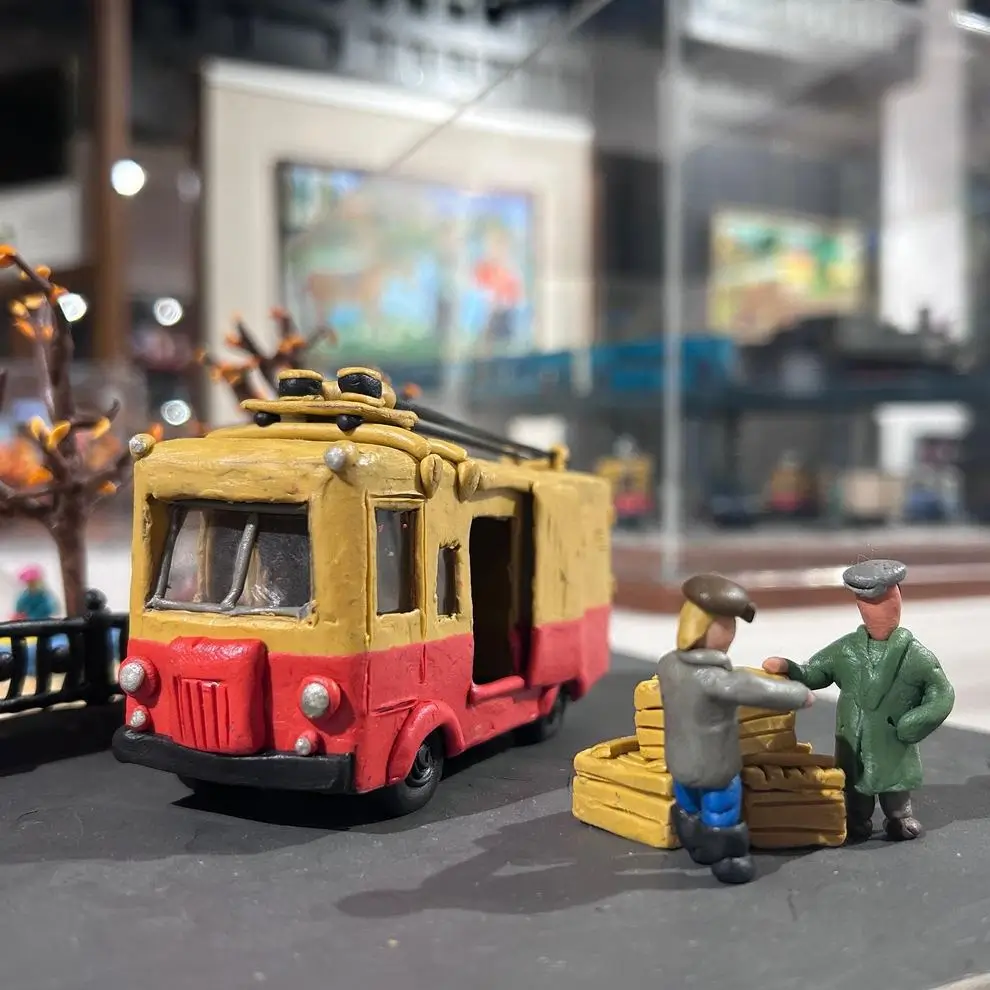
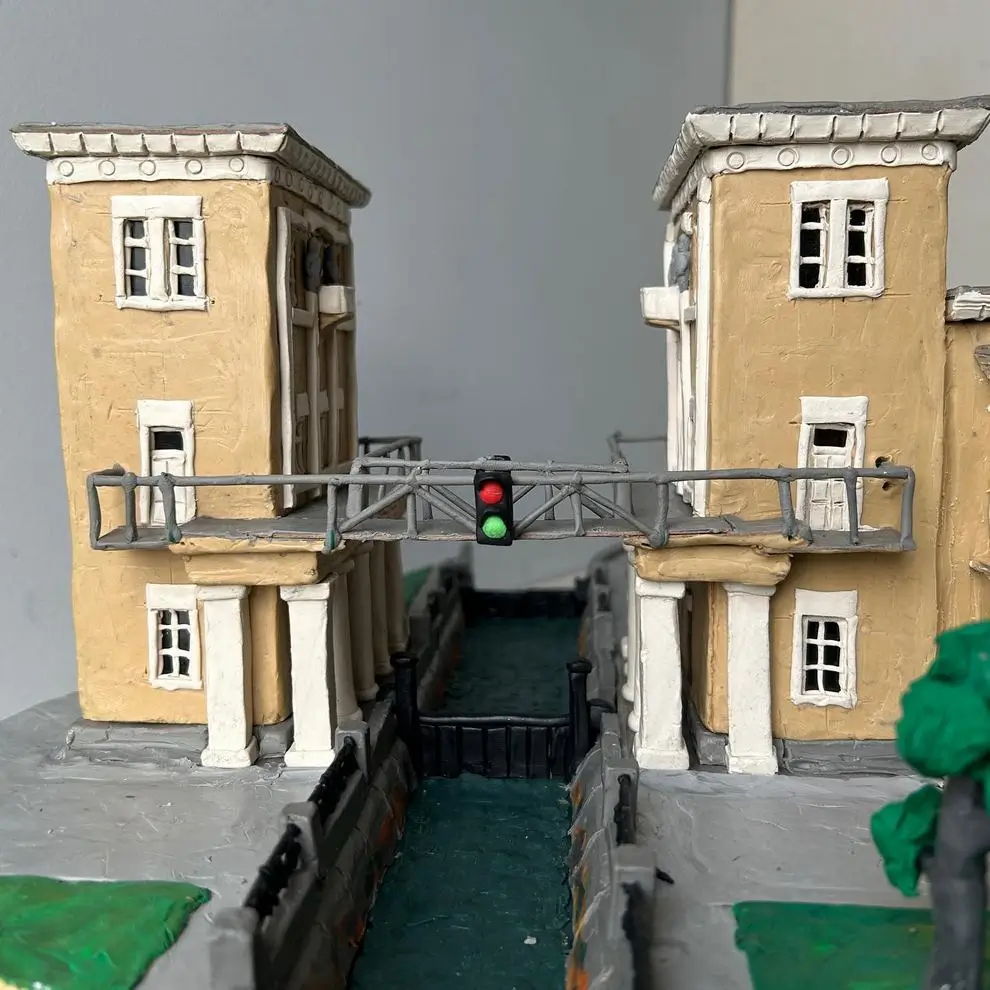
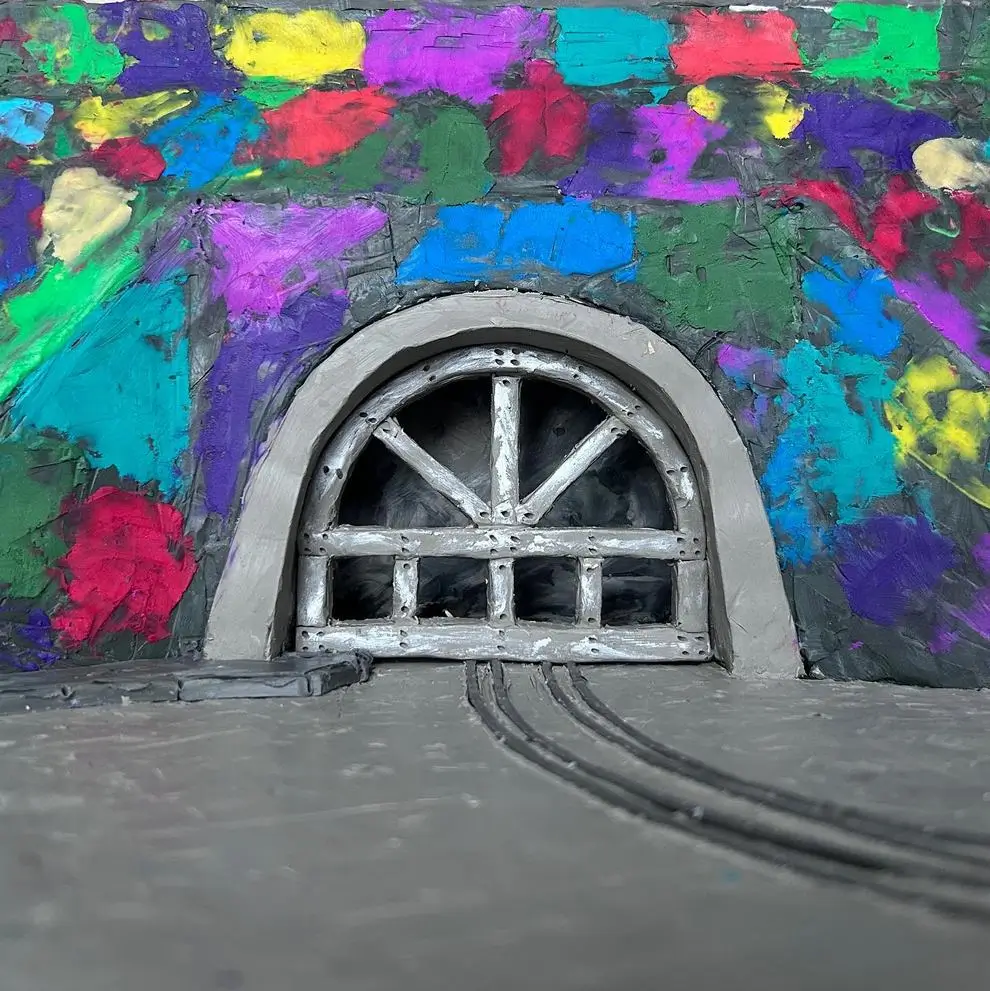
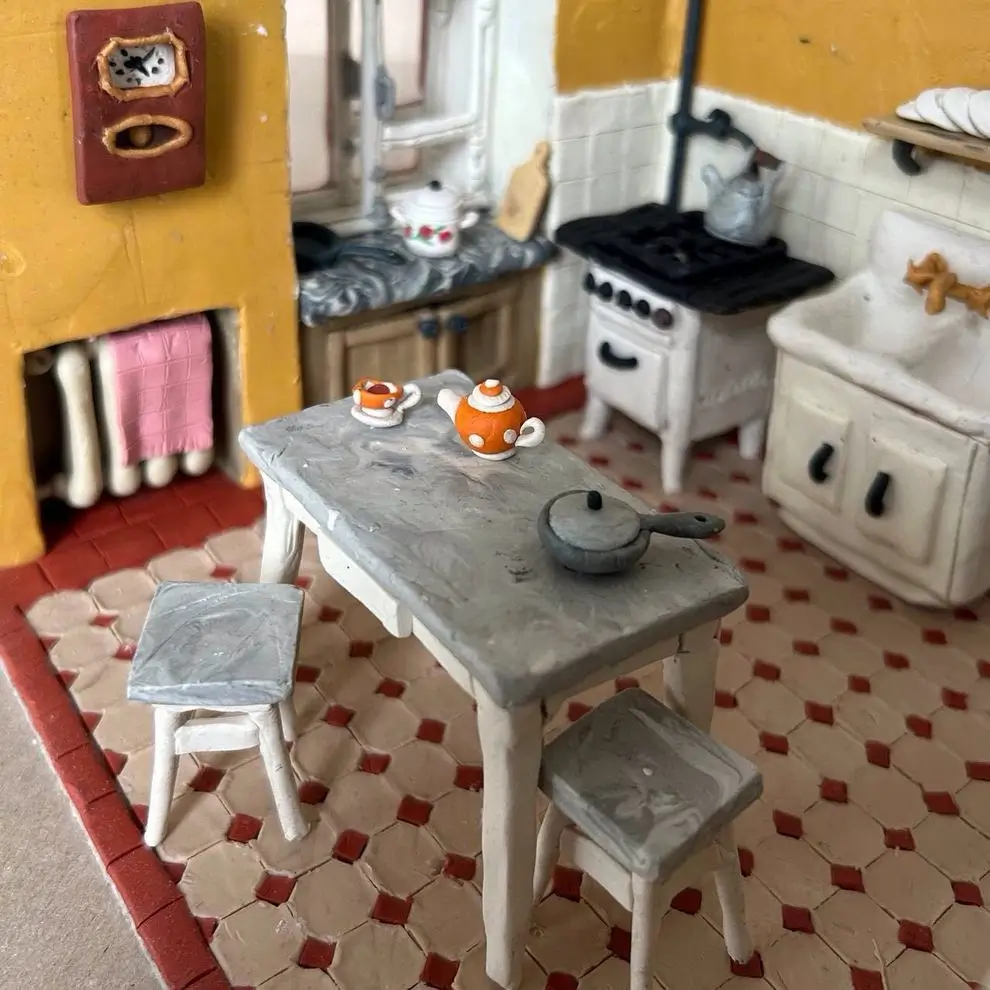
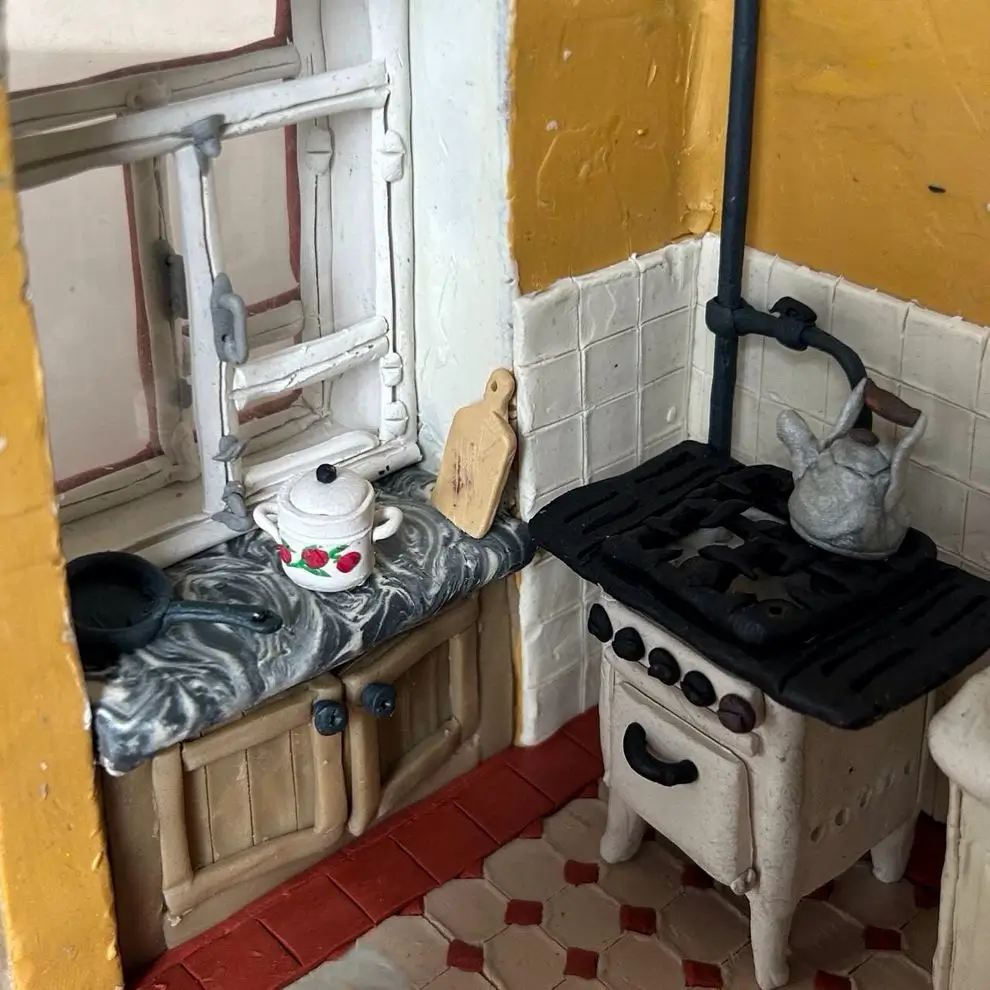
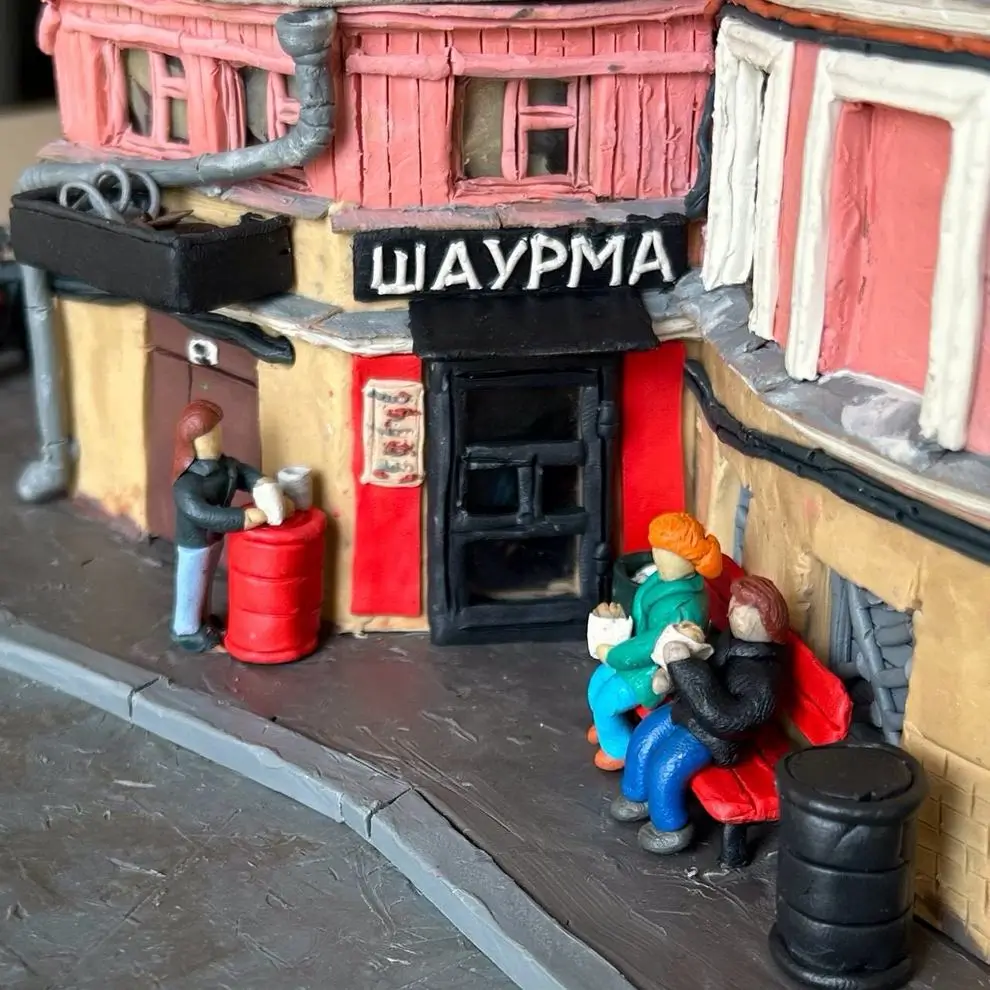
Alexei Mikulin is a Russian sculptural artist whose work is built from plasticine, cardboard, and miniature diorama-like compositions. His pieces often depict day Moscow scenes—streets, shops, galleries, and small urban moments—rendered as hand-built objects with a strong sense of narrative.
Mikulin’s work feels like a model of remembered city life, where the ordinary becomes collectible and slightly theatrical. The materials themselves matter: plasticine and cardboard keep the images tactile, modest, and view handmade. That gives the work a charming balance of naivety, precision, and local storytelling.
Born and raised in Moscow, Mikulin spent the first thirty years of his life in a sprawling communal apartment on Myasnitskaya Street (then known as Kirov Street). This environment, shared by multiple families in a pre-revolutionary building, profoundly shaped his artistic view. His mother was an architect, and the household hummed with creative energy. As a child, he was obsessed with plasticine, spending hours modeling instead of focusing on schoolwork. He later pursued technical studies and worked in a printing house, setting aside his childhood passion for over four decades.
The return to plasticine came serendipitously when he tried to engage his young sons in creative play. While the children’s interest waned, Mikulin’s reignited. What began as skittish experiments evolved into a dedicated artistic practice. Today, he has created dozens—by some accounts over 85–90 works—many of which capture the texture of Soviet and post-Soviet Moscow life with astonishing fidelity and affection.
stir
Plasticine is often dismissed as a children’s toy, a temporary material for quick classroom projects. Mikulin elevates it into something enduring and profound. He favors inexpensive Russian domestic plasticine for its workability and vibrant colors, sometimes using sculptural plasticine for larger structural bases. Cardboard forms the armature or “skeleton” of his pieces, providing stability and preventing sagging. Simple tools suffice: plastic knives, spatulas, scissors, and his hands.
This choice of humble materials is central to the work’s appeal. Unlike bronze or marble, plasticine remains soft to the touch and view malleable. You can see the artist’s fingerprints and the slight imperfections that signal human making. The works are protected under plexiglass covers to guard against dust and sunlight, which can degrade the material. Properly cared for, they can last decades or even a century.
Mikulin describes his process as “three-dimensional drawing.” He builds scenes layer by layer, often working from memory supplemented by research into historical photographs, maps, and personal recollections. The results are not strict miniatures or architectural models but interpretive dioramas that blend precision with poetic license—“from memory, with a bit of fantasy,” as he puts it.
day
Mikulin’s oeuvre is a love letter to Moscow, particularly the city of his childhood and youth in the 1970s and 1980s. He recreates bustling streets, quiet courtyards, tram stops, markets, cafes, and interiors with remarkable detail. Common motifs include:
- Communal Apartments: One of his most acclaimed series. These intricate interiors feature shared kitchens with multiple tables, long corridors, hanging bicycles, shared bathrooms with individual toilet seats, and the everyday chaos of multi-family living. To avoid direct portraits of real people, he sometimes populates them with hedgehogs (ежики), adding whimsy and universality.
- Street Scenes and Transport: Lubyanka Square in the pre-war era with trams circling a fountain, traffic under arches like Krasnye Vorota, snowy avenues, and market stalls at Trubnaya. He meticulously crafts cobblestones, overhead wires, and period vehicles.
- Interiors and Moments: Cozy cafes in winter, art exhibitions, flower shops, balconies, and domestic scenes. Works like “The Front Door” recreate the entrance to his childhood building. “Morning in Gostiny Dvor” draws from his time delivering newspapers by truck in the 1980s.
- Nostalgic Details: Faded signage, specific architectural ornamentation, clothing styles, and small human interactions—people chatting, children playing, vendors at work. These elements create narrative depth; each piece invites viewers to imagine the stories unfolding within.
His art resonates strongly with Russians who lived through similar eras. Viewers often recognize specific locations or share personal connections in comments on his Instagram (@alexeimikulin), where he has built a significant following.
flow
Mikulin has no formal fine art training—he identifies as an engineer by background. This outsider status frees him from academic conventions. His work sits at the intersection of naive art, outsider art, and detailed miniature-making. It recalls the meticulous world-building of model railroad enthusiasts or dollhouse creators, but infused with fine-art sense and personal storytelling.
There is a theatrical quality: scenes are staged like stage sets or film stills. Lighting (often natural or carefully considered when photographed) adds drama. The scale—typically 25–70 cm in dimensions—makes them intimate yet expansive enough for rich detail.
Comparisons can be drawn to other artists who document vanishing urban worlds, such as those preserving Soviet day life (kommunalka culture, for instance). Yet Mikulin’s use of color and texture gives his pieces a warmth and accessibility that transcends pure documentation. The plasticine’s slight sheen and soft edges soften historical grit into something tender and approachable.
praxis
Creating a single work takes 40–50 hours or more. Mikulin works spontaneously when inspiration strikes but grounds scenes in thorough observation. He builds cardboard frameworks first, then adds plasticine in layers—starting with structural elements and moving to fine details like tiny figures, signage, and foliage.
Early collaborative pieces with his son were more toy-like, with removable roofs and interactive elements. Mature works are decorative and self-contained. He has disassembled older pieces as his skill improved, viewing them as steps in an ongoing evolution.
He rarely sells work, preferring to gift pieces or display them privately. Several reside in cafes or culture spaces he has depicted, creating meta-connections between art and life (e.g., a coffee shop model in the actual coffee shop).
scope
Mikulin’s work has gained view through exhibitions in Moscow, including shows focused on naive art and one on Tverskaya Street in 2020. A notable aspect was accessibility for view impaired visitors, who experienced the tactile surfaces. His pieces have been featured in media, design blogs, and social platforms, attracting international attention.
In 2024–2026, interest continued with exhibitions and features highlighting his “plasticine worlds.” The Instagram account serves as a primary showcase, with reels and photos revealing process and finished works.
sig
Mikulin’s art preserves a rapidly changing city. Moscow has undergone massive transformation through renovation, modernization, and gentrification. By freezing moments—dilapidated yet beautiful courtyards, old trams, communal living—he creates a personal archive of collective memory.
In a digital age of instant photography and 3D rendering, his stubbornly analog, hand-crafted approach stands out. It emphasizes slowness, imperfection, and physicality. Touching the work (when permitted) engages senses beyond sight, evoking the smells, sounds, and textures of the past.
For younger gens, these dioramas offer windows into a world their parents or grandparents inhabited. For older Muscovites, they trigger powerful nostalgia. The universal appeal lies in transforming the mundane into the marvelous—elevating a street corner or kitchen table into something worthy of contemplation.
contempo
Mikulin fits into trends valuing craft, materiality, and autobiography. Artists worldwide explore day life through unconventional media. His practice echoes the detailed miniatures of artists like Willard Wigan or the narrative installations of contemporaries documenting local identity.
In Russia, it connects to a rich tradition of commemorating Soviet domesticity and urban folklore. Plasticine’s “low” status adds democratic charm—art anyone could theoretically attempt, though few achieve his refinement.
fin
Working with plasticine presents practical issues: dust sensitivity, tincture fading, and the labor-intensive nature of scaling up. Mikulin maintains a home studio where works accumulate under protective covers.
Looking ahead, he continues producing new pieces. Potential expansions could include larger installations, collections, or educational workshops. His story inspires adults to revisit childhood creative joys, proving it’s never too late to return to a beloved medium.