DRIFT AUDIO
Listen to this story
Choose a voice, then press play.
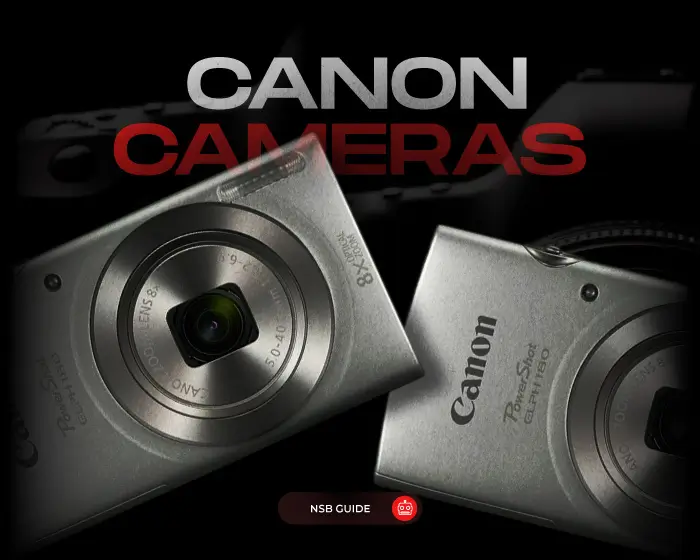
The world of collectibles never ceases to surprise. What was once dismissed as outdated tech—buried in drawers alongside flip phones and iPods—has roared back into vogue. Canon digital cameras, particularly the point-and-shoot models that defined the 2000s and early 2010s, are now experiencing a full-scale resurgence driven by Gen Z’s embrace of “digicam” aesthetics across TikTok and Instagram. Grainy images, harsh flashes, blown-out highlights, and imperfect CCD sensor textures have become view currency in an era otherwise dominated by hyper-processed smartphone photography.
Rather than functioning as a simple nostalgia cycle, the revival represents a broader rejection of digital perfection. Younger users romanticize the visual language of the Y2K era, turning Canon’s compact cameras into lifestyle objects as much as image-making tools. The movement mirrors the return of vinyl records and film photography, where older technology transforms from obsolete hardware into culturally charged creative equipment. Canon’s PowerShot and ELPH lines sit at the center of that phenomenon, with colorful bodies, compact proportions, and unmistakably early-digital rendering styles fueling renewed demand.
why
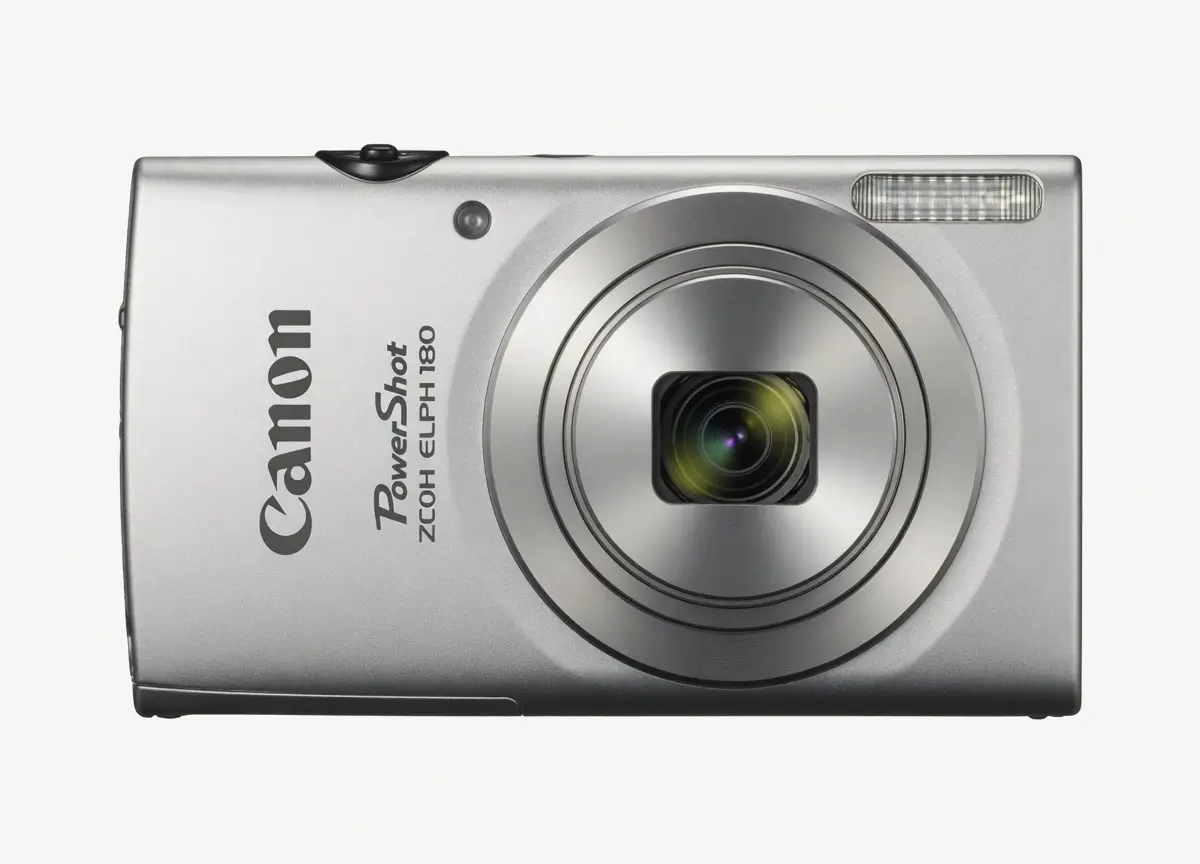
Among the most sought-after releases are the Canon PowerShot ELPH models, particularly the slim metallic variants that defined mid-2000s consumer electronics design. The ELPH 330 HS remains especially desirable thanks to its balance of portability, image quality, and visual appeal, while rarer finishes such as pink or blue continue commanding premium resale values. Even older SD and ELPH cameras from the 2000s routinely outperform expectations on resale platforms due to their aesthetic appeal rather than pure technical capability.
Canon’s G-series occupies a different position within the revival. Cameras like the G7 through G12 attract enthusiasts searching for the CCD-era rendering style alongside manual controls and stronger optics. These models blur the line between collectible and serious photographic tool, making them particularly attractive to creators who want a lo-fi image character without sacrificing usability. Compact cameras such as the S90 and S95 further reinforce Canon’s dominance in the category, while rugged variants like the D20 maintain niche demand among collectors and travelers alike.
The revival has also strengthened secondary markets around Canon’s DSLR and lens ecosystems. While camera bodies depreciate more rapidly, EF-mount lenses continue holding value due to adapter compatibility and enduring demand from hybrid shooters transitioning into mirrorless systems. L-series optics in particular remain highly liquid on resale platforms, often preserving a substantial percentage of their original retail value depending on condition and shutter wear.
eco
What makes the trend especially compelling is the gap between acquisition cost and resale potential. Millions of Canon compacts were originally sold, meaning thrift stores, estate sales, garage sales, and forgotten storage drawers continue producing undervalued inventory. A camera purchased for $10 to $30 can sometimes resell for several hundred dollars if it aligns with current aesthetic trends and remains fully functional.
Condition remains the defining factor. Buyers may tolerate cosmetic wear for the sake of authenticity, but operational issues immediately reduce value. Clean lenses, responsive buttons, working flashes, intact LCD screens, and healthy battery systems are critical. Original packaging, chargers, manuals, and accessories can dramatically elevate resale prices by appealing to collectors who view the cameras as archival objects rather than casual tools.
Shutter count matters heavily within DSLR and interchangeable-lens ecosystems, functioning similarly to mileage on a vehicle. Lower counts preserve perceived longevity and maintain stronger resale performance. At the same time, aesthetics increasingly shape valuation. Limited colors, distinctive industrial design, and view Y2K styling now matter almost as much as technical specifications.
scope
The resale ecosystem surrounding Canon digicams reflects the fragmented nature of contemporary online commerce. eBay remains the dominant marketplace for volume and international reach, while Depop caters directly to Gen Z buyers prioritizing mood, styling, and cultural positioning over technical details. Facebook Marketplace provides fast local transactions, whereas platforms like Mercari and Etsy attract collectors looking for curated vintage electronics.
Presentation has become nearly as important as the product itself. Successful sellers rely on visually styled listings, detailed testing descriptions, and sample photos taken directly from the cameras being sold. On aesthetic-driven platforms, the listing effectively functions like a fashion editorial, with hashtags and nostalgic framing reinforcing the emotional appeal of the device.
flow
While the trend remains strong heading into 2026, the market has become increasingly selective. As awareness grows, competition intensifies and pricing pressure begins affecting more common models. Cameras with distinctive CCD sensors, unusual finishes, or iconic industrial design are expected to retain value longest, while generic late-era compact cameras may soften as supply expands.
Yet the appeal extends beyond flipping. Many buyers enter the category searching for profit or nostalgia and stay because the cameras fundamentally alter how they engage with photography. The slower, less optimized process encourages intentional image-making, creating an experience distinct from algorithmically enhanced smartphone ecosystems. In that sense, Canon’s digicam resurgence reflects something larger than retro tech hype. It represents a cultural appetite for imperfection, tactility, and visual unpredictability in an increasingly frictionless digital landscape.
From the DRIFT archive: Make It Miu Miu: UNO® Becomes a Haute Lifestyle Object · Apple Releases Holiday Film Shot On iPhone 17 Pro With Real Woodland Puppets
Related Articles

Under Rue de Castiglione, Liaigre Gives Hôtel Costes a Spa With No Hard Corners
A 20-meter lap pool, eight treatment rooms and not one sharp angle: Studio Liaigre’s spa […]