Roda Medhat Transforms Kurdish Textile Traditions Into Contemporary Sculpt

May 30, 2026
Roda Medhat, a Kurdish-Canadian artist based in Toronto, has emerged as one of the most compelling voices in contemporary textile sculpture. Through his innovative practice, he transforms ancient Kurdish weaving traditions, folklore, and culture symbols into immersive, tactile installations that challenge conventional notions of heritage, identity, and materiality. His work doesn’t merely preserve Kurdish narratives — it subverts them, stretching them across new media like inflated sculptures, LED-lit tapestries, and hybrid forms that invite viewers to touch, walk around, and physically engage with history.
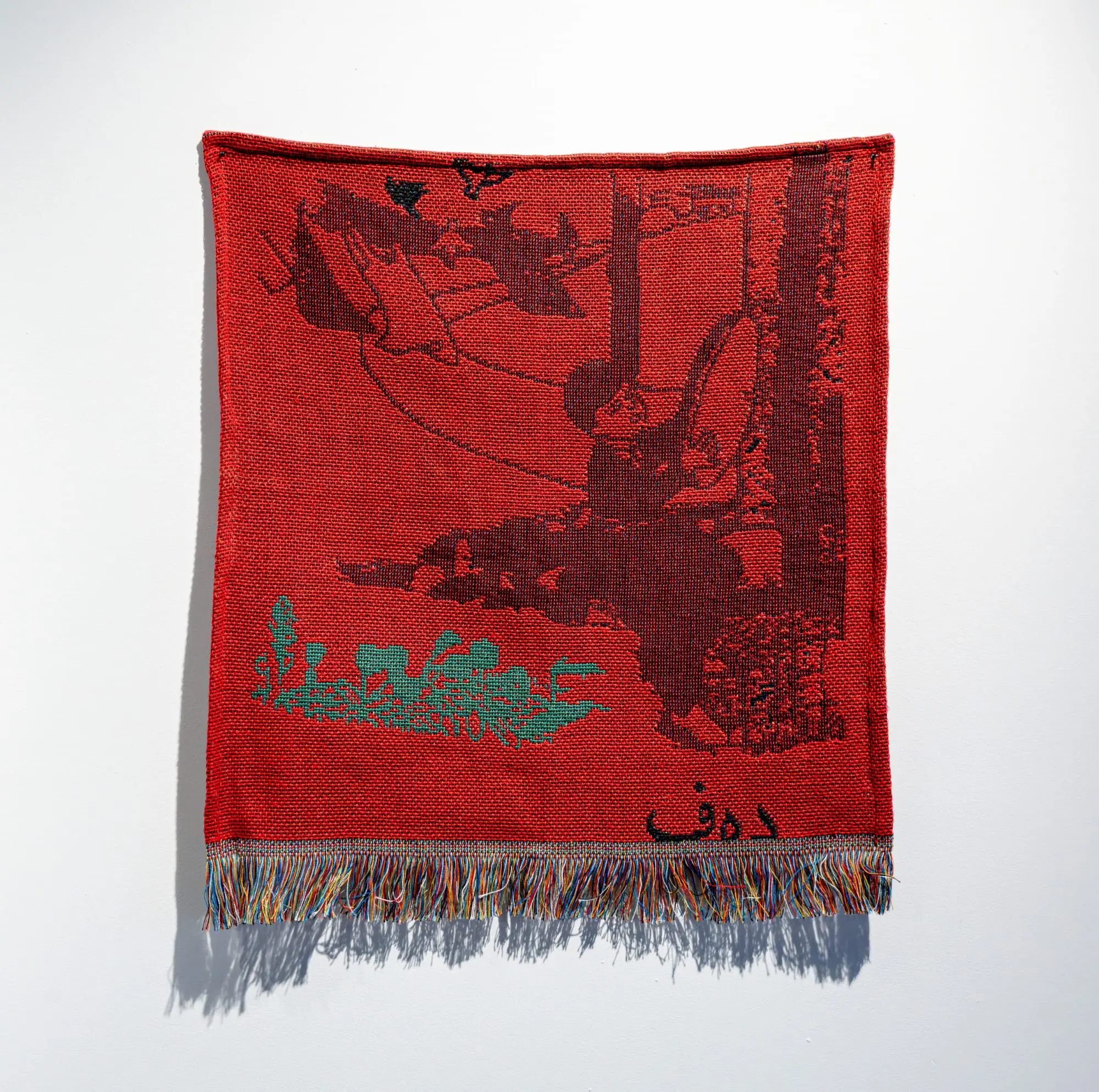
Born in Kurdistan and later relocating to Canada, Medhat’s journey reflects the diasporic experience of many Kurdish artists. He holds a BFA from OCAD University in Toronto and studied film at FAMU in Prague. This multidisciplinary background informs his approach, where sculpture meets installation, public art, and moving image. His practice centers on “textile as sculpture,” reinterpreting traditional West Asian and Kurdish textile designs by translating them onto unconventional materials such as inflatable structures, metal, light, and synthetic fabrics.
In exhibitions like Things I Can Fold, Deflate, and Break (Art Gallery of Burlington, 2025–2026) and From the Loom (Abbozzo Gallery, 2026), Medhat invites audiences into a world where rugs can levitate, patterns pulse with light, and cultural memory becomes something you can physically interact with. His art speaks to displacement, resilience, and the fluidity of identity in the 21st century.
stir
Kurdish textile art has a rich history rooted in nomadic and semi-nomadic lifestyles. Intricate kilims, rugs, and weavings often carry symbolic meanings — geometric patterns representing mountains, rivers, fertility, protection from evil, or tribal stories passed down through gens. These textiles were not just functional; they were storytelling devices, portable histories carried across borders.
Medhat subverts this tradition by questioning its rigidity. Instead of replicating traditional patterns in wool on a loom, he deconstructs them. He enlarges motifs to monumental scales, renders them in unexpected materials, and introduces movement, light, and impermanence. A rug, once heavy and grounded, becomes inflatable and ephemeral — capable of being folded, deflated, or broken, mirroring the fragility of culture identity in diaspora.
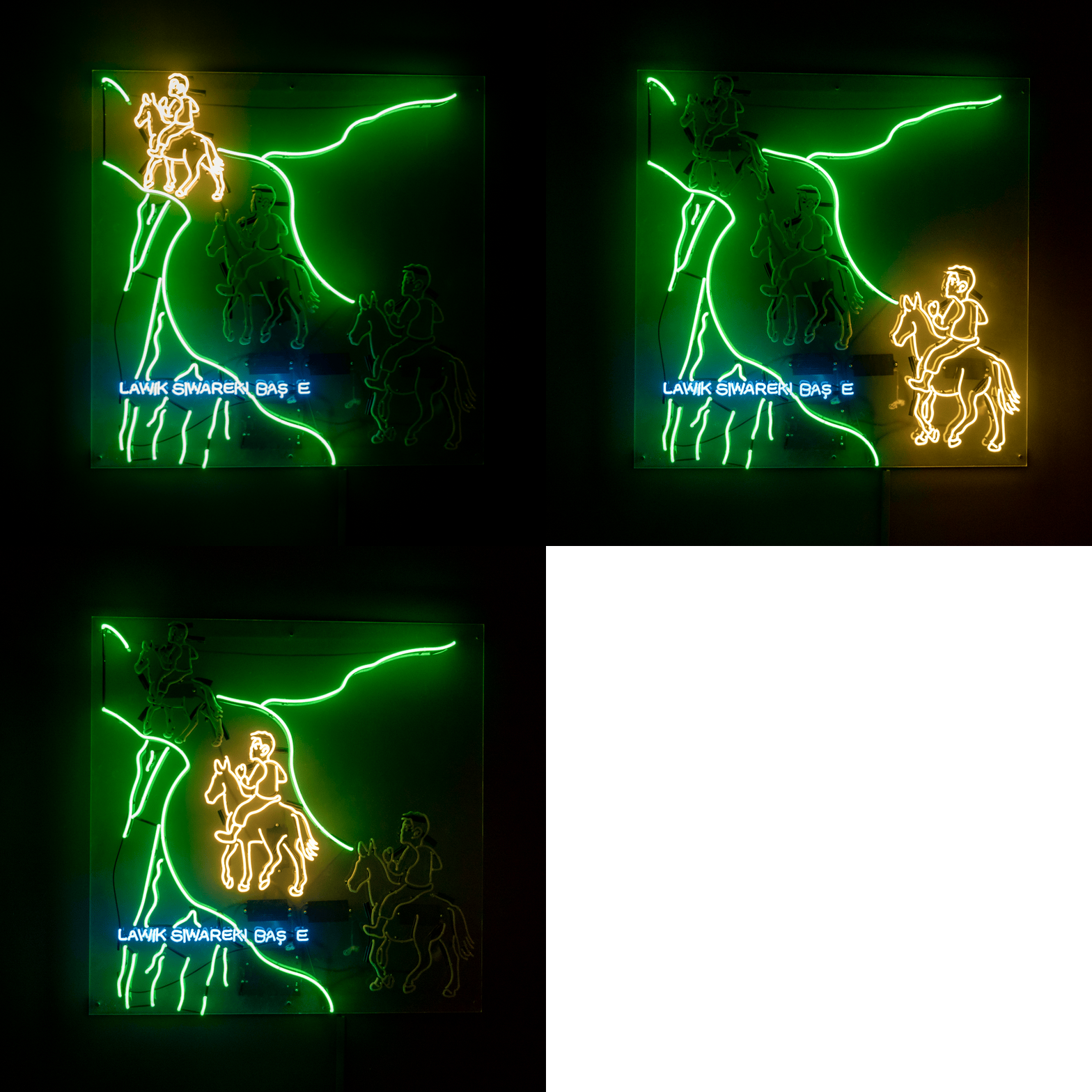
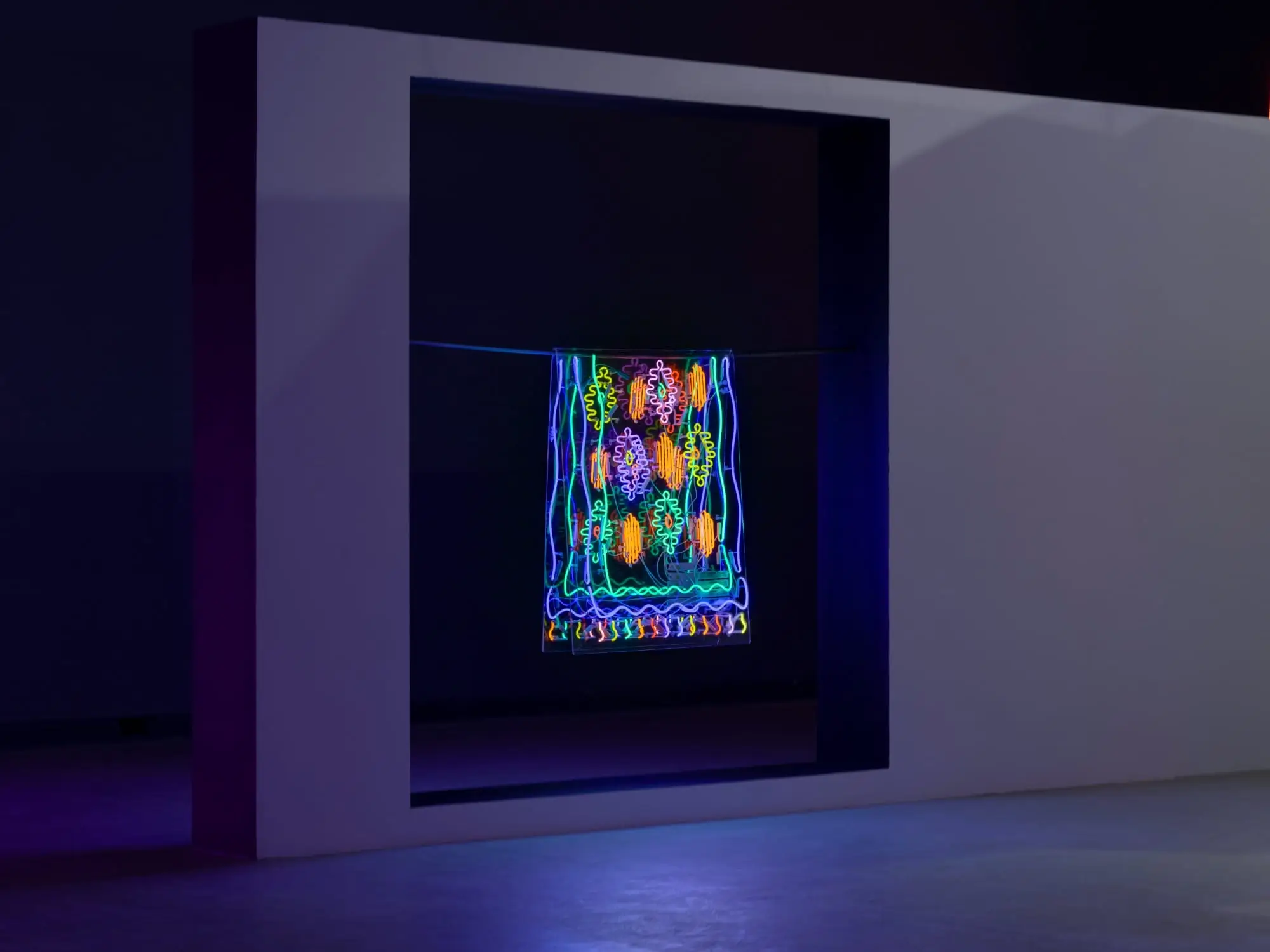
In pieces like Farsh (meaning “rug” in Persian/Kurdish), Medhat explores the complex web of identity. The work incorporates Kurdish symbolism while pushing it into contemporary contexts. One notable installation features a large-scale rug pattern translated into illuminated panels that shift and respond to viewers, turning passive observation into an active dialogue.
engage
What distinguishes Medhat’s work is its profound tactility. Viewers are often encouraged — or at least tempted — to touch the surfaces. This sensory invitation is deliberate. In Kurdish culture, textiles are handled daily: laid on floors, draped over bodies, used in rituals. Medhat brings this intimacy into gallery spaces, challenging the “do not touch” ethos of traditional museums.
His inflatable sculptures, for instance, use industrial fabrics and air to create soft, bulbous forms that reference traditional motifs. These pieces can be deflated and packed away, echoing the nomadic lifestyle of his ancestors while commenting on modern migration and impermanence. The act of inflation becomes performative — breathing life into culture symbols that might otherwise remain static.
Light conjures a crucial role too. In works shown at DesignTO and other festivals, Medhat integrates LED technology into woven patterns, creating luminous reimaginings of Kurdish designs. These pieces maintain the drape and movement of traditional textiles but introduce glowing possibilities. Patterns that once told stories by firelight now pulse with electric energy, bridging ancient oral traditions with digital-age storytelling.
This material subversion serves a deeper conceptual purpose. By moving from natural fibers to synthetics, from static to kinetic, Medhat questions authenticity. What remains “Kurdish” when the medium changes? His answer seems to be: everything — and nothing. The essence lies not in the wool but in the narrative thread that connects past to present.
narr
Medhat’s art is deeply personal yet universally resonant. As a Kurdish artist, he navigates layers of statelessness, political struggle, and culture erasure. Kurdistan remains a divided region across Turkey, Iraq, Iran, and Syria, with its people’s identity often contested. Through his work, Medhat reclaims and reimagines this narrative.
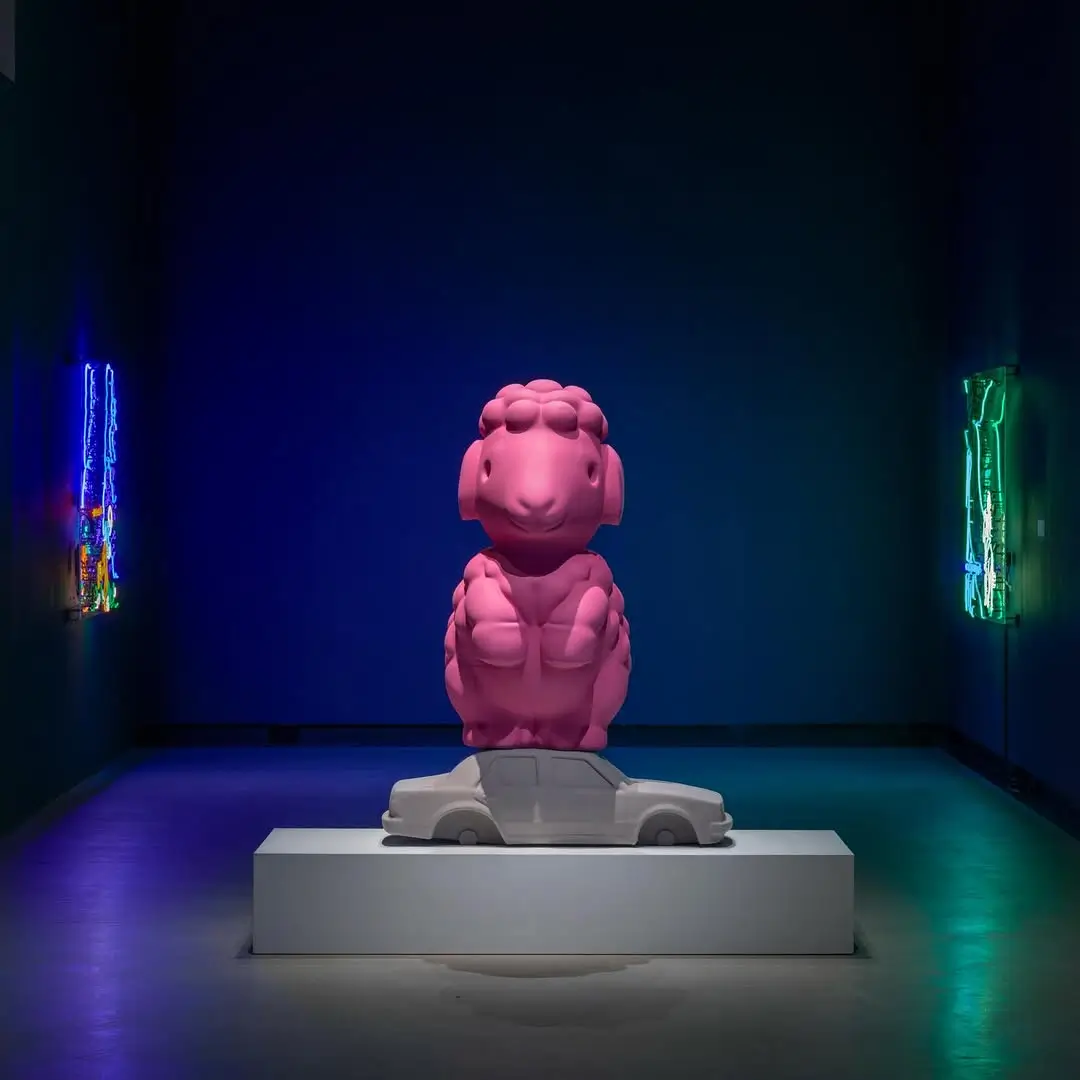
In The Sheep and The Chevrolet, a central piece in From the Loom, he juxtaposes traditional pastoral imagery (sheep as symbols of nomadic life) with modern consumer culture (the Chevrolet as a symbol of globalization and migration). This collision creates tension and humor, highlighting the hybrid realities of diasporic life.
His public art projects extend this subversion into community spaces. Collisions with organizations like STEPS Public Art emphasize how cultural symbols can foster dialogue in multicultural cities like Toronto. Medhat’s installations become meeting points — places where Kurdish diaspora members see their heritage reflected in new ways, and outsiders gain tactile entry into an often-overlooked culture.
flow
Since graduating from OCAD, Medhat has exhibited widely across Canada and internationally, including in Japan. His 2024–2026 period has been particularly prolific, with major shows at the Art Gallery of Burlington, Abbozzo Gallery, CAFKA, and participation in DesignTO.
Critics praise his ability to balance reverence with radical experimentation. Colossal magazine highlighted how he “pushes the boundaries of fabric into the realm of sculpture,” noting the emotional and sensory depth of his installations. Reviewers often mention the joy and melancholy that coexist in his work — joy in celebration of craft, melancholy in acknowledgment of loss and adaptation.
Medhat himself describes his practice as an ongoing translation: “How do we carry our stories and what happens when those stories are translated into new, synthetic languages?” This question drives much of his output, resulting in pieces that feel alive and evolving.
scope
Medhat fits into a larger movement of artists from diasporic backgrounds who use traditional crafts to address global issues. Like El Anatsui (who transforms bottle caps into tapestries) or Sheila Hicks (who elevates fiber art), he expands the definition of sculpture. Yet his focus on Kurdish specificity adds urgency in an era of rising culture nationalism and migration crises.
His integration of technology — LEDs, inflatables, interactive elements — also aligns with trends in digital craft and experiential art. In 2026, as audiences seek more immersive experiences post-pandemic, Medhat’s tactile, sensory works offer a refreshing counterpoint to screen-based art.
fin
As Medhat continues to evolve, future projects may delve deeper into moving image and public interventions. His film background suggests potential for hybrid works where projected patterns interact with physical sculptures, creating multi-layered narratives.
For the Kurdish community in Canada and beyond, his art provides powerful representation. It validates the idea that heritage is not frozen in time but can be actively reshaped. For the wider art world, it demonstrates the vitality of craft-based practices when infused with contemporary concerns.
Roda Medhat doesn’t just preserve Kurdish narratives — he liberates them. By making them tactile, inflatable, luminous, and interactive, he invites us all to hold history in our hands, feel its weight and its lightness, and recognize that culture survives through constant subversion and renewal. In an increasingly digital and disconnected world, his work reminds us of the enduring power of touch, texture, and storytelling.