DRIFT AUDIO
Listen to this story
Choose a voice, then press play.
In the scintillant halls of the White House on April 28, 2026, history slipped into white tie and decorum once more. President Donald Trump and First Lady Melania Trump hosted King Charles III and Queen Camilla for a state dinner, a ceremonial evening that blended centuries of shared heritage with the sharper edges of contemporary politics. Against the backdrop of America’s approaching 250th anniversary, the occasion read as more than protocol. It became a statement of enduring alliance, dressed in tradition, but tuned to the view and culture lang of the present.
“Tonight, we are here to renew an indispensable alliance which has long been a cornerstone of prosperity and security for both British and American citizens.” – Charles R
During the State Dinner at the White House, The King spoke of the historic ties between the United Kingdom… pic.twitter.com/JoId4SdkSy
— The Royal Family (@RoyalFamily) April 29, 2026
stir
What struck observers was not only the diplomacy, but the view lang. White tie remains the highest register of ceremonial elegance: tailcoats, waistcoats, bow ties, gowns, jewels, and posture all operating as symbols before a word is spoken. For a fashion-conscious audience, the evening became a masterclass in how heritage style refreshes itself for 2026 sensibilities.
Queen Camilla’s state-dinner look, reported as a Fiona Clare dress, carried the restraint and structure of royal formality, while Melania Trump’s Dior ensemble reinforced her signature lang of sleek polish. Together, the two women offered a controlled image of softness, status, and diplomatic calm. The men’s tailoring, equally measured, projected authority without excess. In an era dominated by streetwear, casualization, and accelerated trend cycles, white tie reasserted the value of deliberate dressing.
This was not fashion as decoration. It was fashion as statecraft. The evening suggested a renewed appetite for heritage codes: formalwear, archival silhouettes, royal-adjacent elegance, and quiet resilience shaped not by minimalism alone, but by ceremony.
View this post on Instagram
scope
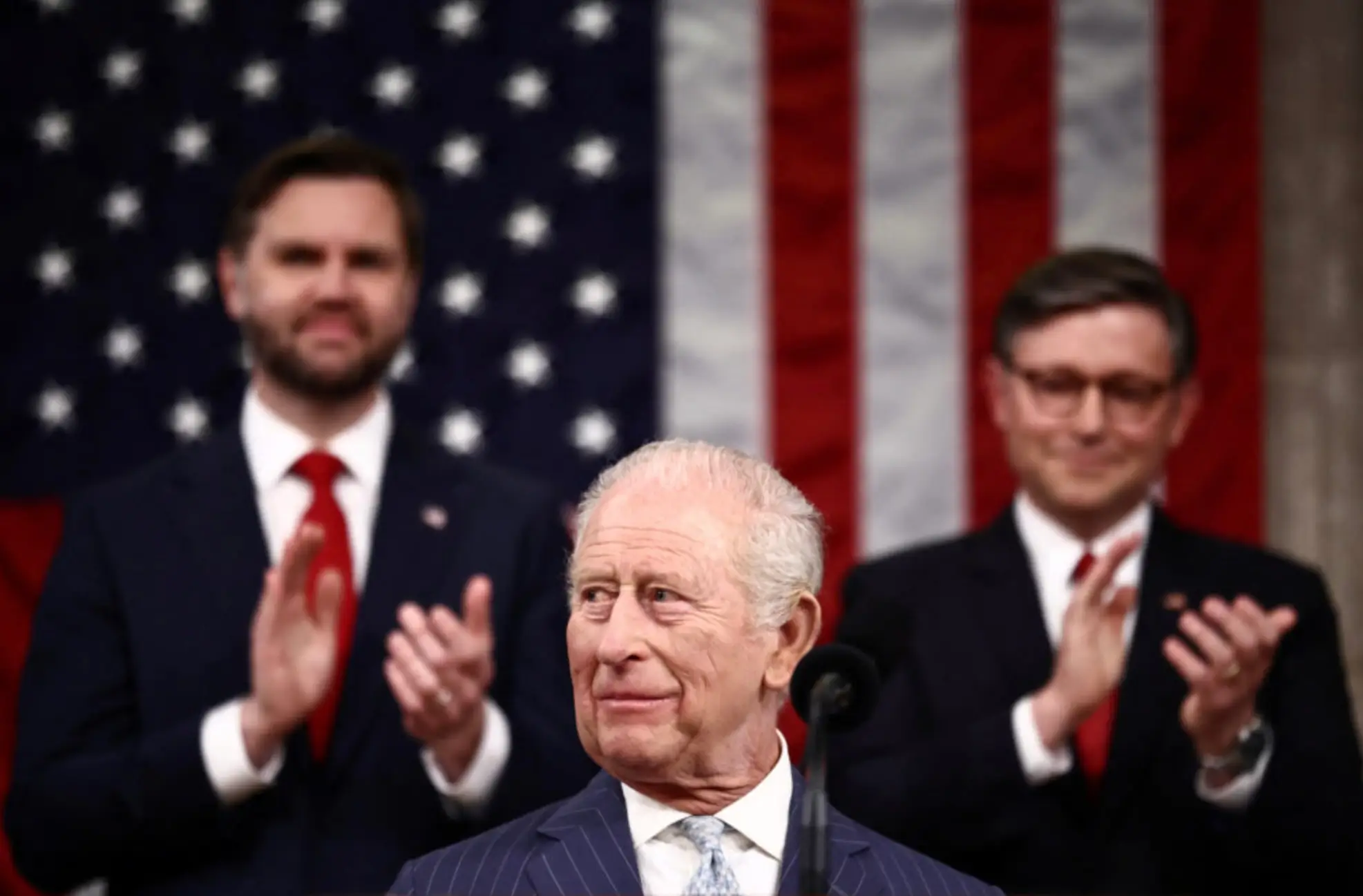
President Trump’s toast leaned into the unbreakable ties between the United States and the United Kingdom, while King Charles answered with warmth, history, and diplomatic composure. Earlier in the day, Charles delivered a rare address to Congress, framing the relationship through shared sacrifice, democratic inheritance, and future cooperation.
The King’s remarks also carried a human note. Arriving just days after the April 25 White House Correspondents’ Dinner shooting, his expressions of sympathy gave the visit a more solemn undertone. The moment moved the event beyond pageantry, grounding it in the fragility of public life and the stamina expected of institutions under pressure.
show
The visit unfolded at a charged historical moment. America’s semiquincentennial framed the dinner with symbolic weight, while current policy tensions gave the optics additional importance. From revolutionary rupture to diplomatic closeness, the evening staged the U.S.-U.K. relationship as a bond capable of absorbing disagreement without losing its ceremonial force.
King Charles’s gift of a bell from HMS-Trump added another layer of historical symbolism, turning the exchange into a material gesture of shared military memory and alliance.
fin
For urban and fashion-literate conjurers, this event resonates because it proves that style and diplomacy are never fully separate. A gown, a toast, a staircase photograph, a jewel, a bell, a congressional address — each becomes part of the same culture script.
The White House dinner did not simply survive white tie. It revived the idea that ritual still has power when the world feels unstable. In 2026, that may be the sharper statement: true style, like true alliance, survives through restraint, respect, symbolism, and the ability to look composed when history is anything though.