DRIFT AUDIO
Listen to this story
Choose a voice, then press play.
Fiat is now fully cemented as one of Stellantis’s four core global brands, alongside Jeep, Peugeot, and Ram. With a lineup tailored to markets around the world—not so much the US—the Italian automaker has managed to improve profitability through a diverse portfolio spanning everything from city cars and compact hatchbacks to SUVs, pickup trucks, and even microcars.
That portfolio is set to expand significantly between 2026 and 2030, with 13 new models on the horizon as part of Stellantis’ FaSTLAne 2030 strategy. Many were previewed during the company’s Investor Day, offering an early look at Fiat’s renewed emphasis on accessible, characterful vehicles rooted in Italian design heritage.
At least five new Fiat models we know will arrive in global markets over the next few years—some we’ve already glimpsed, while others are still teasing their full potential. Here’s a closer look at what’s expected, blending practicality, retro charm, and forward-thinking electrification.
stir

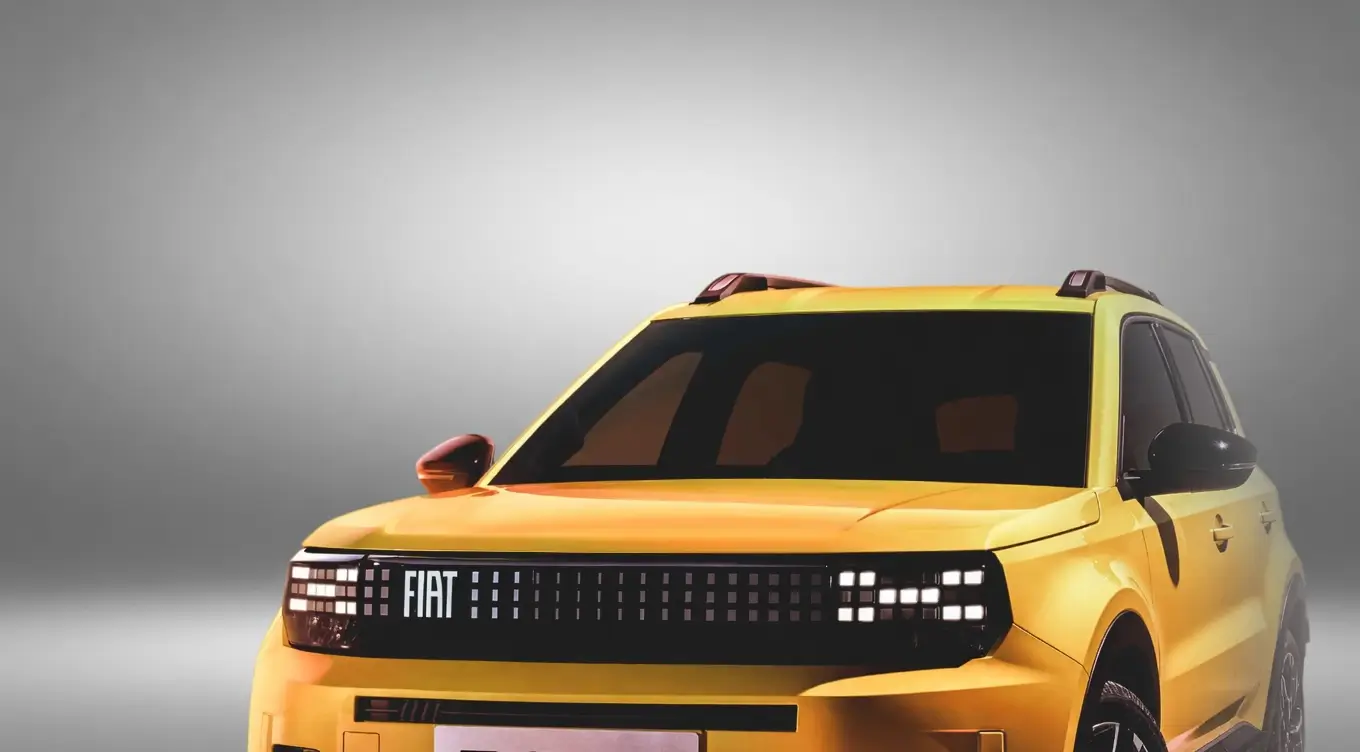
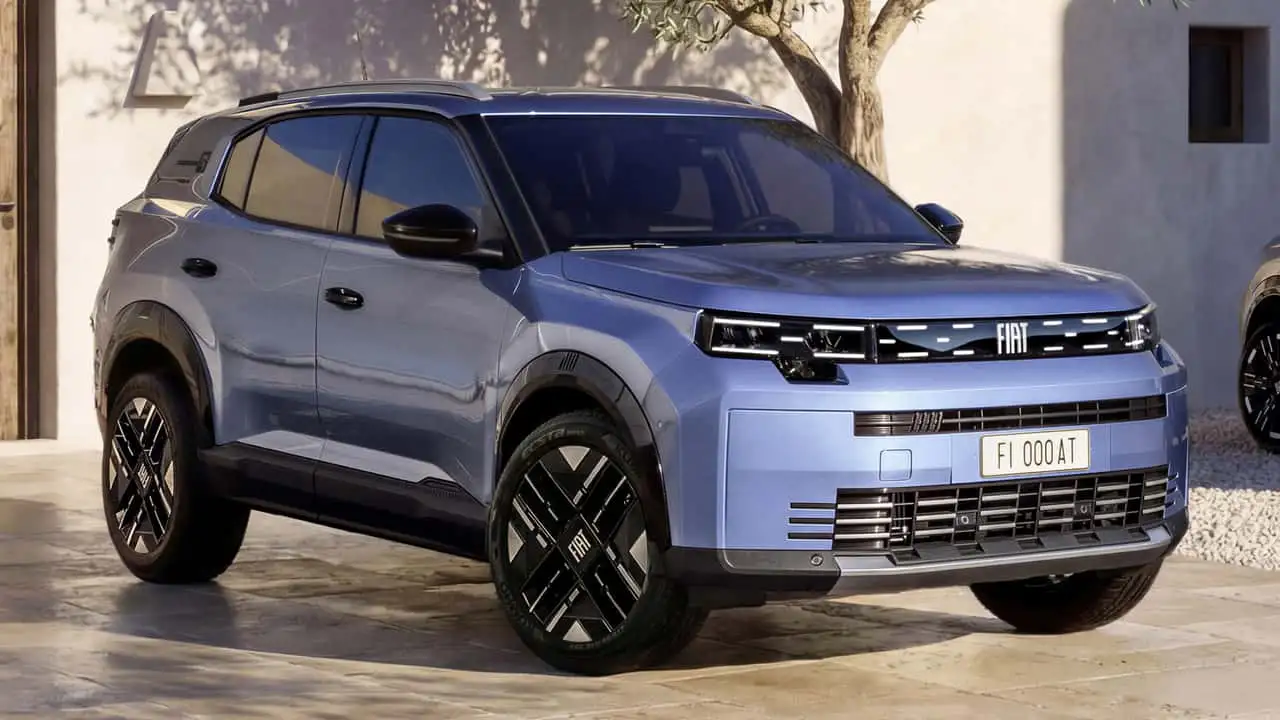
The Fiat Grizzly marks the brand’s confident entry into the competitive compact SUV segment—one of the industry’s most profitable. Positioned above the Grande Panda, it draws clear inspiration from that model’s boxy, approachable aesthetic but scales up with a bolder, more upright presence.
Measuring just under 4.5 meters (about 14.8 feet) long, the Grizzly rides on Stellantis’ Smart Car platform, shared with models like the Citroën C3 Aircross and Opel Frontera. This modular architecture provides flexibility for a full range of powertrains: gasoline, mild-hybrid, and fully electric variants. Expect efficient 1.2-liter engines in various states of hybridization, alongside battery-electric options delivering competitive range for urban and suburban duty.
Design-wise, the Grizzly features sculpted bodywork, sharp LED headlights that extend into the bumper, an illuminated grille, squared-off wheel arches, roof rails, and modern alloy wheels. It’s practical for families—maximizing interior volume and offering best-in-class trunk capacity within its footprint—yet retains Fiat’s signature playful spirit. Production is slated for Morocco, with sales starting in the second half of 2026 in Europe, the Middle East, Africa, and later Latin America.
In a market dominated by crossovers that often feel generic, the Grizzly stands out with its geometric simplicity and bear-themed robustness. It’s not trying to be a luxury hauler; it’s an everyday companion that echoes Fiat’s century-old ethos of making mobility joyful and attainable.
flow
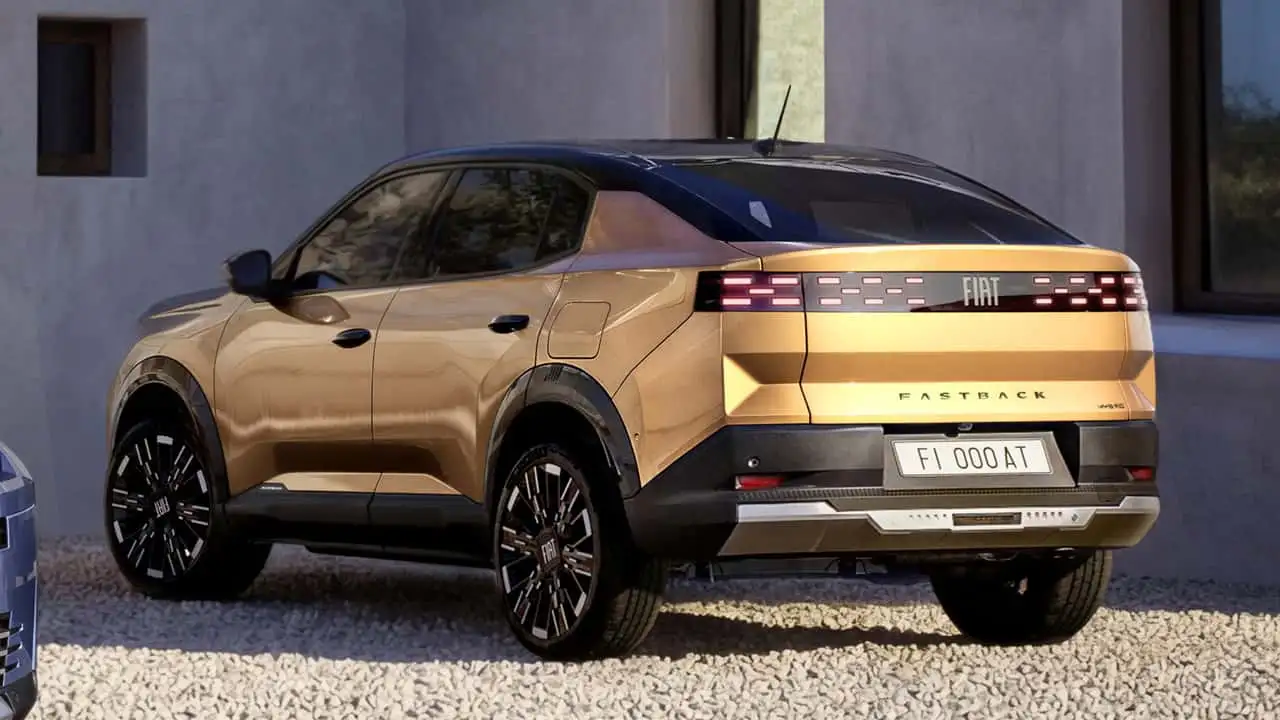
Fiat Grizzly Fastback (or Sportback) Official imagery highlights its dynamic profile.
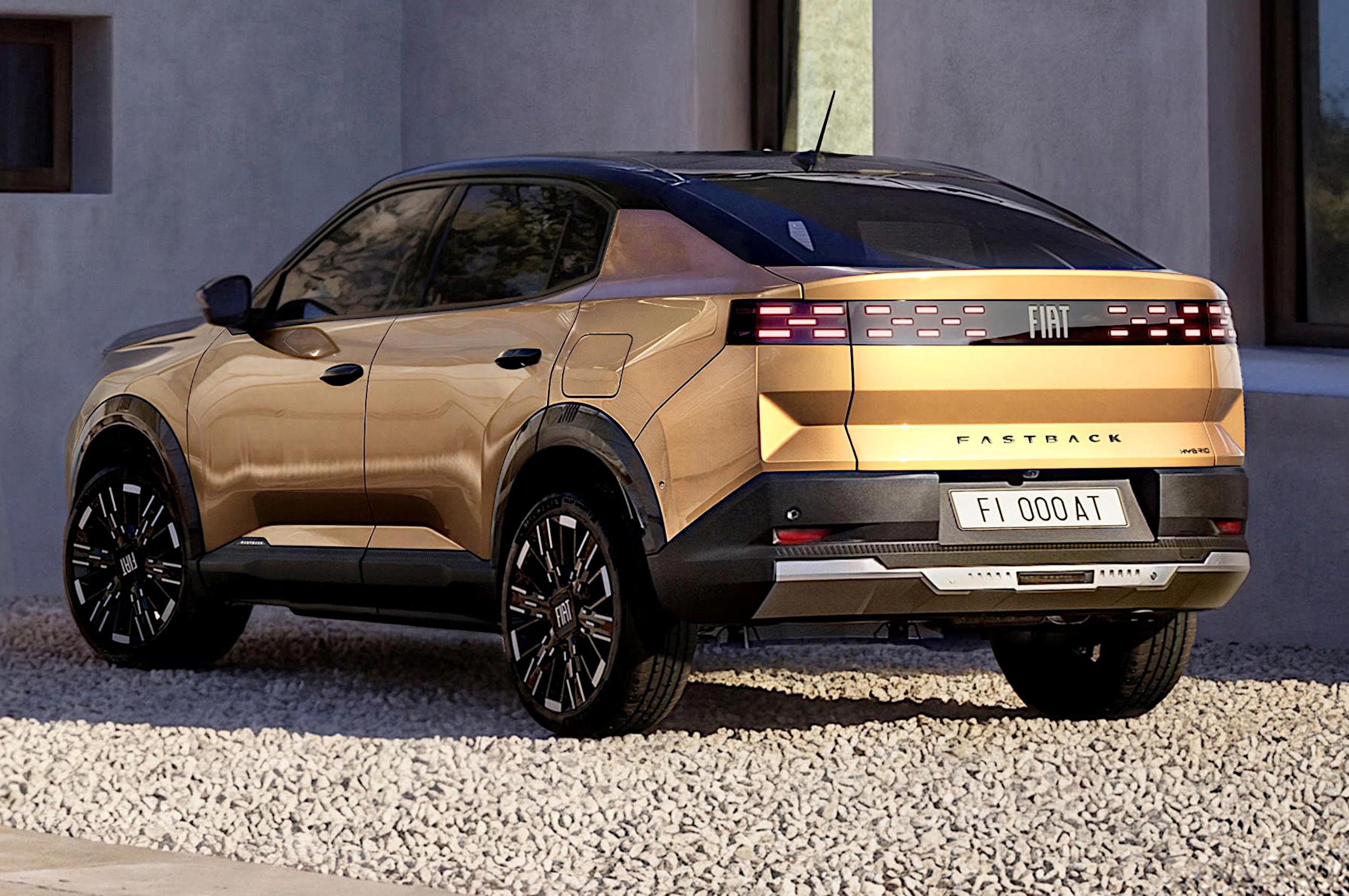
Hot on the heels of the standard Grizzly comes its sleeker sibling: the Grizzly Fastback. This coupe-inspired variant shares the same front-end styling, platform, and mechanicals but adds a tapering roofline that flows toward the rear for a more dynamic silhouette.
The Fastback prioritizes style without fully sacrificing utility—it promises greater longitudinal cargo capacity, appealing to those who want flair for longer trips or lifestyle use. Like its boxier counterpart, it will offer petrol, hybrid, and BEV powertrains. The rakish profile positions it closer to rivals like certain Peugeot or Nissan offerings, but with Fiat’s distinctive LED signatures and approachable proportions.
This duo expands Fiat’s presence in the C-segment, indirectly filling gaps left by models like the Tipo. Priced accessibly (expect starting points around £23,000–£25,000 equivalent in key markets), they balance family practicality with personality—exactly the kind of “smart, accessible” vehicles Fiat CEO Olivier Francois has championed.
scope
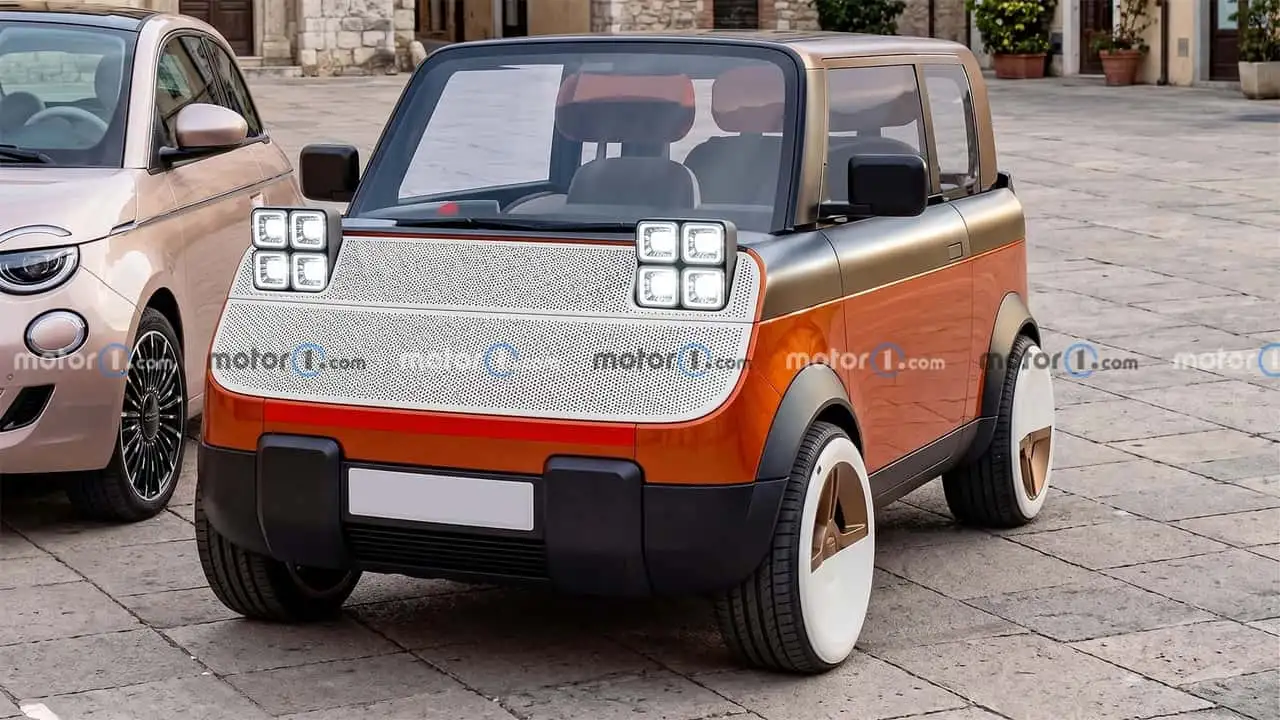
Information on the Quattrolino is still emerging—primarily a name and teaser imagery so far. Positioned alongside the Topolino in Fiat’s micromobility lineup, it appears destined as a four-seat evolution of the tiny electric quadricycle formula.
Its styling nods heavily to the classic 1950s Fiat 600 Multipla, with upright proportions and charming, geometric forms that evoke post-war Italian optimism. Classification as an L7e heavy quadricycle seems likely, which would cap output around 15 kW (20 hp) and top speed near 56 mph—perfect for urban errands rather than highways.
Building on the Topolino’s success (itself a stylish reinterpretation of the Citroën Ami with retro flair, doors, and fun colorways), the Quattrolino could broaden appeal for families or small businesses needing compact, license-friendly electric transport. Expect affordability and simplicity, aligning with Fiat’s mission to democratize sustainable city mobility.
cept
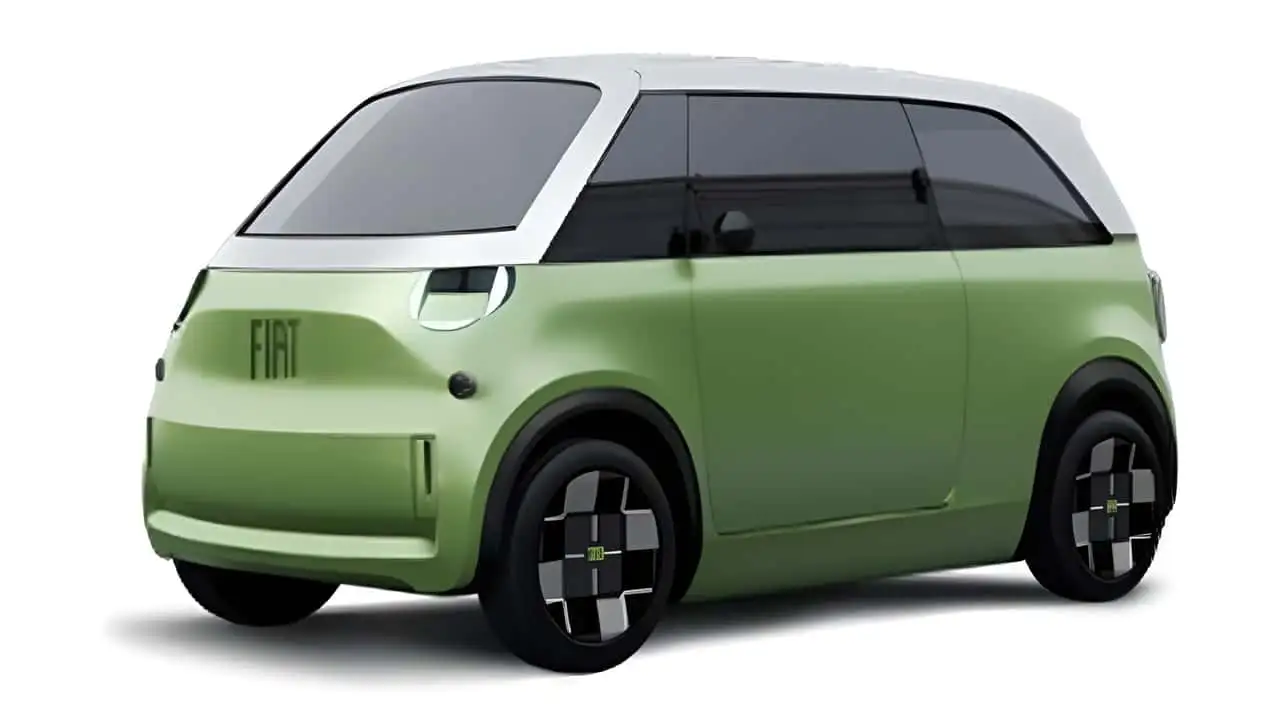
The Panda—Fiat’s beloved icon for over four decades—is evolving into the Pandina. This next-generation model represents a significant transformation, potentially Fiat’s first under a dedicated E-Car strategy, while staying true to its roots as an affordable, versatile city car.
The concept imagery exaggerates the Grande Panda’s design language: pixel-inspired lighting, upright stance, simple geometric shapes, and compact dimensions around 12.1 feet (3.69 meters for the core Pandina). Production is expected in Pomigliano d’Arco, Italy, with pricing potentially starting near €15,000, making it a realistic entry into electrification.
Power will likely center on electric or advanced hybrid setups, complementing rather than overlapping the broader Panda family. The Pandina bridges heritage and future—retaining the Panda’s legendary go-anywhere spirit while incorporating modern connectivity, safety tech, and efficiency. It’s a thoughtful evolution that honors millions of loyal owners while inviting new generations to the fold.
type
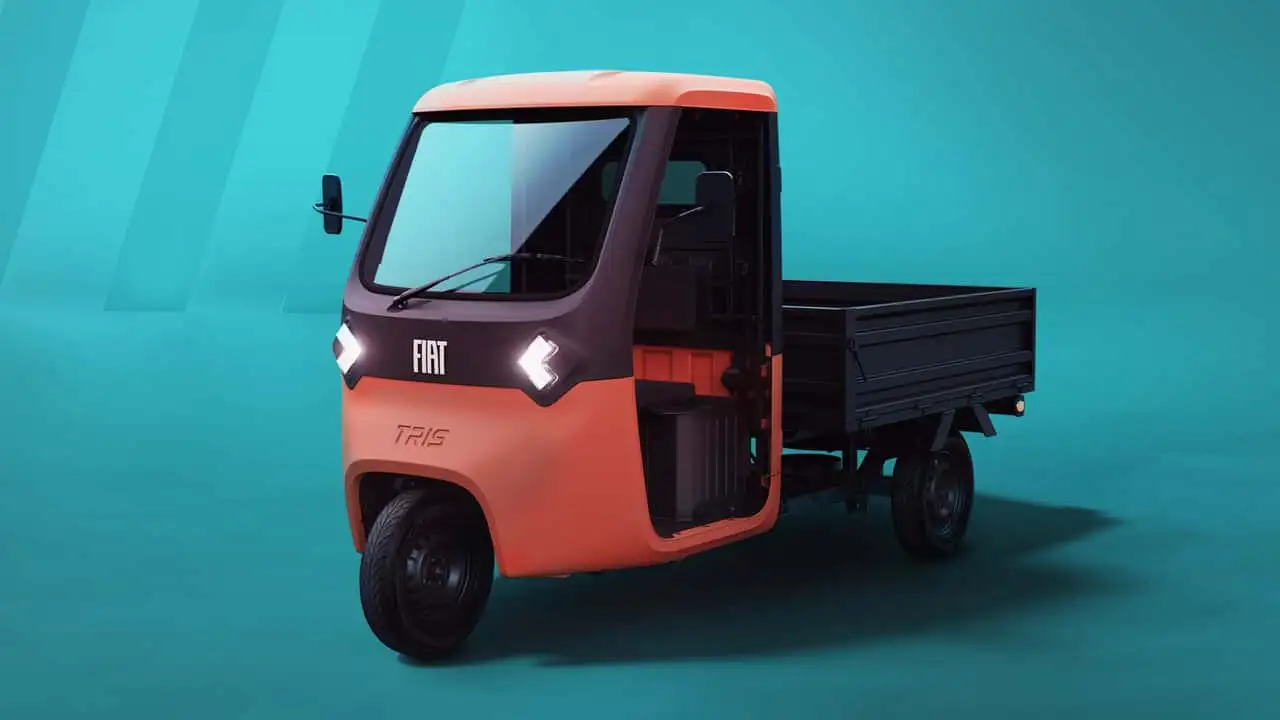
Fiat Professional is extending the brand’s quirky innovation into commercial vehicles with the Tris—an electric reinterpretation of three-wheeled icons like the Piaggio Ape. Designed in Turin for last-mile delivery, it retains a nimble three-wheel layout but goes fully battery-electric.
Key specs include an estimated 56-mile (up to 90 km in some cycles) range from a compact battery (around 6.9 kWh, shared with Topolino tech), payload over 772 pounds (350+ kg), and versatile configurations: pickup, cargo-box, or chassis-cabin. Top speed around 28–45 mph suits urban routes, with home-charging convenience.
The Tris embodies Fiat’s pragmatic creativity: affordable, sustainable, and fun in a utilitarian way. It targets B2B needs in dense cities across Europe, Africa, and the Middle East, offering a low-barrier entry to electrified logistics.
extent
To fully appreciate these upcoming models, one must revisit Fiat’s rich history. Founded in 1899 as Fabbrica Italiana Automobili Torino, Fiat has long championed accessible mobility. From the pioneering 4 HP to the postwar Topolino (“little mouse”), the revolutionary 500 of 1957, and the enduring Panda, the brand’s DNA is simplicity, ingenuity, and joie de vivre.
Design philosophy emphasizes form following function with emotional appeal—compact proportions, clever packaging, and Italian flair that turns everyday objects into cultural touchstones. The new wave continues this: geometric modernity meets retro nods, all on efficient platforms that control costs while delivering choice in powertrains.
Stellantis’ FaSTLAne 2030 plan invests heavily in Fiat as a global core brand, targeting 60+ new vehicles group-wide by 2030. This includes a mix of ICE, hybrid, and BEV options to meet diverse regulatory and customer needs. Fiat’s focus on value, distinctiveness, and markets like Europe, LATAM, and MEA positions it well for profitability amid electrification pressures.
why
In an era of rising costs and environmental scrutiny, Fiat’s approach—practical EVs, hybrids, and ICE backups—feels refreshingly grounded. The Grizzly family brings family-SUV accessibility to buyers priced out of premium options. The Quattrolino and Tris extend micromobility, while the Pandina refreshes a cultural icon.
These vehicles aren’t chasing hype; they solve real needs with charm. Expect strong appeal in urban environments where maneuverability, efficiency, and personality win out. As Fiat iterates, we may see more crossovers with fashion, art, or lifestyle collaborations—think special editions that blur automotive and cultural boundaries, consistent with the brand’s playful history.
Challenges remain: global supply chains, battery tech maturation, and competition from Dacia, Hyundai, and others. Yet Fiat’s heritage of resilience (surviving economic shifts through clever engineering) bodes well.
look
Between 2026 and 2030, these five models represent just the visible tip of Fiat’s expansion. More details will emerge as launches near, potentially including variants tailored to specific regions or further sustainable tech integrations.
Fiat isn’t reinventing the wheel—it’s refining the art of making wheels fun, functional, and future-proof. Whether you’re drawn to the rugged Grizzly, the chic Fastback, the pint-sized Quattrolino, the evolved Pandina, or the industrious Tris, one thing is clear: funky, approachable Fiats are back in a big way.
Stay tuned for deeper dives, first drives, and design analyses as these models hit the road. Fiat’s next chapter promises accessibility with attitude—the Italian way.
n
From the DRIFT archive: Cornell Team Develops Ultrablack: The “Darkest Fabric Ever” That Reflects Close to No Light · PANTONE’s 2026 Color of the Year Takes Shape With Play-Doh and Post-It Editions