DRIFT AUDIO
Listen to this story
Choose a voice, then press play.
MSI’s newest handheld pairs Xbox’s software polish with serious Intel hardware, and the combination changes how a Windows gaming PC can feel in the hand.
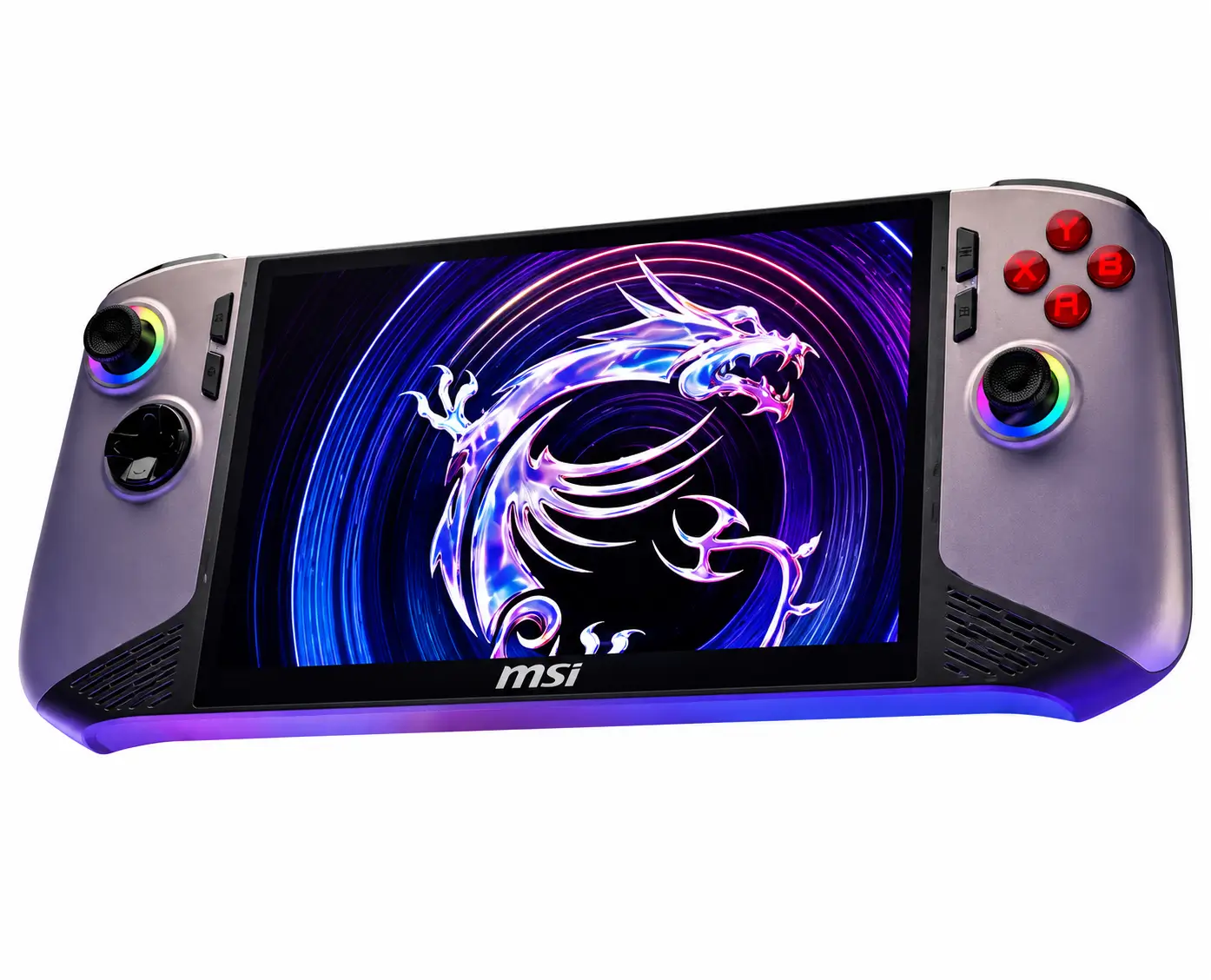
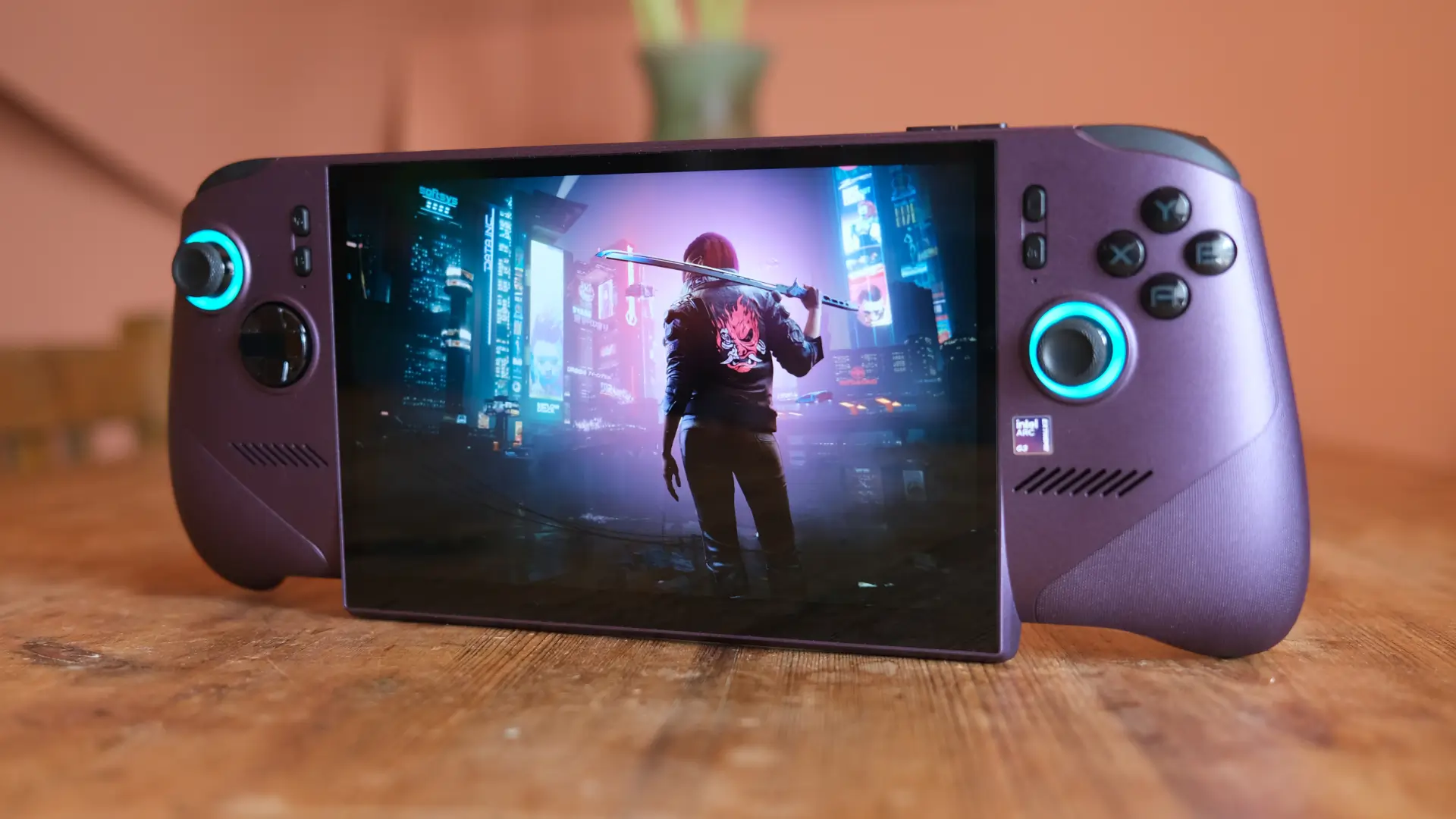
A prestige gaming handheld that boots straight into an Xbox dashboard sounds like a contradiction until you actually hold one. MSI’s Claw 8 EX AI Plus is the clearest sign yet that the company has stopped trying to make Windows 11 feel native to a controller shaped device and started borrowing the interface that already solved that problem. The result, is slow a machine that behaves less like a shrunk down gaming laptop and more like a console you can put in a backpack.
stir
The first thing a longtime Xbox owner notices about the Claw 8 EX AI Plus is how little friction there is between unboxing it and actually playing something. Sign into a Microsoft account and the owned games library populates on its own, the Xbox Game Pass catalog appears alongside it, and cloud saves carry over without any manual syncing. That chain of small conveniences matters more than it sounds like it should, because it is exactly the kind of friction that has historically kept console players away from PC handhelds in the first place.
MSI leans into that familiar with what it calls Xbox Mode, a full screen interface that can be summoned with a single button press. Rather than dropping a player into the Windows 11 desktop, a layout built for a mouse and a monitor, Xbox Mode surfaces owned titles, Game Pass recommendations and quick settings in a format built for a thumb operated d pad. MSI’s own product page describes the feature as reducing background RAM usage while giving players a unified space to jump between Game Pass and their existing PC library, and that frame lines up with what reviewers have reported after spending real time with the device.
View this post on Instagram
It is not a total replacement for Windows underneath. Adjusting lighting, updating drivers or tweaking deeper system settings still routes through the MSI Center M companion app, and players who buy most of their games through Steam rather than the Microsoft Store will find themselves juggling more than one launcher. That tradeoff has been a recurring theme in early coverage of the device: the Xbox layer smooths over the parts of Windows handheld gaming that annoyed people most, without pretending the rest of the operating system has disappeared.
flow
Strip away the interface and the Claw 8 EX AI Plus is built around genuinely high end mobile silicon. MSI’s official specification sheet for the CG3EM 024US config lists an Intel Core Ultra 7 258V processor clocked between 2.2 and 4.8GHz, Intel Arc 140V integrated graphics, 32GB of LPDDR5X memory running at 8533MHz, and a 1TB PCIe Gen4 NVMe SSD. That is the same chip family that powered the original Claw 8 AI Plus, a processor built on Intel’s Lunar Lake architecture that earned a reputation for pairing strong efficiency with real gaming show rather than treating battery life and frame rate as opposing goals.
View this post on Instagram
The 8 inch panel is where the Claw 8 EX AI Plus most visibly separates itself from smaller rivals. It is an FHD Plus IPS touchscreen running at 1920 by 1200 with a 120Hz refresh rate, variable refresh rate support and 100 percent sRGB coverage, all wrapped in a 16:10 aspect ratio that gives players more vertical screen space than a standard Full HD panel. Compared with seven inch competitors, that extra inch is immediately noticeable when the device is held rather than read about on a spec sheet, and it comes paired with an 80 watt hour battery that MSI positions as best in class for the category.
Connectivity keeps pace with the rest of the build. Killer Wi-Fi 7 handles wireless networking, Bluetooth 5.4 covers accessories, and two Thunderbolt 4 ports allow for fast external storage or display output, a detail that matters for anyone who wants to treat the Claw as a secondary Windows machine and not just a gaming device.
None of that hardware exists in a vacuum, and it is worth remembering how recently a laptop grade chip like the Core Ultra 7 258V would have been consider wasted in a device this size. Lunar Lake, the architecture underpinning that processor, was designed from the outset around a tighter power envelope than earlier Intel mobile chips, stacking memory directly onto the processor package rather than routing it through separate DIMMs. That decision shaves latency and power draw at the same time, and it is a large part of why a handheld built around it can post real gaming perform without draining an 80 watt hour battery in under an hour. Reviewers who spent time with the earlier Claw 8 AI Plus, which shares this same chip, consistently pointed to that efficiency as the standout trait, more than raw peak wattage.
That context matters because it explains why MSI kept the same processor family for this config of the EX AI Plus rather than chasing a bigger number for its own sake. The bet is that steady, sustained performance across a two or three hour session matters more to most players than a short burst of maximum frame rate that a smaller battery cannot support for long.
huh
Every current MSI Claw ships with the AI Plus label attached, and it is fair to be skeptical of a brand suffix that has been slapped onto everything from laptops to routers over the past two years. In practice, on this device, the label refers to a specific, measurable layer of software: MSI’s AI Engine, which automatically adjusts system settings like power draw, fan curves and show sil based on what is actual running, rather than requiring a player to manual flip between preset modes before every session.
Paired with Intel’s XeSS upscaling technology, that automated tune is what allows the Arc 140V graphics silicon to punch above its physical size. XeSS uses AI powered frame reconstruction to boost effective frame rates without demanding the raw horsepower a native render would require, which is the same broad approach AMD and Nvidia use on their own handheld and laptop chips.
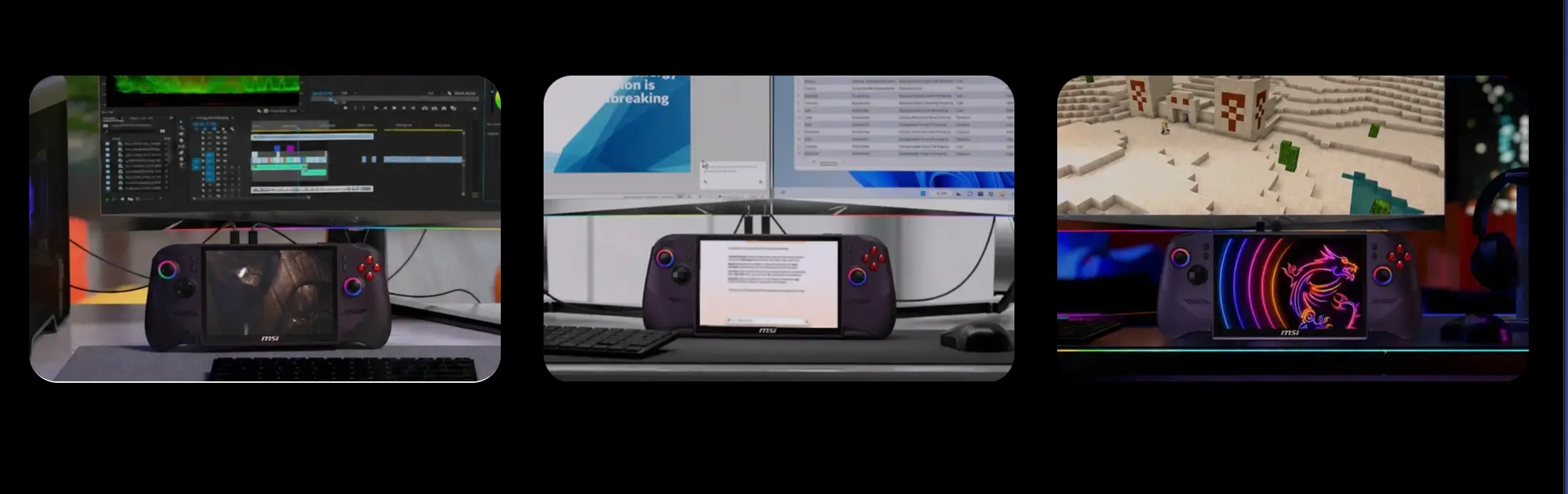
A three-panel showcase highlights a purple handheld gaming PC in desktop mode, demonstrating video editing, document productivity, and immersive gaming across multiple external monitor setups.
erg
Handheld PCs live or die on thermal management, since a chip throttling under load in a device this small translates directly into stuttering frame rates. MSI addresses that with Cooler Boost HyperFlow, a dual fan, dual heat pipe cooling system the company says delivers meaningfully higher airflow pressure than the setup used on earlier Claw models, keeping the Core Ultra 7 258V and Arc 140V pairing running cool enough to avoid sustained throttling during longer sessions.
The controls themselves borrow directly from Xbox’s own design language. Hall effect analog sticks and triggers are used throughout, a magnetic sensor based approach that avoids the physical wear and stick drift that has plagued analog controls built around older potentiometer designs. MSI also builds in exclusive macro keys positioned for quick access during competitive play, along with a fingerprint reader integrated into the power button, useful for anyone using the handheld to sign into a password manager or banking app rather than purely as a games machine. At 80 watt hours, the battery matches the capacity found in rival devices, though as with any handheld, real world runtime depends heavily on which power profile and screen brightness a player chooses.
compare
The most direct comparison for the Claw 8 EX AI Plus is the ROG Xbox Ally X, ASUS’s own handheld built in direct partnership with Microsoft and priced closer to $999.99 in its equivalent configuration. Both machines run Windows 11, ship with 80 watt hour batteries and top out at 1TB of storage, but the similarities largely end there. MSI’s 32GB memory pool gives the Claw 8GB of headroom the Ally X does not have on paper, useful for background capture tools or heavier modern titles, while the larger and higher resolution 1200p display is the single most visible difference when the two devices sit side by side.
Independent benchmarking has been more mixed than MSI’s own marketing suggests. In one head to head Battlefield 6 comparison, the Ally X sustained frame rates in the 60 to 70 range under comparable settings, while the Claw held closer to 50 to 60 frames per second at a slightly higher render resolution and similar power draw. The Ally X’s tighter, lighter body has also been credited with a more immediately comfortable in hand feel, while the Claw’s larger footprint gives up some portability in exchange for that bigger screen. Neither machine wins outright, and the honest takeaway from the available testing is that the two devices are built around different priorities rather than one simply outperforming the other.
It is also worth noting that MSI has begun shipping a separate, higher tier EX AI Plus variant built around a newer Arc G3 Extreme processor, a pared down version of Intel’s Panther Lake architecture unveiled at Computex 2026, which MSI describes as the world’s first gaming handheld built on that chip. Coverage of that specific configuration has reported meaningfully faster benchmark results than the Core Ultra 7 258V model reviewed here, so buyers comparing listings should check which processor a given SKU actually ships with before assuming every Claw 8 EX AI Plus box contains identical silicon.
The value case shifts depending on which of those two silicon options a buyer lands on. At $1,299.99, the Core Ultra 7 258V configuration sits closer to the Ally X on price while offering a bigger screen and more memory in exchange for giving up some raw frame rate in the heaviest titles. The Arc G3 Extreme configuration pushes the price higher still, positioning that version of the Claw less as a direct Ally X competitor and more as a halo product meant to demonstrate what Intel’s newest handheld focused silicon can do when it is not held back by an older chip generation. Buyers shopping strictly by price will likely land on the configuration covered here; buyers chasing the highest possible frame rate in demanding, newly released titles have a reason to look at the pricier variant instead.
fin
What stands out across the early coverage of the Claw 8 EX AI Plus is not any single benchmark number, but how consistently reviewers describe the experience of using it as calmer than expected. Handheld PC gaming has historically demanded a certain tolerance for fiddling: driver updates, launcher management, manually balancing performance against battery life. The Xbox layered interface, the automated AI tuning and the raw headroom of 32GB of memory do not eliminate that fiddling entirely, but they push most of it into the background. For a console player curious about what a Windows handheld actually offers beyond a bigger game library, that reduction in friction is the real story, more than any single spec on the sheet.
None of that erases the tradeoffs. A player who buys almost exclusively through Steam will still bounce between launchers more than an Xbox owner ever has to, and the MSI Center M app remains a required stop for anything beyond basic quick settings. What has changed, according to the accounts of people who have actually carried this thing around and played on it for hours at a time, is how rarely those rough edges surface during a normal session. The Xbox interface, the automated AI tuning and the bigger battery are not solving every problem a Windows handheld has ever had. They are solving the specific problems that kept console players from bothering to try one, and for a device built around that exact audience, that is the right set of problems to solve first.
From the DRIFT archive: PANTONE’s 2026 Color of the Year Takes Shape With Play-Doh and Post-It Editions