DRIFT AUDIO
Listen to this story
Choose a voice, then press play.
In the vast, often overlooked expanses of rural North America, where time seems to stretch and fray at the edges, Portland-based photographer Brendon Burton has carved out a singular practice. What began as stark, haunting landscapes of isolation has evolved into something more introspective: a shh communion with the absent lives that once animated these forgotten corners. As recently highlighted in coverage of his ongoing work, Burton’s lens now steps across the thresholds of abandoned homes, lingering on domestic relics that whisper of past inhabitants. No longer entirely devoid of human presence, his images invite viewers to construct speculative stories from the fragments left behind.
This shift marks a poignant maturation in Burton’s decade-plus exploration of America’s periphery. Through his acclaimed series and recent book Epitaph, the photographer transforms decay into show, absence into narrative possibility. In an era obsessed with speed, connectivity, and curated permanence, Burton’s work offers a meditative counterpoint—one that honors the slow unraveling of places and the enduring traces of those who shaped them.
stir
Brendon Burton’s affinity for the fringes traces back to his youth in a small, once-prosperous Oregon mill town. Growing up amid economic decline and culture seclusion, he witnessed firsthand the hollowing out of communities—the slow fade of industry, the migration of youth, and the stubborn resilience of the landscapes left behind. This formative experience instilled in him a deep fascination with stories found on the outskirts of society.
Relocating to Portland, Burton honed a view lang that blends fine art, documentary, and surreal narrative elements. His work spans environmental portraits, fashion-adjacent campaigns, and music video direction (he is an Emmy-nominated artist), yet his personal practice remains anchored in the rural sublime. Either traversing the wheat fields of the northern Great Plains, the misty rainforests of the Pacific Northwest, or the remote valleys of the American West, Burton seeks out sites where “reality frays.”
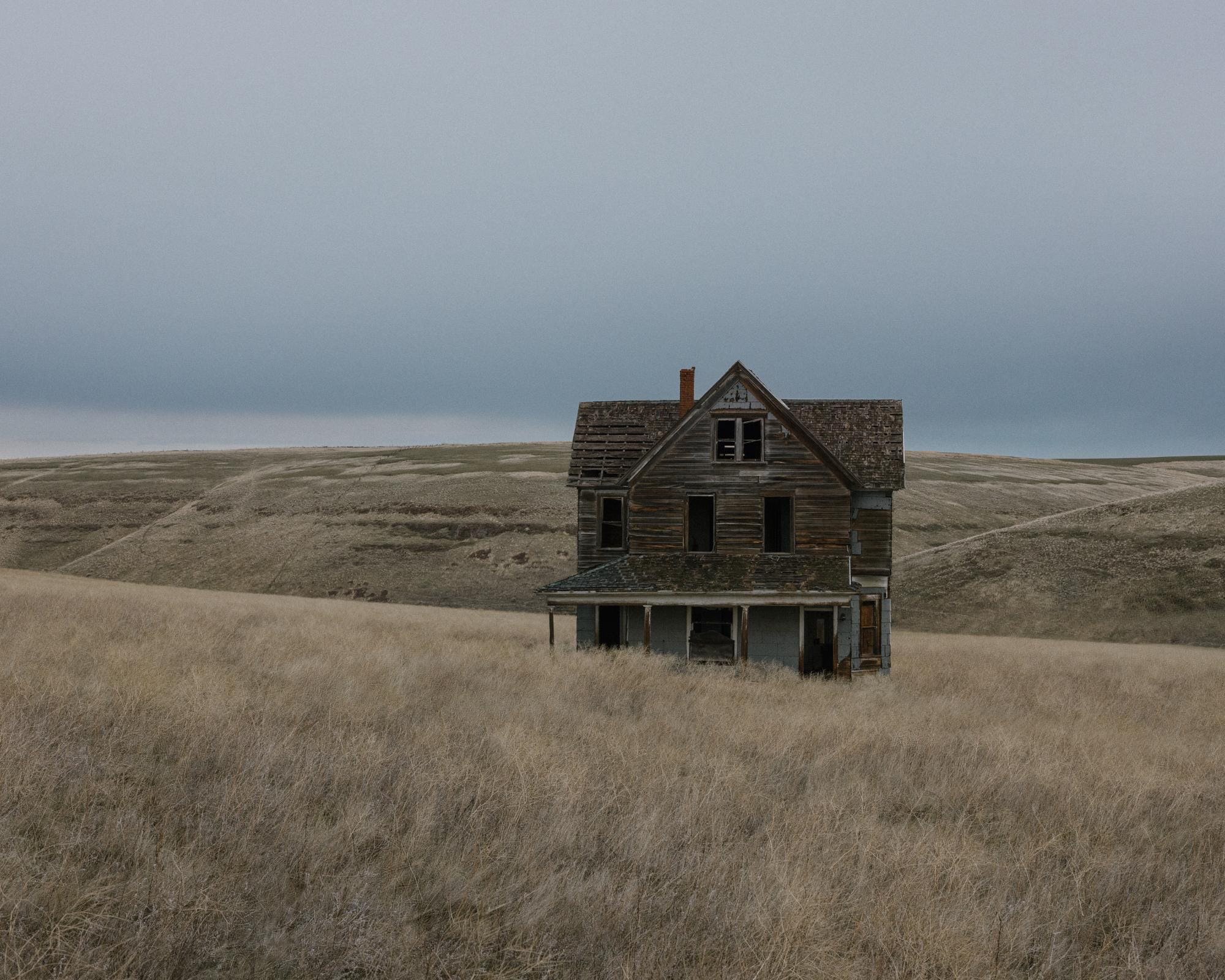
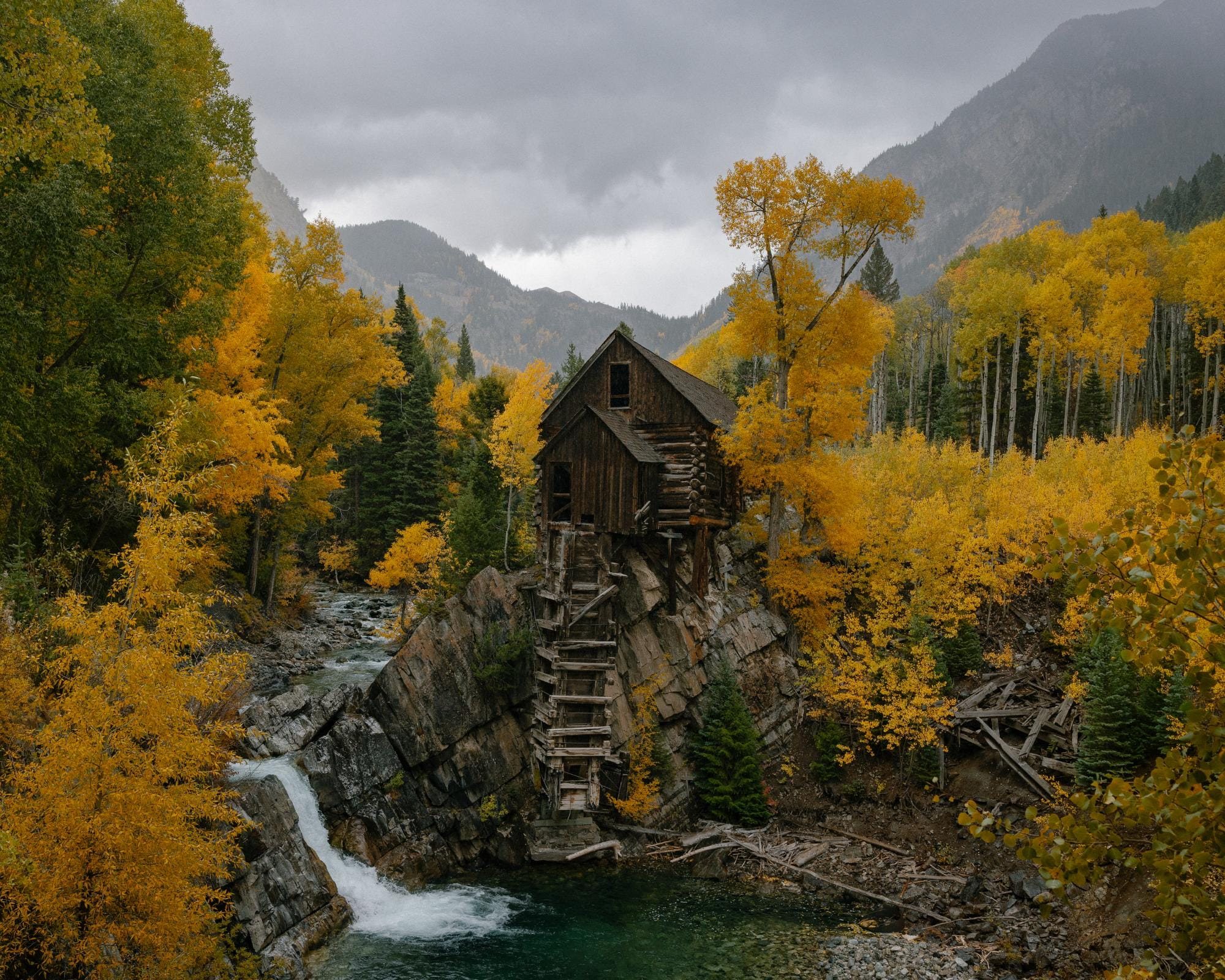
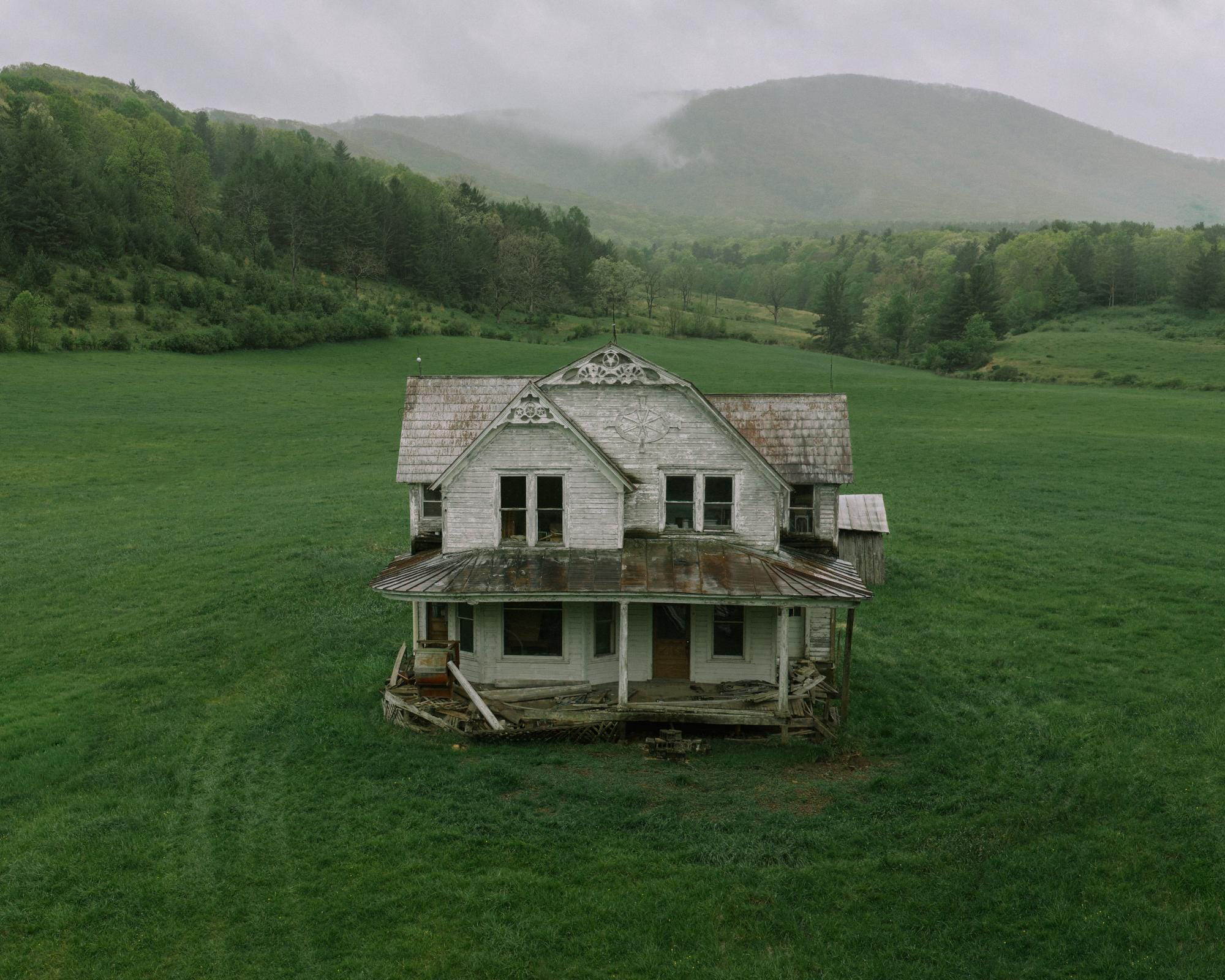
His earlier series, notably Thin Places, captured solitary, battered houses standing defiant against barren fields or encroaching marshes. These structures appeared as spectral sentinels—isolated, weather-beaten, yet imbued with an almost sacred loneliness. Aerial perspectives emphasized their vulnerability within immense terrains, evoking a sense of metaphysical thinness where the veil between past and present thins.
flow
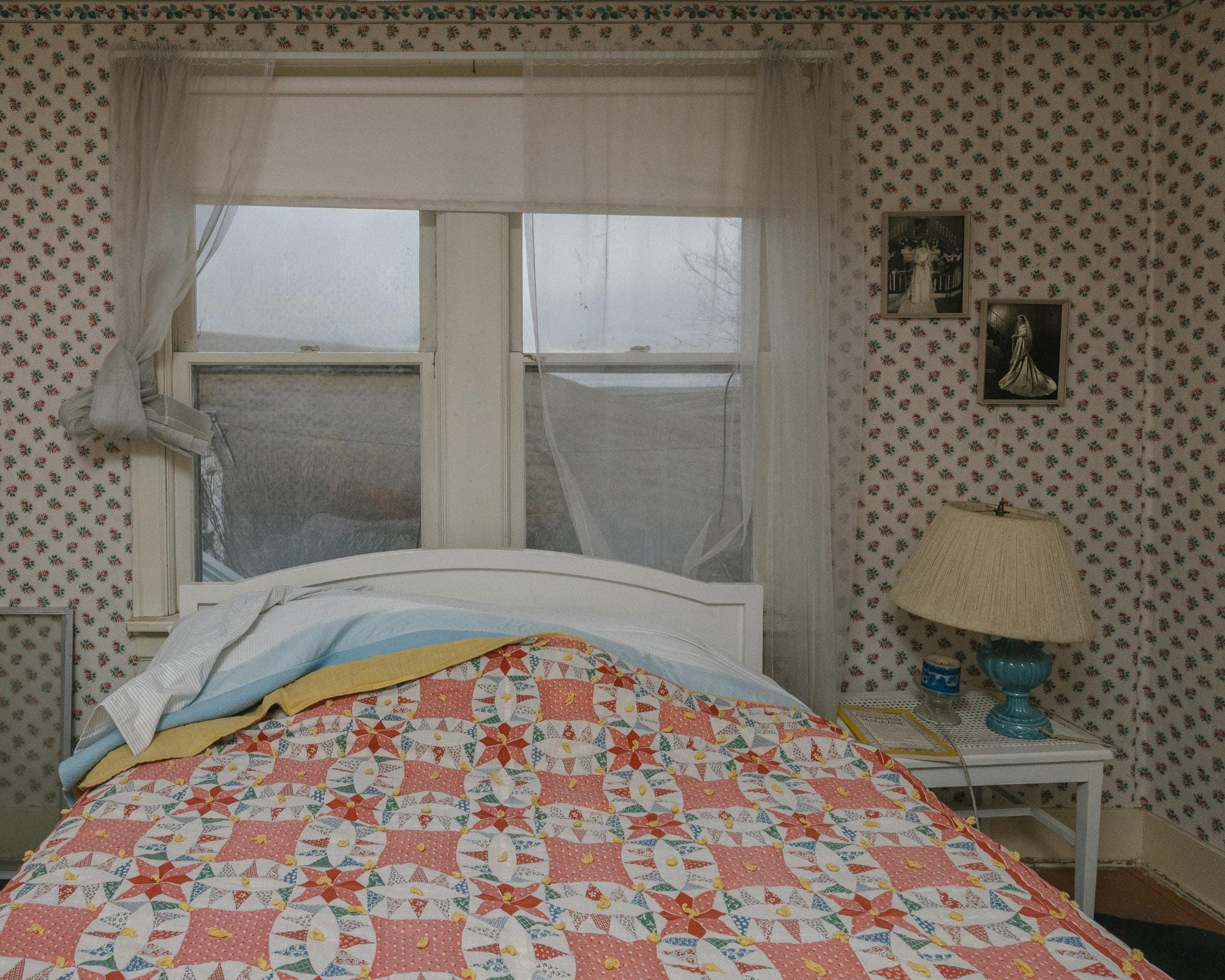
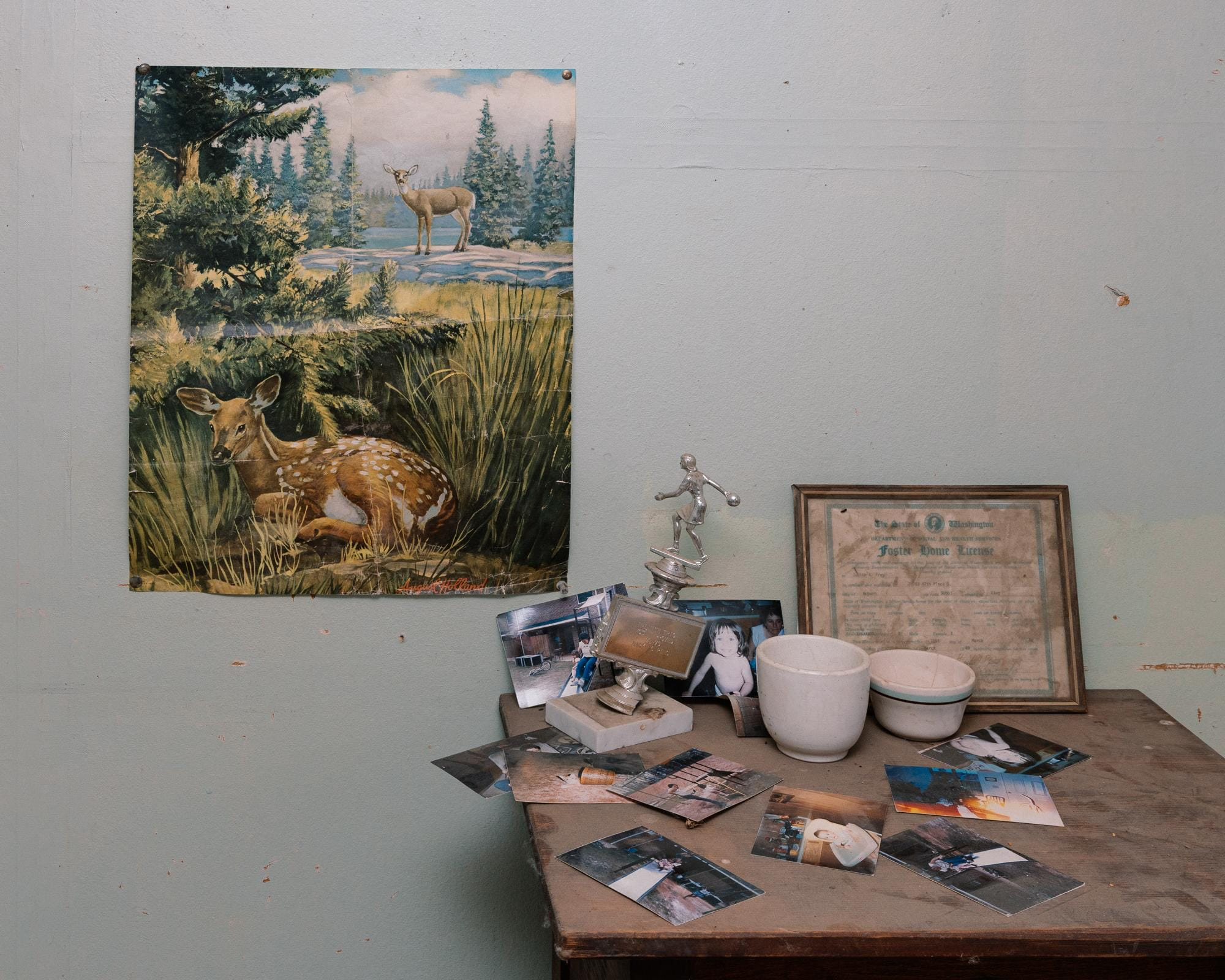
Burton’s more recent evolution, as seen in the ongoing work featured in Epitaph (now in its second edition), deepens this inquiry. No longer content to observe from afar, he ventures inside. Worn boots by a doorway, faded family portraits on peeling wallpaper, a quilt still draped over a bed made for the final time—these intimate objects become protagonists. They anchor the viewer in the residue of daily life, prompting narratives about who once walked these floors, loved within these walls, or fled in search of elsewhere.
This approach echoes literary traditions of hauntology and the flows of ruin. Like the spectral presences in works by W.G. Sebald or the atmospheric tension of Southern Gothic, Burton’s photographs function as view elegies. A patterned curtain fluttering in a draft, children’s toys gathering dust, or a calendar frozen on a long-passed month—these details humanize the desolation. The view becomes an archaeologist of the day, piecing together speculative biographies from the mundane yet charged artifacts of abandonment.
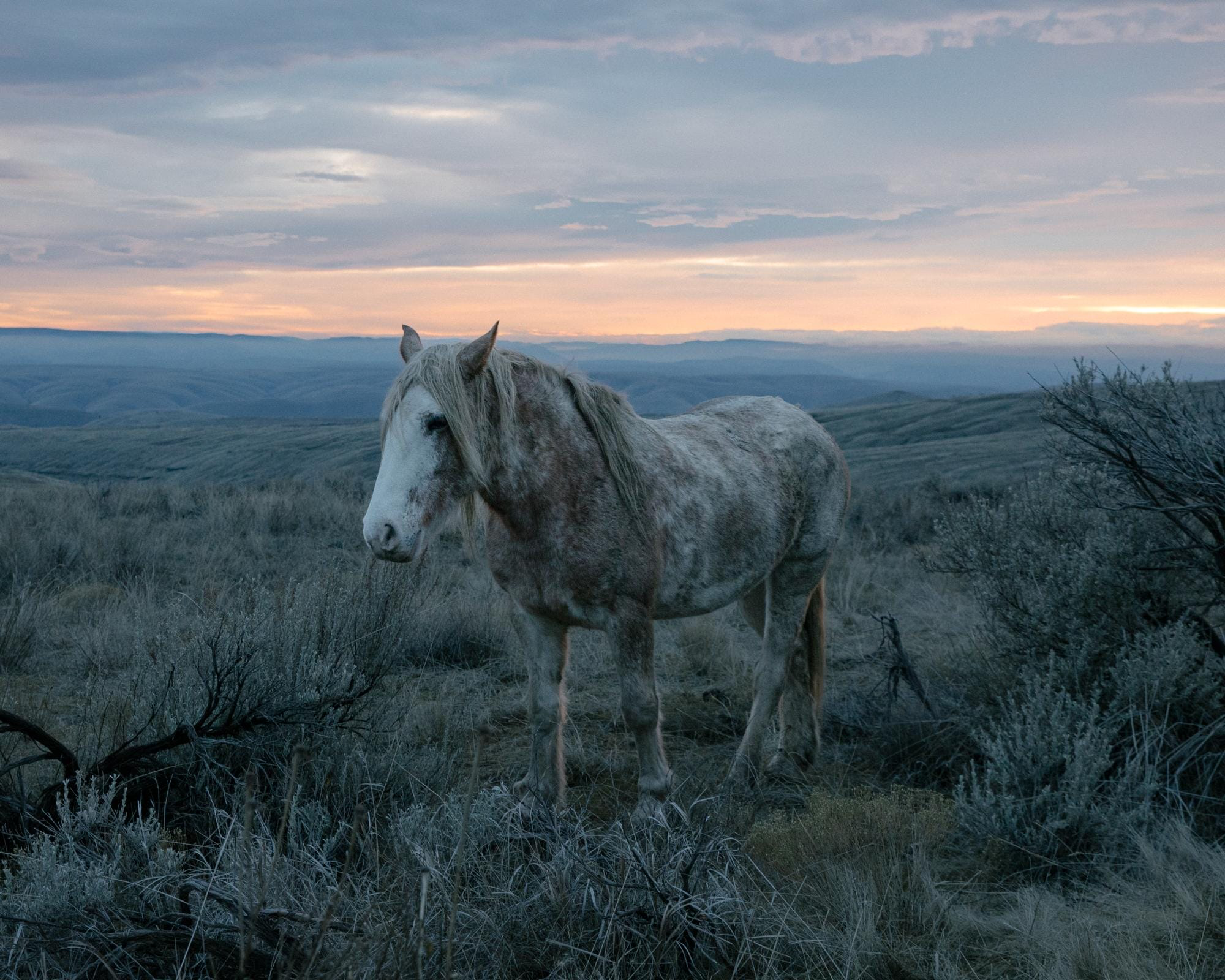
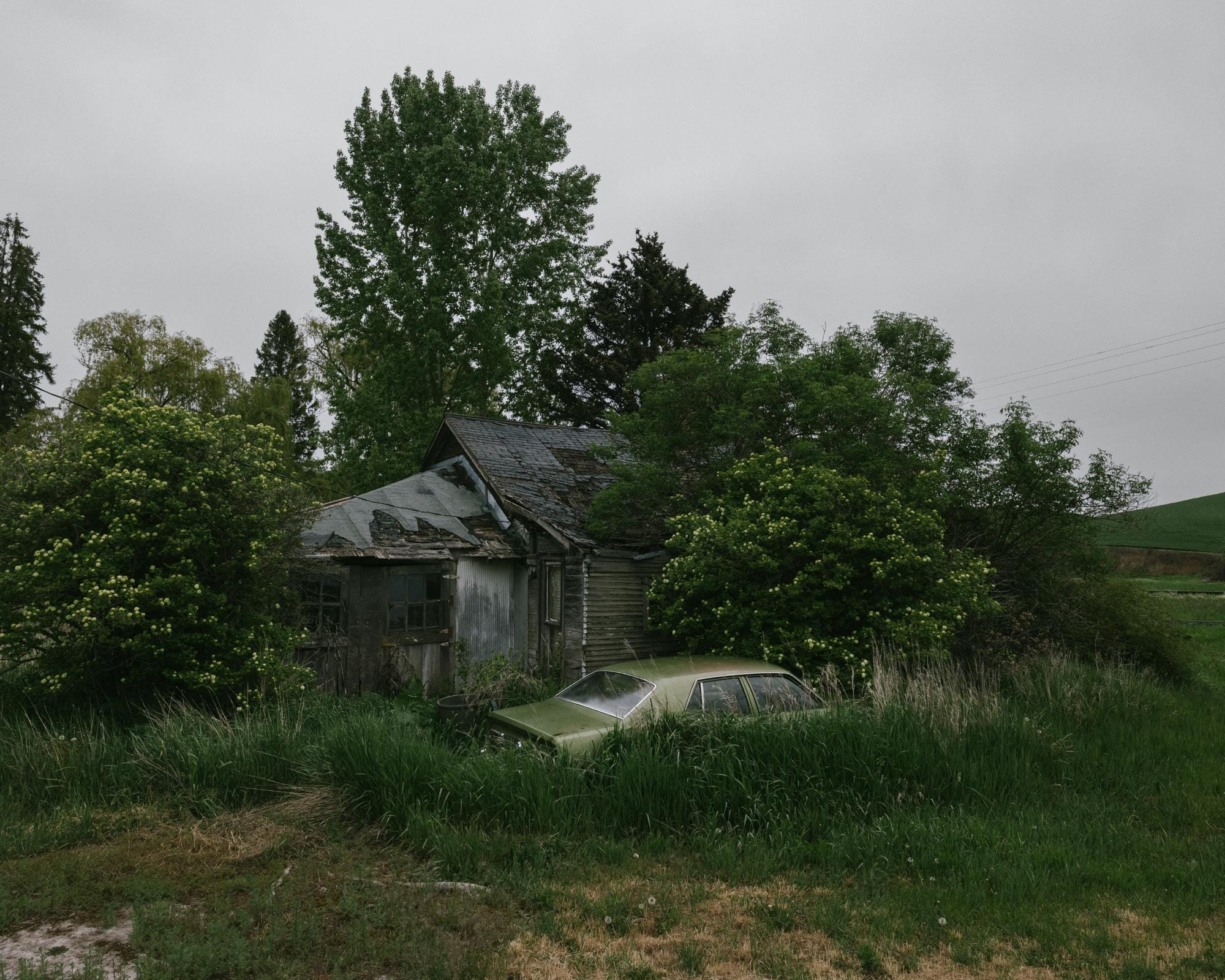
Burton keeps exact locations private, a respectful gesture that preserves the sanctity of these sites while heightening their mystery. His images avoid sensation or ruin porn aesthetics, instead favoring a dreamlike, almost reverent quality. Soft light filters through broken windows, illuminating layers of time: floral wallpapers from mid-century domesticity overlapping with the patina of neglect. Animals—birds, cats, or livestock—occasionally appear as current inhabitants, adding a layer of reticent continuity to the human absence.
scope
Central to this body of work is Burton’s photo book Epitaph, a 168-page linen-bound volume that compiles images spanning ten years across the continent. Subtly foil-stamped and debossed, the book itself feels like a tactile monument to impermanence. Limited to 750 copies in its recent edition, it invites collectors into “the bizarre world that exists just outside of town.”
Epitaph extends beyond houses to include abandoned churches, weathered grain elevators, remote cemeteries, and eerie landscapes. These are not mere documents of decline but meditations on memory, passing time, and the tenuousness of place. Contrasting intimate interiors with vast, dreamlike exteriors, Burton highlights the dialogue between the personal and the panoramic. A decade of road trips—from Idaho’s high deserts to West Virginia’s autumnal hills—yields a portrait of rural America in metamorphosis: economic shifts, depopulation, climate pressures, and culture stray all etched into the built environment.
Critics and audiences have responded powerfully. Features in Colossal, Designboom, and Oregon Public Broadcasting’s Oregon Art Beat underscore the work’s resonance. Burton’s images reveal a rarely glimpsed side of the country, where the imprint of human presence lingers palpably even in emptiness. As one profile notes, the photographer’s voyeuristic yet empathetic gaze allows us to confront “unseen histories and buried past lives.”
culture
Burton’s practice sits at the intersection of documentary rigor and artistic invention. His technical mastery—precise composition, atmospheric lighting, and a restrained tincture palette—elevates the vernacular into the sublime. Pleated backdrops on decaying floors recall the sculptural folds of high fashion; the botanical decay of overgrown interiors echoes the organic motifs in contemporary design. There is a quiet haute in his attention to texture: the frayed edge of a rug, the gloss of aged linoleum, the delicate lace of cobwebs.
In the broader cultural context, Burton’s work dialogues with movements in contemporary art and photography that grapple with place, memory, and the Anthropocene. It parallels the landscape meditations of artists like Gregory Crewdson or the ruin explorations of Yves Marchand and Romain Meffre, yet remains distinctly rooted in American rural specificity. His Pacific Northwest origins infuse the images with a particular melancholic lyricism, akin to the literary traditions of Raymond Carver or the cinematic atmospheres of Kelly Reichardt.
Moreover, in an age of digital overload and hyper-visibility, Burton’s focus on the overlooked offers a form of resistance. These photographs slow us down, demanding patience and imagination. They remind us that every abandoned home was once a stage for ordinary dramas—of love, labor, loss, and aspiration. The speculative stories we project onto them mirror our own relationships to home, heritage, and transience.
straddle
While photography remains his core, Burton has expanded into directing and video. Recent projects include music videos slated for release, where his eye for narrative and atmosphere translates fluidly to motion. This evolution suggests new ways to animate the stories latent in his still works—perhaps future installations or films that layer soundscapes, oral histories, or archival voices over his visual ruins.
His commercial and fashion-adjacent work further enriches this practice. Experience shooting for musicians and publications informs a cinematic sensible, allowing personal projects to maintain emotional depth without sacrificing accessibility.
fin
Brendon Burton’s photography ultimately affirms a profound truth: places remember. Through his lens, abandoned rural homes transcend dereliction to become vessels of collective and individual memory. The worn boots, the last-made bed, the faded portraits—these are not just remnants but portals. They challenge us to consider what we leave behind, what endures, and how the margins of society reflect the center.
As Burton continues his journeys into the strange corners of North America, his work grows ever more vital. In documenting decay, he preserves beauty; in evoking absence, he affirms presence. Epitaph and his evolving series stand as testaments to the shh dignity of forgotten lives and the landscapes that outlast them.
For those drawn to the flow undercurrents of American identity, Burton offers an invitation: step inside these frames, linger among the relics, and weave your own narrative from the threads of what remains. In doing so, we confront not only the ghosts of rural America but the ephemeral nature of our own stories—beautiful, fragile, and indelibly marked by place.